
Hades, the god of the Underworld, is known for having a few powerful children. This article explores the seven children attributed to Hades, including their roles in Greek mythology and the significance of their stories [1].
1. Zagreus: The Complex Legacy of Hades’ Son
Zagreus stands as one of the most significant figures among the children of Hades. His story intertwines with themes of death, rebirth, and the duality of existence, particularly within Orphic mythology.

Zagreus’ birth and lineage
Zagreus is recognized as the son of Hades and Persephone. This lineage places him at the intersection of life and death, embodying the complexities of the Underworld. In early Orphic texts, he is depicted as a divine figure who undergoes death and resurrection, reflecting the cycle of nature itself. His association with both Hades and Persephone emphasizes his role as a conduit between worlds.
The Orphic myth of death and resurrection
The Orphic mythos presents Zagreus as a counterpart to Dionysus, showcasing a profound link to themes of rebirth. After undergoing a brutal death at the hands of the Titans, Zagreus is resurrected, symbolizing the eternal cycle of life and death. This myth not only highlights his significance within the Orphic tradition but also illustrates the transformative power of grief and loss.
Cultural impact of Zagreus in modern interpretations
Zagreus’ legacy resonates in contemporary culture. He appears in literature, video games, and art, often symbolizing the struggle against fate and the quest for identity. For instance, the game “Hades” portrays him as a rebellious son seeking to escape the Underworld, capturing the essence of his myth in a modern context.
Zagreus serves as a reminder that even in darkness, there is potential for renewal. His story encapsulates the duality of existence, making him an enduring figure in both ancient and contemporary narratives.
- Key Themes:
- Death and rebirth
- Duality of existence
- Struggle for identity
Zagreus’ role in Orphic mythology is foundational, bridging the gap between the underworld and the living world, while his modern interpretations highlight the timeless relevance of his myth. Through understanding Zagreus, we grasp the complexities of Hades’ lineage and the enduring power of his narrative.
Table of Contents
2. Makaria: Goddess of Blessed Death

Makaria stands as a unique figure in Greek mythology, embodying the concept of a peaceful death. As the daughter of Hades, she plays a crucial role in the mythological landscape, overseeing the souls who die under favorable circumstances.
Meaning of Makaria’s Name and Its Implications
The name Makaria translates to “blessed” or “happy,” signifying a favorable passage from life to the afterlife. This nomenclature underscores her role as a benevolent deity who provides comfort to souls experiencing a gentle transition. In various narratives, those who die in battle or childbirth, considered honorable deaths, are received into her care, thus marking them as “the blessed ones” in the afterlife [6].
Makaria’s Relationship with Thanatos
Makaria is often associated with Thanatos, the personification of death itself. While Thanatos represents the finality of death, Makaria embodies its peaceful aspect. Together, they illustrate the duality of death in Greek thought, where the end of life can be both fearsome and serene. This partnership emphasizes the importance of a proper and honorable death, reflecting cultural values surrounding mortality and reverence for the deceased.
How Makaria Is Depicted in Literature
Literature portrays Makaria in various ways, often linking her to themes of compassion and solace. She is depicted as a nurturing figure, guiding the souls of the deceased towards tranquility. In some accounts, she is noted for her efforts in helping souls reach the Isles of the Blessed, a paradisiacal afterlife reserved for the virtuous [8].
- Literary Examples:
- The Suda: References her lineage as a daughter of Hades, although her mother remains ambiguous [5].
- Mythological Texts: Descriptions often highlight her role in the peaceful transition of souls, further reinforcing her significance in the cultural understanding of death.
Understanding Makaria’s character reveals the nuanced perceptions of life and death in Greek mythology. Her narrative enhances the overarching themes associated with Hades and the underworld, illustrating how even the harshest of realms can harbor figures of compassion and grace.
3. Melinoë: The Dual-Natured Goddess
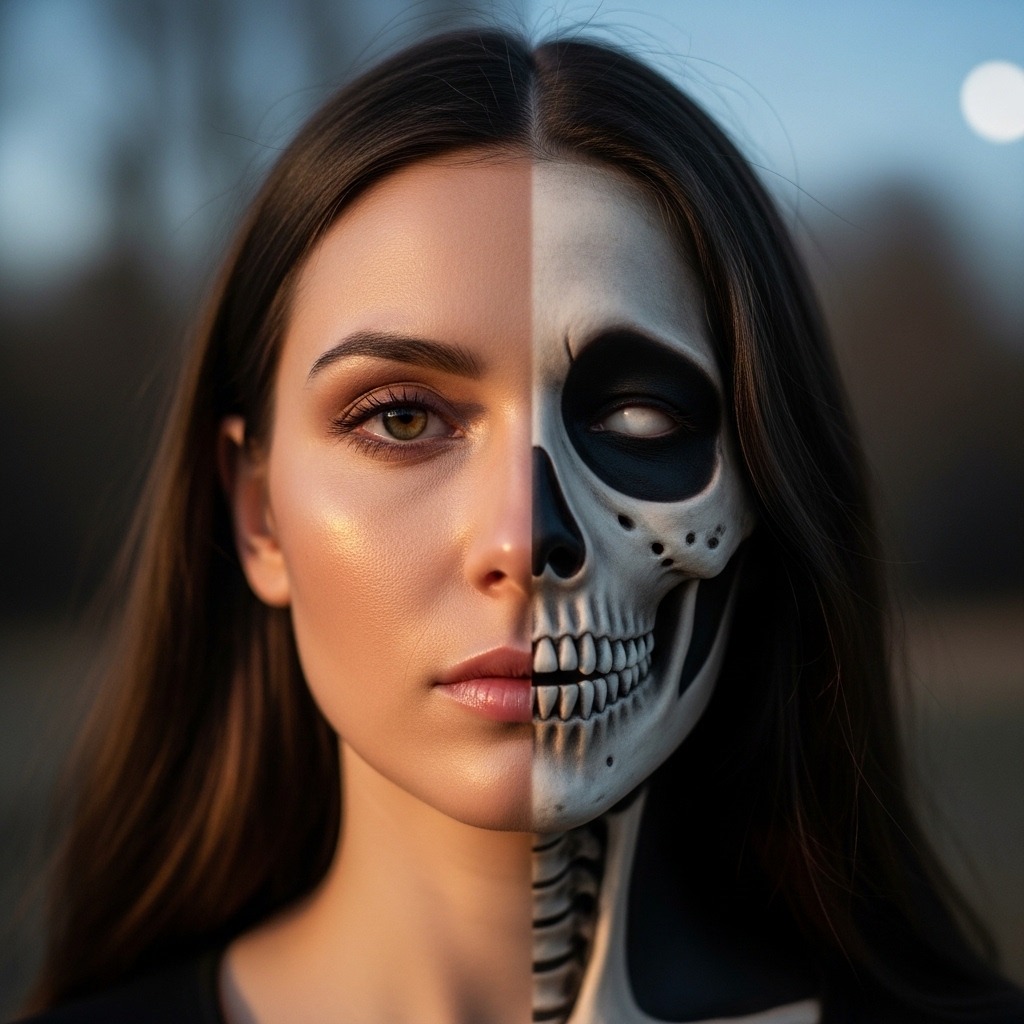
Melinoë embodies the complexities of the Underworld. As a daughter of Hades, she represents both darkness and light, straddling the line between life and death, sanity and madness.
Understanding Melinoë’s Duality
Melinoë is often depicted as having both a somber and a vibrant nature. This duality manifests in her appearance—half of her is described as white, symbolizing purity, while the other half is black, representing the shadows of the Underworld. This striking imagery illustrates her role as a bridge between disparate realms.
- Goddess of the Underworld: Melinoë governs the darker aspects of the psyche, including fear and subconscious turmoil.
- Nymph or Goddess: Sources vary in defining her status, reflecting her ambiguous nature within the mythological canon. Some see her as a lesser deity or nymph, while others elevate her to full goddess status, asserting her importance in chthonic lore [2].
Her Role in Nightmares and the Psyche
Melinoë’s influence extends into the realm of dreams and nightmares. As a deity who can instigate terrifying visions, she plays a crucial role in the Greek understanding of psychological distress. Her connection to madness is significant:
- Night Terrors: Melinoë is believed to cause night terrors, invoking fear and instability in those who cross her path [3].
- Psychological Symbolism: In literature, her character often symbolizes the struggle against inner demons, a universal theme that transcends cultures.
Cultural Significance in Modern Media
Melinoë has been embraced in contemporary interpretations, often viewed through a psychological lens. Her character resonates in various forms of media, from literature to film, where themes of duality and madness are prevalent.
- Literary Examples: Modern authors utilize Melinoë’s duality to explore themes of identity and mental health.
- Comparative Analysis: Similar figures exist in other cultures, like the Hindu goddess Kali, who embodies destruction and rebirth. Both figures highlight the tension between life and death, sanity and madness.
Melinoë’s rich narrative illustrates the multifaceted nature of the Underworld. Her duality offers profound insights into the human experience, reflecting the complexities inherent in life and death.
4. Plutus: The God of Wealth
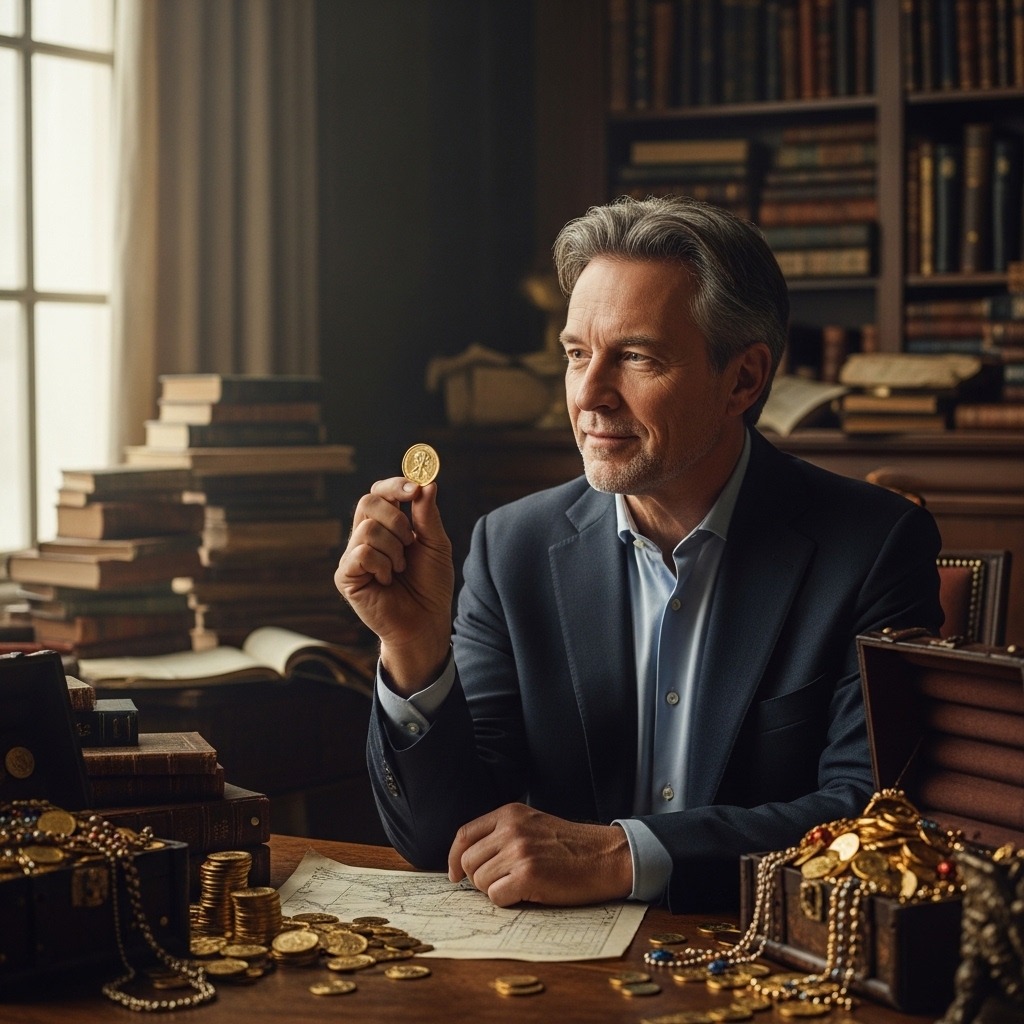
Plutus, the god of wealth, holds a unique and complex position as the son of Hades. His association with prosperity challenges the conventional narratives surrounding death and the afterlife, providing a profound exploration of wealth in the context of the underworld.
Plutus’ Origins and Parentage
Plutus is often depicted as the offspring of Hades, the ruler of the underworld, and is sometimes considered the son of Demeter, depending on the mythological source. His name translates directly to “wealth” in Greek, symbolizing his dominion over material abundance. This connection to Hades suggests a duality: wealth can lead to prosperity in life, yet it is also intertwined with the inevitability of death.
The Significance of Wealth in Hades’ Realm
In Greek mythology, wealth is not merely a physical asset but a symbol of moral and ethical considerations. Plutus’ role illustrates the paradox of wealth existing within the realm of Hades. While Hades governs the dead, Plutus represents the fruits of life—wealth and prosperity. This duality is significant when considering:
- Moral Implications: Wealth can corrupt and lead to moral decay, as seen in various myths.
- Cultural Interpretations: Ancient Greeks often viewed wealth with suspicion, correlating it with greed and hubris.
Modern Representations of Plutus in Culture
Today, Plutus remains relevant in discussions around wealth and its implications. His character has been adapted in various literary and artistic works, symbolizing the ongoing tension between prosperity and mortality. For instance:
- Literature: Writers often use Plutus to explore themes of greed and the fleeting nature of wealth.
- Art: Visual representations depict Plutus as a figure who brings both fortune and folly, reflecting society’s complex relationship with money.
Plutus’ presence offers a rich commentary on the nature of wealth, emphasizing its connection to life, death, and ethical considerations. The juxtaposition of his role as Hades’ son highlights the intricate narratives woven through Greek mythology, challenging us to rethink our understanding of wealth in both ancient and modern contexts.
5. The Erinyes: Vengeful Spirits of Justice
The Erinyes, also known as the Furies, embody vengeance and justice in Greek mythology. They serve as the enforcers of moral order, punishing transgressions against the natural and divine laws. Their connection to Hades deepens their role as guardians of the underworld.
Origins and Roles of the Erinyes
The Erinyes originated from the blood of Uranus, the sky, when he was castrated. Their primary function is to avenge wrongdoings, particularly those involving familial betrayal, murder, and hubris. They pursue offenders relentlessly, bringing them to justice, often leading to madness or death.
- Key Functions:
- Avenging murderers, especially those who kill family members.
- Enforcing oaths and punishing perjurers.
- Serving as reminders of divine retribution.
Their Relationship with Hades
The Erinyes are intrinsically linked to Hades, as they reside in the underworld and execute his will. They act as his agents, maintaining order among the souls of the deceased.
- Function Under Hades:
- They oversee the souls of wrongdoers.
- They ensure that justice prevails in the afterlife, reflecting Hades’ authority as the ruler of the underworld.
Cultural Impact and Modern Depictions
The Erinyes have been depicted in various forms throughout history, symbolizing vengeance in literature and art. Their portrayal has evolved, influencing modern interpretations of justice and morality.
- Cultural Significance:
- Represent justice in both ancient and contemporary contexts.
- Serve as archetypes in literature, often representing the consequences of one’s actions.
Modern media frequently reinterprets the Erinyes. For example, in contemporary literature, they may appear as avenging spirits who confront characters with their past misdeeds. This highlights the timeless relevance of the themes they embody.
By examining the Erinyes, we gain insight into the complex relationship between justice and retribution in mythology, as well as the cultural narratives surrounding Hades and his children.
6. Comparisons with Other Mythological Offspring
Understanding Hades’ children in the context of other Greek deities enriches our grasp of their roles and significance. Hades, the god of the underworld, presents a unique contrast to his brothers Zeus and Poseidon, whose offspring dominate many myths.
Contrasting Hades’ Children with Zeus’ Offspring
Zeus is known for fathering numerous gods and heroes. His children include:
- Athena: Goddess of wisdom, born from his head.
- Apollo: God of the sun and music.
- Dionysus: God of wine and festivity.
In contrast, Hades has fewer and often less celebrated children. Notable offspring of Hades include:
- Zagreus: A significant figure in Orphic mythology, representing rebirth.
- Makaria: Goddess of blessed death, embodying a more serene aspect of mortality.
- Plutus: God of wealth, symbolizing the richness found in the underworld.
While Zeus’ children often play pivotal roles in battles and political intrigue, Hades’ offspring reflect themes of death and the afterlife, emphasizing the balance of existence.
Themes in the Children of Poseidon
Poseidon, the god of the sea, also has a diverse lineage. His children include:
- Theseus: A hero of Athens known for his adventures.
- Triton: A merman, often depicted as a messenger of the sea.
Poseidon’s offspring frequently engage in earthly affairs, often becoming heroes or demigods. In contrast, Hades’ children typically inhabit the underworld, engaging with themes of death and the afterlife, rather than the living world. This difference highlights the distinct realms each god governs.
Common Threads in Greek Mythology
Despite their differences, there are common themes in the offspring of these gods.
- Divine Legacy: All children represent their parent’s domain—Hades’ children symbolize death and wealth, while Zeus’ and Poseidon’s embody power and nature.
- Cultural Interpretations: Each deity’s offspring reflect societal values. Hades’ children often signify acceptance of death, while Zeus’ children often represent ambition and heroism.
- Mythological Archetypes: Each god’s children serve as archetypes. Hades’ children like Melinoë (goddess of ghosts) and the Erinyes (avengers) resonate with themes of justice and retribution, paralleling the heroic journeys of Zeus’ offspring.
This comparative analysis underscores the unique narratives woven into Greek mythology, illustrating how the offspring of Hades differ in significance and role from those of Zeus and Poseidon.
7. Addressing Misconceptions About Hades and His Children
Hades, often misunderstood, embodies much more than a mere overseer of the dead. His children reflect a complex interplay of themes in Greek mythology, challenging the common perceptions of both him and his lineage.
Hades is Often Viewed Negatively
Hades suffers from a poor reputation as the god of the underworld. This perception primarily stems from his role in overseeing death. However, he is not synonymous with evil. In fact, many myths portray him as a just ruler, maintaining balance between life and death. His children, such as Zagreus and Melinoë, embody themes of rebirth and transformation, offering a richer narrative than mere darkness. Hades is a custodian of the souls, not a villain, which is often overlooked in modern interpretations of mythology [14].
Addressing Misconceptions About Hades’ Children
Hades’ children do not receive the attention they deserve. Many believe he had no offspring, yet this is a significant misconception. The following figures are recognized as his children:
- Zagreus: Central to Orphic tradition, often associated with rebirth and the cycle of life.
- Makaria: Represents blessed death, highlighting a more gentle aspect of mortality.
- Melinoë: A dual-natured goddess, she embodies both the haunting aspects of death and the transformative power of the afterlife.
- Plutus: The god of wealth, he symbolizes the riches that can stem from the underworld, linking death with prosperity.
- The Erinyes: Also known as the Furies, they serve as avenging deities, enforcing justice and balance in the mythological realm.
These figures demonstrate that Hades’ children carry significant weight in mythological narratives, contrary to the belief that he sired few or no divine beings [12][15].
The Duality of Hades and His Realm
Hades embodies duality—he is both the ruler of the underworld and a figure of regeneration. This dual nature is evident in his children. For instance, Zagreus is often depicted in myth as a symbol of life that arises from death. Similarly, Melinoë’s role illustrates the thin line between life and death, as she governs both realms. This complexity serves as a reminder that Hades, while associated with the underworld, is also integral to the cycle of life itself [15].
In summary, the narrative surrounding Hades and his offspring is multifaceted. Misunderstandings persist, but recognizing the depth of these characters enriches our comprehension of Greek mythology.
8. Cultural Interpretations of Hades’ Children
The narratives of Hades’ children have evolved significantly across various cultures and mediums. These interpretations reflect both ancient beliefs and modern adaptations, showcasing their multifaceted roles in mythology.
Hades’ Children in Literature
Hades’ offspring often appear in classical texts and contemporary literature. Their roles vary, but they consistently embody themes of death, rebirth, and duality.
- Zagreus: Frequently depicted as a god of rebirth, his story has been reinterpreted in modern novels and games, emphasizing themes of resurrection and transformation.
- Makaria: Represented as the goddess of blessed death, she contrasts the fear often associated with her father, Hades, highlighting a more compassionate view of death.
- Melinoë: This dual-natured goddess embodies the complexities of life and death, often featured in works that explore the psyche and the afterlife.
- Plutus: His association with wealth has been leveraged in modern narratives to discuss the moral implications of wealth and its accumulation.
- The Erinyes: These avenging deities symbolize justice and retribution, appearing in both ancient tragedies and modern adaptations that explore themes of vengeance and morality.
Film and Visual Art Representations
The representation of Hades’ children varies significantly in visual art and film, reflecting contemporary values and interpretations.
- Zagreus: In recent video games like Hades, he is portrayed as a hero challenging fate, emphasizing empowerment and self-discovery.
- Makaria: Artistic depictions often show her as a serene figure, counterbalancing the grim nature of Hades with a softer approach to death.
- The Erinyes: Frequently depicted in films and plays, they highlight the darker aspects of justice, representing the consequences of one’s actions in a powerful visual narrative.
The Evolution of Their Narratives Across Cultures
The narratives surrounding Hades’ children have been adapted and reinterpreted across cultures.
- Cultural Variations: In some cultures, Hades’ children are viewed more positively, emphasizing their roles in protecting souls and guiding them through the afterlife.
- Modern Adaptations: Contemporary media often recast these characters, focusing on themes of resilience and personal growth. For instance, adaptations in graphic novels present them as complex characters with agency, rather than mere extensions of Hades’ dominion.
- Comparative Analysis: Compared to the offspring of other deities, such as Zeus, Hades’ children often reflect a more nuanced understanding of life and death, allowing for a rich exploration of human experience.
This evolution highlights the lasting impact of Hades’ children in mythology. Their stories resonate through time, challenging our perceptions of life, death, and the universe’s moral fabric.
Frequently Asked Questions
These quick answers cover the most common questions about this topic, including key details, practical tips, and common concerns.
Who are all of Hades’ children?
Hades is credited with several children in Greek mythology. The most notable include Zagreus, a figure associated with rebirth and the underworld; Makaria, goddess of blessed death; Melinoë, embodying duality and the psyche; Plutus, god of wealth; and the Erinyes (Furies), vengeful spirits enforcing justice. Some sources also mention other minor or myth variant children, but these are the primary figures [1][2][6][7][8].
Who is Zeus’s favorite child?
Zeus’s favorite child is often considered Athena, born fully armed from his head. She symbolizes wisdom and strategic warfare. Zeus also favored Apollo and Artemis, his children with Leto, who became gods of the sun, music, and the hunt. Zeus’s favoritism varies depending on the myth, but Athena is frequently highlighted as his most prominent favorite [12].
Who got Persephone pregnant?
Persephone, daughter of Demeter, is primarily known as the wife of Hades. Mythological sources do not explicitly state she was pregnant by Hades or anyone else. Her role is more about her dual nature as goddess of spring and queen of the underworld. The myths focus on her abduction and marriage rather than offspring [15].
Did Medusa get pregnant by Poseidon?
Yes, Medusa was impregnated by Poseidon. According to myth, Poseidon assaulted Medusa in Athena’s temple, leading Athena to curse Medusa, turning her into a Gorgon. Medusa’s children include Pegasus, the winged horse, and Chrysaor, a giant with a golden sword [12].
What roles do Hades’ children play in mythology?
Hades’ children often symbolize themes of death, justice, and the afterlife. Zagreus represents rebirth, Makaria embodies blessed death, Melinoë symbolizes duality and the subconscious, and Plutus reflects wealth. The Erinyes enforce divine justice. Their stories explore mortality, morality, and the cycle of life and death [1][2][6][8][15].
How does Zagreus differ from other children of Hades?
Zagreus is unique because he is linked to themes of death and rebirth, especially in Orphic tradition. Unlike other children, he often symbolizes renewal and the cycle of life. Modern stories portray him as a rebellious figure seeking identity, contrasting with more mythic roles of other offspring who focus on death or justice [1][3].
What is the significance of Makaria in Greek mythology?
Makaria represents blessed or peaceful death. She signifies a favorable transition for souls who die honorably, such as in battle or childbirth. Her role emphasizes the compassionate aspect of Hades’ domain and highlights the cultural importance of a proper death in Greek thought [6].
Are the Erinyes considered children of Hades?
The Erinyes, or Furies, are often associated with Hades because they dwell in the underworld and serve as agents of justice. While their origins trace to the blood of Uranus, mythologically, they are linked to Hades as enforcers of moral retribution. Some sources consider them Hades’ children, emphasizing their role in maintaining order among the dead [7][15].
What myths feature the children of Hades?
Mythologies featuring Hades’ children include the Orphic stories of Zagreus and rebirth, the tales of Makaria overseeing blessed death, and Melinoë’s role in nightmares and madness. The Erinyes appear in stories about justice and vengeance, especially in tragedies like Aeschylus’ works. These myths explore death, morality, and the afterlife [1][2][6][15].
How do Hades’ children relate to the concept of death in Greek culture?
Hades’ children embody different aspects of death—Zagreus symbolizes rebirth, Makaria represents peaceful passing, Melinoë reflects fear and subconscious fears, and the Erinyes enforce moral justice. Their stories show that death was seen as a natural, multifaceted part of life, not solely as an end but as a transition and moral consequence [6][15].
References
2. Every Greco Roman Deity Explained – Zagreus – blood and …
3. Zagreus
5. Your opinion on Makaria/Macaria? : r/GreekMythology
6. MELINOE – Greek Goddess of Ghosts
7. Hades – CONA Iconography Record
10. Sacred psychiatry in ancient Greece – PMC – NIH
11. Explore the difference between Greek and Roman mythology
12. Greek Mythology
14. Reasons why Hades is so misunderstood – The Courier
15. Hades
16. Hades – Eduindex
17. The Children of Kronos: Hades (page 72, with art)
18. Hades