
There are many famous ogres in folklore and popular culture. This article highlights 6 notable ogres, showcasing their unique characteristics and stories that have influenced literature and media over the years.
1. Shrek: The Iconic Modern Ogre

Shrek redefines the ogre trope, showcasing a character who evolves from a misunderstood villain to a beloved hero. This transformation highlights the complexities of ogres in modern storytelling.
Shrek’s origin in fairy tales
Shrek originates from the 1990 children’s book by William Steig. The character was adapted by DreamWorks into a series of animated films. Shrek’s portrayal contrasts sharply with traditional depictions of ogres as malevolent creatures. Instead, he embodies the qualities of a sympathetic anti-hero.
Cultural impact and popularity
Shrek’s influence extends beyond films. He has become a cultural icon, representing themes of acceptance and individuality. The franchise has garnered critical acclaim and multiple awards. It challenges stereotypes, inviting audiences to see beyond appearances.
- Key Points of Impact:
- Subversion of traditional ogre characteristics
- Emphasis on friendship and loyalty
- Representation of personal growth and acceptance
Character traits that resonate with audiences
Shrek embodies traits that resonate deeply with viewers. His gruff exterior hides a kind heart. He values solitude yet longs for connection. This duality makes him relatable to many.
- Notable Traits:
- Misunderstood outsider
- Loyal friend
- Reluctant hero
Shrek’s character arc encourages audiences to embrace their uniqueness and challenge societal norms. His journey reflects broader themes found in various folklore, emphasizing that true strength lies in compassion and understanding.
Table of Contents
2. Grendel: The Archetypal Ogre from Literature
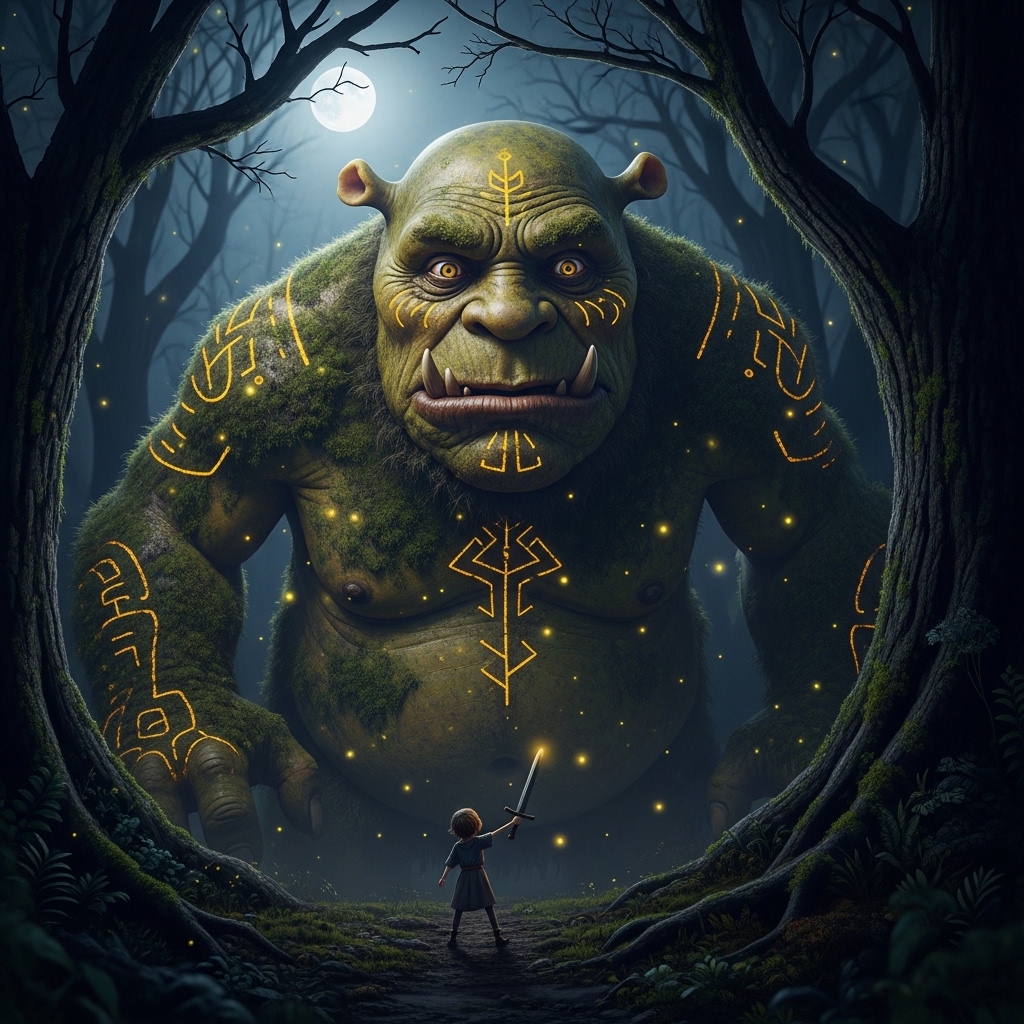
Grendel, a central figure in the epic poem Beowulf, epitomizes the classic characteristics of an ogre. His monstrous strength and fearsome nature make him a quintessential villain in literary history.
Literary Origins of Grendel
Grendel originates from the Anglo-Saxon epic poem Beowulf, believed to have been composed between the 8th and 11th centuries. He is depicted as a descendant of Cain, marked by a curse of isolation and hatred. This lineage not only frames him as a villain but also emphasizes themes of sin and retribution.
- Key Characteristics:
- Monstrous size and strength
- Cannibalistic tendencies
- Isolation from humanity
Grendel’s role as the antagonist drives the narrative, showcasing the struggle between good and evil.
Symbolism and Representation in Beowulf
Grendel symbolizes the fear of the unknown and the monstrous “other.” He represents societal fears of chaos and destruction, embodying the darker aspects of human nature. His attacks on the mead-hall, Heorot, signify an assault on civilization itself.
- Symbolic Themes:
- Fear of outsiders
- The consequences of sin
- The struggle for power
These themes resonate throughout literature, influencing modern portrayals of ogres and monstrous beings.
Comparative Analysis with Modern Ogres
Grendel’s characterization has significantly influenced how ogres are portrayed in contemporary media. Unlike the comedic and misunderstood Shrek, Grendel remains a figure of terror and dread.
- Comparison Points:
- Grendel: Embodies pure malice and strength.
- Modern Ogres: Often depicted with complex emotions and backstories.
This evolution reflects societal changes in how we view monsters—from mere antagonists to symbols of deeper psychological struggles.
Grendel’s legacy persists in literature and popular culture, shaping our understanding of ogres as both fearsome beings and complex characters.
3. The Ogre in Puss in Boots: Trickster and Antagonist
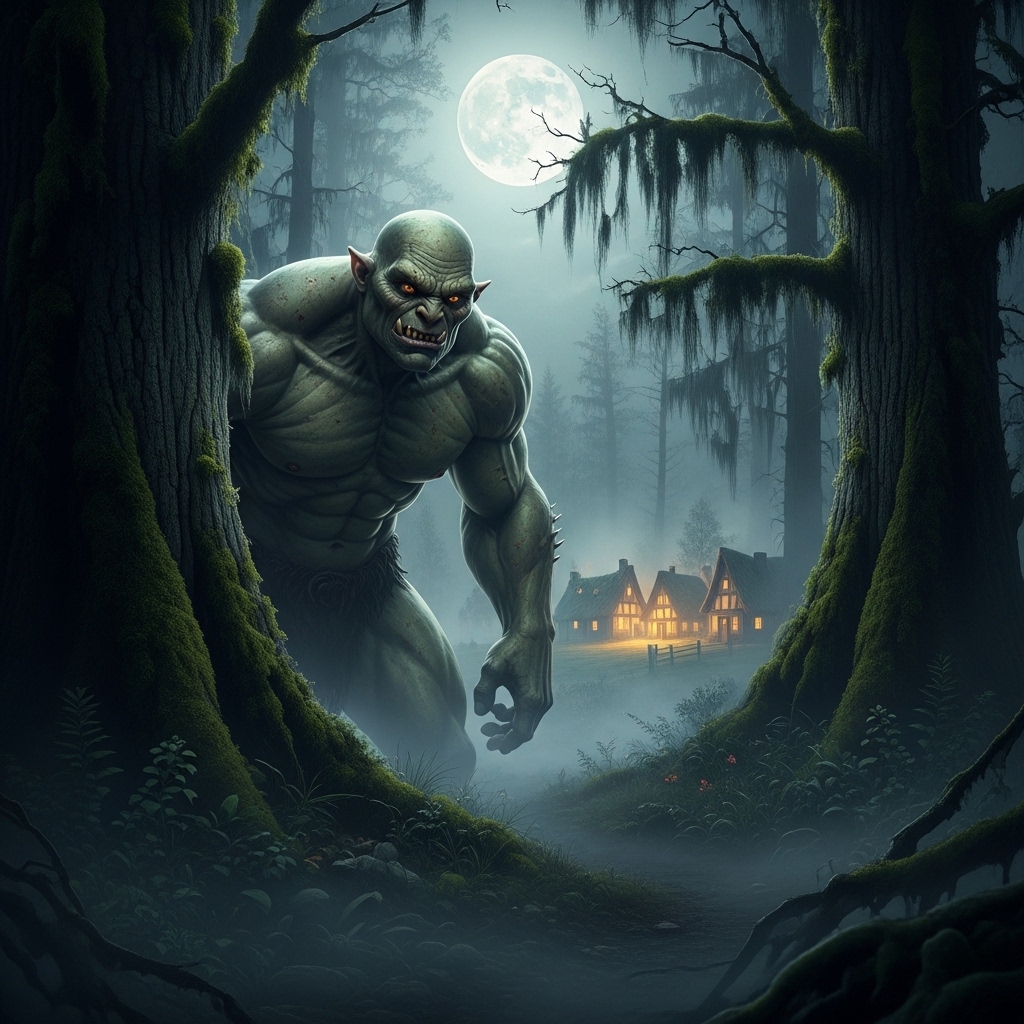
The ogre in “Puss in Boots” is a classic representation of the genre, serving as both a formidable antagonist and a catalyst for the hero’s cleverness. This character embodies the traditional traits of ogres while also allowing for an exploration of deeper themes.
Plot Summary and Character Traits
In “Puss in Boots,” the ogre is depicted as a shapeshifting giant who initially poses a significant threat. He transforms into a lion to intimidate Puss, showcasing his power and cunning. However, Puss utilizes his intelligence to outsmart the ogre. This interaction highlights the classic trope of the trickster, where wit triumphs over brute strength.
- Key Traits of the Ogre:
- Shapeshifting abilities
- Boastful nature
- Initial portrayal as a menacing villain
The Transformation of the Ogre Trope
Historically, ogres have been seen as mere villains. However, the ogre in “Puss in Boots” reflects a shift in storytelling. This character is not just a monster; he represents the consequences of arrogance and overconfidence. The transformation of the ogre trope from a fearsome beast to a character that teaches moral lessons enriches the narrative.
- Evolution of Ogres:
- From fearsome antagonists to complex characters.
- Represents societal fears and personal flaws.
- Serves as a lesson in humility and the pitfalls of pride.
Cultural Significance in Storytelling
The ogre’s role in “Puss in Boots” illustrates how these creatures serve as mirrors for human behavior. They embody societal fears, teaching lessons about cunning, bravery, and the value of intelligence over strength. Furthermore, this portrayal contributes to the cultural significance of ogres in folklore, where they often reflect the moral complexities of human nature.
- Moral Lessons from Ogres:
- Intelligence can overcome brute strength.
- Arrogance leads to downfall.
- Ogres can symbolize internal struggles, representing fears or societal issues.
This exploration of the ogre in “Puss in Boots” showcases how even traditional villains can evolve, offering rich narratives that resonate with audiences across generations.
4. The Beast: Complexities Within Beauty and the Beast
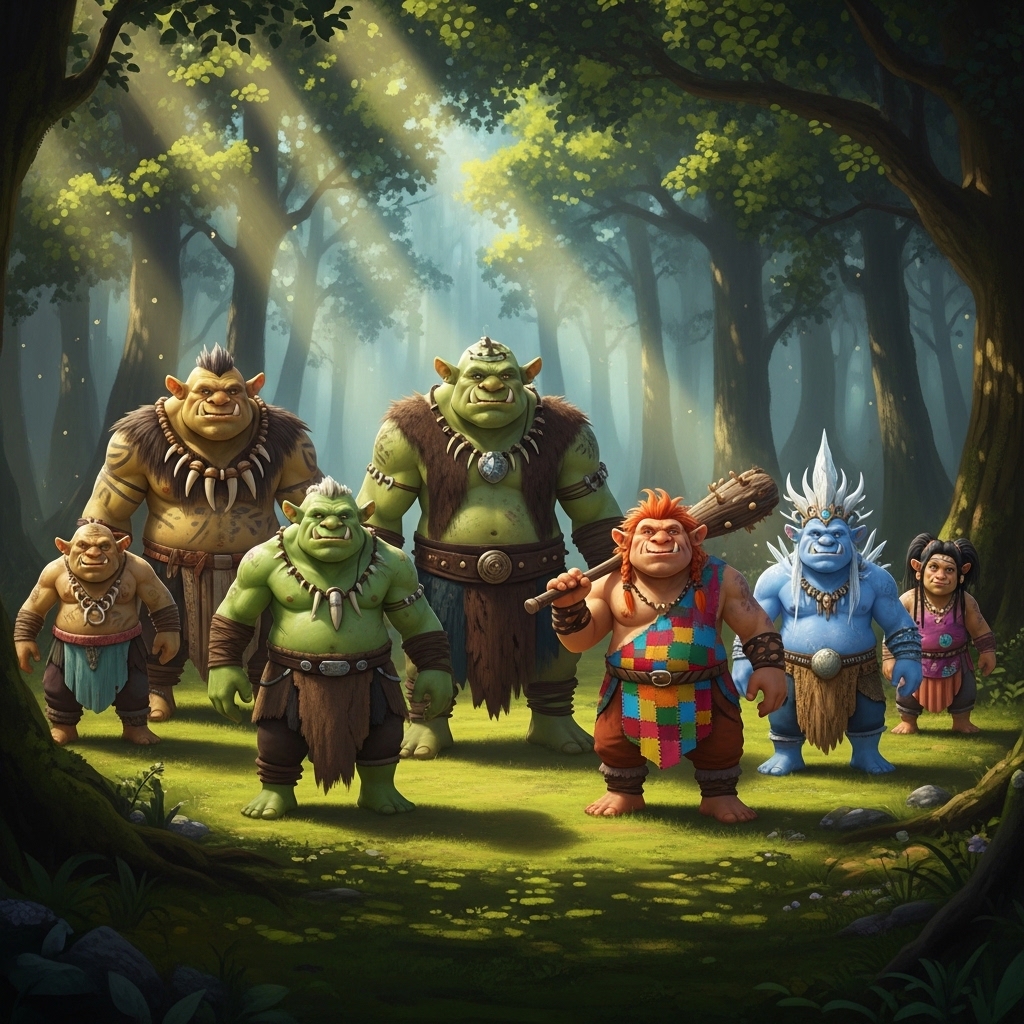
The Beast in “Beauty and the Beast” redefines the traditional ogre narrative. He embodies themes of redemption, inner beauty, and the transformative power of love.
Character Analysis of the Beast
The Beast is a former prince cursed to live in a monstrous form. This transformation serves as a metaphor for the consequences of vanity and selfishness. His character arc illustrates that true beauty lies within, not in outward appearances.
- Cursed Identity: The Beast’s monstrous form reflects his internal flaws.
- Journey of Redemption: He learns to love and be loved, showcasing personal growth.
- Complex Emotions: The Beast struggles with anger and vulnerability, making him relatable.
Comparing the Beast to Traditional Ogres
Unlike traditional ogres, who often embody brute force and malice, the Beast exhibits depth and complexity.
- Emotional Depth: Traditional ogres are often one-dimensional villains. The Beast shows a range of emotions, from rage to sorrow.
- Capacity for Change: While classic ogres rarely evolve, the Beast’s transformation is pivotal to the narrative. His journey from monster to prince highlights the potential for redemption.
- Moral Lessons: The Beast teaches that understanding and compassion can lead to personal transformation, contrasting with the often static nature of typical ogres.
Significance in Modern Adaptations
Modern adaptations of “Beauty and the Beast” further develop the Beast’s character. They emphasize themes of acceptance and vulnerability.
- Cultural Impact: The Beast has become a symbol of misunderstood creatures, resonating with audiences facing their own struggles.
- Diverse Interpretations: Various adaptations portray the Beast differently, showcasing how narratives evolve. For instance, some versions highlight his backstory, enriching his character.
The Beast’s story provides a nuanced perspective on ogres, emphasizing that transformation and acceptance are key to understanding one’s true nature.
5. The Ogre of Hop-o’-my-thumb: A Cautionary Tale
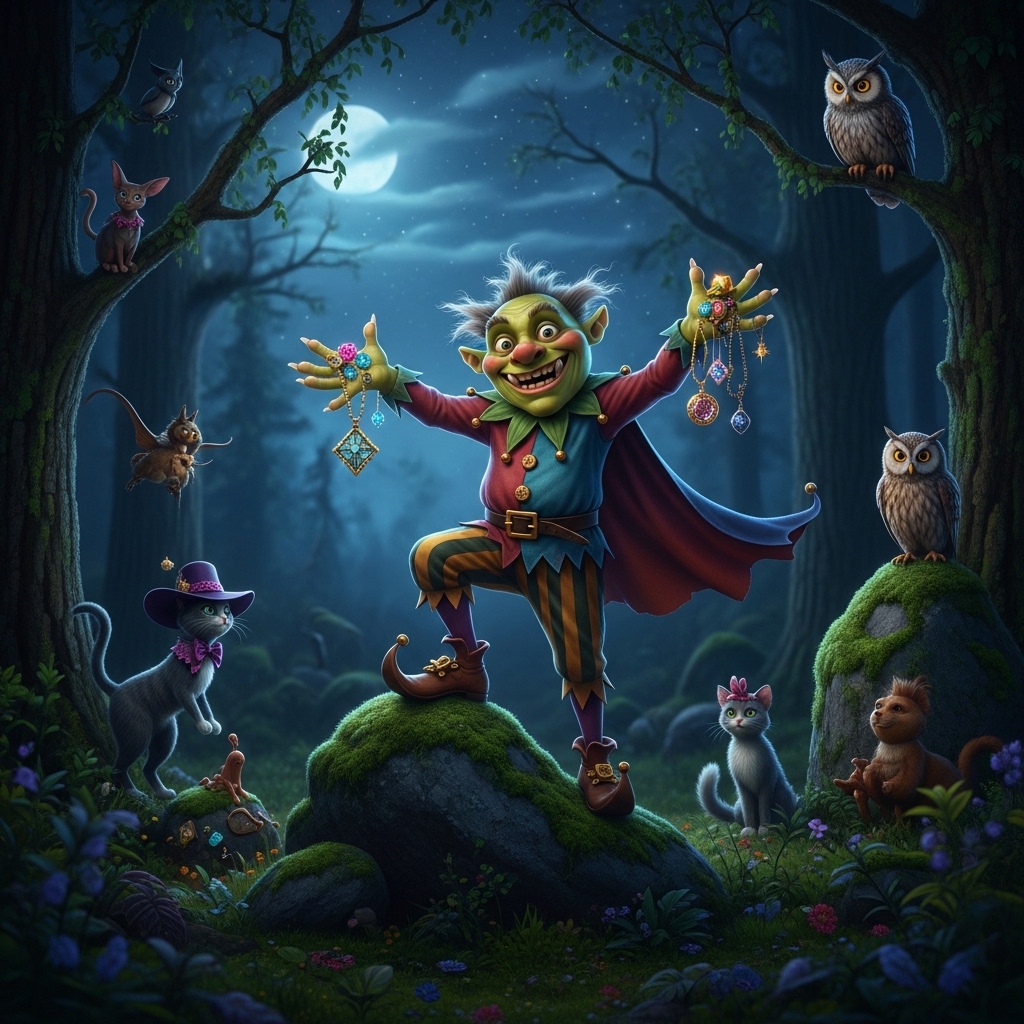
In “Hop-o’-my-thumb,” the ogre embodies childhood fears and the dangers of the unknown. This tale serves as a vehicle for moral lessons, teaching children about courage and cleverness in facing adversity.
Story Summary and Themes
The story revolves around Hop-o’-my-thumb, the smallest of seven brothers. The family faces starvation, prompting the father to abandon them in the woods. They encounter the ogre, a fearsome figure who captures children to feast on them. Hop-o’-my-thumb’s cleverness saves his brothers.
- Themes:
- Courage: Hop-o’-my-thumb demonstrates bravery by devising a plan to outwit the ogre.
- Resourcefulness: He uses his wits to save his brothers, highlighting the importance of intelligence over brute strength.
The Ogre as a Reflection of Societal Fears
The ogre in this tale symbolizes various fears prevalent in society. He represents threats to safety and the unknown dangers that lurk in the world. Children often fear what they cannot see or understand.
- Key Reflections:
- Fear of Abandonment: The story reflects the anxiety children feel when left alone.
- Trust and Betrayal: The ogre’s deceitful nature teaches children to be wary of strangers.
Cultural Interpretations of the Tale
Different cultures have variations of the ogre archetype. While the ogre in “Hop-o’-my-thumb” is fearsome, other representations may highlight different traits, such as loneliness or misunderstood motives. This evolution reflects changing societal values.
- Comparative Insights:
- Western vs. Eastern Ogres: In Western tales, ogres often focus on danger, while Eastern folklore sometimes portrays them as misunderstood beings.
- Moral Lessons: Across cultures, ogres often serve to impart cautionary lessons about trust and the importance of cleverness.
The ogre’s role in “Hop-o’-my-thumb” not only entertains but also imparts crucial life lessons, aiding in the development of resilience and critical thinking in children.
6. The Cyclops: A Giant’s Legacy in Ogre Mythology
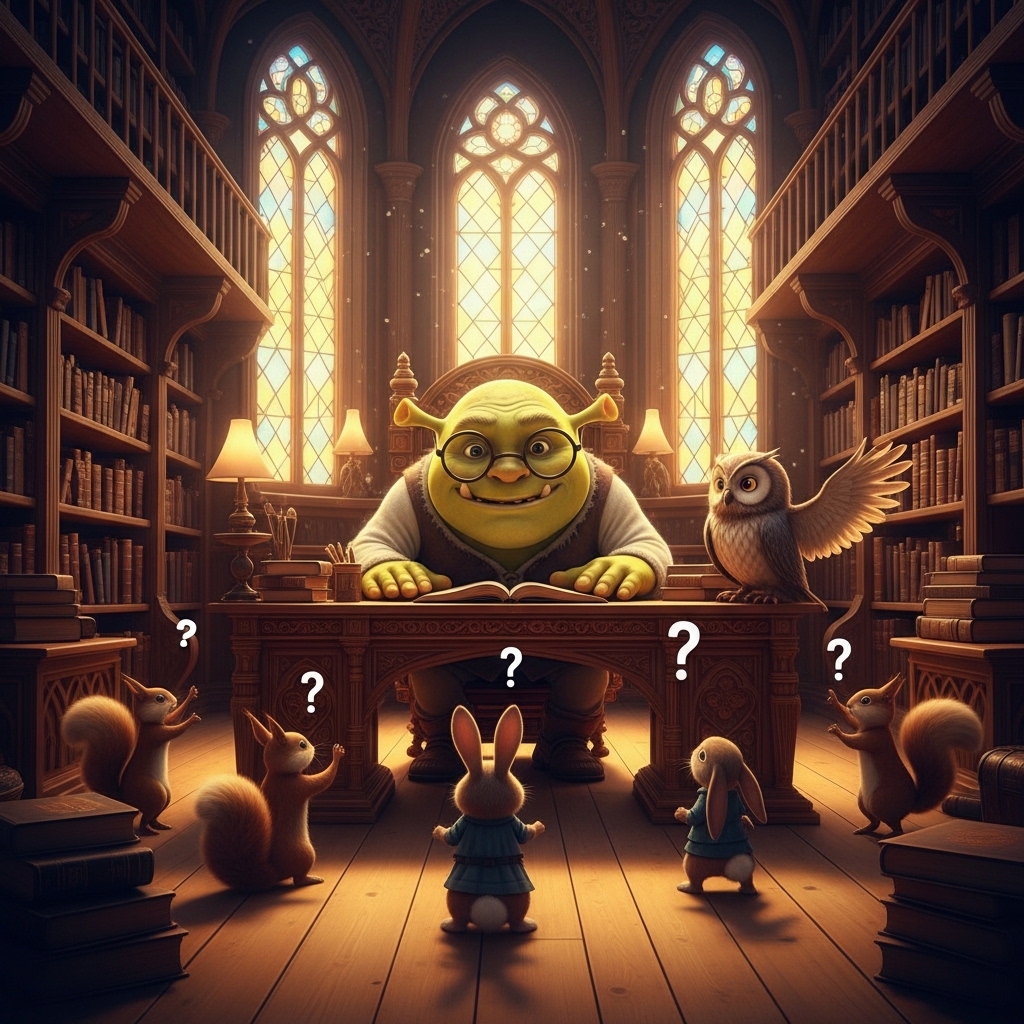
The Cyclops embodies early representations of ogres, merging characteristics of giants with those of traditional ogres. This formidable figure has left a lasting impact on the portrayal of ogres in literature and media.
Origins in Greek Mythology
The Cyclops originates from ancient Greek mythology. These one-eyed giants, such as Polyphemus, are known for their immense strength and ferocity. They often inhabit isolated areas, making them formidable adversaries for heroes. Their portrayal as cannibalistic beings ties them closely to the ogre archetype.
Comparison with Ogre Characteristics
While Cyclopes and ogres share traits, they also exhibit distinct differences:
- Physical Appearance:
- Cyclopes: Typically depicted with one eye, massive size, and robust build.
- Ogres: Often described as having multiple grotesque features, such as unusual skin colors and large heads.
- Behavior:
- Cyclopes: Often act with brute force and aggression, frequently engaging in direct conflict.
- Ogres: Display a mix of cunning and cruelty, often using deception or trickery.
Impact on Later Ogre Representations
The Cyclops has significantly influenced modern depictions of ogres. Their fearsome nature and solitary lifestyle resonate in contemporary stories. For instance, Shrek, a popular ogre character, reflects the complexity of these creatures, showcasing a blend of strength and vulnerability.
In various cultures, the Cyclops has been adapted into numerous forms. Their legacy persists in tales that portray them as obstacles for heroes, symbolizing the challenges one must overcome.
Understanding the Cyclops enriches our comprehension of ogres. It highlights their evolution from ancient mythology to modern storytelling, where they continue to captivate audiences.
7. Cultural Variations: Ogres Across the Globe
Ogres manifest in diverse cultures, embodying unique traits and stories. Their representations reflect local values and fears, making them captivating figures in folklore.
Examples of ogres in non-Western folklore
- Oni (Japan): These ogres are often depicted with horns and wild hair. Oni are considered malevolent spirits that bring misfortune, yet they can also serve protective roles during festivals.
- Troll (Scandinavia): Trolls are similar to ogres but often depicted as more cunning and deceptive. They inhabit mountains and caves, preying on travelers and embodying the fear of the unknown.
- Kumbhakarna (India): This ogre from the Ramayana is known for his enormous size and insatiable appetite. He represents the dangers of excess and indulgence.
- Chaneques (Mexico): These small ogres are believed to guard the forests. They are mischievous yet protective, illustrating the dual nature of ogres in folklore.
Comparative analysis of global ogre myths
Ogres share common traits across cultures, yet their roles and characteristics vary significantly.
- Symbolism: In Western tales, ogres often symbolize physical strength and brutality. In contrast, Asian ogres may embody spiritual lessons or moral complexities.
- Appearance: While many Western ogres are depicted as large and grotesque, Asian versions like the Oni can be colorful and varied in form, reflecting different cultural aesthetics.
- Moral Lessons: Ogres often serve as cautionary figures. For instance, Kumbhakarna’s gluttony warns against excessive desires, while Western ogres like Shrek challenge conventional stereotypes.
Significance of cultural context in ogre stories
The portrayal of ogres is deeply rooted in cultural context. Each culture adapts the ogre archetype to express local fears, values, and social norms.
- Cultural values: In some cultures, ogres symbolize the dangers of straying from societal norms. Their stories reinforce community values through fear and respect.
- Adaptation in media: Modern adaptations, such as Shrek, reflect contemporary themes of acceptance and individuality. These transformations highlight the evolving perception of ogres, bridging ancient myths with modern sensibilities.
Understanding these cultural variations enhances our appreciation of ogres. They are not just terrifying beings but complex characters that reflect the human experience across cultures.
Frequently Asked Questions
These quick answers cover the most common questions about this topic, including key details, practical tips, and common concerns.
What are the famous ogre names?
Some of the most well-known ogres include Shrek, Grendel, and the ogre from “Puss in Boots.” Other notable names are the ogre in “Hop-o’-my-thumb,” and mythological giants like the Cyclops. These creatures appear in folklore, literature, and popular culture, each with unique traits.
What are the top 10 mythical creatures?
While lists vary, common top mythical creatures include dragons, unicorns, griffins, phoenixes, mermaids, trolls, ogres, centaurs, fairies, and cyclops. These beings have rich histories across different cultures and often symbolize various moral or natural themes.
What Disney movie has an ogre?
The most famous Disney movie featuring an ogre is “Shrek.” The character Shrek is a lovable, misunderstood ogre who challenges traditional stereotypes and has become a cultural icon since the early 2000s.
What is the legendary creature ogre?
An ogre is a large, grotesque creature from folklore, often depicted as a villain or monster. They are characterized by their size, strength, and sometimes their cannibalistic tendencies. Ogres serve as symbols of chaos, danger, or moral lessons in stories.
Where were the ogres before “Shrek Forever After”?
Before “Shrek Forever After,” ogres appeared in various folklore and literature worldwide. They were often portrayed as villains or fearsome beasts in European fairy tales, mythologies, and even African and Asian stories, reflecting different cultural fears and morals.
How do ogres differ from other mythical creatures?
Ogres are typically larger, more grotesque, and more aggressive than other mythical beings like trolls or giants. Unlike fairies or unicorns, ogres are often depicted as villains or obstacles, though modern stories sometimes give them more nuanced roles.
Why are ogres depicted as villains?
Historically, ogres symbolize chaos, primal fears, and societal threats. They often represent the dangers of the unknown or the consequences of immoral behavior, serving as cautionary figures in stories to teach moral lessons.
How have ogres evolved in modern storytelling?
Ogres have shifted from purely villainous monsters to complex characters with depth. Modern depictions, like Shrek, show them as misunderstood or sympathetic, emphasizing themes of acceptance, personal growth, and challenging stereotypes.