
Poseidon, the Greek god of the sea, is associated with various powerful symbols that reflect his dominion and influence. The most notable symbols include the trident, dolphin, horse, and bull. Understanding these symbols offers insight into Poseidon’s character and his role in mythology [1].
The Trident: Poseidon’s Most Recognizable Symbol
The trident is not just a weapon; it embodies Poseidon’s power and authority over the sea. As the primary symbol of this formidable deity, it carries rich historical and cultural significance.

The Origin of the Trident
The trident’s origins can be traced back to ancient Greek mythology. Crafted by the Cyclopes during the Titanomachy, this three-pronged spear was a divine gift to Poseidon, alongside Zeus’s thunderbolt and Hades’s helm of darkness. This weapon symbolized his mastery over the oceans and his role as a creator and destroyer of maritime realms. The trident’s design reflects its multifaceted nature, representing creation, destruction, and control. Poseidon wielded it to create islands, summon storms, and calm the waters, showcasing his dual nature as both protector and punisher.
Symbolism of Power and Control
The trident encapsulates Poseidon’s immense power. Each prong signifies a different aspect of his dominion:
- Creation: The ability to form new land.
- Destruction: The capacity to unleash storms and earthquakes.
- Control: Mastery over the vast and unpredictable sea.
This triadic symbolism reinforces Poseidon’s role as a deity who commands respect and fear. In ancient cultures, sailors offered prayers to him, hoping to secure safe passage while acknowledging his unpredictable temperament.
The Trident in Art and Literature
The trident’s iconic status permeates art and literature. In classical sculptures like the Artemision Bronze, Poseidon is depicted poised to strike, embodying raw energy and strength. Modern representations continue this legacy, with the trident appearing in various media—from films to tattoos—symbolizing resilience against life’s challenges. Additionally, naval insignias often incorporate the trident, reflecting its enduring association with maritime power and authority.
In summary, the trident remains a potent symbol, transcending its mythological roots to influence contemporary culture profoundly. Its representation in various forms illustrates the lasting impact of Poseidon’s legacy on both ancient and modern societies.
Table of Contents
Dolphins: The Messengers of the Sea

Dolphins hold a significant place in Poseidon’s mythology, symbolizing his power and connection to the ocean. These creatures are not just companions; they serve as emissaries of the sea god, reflecting the duality of protection and peril that Poseidon embodies.
Dolphins as Poseidon’s Companions
In ancient Greek mythology, dolphins were regarded as the messengers of Poseidon. They were believed to bridge the gap between mortals and the divine, carrying messages from the sea god to sailors and seafarers. This association highlights Poseidon’s role as both a protector and punisher. When sailors honored him, dolphins guided them safely through treacherous waters; when they transgressed, Poseidon unleashed storms through these very creatures [3].
Myths Involving Dolphins
Dolphins frequently appear in various myths involving Poseidon. One notable story recounts how Poseidon transformed into a dolphin to rescue a shipwrecked sailor. This act of salvation underscores dolphins’ role as benevolent beings and reinforces their connection to Poseidon as guardians of the sea [4]. Additionally, in some tales, Poseidon sends dolphins to assist heroes like Odysseus, further solidifying their status as protectors of maritime voyagers.
Cultural Significance of Dolphins Today
Today, dolphins continue to symbolize intelligence, protection, and harmony within the marine ecosystem. Their portrayal in modern media often emphasizes their friendly and playful nature. For example, films such as “Flipper” and documentaries like “The Cove” explore their interactions with humans and highlight their role as guardians of the sea. In various cultures, dolphins are celebrated as symbols of good luck and guidance, reflecting their enduring legacy as Poseidon’s messengers.
- In popular culture: Dolphins are frequently depicted as loyal companions or saviors in literature and film.
- In art: They often symbolize freedom and joy, resonating with Poseidon’s spirit.
- In mythology: Dolphins are revered across cultures, from Greek lore to Native American traditions, where they embody benevolence and protection.
Dolphins’ multifaceted roles in mythology and culture elucidate their importance in understanding Poseidon’s character and the broader narrative of human-sea relations.
Horses: The Land Connection of Poseidon
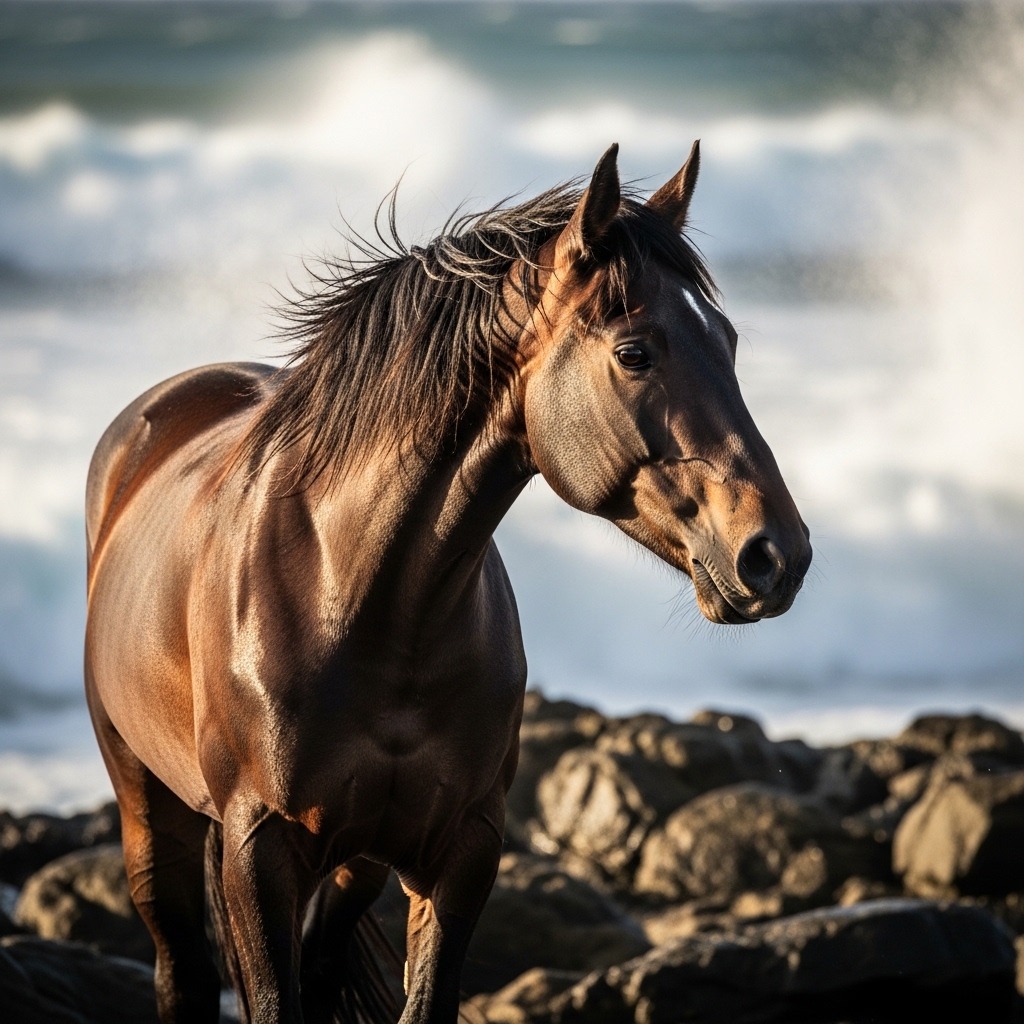
Poseidon is not only the god of the sea but also the creator of horses, establishing a profound link between aquatic and terrestrial realms. This duality enhances our understanding of Poseidon’s character and the symbols associated with him.
The Creation of Horses
According to mythology, Poseidon created the first horse to win the affection of Demeter, the goddess of agriculture. This act signifies Poseidon’s creative power and his role as a deity of fertility and abundance. The horse, a symbol of strength and nobility, reflects Poseidon’s dual nature—both wild and gentle, much like the sea itself.
- Symbol of Strength: Horses were vital for transportation and agriculture in ancient Greece.
- Cultural Impact: The horse became emblematic of power and nobility, appearing in various forms of art and literature.
Symbolism of Strength and Nobility
Horses symbolize not only physical strength but also the nobility of spirit. They represent freedom and the untamed aspects of nature, paralleling the unpredictable nature of the sea. In ancient art, horses are depicted in dynamic poses, showcasing their grace and might.
- Mythological References: Poseidon fathered many horses, including the legendary Pegasus, which further cements his status as the master of both land and sea.
- Cultural Legacy: The horse’s association with Poseidon influenced various cultural narratives, from ancient myth to modern media.
Horses in Modern Culture
In contemporary culture, horses continue to symbolize power and grace. They appear frequently in literature, film, and art, often embodying strength or serving as companions to heroes. This enduring legacy highlights the ongoing relevance of Poseidon’s symbols.
- Literary Examples: Horses often serve as vital allies in heroic tales, reflecting their ancient symbolism of nobility.
- Artistic Depictions: Modern artists draw inspiration from the horse’s majestic form, echoing its significance in Greek mythology.
By understanding the rich symbolism of horses in relation to Poseidon, we gain deeper insights into the interconnectedness of mythology, culture, and human experience.
The Bull: A Symbol of Strength and Fertility
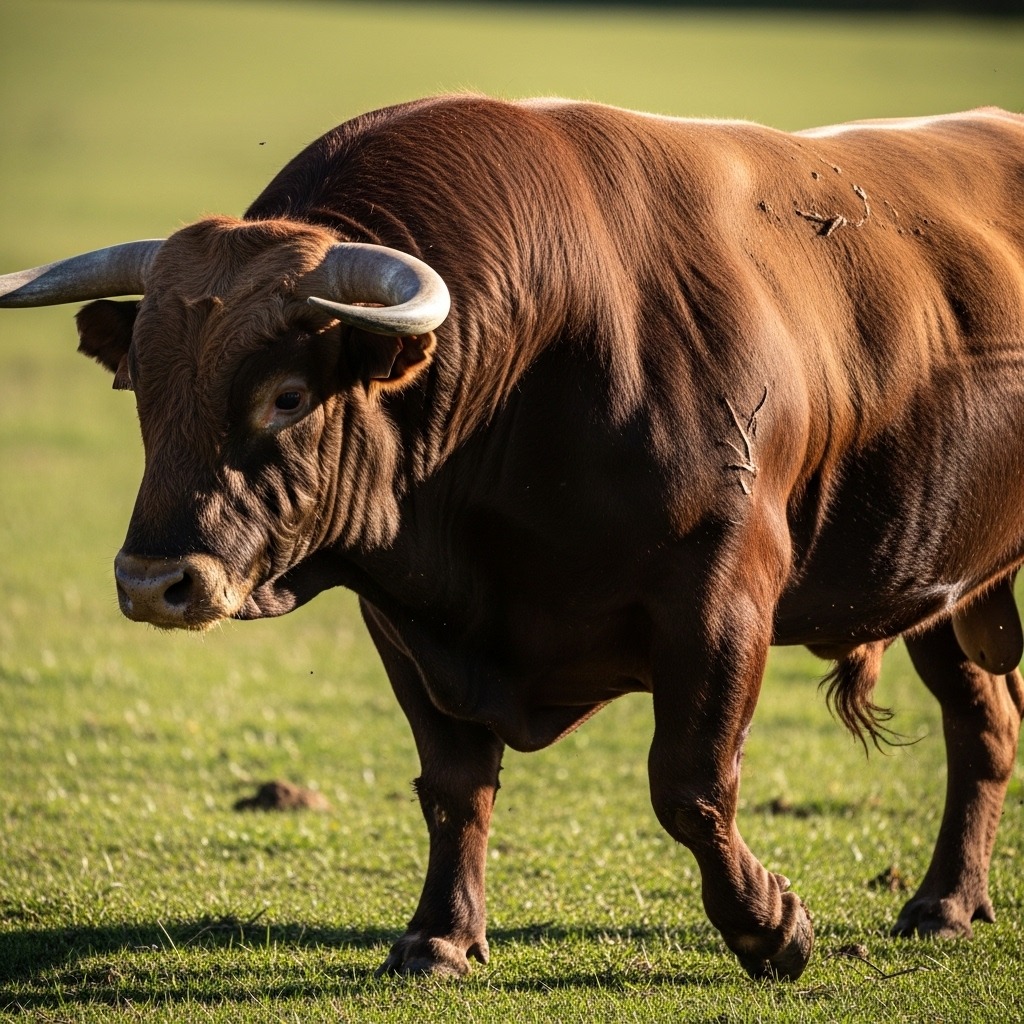
Poseidon’s connection to the bull is a compelling aspect of his mythology. This association highlights his dual nature as both a nurturer and a force of raw power.
The Bull in Greek Mythology
In Greek mythology, the bull symbolizes strength and virility. Poseidon, often depicted as a powerful deity, utilizes the bull in various myths. Notably, he transforms into a bull to pursue love interests, showcasing his untamed passion. This transformation underscores his ability to harness both beauty and brute force, making the bull a fitting representation of his character.
Symbolism of Fertility and Strength
The bull’s symbolism extends beyond mere strength. In ancient Greece, bulls were revered for their fertility, linking them to agricultural abundance. Poseidon, as a god of fertility, was believed to bring forth lush vegetation and prosperous harvests through his favor. This connection is crucial; it emphasizes how the bull embodies not only power but also the life-giving aspects of nature. The Greeks viewed bulls as essential to their survival, as they ensured bountiful crops and healthy livestock [9].
Cultural Representations of Bulls Today
Modern interpretations of the bull still resonate with the themes established in mythology. In contemporary culture, bulls often symbolize strength, resilience, and determination. They appear in sports, art, and literature, where they evoke an image of power and tenacity. For instance, the iconic bull statue on Wall Street represents economic strength and bullish markets. This enduring legacy reinforces the bull’s role as a symbol of vitality and vigor, linking back to Poseidon’s attributes.
- Key Associations:
- Strength and virility
- Fertility and abundance
- Cultural representations in finance and art
The bull’s multifaceted symbolism enriches our understanding of Poseidon’s character. It reveals his complex nature as a deity who governs not just the seas, but also the fertile lands of Greece.
Frequently Asked Questions
These quick answers cover the most common questions about this topic, including key details, practical tips, and common concerns.
What are symbols that represent Poseidon?
Symbols that represent Poseidon include the trident, dolphin, horse, and bull. These symbols highlight his dominion over the sea, his creative power, and his connection to land and fertility. The trident is his most iconic attribute, while dolphins and horses emphasize his relationship with the ocean and land, respectively. The bull also signifies strength and fertility associated with him [1].
Who is the Greek god of LGBT?
There is no specific Greek god designated as the “god of LGBT.” However, some modern interpretations associate gods like Apollo or Dionysus with themes of love, gender fluidity, and sexuality. Poseidon, as a complex deity, has also been linked to various forms of love and desire in mythology, but he is not officially recognized as a god of LGBT identities.
What are things associated with Poseidon?
Poseidon is associated with the sea, earthquakes, horses, and bulls. He is also linked to maritime navigation, storms, and fertility. Mythologically, he is connected to the creation of horses and is often depicted with symbols like the trident, dolphins, and horses, emphasizing his influence over both land and sea [1].
What flower symbolizes Poseidon?
There is no widely recognized flower specifically symbolizing Poseidon in Greek mythology. However, in some modern interpretations, sea-related plants like the sea lavender or certain aquatic flowers are used symbolically to represent his connection to the ocean.
What is the meaning of Poseidon’s trident?
Poseidon’s trident symbolizes his power and authority over the sea. It represents his ability to create and destroy, control storms, and calm waters. The three prongs also signify creation, destruction, and control, reflecting his multifaceted role as a sea god [1].
How did Poseidon create horses?
According to mythology, Poseidon created the first horse to win the favor of Demeter, the goddess of agriculture. This act shows his role as a creator and his connection to fertility and land animals. He fathered many famous horses, including Pegasus, further linking him to equine symbolism [8].
How are Poseidon’s symbols depicted in art?
In art, Poseidon’s symbols are depicted through sculptures, paintings, and engravings. The trident is often shown in his hand, while dolphins and horses appear in scenes of maritime and land-related mythology. Classical sculptures like the Artemision Bronze portray him wielding his trident, emphasizing his power and authority [1].
Are there any modern interpretations of Poseidon’s symbols?
Yes, modern media and culture frequently reinterpret Poseidon’s symbols. The trident appears in movies, logos, and tattoos as a symbol of strength and maritime power. Dolphins are depicted as intelligent and friendly creatures, while horses symbolize nobility and freedom, maintaining their mythological significance.
What other symbols are associated with Poseidon?
Besides the trident, dolphin, horse, and bull, Poseidon is sometimes linked to sea creatures like hippocamps (mythical sea horses) and the cornu ammonis (a ram’s horn). These symbols reinforce his dominion over the ocean and his creative and destructive powers [7][9].
Why is Poseidon important in Greek mythology?
Poseidon is essential because he governs the sea, which was vital for Greek trade, travel, and survival. He also influences earthquakes and land formation, making him a powerful force in nature. His role as a creator of horses and fertility further highlights his significance in myth and culture.
References
1. Poseidon | Poseidon | University of Washington
2. Privacy and Security Policies – Distinctive Unit Insignia
3. Biscayne National Park Administrative History
4. 83.02.12: Dolphins and Whales In Mythology Part One of a …
5. Poseidon
7. Hippocampus and cornu ammonis: mythonyms that prevail in …
9. Bull
10. “1. The Divine Bull” by Elizabeth P. Bermudes