
The superstition surrounding 3 AM, often called the witching hour or devil’s hour, is rooted in folklore and spiritual beliefs, where this time is associated with heightened supernatural activity and psychological effects on those who wake during this hour.
The hour of 3 AM, known as the witching hour, is steeped in superstition and cultural beliefs. Many associate this time with supernatural occurrences and psychological phenomena, making it a fascinating topic for exploration. This guide delves into the various aspects of 3 AM superstitions.
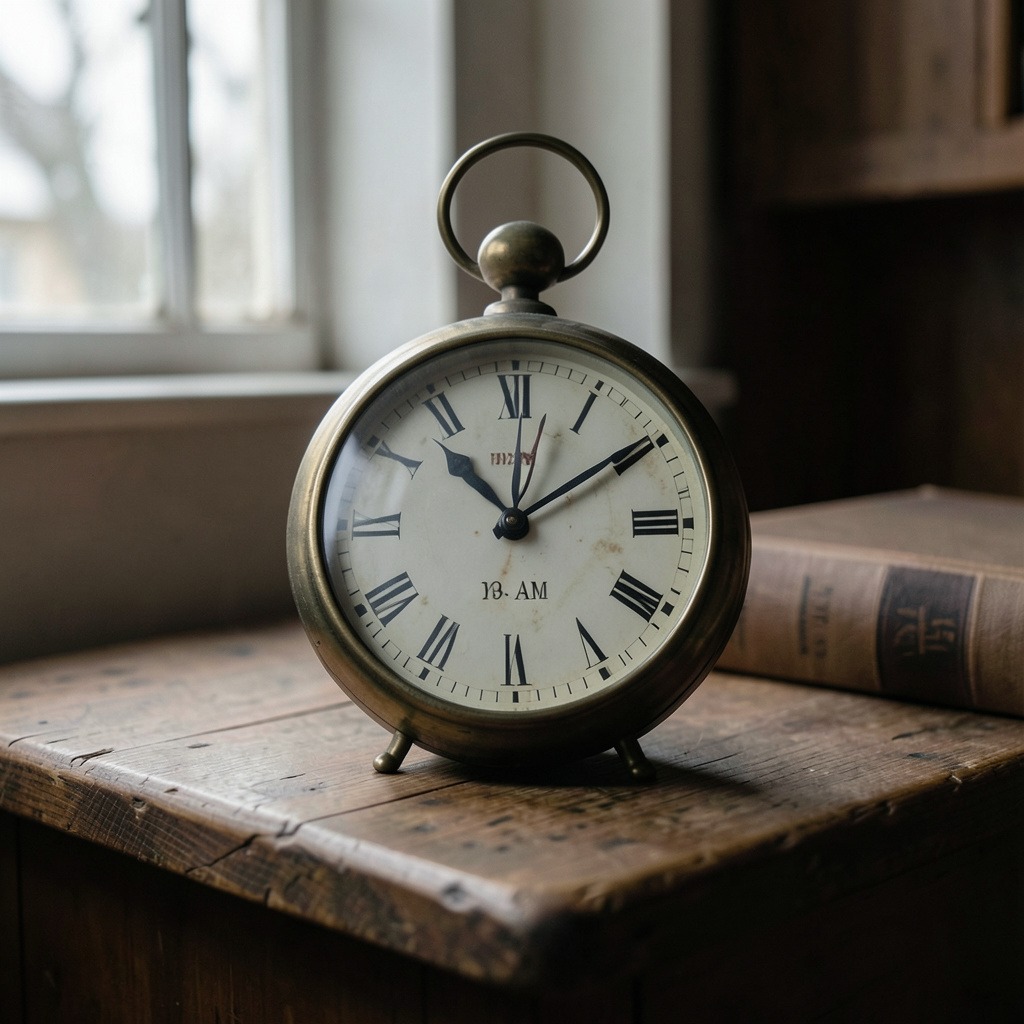
Understanding the Concept of the Witching Hour
The witching hour, often identified with 3 AM, is a time steeped in superstition and folklore. This hour is widely considered a peak period for supernatural occurrences and heightened spiritual activity.
The Historical Origins of the Term
The term “witching hour” has its roots in folklore and religious texts. Historically, it refers to the time when witches and other supernatural beings are believed to possess heightened power.
- Early References: The phrase gained popularity in medieval Europe, where it was linked to witchcraft trials.
- Biblical Context: The Gospels highlight 3 PM as significant, marking the time of Jesus’ death. This contrasts with 3 AM, often seen as a reversal, symbolizing darkness and evil.
Cultural Folklore Across Different Societies
Various cultures interpret the significance of 3 AM through unique lenses. Here are some notable examples:
- Western Folklore: In many Western cultures, 3 AM is deemed the devil’s hour. It is thought to be when the veil between the living and the dead is thinnest, allowing for increased supernatural activity.
- Japanese Beliefs: In Japan, the hour of the ox (between 1 and 3 AM) signifies a time when spirits roam freely. People are advised to avoid places like cemeteries during this period.
- African Traditions: Some African cultures view 3 AM as a time for ancestral communication. Rituals may be performed to seek guidance from spirits.
Common Fears and Experiences Linked to 3 AM
Many people report feelings of dread or vulnerability when they wake at this hour. This psychological response often ties back to cultural teachings:
- Fear of the Unknown: The association with supernatural events can trigger anxiety.
- Personal Anecdotes: Individuals recount experiences of hearing unusual noises or feeling a presence during this time, reinforcing the witching hour’s mystique.
Practical Tips for Managing Fear at 3 AM
If you find yourself awake at 3 AM, consider these strategies to alleviate fear:
Table of Contents
- Create a Relaxing Environment: Dim lighting and soothing sounds can help ease anxiety.
- Mindfulness Techniques: Practice deep breathing or meditation to ground yourself in the present moment.
- Avoid Stimulating Content: Steer clear of horror films or frightening stories before bed to reduce fear at this hour.
Through understanding the witching hour’s cultural contexts and psychological impacts, we can navigate the fears associated with 3 AM more effectively.
The Spiritual Significance of 3 AM
The hour of 3 AM holds profound spiritual significance across various cultures and belief systems. Many view it as a time when the veil between the physical and spiritual realms is at its thinnest, allowing for enhanced communication with divine energies.
Messages from the Universe
Waking up at 3 AM is often interpreted as a message from the universe or higher powers. This time is believed to facilitate spiritual communication. Individuals report heightened intuition or moments of clarity during this hour. For example, some people keep a journal by their bed to document thoughts or inspirations that arise upon waking.
- Dream Insights: Many believe that dreams experienced around this time can offer vital insights or guidance.
- Meditative Reflection: Practicing meditation at 3 AM can deepen one’s connection to spiritual energies.
- Symbolic Meaning: Different cultures attribute various meanings to waking at this hour, from receiving divine messages to undergoing spiritual awakenings.
Cultural and Religious Perspectives
Many religions highlight 3 AM as an optimal time for prayer, meditation, or reflection.
- Christianity: Early morning hours, including 3 AM, are often seen as a sacred time for prayer. It is believed that this quiet period allows for a deeper connection with God.
- Islam: The practice of Tahajjud, an optional night prayer, often occurs in the early hours, emphasizing spiritual rejuvenation and reflection.
- Hinduism: The Brahma Muhurta, roughly around 3 AM, is considered an auspicious time for spiritual practices and awakening.
Understanding these cultural interpretations can enrich one’s perception of the significance of 3 AM. Each perspective highlights the potential for spiritual growth and connection during this mystical hour.
- Ritual Practices: Engaging in rituals such as lighting a candle or chanting can enhance the experience of spiritual connection at this hour.
- Community Gatherings: Some communities hold night vigils or prayer circles specifically timed for 3 AM to harness collective energy.
By exploring these beliefs and practices, individuals can find personal meaning in their experiences at this unique hour.
Biological Factors: Why Do We Wake Up at 3 AM?

Waking up at 3 AM can often be tied to biological and psychological factors. Understanding these factors helps demystify this phenomenon commonly linked to the witching hour.
Understanding Sleep Cycles
Human sleep consists of various cycles, each lasting approximately 90 minutes. These cycles include:
- NREM Sleep: Non-Rapid Eye Movement sleep, which consists of multiple stages leading to deeper sleep.
- REM Sleep: Rapid Eye Movement sleep, where most dreaming occurs and brain activity increases.
During the night, individuals transition through these cycles. By 3 AM, many people are either approaching or experiencing REM sleep, which can lead to increased awareness of external stimuli and potential waking.
Effects of Cortisol and Melatonin
At 3 AM, hormonal changes also play a significant role in wakefulness. Here’s how cortisol and melatonin interact:
- Cortisol: This stress hormone naturally begins to rise in the early morning hours. A sudden increase can lead to feelings of alertness or anxiety, making it harder to remain asleep.
- Melatonin: This hormone promotes sleep and typically decreases as dawn approaches. Its reduction can coincide with heightened cortisol levels, causing disturbances.
| Hormone | Effect at 3 AM |
|---|---|
| Cortisol | Increases alertness and anxiety |
| Melatonin | Decreases, making sleep harder |
Psychological Considerations
Psychological factors also contribute to the experience of waking at 3 AM. The quiet and darkness of the night can amplify feelings of vulnerability and fear. These feelings stem from our evolutionary instincts, which make us more alert to potential threats in the dark. Individuals may also experience heightened anxiety due to stressors in their lives, exacerbating the tendency to wake during this hour.
In summary, the interplay of sleep cycles, hormonal changes, and psychological impacts creates a complex environment at 3 AM. Understanding these elements can help individuals navigate their experiences during this seemingly ominous hour.
Common Fears Associated with 3 AM
Waking at 3 AM often stirs a range of fears and anxieties. These feelings typically arise from cultural beliefs, psychological factors, and the inherent darkness of the hour. Below, we explore these fears and their implications.
Fear of the Unknown
Many individuals report a profound fear when waking at 3 AM. This fear often stems from:
- Cultural beliefs: The witching hour is steeped in folklore, suggesting heightened supernatural activity. This belief can trigger anxiety about potential encounters with spirits or negative energies.
- Darkness and isolation: The quiet of the night amplifies feelings of vulnerability. In darkness, our imaginations can run wild, leading to fears of lurking dangers.
- Psychological triggers: Personal experiences or traumas can resurface in the stillness of the night, exacerbating feelings of fear and anxiety.
For instance, one individual described waking at 3 AM and feeling an overwhelming sense of dread. They reported hearing creaks in their home and felt certain that something was watching them. This experience left them feeling unsettled and anxious, reinforcing their fear of the hour.
Cultural Reinforcements of Fear
Cultural narratives further enhance the fears associated with 3 AM. Common associations include:
- Superstitions: Many cultures believe that waking at this hour signifies a bad omen or a warning from the spiritual realm. This belief can provoke anxiety about future misfortunes.
- Folklore and media: Movies and stories often depict 3 AM as a time for terrifying events or supernatural occurrences. This portrayal reinforces the fear surrounding the hour.
- Personal anecdotes: Stories shared in communities highlight frightening experiences related to 3 AM, perpetuating the cycle of fear.
For example, in some cultures, it is believed that waking up at 3 AM invites the presence of malevolent spirits. This belief can lead to increased anxiety, as individuals fear that their vulnerability at this hour may attract negative energies.
Understanding these fears can help individuals develop coping mechanisms. Practical tips include:
- Grounding techniques: Practicing mindfulness or deep breathing can reduce anxiety when waking at 3 AM.
- Creating a comforting environment: Ensuring a well-lit and safe sleeping space can alleviate feelings of vulnerability.
- Reflecting on experiences: Journaling about fears can help clarify and confront anxieties tied to waking at this hour.
These strategies empower individuals to manage their fears and reshape their experiences associated with the witching hour.
Comparing 3 AM Beliefs Across Cultures
Cultural beliefs about 3 AM reveal a complex tapestry of interpretations and rituals. The hour often carries both ominous and sacred connotations, varying significantly across different societies.
Western vs. Eastern Perspectives
In Western cultures, 3 AM is widely regarded as the “Devil’s Hour.” This belief stems from historical events and religious narratives that associate this time with malevolent forces. Many view waking at this hour as a sign of impending danger or spiritual disturbance.
Conversely, Eastern cultures often see 3 AM as a spiritually significant time. For instance, in some Buddhist traditions, it is a favored hour for meditation, believed to facilitate deeper connection with the divine. This perspective emphasizes reflection and personal growth rather than fear.
Folklore and Rituals Around the World
Various cultures have unique folklore surrounding 3 AM. Here’s a comparative chart highlighting key beliefs:
| Culture | Beliefs About 3 AM | Rituals or Practices |
|---|---|---|
| Western | Associated with evil, spirits, and the supernatural | Avoiding activities, protective prayers |
| Eastern | Seen as a time for spiritual connection and meditation | Meditative practices, chanting |
| Latin American | Believed to be a time when the dead are close to the living | Rituals to honor ancestors |
| African | Viewed as a time for divination and communication with spirits | Nighttime gatherings, spiritual offerings |
These beliefs illustrate the dichotomy between fear and reverence. While Western narratives often warn of danger, other cultures embrace the hour as an opportunity for spiritual engagement.
In all these contexts, waking at 3 AM can signify different personal experiences. Individuals may interpret these awakenings as messages from the divine or signs of personal transformation. Understanding these varied beliefs can help demystify the fears associated with the witching hour.
The Psychological Impact of 3 AM Superstitions
The hour of 3 AM, often labeled as the witching hour, evokes a range of psychological responses rooted in superstition. These beliefs can trigger anxiety, stress, and a heightened sense of alertness, especially in individuals who wake during this time.
Cognitive Function at Night
Waking at 3 AM can significantly impact cognitive function. During this hour, our brains are typically engaged in the REM (Rapid Eye Movement) phase of sleep, which is essential for processing emotions and consolidating memories. Disruptions during this phase can lead to:
- Increased Anxiety: The transition from sleep to wakefulness may intensify feelings of fear or unease.
- Heightened Sensitivity: Minor sounds or movements can amplify feelings of threat, causing unnecessary stress.
- Confused Thinking: Cognitive clarity often diminishes, making it difficult to rationalize fears associated with superstitions.
For instance, someone accustomed to believing in the supernatural may interpret a creaking floorboard as a sign of paranormal activity, exacerbating their anxiety.
Impact on Sleep Quality
Beliefs surrounding 3 AM can severely affect sleep quality. Individuals who fear waking at this hour may experience:
- Pre-sleep Anxiety: Worrying about the possibility of awakening can lead to difficulty falling asleep.
- Sleep Disorders: Conditions like insomnia can be aggravated by the fear of awakening during the witching hour.
- Negative Feedback Loop: Poor sleep quality can result in increased anxiety, leading to further disruptions.
To manage these effects, individuals can adopt practical strategies:
- Maintain a Sleep Routine: Regular sleep patterns can help reduce the fear of waking at 3 AM.
- Relaxation Techniques: Practices like deep breathing or meditation before bed can alleviate nighttime anxiety.
- Avoid Stimulating Activities: Limit screen time and intense discussions in the evening to promote restful sleep.
Understanding the psychological impact of these superstitions is crucial for managing the associated fears effectively.
Practical Tips for Managing Fear of 3 AM
Waking at 3 AM can trigger anxiety for many, often exacerbated by superstitions surrounding the witching hour. To alleviate these fears, it’s essential to adopt practical strategies that enhance sleep hygiene and promote a calming environment.
Creating a Calming Sleep Environment
A peaceful environment can significantly reduce anxiety at 3 AM. Consider the following steps:
- Dim the Lights: Use soft lighting in your bedroom to create a tranquil atmosphere.
- Comfortable Bedding: Invest in a quality mattress and pillows that support restful sleep.
- Sound Control: Use white noise machines or soft music to mask unsettling sounds.
- Temperature Regulation: Maintain a comfortable room temperature, ideally between 60-67°F (15-19°C).
Relaxation Techniques Before Bedtime
Incorporating relaxation methods into your nightly routine can help diminish fear and anxiety:
- Deep Breathing: Engage in deep breathing exercises for five minutes before sleep.
- Meditation: Practice mindfulness or guided meditation to calm the mind.
- Gentle Stretching: Perform light stretching to release muscle tension.
- Journaling: Write down your thoughts to clear your mind and reduce worries.
Checklist for Enhancing Sleep Hygiene
Follow this checklist to improve your sleep quality and lessen nighttime fears:
- [ ] Maintain a consistent sleep schedule.
- [ ] Limit caffeine and heavy meals before bedtime.
- [ ] Avoid screens at least one hour before sleep.
- [ ] Create a bedtime ritual that promotes relaxation.
- [ ] Keep a sleep diary to track patterns and triggers for waking at 3 AM.
Implementing these strategies can transform your approach to the witching hour, fostering a sense of control and calm.
The Role of Rituals and Practices at 3 AM
The hour of 3 AM, often termed the witching hour, holds significant spiritual and psychological weight across various cultures. This section explores how different traditions embrace rituals and practices during this time, emphasizing reflection and connection.
Spiritual Rituals Across Cultures
Many cultures view 3 AM as a pivotal time for spiritual communication and supernatural occurrences. Here are some notable practices:
- Celtic Traditions: In Celtic spirituality, the witching hour is a time to connect with nature spirits. Practitioners may light candles and meditate outdoors, seeking guidance from the natural world.
- Native American Practices: Some Native American tribes believe that waking at 3 AM can signal a call from ancestors. Rituals often include drumming and chanting to honor these connections and seek wisdom.
- Hindu Beliefs: In Hinduism, the Brahma Muhurta, which occurs around 3 AM, is considered auspicious for meditation and spiritual practices. Devotees often wake early to perform prayers and yoga, believing this time enhances their spiritual connection.
These rituals reflect a deep-rooted belief in the spiritual significance of the hour, framing it as a moment for introspection and divine communication.
Modern Practices for Introspection
In contemporary settings, 3 AM rituals have evolved, blending traditional beliefs with modern psychological insights. Here are a few practices people engage in:
- Journaling: Many individuals use the quiet of 3 AM to write in journals. This practice helps clarify thoughts and feelings, often revealing insights about their lives.
- Mindfulness Meditation: Practicing mindfulness at this hour allows for deep self-reflection. The stillness can enhance awareness and promote emotional healing.
- Tarot Reading: Some choose to conduct tarot readings at 3 AM. The belief is that the heightened spiritual energy during this time can provide clearer guidance and messages.
These modern practices underscore the hour’s relevance in fostering self-awareness and spiritual growth in today’s fast-paced world. Engaging in these rituals can transform the experience of waking at 3 AM from a source of anxiety to an opportunity for reflection and insight.
The Evolution of 3 AM Superstitions in Modern Society
The perception of 3 AM superstitions has evolved significantly in contemporary society. Once firmly rooted in folklore and spiritual beliefs, these superstitions now intersect with technology and modern media.
Influence of Horror Media
Horror films and literature have popularized the concept of 3 AM as the “witching hour” or “devil’s hour.” This portrayal has intensified fears associated with this time. Characters often encounter supernatural forces or experience terrifying events at 3 AM, embedding a sense of dread in popular culture.
- Cultural Impact: Movies and TV shows frequently reference 3 AM as a pivotal moment for horror. This has shaped societal views, making the hour synonymous with danger and the supernatural.
- Social Discussion: Online forums and social media platforms amplify these portrayals. They create a community where individuals share personal experiences and fears related to 3 AM.
Shifts in Cultural Context
While traditional beliefs link 3 AM to malevolent forces, modern interpretations often emphasize personal reflection and spiritual communication.
- Spiritual Practices: Many view waking at this hour as an opportunity for introspection or divine connection. This perspective contrasts starkly with older views of 3 AM as a time of evil.
- Technological Influence: Social media has played a crucial role in reshaping discussions around 3 AM. Platforms like TikTok and Instagram feature trends that encourage mindfulness practices or spiritual rituals during this hour.
Practical Tips for Managing Fear of 3 AM
To cope with any anxiety tied to waking at 3 AM, consider these strategies:
- Mindfulness Techniques: Engage in deep breathing or meditation to calm the mind.
- Journaling: Write down thoughts or feelings experienced during this time. This can help process emotions and reduce fear.
- Limit Exposure to Horror Media: If fear persists, reduce consumption of horror content that reinforces negative associations with 3 AM.
This evolution highlights a shift from fear to empowerment. The modern narrative encourages individuals to embrace 3 AM as a time for personal growth rather than solely a moment of dread.
Conclusion: Reflecting on the 3 AM Phenomenon
The beliefs surrounding 3 AM, often dubbed the witching hour, weave a complex tapestry of folklore, spirituality, and personal experience. This section invites you to consider your own encounters with this mysterious hour and how they shape your understanding of the superstition.
Encouraging Personal Reflection
Many people have had intriguing experiences at 3 AM. These moments can range from unsettling awakenings to profound insights. Reflect on your feelings during these instances. Did you sense something supernatural? Or did you find clarity and peace? Here are some prompts to guide your reflection:
- Describe your feelings: What emotions arise when you wake at 3 AM? Fear, curiosity, or calmness?
- Share your experiences: Have you encountered anything unusual during this hour? Document these moments.
- Connect with others: Discuss your experiences with friends or online communities. You may find shared feelings or stories.
Looking Ahead: Future of 3 AM Beliefs
As society evolves, so do our interpretations of the witching hour. The shift from fear to empowerment highlights a growing recognition of the significance of 3 AM. This change opens a dialogue about the spiritual and psychological aspects of our nighttime awakenings.
Consider how cultural practices around 3 AM may evolve. Will future generations embrace it as a time for reflection and growth?
Engaging with these concepts and sharing your personal stories can enrich the understanding of this enigmatic hour. By doing so, you contribute to the broader narrative of what 3 AM means in our lives today.
Frequently Asked Questions
These quick answers cover the most common questions about this topic, including key details, practical tips, and common concerns.
Why is 3 AM so feared?
3 AM is often associated with the witching hour or devil’s hour, a time thought to be linked to supernatural activities and malevolent spirits. This fear is rooted in cultural folklore, which suggests that the veil between the living and the dead is thinnest at this hour. Many people report feelings of dread or vulnerability when waking during this time, heightening their anxiety.
Additionally, the darkness and quiet of the night can amplify fears, as our imaginations may conjure up unsettling thoughts. The combination of cultural beliefs and psychological factors contributes to the pervasive fear surrounding 3 AM.
What is the scariest thing to do at 3 AM?
Engaging in activities that challenge your comfort level can heighten fear at 3 AM. For instance, exploring abandoned places, watching horror movies, or attempting to communicate with spirits through Ouija boards are commonly cited as frightening activities. These actions can evoke feelings of vulnerability and fear, especially given the cultural associations with this hour.
If you’re looking to confront your fears, consider doing something less intense, like journaling your thoughts or practicing mindfulness instead. This can help transform the experience into one of reflection rather than dread.
Why is 3 AM a devil hour?
3 AM is labeled the devil’s hour due to historical and religious associations that link this time with evil and malevolent forces. It is believed that this hour represents a mockery of the sacred hour of 3 PM, which marks the death of Jesus Christ. Many cultures view this time as a peak period for supernatural occurrences, reinforcing the idea that it is a time when dark forces are most active.
The fear surrounding this hour is perpetuated by horror media and folklore, which often depict 3 AM as a time when terrifying events unfold. This cultural narrative has solidified its reputation as a time to be wary of.
What time is Satan’s hour?
Satan’s hour is commonly referred to as 3 AM, aligning with the concept of the devil’s hour. This time is believed to be when dark forces are at their most powerful, making it a focal point for supernatural phenomena. The association with evil and fear stems from various cultural beliefs and historical contexts that have shaped our understanding of this hour.
In some traditions, 3 AM is seen as a time when individuals are particularly vulnerable to negative energies or spirits, further cementing its reputation as a dangerous hour.
Why do people wake up at 3 AM?
Waking up at 3 AM can be attributed to several factors, including sleep cycles, hormonal changes, and psychological influences. During the night, individuals naturally progress through various sleep stages, with REM sleep occurring around this time. Disruptions in these cycles can lead to awakenings.
Additionally, the rise of cortisol, a stress hormone, during early morning hours can increase alertness and anxiety, making it difficult to remain asleep. Psychological factors, such as stress or anxiety, can also contribute to waking at this hour.
Are there any myths about waking up at 3 AM?
Yes, several myths surround waking up at 3 AM. One common belief is that it signifies a spiritual message or a warning from the universe. Some people think that waking at this hour indicates that someone is thinking about you or that you are being watched by spirits.
These myths can vary across cultures, with some viewing such awakenings as opportunities for spiritual insight, while others see them as ominous signs. Understanding these beliefs can help individuals navigate their experiences with more clarity.
How to stop waking up at 3 AM?
To minimize the likelihood of waking at 3 AM, consider implementing a consistent sleep routine. Go to bed and wake up at the same time each day to regulate your sleep cycle. Create a calming bedtime environment by dimming lights, reducing noise, and avoiding screens before sleep.
Additionally, practicing relaxation techniques, such as deep breathing or meditation, can help alleviate anxiety that may contribute to nighttime awakenings. If sleep disturbances persist, consulting a healthcare professional may be beneficial to rule out underlying sleep disorders.