
Zeus, the king of the gods in Greek mythology, had 19 renowned children, each with unique stories and attributes. This article explores their identities and significance in the pantheon of Greek deities [1].
1. Overview of the Children of Zeus
Zeus, the king of the gods, fathered 19 notable children, comprising both divine beings and legendary mortals. His offspring not only shaped Greek mythology but also influenced cultural narratives across centuries.
Zeus’s Role as the Father of Gods and Heroes
Zeus’s lineage is extensive. He fathered many gods and goddesses, each with distinct powers and attributes. Notable examples include:
- Athena: Born from Zeus’s forehead, she embodies wisdom and strategic warfare.
- Apollo: God of the sun, music, and prophecy, he represents enlightenment and artistic expression.
- Artemis: The goddess of the hunt and wilderness, she symbolizes independence and strength.
- Heracles: A mortal hero known for his extraordinary strength and the Twelve Labors, illustrating the hero’s journey.
Zeus’s unions with both divine and mortal figures reflect his complex relationships and the resultant cultural narratives.
The Significance of His Numerous Offspring
The significance of Zeus’s children extends beyond their individual stories. They embody themes of power, fate, and human experience. Each child plays a pivotal role in mythological events, such as:
- Perseus: Slayer of Medusa, showcasing heroism and triumph over adversity.
- Dionysus: God of wine and festivity, representing the duality of joy and chaos in life.
These figures influence literature, art, and modern storytelling, demonstrating the enduring legacy of Zeus’s progeny.
Common Themes in the Stories of Zeus’s Children
Zeus’s children often share common themes, including:
Table of Contents
- Conflict and Resolution: Many tales revolve around battles, both divine and mortal.
- Identity and Transformation: Characters frequently undergo significant changes, reflecting their struggles.
- Divine Intervention: Zeus’s role as a father often leads to dramatic interventions in their lives.
These themes resonate across various narratives, allowing for rich interpretations in contemporary culture. Understanding these connections offers deeper insight into the significance of Zeus’s children in Greek mythology.
2. Athena: The Favorite Child of Zeus
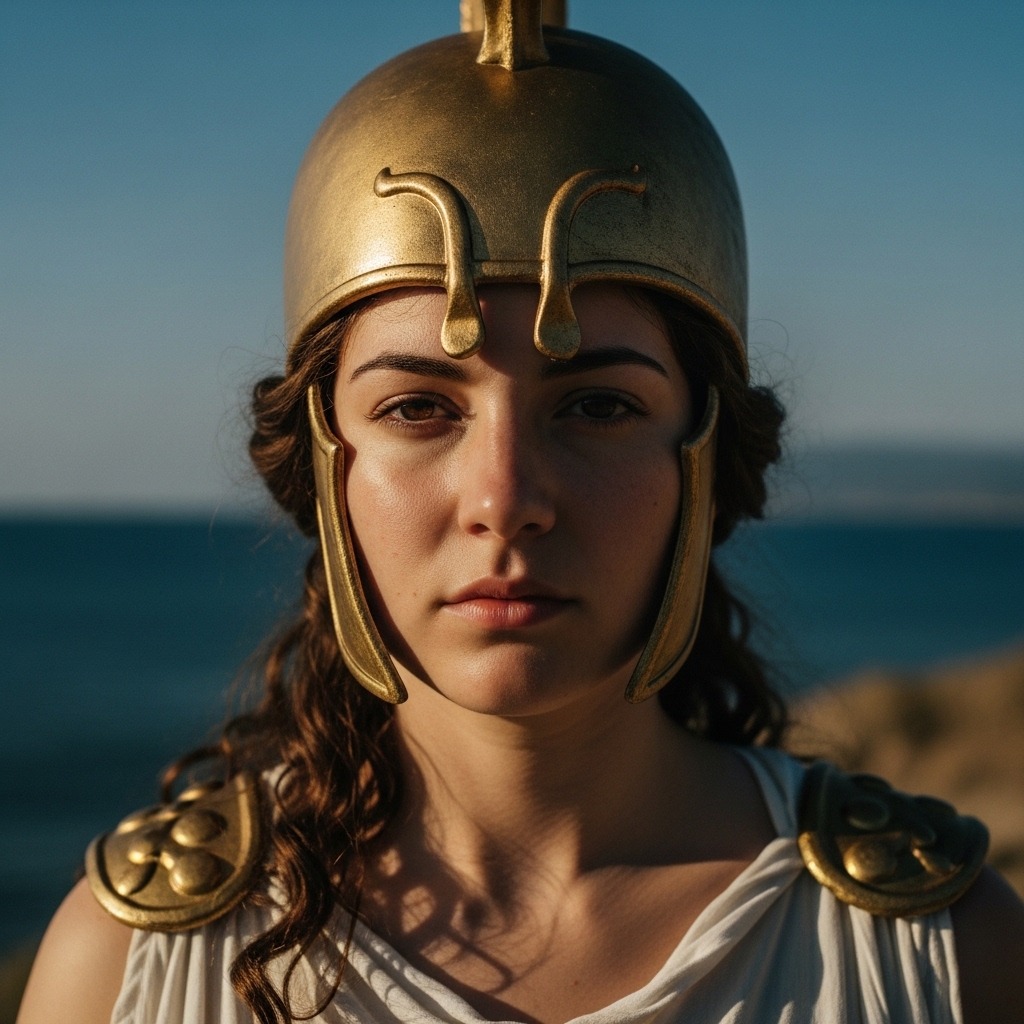
Athena holds a distinguished place among the children of Zeus. Born under extraordinary circumstances, she embodies wisdom and strategic warfare, making her one of the most revered figures in Greek mythology.
Birth story of Athena from Zeus’s forehead
Athena’s birth is among the most unique in mythological narratives. According to legend, Zeus swallowed her pregnant mother, Metis, after learning of a prophecy. This prophecy warned that Metis’s child would threaten his rule. Subsequently, Zeus experienced severe headaches, leading to Athena emerging fully grown and armored from his forehead. This dramatic birth underscores her importance and divine nature [3].
Athena’s attributes: goddess of wisdom and war
Athena is not merely a warrior goddess; she epitomizes several key attributes:
- Wisdom: Athena is the goddess of wisdom, symbolizing intelligence and strategy.
- Warrior: Unlike Ares, who represents chaos in battle, Athena exemplifies strategic warfare and disciplined combat.
- Patroness: She is the protector of cities, most notably Athens, which is named in her honor.
Her duality as both a nurturing figure and a fierce warrior sets her apart from other Olympian deities [3].
Her role in Greek mythology and tales
Athena’s influence extends beyond her birth and attributes. She plays a crucial role in various myths, often aiding heroes. For instance, she assists Odysseus in “The Odyssey,” providing guidance and support during his perilous journey. Her wisdom also manifests in the founding myth of Athens, where she competes with Poseidon for the city’s patronage, ultimately winning by offering the olive tree, a symbol of peace and prosperity.
Athena’s stories reflect her cultural significance, highlighting themes of intelligence, bravery, and civic responsibility. Her character has inspired countless works of art and literature, reinforcing her status as a central figure in Greek mythology [3].
3. Apollo: The God of Light and Prophecy
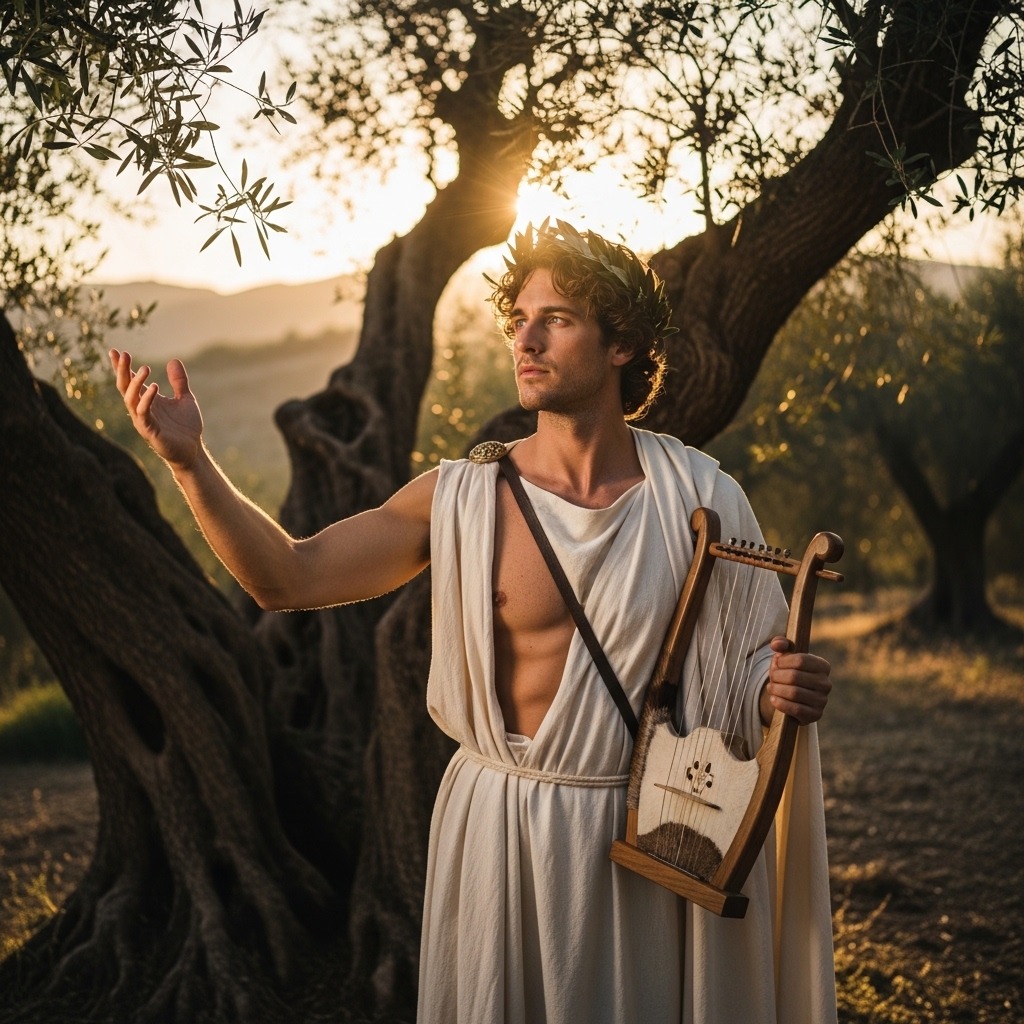
Apollo, the son of Zeus and the Titaness Leto, is one of the most significant deities in Greek mythology. He embodies duality, serving as both a god of healing and a harbinger of destruction. His extensive influence spans various domains, from music to prophecy, establishing him as a central figure in the pantheon.
Parentage: Zeus and Leto
Apollo’s lineage is notable. He was born to Zeus, the king of the gods, and Leto, a Titaness. This union is historically significant, as it represents the blend of divine and Titan bloodlines. The circumstances of his birth were fraught with conflict; Hera, Zeus’s wife, cursed Leto, preventing her from giving birth on solid ground. Leto ultimately found refuge on the island of Delos, where she gave birth to Apollo and his twin sister, Artemis.
Apollo’s Domains and Powers
Apollo’s powers are vast and multifaceted. He is often associated with:
- Music: As the god of music, Apollo is depicted with a lyre, symbolizing harmony and artistic inspiration.
- Prophecy: He presides over the Oracle of Delphi, where seekers come for guidance about the future.
- Healing: Apollo is revered as a god of healing, capable of both curing ailments and spreading disease.
- Light: He represents the sun, illuminating both the physical world and the minds of men.
His dual nature exemplifies the balance between life and death, creation and destruction. For instance, while he can heal, he also has the power to unleash plagues, showcasing the complexity of his character [4][5].
Myths Featuring Apollo
Apollo’s role in mythology is expansive. He appears in numerous myths, each highlighting different aspects of his character:
- The Trojan War: Apollo fought on the side of the Trojans and was pivotal in guiding the arrow that struck Achilles, leading to his downfall.
- Daphne: In this myth, Apollo pursues the nymph Daphne, who transforms into a laurel tree to escape him, illustrating themes of unrequited love.
- The Pythian Games: Celebrated in his honor, these games emphasized his association with athleticism and competition.
Apollo’s stories not only reflect his divine attributes but also influence later literature and art, cementing his legacy as a symbol of enlightenment and creativity [6]. His multifaceted nature continues to resonate in contemporary interpretations, reinforcing his status as one of the most complex figures in Greek mythology.
4. Artemis: Goddess of the Hunt and Moon

Artemis, a prominent child of Zeus, embodies independence and femininity in Greek mythology. As the goddess of the hunt and the moon, she holds a significant place among the deities of Olympus.
Sibling Relationship with Apollo
Artemis shares her divine lineage with her twin brother, Apollo. Born to Zeus and the Titaness Leto, their bond is profound. Their relationship symbolizes balance between the masculine and feminine. While Apollo represents light and prophecy, Artemis embodies the wild and untamed aspects of nature. This duality is essential in understanding their roles in mythology.
Attributes of the Goddess of the Hunt
- Protector of Wildlife: Artemis is revered as the guardian of animals, particularly wild creatures. She is often depicted with a bow and arrows, symbolizing her hunting prowess.
- Goddess of the Moon: Associated with the moon, Artemis governs the night. This connection highlights her role in guiding and protecting both mortals and nature under the moonlight [8].
- Symbol of Independence: Unlike many female figures in mythology, Artemis is fiercely independent. She remains unmarried and chooses to protect her virginity, setting her apart from other goddesses [7].
Role in Various Myths
Artemis’s narratives showcase her strength and autonomy:
- The Calydonian Boar Hunt: In this myth, Artemis sends a monstrous boar to ravage Calydon as punishment for neglecting her in a harvest festival. This tale emphasizes her power and the consequences of disrespecting her.
- Actaeon’s Transformation: When the hunter Actaeon accidentally glimpses Artemis bathing, she transforms him into a stag, leading to his demise by his own hunting dogs. This story serves as a warning against violating her privacy and autonomy.
Artemis’s stories are not merely tales but reflections of her character as a protector and an embodiment of nature’s strength. Her independence and prowess as the goddess of the hunt continue to resonate in literature and art, symbolizing the empowerment of women throughout history.
5. Hermes: The Messenger of the Gods
Hermes, the son of Zeus and Maia, emerges as one of the most intriguing figures in Greek mythology. Renowned for his cunning and versatility, Hermes embodies the role of the trickster while serving various functions within the pantheon.
Parentage: Hermes’s Mother Maia
Hermes is the offspring of Zeus and Maia, one of the Pleiades. This lineage positions him among powerful divine entities. Maia, a nurturing nymph, instills in Hermes traits of intelligence and swiftness. His birth occurs in a cave, symbolizing his connection to the earth and the divine.
Roles and Attributes of Hermes
Hermes carries multiple titles and responsibilities:
- Messenger of the Gods: He delivers crucial messages between gods and mortals, facilitating communication across realms [10].
- God of Trade and Thieves: Hermes represents commerce and cunning, guiding merchants while also embodying the cleverness of thieves.
- Protector of Travelers: He ensures safe passage for those on journeys, reflecting his role as a guide.
- Trickster Archetype: Known for his wily nature, Hermes often employs clever tactics to achieve his goals, showcasing his trickster persona.
These attributes make Hermes a dynamic figure, revered for his multifaceted nature.
Famous Myths Involving Hermes
Hermes features prominently in various myths, highlighting his cleverness and divine influence:
- The Theft of Apollo’s Cattle: As a newborn, Hermes steals cattle from his brother Apollo. This act showcases his cunning and resourcefulness. He cleverly covers his tracks, demonstrating his skills as a trickster.
- Guide of Souls: Hermes serves as the psychopomp, guiding souls to the afterlife. This role underscores his significance in both mortal and divine affairs.
- The Creation of the Lyre: He invents the lyre from a tortoise shell, later gifting it to Apollo, thus establishing a bond between the two gods. This myth illustrates not only his creativity but also the interconnectedness of the divine family.
Hermes’s stories encapsulate his essential qualities: cleverness, adaptability, and an unyielding spirit. His character serves as a bridge between the mortal world and the divine, making him a crucial figure in the mythology surrounding Zeus’s children.
6. Dionysus: The God of Wine and Ecstasy
Dionysus, the son of Zeus and Semele, embodies the duality of ecstasy and chaos. His birth story is as compelling as his influence on Greek culture.
Parentage and Birth of Dionysus
Dionysus is unique among the Olympian gods. His mother, Semele, was a mortal woman. Hera, jealous of Semele, tricked her into seeing Zeus in his true form, leading to Semele’s demise. To save the unborn child, Zeus sewed Dionysus into his thigh. This unorthodox birth method resulted in Dionysus being born from Zeus, making him the only Olympian with a mortal parentage [12].
Attributes as the God of Wine and Festivity
Dionysus represents wine, revelry, and ecstatic celebration. He is often depicted with a thyrsus, a staff entwined with ivy and vines. His festivals, particularly the Dionysia, were central to ancient Greek culture. These celebrations included dramatic performances, music, and dance, emphasizing the connection between the divine and the human experience [13].
Key attributes of Dionysus include:
- Transformation: He embodies change, reflecting the intoxicating effects of wine.
- Duality: Represents both joy and chaos, celebrating life while acknowledging its darker sides.
- Ecstasy: Encourages liberation from societal norms, inviting followers to experience freedom.
Cultural Significance and Festivals
Dionysus had a profound impact on Greek culture. His festivals were vital for the community, fostering social cohesion and creativity. The Dionysia, held in Athens, featured tragic plays that explored human emotions and moral dilemmas, laying the groundwork for Western theatre.
Dionysus’s influence extends beyond ancient Greece. His representation of wine and festivity persists in modern culture. The themes of liberation and the celebration of life resonate in contemporary art, literature, and music. His legacy continues to inspire, symbolizing the eternal human quest for joy and connection amidst the chaos of existence.
7. Heracles: The Heroic Son of Zeus
Heracles, also known as Hercules, stands as one of the most celebrated children of Zeus. His life is a tapestry woven with feats of strength, trials, and a legacy that transcends time.
Parentage and Birth Story
Heracles is the son of Zeus and Alcmene, a mortal woman. Zeus, enamored by Alcmene, approached her in the guise of her husband, Amphitryon. This union resulted in the birth of Heracles, who was destined for greatness. However, Hera, Zeus’s wife, harbored intense jealousy and sought to undermine Heracles from infancy. She sent two serpents to his crib, but the infant Heracles displayed extraordinary strength by strangling them with his bare hands. This early display of power marked the beginning of his legendary status.
The Twelve Labors of Heracles
Heracles’s journey to heroism is defined by the Twelve Labors, a series of seemingly impossible tasks imposed upon him by King Eurystheus. These labors include:
1. Slaying the Nemean Lion
2. Slaying the Lernaean Hydra
3. Capturing the Golden Hind of Artemis
4. Capturing the Erymanthian Boar
5. Cleaning the Augean Stables
6. Slaying the Stymphalian Birds
7. Capturing the Cretan Bull
8. Stealing the Mares of Diomedes
9. Obtaining the Girdle of Hippolyta
10. Capturing the Cattle of Geryon
11. Stealing the Apples of the Hesperides
12. Capturing Cerberus, the three-headed dog
Each labor tested Heracles’s strength, intelligence, and endurance, ultimately solidifying his status as a demi-god in Greek mythology. His triumphs not only validated his divine heritage but also showcased the archetype of the hero overcoming adversity.
Cultural Legacy of Heracles
Heracles’s influence permeates modern storytelling and culture. His tales have inspired countless adaptations in literature, film, and art. The hero’s journey, characterized by trials and tribulations, resonates universally. Heracles embodies the struggle against insurmountable odds, becoming a symbol of resilience and courage.
Heracles’s legacy extends beyond mere mythology. He represents the human condition—the pursuit of greatness amidst challenges. His story illustrates the timeless themes of heroism, sacrifice, and redemption. As a cultural icon, Heracles continues to inspire contemporary narratives, proving that the essence of heroism remains relevant across generations.
8. Perseus: The Slayer of Medusa
Perseus is one of the most renowned children of Zeus, celebrated for his heroic deeds and pivotal role in Greek mythology. His lineage connects him to both divine and mortal realms, shaping his destiny as a legendary hero.
Parentage and upbringing
Perseus is the son of Zeus and Danaë, a mortal princess. His conception is famously marked by Zeus’s transformation into golden rain, which allowed him to reach Danaë, who was imprisoned by her father, Acrisius. This divine intervention set the stage for Perseus’s extraordinary life.
- Father: Zeus
- Mother: Danaë
- Significant Events: Born to fulfill a prophecy that foretold his grandfather’s demise at his hands.
The quest to slay Medusa
Perseus’s most famous adventure is the quest to slay Medusa, one of the Gorgons. With the aid of divine gifts, including a reflective shield from Athena and winged sandals from Hermes, he ventured into the lair of the Gorgon.
- Key items:
- Reflective shield: Prevented him from looking directly at Medusa and turning to stone.
- Winged sandals: Allowed him to navigate swiftly through the skies.
- Sword: For the decisive blow against Medusa.
Perseus successfully beheaded Medusa and used her head as a weapon, capable of petrifying foes. This act not only showcased his bravery but also solidified his status as a hero in Greek mythology [17].
Perseus’s impact on Greek mythology
Perseus’s legacy extends beyond his heroic feats. He embodies themes of heroism, destiny, and the struggle against overwhelming odds. His adventures influenced countless works of art and literature.
- Cultural significance:
- Heroic archetype: Represents the quintessential hero overcoming adversity.
- Influence on later myths: His story intertwines with other mythological figures, including Andromeda, whom he rescued.
Perseus’s narrative illustrates the complexities of fate and divine intervention, making him a pivotal figure in the mythological landscape of ancient Greece [18].
9. Ares: The God of War
Ares embodies the chaotic and brutal aspects of warfare. As one of the children of Zeus, he stands out in the pantheon of Greek gods, often evoking mixed feelings among both mortals and deities.
Parentage and Divine Nature
Ares is the son of Zeus and Hera, his lineage ties him directly to the highest authority among the gods. As a divine being, he possesses inherent powers, including superhuman strength and endurance. His role as the god of war makes him pivotal in Greek mythology, representing the raw and untamed energy of conflict.
Attributes and Symbolism of Ares
Ares is often depicted with specific symbols that highlight his fierce nature:
- Weapons: Spear and sword, representing his martial prowess.
- Armor: A helmet and shield, signifying his readiness for battle.
- Animals: The vulture and the dog, which symbolize the bloodlust and ferocity of war.
Despite his formidable presence, Ares is often portrayed as cowardly in various myths. His constant need for validation from other gods exemplifies a deeper vulnerability. This duality makes him a complex figure within the Greek pantheon, showing both strength and weakness.
Ares in Mythology and Literature
Ares’s involvement in mythological narratives reveals conflicting perceptions of his character. While some tales glorify his martial skills, others depict him as a figure of ridicule. For instance, in the Iliad, he is shown as a fearsome warrior yet also as a source of strife among his peers, especially in his relationships with other gods like Athena.
- Contrasting Views: Ares is revered in some stories, but often scorned by other gods, particularly Athena, who embodies strategic warfare. This contrast illustrates the complexities of war itself—where brute force may not always triumph over wisdom.
- Cultural Impact: Ares’s characteristics have influenced poetry, art, and modern interpretations of war. His persona is often used to depict the savagery of battle, contrasting with the honor associated with heroes like Heracles.
Understanding Ares enriches the narrative of Zeus’s offspring. His complexities reflect the broader themes of conflict and human emotion in Greek mythology, making him a compelling study within the dynamics of Zeus’s children.
10. The Lesser-Known Children of Zeus
While Zeus fathered many prominent figures in Greek mythology, his lesser-known children also play significant roles in the rich tapestry of myth. These offspring, though not as famous, contribute to the depth and complexity of the stories surrounding the king of the gods.
Cultural Impacts of Lesser-Known Children
The contributions of Zeus’s minor children to mythology often go unnoticed. Yet, their stories embody themes of transformation, heroism, and legacy. They shape the understanding of Zeus’s character and his relationships with both mortals and gods. For example, the tale of Epaphus, born from Zeus’s union with Io, highlights themes of suffering and resilience. His life reflects the trials faced by those who bear the weight of divine lineage.
Examples of Minor Offspring and Their Myths
1. Epaphus: Son of Zeus and Io, Epaphus became the king of Egypt. His story illustrates the interconnectedness of mortal and divine realms, emphasizing the struggles of those caught between both worlds.
2. Minos: Born to Zeus and Europa, Minos became the legendary king of Crete. He is known for establishing a code of laws and his role in the myth of the Minotaur, showcasing the balance of power and justice.
3. Hebe: The goddess of youth and cupbearer of the gods, Hebe is often overshadowed by her more famous relatives. Her role signifies the importance of youth and vitality in the divine hierarchy.
4. Hercules (Heracles): Although immensely famous, Hercules’s struggles with Zeus’s legacy often illustrate the burden of divine expectation. His Twelve Labors serve as a testament to human perseverance.
5. Persephone: While primarily known for her abduction by Hades, her lineage as a daughter of Zeus connects her to themes of life, death, and rebirth, enriching the narrative of seasonal cycles.
How They Fit into the Larger Mythos
The stories of Zeus’s lesser-known children reveal the complexity of divine relationships. Each child carries traits from Zeus, impacting their narratives. Their connections to major myths and figures create a web of relationships that enhance the overall mythology.
- Legacy of Resilience: Minor children like Epaphus reflect the challenges of living up to a powerful lineage.
- Balancing Act of Power: Figures like Minos illustrate the tension between authority and morality.
- Themes of Transformation: Many lesser-known offspring experience dramatic transformations, which serve as metaphors for growth and change.
In summary, while Zeus’s well-known children dominate the myths, the tales of his lesser-known offspring enrich the narrative landscape of Greek mythology. Each story adds layers of meaning, reflecting the multifaceted nature of divine relationships and their impact on human lives.
11. Comparing the Divine and Mortal Offspring of Zeus
Understanding the distinctions between Zeus’s divine and mortal children provides insights into their roles in mythology and their cultural significance. While both groups share a common father, their legacies diverge sharply, reflecting different aspects of Greek beliefs.
Characteristics of Divine Children vs. Mortals
1. Divine Children:
- Born from unions with goddesses or through extraordinary means.
- Possess inherent powers and immortality.
- Examples include Athena, born from Zeus’s head, and Apollo, the god of light and music.
2. Mortal Children:
- Result from Zeus’s affairs with mortal women.
- Often exhibit exceptional qualities but are subject to human limitations.
- Notable examples include Heracles, renowned for his strength, and Perseus, famed for defeating Medusa.
Famous Myths Involving Each Group
- Divine Offspring:
- Athena’s unique birth symbolizes wisdom and strategic warfare. Her stories often highlight the intersection of divine intervention and human affairs.
- Apollo’s myths celebrate the arts, showcasing the cultural importance of his legacy in Greek society.
- Mortal Offspring:
- Heracles undertook the Twelve Labors, representing the struggle against fate and the quest for redemption. His tales resonate with themes of heroism and perseverance.
- Perseus’s journey to slay Medusa illustrates the classic hero’s journey, emphasizing courage and cleverness.
Cultural Impacts on Society
- Divine Children:
- Their stories influenced ancient Greek religion, art, and philosophy. They served as archetypes in literature and were central to various city-state cults.
- For instance, Athena became the patron goddess of Athens, shaping its identity and cultural practices.
- Mortal Children:
- Their narratives often reflect human virtues and vices, resonating with everyday experiences. They provided moral lessons and heroic ideals for ancient Greeks.
- Figures like Heracles became symbols of strength and resilience, inspiring countless works of art and literature.
By analyzing these differences, we gain a nuanced understanding of how Zeus’s offspring shaped Greek mythology and society, each contributing to a rich tapestry of stories that continue to resonate today.
12. The Inconsistencies in Accounts of Zeus’s Children
Greek mythology is a labyrinth of intricate tales and characters. The accounts of Zeus’s children are no exception, with discrepancies arising from various sources and interpretations. This section explores the reasons behind these inconsistencies and their implications for understanding Zeus’s lineage.
Reasons for discrepancies in mythology
The variability in accounts of Zeus’s children stems from several factors:
- Oral Tradition: Myths were passed down orally, allowing for alterations and embellishments over time.
- Regional Variations: Different city-states had unique versions of myths, leading to diverse narratives about Zeus’s offspring.
- Literary Sources: Ancient writers like Hesiod and Homer contributed to conflicting accounts, each interpreting the stories through their own lens.
Examples of conflicting accounts
The following are notable examples of Zeus’s children with differing narratives:
- Athena: Some myths depict her as Zeus’s firstborn, while others emphasize her birth from Metis after Zeus swallowed her mother to avoid a prophecy [25].
- Heracles: While commonly known as a demi-god and hero, some accounts question the extent of his divine powers and his relationship with Zeus [26].
- Dionysus: His parentage varies significantly, with some stories naming Semele as his mother while others suggest different unions, reflecting regional beliefs [27].
Modern interpretations of these variations
Contemporary scholars analyze these discrepancies to gain deeper insights into Greek mythology. They argue that these variations reflect cultural values and societal changes over time. For example:
- Symbolic Meanings: The differences in Athena’s birth narrative highlight themes of wisdom and warfare, aligning with her role as a protector of cities.
- Cultural Identity: Variants in Heracles’ stories may illustrate local pride, emphasizing the hero’s feats in specific regions, thus shaping community identities.
Understanding these inconsistencies enriches our comprehension of Zeus’s lineage and the broader tapestry of Greek mythology. Each child of Zeus, from the divine to the mortal, plays a crucial role in defining the legacy of the Olympian family.
13. The Cultural Significance of Zeus’s Children Today
Zeus’s children continue to exert a profound influence on modern culture. Their stories resonate across various media, highlighting timeless themes of power, conflict, and human experience.
Examples in literature, film, and art
Zeus’s offspring serve as pivotal characters in a myriad of modern adaptations.
- Literature: Novels like “Circe” by Madeline Miller reimagine the stories of goddesses like Circe and Hermes, exploring their complexities and relationships.
- Film: The “Percy Jackson” series introduces a younger audience to Greek mythology, featuring characters such as Athena and Ares in contemporary settings.
- Art: Numerous artworks depict the grandeur of Zeus’s children, showcasing their divine traits and heroic narratives.
The relevance of their stories today
The narratives of Zeus’s children reflect ongoing societal themes.
- Heroism: Characters like Heracles illustrate the archetype of the hero, battling external and internal struggles.
- Identity: The tales of Athena and Apollo explore concepts of wisdom and beauty, shaping modern ideals.
- Conflict: The rivalry between Ares and Athena mirrors contemporary struggles over power and morality.
How their narratives resonate with contemporary themes
Modern interpretations of Zeus’s children often emphasize themes relevant to today’s society.
- Empowerment: Female figures such as Athena and Artemis inspire movements advocating for gender equality.
- Mental Health: The complexities of Dionysus’s character reflect contemporary discussions around mental health and societal pressures.
- Family Dynamics: The intricate relationships among Zeus’s children highlight issues of family, loyalty, and legacy, relevant in today’s narratives.
Incorporating these themes into storytelling enriches cultural dialogues, ensuring the legacy of Zeus’s children remains vibrant and impactful.
14. The Interactions Among Zeus’s Children
The relationships among Zeus’s children are complex and multifaceted, reflecting both alliances and rivalries that shape their narratives in Greek mythology. Understanding these dynamics provides deeper insight into their individual stories and their collective significance.
Sibling rivalries and partnerships
Zeus’s children often exhibited intense rivalries and unique partnerships. These interactions were pivotal in shaping their identities and destinies.
- Athena vs. Ares: Athena, the goddess of wisdom, often opposed Ares, the god of war. Their differing approaches to conflict underscore their contrasting values—strategy versus brute force.
- Apollo and Artemis: As twins, Apollo and Artemis maintained a strong bond. Apollo, the god of light, and Artemis, the goddess of the hunt, often complemented each other, highlighting themes of duality in their stories.
- Heracles and Hera: Heracles, though a son of Zeus, faced constant strife with Hera, who resented him. This rivalry fueled many of his heroic feats, showcasing the challenges he overcame due to divine opposition.
The role of Hera in these relationships
Hera’s influence on the dynamics of Zeus’s children cannot be overstated. As the goddess of marriage and Zeus’s wife, her jealousy often led to strife among siblings.
- Hera’s wrath: Hera frequently targeted Zeus’s illegitimate offspring, particularly Heracles, whom she saw as a threat to her own children. This animosity shaped many myths surrounding Heracles, emphasizing his struggle against divine opposition.
- Protection of her children: Hera favored her children, like Ares and Hephaestus, often positioning them against Zeus’s other progeny. This favoritism fostered a competitive atmosphere among the Olympians.
Myths illustrating these dynamics
Several myths illustrate the intricate relationships and rivalries among Zeus’s children.
- The Trojan War: This epic conflict was heavily influenced by the rivalries among Zeus’s offspring, particularly between Athena and Aphrodite. Their involvement in the judgement of Paris set the stage for the war, showcasing how sibling dynamics can escalate into monumental events.
- The Twelve Labors of Heracles: Heracles’s trials were predominantly a result of Hera’s relentless pursuit. Each labor not only tested his strength but also highlighted the animosity between Heracles and Hera’s children, emphasizing the theme of overcoming familial conflict.
Zeus’s offspring are not merely figures in mythology; they represent deep-seated themes of rivalry, loyalty, and competition that resonate throughout Greek narratives. Their stories are a testament to the complexities of family dynamics, illustrating how personal relationships can shape destinies.
15. The Role of Women in Zeus’s Family
Zeus’s female offspring hold significant positions in Greek mythology, often embodying complex attributes that challenge traditional gender roles. Their narratives reveal the interplay of power, wisdom, and resilience, highlighting the unique contributions of women in a predominantly patriarchal pantheon.
Female deities and their attributes
1. Athena: Goddess of wisdom and strategic warfare, born from Zeus’s forehead. She represents intellect and skill in battle, often guiding heroes like Odysseus. Athena’s birth symbolizes the emergence of feminine power in a male-dominated world.
2. Artemis: Goddess of the hunt and wilderness, she embodies independence and strength. As a protector of young women and animals, Artemis defies conventional roles, asserting her autonomy and prowess in a male-centric mythos.
3. Persephone: Queen of the Underworld and goddess of spring, her duality reflects themes of life and death. Persephone’s story emphasizes the cyclical nature of existence and the power of transformation, showcasing her resilience against patriarchal constraints.
4. Hebe: Goddess of youth, she serves ambrosia to the gods. Her role signifies the importance of youth and vitality in divine narratives, often overlooked compared to her more famous siblings.
5. Aphrodite: Although sometimes considered a child of Zeus, her parentage varies in myths. As the goddess of love and beauty, she wields significant influence, showcasing how feminine allure can drive male actions and conflict.
Contrasts with male offspring
The male offspring of Zeus, such as Heracles and Apollo, are often depicted as warriors or leaders. In contrast, the female deities focus on wisdom, protection, and the complexities of human emotions. This distinction illustrates:
- Diverse roles: While male children often engage in physical feats, female offspring navigate intricate social relationships and moral dilemmas.
- Symbolic power: Female deities wield their influence through intellect, beauty, and emotional strength, often shaping the fates of male heroes.
Cultural significance of female narratives
The stories of Zeus’s daughters significantly impact later Greek literature and art. They challenge traditional gender roles and offer insights into women’s experiences in ancient society. For example:
- Athena’s guidance: In the “Iliad” and “Odyssey,” her support for Odysseus illustrates a partnership that transcends gender expectations.
- Artemis’s independence: Her refusal to marry emphasizes female autonomy, making her a symbol for women’s empowerment in modern interpretations.
The narratives surrounding these female deities contribute to a richer understanding of gender dynamics in Greek mythology, illustrating the complexities of power and influence within Zeus’s family. Their stories resonate with themes of resilience and identity, allowing for diverse interpretations across time and culture.
16. Famous Myths Featuring Zeus’s Children
Zeus’s children are central figures in numerous myths that illustrate their divine attributes and the complexities of their relationships. These tales often convey profound themes, showcasing their powers, challenges, and destinies.
Highlighting Major Myths
1. Athena’s Birth: Athena emerged fully grown from Zeus’s forehead after he swallowed her mother, Metis. This unique birth signifies wisdom and strategic war, establishing her as a key player in many mythological narratives.
2. Hercules’s Labors: As the son of Zeus and the mortal Alcmene, Hercules undertakes twelve labors to atone for a crime induced by Hera’s jealousy. His feats, including slaying the Nemean Lion and capturing the Golden Hind, exemplify his heroic strength and resilience.
3. Apollo and the Oracle: Apollo, the god of prophecy, is born to Zeus and Leto. He establishes the Oracle of Delphi, becoming the divine voice of foresight and influencing Greek decision-making across generations.
4. Dionysus’s Journey: Dionysus, the god of wine and festivity, also claims Zeus as his father. His birth story involves being sewn into Zeus’s thigh, symbolizing rebirth. He champions liberation through intoxication and revelry.
5. Perseus and Medusa: Zeus fathers Perseus with Danaë. After receiving a prophecy about his mother’s son, Zeus assists Perseus in slaying Medusa, showcasing the interplay between fate and divine intervention.
Lessons and Morals from These Stories
- Courage and Perseverance: Hercules exemplifies the value of persistence against overwhelming odds. His trials teach that true strength lies in character, not just physical prowess.
- Wisdom Over Might: Athena’s birth from Zeus’s head underscores the belief that wisdom is paramount in conflict, emphasizing intellect over brute force.
- The Duality of Nature: Dionysus represents the duality of joy and chaos, reminding us that liberation can lead to both ecstasy and disorder.
The Role of Fate and Destiny in These Tales
Fate is a recurring theme in the myths of Zeus’s children.
- Hercules: Despite his divine lineage, Hercules’s life is riddled with challenges dictated by fate and the whims of Hera, showcasing the struggle between destiny and free will.
- Perseus: His journey illustrates how divine guidance can shape one’s fate. The interventions by Zeus highlight the intricate balance between predestined paths and personal choices.
- Athena: As a goddess of wisdom, Athena often acts as a guide to heroes, reinforcing the idea that understanding one’s destiny is crucial to navigating life’s challenges.
These myths not only define the identities of Zeus’s children but also reflect the cultural values and existential inquiries of ancient Greek society.
17. The Artistic Representations of Zeus’s Children
The artistic representations of Zeus’s children span centuries and cultures, illustrating their profound impact on art and literature. Each child embodies distinct attributes, making them subjects of fascination for countless artists and writers.
Artistic Depictions Through History
Zeus’s children have been immortalized in various art forms, from ancient sculptures to Renaissance paintings.
- Athena: Often depicted in armor, symbolizing wisdom and warfare, Athena’s imagery emphasizes her strategic prowess.
- Apollo: Represented as a youthful figure, Apollo embodies beauty and artistic inspiration, frequently shown with a lyre.
- Dionysus: Art captures Dionysus in a state of ecstasy, surrounded by revelers, reflecting his association with wine and festivity.
- Hercules: His heroic labors are common themes, showcasing strength and bravery in various heroic poses.
Influence on Literature and Theater
The narratives surrounding Zeus’s children significantly influenced ancient Greek literature and theater.
- Tragedies and Comedies: Many plays, such as those by Euripides and Sophocles, explore the lives of Zeus’s offspring, examining themes of fate and heroism.
- Epic Poetry: Works like Homer’s “Iliad” and “Odyssey” feature characters such as Achilles and Heracles, emphasizing their divine heritage and moral complexities.
Modern Reinterpretations in Pop Culture
Today, Zeus’s children continue to inspire modern reinterpretations across various media.
- Films and Television: Adaptations like “Clash of the Titans” and “Percy Jackson” modernize these mythological figures, making them relatable to contemporary audiences.
- Literature: Many contemporary novels reinterpret these myths, exploring the psychological dimensions of Zeus’s children, such as their struggles with identity and legacy.
These artistic and literary portrayals not only enhance our understanding of Zeus’s children but also demonstrate their lasting cultural significance across generations.
18. The Evolution of Myths About Zeus’s Children
The stories surrounding Zeus’s children have undergone significant transformations throughout history. These changes reflect the cultural, social, and political contexts of the times, influencing how these myths are interpreted and understood.
Factors Influencing Myth Evolution
1. Cultural Context: Ancient Greeks viewed their gods as reflections of human traits and societal norms. Zeus’s relationships, often scandalous, mirrored the complexities of human relationships.
2. Literary Adaptation: Over time, poets and playwrights adapted these myths to resonate with contemporary audiences. For instance, the portrayal of Athena shifted from a battle-ready warrior to a goddess embodying wisdom and strategy.
3. Political Influence: Rulers often invoked Zeus and his children to legitimize their power. For example, Hercules was celebrated in various city-states, symbolizing strength and heroism.
Comparison of Ancient and Modern Interpretations
- Ancient Interpretations: Myths served to explain natural phenomena and human behavior. For example, Apollo’s role as the god of prophecy underscored the Greeks’ belief in fate and divine intervention.
- Modern Interpretations: Contemporary adaptations often explore psychological dimensions. Films and literature delve into themes of identity, legacy, and personal conflict, offering relatable narratives for today’s audience.
The Role of Cultural Exchange in Myth Development
Cultural interactions, especially during conquests and trade, led to the blending of myths. For instance, Hellenistic influences expanded the stories of Zeus’s children across the Mediterranean, incorporating elements from Egyptian and Roman mythologies. This syncretism enriched the narratives, often leading to divergent interpretations.
Summary of Key Children of Zeus
| Child | Parentage | Significance |
|---|---|---|
| Athena | Zeus and Metis | Goddess of wisdom and warfare |
| Apollo | Zeus and Leto | God of the sun, music, and prophecy |
| Artemis | Zeus and Leto | Goddess of the hunt and wilderness |
| Heracles | Zeus and Alcmene | Hero known for his strength and trials |
| Perseus | Zeus and Danaë | Slayer of Medusa and ancestor of kings |
| Dionysus | Zeus and Semele | God of wine, revelry, and ecstasy |
These evolving narratives not only reveal the nature of Zeus’s relationships but also highlight the broader cultural dialogues that have shaped Greek mythology over centuries. Understanding these dynamics provides deeper insight into the significance of Zeus’s children and their lasting impact on literature and art.
19. Conclusion: The Legacy of Zeus’s Children
The legacy of Zeus’s children extends far beyond their divine heritage. Each child embodies unique attributes and stories that resonate through mythology and culture.
Recap of the Key Attributes of Zeus’s Children
- Athena: Goddess of wisdom and warfare, born fully formed from Zeus’s forehead.
- Apollo: God of light, music, and prophecy, known for his oracular powers.
- Artemis: Goddess of the hunt and wilderness, protector of young women.
- Heracles: Demigod famed for his immense strength and heroic labors.
- Perseus: Slayer of Medusa, renowned for his bravery and cunning.
- Dionysus: God of wine and festivity, symbolizing ecstasy and transformation.
- Ares: God of war, representing the chaotic aspects of battle.
- Hebe: Goddess of youth, serving nectar to the gods.
These children showcase a blend of divine and heroic qualities, illustrating the complex relationships between gods and mortals.
Their Lasting Impact on Culture and Mythology
Zeus’s children have significantly shaped literature and art throughout history. Their stories reflect the human condition, exploring themes of love, power, and destiny. For instance:
- Cultural References: Characters like Heracles and Perseus have inspired countless adaptations in modern literature and film.
- Artistic Representations: Works from antiquity to the Renaissance often depict these figures, highlighting their mythological importance.
- Philosophical Interpretations: The narratives surrounding Zeus’s offspring serve as allegories for human virtues and vices.
The influence of these figures is evident in contemporary storytelling, where themes of heroism and divine lineage continue to captivate audiences.
Final Thoughts on Their Relevance Today
Zeus’s children remain relevant in today’s cultural discourse. They serve as symbols in discussions about morality, power dynamics, and the hero’s journey. Their stories encourage reflection on the complexities of human relationships and the pursuit of greatness. As such, the legacy of Zeus’s children continues to ignite curiosity and inspire new generations, ensuring their place in the pantheon of timeless mythology.
The enduring fascination with these characters underscores their significance as archetypes in both ancient and modern narratives. Their stories, filled with intrigue and moral lessons, continue to resonate deeply within the fabric of our cultural heritage.
20. Future Directions for Studying Zeus’s Offspring
The legacy of Zeus’s children offers a rich tapestry for scholarly exploration. Their diverse stories and significant cultural roles invite deeper investigation into the nuances of Greek mythology.
Current Gaps in the Literature
Despite the extensive documentation of Zeus’s children, several gaps remain in the existing literature:
- Lesser-Known Offspring: While prominent figures like Athena and Apollo are widely studied, many offspring such as Amphion and Phrixus lack detailed analysis.
- Inconsistencies in Accounts: Various myths and historical texts present conflicting narratives about Zeus’s children, particularly regarding their origins and attributes.
- Cultural Impact Studies: The influence of Zeus’s children on later literature and arts has not been comprehensively addressed, missing an opportunity to connect ancient myths with contemporary interpretations.
Potential Research Questions
Future research could focus on:
- How do the genealogies of Zeus’s children reflect broader themes in Greek mythology?
- What role did Zeus’s children play in shaping the moral and ethical frameworks of ancient Greek society?
- How do modern adaptations reinterpret these figures and their narratives in contemporary media?
Interdisciplinary Approaches to Studying Mythology
Integrating various academic disciplines can yield fresh insights:
- Literary Analysis: Examine texts from different periods to trace the evolution of Zeus’s children in storytelling.
- Art History: Investigate how visual representations of Zeus’s offspring have influenced and been influenced by societal values over time.
- Sociology: Explore the impact of Zeus’s children on gender roles and familial structures in ancient Greece.
By addressing these areas, scholars can enrich the understanding of Zeus’s offspring, illuminating their significance within both ancient and modern contexts.
Frequently Asked Questions
These quick answers cover the most common questions about this topic, including key details, practical tips, and common concerns.
19 Children of Zeus: Who Are They?
Zeus fathered 19 notable children with various divine and mortal women. These offspring include gods like Athena, Apollo, Artemis, Dionysus, and Ares, as well as heroes such as Heracles and Perseus. Their stories span creation myths, heroism, and divine influence, shaping Greek mythology’s rich landscape [1].
Who are Zeus’ 12 children?
Zeus’s 12 most prominent children are often considered the Olympian gods and major heroes. They include Athena, Apollo, Artemis, Heracles, Perseus, Dionysus, Ares, Hebe, Hephaestus, Hermes, Eileithyia, and Hebe. These figures played crucial roles in myths, culture, and religion [1].
Who is the Greek god of LGBT?
There is no specific Greek god exclusively associated with LGBT identities. However, some myths and interpretations highlight fluidity and diverse expressions of gender and sexuality, such as the portrayal of gods like Apollo and Dionysus, who exhibit complex traits and relationships [4].
Who is Zeus’s strongest son?
Heracles is often regarded as Zeus’s strongest son due to his extraordinary strength and heroic achievements. His Twelve Labors exemplify his divine power and resilience, making him a symbol of heroism and strength in Greek mythology [17].
Which god wasn’t fathered by Zeus?
Hades and Poseidon were also children of Cronus, not Zeus. Among Zeus’s children, some, like Hephaestus, have disputed parentage, but most are considered his direct offspring. For example, Athena was born from Zeus alone, not from another divine parent [2].
What are the stories behind Zeus’s children?
Each child has unique myths. Athena was born from Zeus’s forehead, symbolizing wisdom. Apollo and Artemis were born after Leto’s struggle to find a safe birthplace. Heracles’s story involves heroic feats and divine trials. Dionysus’s birth involves rebirth from Zeus’s thigh, symbolizing transformation [3, 5, 12].
How many children did Zeus have in total?
While traditionally credited with 19 children, the exact number varies across sources. His offspring include gods, heroes, and mortals, reflecting his numerous unions with divine and mortal women over mythological history [1].
Why are some children of Zeus more prominent than others?
Prominent children like Athena, Apollo, and Heracles are central to major myths and cults. Their stories embody core themes like wisdom, strength, and heroism, which made them more culturally significant. Lesser-known children often have localized or secondary roles [28].
What is the significance of Athena as Zeus’s favorite child?
Athena’s birth from Zeus’s forehead and her role as goddess of wisdom and strategic warfare highlight her special status. She symbolizes intelligence and civic virtue, and her favor reflects the importance Greeks placed on wisdom and civic identity [3].
How did Zeus father so many children?
Zeus’s numerous children resulted from his frequent unions with divine and mortal women. His shape-shifting and divine authority allowed him to father offspring across different regions and stories, symbolizing his role as king of gods and progenitor [39].
How do the children of Zeus interact with each other?
Many of Zeus’s children have complex relationships—alliances, rivalries, and conflicts—shaping mythological narratives. For example, Athena and Ares often oppose each other, while Apollo and Artemis share a close sibling bond. These interactions reflect divine family dynamics [10].
Why do myths about Zeus’s children vary?
Myths vary due to regional differences, oral traditions, and evolving cultural values. Different sources emphasize different genealogies or attributes, leading to multiple versions of stories about Zeus’s offspring [24, 26].
Are there mythological stories involving lesser-known children?
Yes, many lesser-known children like Epaphus, Minos, and Hebe have stories that influence local legends and genealogies. These myths often explain regional origins, royal lineages, or natural phenomena, enriching the overall mythos [28].
How have Zeus’s children influenced later Greek literature and art?
Their stories inspired countless artworks, sculptures, and literary works. Heroes like Heracles and Perseus became symbols of strength and bravery, while gods like Athena and Apollo shaped philosophical and cultural ideals. Their depiction continues to influence modern culture [17, 33].
Do myths about Zeus’s children change over time?
Yes, myths evolved through cultural exchanges, political influences, and literary reinterpretations. Variations reflect societal values, regional beliefs, and historical contexts, making Zeus’s offspring a dynamic part of Greek mythology [27].
References
1. ZEUS FAMILY – Greek Mythology
2. Greek Gods And Goddesses Family Tree Starting With Zeus
4. Frequently Asked Questions – Parentage Opportunity Program
5. Apollo
6. Apollo
9. ARTEMIS AND APOLLO IN ATHENIAN DRAMA AND …
10. A Rapid Messaging System for Time Domain Astronomy
11. HERMES: THE GOD OF MERCHANTS, THIEVES, AND …
13. Dionysus
14. Theseus and Heracles: Their Unique Intellects and …
15. Afflicted by the Gods: The Shared History and Neurobiology of …
16. More than a Monster: Medusa Misunderstood
17. perseus
18. Perseus And The Gorgon Medusa
19. Ares (deity) | Social Sciences and Humanities
20. Ares God
21. Zeus: Myths, Power & Facts
22. Zeus
24. The child’s pantheon: Children’s hierarchical belief structure in …
25. Greek Mythology
26. Greek Gods And Goddesses Family Tree Starting With Zeus
27. Greek_Culture
28. 3.6.9: The Children of Zeus
29. The Olympian goddesses: – virgins and mothers
30. Rivalry in medicine and the wine business – PMC – NIH
31. Postreproductive Survival – Between Zeus and the Salmon
32. The Portrayal of Women in Ancient Greek Mythology
34. Leda in Greek Mythology: How did she become involved …
36. The Children of Zeus: Apollo (page 94, with art)
37. Greek Mythology: Literature Curriculum, Levels CD [ …
39. How did Zeus have children with so many women …
40. ZEUS – A Research Study to Look at How Ziltivekimab …