
Cronus, the Titan of Greek mythology, is known for his dramatic rise to power and his tumultuous relationships with his family. This article presents 17 intriguing facts about Cronus, covering his lineage, reign, and eventual overthrow.
1. Cronus’s Birth and Lineage
Cronus’s story starts with his fascinating family. He was born to Gaia, the Earth, and Uranus, the Sky. This powerful lineage shaped his identity and destiny in the mythological world.

Origins of Cronus
- Parents: Cronus is the youngest of the Titans, born to Gaia and Uranus.
- Significance: His birth symbolizes the connection between Earth and Sky.
- Titan Family: Being part of the Titan lineage meant he was destined for greatness, but also conflict.
Role of Gaia and Uranus
- Gaia’s Influence: Gaia, unhappy with Uranus’s actions, encouraged Cronus to act against his father. She provided him with a sickle to do so.
- Uranus’s Reign: Uranus was a powerful figure but feared his children. He imprisoned them, leading to his eventual downfall at the hands of Cronus.
Significance of Titan Lineage
- Power Struggles: Cronus’s lineage set the stage for power struggles among the Titans.
- Prophecy: A prophecy warned Cronus that one of his children would overthrow him, shaping his tyrannical behavior.
- Golden Age: When Cronus took power, he ruled during a time often referred to as the Golden Age, a period of peace and prosperity for mortals.
Cronus’s origins reveal much about his complex character. They set the stage for the dramatic events that would unfold in his life, leading him to overthrow Uranus and ultimately face his own son, Zeus.
2. The Overthrow of Uranus

Cronus’s rise to power is a dramatic tale of rebellion, cunning, and ambition. With the help of his mother, Gaia, Cronus took bold steps to seize the throne from his father, Uranus.
Gaia’s Role in the Rebellion
Gaia, the Earth goddess, played a crucial part in this family drama. She was fed up with Uranus for imprisoning her children in Tartarus. In her frustration, she crafted a sickle from stone and rallied her sons, the Titans. Only Cronus had the courage to act. Gaia urged him to use the sickle against Uranus.
- Courage: Cronus was the only Titan willing to confront their father.
- Weapon: The sickle symbolized rebellion and change.
- Support: Gaia’s guidance was pivotal in Cronus’s decision to challenge Uranus.
The Castration Act
The moment of truth came when Uranus visited Gaia. Cronus lay in wait, sickle in hand. When Uranus approached, Cronus struck, castrating him. This shocking act did more than just dethrone Uranus; it symbolized the end of an era.
- Impact: Cronus’s action separated Heaven from Earth, changing the cosmos forever.
- Consequences: From Uranus’s blood, new beings emerged, including the Gigantes and Erinyes.
- Foam of Aphrodite: The testicles, cast into the sea, gave rise to the goddess Aphrodite.
Implications of the Overthrow
Cronus’s victory marked a significant shift in power. With Uranus defeated, he and Rhea assumed control as the new king and queen of the universe. This reign was known as the Golden Age, a time of peace and prosperity.
Table of Contents
- Power Dynamics: Cronus’s actions set a precedent for future struggles among gods.
- Paranoia: A prophecy warned him that one of his children would overthrow him, making him tyrannical.
- Cultural Legacy: This tale of rebellion and power resonates through mythology, reflecting human fears of betrayal and loss of control.
Understanding these events sheds light on not just Cronus’s character but also the complex relationships within the Titan family. His desperate bid for power ultimately paved the way for his downfall at the hands of his own son, Zeus.
3. Cronus’s Rule During the Golden Age
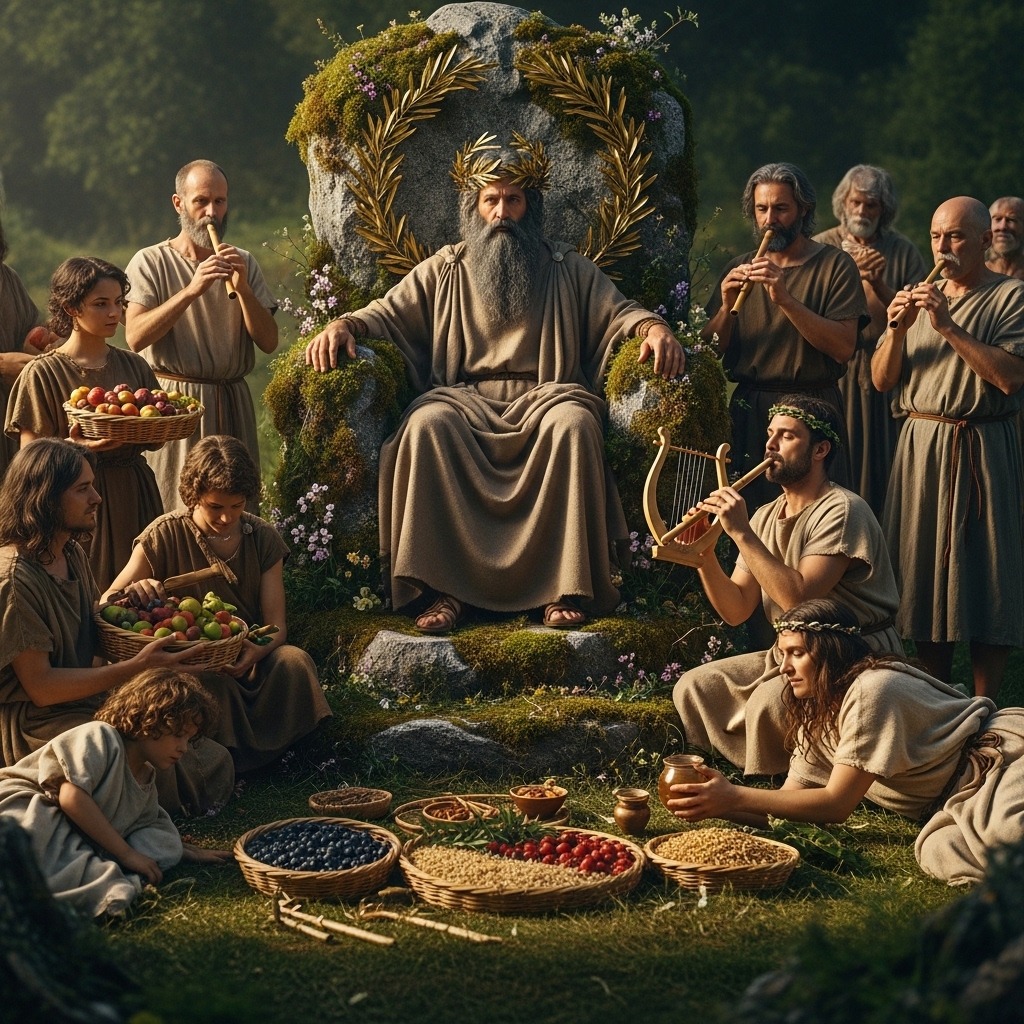
Cronus’s reign is often described as the Golden Age, a magical time filled with peace and abundance. This era stands out in Greek mythology for its idealistic portrayal of life before chaos reigned.
Defining the Golden Age
The Golden Age symbolizes a perfect world. During this time, people lived without worry. There were no wars or conflicts. Instead, harmony prevailed.
- Abundance: Everyone had enough to eat. Resources were plentiful.
- No Laws Needed: Morality was inherent. People acted rightly without laws.
- Divine Interactions: The gods walked among humans, guiding them.
Life Under Cronus
Life during Cronus’s rule was idyllic. People enjoyed simple pleasures and lived in harmony with nature. Here are some key features:
- No Suffering: Illness and hardship were unknown.
- Joyful Existence: Celebrations and festivities were common, reflecting a carefree lifestyle.
- Connection to Nature: Agriculture flourished, and harvests were bountiful.
Cultural Significance of the Era
The Golden Age reflects early Greek values. It showcases an ideal of governance that many aspired to. Here’s how it influenced culture:
- Festivals: The Kronia festival celebrated the harvest, honoring Cronus as a deity of agriculture.
- Art and Literature: The era inspired numerous artistic works, emphasizing themes of peace and prosperity.
- Lessons in Governance: The myth served as a cautionary tale. While Cronus started as a benevolent ruler, his downfall reminds us of the dangers of tyranny.
In summary, Cronus’s rule during the Golden Age highlights a time of peace and abundance, shaping not just mythology but also the values of ancient Greek society.
4. The Prophecy and Cronus’s Fear
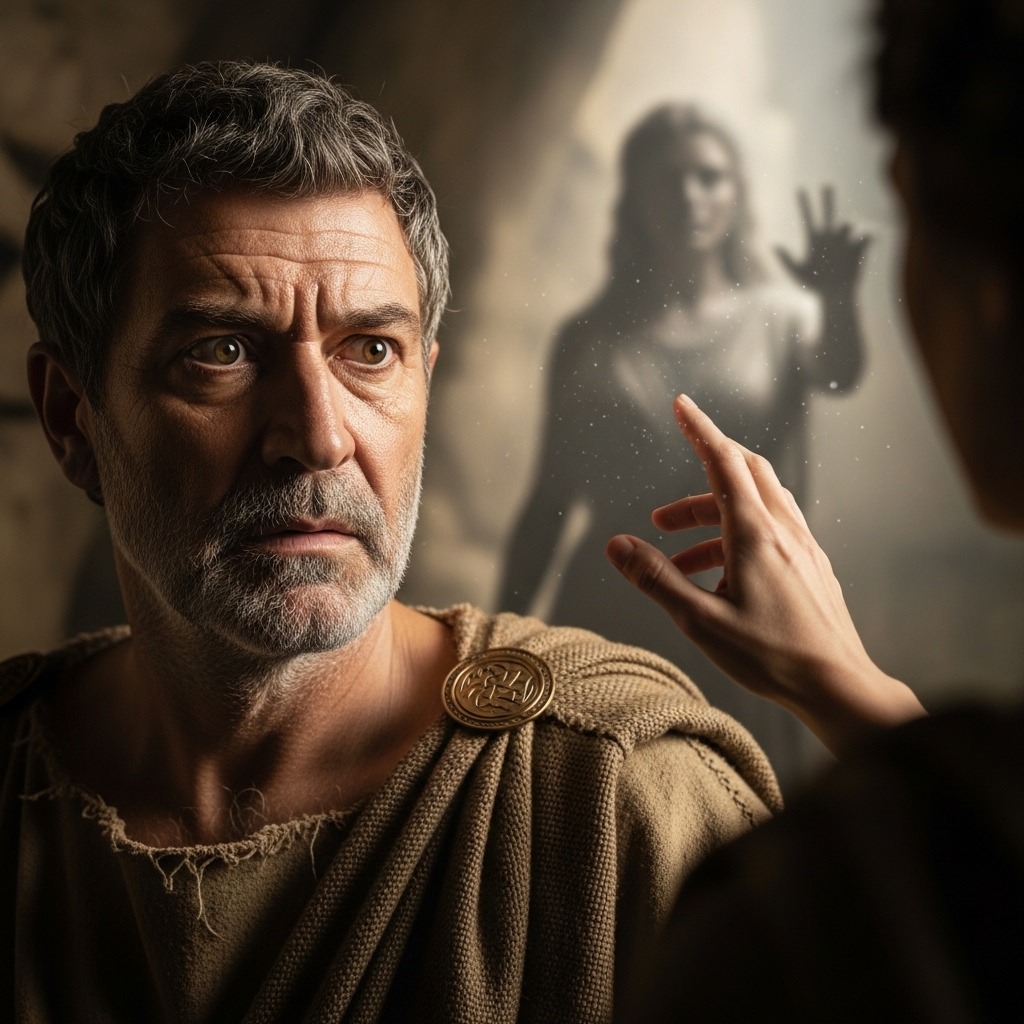
Cronus’s story is heavily influenced by a chilling prophecy. This prediction warned him that one of his own children would overthrow him. This fear drove many of his actions and ultimately shaped his fate.
Understanding the Prophecy
The prophecy came from ancient sources. It foretold that Cronus would meet his end at the hands of one of his children. This prediction was a repeating theme in mythology, where characters often grapple with their destinies.
Cronus’s Response to Fear
In a desperate attempt to avoid this fate, Cronus took drastic measures. He swallowed each of his children right after they were born:
- Hestia
- Demeter
- Hera
- Hades
- Poseidon
He hoped this would prevent the prophecy from coming true. But the fear of being overthrown consumed him.
Comparative Analysis of Prophecy Themes
Cronus’s fear mirrors other mythological figures faced with similar prophecies. Take Oedipus, for example. Like Cronus, he tried to escape his fate but only ended up fulfilling it. This theme highlights a common thread in mythology: the struggle against destiny often leads to its fulfillment.
- Prophecy Reactions: Many characters, like Cronus, react with fear, leading to self-sabotage.
- Fate vs. Free Will: These stories explore the tension between trying to control one’s destiny and accepting it.
Cronus’s tale serves as a reminder. Fear can drive us to make choices that lead to our downfall.
5. The Devouring of His Children
Cronus’s story takes a dark turn with the grim act of swallowing his children. This desperate attempt to escape a prophecy reveals much about his character and the dynamics of his family.
The Act of Devouring
When Cronus learned of the prophecy that one of his children would overthrow him, he took drastic measures. He swallowed each child at birth to prevent this fate. Here’s how it went down:
- Demeter: First to go, she was devoured before she could even take her first breath.
- Hestia: Next in line, Hestia met the same fate as her sister.
- Hera: Cronus swallowed Hera, ensuring he wouldn’t have to face her power later.
- Hades: This dark god was consumed, sealing his fate as a ruler of the underworld.
- Poseidon: The god of the sea was also not spared.
- Zeus: When Rhea gave birth to Zeus, she hid him away and tricked Cronus into swallowing a stone instead.
This gruesome act was born from fear. Cronus believed that by eliminating his offspring, he could maintain his power.
Impact on Family Dynamics
Cronus’s actions had a profound impact on his family. His fear created a toxic environment. This led to mistrust and betrayal within his own household. Rhea’s act of saving Zeus highlights a pivotal shift. Here’s how it shaped their relationships:
- Rhea: She became a protector rather than a willing partner, plotting against Cronus.
- Zeus: His survival set the stage for rebellion, turning him into the savior of his siblings.
- Sibling Bonds: The siblings grew up separated from one another, which affected their unity later in life.
Cronus’s fear ultimately fractured his family, illustrating how fear can twist relationships.
Symbolism of Cannibalism in Mythology
Cronus’s cannibalism carries deep symbolism in mythology. It represents the fear of losing power and control. The act of devouring one’s own children speaks volumes about his psyche.
- Fear of Betrayal: Cronus’s actions reflect the paranoia of being overthrown, a common theme in myths.
- Cycle of Violence: His choices set off a cycle of violence and revenge, as Zeus eventually overthrew him.
- Cultural Reflection: Cannibalism often symbolizes the extremes one might go to for power, echoing through various myths.
Cronus’s story is a cautionary tale about the consequences of fear and the struggle for control.
6. Rhea’s Deception
Rhea played a crucial role in saving Zeus from his father, Cronus. Her cleverness set the stage for the eventual downfall of the Titan.
Rhea’s Clever Plan
Rhea was desperate. She loved her children and couldn’t bear the thought of losing another to Cronus’s paranoia. When Zeus was born, she took action.
- Hiding Zeus: Rhea secretly gave birth to Zeus in a cave on the island of Crete.
- Outsmarting Cronus: To trick Cronus, she wrapped a stone in swaddling clothes. She handed it to him, making him think it was the newborn Zeus.
This brilliant deception showcased Rhea’s determination and maternal instinct. She wasn’t just protecting her son; she was setting the wheels of fate in motion.
The Rock Trick
Cronus was none the wiser. When he swallowed the stone, he thought he had consumed his sixth child. This act would come back to haunt him.
- The Omphalos Stone: The stone, known as the Omphalos, became symbolic. It represented the beginning of the end for Cronus.
- Divine Intervention: Rhea’s quick thinking ensured Zeus grew up safely, away from his father’s destructive grasp.
This trickery highlights how cunning can triumph over brute force.
Consequences of Deception
Rhea’s actions didn’t just save Zeus—they changed the course of history.
- Zeus’s Growth: Raised by nymphs and protected by the Curetes, Zeus grew strong and ready for revenge.
- The Titanomachy: Eventually, he would confront Cronus, leading to the epic battle known as the Titanomachy. This conflict reshaped the pantheon of Greek gods.
Rhea’s maternal protection against a tyrant changed everything. It’s a powerful reminder of how love and cleverness can overcome even the mightiest of foes.
7. The Rise of Zeus
Zeus’s journey from hidden child to powerful god is nothing short of legendary. His quest to overthrow Cronus reshaped Greek mythology forever.
Zeus’s Upbringing
Raised in secret, Zeus learned survival and strength. Here’s how his early life set the stage for his future:
- Cave on Crete: Rhea hid him away in a cave on Mount Ida. This was crucial for his safety.
- Nurtured by Nymphs: He was cared for by nurturing nymphs and protected by the Curetes, who made noise to shield him from Cronus.
- Lessons in Deception: Zeus learned the art of cunning. He understood that outsmarting his father would be key to his success.
The Call to Action
As he grew, Zeus felt the weight of destiny pressing on him. The prophecy loomed large:
- Regaining His Siblings: Zeus was determined to rescue his siblings, who were swallowed by Cronus.
- Gathering Allies: He sought out allies, including the Cyclopes and Hecatoncheires, who would play vital roles in the coming battle.
- The Titanomachy Beckons: With a plan in place, he was ready to confront Cronus and reclaim power for his family.
Zeus’s Ascendancy
The inevitable clash between father and son was monumental. Here’s how it unfolded:
- The Titanomachy: This epic battle lasted ten years. Zeus and his allies fought valiantly against Cronus and the Titans.
- Strategic Advantage: Zeus used thunder and lightning, weapons gifted by the Cyclopes, to turn the tide.
- Cronus’s Defeat: Zeus ultimately overthrew Cronus, leading to his imprisonment in Tartarus. This marked the end of Cronus’s ruthless reign.
These events not only established Zeus as the king of the gods but also symbolized a shift in power dynamics within Greek mythology. Zeus’s rise was fueled by a blend of cleverness, strength, and unwavering determination.
8. The Titanomachy
The Titanomachy was the epic showdown between Zeus and Cronus. This battle lasted a decade and changed the course of Greek mythology.
Overview of the Titanomachy
- Duration: 10 years of fierce fighting.
- Location: Primarily on Mount Olympus and surrounding areas.
- Initial Stance: Cronus, the reigning Titan, held a strong position against his sons.
Key Players and Strategies
- Zeus: The youngest son of Cronus, who led the charge against his father.
- Cronus: The mighty Titan, known for his brutal reign and swallowing his children to prevent his downfall.
- Allies:
- Cyclopes: Provided Zeus with powerful weapons like thunder and lightning.
- Hecatonchires: Three giant brothers who added strength to Zeus’s forces.
Strategies:
- Zeus employed clever tactics. He used the gifts from the Cyclopes to unleash devastating storms on Cronus.
- Cronus, relying on brute strength, underestimated Zeus’s cunning.
Outcome of the Conflict
- Victory for Zeus: After years of conflict, Zeus emerged victorious. He successfully overthrew Cronus, marking a significant shift in power.
- Imprisonment: Cronus was banished to Tartarus, a deep abyss used for punishment.
- Cultural Impact: This victory established Zeus as the king of the gods and symbolized the rise of a new order in Greek mythology.
The Titanomachy didn’t just reshape the divine hierarchy; it also reflected themes of rebellion, family dynamics, and the cycle of power. Zeus’s cleverness and resilience showcased the importance of strategy over sheer force, a lesson that resonates even today in tales of leadership and conflict.
9. The Downfall of Cronus
Cronus’s defeat was a turning point in Greek mythology. It reshaped the divine hierarchy and set the stage for a new era. Let’s dive into what happened after his downfall and how it affected the gods that came after him.
Fate of Cronus Post-Defeat
After Zeus overthrew Cronus, his fate varied across stories. Most commonly, he was imprisoned in Tartarus, a deep abyss where the Titans faced eternal punishment. Some myths tell of a different fate, where he became the ruler of Elysium, a paradise for the blessed dead.
- Imprisonment in Tartarus: A dark, gloomy place for punishment.
- King in Elysium: A rare twist where he rules a realm of bliss.
The Transition to Olympian Rule
With Cronus out of the picture, Zeus and his siblings took charge. This shift marked the rise of the Olympian gods. They established new order and justice among gods and mortals.
- New Leadership: Zeus became the king of the gods.
- Family Dynamics: The new generation of gods had their own struggles and rivalries, often mirroring Cronus’s past actions.
- Golden Age: This era began under Zeus’s rule, often viewed as a time of prosperity and peace.
Reflection on Power Dynamics
Cronus’s actions had lasting effects on the mythology that followed. His fear of being overthrown led to catastrophic decisions. He swallowed his children, believing it would secure his reign. This cycle of mistrust and power struggles continued with Zeus and his offspring.
- Consequences of Actions: Cronus’s paranoia directly influenced how future gods interacted.
- Lessons Learned: The myth teaches about the dangers of power and fear. Each generation faced its own challenges, but they learned from Cronus’s mistakes.
By understanding Cronus’s downfall, we see how his actions shaped the future of the gods. His fear and desire for control ultimately led to his undoing, paving the way for a new era in mythology.
10. Imprisonment in Tartarus
Cronus’s fate after his defeat is a topic of much debate in Greek mythology. The accounts of his imprisonment vary, and these differences reveal deeper layers in his story.
Understanding Tartarus
Tartarus is not just a prison; it’s a profound symbol in Greek mythology. Often depicted as a dark abyss, it’s the place where the Titans were banished. This deep pit represents punishment and isolation. For Cronus, being sent to Tartarus marked a fall from grace.
Cronus’s Imprisonment
After losing to Zeus, Cronus faced a bleak future. Here are key points about his imprisonment:
- Titanomachy Defeat: Zeus led the charge against Cronus. The war between the Titans and Olympians changed the power dynamics forever.
- Imprisonment: Post-defeat, Cronus was locked away in Tartarus along with other Titans. This was seen as a fitting punishment for his past actions.
- Different Accounts: Some myths suggest Cronus was later released by Zeus and ruled over Elysium, a paradise for the virtuous. This highlights the complexity of his character and myth.
Symbolic Meaning of Tartarus
Tartarus serves as a powerful metaphor. It symbolizes the consequences of unchecked ambition and fear. Cronus’s imprisonment reflects the harsh reality of his tyranny. He was once a ruler, but his actions led to his downfall. This serves as a cautionary tale about power and its pitfalls.
Understanding Cronus’s imprisonment in Tartarus gives us insights into his character. It emphasizes the importance of choices and their repercussions in mythology.
11. The Roman Equivalent: Saturn
Cronus made quite the splash in Roman mythology, where he was known as Saturn. The Romans adapted his story, giving him a different spin and cultural significance.
Cronus as Saturn
In Roman culture, Saturn took on a more positive vibe compared to his Greek counterpart. While Cronus was often seen as a cruel tyrant, Saturn embodied agricultural abundance and time. This shift in perception reflected the Romans’ appreciation for harvest and prosperity.
- Similarities: Both Cronus and Saturn are associated with the harvest. They represent a time of plenty.
- Differences: Cronus’s story includes themes of tyranny and downfall, while Saturn is celebrated for bringing peace and prosperity.
Cultural Festivals like Saturnalia
Saturnalia was the festival dedicated to Saturn, showcasing the Roman love for celebration. It typically took place in December and involved feasting, gift-giving, and role reversals. This festival highlighted Saturn’s role as a bringer of joy and abundance.
- Celebrations: People decorated their homes, exchanged presents, and indulged in festivities.
- Social Dynamics: During Saturnalia, social norms were relaxed. Masters served their slaves, blurring the lines of hierarchy.
Artistic Representations
Art has played a significant role in depicting Cronus and Saturn. In many artworks, Saturn is shown with a sickle, a nod to his agricultural roots. This imagery connects both figures, linking their stories across cultures.
- Sickle Symbolism: The sickle represents harvest and time, essential aspects of Saturn’s character.
- Cultural Influence: Saturn’s imagery influenced various artistic movements, including Renaissance art, which often portrayed him in the context of abundance and celebration.
Understanding how Cronus transformed into Saturn helps us appreciate the cultural adaptations of mythology. It shows how stories evolve across time and place, reflecting the values of different societies.
12. Festivals Celebrating Cronus
Festivals honoring Cronus, like Kronia, highlight his agricultural ties and cultural significance. These celebrations reflect the values of abundance and equality in ancient Greek society.
Overview of Kronia
Kronia was a festival dedicated to Cronus. It celebrated the harvest and marked the end of the agricultural year. During this time, people enjoyed feasting and merriment. It took place in Athens around the twelfth day of the month of Hekatombaion.
Themes of Abundance and Equality
Kronia was a time of equality. Social hierarchies were set aside. Slaves and free citizens dined together. This reflects Cronus’s association with a golden age of peace and plenty.
Worship Practices
Worship during Kronia included:
- Feasting: Large communal meals symbolized unity and gratitude.
- Games and Competitions: Fun activities celebrated strength and skill.
- Ritual Offerings: Participants brought offerings to honor Cronus’s role in agriculture.
Kronia illustrates how Cronus was more than a figure of myth; he represented the core values of society. The festival emphasized community ties and shared prosperity, reminding everyone of the importance of the harvest and togetherness.
13. Artistic Depictions of Cronus
Cronus has inspired countless artistic interpretations throughout history. These representations reflect his complex character and the cultural values of the times.
Visual Symbolism in Art
Artists often depict Cronus with specific symbols. These convey his role and narrative.
- Sickle or Scythe: This represents his power and the act of overthrowing Uranus. It symbolizes the cutting of ties between heaven and earth.
- Crowning with Wreaths: Often shown with a crown, he embodies kingship and authority, particularly during the Golden Age.
- Swallowing Children: Some artworks portray Cronus consuming his offspring. This highlights the fear of losing power and the tragic fate of his children.
Literary References
Cronus has also appeared in literature, influencing many writers through the ages. His story often serves as a cautionary tale.
- Hesiod’s “Theogony”: This foundational text details Cronus’s rise and fall. It showcases themes of power and betrayal.
- Ovid’s “Metamorphoses”: Ovid narrates Cronus’s fear of being overthrown. This illustrates the psychological depth of his character.
- Modern Works: Contemporary authors reinterpret Cronus, exploring his motivations and the idea of time, tying him to the concept of Chronos.
Evolution of Representation
Cronus’s image has evolved over time. Different cultures have adapted his story to fit their narratives.
- Greek to Roman: In Rome, Cronus became Saturn. Festivals like Saturnalia celebrated him, emphasizing agricultural bounty and societal equality.
- Renaissance Art: Artists like Rubens and Rembrandt reimagined Cronus, focusing on his dramatic family dynamics and moral lessons.
- Modern Interpretations: Today, Cronus often appears as a symbol of generational conflict, showcasing the struggle between old and new powers.
These artistic depictions show how Cronus remains a relevant figure. His story resonates across cultures and eras, illustrating timeless themes of power, fear, and legacy.
14. Misconceptions about Cronus and Chronos
Many people confuse Cronus with Chronos, the personification of time. While they share similar names, their roles in mythology are quite different. Let’s clear up the confusion.
Cronus vs. Chronos
- Cronus: A Titan in Greek mythology. He is known for overthrowing his father, Uranus, and ruling during the Golden Age. He feared being overthrown by his own children, leading him to devour them.
- Chronos: Represents time itself. Often depicted as an old man with a scythe, he personifies the relentless passage of time. He is not a character in myths but rather an abstract concept.
Impact of Confusion on Mythology
This mix-up can skew our understanding of Greek mythology.
- Cultural Significance: Cronus became synonymous with the harvest and agricultural cycles in Roman mythology as Saturn. This association with time only adds to the confusion.
- Artistic Representations: Many artworks depict Cronus with symbols of time, further blurring the lines. For instance, Renaissance artists often portrayed him as a figure of time, which can mislead viewers about his true nature.
Cultural Legacy
Cronus’s legacy is rich and complex.
- Festivals: Roman celebrations like Saturnalia honored Cronus/Saturn, focusing on themes of equality and abundance.
- Modern Interpretations: Today, Cronus symbolizes generational conflict, often representing the struggle between the old guard and the new.
Understanding these distinctions is crucial for appreciating the depth of mythology. It allows us to see Cronus not just as a figure of time but as a complex character shaped by fear, power, and legacy.
15. Legacy and Influence of Cronus
Cronus’s myth has left a lasting mark on our culture, literature, and art. His story resonates with themes of power, betrayal, and generational conflict. Let’s explore how this Titan’s legacy continues to influence us today.
Influence on Literature
Cronus has inspired countless works of literature. His tale of overthrowing Uranus and ruling during the Golden Age is a rich source for writers.
- Classic Works: Authors like Hesiod and Ovid have depicted Cronus’s rise and fall, using him as a symbol of cyclical time and the inevitable rise of the younger generation.
- Modern Novels: Contemporary stories often draw on Cronus’s themes. For instance, novels that explore the struggle between parents and children echo his fear of being overthrown by Zeus.
Impact on Pop Culture
Cronus appears in various forms of pop culture, reflecting his complex character.
- Movies and TV Shows: Films like “Clash of the Titans” and series such as “Game of Thrones” hint at Cronus’s themes of power struggles.
- Video Games: Games like “God of War” feature Cronus, highlighting his role as a formidable titan and connecting players to the ancient mythos.
Continued Relevance in Modern Society
Cronus’s story resonates deeply with contemporary themes.
- Generational Conflict: His fear of losing power to the next generation mirrors today’s societal issues, where older generations often clash with younger ones over values and direction.
- Cultural Symbolism: Cronus represents the idea of time and change. His narrative encourages reflection on how we deal with power and legacy in our lives.
Cronus remains a vital figure, not just in mythology but in understanding ourselves and our society. His story reflects timeless struggles that continue to shape our world today.
16. Teaching Cronus’s Myth to Future Generations
Teaching about Cronus can be a fun and engaging way to introduce students to mythology. His story is packed with drama, family dynamics, and important life lessons. Here are some methods to effectively share his significance.
Engaging Students with Mythology
- Storytelling Sessions: Use storytelling techniques to bring Cronus’s tale to life. Focus on his rise to power and the dramatic clash with his son, Zeus.
- Role-Playing Activities: Encourage students to act out key scenes. This helps them understand the characters’ motivations and the consequences of their actions.
- Art Projects: Have students create visual representations of Cronus, like drawings or dioramas. This promotes creativity and solidifies their understanding of his myth.
Frameworks for Understanding
- Comparative Mythology: Compare Cronus with other mythical figures, like Saturn from Roman mythology. Discuss similarities and differences in their stories and symbolism.
- Thematic Discussions: Focus on themes such as power, fear, and generational conflict. These are relatable topics that can spark deep conversations.
- Mythological Timelines: Create timelines that map out Cronus’s life events, his family tree, and his impact on the mythology of both Greece and Rome.
Resources for Further Study
- Books and Articles: Provide students with age-appropriate reading materials about Cronus and other Titans. Books like “Mythology” by Edith Hamilton can be a great starting point.
- Documentaries and Films: Show clips from documentaries or films that depict Greek mythology. Visuals can enhance understanding and retention.
- Online Platforms: Utilize educational websites that offer interactive mythology lessons. These can make learning more dynamic.
By implementing these strategies, educators can help students appreciate the rich tapestry of mythology, using Cronus as a key figure to explore complex themes and narratives.
17. Conclusion: The Complex Legacy of Cronus
Cronus stands as a fascinating figure in Greek mythology. His story weaves through themes of power, family, and transformation. Let’s recap some key facts and reflect on his influence.
Recap of Key Facts
- Birth and Lineage: Cronus is the son of Uranus (Sky) and Gaea (Earth). He is the youngest of the Titans.
- Overthrow of Uranus: Following his mother’s advice, Cronus castrated Uranus, separating Heaven from Earth.
- Rule During the Golden Age: Cronus’s reign was marked by peace and abundance. This period is known as the Golden Age.
- Downfall by Zeus: After swallowing his children, Rhea saved Zeus, who later forced Cronus to regurgitate his siblings and defeated him in battle.
- Cultural Significance: Festivals like the Roman Saturnalia celebrated Cronus, highlighting his impact on culture and society.
Final Thoughts on Cronus’s Influence
Cronus’s legacy is complex. He embodies the struggle for power and the cyclical nature of time and leadership. His myth serves as a cautionary tale about ambition and the consequences of tyranny.
The Importance of Mythology Today
Understanding Cronus helps us appreciate broader themes in mythology. His story reflects human experiences, such as family dynamics and the fear of being overthrown. Myths like his remain relevant, reminding us of the timeless nature of these narratives.
In summary, Cronus’s tale is more than just a myth; it’s a reflection on authority, family, and the inevitable passage of time.
Frequently Asked Questions
These quick answers cover the most common questions about this topic, including key details, practical tips, and common concerns.
How was Cronus overthrown?
Cronus was overthrown by his son Zeus during the Titanomachy, a fierce ten-year war. Zeus led the Olympian gods and their allies, including the Cyclopes and Hecatoncheires, against Cronus and the Titans. Using weapons like thunderbolts, gifted by the Cyclopes, Zeus defeated Cronus and the Titans, ultimately imprisoning Cronus in Tartarus.
How did Cronus prevent his children from overthrowing him?
Cronus feared a prophecy that one of his children would overthrow him, so he swallowed each of his offspring at birth—Hestia, Demeter, Hera, Hades, Poseidon, and Zeus. This act was meant to prevent any challenge to his rule. However, Rhea, his wife, secretly saved Zeus by hiding him and tricking Cronus into swallowing a stone instead.
Why did Cronus swallow his children?
Cronus swallowed his children because of a prophecy warning that he would be overthrown by one of them. To prevent this, he devoured each newborn immediately after birth, believing that eliminating his offspring would secure his reign. This act of paranoia led to a cycle of betrayal and eventual rebellion.
When did Cronus rule, and when was he overthrown?
Cronus ruled during what is known as the Golden Age, a mythic era of peace and prosperity. His reign ended when Zeus and the Olympian gods defeated him in the Titanomachy, which is generally dated to mythological times but symbolically represents a transition from chaos to order.
What are some common misconceptions about Cronus and Chronos?
Many confuse Cronus with Chronos, the personification of time. Cronus is a Titan associated with harvest and power, while Chronos is an abstract entity representing time’s passage. The confusion often arises because both names sound similar and appear in art depicting time and aging.
How does Cronus compare to other mythological figures like Saturn?
In Greek mythology, Cronus is a Titan who overthrew Uranus and ruled during the Golden Age. In Roman mythology, Saturn is his counterpart, associated with agriculture and abundance. Unlike Cronus’s violent overthrow, Saturn is often seen as a benevolent deity celebrated during festivals like Saturnalia, emphasizing prosperity and peace.
What is the significance of the Golden Age in Cronus’s story?
The Golden Age represents a mythic time of harmony, abundance, and innocence under Cronus’s rule. It symbolizes an idealized era before chaos and conflict, reflecting early Greek values. The myth of this age emphasizes the contrast between a peaceful past and the turmoil that follows, especially after Cronus’s downfall.