
Greek mythology is filled with countless deities, many of whom remain obscure and unknown. This article explores 13 of the most random and lesser-known Greek gods and goddesses, shedding light on their unique characteristics and significance in ancient culture.
1. Introduction to Obscure Greek Gods
Greek mythology is a treasure trove of fascinating characters. While many know the big names like Zeus and Athena, there are countless lesser-known gods and goddesses worth exploring. These obscure figures add depth to the rich tapestry of myths that have shaped culture for centuries.
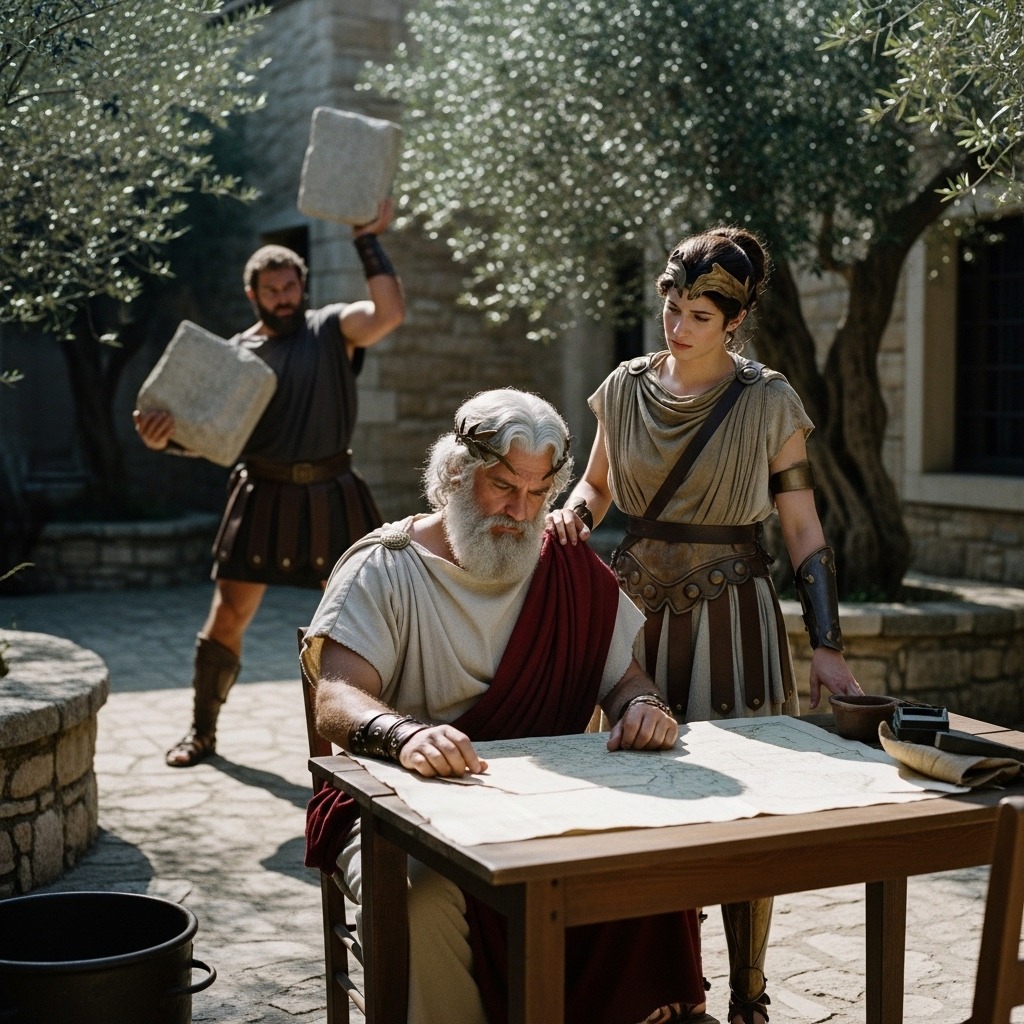
Defining Obscure Deities
Obscure Greek gods are those who don’t often make the headlines. They may not have temples devoted to them or grand tales sung in their honor. Yet, their roles in mythology are crucial. They represent various aspects of life, nature, and human emotion. For instance, Hypnos is the god of sleep, while Eris embodies strife and discord. Each plays a unique part in the mythological landscape.
The Significance of Lesser-Known Gods
Understanding these lesser-known deities enhances our appreciation of Greek mythology. Here are a few reasons why they matter:
- Cultural Insights: They reflect the values, fears, and hopes of ancient Greek society.
- Narrative Depth: Lesser-known gods often influence major events in mythology, showcasing their importance.
- Modern Influence: Many obscure gods inspire contemporary stories, art, and media. For example, Nyx, the goddess of night, has appeared in various modern fantasy genres.
Exploring these figures can reveal hidden layers in well-known myths and inspire new interpretations. They remind us that mythology is not just about the famous but also about the stories of those who shape the background.
2. Charon: The Ferryman of the Underworld

Charon is one of the most intriguing figures in Greek mythology. He’s the ferryman of the dead, responsible for transporting souls across the River Styx. His role is pivotal in ancient beliefs about death and the afterlife.
Charon’s Role in the Underworld
Charon is often depicted as a grim figure. He demands payment for his services, usually in the form of a gold coin. This coin was often placed in the mouth or eyes of the deceased to ensure safe passage. If a soul couldn’t pay, they would wander the shores for a hundred years. That’s a long wait!
Here are some key points about Charon:
- Son of Erebus and Nyx: Charon is the offspring of the personifications of darkness and night.
- Key Duties: He ferries souls of the deceased to the underworld, ensuring they reach their final resting place.
- Mythical Appearances: Charon notably appears in myths involving heroes like Heracles, who needed his help to capture Cerberus, the three-headed dog of the underworld.
Cultural Significance of Charon
Charon’s influence extends beyond his role as a ferryman. He represents the ancient Greeks’ views on death and the afterlife. The act of placing a coin with the dead highlights the importance they placed on proper burial rites. Without Charon, souls might face eternal unrest.
His character also serves as a reminder of mortality. Charon’s presence in myths emphasizes the inevitability of death and the importance of honoring deceased loved ones.
In modern culture, Charon’s imagery can be seen in various forms of media, from books to movies. His role in the underworld continues to capture the imagination, reminding us that even lesser-known gods can have a lasting impact.
3. Pan: The God of the Wild
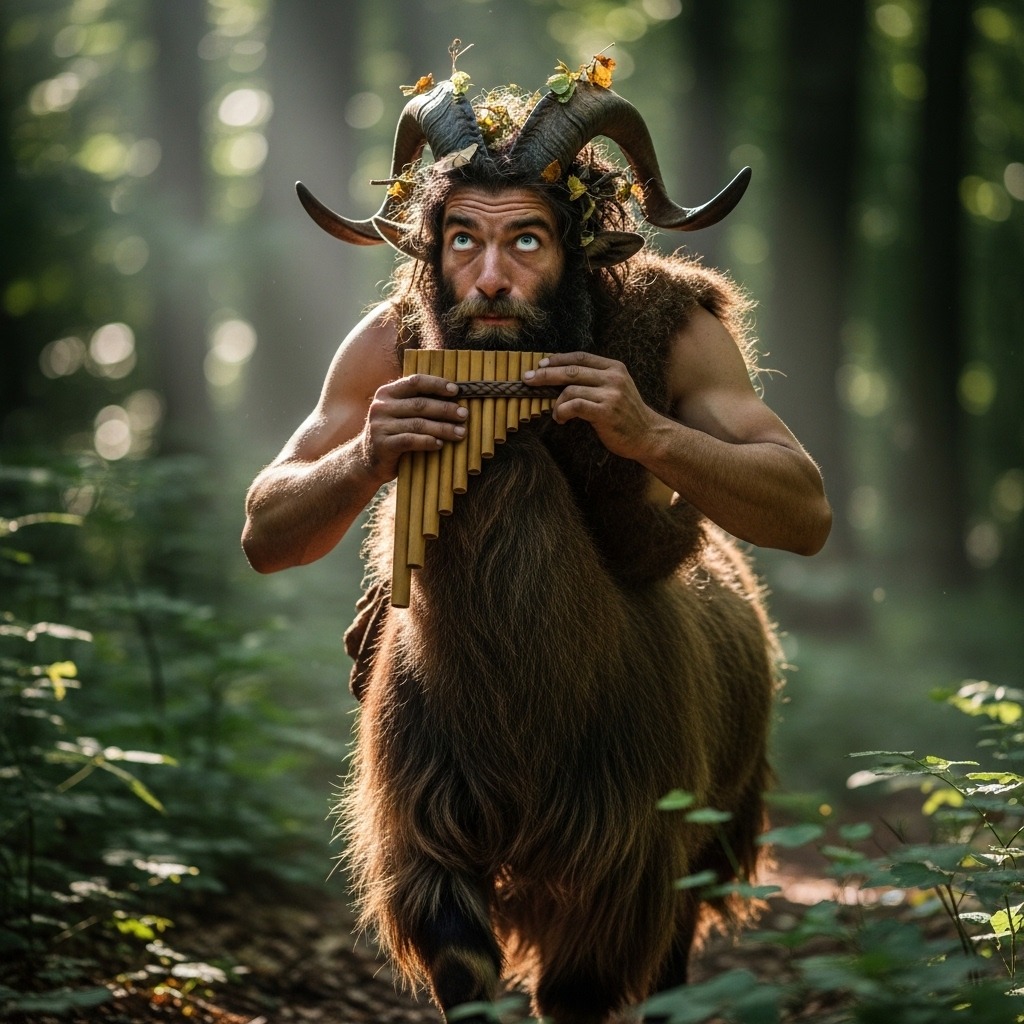
Pan is a fascinating figure in Greek mythology. He embodies the spirit of nature and the wild. Often depicted as half-man, half-goat, he captures the essence of rural life and natural chaos.
Characteristics of Pan
- Appearance: Pan has the upper body of a human and the legs, horns, and beard of a goat. This unique look represents his connection to nature and the untamed wilderness.
- Personality: Pan is known for his playful and mischievous nature. He loves music, often seen playing his panpipes, which he crafted from reeds in a heart-wrenching story of love and loss.
- Domain: He is the god of shepherds, flocks, and rustic music. Pan is often associated with wild places like mountains and forests, where he feels most at home.
Pan’s Influence on Nature Worship
Pan’s legacy is evident in many modern interpretations of nature deities. His character symbolizes a connection to the earth, reminding us of the beauty and unpredictability of the natural world.
- Cultural Impact: Pan’s influence extends beyond ancient Greece. He appears in literature, art, and even music, often representing the themes of nature and freedom. Many modern nature-themed festivals celebrate his spirit.
- Comparisons: Unlike major gods like Zeus, Pan is more relatable and down-to-earth. He represents the everyday experiences of common people, especially those living close to nature. His chaotic yet joyous nature starkly contrasts with the structured order of the Olympian gods.
Pan’s tales often remind us of the importance of respecting nature and the wild. His stories encourage a deep appreciation for the world around us, making him an enduring figure in both ancient and contemporary narratives.
4. Hypnos: The God of Sleep

Hypnos, the god of sleep, is one of the lesser-known figures in Greek mythology. He’s often overshadowed by the big-name gods, but his influence is profound. As the personification of sleep, he plays a crucial role in both mortal and divine lives.
Hypnos and His Origins
Hypnos is a child of Nyx, the goddess of night. He has a twin brother named Thanatos, the god of death. Together, they represent the thin line between life and the eternal sleep that follows. Hypnos is typically depicted with soft wings, sometimes carrying a poppy flower, known for its sleep-inducing properties.
His home is a dark cave in the underworld. Here, the river Lethe flows, offering forgetfulness to those who drink from it. This setting highlights the mysterious and tranquil nature of sleep and dreams.
Myths Featuring Hypnos
Hypnos has his share of fascinating myths. One of the most famous stories is his involvement in the Trojan War. Hera, the queen of the gods, sought Hypnos’ help to put Zeus to sleep. By doing this, she could manipulate events in favor of the Greeks. This act shows Hypnos’ significant power, influencing even the mightiest of deities.
Another story involves the creation of dreams. Hypnos would send dreams to mortals, shaping their thoughts and experiences while they slept. This ability connects him directly with human emotions and experiences, making him a vital part of mythology.
| Myth | Description |
|---|---|
| Trojan War Involvement | Hypnos helps Hera to lull Zeus into sleep |
| Creation of Dreams | Sends dreams to mortals, influencing their subconscious |
Understanding Hypnos opens a window into the ancient Greeks’ views on sleep and dreams. They saw sleep not just as a biological need but as a mystical experience shaped by divine influence. Hypnos reminds us that even in our slumber, we are connected to something larger than ourselves.
5. Priapus: The Fertility God
Priapus is a fascinating figure in Greek mythology. He embodies fertility and agriculture, but his story is quite unique and a bit quirky. Let’s dive into what makes him stand out.
Representations of Priapus
Priapus is often depicted as a minor god with some rather unusual characteristics. He’s known for his exaggerated physical traits, particularly his large genitals. This imagery symbolizes fertility and the bounty of nature.
- Physical Traits: Short stature and a rather trollish appearance.
- Symbolism: His enormous genitals represent not just fertility but also the protection of gardens and livestock.
Interestingly, Priapus was not very well-loved among the Olympians. He was cursed by Hera, leading to his exile from Mount Olympus. This backstory adds a layer of complexity to his character.
Cultural Impact on Fertility Rituals
Priapus played a significant role in ancient agricultural societies. Farmers invoked him for good harvests and fruitful livestock. Statues of Priapus were often placed in gardens as protective talismans.
- Worship Practices:
- Farmers would perform rituals to appease him.
- Offerings included fruits and vegetables, enhancing the association with fertility.
- Ritual Significance: His presence in gardens served a dual purpose—promoting growth and scaring away pests, much like a scarecrow.
Priapus’s role extends beyond mere mythology. His influence can be seen in modern pop culture and gardening practices, reminding us of our connection to nature and its cycles. His quirky history and unique attributes make him a memorable figure among the lesser-known Greek gods.
6. Eris: The Goddess of Strife
Eris, the goddess of strife, is one of the most intriguing figures in Greek mythology. Often overlooked, she embodies the chaos and conflict that can arise in human nature. Her actions have left a lasting mark on myth, especially during the legendary Trojan War.
Eris’s Role in Greek Mythology
Eris is best known for her pivotal role in igniting the Trojan War. At the wedding of Peleus and Thetis, she tossed a golden apple inscribed with “To the Fairest” among the guests. This simple act sparked a fierce rivalry between Hera, Athena, and Aphrodite. Each goddess believed she deserved the apple, leading to the infamous Judgment of Paris. This event was a catalyst for the war, demonstrating how Eris symbolizes the complexities of conflict.
- Symbolism of Conflict: Eris represents the dual nature of strife. On one hand, strife can lead to destruction and chaos; on the other, it can inspire creativity and change. Her presence reminds us that conflict is often a part of progress.
Cultural Representation of Conflict
Eris’s influence extends beyond ancient tales. In modern culture, she often symbolizes the chaotic forces of competition and rivalry. Her character is frequently referenced in literature, film, and art to depict the darker sides of ambition and discord.
- Modern Interpretations: Eris is portrayed in various ways, from a mischievous troublemaker to a powerful figure sparking necessary change. This complexity reflects how we view conflict today. It’s not just about chaos; it’s about the potential for growth and transformation.
- Comparative Analysis: Unlike the major Olympian gods, who often represent order and harmony, Eris stands for the unpredictability of human nature. This contrast makes her a compelling figure in exploring the balance between chaos and order in our lives.
Eris serves as a reminder of the intricate dance between conflict and resolution. Her stories encourage us to reflect on how strife shapes our world, both in ancient myths and modern narratives.
7. Nyx: The Primordial Goddess of Night
Nyx is a fascinating figure in Greek mythology. As the goddess of the night, she embodies the mystery and power of darkness. Her influence stretches far beyond what many might realize.
The Nature of Nyx
Nyx is considered one of the primordial deities. She emerged from Chaos, the void of nothingness. With her long, flowing hair and starry robes, she represents the beauty and enigma of night.
Nyx is often depicted as a shadowy figure. Yet, she’s not just a symbol of darkness; she holds immense power. Even Zeus, the king of the gods, feared her. That says a lot about her significance in the pantheon.
Nyx’s Influence on Other Deities
Nyx is the mother of several important deities. Her children include:
- Hypnos: The god of sleep, who brings rest to mortals.
- Thanatos: The god of death, guiding souls to the afterlife.
- Nemesis: The goddess of retribution, ensuring justice is served.
- The Moirai: The Fates, who control the destinies of all beings.
This lineage illustrates how Nyx played a vital role in shaping the world of Greek gods and their interactions. Her influence can be seen in the myths surrounding her children, adding depth to their characters and stories.
Myths Featuring Nyx
Nyx appears in various myths, often representing the night’s protective and transformative powers. For instance, she is mentioned in Hesiod’s “Theogony,” where her origins and importance are highlighted.
Her presence in these stories emphasizes how the ancient Greeks perceived night as a time for reflection, mystery, and even reverence. Mortals would often look to Nyx for guidance during dark times, showcasing her role as a protector.
Cultural Significance
Nyx’s impact extends beyond ancient myths. She has inspired countless works of literature, art, and even modern pop culture. From movies to books, her character symbolizes the allure of the unknown.
Understanding Nyx gives us insight into how the Greeks viewed the balance between light and dark. The night isn’t something to fear; instead, it can offer solace and introspection. This duality makes her an intriguing figure worth exploring further.
8. Morpheus: The God of Dreams
Morpheus, the god of dreams, is a fascinating character in Greek mythology. He plays a vital role in conveying messages from the gods through dreams. Let’s dive into his characteristics and significance!
Characteristics of Morpheus
- Appearance: Often depicted as a winged figure, Morpheus could take on any human form. This ability allowed him to shape dreams in various ways.
- Parentage: He is the son of Hypnos, the god of sleep, and Pasithea, the goddess of relaxation. This lineage highlights his role as a dream weaver.
- Role in Dreams: Morpheus had the unique task of entering the dreams of mortals. He delivered divine messages, ensuring that the gods’ wishes were communicated during slumber.
Morpheus in Greek Mythology
Morpheus is not just a character; he embodies the profound connection between dreams and divine communication. In ancient Greek culture, dreams were seen as messages from the gods. People believed that their dreams could predict the future or provide guidance.
- Cultural Impact: Morpheus symbolizes how the Greeks viewed sleep and dreams as a bridge to the divine. His presence in sleep was comforting, allowing mortals to receive messages from the Olympian gods.
- Worship Practices: While Morpheus didn’t have formal temples, people would honor him in their prayers for clarity in dreams. They sought his guidance before significant decisions.
Morpheus’s influence extends beyond ancient times. Today, he’s often referenced in literature and art, reminding us of the mysteries of dreams. His role teaches us that our dreams can hold meaning, not just random images. By understanding Morpheus, we gain insight into the ancient Greek appreciation for dreams as a powerful form of communication.
9. Thanatos: The Personification of Death
Thanatos is one of the more intriguing figures in Greek mythology. He represents death but is often overshadowed by more prominent gods. Let’s dive into his role and connections.
Thanatos’s Role in Greek Mythology
Thanatos is the personification of death. He is a primordial deity, born from Nyx, the goddess of night. His siblings include Hypnos (sleep) and Moros (doom). This family dynamic shows how the Greeks viewed death as a natural counterpart to life.
Thanatos does not wield a scythe like the Grim Reaper in modern culture. Instead, he is depicted as a gentle figure. He’s often shown as a winged youth, guiding souls to the underworld. His role is crucial in Greek myths, where he serves as a reminder of life’s fragility.
Myths Involving Thanatos
Thanatos appears in several myths, often tied to the theme of mortality. Here are a couple of notable stories:
- The Capture of Heracles: In one tale, Thanatos tries to take Heracles. However, the hero fights him off, showcasing the struggle against death.
- Orpheus and Eurydice: In this famous story, Orpheus tries to bring back his beloved Eurydice from the underworld, directly challenging Thanatos’s domain.
Cultural Perceptions of Death
Thanatos’s existence reflects ancient Greek attitudes toward death. They didn’t fear it as much as we might today. Instead, they saw death as a part of life, something to be accepted.
In art and literature, Thanatos embodies this acceptance. He reminds us that death isn’t just an end; it’s a transition. The Greeks often honored him in rituals, reflecting their belief in the cyclical nature of life and death.
Understanding Thanatos helps us grasp how the ancient Greeks navigated life’s biggest mystery. His presence in mythology shows us that, even in death, there’s a deeper significance to explore.
10. The Horae: Goddesses of the Seasons
The Horae are often overlooked in Greek mythology, but they play a crucial role in maintaining the natural order. These goddesses represent the seasons and help regulate time, ensuring balance in nature.
The Nature of the Horae
The Horae were originally three goddesses, but some traditions recognize more. They are:
- Thallo: Goddess of spring, bringing new life and growth.
- Auxo: Goddess of summer, overseeing abundance and prosperity.
- Carpo: Goddess of autumn, representing harvest and maturity.
These goddesses not only managed the seasons but also kept watch over the gates of Olympus. They ensured that chaos didn’t seep into the divine realm. Their influence extended to agriculture, guiding farmers in planting and harvesting crops.
Cultural Importance of Seasons
Seasons hold deep cultural significance. The Horae were celebrated in various festivals tied to the agricultural calendar. For example:
- Spring Festivals: Marking the arrival of Thallo, these celebrations welcomed new life and sowing.
- Summer Celebrations: Honoring Auxo, communities would rejoice in the abundance of crops and good weather.
- Autumn Harvest Festivals: Carpo’s time brought gratitude for the harvest and preparations for winter.
Farmers depended on the Horae for their livelihood. They believed that worshiping these goddesses would ensure a fruitful year. Rituals often included offerings and prayers, hoping to please the Horae and secure favorable seasons.
Comparisons with Major Greek Gods
Unlike the major Olympian gods, the Horae had a more subtle yet significant presence in daily life. While Zeus and Hera commanded attention and power, the Horae influenced the natural world directly. They remind us that even the lesser-known deities have essential roles in the grand tapestry of mythology.
Their stories may not be as flashy, but the Horae’s impact on agriculture and seasonal celebrations makes them vital figures in Greek culture. With their guidance, the ancient Greeks navigated the cycles of life, ensuring harmony in their world.
11. Aether: The God of the Upper Air
Aether represents the pure upper air that the gods breathe. He is a primordial deity, often associated with the heavens themselves. In Greek cosmology, Aether plays a crucial role in understanding the universe.
Understanding Aether’s Role
Aether is not just any god; he embodies the very essence of the sky. Here’s what makes him special:
- Primordial Nature: Aether is one of the first beings, born from Chaos. He is a fundamental part of the universe.
- Cosmic Order: Aether fills the space above the earth, often depicted as a bright, glowing substance. This contrasts with the lower air we breathe, which is more murky.
- Connection to Other Deities: Aether is linked to other primordial gods like Gaia (Earth) and Uranus (Sky). Together, they form the foundation of Greek mythology.
Cultural Significance of Aether
Aether’s influence extends beyond Greek myths. Here are some key points:
- Symbol of the Heavens: In ancient thought, Aether represents the divine light and purity of the upper sky. He is associated with clarity and divine presence.
- Philosophical Interpretations: Philosophers like Aristotle viewed Aether as the fifth element, essential for celestial bodies. This idea shaped ancient science and cosmology.
- Modern Influence: Aether’s concept appears in various cultural references today, from literature to science fiction, symbolizing the limitless possibilities of the universe.
Aether may seem obscure, but his role in the cosmos is foundational. He connects the divine and the earthly, reminding us of the grandeur of the universe.
12. The Fates: Weavers of Destiny
The Moirai, or the Fates, are some of the most intriguing figures in Greek mythology. They play a crucial role in determining the destinies of both mortals and gods alike. Let’s dive into who they are and why they matter.
The Nature of the Fates
The Fates consist of three powerful sisters:
- Clotho: She spins the thread of life. This thread represents each person’s existence.
- Lachesis: She measures the length of that thread. Lachesis decides how long one will live.
- Atropos: She cuts the thread, marking the end of life. Once she does this, there’s no turning back.
These sisters are not just figures of fate; they embody the inevitability of life itself. Even Zeus, the king of the gods, cannot alter their decisions. This shows their immense power in the Greek pantheon.
Cultural Impact of Destiny
The Fates hold a significant place in the cultural narrative of destiny. They remind us that while we can make choices, some things are beyond our control. This concept has influenced countless stories, philosophies, and even modern literature.
In many myths, the Fates interact with heroes and gods, often highlighting the tension between free will and destiny. For example, in the tale of Oedipus, the Fates’ prophecy drives the narrative, showing how attempts to escape fate can lead to its fulfillment.
Philosophical Implications
The Fates raise important philosophical questions:
- What is free will? Do we control our destinies, or are we merely pawns of fate?
- How do we cope with the unknown? Understanding that the Fates dictate outcomes can shape our responses to life’s unpredictability.
These themes resonate today. Many modern stories still wrestle with the idea of fate versus free will, making the Fates relevant long after ancient times.
In summary, the Moirai are more than obscure Greek gods. They represent fundamental truths about existence, weaving a narrative that continues to captivate our imagination.
13. Proteus: The Shapeshifter God
Proteus is one of the most intriguing and obscure Greek gods. Known as the “Old Man of the Sea,” he has a unique talent: the ability to change his form at will. This shapeshifting power makes him a fascinating figure in Greek mythology.
Characteristics of Proteus
- Shapeshifting Ability: Proteus could transform into any creature he desired. This included animals, elements, and even inanimate objects. His ability to morph symbolizes the fluidity of identity.
- Prophetic Knowledge: Beyond his transformations, Proteus was renowned for his foresight. He held knowledge of the past, present, and future. However, he was notoriously reluctant to share this wisdom. To get answers from him, captors had to catch him first—no easy feat!
- Connection to the Sea: As a sea god, he represented the ever-changing nature of the ocean. Just as the sea can be calm one moment and stormy the next, Proteus embodied the unpredictability of life.
Cultural Representation of Change
Proteus’s shapeshifting abilities serve as a metaphor for change and adaptability. In ancient Greek thought, his character illustrates several key themes:
- Fluid Identity: His transformations reflect the complexities of identity. Just like Proteus, people can adapt and change in response to their surroundings.
- Knowledge and Wisdom: The challenge of capturing Proteus to gain knowledge mirrors the human quest for understanding. It suggests that wisdom often requires effort and perseverance.
- Influence on Modern Storytelling: Proteus has inspired modern narratives about transformation and the search for truth. His stories resonate in literature and film, where characters often undergo significant changes, reflecting personal growth or revelation.
In summary, Proteus is not just a minor god; he represents deep philosophical ideas about identity, knowledge, and the nature of existence. His legacy continues to influence how we view change in our own lives.
14. Cultural Impact of Lesser-Known Greek Gods
Lesser-known Greek gods may not headline the mythological stage, but their influence runs deep in modern culture and storytelling. They add layers of complexity and richness to our understanding of ancient themes.
Influence on Modern Literature
These obscure deities pop up in novels, poetry, and plays. Authors often draw from their unique attributes to explore human experiences.
- Eris, the goddess of strife, symbolizes conflict and rivalry. Her presence in literature often highlights the chaos that comes with competition.
- Hypnos, the god of sleep, represents rest and dreams. He appears in stories that delve into the subconscious, emphasizing the importance of sleep in human life.
Contemporary Representations in Media
Movies and TV shows are also embracing these lesser-known gods. Their stories resonate with audiences, often reflecting modern struggles.
- Charon, the ferryman of the underworld, is depicted in various films. He embodies themes of transition and the afterlife, sparking conversations about mortality.
- Pan, the god of the wild, has inspired characters in fantasy series, connecting nature with the human spirit. His playful nature often represents freedom and creativity.
Unique Insights on Cultural Significance
These gods reveal crucial aspects of ancient Greek culture. They highlight the complexities of human emotion and the interplay of nature.
- Lesser-known gods often represent specific human traits or societal concepts. For example, Priapus, the god of fertility, symbolizes agricultural abundance and sexual vitality. His role underscores the importance of nature in ancient Greek life.
- Understanding these gods helps us appreciate their influence on modern storytelling. They offer unique perspectives that major gods, like Zeus or Athena, may not cover.
Quick Reference: Key Obscure Gods and Their Themes
| God | Theme | Modern Influence |
|---|---|---|
| Eris | Conflict and Rivalry | Explored in competitive narratives |
| Hypnos | Sleep and Dreams | Featured in stories about the subconscious |
| Charon | Transition and Afterlife | Represented in films about mortality |
| Pan | Nature and Freedom | Inspires fantasy characters |
| Priapus | Fertility and Abundance | Highlights the connection to agriculture |
These lesser-known gods are not just footnotes in history. They continue to inspire and shape narratives, making them relevant in today’s cultural landscape.
15. Common Misconceptions about Obscure Gods
When talking about lesser-known Greek gods, several misconceptions pop up. Let’s clear the air and explore some of these misunderstandings.
Debunking Myths
1. Not Just Side Characters: Many think these gods are mere side characters. In reality, they often played crucial roles in myths and influenced major events. For example, Hypnos, the god of sleep, was vital in many stories, including the Trojan War, where he helped Hera by putting Zeus to sleep.
2. Unique Domains: Some believe that obscure gods have similar powers. However, each one has a specific domain. For instance, while Ares represents war, Deimos and Phobos, his sons, embody fear and panic. Their distinct attributes shaped how ancient Greeks viewed conflict.
3. Misunderstood Worship: It’s common to think that lesser-known gods weren’t worshipped. In fact, they had dedicated followers. Priapus, the god of fertility, was often invoked in agricultural rituals. His worship shows the importance of all gods in daily life, not just the Olympians.
Clarifying Misunderstandings
- Cultural Impact: Some lesser-known gods are thought to lack influence today. Yet, their themes resonate in modern storytelling. For example, Eris, the goddess of discord, inspires narratives around competition and rivalry, seen in everything from sports to reality TV.
- Similarities with Major Gods: Many believe obscure gods are just lesser versions of well-known gods. While they may share some attributes, they often represent different aspects of life. Take Nyx, the goddess of night. Her mysterious nature contrasts sharply with the more straightforward daylight deities like Helios.
- Simplified Stories: People often oversimplify their myths. For instance, Charon, the ferryman of the underworld, isn’t just a boat driver. He embodies the transition between life and death, making his role more profound than it appears.
By understanding these misconceptions, we can appreciate the rich tapestry of Greek mythology. Each god, no matter how obscure, adds depth and intrigue to the stories we still tell today.
16. Comparison between Major and Minor Gods
Greek mythology consists of a rich tapestry of gods and goddesses. While the major gods like Zeus and Hera dominate the stories, lesser-known gods also play vital roles. Let’s explore how these groups compare.
Roles of Major Gods
Major gods were the heavyweights of Greek mythology. They had significant influence over natural elements, human affairs, and the cosmos. Here are a few key roles:
- Zeus: King of the gods, he ruled the sky and thunder. Decisions made by Zeus affected all gods and mortals alike.
- Poseidon: God of the sea, earthquakes, and horses. He had power over maritime activities and was essential for ancient Greek sailors.
- Hera: Goddess of marriage and family. She protected women and presided over marital harmony.
These gods had followers and temples dedicated to them. Their myths were grand tales of power, conflict, and morality.
Influence of Minor Gods
Minor gods, while less prominent, contributed significantly to Greek mythology’s depth. They often represented specific concepts, emotions, or natural phenomena. Here are some examples:
- Eris: Goddess of discord. Her influence sparked conflicts, reminding us that chaos can come from unexpected places.
- Hypnos: God of sleep. He played a crucial role in dreams and rest, affecting mortals’ lives in a subtle yet profound way.
- Priapus: God of fertility and gardens, he symbolizes abundance and growth, often overlooked in favor of more glamorous deities.
Minor gods often lacked temples but had unique stories and attributes. They were essential in everyday life and cultural practices.
Comparative Insights
Understanding the dynamics between major and minor gods reveals much about Greek culture:
- Balance of Power: Major gods represented authority, while minor gods illustrated the complexities of life. This balance showed that not all influence comes from power.
- Worship Practices: Major gods had grand festivals and rituals. In contrast, minor gods were often honored in more personal, domestic ways, like household shrines.
- Cultural Significance: Minor gods often reflected human experiences. For instance, Hypnos reminds us of the importance of rest, something everyone can relate to.
In summary, both major and minor gods shaped Greek mythology and culture. Each deity, regardless of their prominence, contributes valuable lessons and stories that enrich our understanding of ancient beliefs.
17. Conclusion and Final Thoughts
Exploring the 13 most random, obscure, and unknown Greek gods reveals a treasure trove of fascinating stories and lessons. These deities add depth to our understanding of Greek mythology, showcasing the rich tapestry of beliefs held by ancient Greeks.
Recap of Key Points
- Diverse Roles: Each god played a unique role, from Pan, the god of the wild, to Eris, the goddess of strife. Their stories often reflected human emotions and experiences.
- Cultural Significance: Obscure gods like Hypnos remind us of the importance of rest and dreams. They give us insight into how the Greeks viewed the world around them.
- Worship Practices: Lesser-known gods were often honored in personal, intimate ways, like household shrines. This contrasts with the grand festivals dedicated to major gods.
Final Thoughts on Obscure Deities
Remembering these lesser-known figures is essential. They highlight the complexities of human nature and the ancient world’s diversity. For instance, while Zeus might be the king of the gods, figures like Charon remind us of life’s more somber realities, like the journey to the afterlife.
In the grand scheme of mythology, these gods teach us that every story holds significance, even those that seem small or forgotten. Their lessons resonate today, influencing modern storytelling in literature, film, and art. Embracing their tales can enrich our understanding of not just mythology but also ourselves.
Frequently Asked Questions
These quick answers cover the most common questions about this topic, including key details, practical tips, and common concerns.
What are some forgotten Greek gods?
Many Greek gods are less well-known today, such as Hypnos (the god of sleep), Charon (the ferryman of the underworld), Moros (personification of doom), and Nemesis (goddess of retribution). These deities played important roles in mythology but are often overshadowed by major gods like Zeus or Athena.
Who are the 13 dark goddesses?
While not all are officially classified as dark goddesses, some lesser-known figures embody darker themes. Examples include Nyx (goddess of night), Eris (goddess of strife), and Nemesis (goddess of revenge). They represent chaos, conflict, and retribution, influencing myths that explore human fears and moral justice.
How do these lesser-known Greek gods influence modern culture?
Many obscure Greek gods inspire contemporary stories, art, and media. For example, Nyx appears in fantasy literature, and Charon is depicted in films about death and the afterlife. Their themes of darkness, transition, and chaos resonate with modern narratives about human experience and the supernatural.
Why are these gods less known?
Lesser-known Greek gods often lacked grand temples or widespread worship, which led to their obscurity. Their stories were more localized or specific to certain rituals, and over time, major gods overshadowed them in popular culture and historical records.
When were these gods worshipped?
Many obscure gods were worshipped during specific festivals or in particular regions of Greece. For example, Priapus was invoked in agricultural rituals, while Hypnos was honored in rites related to sleep and dreams. Their worship often reflected daily life and local customs rather than widespread Olympian reverence.
What are common misconceptions about lesser-known gods?
A common misconception is that these gods are minor or insignificant. In reality, they often had vital roles in myths and cultural practices. Another misconception is that they are just lesser versions of major gods, but many represent unique aspects of life, nature, or human emotion that major gods do not cover.
How do these obscure gods compare in power and influence to major gods?
Major gods like Zeus and Hera held supreme authority and had temples dedicated to them. Lesser gods usually had more specialized domains, influencing specific aspects of life or nature. While their power might be more limited, their influence was often deeply integrated into daily practices and beliefs.
Are there modern substitutes or alternative names for these gods?
In modern storytelling, these gods are often reinterpreted or renamed. For example, Hypnos can be seen as a symbol of sleep or dreams in literature, while Charon’s role as a guide can be adapted into modern narratives about transition and mortality. They serve as archetypes rather than direct equivalents today.