
Poseidon, the Greek god of the sea, is known not only for his dominion over waters but also for his tumultuous relationships with other deities and mortals. This article explores 12 notable enemies and rivals of Poseidon, detailing their conflicts and the impact of these rivalries on Greek mythology [1].
1. Poseidon: The God of the Sea and His Domain
Poseidon stands as a pivotal figure in Greek mythology, embodying the sea’s might and unpredictability. His complex character intertwines with numerous rivalries, shaping the narratives that define ancient Greek religion.
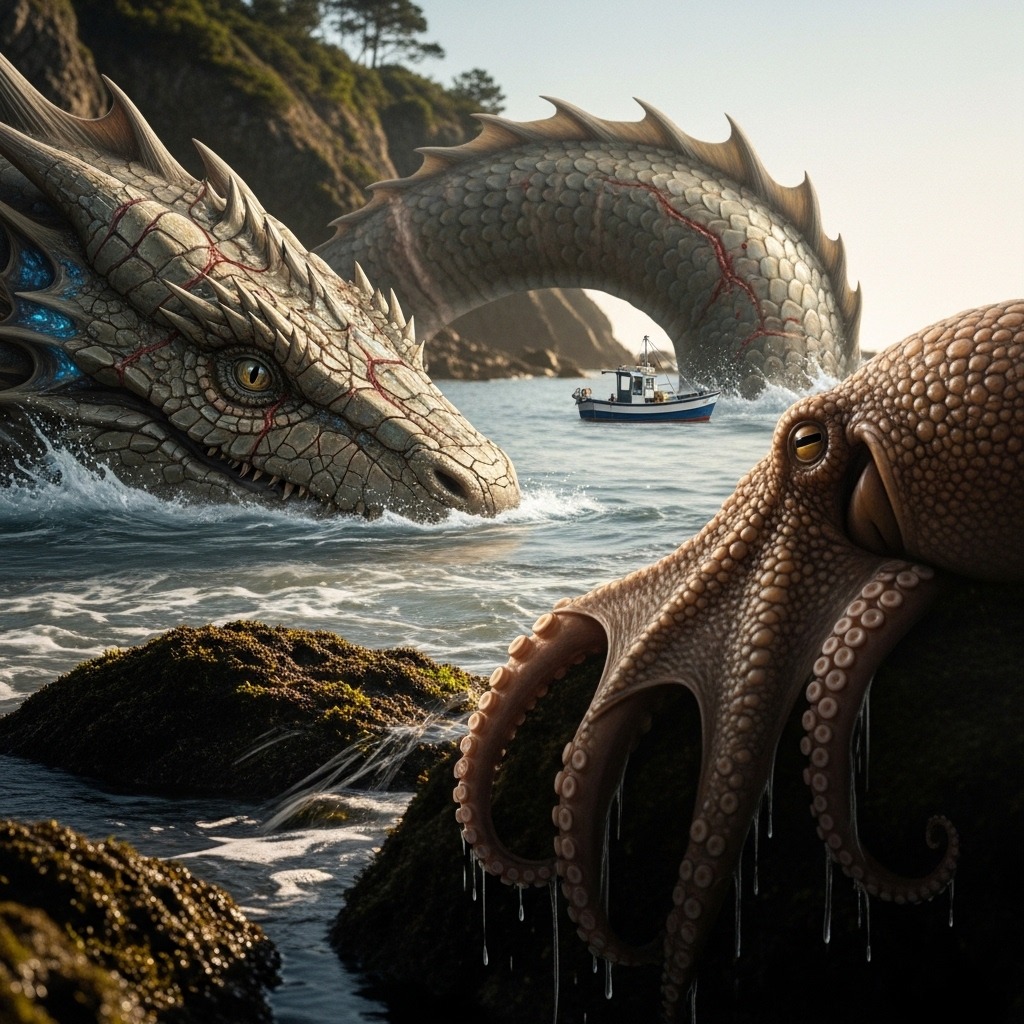
Poseidon’s attributes and roles
Poseidon’s attributes reflect his dominion over various aspects of nature:
- God of the Sea: Poseidon is primarily recognized as the deity of oceans and waters. His influence extends to all aquatic realms, making him a critical figure for sailors and fishermen.
- Earthshaker: He holds the title of the “earthshaker,” responsible for earthquakes, which further emphasizes his control over the natural world.
- Horse God: Poseidon is also associated with horses, often depicted as their creator. This connection is evident in his role as a patron of equestrian activities and competitions.
His significance in Greek mythology
Poseidon’s significance cannot be overstated. He is one of the twelve Olympians, ranking just below Zeus in power and authority. His character is multidimensional:
- Divine Rivalries: Poseidon’s rivalries, particularly with Athena and Zeus, highlight his contentious nature. His contest with Athena for the patronage of Athens underscores the competitive spirit among the gods.
- Impact on Mortals: The fallout from Poseidon’s anger often extends to mortals. For instance, Odysseus faces dire consequences after blinding Poseidon’s son, Polyphemus. This enmity leads to a protracted and perilous journey home [6].
How Poseidon’s nature leads to rivalries
Poseidon’s volatile temperament and immense power breed conflict:
- Sibling Rivalry: His relationship with Zeus is marked by competition, especially in divvying the realms post-Cronos’s fall. This rivalry often influences Poseidon’s actions and decisions [7].
- Contests and Challenges: Poseidon frequently engages in contests, such as the one against Athena. These competitions reveal not only his ambition but also his willingness to confront other deities for supremacy and recognition.
Understanding Poseidon’s attributes and roles lays the groundwork for delving into his twelve notable enemies and rivals. Each conflict illustrates the broader themes of rivalry and consequence in Greek mythology.
2. Athena: The Rivalry for Athens
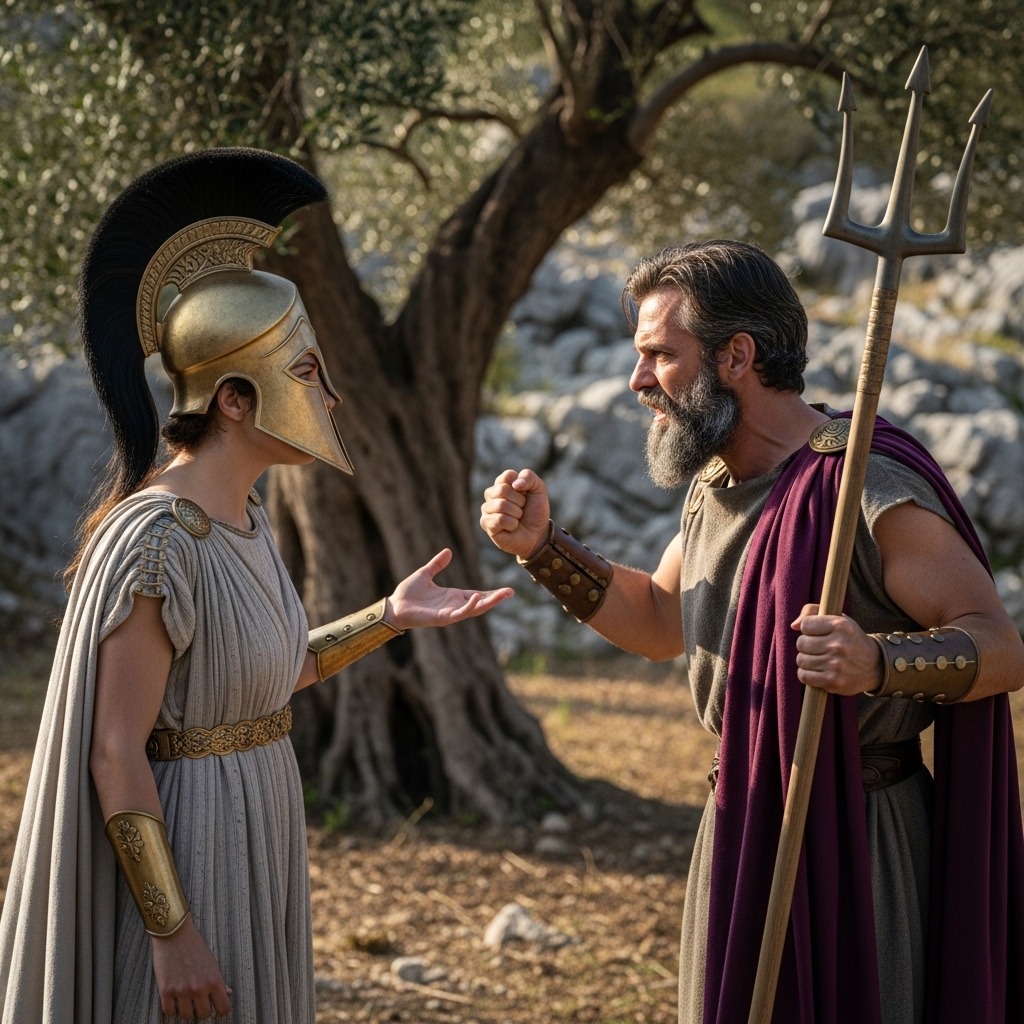
The competition between Poseidon and Athena for the patronage of Athens is a pivotal myth in Greek mythology. It exemplifies the intense rivalries among the gods and their profound impact on human civilization.
Table of Contents
The Nature of the Contest
Poseidon and Athena both sought to be the protector of Athens. To determine who would gain this honor, they engaged in a contest to provide the most valuable gift to the city. Poseidon struck the ground with his trident, creating a spring of saltwater. This act symbolized his power over the sea and its resources. In contrast, Athena offered an olive tree, which represented peace, prosperity, and sustenance for the city’s inhabitants. The olive tree’s significance surpassed the mere creation of water, as it provided food, oil, and wood, essential for the Athenians’ daily lives.
Outcomes of the Rivalry
The citizens of Athens ultimately chose Athena’s gift over Poseidon’s. This decision led to Athena becoming the city’s patron goddess, while Poseidon’s fury was ignited. In retaliation, Poseidon unleashed his wrath upon the land. He flooded the region, demonstrating the potential consequences of divine rivalry. This contest not only shaped the identity of Athens but also established a lasting enmity between the two deities. The olive tree became a symbol of the city, further solidifying Athena’s influence and legacy.
Athena and Poseidon’s Ongoing Enmity
The rivalry between Athena and Poseidon did not end with their contest. It evolved into ongoing animosity, marked by significant events in mythology. For instance, Poseidon’s violation of Athena’s temple with the assault on Medusa sparked further conflict. Athena punished Medusa, transforming her into a Gorgon, reflecting the intertwining fates of mortals and gods. This enmity had a broader cultural impact, influencing art, literature, and the worship practices surrounding both deities. The consequences of their rivalry resonate throughout Greek mythology, showcasing the intricate relationships and conflicts among the gods.
3. Zeus: Sibling Rivalry and Power Dynamics
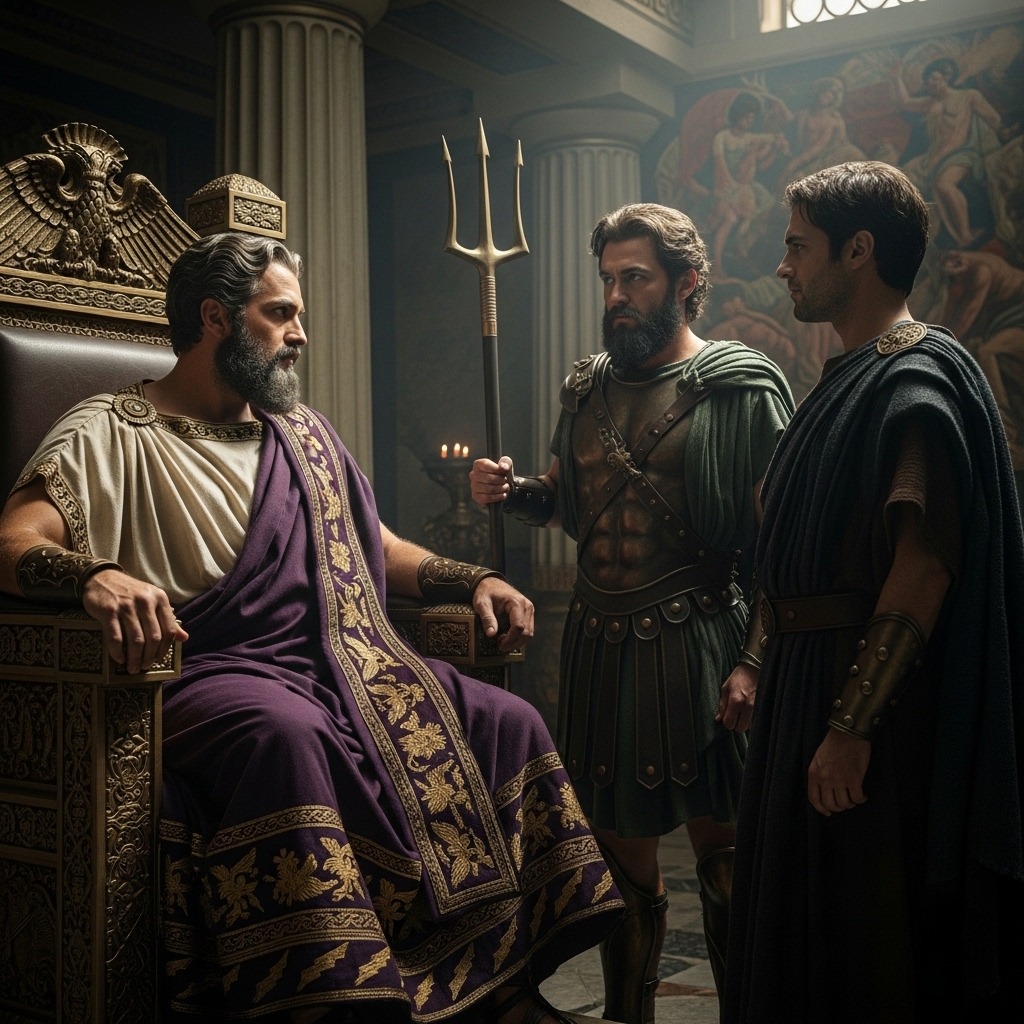
The relationship between Poseidon and Zeus is a cornerstone of Greek mythology, marked by both collaboration and conflict. Their sibling rivalry shapes divine interactions and influences mortal affairs.
The Division of Power Among the Gods
After overthrowing their father, Cronus, the three brothers—Zeus, Poseidon, and Hades—divided the cosmos among themselves. Zeus claimed the sky, Poseidon the sea, and Hades the Underworld. This division set the stage for ongoing power struggles.
- Zeus: King of the gods, ruler of Olympus.
- Poseidon: God of the sea, earthquakes, and horses.
- Hades: God of the underworld, lord of the dead.
This hierarchy often led to disputes over authority. Poseidon felt marginalized in Zeus’s shadow, creating a simmering tension.
Notable Conflicts Between Poseidon and Zeus
Their rivalry is highlighted in several myths where Poseidon challenges Zeus’s supremacy. One significant event occurred during the Trojan War. Poseidon, allied with the Greeks, directly opposed Zeus’s wishes. He sought to influence the war’s outcome despite Zeus’s orders, showcasing their fractured relationship.
- Troy: Poseidon and Apollo built its walls, only to be cheated by King Laomedon; Poseidon retaliated by sending a sea monster.
- Trojan War: Poseidon’s support for the Greeks led to clashes with Zeus, who favored the Trojans.
The Impact of Their Rivalry on Greek Mythology
The sibling rivalry between Poseidon and Zeus illustrates the complexity of divine interactions in Greek mythology. Their disputes not only affect their kinship but also have ramifications for mortals.
- Cultural Significance: Myths surrounding their conflicts reflect broader themes of power, loyalty, and retribution.
- Consequences for Mortals: The actions of these gods often resulted in natural disasters or blessings, impacting Greek civilization profoundly.
For example, Poseidon’s wrath could lead to devastating storms at sea, affecting sailors’ fates, while Zeus’s decrees could alter the course of wars. Understanding their rivalry provides deeper insights into the dynamics of power among the gods and their influence on human affairs.
The interplay between Poseidon and Zeus emphasizes the unpredictable nature of divine relationships in mythology, impacting both gods and mortals alike.
4. Odysseus: The Hero Who Offended Poseidon
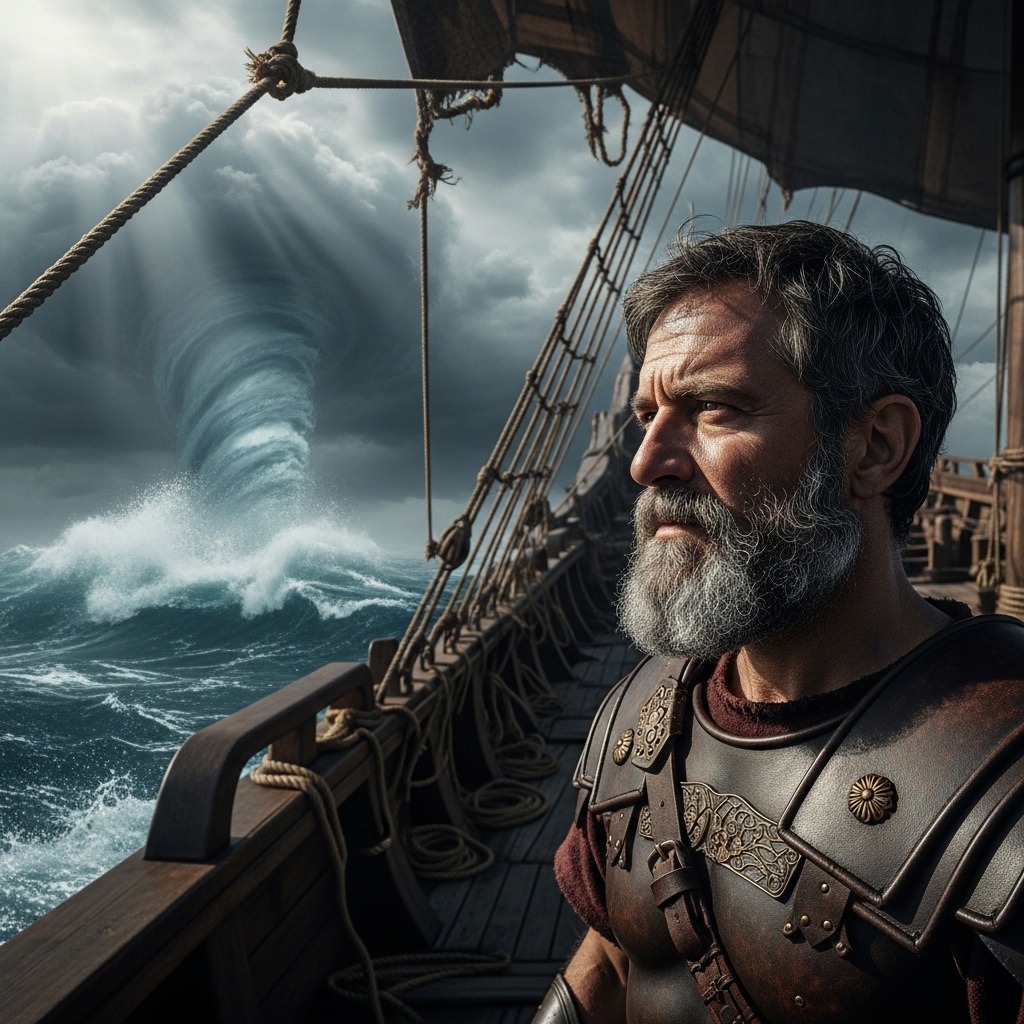
Odysseus, the cunning hero of Homer’s “Odyssey,” became one of Poseidon’s most notable enemies through a series of fateful actions. His conflict with the sea god stems from an encounter with Poseidon’s son, Polyphemus, which led to dire consequences for Odysseus and his crew.
The blinding of Polyphemus
The animosity began when Odysseus and his men were trapped in the cave of Polyphemus, a Cyclops. To escape, Odysseus devised a brilliant plan. He got Polyphemus drunk and then blinded him while he slept. This act of hubris was not merely a tactical maneuver; it was a direct affront to Poseidon, who cherished his son. In revenge, Poseidon unleashed his wrath upon Odysseus, ensuring that he would face trials at sea for years to come.
Odysseus’s journey as a form of punishment
Poseidon’s retribution manifested through relentless storms and obstacles. For ten years, Odysseus wandered the seas, suffering shipwrecks and losing many of his men. His journey became a living nightmare, a direct result of the Cyclops’s prayer for vengeance. This punishment reflects the broader theme of divine retribution in Greek mythology, illustrating how the gods wield their power over mortals.
- Consequences of Odysseus’s actions:
- Blinding Polyphemus angered Poseidon.
- Odysseus faced prolonged suffering and loss.
- Each challenge reinforced the idea of divine justice.
How Poseidon’s wrath influenced the narrative
Poseidon’s anger not only shaped Odysseus’s journey but also influenced the entire narrative of the “Odyssey.” His trials serve as a backdrop to themes of perseverance, loyalty, and the consequences of hubris. The hero’s eventual return home required not only endurance but also appeasement of Poseidon, showcasing the intricate relationships between gods and mortals.
- Key impacts of Poseidon’s wrath:
- Transformation of Odysseus into a more reflective leader.
- Exploration of the consequences of pride and disrespect towards the divine.
- Reinforcement of the importance of humility in human affairs.
Odysseus’s encounter with Poseidon epitomizes the complex interplay of rivalry and consequence in Greek mythology. This narrative serves as a powerful reminder of the gods’ role in the fate of mortals, particularly those who dare to challenge their authority.
5. Kronos: The Father-Son Rivalry
The rivalry between Poseidon and his father, Kronos, represents a classic power struggle in Greek mythology. This conflict not only shaped the destinies of the gods but also echoed through time, influencing subsequent generations.
Kronos’s Rule and Its Downfall
Kronos, the Titan ruler, feared losing his power to his children. To prevent this, he swallowed each of them at birth. Poseidon, the last born, narrowly escaped this fate thanks to Rhea, who hid him away. This act of defiance laid the groundwork for their inevitable conflict. Kronos’s tyranny sparked rebellion among his offspring, culminating in the Titanomachy, a monumental war between the Titans and Olympians.
Poseidon’s Role in the Titanomachy
In the Titanomachy, Poseidon emerged as a formidable player. Armed with a trident forged by the Cyclopes, he fought alongside Zeus and Hades against Kronos. This battle was not merely about physical strength; it was a struggle for dominion over the cosmos. The victory of the Olympians marked the end of Kronos’s reign and the beginning of Poseidon’s rule over the sea. This moment solidified Poseidon’s status and further deepened the rift with his father.
The Lasting Effects of Their Rivalry
The consequences of this father-son rivalry extend beyond the immediate conflict. Poseidon’s animosity toward Kronos influenced his interactions with other gods. For instance, the resentment toward his father fueled Poseidon’s rivalry with Zeus, as both sought to assert their supremacy within the divine hierarchy. Moreover, the dynamics of their relationship reflect a broader theme in Greek mythology: the cyclical nature of power struggles within families. This theme resonates in many myths, illustrating how the ambitions and fears of one generation can shape the next.
- Key Takeaways:
- Kronos’s fear of being overthrown led to his oppressive actions.
- Poseidon’s rebellion was pivotal in the rise of the Olympian gods.
- The rivalry highlights recurring themes of familial conflict and power dynamics in mythology.
6. Hades: The Underworld Connection
The relationship between Poseidon and Hades is complex, rooted in their shared lineage as brothers and their roles within the divine hierarchy. Both deities emerged from the Titan Kronos, leading to interactions that oscillate between collaboration and conflict.
The division of realms
After overthrowing Kronos, the three brothers—Zeus, Poseidon, and Hades—divided the cosmos by lot. Hades received the Underworld, Poseidon claimed the sea, and Zeus took the sky. This division set the stage for their ongoing rivalries. Although they shared blood, their dominions often placed them at odds.
Conflicts over mortal souls
Hades and Poseidon frequently clashed over the fates of mortals. For example, Hades would sometimes claim souls for his realm, while Poseidon could alter their destinies through his control of the seas. This conflict intensified during key mythological events, such as the Trojan War, where Poseidon supported the Greeks while Hades remained neutral.
Collaborations and rivalries
Despite their conflicts, Poseidon and Hades occasionally collaborated. In myths where they united against common foes, their combined powers proved formidable. However, their sibling rivalry often flared, particularly regarding their status and influence over mortals. For instance, Poseidon’s wrath was evident when he allied with other gods to challenge Zeus’s authority, leading to tensions with Hades, who preferred a more stable Underworld.
In summary, the rivalry between Poseidon and Hades is emblematic of the broader struggles among the Olympian gods, illustrating how shared lineage can breed both alliances and enmity. Their interactions reveal much about the dynamics of power within Greek mythology.
7. Minos: The King of Crete
The conflict between Poseidon and Minos highlights the themes of betrayal and divine retribution in Greek mythology. Minos’s failure to honor Poseidon’s request set off a chain of catastrophic events.
Minos’s failure to honor Poseidon
Minos, the king of Crete, sought Poseidon’s favor to secure his claim to the throne. Poseidon obliged by sending a magnificent white bull from the sea. This bull was meant to be sacrificed in Poseidon’s honor. However, Minos, captivated by the bull’s beauty, chose to keep it instead and sacrificed a lesser animal. This act of defiance angered Poseidon, leading to dire consequences.
The birth of the Minotaur
In retaliation for Minos’s betrayal, Poseidon caused his wife, Pasiphaë, to fall in love with the bull. This unnatural union resulted in the birth of the Minotaur, a creature with the body of a man and the head of a bull. The Minotaur became a symbol of Minos’s hubris and the destructive consequences of his actions. By attempting to defy the god, Minos unleashed a monster that would haunt his kingdom.
The lasting legacy of their rivalry
The rivalry between Poseidon and Minos did not end with the Minotaur. Minos’s failure to adhere to divine will led to the establishment of the Labyrinth, designed to contain the creature. Additionally, the Minotaur’s eventual defeat by Theseus became a cornerstone of Cretan mythology, demonstrating the far-reaching effects of Minos’s disobedience. The tale serves as a cautionary narrative about respecting divine authority and the consequences of pride.
The conflict illustrates Poseidon’s role as a punisher of hubris, reinforcing his position as a powerful deity whose wrath could manifest in monstrous forms and complex narratives within Greek mythology.
8. Laomedon: The Broken Promise
King Laomedon of Troy ignited Poseidon’s fury through betrayal and broken promises. His actions not only provoked the god of the sea but also set a precedent for divine retribution against mortals.
The Construction of Troy’s Walls
Poseidon, alongside Apollo, built the formidable walls of Troy under Laomedon’s command. This monumental task was a testament to their divine skills, showcasing the gods’ power to shape mortal cities. The construction was intended to protect Troy from invaders and establish it as a powerful city-state.
Laomedon’s Betrayal and Punishment
After the walls were completed, Laomedon refused to reward Poseidon and Apollo as promised. This act of treachery incited Poseidon’s wrath. In retaliation, Poseidon unleashed a sea monster upon the city, threatening its very existence. This monster became a harbinger of doom for Troy, reflecting the dire consequences of Laomedon’s dishonor.
- Consequences of Broken Contracts: The gods valued honor and loyalty. Laomedon’s breach of contract demonstrated the severe repercussions of disrespecting divine agreements. It not only endangered Troy but also illustrated how mortals could invoke the ire of immortals.
The Impact on the Trojan War
Poseidon’s animosity toward Troy persisted, influencing the dynamics of the Trojan War. He sided with the Greeks, actively participating in their efforts to vanquish the city. This alliance was a direct result of Laomedon’s betrayal, showcasing how personal vendettas among the gods could alter the course of human history.
- Divine Influence on Mortal Affairs: Poseidon’s involvement in the war exemplifies how divine rivalries can shape human destiny. The interplay between divine and mortal actions serves as a recurring theme in Greek mythology, emphasizing the importance of respecting the gods to avoid catastrophic outcomes.
By understanding Laomedon’s betrayal, we grasp not only the character of Poseidon but also the intricate web of relationships that define Greek mythology. This narrative serves as a warning that the gods do not take kindly to betrayal, and the consequences can ripple through history, affecting both gods and mortals alike.
9. Medusa: The Tragic Gorgon
Medusa, a figure of both beauty and horror, embodies the tragic consequences of divine actions in Greek mythology. Her story intertwines with Poseidon, revealing the complexities of their relationship and the ripple effects on mortals.
The Assault in Athena’s Temple
Medusa began as a stunning maiden, known for her beauty. However, her fate changed dramatically when Poseidon, enamored by her, assaulted her in Athena’s temple. This act of aggression was not merely a personal transgression; it desecrated a sacred space and ignited the fury of Athena, the goddess of wisdom and war. The temple, a bastion of divine respect, became the backdrop for a tragedy that shaped the mythos surrounding both Poseidon and Medusa.
Athena’s Punishment of Medusa
In a fit of rage, Athena punished Medusa for Poseidon’s actions. Instead of directing her wrath at the god, Athena transformed Medusa into a Gorgon, a creature with snakes for hair and a gaze that turned mortals to stone. This transformation was both a punishment and a tragic irony, as Medusa became a symbol of fear and revulsion, despite being a victim of divine machinations. This act illustrates the often cruel justice meted out by the gods, where mortals bear the brunt of divine conflicts.
Poseidon’s Complex Relationship with Medusa
Poseidon’s relationship with Medusa is multifaceted. On one hand, he is the aggressor, whose lustful actions lead to her tragic fate. On the other, the offspring of this union—Pegasus and Chrysaor—emerge from Medusa’s blood when she is slain by Perseus. This duality highlights Poseidon’s role as a powerful but reckless deity whose decisions have far-reaching consequences. Medusa’s transformation serves as a cautionary tale about the risks of divine intervention in mortal lives.
Key Takeaways:
- Divine Consequences: Medusa’s transformation illustrates how the gods’ actions directly affect mortals.
- Tragic Irony: Athena punishes Medusa, the victim, rather than Poseidon, the aggressor.
- Legacy of Fear: Medusa’s story serves as a reminder of the lasting impacts of divine rivalries and their repercussions on the mortal realm.
Overall, Medusa’s narrative not only reveals the tragic outcomes of divine rivalries but also underscores the profound influence these myths have on our understanding of power, consequence, and morality in ancient Greek culture.
10. Polybotes: The Giant and Titan Offspring
Polybotes, a formidable giant and offspring of the Titans, represents one of Poseidon’s most significant adversaries. Their rivalry embodies the larger conflict between gods and giants in Greek mythology, showcasing the struggle for dominance over both the divine and mortal realms.
The battle between gods and giants
Polybotes is a central figure in the Titanomachy, the epic battle between the Titans and the Olympian gods. As a child of Gaia and Uranus, he naturally aligned with the Titans against Zeus and his siblings, including Poseidon. This conflict was not merely a territorial dispute; it was a struggle for cosmic order and control.
- Divine Alignment: Polybotes fought alongside other giants against the Olympians.
- Mythological Context: Giants like Polybotes often symbolize chaos and the resistance against divine authority.
Polybotes’s defeat
The climax of Poseidon’s enmity with Polybotes occurs during the battle of the giants. In a decisive moment, Poseidon confronts Polybotes, utilizing his trident with devastating effect.
- Tactical Advantage: Poseidon wields his trident to create earthquakes and tsunamis, showcasing his mastery over the sea.
- The Final Blow: Ultimately, Poseidon defeats Polybotes by burying him under the island of Kos, demonstrating the Olympians’ triumph over the chaotic giants.
Implications for Poseidon’s legacy
The defeat of Polybotes carries significant implications for Poseidon’s legacy. This victory not only reinforces his power but also highlights the theme of divine justice in Greek mythology.
- Symbol of Order: Poseidon’s triumph over Polybotes represents the restoration of order in the universe.
- Cultural Impact: The myth of Polybotes serves as a cautionary tale about the consequences of defying the gods, emphasizing the importance of reverence towards divine authority.
Understanding Poseidon’s rivalry with Polybotes enriches the narrative of his character within Greek mythology. This conflict illustrates the broader themes of power, chaos, and the eternal struggle between order and disorder that define much of ancient Greek lore.
11. Cassiopeia: The Queen of Aethiopia
Poseidon’s conflict with Cassiopeia exemplifies the dire consequences of pride in Greek mythology. Her arrogance not only incited the wrath of the sea god but also led to devastating repercussions for her kingdom, Aethiopia.
Cassiopeia’s boast and Poseidon’s wrath
Cassiopeia, the queen of Aethiopia, boasted that she and her daughter Andromeda were more beautiful than the Nereids, sea nymphs. This claim infuriated Poseidon, who demanded respect from mortals and their leaders. In retaliation, he unleashed the sea monster Cetus upon Aethiopia, threatening to destroy the kingdom unless Cassiopeia’s pride was addressed. This myth underscores the consequences of hubris and the necessity of humility before the divine.
The resulting punishment of Aethiopia
To appease Poseidon, Cassiopeia was forced to sacrifice her daughter Andromeda. She was chained to a rock as a feast for Cetus. This act not only illustrated the harsh realities of divine retribution but also showcased the vulnerability of mortals in the face of godly power. The rescue of Andromeda by Perseus later added another layer to this tale, highlighting the interconnectedness of mythological narratives.
The lasting impact of this rivalry
The rivalry between Cassiopeia and Poseidon has left a lasting mark in both mythology and astronomy. Cassiopeia was ultimately punished by being chained to her throne in the heavens, transforming her into a constellation. This celestial reminder of her pride serves as a cautionary tale about the dangers of arrogance. The impact of this myth also permeates modern culture, reflecting the timeless struggle between pride and humility.
Through Cassiopeia’s story, we see the profound lessons regarding the interplay of human actions and divine expectations. The myth serves as an enduring example of how pride can provoke divine anger, leading to catastrophic consequences for both individuals and their realms.
12. The Legacy of Poseidon’s Rivalries
Poseidon’s rivalries not only defined his character but also shaped Greek mythology and its narratives. These enmities serve as critical focal points, illustrating the complex dynamics among gods and their repercussions in the mortal realm.
How rivalries shape mythological narratives
Poseidon’s conflicts with other deities directly influenced mythological outcomes. For instance, his rivalry with Athena over the patronage of Athens underscores the competitive nature of divine relationships. Poseidon offered a spring of saltwater, symbolizing his dominion over the sea, while Athena presented the olive tree, representing peace and prosperity. The Athenian choice of Athena’s gift ultimately established her as the city’s protector, demonstrating how the gods’ interactions shape human culture and societal values.
Poseidon’s influence on later literature
The impact of Poseidon’s rivalries extends into modern literature and culture. His conflicts serve as archetypes for exploring themes of power, jealousy, and consequence. In Homer’s “The Odyssey,” Poseidon’s enmity with Odysseus after the blinding of Polyphemus exemplifies how divine retribution affects human fate. This narrative showcases the intricate connection between divine actions and mortal experiences, influencing countless literary works that echo these themes.
Modern interpretations of Poseidon’s character
Contemporary interpretations of Poseidon often reflect the duality of his nature. While traditionally seen as a vengeful god, modern portrayals also emphasize his role as a protector of sailors and the sea. This duality is evident in various adaptations, from films to graphic novels, where Poseidon’s character oscillates between a fearsome deity and a benevolent guardian. Such interpretations highlight the evolving understanding of mythological figures, making them relevant to today’s audiences.
- Key Rivals: Athena, Zeus, Odysseus, Kronos, Hades, Minos, Laomedon, Medusa.
- Major Themes: Power struggles, consequences of actions, divine influence on mortals.
Poseidon’s rivalries thus serve as a lens through which we can examine not only ancient mythology but also its enduring relevance in contemporary discourse. Each rivalry encapsulates lessons about ambition, pride, and the complexities of power, making Poseidon a timeless figure in both myth and modern storytelling.
13. Final Thoughts on Poseidon’s Enemies and Rivals
Poseidon’s relationships with his enemies and rivals reveal the intricate dynamics of divine interactions in Greek mythology. His rivalries showcase not only personal conflicts but also broader themes of power, ambition, and the consequences of actions.
The Complexity of Divine Rivalries
Poseidon’s rivalries are multifaceted. They often stem from personal grievances or competition for dominance. For example:
- Athena: The competition for Athens exemplifies Poseidon’s ambition and the consequences of pride. His offering of saltwater was overshadowed by Athena’s olive tree, which won the favor of the city’s inhabitants.
- Zeus: As brothers, Poseidon and Zeus frequently clashed. Their rivalry reflects the struggle for authority among the Olympian gods, underlining the delicate balance of power within the pantheon.
- Odysseus: The enmity between Poseidon and Odysseus illustrates the repercussions of actions on mortals. After Odysseus blinded Poseidon’s son Polyphemus, he faced relentless wrath, illustrating Poseidon’s protective nature over his offspring.
Lessons from Poseidon’s Interactions
The rivalries of Poseidon impart critical lessons about ambition and the nature of retribution. Each conflict is a narrative steeped in moral implications. For instance:
- Consequences of Actions: Poseidon’s wrath upon Odysseus serves as a cautionary tale about respect and humility. The prolonged suffering of Odysseus emphasizes the far-reaching effects of defiance against a god.
- Power Struggles: Rivalries like that with Athena highlight the volatility of divine relationships. They remind us that even gods are not immune to jealousy and competition.
The Enduring Legacy of Poseidon’s Character
Poseidon’s character remains relevant today. His rivalries illustrate timeless themes of power, pride, and the consequences of one’s actions. Modern interpretations often reflect these complexities, offering insights into human nature.
- Cultural Impact: Poseidon’s myths continue to influence literature and art, demonstrating the lasting impact of his character. His stories serve as allegories for human ambition and conflict.
- Lesser-Known Rivals: Beyond the well-known adversaries, figures like Laomedon and Medusa also illustrate Poseidon’s diverse interactions, enriching our understanding of his character.
Poseidon’s rivalries are not mere tales of conflict; they are profound explorations of ambition, consequence, and the intricate web of relationships that define both gods and mortals alike.
Frequently Asked Questions
These quick answers cover the most common questions about this topic, including key details, practical tips, and common concerns.
Who is Poseidon’s biggest enemy?
Poseidon’s biggest enemies include Athena and Odysseus. His rivalry with Athena stemmed from their contest over Athens, which led to ongoing hostility. Odysseus angered Poseidon by blinding Polyphemus, Poseidon’s son, resulting in years of divine wrath that made Odysseus one of his primary mortal enemies [6].
How did Poseidon punish Odysseus?
Poseidon punished Odysseus by unleashing storms and sea monsters during his voyage home from Troy. His wrath caused shipwrecks and prolonged Odysseus’s journey, making his return arduous and perilous. This divine punishment was a direct result of Odysseus’s hubris in blinding Polyphemus [6].
Who are the 12 children of Zeus?
The 12 children of Zeus include gods like Athena, Apollo, Artemis, Ares, Aphrodite, Hephaestus, Hermes, Demeter, Dionysus, Hera, Hestia, and Persephone. These deities represent various aspects of life, nature, and human experience, and their parentage signifies Zeus’s role as the king of gods and father of many Olympians.
Who were Poseidon’s friends and enemies?
Poseidon’s friends included gods like Hades and Hestia, with whom he sometimes collaborated. His enemies ranged from Athena, due to their rivalry over Athens, to mortals like Odysseus, and giants like Polybotes. His conflicts often involved disputes over territory, power, or divine honor [1].
What are the main rivalries involving Poseidon?
Poseidon’s main rivalries include:
- Athena: Over the patronage of Athens.
- Zeus: For dominance within the Olympian hierarchy.
- Odysseus: Due to his anger over Polyphemus.
- Laomedon: For betrayal after building Troy’s walls.
- Medusa: Because of Poseidon’s assault in Athena’s temple, leading to her transformation into a Gorgon [3], [16].
How did these rivalries influence Greek culture?
Poseidon’s conflicts shaped myths, art, and religious practices. His rivalry with Athena led to the founding myth of Athens. His anger toward Odysseus influenced stories about divine justice. These stories reinforced moral lessons about hubris, respect for gods, and the consequences of divine anger, deeply embedding them in Greek culture and worldview.
Can Poseidon be considered a villain in mythology?
Poseidon is often portrayed as both a protector and a vengeful god. His wrath can cause natural disasters and suffering, but he also safeguards sailors and the seas. His actions reflect the complex nature of gods—capable of both benevolence and vengeance—so he is not a villain but a powerful deity with a temper [12].
When did Poseidon challenge Zeus’s authority?
Poseidon challenged Zeus’s authority during the Titanomachy and various disputes over divine power. These conflicts occurred in the mythic era after the overthrow of Kronos, as gods vied for control of different realms. Poseidon’s support for the Greeks in the Trojan War also demonstrated his independent power and occasional rivalry with Zeus [14], [15].
References
3. The Contest Of Athena And Poseidon
4. Athena (Greek deity) – CONA Iconography Record
6. Why Was Poseidon Angry With Odysseus – www.yic.edu.et
7. Character Of Odysseus In The Odyssey
8. RELIGIONS OF THE ANCIENT GREEKS
9. The Future of Warehouse Work: Technological Change in the …
10. Poseidon – Hades Wiki – Fandom
11. Poseidon is extremely trash to fight bosses with.
12. Poseidon: Myths and Facts about the Greek God of the Sea
13. 98.02.06: Hercules the Hero: Understanding the Myth
15. Iliad Summary
16. More than a Monster: Medusa Misunderstood
17. Double Trouble: Medusa and Embodied Paradoxes
18. A first phylogenetic analysis reveals a new arboreal tarantula …
20. Chandra :: Photo Album :: Constellation Cassiopeia
21. Treasury Intensifies Sanctions Against Russia by Targeting …
22. U.S.-China Strategic Competition in South and East …
23. Who are Poseidon’s enemies? Why?