
The twelve Titans in Greek mythology are the powerful deities who preceded the Olympian gods. Born from the primordial deities Gaia and Uranus, each Titan had unique attributes and roles in the ancient Greek pantheon. This article explores who these Titans were, their genealogy, and their significance in Greek mythology.
1. Overview of the Titans in Greek Mythology
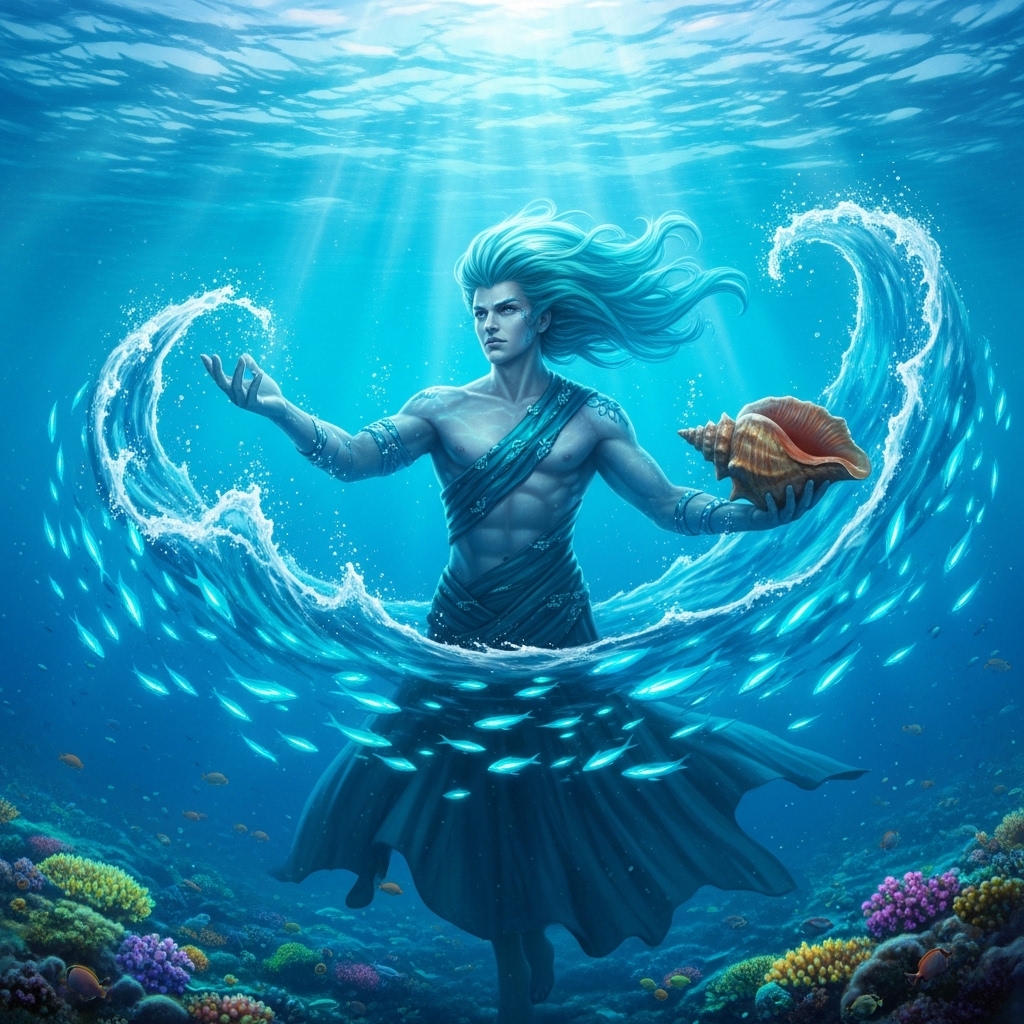
The Titans hold a foundational role in Greek mythology as the predecessors to the Olympian gods. They embody the ancient order of deities, with their narratives setting the stage for the eventual rise of the Olympians.
The Titans as the first gods
The Titans originated from Gaia (Earth) and Uranus (Sky). They are often referred to as the “first gods” or “theoi proteroi.” This title highlights their significance in the mythological hierarchy. The twelve principal Titans include:
- Cronus: Leader of the Titans, associated with time.
- Rhea: Sister and wife to Cronus, goddess of fertility and motherhood.
- Oceanus: Personification of the ocean, embodying the river encircling the world.
- Tethys: Sister of Oceanus, associated with nourishment and the nourishing flow of water.
- Hyperion: Titan of light and observation, father of the sun, moon, and dawn.
- Theia: Goddess of sight and the shining sky, mother of Hyperion’s children.
- Coeus: Titan of intelligence and the axis of heaven, father of Leto.
- Phoebe: Associated with the moon and prophecy, mother of Leto and Asteria.
- Kronos: Often confused with Cronus, a Titan of time.
- Iapetus: Titan of mortality and craftsmanship, father of Prometheus.
- Mnemosyne: Goddess of memory, mother of the Muses.
- Themis: Personification of divine order and law.
These Titans are not merely names; each carries specific attributes that contributed to the rich tapestry of Greek mythology.
Transition to Olympian rule
The Titanomachy was a significant event marking the transition from the Titans to the Olympians. This war pitted the Titans against Zeus and his siblings, the Olympians. Key elements include:
- Conflict: The Titans sought to retain their power, while the Olympians aimed to establish a new order.
- Outcome: The Olympians emerged victorious, leading to the Titans’ imprisonment in Tartarus.
- Significance: This conflict symbolizes the shift from an ancient world order to a new divine hierarchy.
The Titanomachy illustrates the dynamics of power and the cyclical nature of mythological narratives. The Titans’ defeat allowed the Olympians to ascend, shaping the stories that would dominate Greek mythology for centuries.
Table of Contents
2. The Genealogy of the Titans

The Titans’ genealogy reveals complex relationships and interconnections that shaped Greek mythology. Understanding their parentage and marriages provides insight into their roles and significance.
Parentage of the Titans
The original twelve Titans descended from the primordial deities Uranus (the sky) and Gaia (the earth). This foundational lineage established the Titans as formidable beings in Greek myths. The Titans include:
- Oceanus: Titan of the ocean, married to Tethys.
- Coeus: Titan of intellect, married to Phoebe.
- Crius: Titan of the constellations, married to Eurybia.
- Hyperion: Titan of light, married to Theia.
- Iapetus: Titan of mortality, married to Clymene.
- Theia: Titaness of sight, sister to Hyperion.
- Rhea: Titaness of fertility, sister to Cronus.
- Themis: Titaness of divine law, sister to Cronus.
- Mnemosyne: Titaness of memory, sister to Cronus.
- Phoebe: Titaness of prophecy, sister to Coeus.
- Tethys: Titaness of the nourishing flow, sister to Oceanus.
- Cronus: Leader of the Titans, married to Rhea.
This parentage establishes the Titans as both a family and a powerful generation of deities.
Marriages among the Titans
Marriages within the Titan family often occurred between siblings, emphasizing their interconnectedness. Notable pairings include:
- Oceanus and Tethys: Together, they birthed various Oceanids, representing the rivers and bodies of water.
- Coeus and Phoebe: Their union produced Leto and Asteria.
- Hyperion and Theia: They are the parents of Helios (the sun), Selene (the moon), and Eos (the dawn).
- Cronus and Rhea: They gave birth to the Olympian gods, including Zeus, Hera, and Poseidon.
These relationships illustrate the complexity and often incestuous nature of Titan lineage, contributing to the intricacies of Greek mythology.
Children of the Titans
The offspring of the Titans played vital roles in later myths. Here are some key descendants:
- Cronus and Rhea: Their children include:
- Zeus: King of the gods.
- Hera: Goddess of marriage.
- Poseidon: God of the sea.
- Oceanus and Tethys: Their children, the Oceanids, symbolize various aspects of oceans and rivers.
- Iapetus and Clymene: Notable children include Prometheus, who is known for his intelligence and defiance against the gods.
Understanding these connections enhances the comprehension of mythological narratives and the significance of each Titan’s role in Greek culture.
Visual Aid: A family tree diagram can help clarify these complex relationships and highlight the connections among the Titans and their offspring.
3. Cronus: The Leader of the Titans
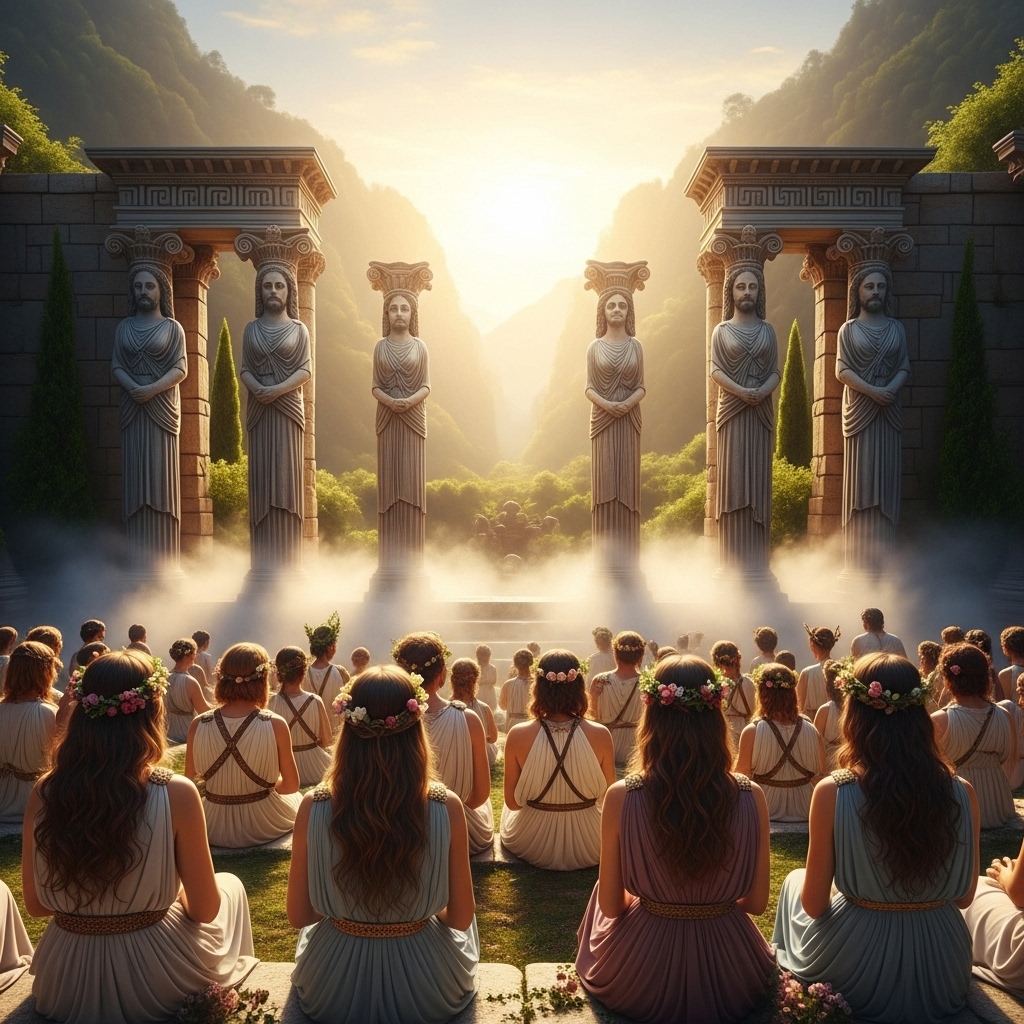
Cronus stands as a pivotal figure among the Titans. His reign, marked by both authority and tyranny, profoundly influenced Greek mythology.
Cronus’s Attributes and Powers
- Strength: Cronus was the most powerful of the Titans, known for his physical might.
- Leadership: As the leader, he commanded respect and loyalty from his fellow Titans.
- Time: Often associated with time, Cronus represented the relentless passage of life.
- Prophecy: Aware of a prophecy foretelling his downfall, he took drastic measures to secure his power.
How Cronus Overthrew Uranus
Cronus’s ascent began with a rebellion against his father, Uranus. This conflict is a crucial part of the Titan genealogy.
- Gaia’s Influence: Gaea, Cronus’s mother, urged him to act against Uranus, who had imprisoned his children.
- The Castration: Armed with a sickle, Cronus ambushed Uranus and castrated him, usurping his power. This act not only freed the Titans but also marked the beginning of a new era.
- Sovereign Rule: Following his victory, Cronus became the ruler of the cosmos, establishing the Titans as the dominant deities.
The Dual Role of Cronus: Protector and Tyrant
Cronus embodied both protector and tyrant, a duality that defines his character in mythology.
- Golden Age: Under his rule, the earth experienced a Golden Age, characterized by peace and prosperity.
- Paranoia and Cruelty: His fear of being overthrown led him to swallow his children, ensuring they could not rival him for power. Rhea, his wife, saved Zeus from this fate, which ultimately set the stage for Cronus’s downfall.
This complex portrayal highlights how Cronus’s actions shaped the trajectory of the Titan legacy and the eventual rise of the Olympians. His story serves as a cautionary tale about the perils of absolute power and the inevitable cycles of succession in mythology.
4. Oceanus: The Titan of the Sea
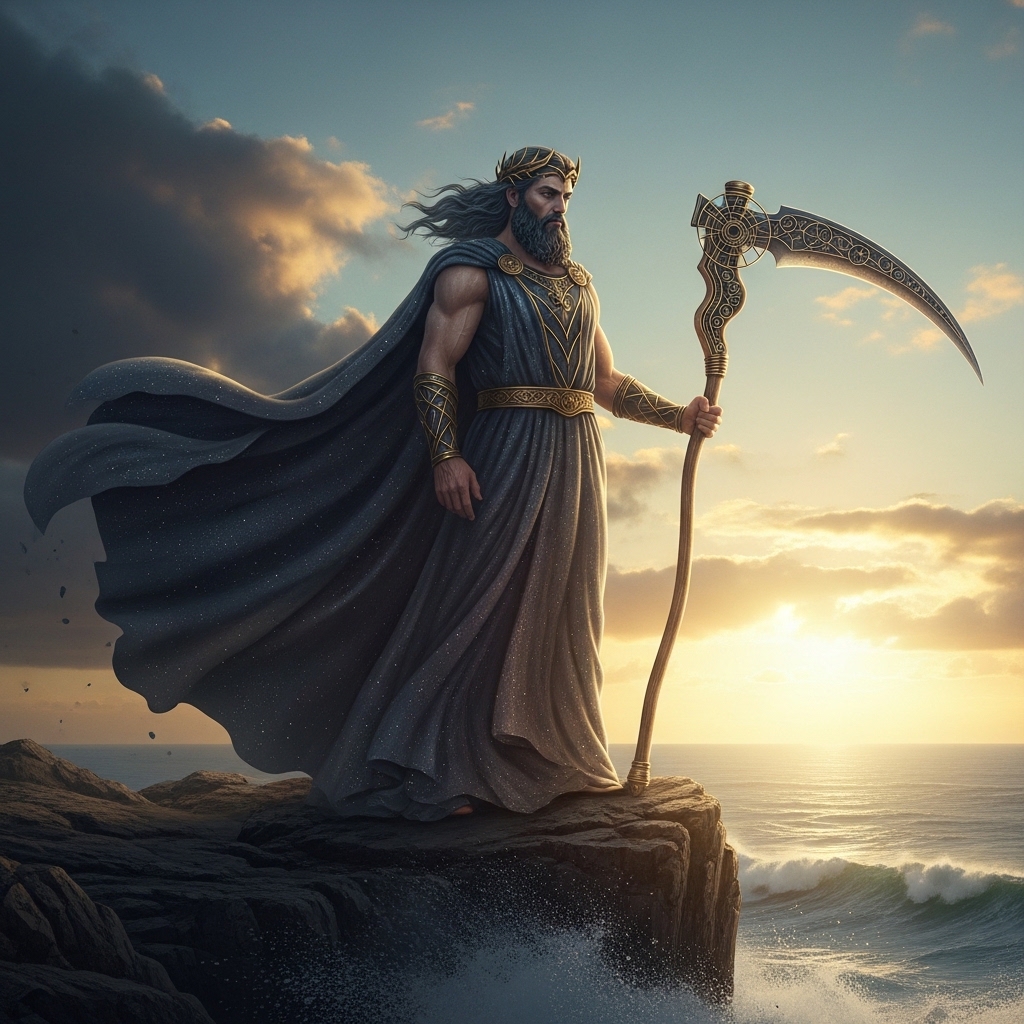
Oceanus, the Titan god of the sea, embodies the vastness of water that encircles the earth. His dominion extends over oceans, rivers, and freshwater bodies, making him a significant figure in Greek mythology.
Powers and Symbols of Oceanus
Oceanus represents the ocean’s endless flow and the life it sustains. His attributes include:
- Control Over Water: Oceanus governs all aquatic realms, symbolizing the source of life.
- Symbol of Boundlessness: He is often depicted as a river encircling the world, emphasizing his omnipresence.
- Family Connections: He is married to Tethys, the Titaness associated with nourishing waters. Together, they produced numerous Oceanids, spirits embodying rivers and streams.
Oceanus’s powers reflect the importance of water in sustaining life, both in mythology and reality. He serves as a reminder of nature’s vastness and the mysteries it holds.
Oceanus’s Family Ties
Oceanus’s genealogy is central to understanding his role among the Titans. Key relationships include:
- Parents: Oceanus is a child of Uranus (Sky) and Gaia (Earth), linking him to the primordial forces of creation.
- Siblings: He belongs to the original twelve Titans, including Cronus and Rhea, establishing his place in the Titan hierarchy.
- Children: His union with Tethys produced over 3,000 Oceanids, each representing different water bodies, illustrating his extensive legacy.
This family network underscores the interconnectedness of the Titans and their influence on both natural and divine realms.
Cultural Significance of Oceanus
Oceanus is not only a mythological figure but also a cultural archetype. His representation has influenced various art forms, literature, and philosophical ideas about nature:
- In Literature: Oceanus appears in works by Hesiod and Homer, symbolizing the eternal and unyielding nature of the sea.
- In Art: He is often depicted in classical sculptures and paintings, illustrating the grandeur of the ocean.
- Modern References: Oceanus’s image persists in contemporary culture, symbolizing exploration and the mysteries of the deep.
Understanding Oceanus enriches our appreciation of Greek mythology and its enduring impact on culture and thought.
5. Hyperion: The Titan of Light
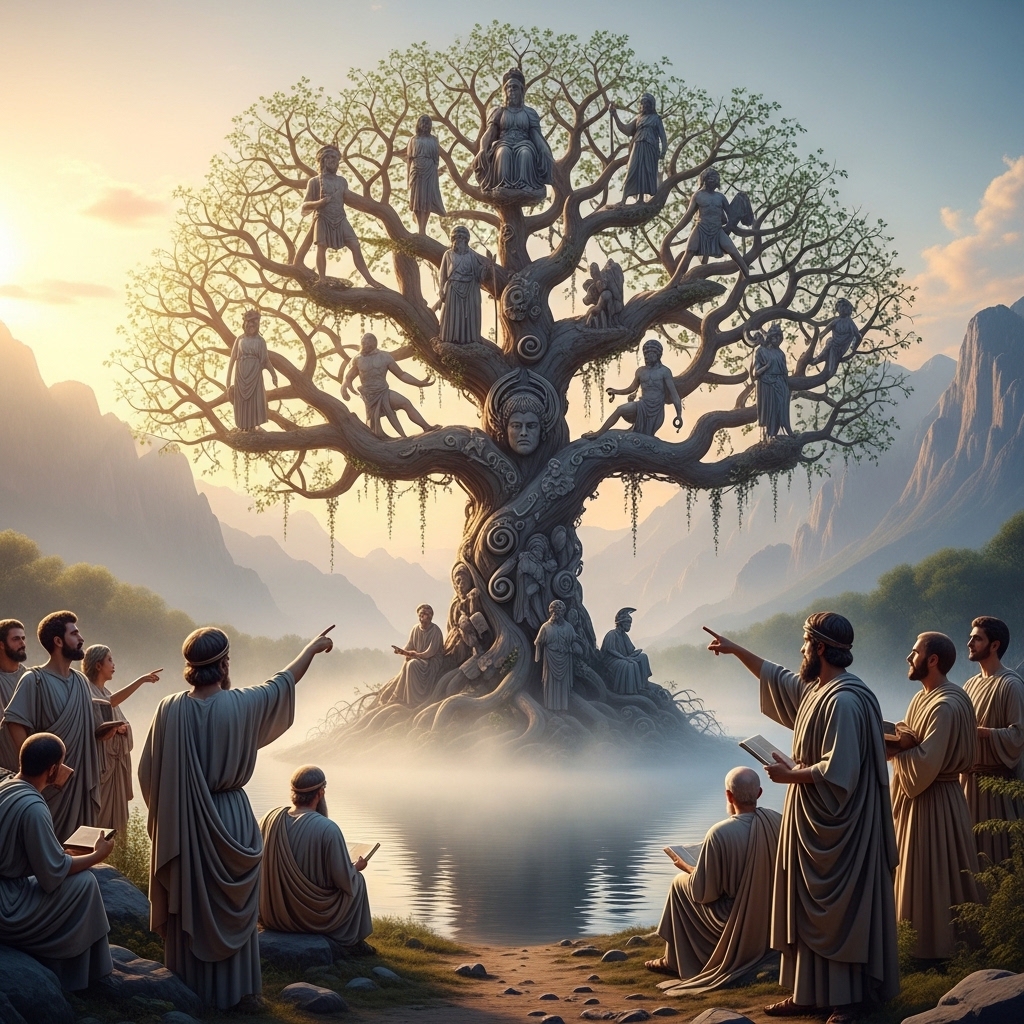
Hyperion stands as a crucial figure among the Titans, embodying the essence of light and observation. His influence extends beyond his own narrative, shaping later myths and celestial symbolism in Greek mythology.
Hyperion’s Powers
Hyperion is often referred to as the Titan god of light. He represents the radiant aspects of the cosmos, including:
- Light: He personifies heavenly light, overseeing the cycles of day and night.
- Observation: As one who “watches from above,” he is associated with vigilance and wisdom.
- Celestial Order: Hyperion is credited with organizing the movements of the sun, moon, and dawn, establishing the natural order of time.
His powers are not merely limited to the physical; they also encompass the metaphysical, symbolizing enlightenment and awareness.
Children of Hyperion and Theia
Hyperion married his sister, Theia, the goddess of sight and shining. Together, they had three significant offspring:
- Helios: God of the sun, responsible for driving the sun chariot across the sky.
- Selene: Goddess of the moon, often depicted as a beautiful figure illuminating the night.
- Eos: Goddess of the dawn, heralding the arrival of light each day.
This lineage is vital in understanding the celestial dynamics in Greek mythology. Their roles further emphasize Hyperion’s impact on subsequent myths. Helios, in particular, often acts as a witness to mortal events, cementing the connection between the divine and the earthly.
Influence on Later Myths
Hyperion’s significance permeates various myths, especially those concerning the Olympians.
- Titanomachy: During the conflict between the Titans and the Olympians, Hyperion supported Cronus, their leader. His defeat and subsequent banishment to Tartarus marked a pivotal shift in divine hierarchy.
- Symbolism: The attributes of light and observation ascribed to Hyperion resonate throughout later literature and art, reinforcing themes of enlightenment and divine insight.
Through his children and the themes he embodies, Hyperion shapes not only the narrative of the Titans but also the broader tapestry of Greek mythology, influencing how light and celestial bodies are perceived in various stories.
6. Themis: The Titaness of Justice
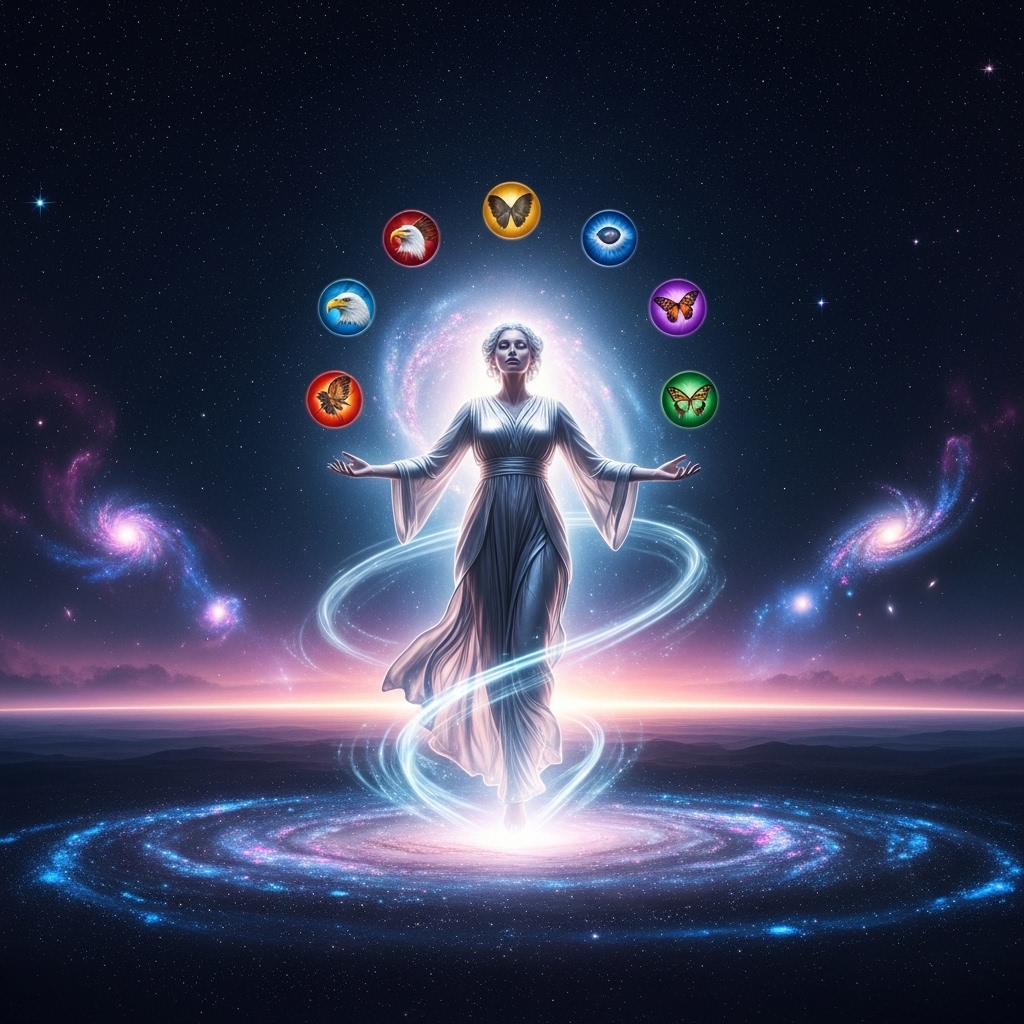
Themis represents divine law and order in Greek mythology. As a Titaness, she played a crucial role in maintaining cosmic structure and morality.
Themis’s Attributes and Roles
- Embodiment of Justice: Themis is often depicted holding scales, symbolizing balance and fairness. She embodies the unwritten laws that govern both gods and mortals.
- Divine Advisor: She served as an advisor to Zeus, guiding him in matters of governance. Her wisdom was respected among the gods, reinforcing her position as a crucial figure in maintaining order.
- Mother of Key Figures: Themis is the mother of the Fates and the Hours. The Fates control destiny, while the Hours represent the natural order of time, connecting Themis directly to the flow of life and justice.
Connection to the Olympians
- Marriage to Zeus: Themis became the second wife of Zeus after he consumed his first wife, Metis. This union further solidified her influence within the Olympian hierarchy.
- Role in Titanomachy: During the Titanomachy, Themis remained loyal to Zeus. Her support helped him establish the new order among the gods, marking a shift from the rule of the Titans to that of the Olympians.
- Cultural Significance: Themis’s attributes resonate in modern representations of justice, often symbolized in art and literature as a figure holding scales. Her influence extends beyond mythology into contemporary discussions of law and ethics.
By embodying the principles of justice and order, Themis not only shaped the ancient Greek understanding of morality but also continues to influence modern legal frameworks and ethical standards.
7. Rhea: The Titaness of Fertility

Rhea, one of the twelve Titans, holds a pivotal role in Greek mythology as the mother of the Olympian gods. Her influence extends beyond motherhood, intertwining with themes of fertility and protection.
Rhea’s Powers and Attributes
- Fertility: Rhea symbolizes fertility and motherhood, representing the nurturing aspects of nature.
- Goddess of Flow: As the Titaness responsible for the flow of life, she governs the cycles of birth and growth.
- Protection: Rhea embodies the protective qualities of a mother, particularly in her actions during the birth of Zeus.
Her Protective Role for Zeus
Rhea’s most significant act was her determination to save her youngest child, Zeus, from Cronus. Fearing a prophecy that foretold his overthrow by a son, Cronus swallowed each of Rhea’s children at birth.
- Concealment of Zeus: To thwart Cronus, Rhea sought the help of Gaia and Uranus. She gave birth to Zeus in secret and hid him in a cave on Crete.
- Deception of Cronus: Rhea wrapped a stone in swaddling clothes and presented it to Cronus, who swallowed it, believing it to be the newborn Zeus. This act of cunning ensured Zeus’s survival.
Rhea’s actions not only saved Zeus but also set in motion the eventual overthrow of Cronus and the rise of the Olympians. Her legacy emphasizes the theme of maternal devotion and the protective instincts inherent in motherhood, reflecting how foundational figures can shape mythological narratives.
By ensuring the survival of Zeus, Rhea directly influenced the course of Greek mythology, marking her as a critical figure among the Titans.
8. Theia: The Titaness of Sight
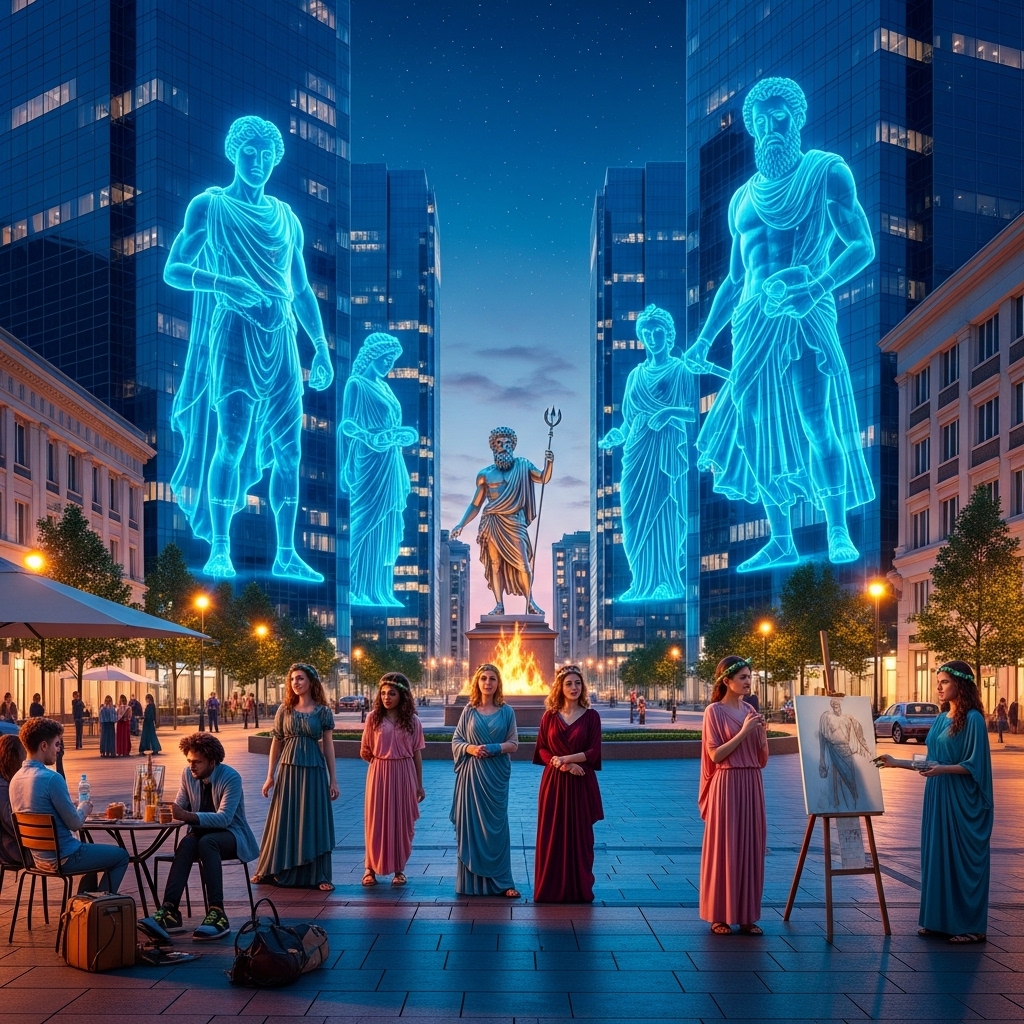
Theia is a pivotal figure in Greek mythology, known as the Titaness of sight and the shining light of heaven. She embodies the ethereal qualities of light and clarity, influencing various aspects of the celestial realm.
Theia’s Powers and Influence
- Personification of Sight: Theia represents not only sight but also clarity and illumination. Her name is associated with foresight and prophecy, highlighting her significance in the realm of knowledge.
- Goddess of Precious Materials: Theia is also linked to the value of precious minerals, including gold and silver. Her radiance was believed to impart beauty and worth to these materials.
- Mother of Celestial Deities: Theia is the mother of three prominent deities:
- Helios: The god of the sun, who drives the sun chariot across the sky.
- Selene: The goddess of the moon, who embodies the night and its mysteries.
- Eos: The goddess of dawn, symbolizing new beginnings and the arrival of light.
Her Role in Celestial Mythology
Theia’s legacy extends beyond her immediate family. She plays a crucial role in the mythological framework of the cosmos.
- Cosmic Order: As a Titaness, Theia represents the ancient belief in cosmic order. Her offspring, Helios, Selene, and Eos, govern the essential cycles of day and night, showcasing the interconnectedness of celestial bodies.
- Cultural References: Theia’s influence can be observed in various cultural references, from literature to art. Artists and poets often draw upon her symbolism to evoke themes of light, beauty, and clarity.
Theia’s attributes and relationships underscore her importance within the Titan lineage. Her role as the mother of key celestial figures illustrates the Titans’ foundational influence on Greek mythology and the natural world.
9. Mnemosyne: The Titaness of Memory
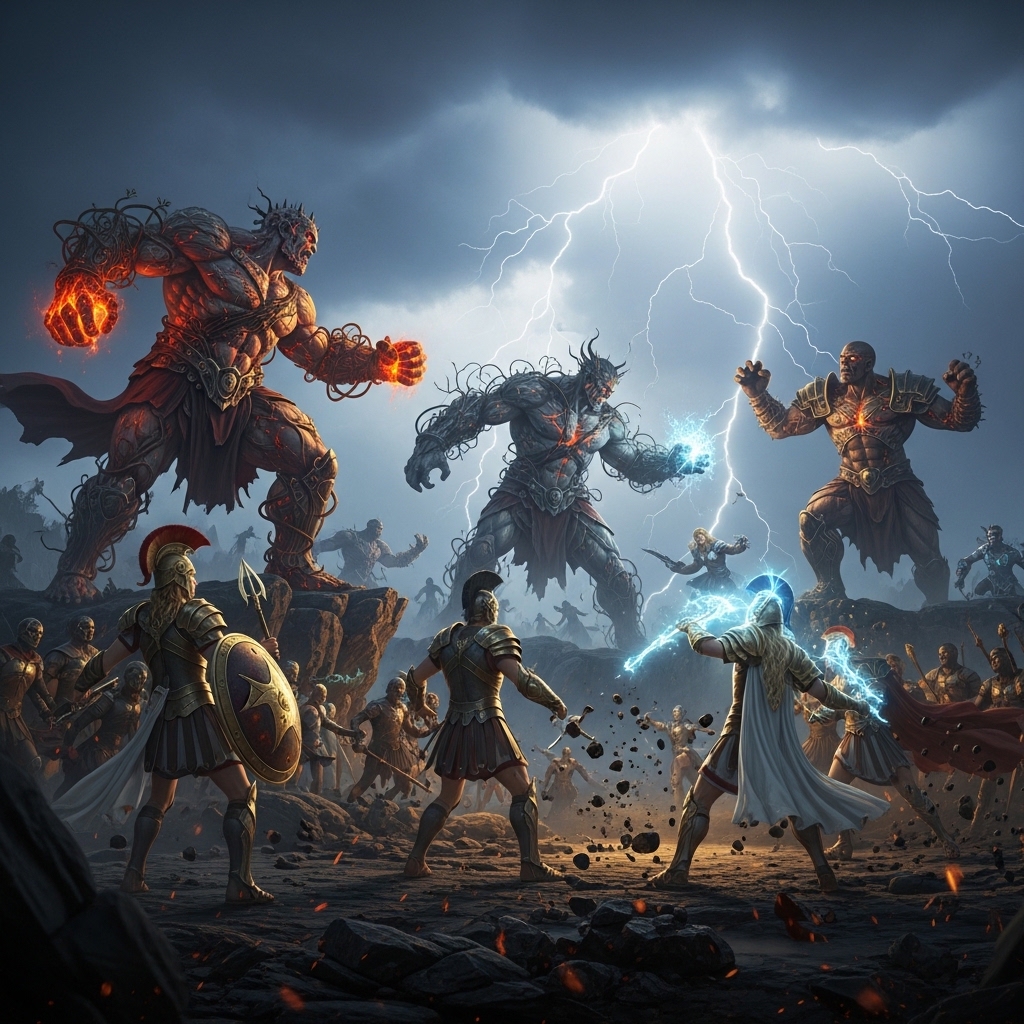
Mnemosyne embodies the essence of memory in Greek mythology. As a Titaness, she plays a crucial role in the genealogy of the divine and the arts.
Powers of Mnemosyne
- Goddess of Memory: Mnemosyne is revered as the personification of memory. The Greek word “mnēmē” translates to “remembrance” or “memory,” highlighting her foundational role in mythological narratives.
- Mother of the Muses: Mnemosyne bore nine daughters, known as the Muses, with Zeus. Each Muse represents different aspects of the arts and sciences, including poetry, music, and history. This lineage links memory directly to creativity.
- Prophetic Influence: Mnemosyne was also associated with the oracle of Trophonius, underscoring her significance beyond mere remembrance. Her prophetic abilities allowed her to bridge the gap between memory and foresight.
Connection to Creativity and Art
- Inspiration Source: The Muses, as daughters of Mnemosyne, serve as divine inspirers for artists and philosophers. Their collective influence fosters creativity and innovation across various fields, from literature to visual arts.
- Cultural Significance: Memory is pivotal in preserving cultural heritage. Mnemosyne’s role emphasizes the importance of remembering stories, traditions, and knowledge in the continuity of civilization.
Mnemosyne’s Unique Role
Mnemosyne’s influence transcends her identity as a Titaness. She symbolizes the intricate relationship between memory and creativity, underscoring that without memory, art and knowledge would falter. This connection illustrates the broader concept that memory is essential for cultural and intellectual development.
10. Titanomachy: The Battle Against the Olympians

The Titanomachy was a monumental conflict between the Titans and the Olympians, marking a significant turning point in Greek mythology. This epic battle shaped the hierarchy of gods and established the Olympians as the new ruling deities.
Causes of the Titanomachy
- Generational Conflict: The Titans, led by Cronus, overthrew their father Uranus, creating a precedent for rebellion among the gods.
- Prophecy of Overthrow: Cronus received a prophecy that one of his children would dethrone him, prompting him to eliminate his offspring.
- Gaea’s Influence: The Earth goddess Gaea, mother of the Titans, supported her children in rebelling against Cronus, leading to the formation of alliances with the Olympians.
Key battles and outcomes
- Initial Skirmishes: The conflict began with minor confrontations, escalating as both sides gathered allies. Zeus and his siblings sought support from the Cyclopes and the Hecatoncheires.
- Final Confrontation: The decisive battle lasted ten years, known as the Titanomachy. It featured fierce fighting, with the Olympians ultimately emerging victorious.
- Consequences: Following their defeat, most Titans were imprisoned in Tartarus. This punishment established a new order among the gods. Only a few, such as Oceanus and Helios, remained free due to their essential roles in the cosmos.
Implications of the Titanomachy
- Shift in Power: The Titanomachy marked the end of Titan rule and the rise of the Olympians, fundamentally altering the structure of Greek mythology.
- Cultural Resonance: The themes of rebellion and power struggles in the Titanomachy resonate in modern narratives, symbolizing the struggle against tyranny.
This mythological event serves as a pivotal moment in understanding the relationships and dynamics among the Titans and their eventual successors, the Olympians.
11. Legacy of the Titans in Modern Culture
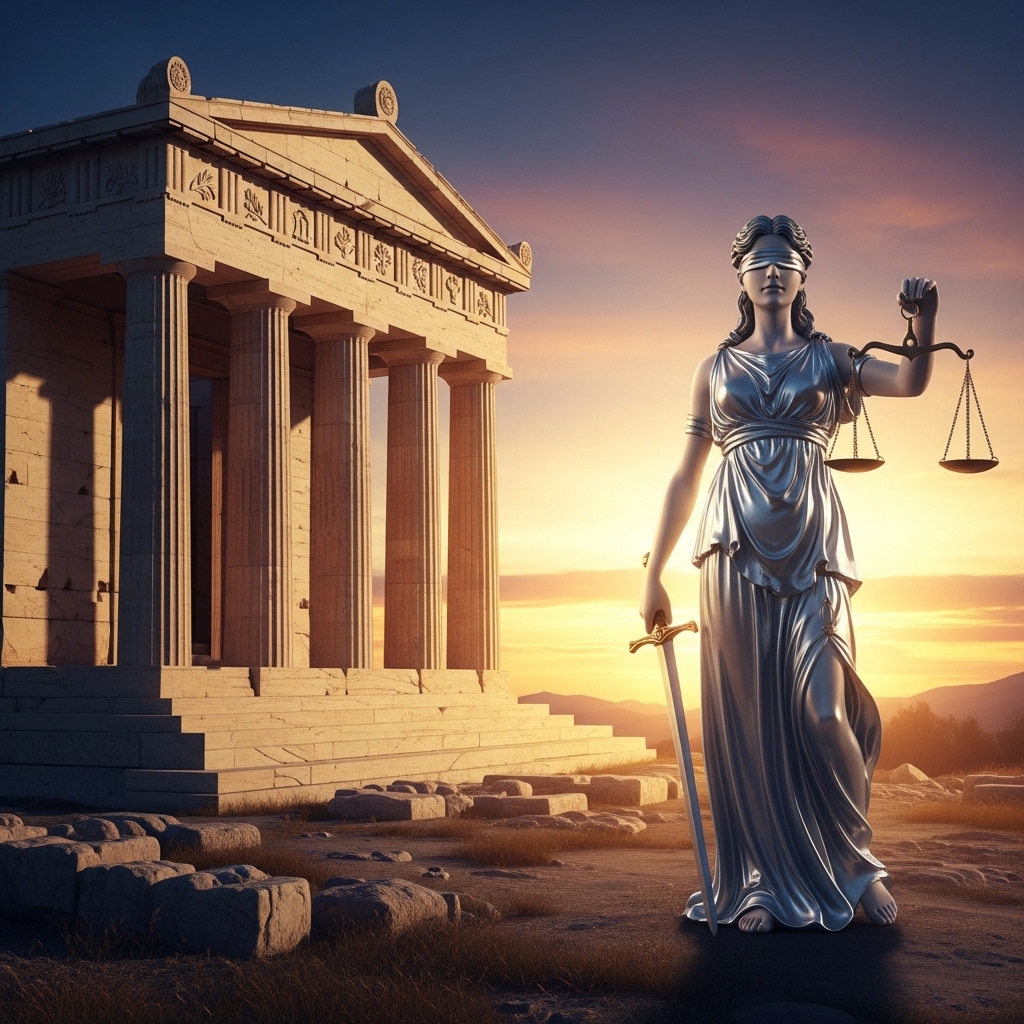
The Titans continue to influence literature, art, and popular culture today. Their stories resonate with themes of power, conflict, and rebellion, making them relevant across various media.
Titans in Literature and Film
- “Percy Jackson & The Olympians”: This contemporary series reimagines Greek mythology, bringing Titans into the narrative as formidable adversaries to the Olympians.
- “The Titan’s Curse”: The third book in the series focuses on the Titan Atlas, highlighting his role and the enduring legacy of Titan mythology.
- “Clash of the Titans”: Both the 1981 and 2010 films feature mythological elements, showcasing the Titans’ relevance in epic storytelling.
Influence on Modern Storytelling
- Themes of Rebellion: The narrative of the Titanomachy serves as a metaphor for rebellion against oppressive forces. This theme is prevalent in modern stories, illustrating the struggle for freedom.
- Character Archetypes: Titans often embody archetypes such as the tragic hero or the fallen deity, influencing character development in contemporary narratives.
- Visual Arts: Artists frequently depict Titans in paintings and sculptures, showcasing their grandeur and complexity. This artistic representation keeps their stories alive in cultural consciousness.
Specific Examples in Modern Media
- Video Games: Titles like “God of War” present Titans as powerful figures, offering players a chance to engage with their mythology interactively.
- Comics and Graphic Novels: Series like “Wonder Woman” often reference Titans, intertwining their stories with modern superhero narratives.
- Television Shows: Programs such as “American Gods” explore the legacy of ancient deities, including Titans, in a contemporary setting, demonstrating their lasting impact on culture.
The Titans’ legacy endures, shaping narratives in diverse forms of media and influencing the way we understand power dynamics and mythology today.
12. Common Misconceptions About the Titans
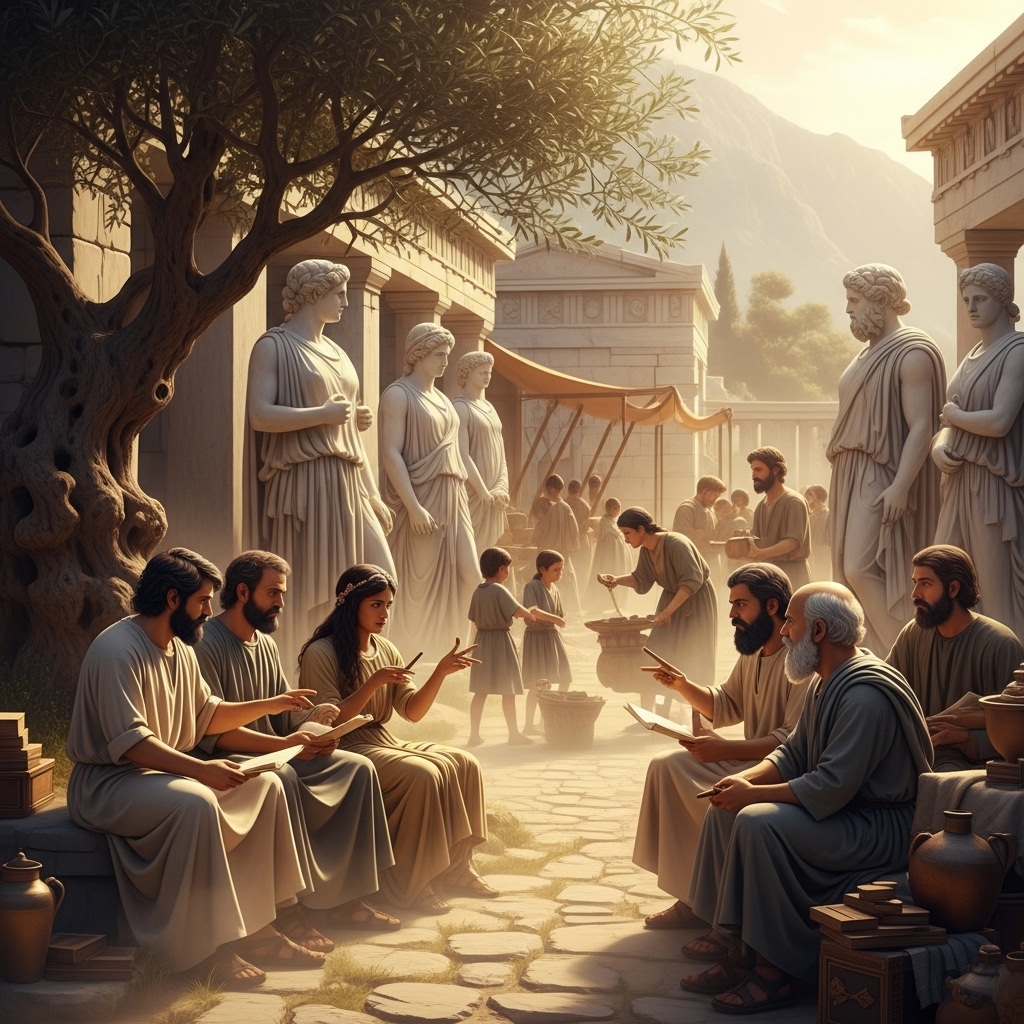
Understanding the Titans in Greek mythology often leads to confusion. Many people conflate their roles with those of the later Olympian gods. This section clarifies common misconceptions surrounding the Titans.
Misconceptions about their powers
- Titans as Olympians: The Titans are often mistaken for Olympian gods. While both groups are deities, the Titans represent an earlier generation, overthrown by the Olympians.
- Omnipotence: Some believe Titans possessed all-encompassing powers. In reality, each Titan had specific domains or attributes. For instance, Hyperion was associated with light, while Oceanus governed the ocean.
- Lack of Agency: It’s a misconception that Titans were mere pawns in the Titanomachy. They actively participated in the conflict against Zeus and the Olympians, showcasing their formidable strength and influence.
Confusion with the Olympians
- Genealogy: The relationship between Titans and Olympians is often misunderstood. Cronus, a Titan, fathered several Olympians, including Zeus and Hera. This familial connection highlights their significance in mythological lineage.
- Cultural Significance: Titans are sometimes seen as irrelevant due to their defeat. However, they symbolize the struggle for power and the cyclical nature of authority in mythology, influencing later narratives.
- Underworld Association: Many assume all Titans reside in the underworld post-defeat. While Titans like Cronus were imprisoned in Tartarus, others, like Oceanus, remained free, continuing to play roles in various myths.
Key Takeaways
| Misconception | Clarification |
|---|---|
| Titans = Olympians | Titans are an earlier generation of gods, distinct from Olympians. |
| Titans were all-powerful | Each Titan had unique domains and attributes. |
| Titans lacked agency | Titans actively fought in the Titanomachy against Zeus. |
| All Titans in the underworld | Some Titans, like Oceanus, were not imprisoned. |
These clarifications enhance understanding of the Titans’ roles in Greek mythology. They were influential figures, each with unique powers and a significant place in the mythological narrative.
13. Summary of the 12 Titans
The twelve Titans in Greek mythology are pivotal figures, each possessing unique powers and attributes. They represent the primordial forces of nature and the foundations of the cosmos, playing vital roles in early mythological narratives.
Brief Recap of Each Titan
- Cronus: The leader of the Titans, associated with time and often depicted as destructive. He overthrew his father, Uranus, and was later defeated by his son, Zeus.
- Rhea: The sister and wife of Cronus. She symbolizes motherhood and fertility and is the mother of the Olympian gods, including Zeus and Hera.
- Oceanus: The Titan of the ocean, representing the vast river encircling the Earth. He did not participate in the Titanomachy and remained unpunished.
- Hyperion: The Titan of light, father of Helios (the sun), Selene (the moon), and Eos (the dawn). He embodies the sun’s power and its significance in Greek mythology.
- Coeus: The Titan of intellect and the axis of heaven. He is linked to prophecy and rational thought, contributing to the lineage of Apollo.
- Iapetus: The father of Prometheus and Atlas. He represents mortality and is associated with craftsmanship and human creation.
- Themis: The goddess of divine order, law, and prophecy. She oversees the oracle at Delphi and is the mother of the Fates.
- Mnemosyne: The goddess of memory and the mother of the Muses. She symbolizes the importance of memory in the arts and sciences.
- Phoebe: The Titaness of prophecy and the moon. She is linked to the Oracle of Delphi and embodies the wisdom of foresight.
- Tethys: The goddess of the nourishing flow of water. She is associated with the nurturing aspects of nature and motherhood.
- Crius: The Titan of the constellations. Though less prominent, he represents the celestial order and is linked to the heavenly bodies.
- Prometheus: A notable Titan for his role in the creation of humanity and for stealing fire from the gods. His story symbolizes defiance and intelligence.
Their Overarching Influence in Mythology
The Titans serve as the foundation for many myths and legends. Their relationships illustrate the complexity of divine hierarchy and conflict in Greek mythology. The Titanomachy, the war between the Titans and the Olympians, showcases their struggle for power and the transition from the old order to the new.
- Genealogy: The Titans are descendants of Uranus (the sky) and Gaia (the earth), forming a crucial family tree in mythology.
- Roles in Creation: Many Titans are involved in creation myths, shaping the world and humanity.
- Cultural References: The Titans continue to influence modern literature, art, and popular culture, often representing themes of rebellion and the consequences of power.
The Titans’ legacy endures, reflecting the complexity of human existence and the natural world. Their stories provide essential insights into the ancient Greek worldview, revealing how they shaped the narratives of gods and mortals alike.
Frequently Asked Questions
These quick answers cover the most common questions about this topic, including key details, practical tips, and common concerns.
Who are the 12 Titans in Greek mythology?
The 12 Titans are primordial deities born from Gaia (Earth) and Uranus (Sky). They include Cronus, Rhea, Oceanus, Hyperion, Theia, Coeus, Iapetus, Mnemosyne, Phoebe, Tethys, Crius, and Cronus. Each has unique domains like time, ocean, light, or memory and played key roles in mythological stories.
Were there exactly 12 Titans?
Traditionally, yes. The core group of principal Titans includes the twelve listed above. However, some sources mention additional Titans or variations in their names and roles, reflecting regional myths and evolving traditions.
Who was the strongest of the 12 Titans?
Cronus is considered the strongest and most powerful Titan. He overthrew Uranus to become ruler of the cosmos and led the Titans during their reign. His strength and leadership made him central in Titan mythology.
How did the Titans come to power?
The Titans gained power after overthrowing Uranus, their father, in a rebellion encouraged by Gaia. Cronus castrated Uranus, ending his reign, and took control. This event marked the beginning of the Titan era before their eventual defeat by Zeus and the Olympians.
What was the Titanomachy?
The Titanomachy was a ten-year war between the Titans, led by Cronus, and the Olympian gods, led by Zeus. It ended with the Olympians’ victory, the imprisonment of most Titans in Tartarus, and the establishment of a new divine order.
Why are the Titans significant in Greek mythology?
They embody primordial forces like chaos, time, and the ocean. Their stories explain the origins of the universe and the succession of divine powers. Titans also symbolize the ancient worldview of natural and cosmic order.
Who are the children of the Titans?
Many Olympian gods are children of Titans. For example, Zeus and Hera are children of Cronus and Rhea. Prometheus and Atlas are children of Iapetus, while Helios, Selene, and Eos are children of Hyperion and Theia.
How did the Titans influence later Greek culture and philosophy?
The Titans symbolize primordial chaos and the struggle for power. Their stories influenced Greek ideas about succession, order, and morality. In philosophy, they represent the ancient understanding of natural forces and cosmic origins.