
Yellow lighters are considered bad luck due to urban legends and color symbolism, particularly in gambling and music culture, where they’re thought to invite misfortune or symbolize negative outcomes.
The superstition surrounding yellow lighters suggests they bring bad luck, rooted in cultural beliefs and urban legends. This article delves into the origins, implications, and psychological aspects of this fascinating superstition, exploring why it persists across different contexts.

Understanding the Yellow Lighter Superstition
The yellow lighter superstition is a cultural belief that associates yellow lighters with bad luck, particularly in gambling contexts. This superstition has deep roots in color symbolism and psychological perceptions, influencing behavior and decision-making.
What is the Yellow Lighter Superstition?
The yellow lighter superstition posits that possessing or using a yellow lighter can lead to negative outcomes, particularly financial losses. This belief is prevalent among gamblers who often link the presence of a yellow lighter to losing streaks or poor fortune. The superstition transforms a simple object into a talisman of misfortune.
Common Perceptions and Cultural Beliefs
- Bad Luck Association: Many gamblers believe that a yellow lighter can “burn” their luck, leading to disastrous outcomes in games of chance.
- Color Symbolism: Yellow is often linked to caution, betrayal, and cowardice. These associations create a negative outlook on the color when it appears in the context of a lighter.
- Psychological Impact: The belief in the bad luck of yellow lighters can generate anxiety and self-fulfilling prophecies. Individuals may hesitate or make poor decisions when they encounter a yellow lighter, fearing the associated misfortune.
Historical Origins and Cultural Variations
The origins of the yellow lighter superstition can be traced back to various cultural beliefs surrounding fire and color. Historically, in many cultures, yellow has been viewed as a warning color, often associated with danger or caution. This perception has persisted, leading to the modern superstition surrounding yellow lighters.
Other cultures may have varying interpretations of yellow lighters. In some contexts, they might be viewed as harmless, while in high-stakes environments like casinos, they hold significant weight. The belief in their bad luck status has been reinforced through urban legends and anecdotal evidence.
Examples and Anecdotes
Consider the story of a seasoned gambler who insists on checking his surroundings for a yellow lighter before sitting at a poker table. His belief is so strong that he once left a game simply because someone had a yellow lighter. Such anecdotes highlight how deeply ingrained this superstition can be, shaping behaviors and influencing outcomes in gambling situations.
Misconceptions and Alternatives
Many misconceptions surround the yellow lighter superstition. Some people dismiss it as mere superstition without recognizing its psychological effects. However, understanding this superstition can empower individuals to reframe their beliefs.
As an alternative, gamblers might choose to use lighters of different colors, or even avoid lighters altogether during gameplay. This shift can help mitigate the psychological burden associated with yellow lighters, allowing players to focus on strategy rather than superstition.
Historical Origins and Cultural Beliefs
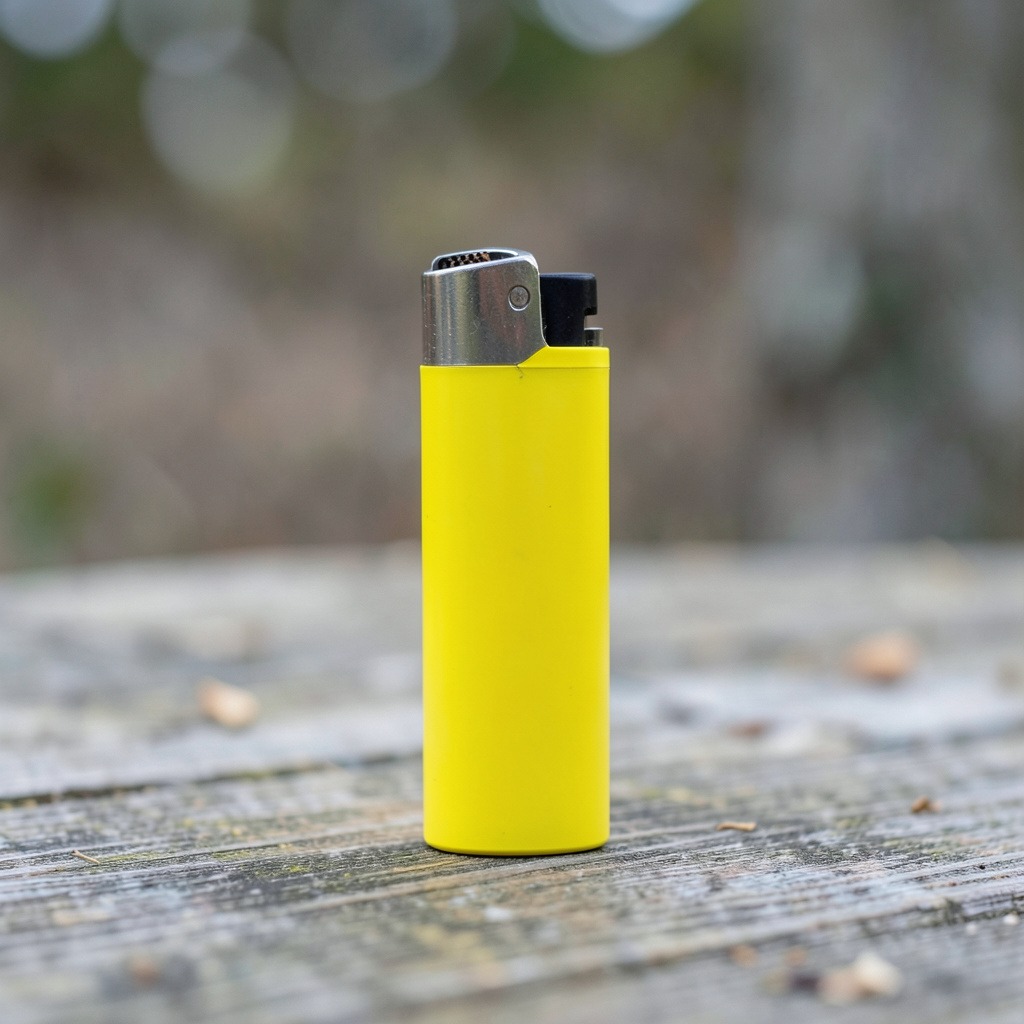
The superstition surrounding yellow lighters has deep historical roots and varies across different cultures. It intertwines with notions of color symbolism, psychological beliefs, and gambling lore.
Cultural Variations in Yellow Lighter Beliefs
Across cultures, the interpretation of yellow lighters can differ significantly.
- Western Cultures: In many Western societies, yellow is often associated with caution and cowardice. The phrase “yellow-bellied,” referring to someone who is cowardly, enhances the negative perception of yellow objects, including lighters. This cultural backdrop reinforces the belief that using a yellow lighter in gambling contexts can lead to misfortune.
- Eastern Cultures: In some Eastern traditions, yellow is linked to both prosperity and caution. While the color can symbolize wealth and joy, it can also signify decay when associated with fire. This duality contributes to the belief that using a yellow lighter may invite bad luck or misfortune, especially during critical moments like gambling.
- Urban Legends: Urban legends around yellow lighters often depict them as talismans of bad luck. Gamblers tell stories of losing streaks that coincided with the presence of a yellow lighter at the table, reinforcing the idea that such objects influence outcomes.
Historical Events Linked to Yellow Lighters
A few historical anecdotes illuminate the cultural significance of yellow lighters.
- Gambling Tournaments: In high-stakes gambling tournaments, players have been known to abandon games upon spotting a yellow lighter. For instance, during a notable poker tournament in Las Vegas, a player lost several hands in a row after bringing a yellow lighter to the table, leading to widespread belief among observers that the lighter was the catalyst for his misfortune.
- Ritualistic Practices: Some gamblers perform rituals to counteract the negative energy associated with yellow lighters. This includes discarding the lighter or using it only for non-gambling activities. These practices highlight the psychological weight attached to the superstition.
Understanding these cultural beliefs and historical contexts reveals how deeply the yellow lighter superstition is embedded in various societies. The interplay between color symbolism and gambling psychology drives many individuals’ interactions with yellow lighters, shaping their experiences and outcomes.
Psychological Aspects of Color Symbolism
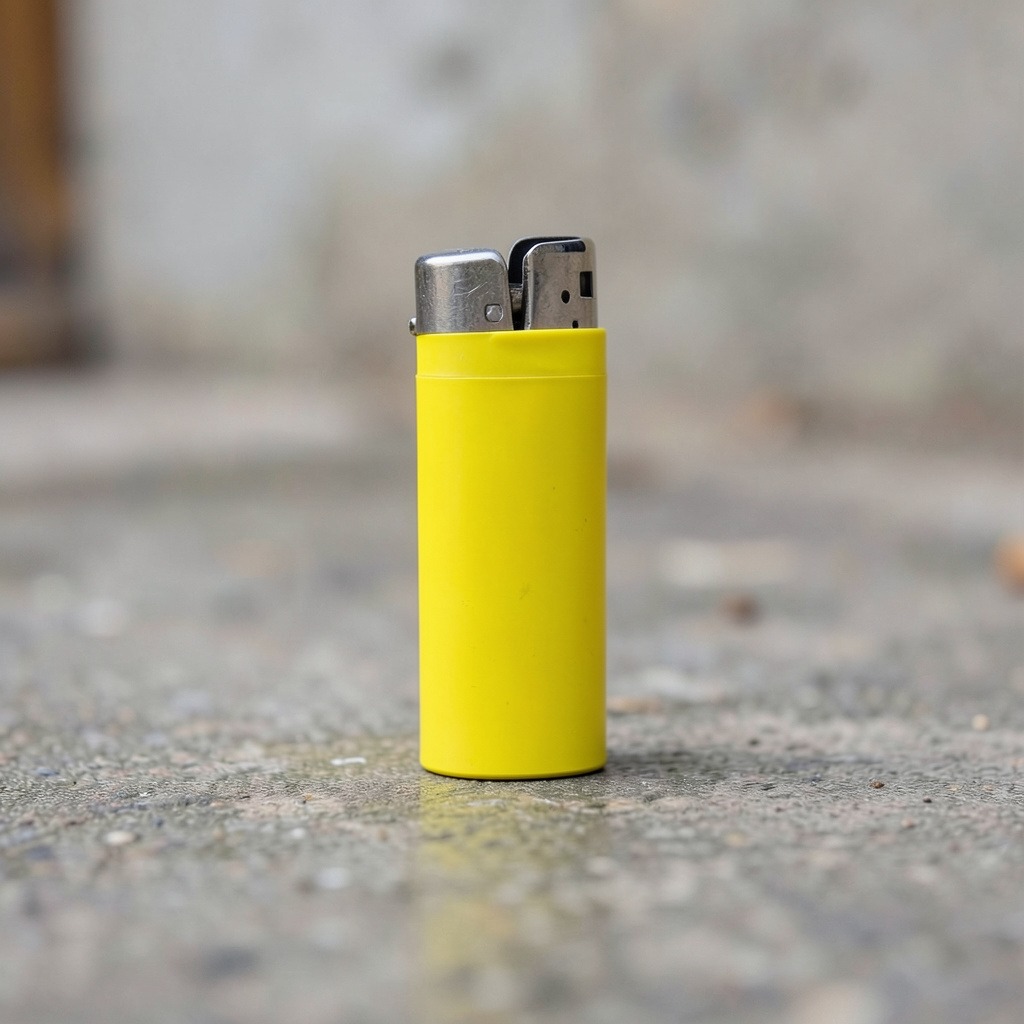
Color psychology plays a significant role in shaping perceptions of objects, including yellow lighters. This influence is especially pronounced in superstitions, where colors can evoke strong emotional responses and cultural associations.
The Role of Yellow in Color Psychology
The color yellow is often associated with positivity and energy. However, it also has darker connotations. In psychological studies, yellow can evoke feelings of anxiety and caution. This duality makes yellow a complex color in the realm of symbolism.
- Positive Associations: Joy, intellect, and energy.
- Negative Associations: Cowardice, betrayal, and caution.
These contrasting feelings contribute to the superstition surrounding yellow lighters. When gamblers encounter a yellow lighter, they may unconsciously associate it with bad luck due to its psychological implications.
How Color Influences Superstitions
Superstitions often arise from cultural beliefs intertwined with color psychology. The bright hue of yellow in a lighter can trigger subconscious fears or anxiety, especially in high-stakes environments like casinos.
- Cultural Beliefs: In many cultures, yellow symbolizes caution. This perception can transfer to objects like lighters, which are associated with fire.
- Psychological Reactions: Research shows that people may feel more anxious in the presence of certain colors. A yellow lighter, perceived as a bad omen, can lead to heightened stress and fear of loss.
An example of this is a gambler who constantly loses after bringing a yellow lighter to the table. Over time, this individual develops a belief that the lighter is the source of their misfortune, reinforcing the superstition.
Common Misconceptions About Yellow Lighters
Many people mistakenly believe that simply using a yellow lighter will bring bad luck. In reality, it is the psychological weight of the belief that influences outcomes.
- Belief as a Self-Fulfilling Prophecy: If a person believes a yellow lighter will bring bad luck, their anxiety may lead to poor decisions, resulting in actual misfortune.
- Cleansing Rituals: Some individuals may perform rituals to counteract the perceived negative energy of a yellow lighter, such as discarding it or repurposing its use.
These insights reveal that the superstition surrounding yellow lighters is more than just a cultural quirk; it is deeply rooted in color symbolism and psychological responses. Understanding these factors can help demystify the beliefs associated with yellow lighters and their perceived impact on luck.
Superstitions in Gambling Contexts

The superstition surrounding yellow lighters is particularly pronounced in gambling circles. Many players believe that this specific lighter can bring bad luck, influencing their decisions and experiences at the table.
Beliefs Among Gamblers
In the gambling world, the presence of a yellow lighter often elicits strong reactions. Gamblers frequently associate it with negative outcomes, leading to behaviors designed to mitigate perceived risks. This belief stems from:
- Psychological Conditioning: Players may have experienced losses while using a yellow lighter, reinforcing the idea that it is unlucky.
- Cultural Transmission: Stories and warnings about yellow lighters circulate among players, perpetuating the superstition across generations.
- Environmental Influence: The high-stakes atmosphere of casinos amplifies superstitious beliefs, as players seek any edge or scapegoat for their losses.
Anecdotes of Bad Luck at the Table
Numerous anecdotes illustrate the impact of yellow lighters on gambling experiences. One notable incident involved a player in Las Vegas who, while using a yellow lighter during a poker game, lost a series of hands in quick succession. The player believed that the lighter was the source of their misfortune. They subsequently discarded it, only to experience a winning streak afterward. This scenario highlights how the psychological effects of superstition can shape behavior and decision-making.
Another example involves a group of friends at a casino who agreed to avoid any yellow lighters. They collectively believed that having one on the table would ruin their chances of winning. Their avoidance further solidified the belief in the lighter’s negative energy, demonstrating how group dynamics can enhance superstitious behavior in gambling contexts.
Summary of Psychological Effects
The psychological implications of the yellow lighter superstition extend beyond mere belief. Players may experience:
- Increased Anxiety: The fear of bad luck can lead to heightened stress levels, impacting performance.
- Decision Paralysis: Worrying about luck may cause hesitation, preventing players from making optimal choices.
- Group Influence: Collective beliefs can reinforce individual superstitions, leading to a culture of avoidance around yellow lighters.
Understanding these dynamics reveals how the yellow lighter superstition is not only a cultural quirk but also a significant factor influencing behavior in gambling environments.
Common Misconceptions About Yellow Lighters
The yellow lighter superstition is rife with misconceptions that often confuse its true implications. Understanding these myths can help demystify the beliefs surrounding yellow lighters and their perceived bad luck.
Misconception: Yellow Lighters Are Unlucky for Everyone
Many believe that simply owning a yellow lighter guarantees misfortune. In reality, the superstition primarily manifests in specific contexts, particularly within gambling environments. Not everyone subscribes to this belief. In fact, some individuals view yellow lighters as just another everyday object without any supernatural implications.
Misconception: The Color Yellow Is Inherently Bad
While yellow can symbolize caution and anxiety in certain contexts, it is also associated with positivity and energy. The belief that yellow is inherently bad comes from a narrow interpretation of color psychology. In many cultures, yellow signifies joy, intellect, and creativity. The superstition surrounding yellow lighters stems from specific cultural narratives rather than a universal truth about the color itself.
Misconception: Using a Yellow Lighter Will Always Lead to Bad Luck
This misconception often leads to a self-fulfilling prophecy. The anxiety and stress induced by fearing bad luck can cloud judgment and decision-making. For example, a gambler who believes a yellow lighter will cause losses may become overly cautious, ultimately leading to poor choices. Instead of inherent bad luck, the outcomes are often influenced by the psychological state of the individual.
Quick Facts About Yellow Lighter Superstitions
- Context Matters: The superstition is strongest in gambling, not universally felt.
- Color Symbolism: Yellow can represent both caution and joy; its meaning varies by context.
- Self-Fulfilling Prophecy: Anxiety about bad luck can lead to negative outcomes through decision paralysis.
Understanding these misconceptions allows individuals to separate myth from reality. By reframing their perception of yellow lighters, people can neutralize the negative associations and reclaim their sense of control.
Alternatives to Yellow Lighters
While yellow lighters are often associated with bad luck, other colors carry different meanings and symbolism. Choosing a lighter in a more favorable color can help individuals avoid the superstitions linked to yellow while still enjoying the utility of a lighter.
Unlucky Colors and Their Meanings
Understanding the symbolism of various lighter colors can provide insight into their cultural significance. Below is a table outlining several lighter colors, their meanings, and their associations in different contexts:
| Lighter Color | Cultural Meaning | Superstitious Association |
|---|---|---|
| Yellow | Joy, intellect, caution | Bad luck, misfortune in gambling |
| Red | Passion, energy | Good luck, protection from evil spirits |
| Green | Growth, prosperity | Positive change, abundance |
| Blue | Calmness, stability | Trust, peace—often seen as a lucky color |
| Black | Mystery, power | Can symbolize protection but varies by culture |
| White | Purity, clarity | Often seen as a neutral color, no bad luck |
Lucky Lighter Alternatives
Choosing colors with positive associations can help counteract the stigma surrounding yellow lighters. Here are some alternative options:
- Red Lighters: Symbolize passion and energy. Many believe they bring luck and protect against negative forces.
- Green Lighters: Represent growth and prosperity. They are viewed as favorable for those seeking new beginnings or success.
- Blue Lighters: Associated with calmness and trust. They can create a sense of peace, making them a good choice for those feeling anxious.
- Black Lighters: While they can symbolize mystery, they also represent power. In some cultures, black is seen as protective.
Choosing a lighter in these colors can help individuals connect with more positive energies and potentially avoid the psychological effects tied to the yellow lighter superstition.
Frequently Asked Questions
These quick answers cover the most common questions about this topic, including key details, practical tips, and common concerns.
What do lighters symbolize?
Lighters generally symbolize ignition, energy, and transformation. They are tools for creating fire, often associated with warmth and light. In various cultures, lighters can represent creativity and inspiration, as fire is a fundamental element in many rituals and practices.
What does a black lighter mean?
A black lighter often symbolizes mystery and sophistication. In some cultures, black is associated with power and protection. However, interpretations can vary widely; some view black as unlucky, while others see it as a neutral color without specific superstitions.
Why are yellow lighters considered bad luck?
Yellow lighters are often viewed as bad luck due to their association with caution and cowardice in many cultures. This belief is particularly strong in gambling, where players fear that a yellow lighter may lead to misfortune or losing streaks. The superstition is reinforced by urban legends and anecdotal experiences among gamblers.
What are some common superstitions related to colors?
Superstitions about colors vary widely. For example, red is often seen as a lucky color, symbolizing passion and protection. Conversely, green can represent growth and prosperity, while black might symbolize mystery. Each color carries its own cultural meanings and superstitions, influencing how people perceive them in different contexts.
How do cultural beliefs influence superstitions?
Cultural beliefs shape superstitions by embedding specific meanings into objects and colors. For instance, in Western cultures, yellow is often linked to caution, while in Eastern cultures, it can symbolize both prosperity and decay. These cultural narratives inform how people react to objects like yellow lighters, affecting their behavior and decision-making.
Can superstitions affect decision-making in gambling?
Yes, superstitions can significantly influence decision-making in gambling. Players may avoid certain colors or objects, like yellow lighters, due to fears of bad luck. This can lead to anxiety, hesitation, or even rituals designed to counteract perceived misfortune, ultimately impacting their performance at the table.
What is the origin of the yellow lighter superstition?
The yellow lighter superstition likely originated from historical associations between the color yellow and caution or cowardice. Over time, these associations have been reinforced through stories and personal anecdotes in gambling circles. The belief persists as players link their experiences with yellow lighters to negative outcomes, creating a cultural narrative around them.