
Your soul wants you to slow down because it’s essential for your mental, emotional, and spiritual well-being. Taking time to pause and reflect allows you to reconnect with yourself and find clarity in a chaotic world.
Table of Contents
Understanding the Need to Slow Down
In today’s fast-paced society, it often feels like we’re always on the go. I know I’ve felt that pressure to keep up with work, social obligations, and the relentless flow of information. But amidst this whirlwind, I’ve discovered the profound necessity to take a step back and slow down. Understanding why this is important can help us find balance and peace in our lives. Read Interesting article: 12 Things Your Soul Wants You to Understand
The Concept of the Soul
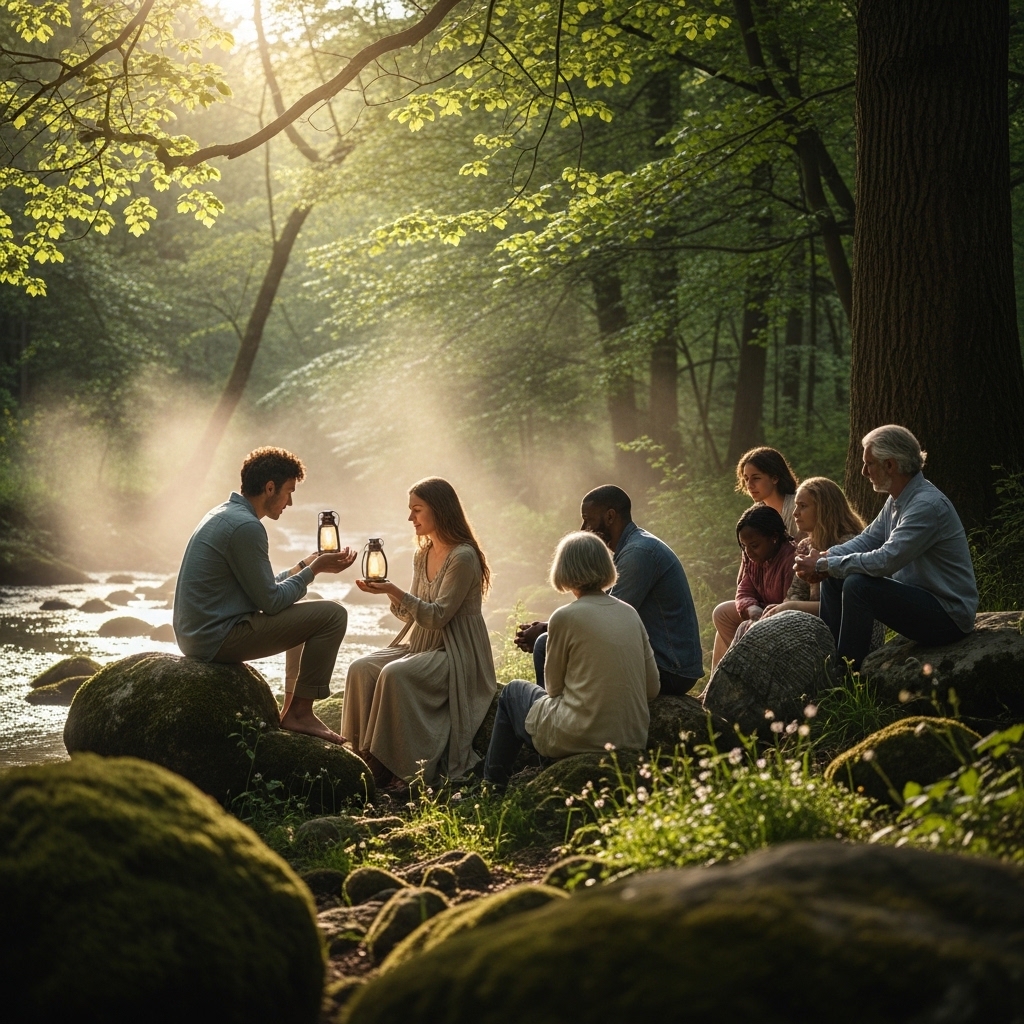
When I think about the soul, I envision it as the core of our being—the essence of who we are. Our souls encompass our thoughts, feelings, and aspirations. They hold our dreams and desires, and often, they whisper to us what we truly need. For me, connecting with my soul means tuning into those inner voices that guide me toward what matters most. It reminds me that I am more than just a machine working through tasks; I am a person with emotions and needs that deserve attention.
Many spiritual traditions emphasize the importance of nurturing the soul. This nurturing often requires slowing down. Fast living can cloud our intuition and drown out the subtle messages from within. When we allow ourselves the space to breathe, meditate, or simply be, we begin to hear our soul’s whispers more clearly. I’ve learned that the moments of stillness often lead to profound insights about my life’s purpose. Read Interesting article: Why Your Soul Chooses Hard Paths
What Does It Mean to Slow Down?
Slowing down doesn’t mean we stop living our lives or become unproductive. Instead, it’s about choosing to be intentional with our time and energy. For me, it’s about prioritizing quality over quantity. This can look like spending an afternoon with a good book instead of scrolling through social media or taking a leisurely walk instead of rushing to the next appointment. It’s about creating moments where I can genuinely connect with myself and others.
When we slow down, we allow ourselves to experience life in a more meaningful way. I remember a time when I felt overwhelmed by my to-do list. I decided to take a weekend off from my usual responsibilities. Instead, I went for a hike in the mountains. The fresh air, the sound of the leaves rustling, and the beauty of nature brought me back to a place of calm. It’s in these slower moments that I’ve found some of my most cherished memories.
Signs You Need to Slow Down
Sometimes, we don’t realize we need to slow down until we hit a wall. I’ve been there—burnt out and exhausted, unable to enjoy the things I used to love. Here are some signs that have helped me recognize when it’s time to take a breather:
- Constant Fatigue: If you find yourself feeling tired all the time, even after a full night’s sleep, it might be a signal that you need to slow down. I learned that my body responds when I push it too hard, and rest is crucial.
- Increased Irritability: When I’m overwhelmed, I tend to snap at loved ones or feel frustrated easily. Recognizing this behavior is the first step to understanding that I need a break.
- Lack of Focus: If I notice I can’t concentrate on tasks, it’s often because my mind is racing from one thing to another. A slower pace can help bring clarity back into my thoughts.
- Neglecting Self-Care: When I stop taking care of myself—skipping meals, ignoring exercise, or not engaging in hobbies—I know I need to reevaluate my pace of life.
- Physical Symptoms: Stress can manifest in physical ways, like headaches or stomach issues. I’ve learned to listen to my body and recognize that these signs are calls for me to slow down.
Being aware of these signs has been a game-changer for me. Instead of pushing through discomfort, I’ve started to treat my body and soul with the kindness they deserve. Slowing down has become a form of self-care, and I believe it’s something we all can benefit from.
As we continue this journey of understanding why our souls crave a slower pace, let’s explore the benefits that come from embracing this lifestyle. Slowing down can lead to a wealth of positive outcomes that enhance both our inner and outer worlds.
The Benefits of Slowing Down
Improved Mental Health
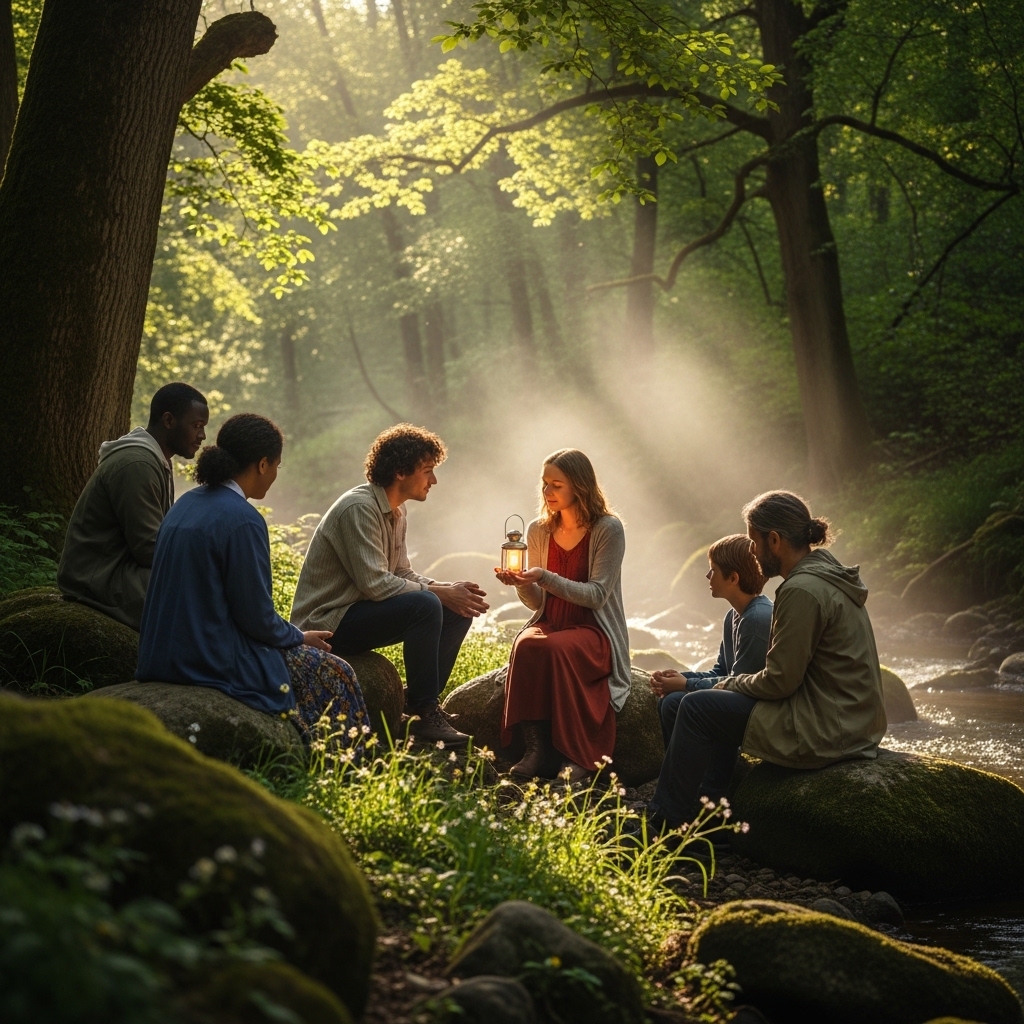
Slowing down has had a remarkable effect on my mental health. I used to be caught in a cycle of anxiety and stress, feeling like I was constantly racing against the clock. Once I started to prioritize a slower pace, I noticed significant changes. My mind became clearer, and I found it easier to manage overwhelming situations without spiraling into panic.
I remember a particularly hectic week when everything seemed to pile up. I decided to take just ten minutes each morning to sit quietly with my thoughts. That small act transformed my day. I felt more grounded and less reactive. Research backs this up; studies have shown that slowing down can lead to lower levels of anxiety and depression. I think we often underestimate how powerful just taking a moment to breathe can be for our mental well-being.
Enhanced Creativity and Productivity
I’ve noticed that when I slow down, my creativity flourishes. In the past, I believed that constant activity was the key to productivity, but that couldn’t be further from the truth. I’ve found that when I allow myself to step away from the hustle, my mind has the freedom to wander. This is when the best ideas come to me.
For instance, during a period of creative block, I decided to take a day off from my usual routine. I spent the day doodling, journaling, and exploring new hobbies. By the end of it, I not only felt revitalized but also came up with fresh ideas for my projects. Embracing stillness enables us to tap into our inner thoughts and inspirations that often get drowned out by the noise of daily life. I believe that the best work often emerges from moments of quiet reflection.
Deeper Connections with Others
Slowing down has also enriched my relationships. In our fast-paced world, it’s easy to get caught up in superficial interactions. I realized that by taking the time to truly connect with others, I was building deeper, more meaningful bonds.
When I prioritize quality time with friends and family, I find that I’m more present. I remember hosting a dinner for close friends recently. Instead of rushing through the meal, we lingered over our food, sharing stories and laughter late into the night. That night felt special because we were truly engaged with each other. I’ve learned that these moments of connection are what life is all about. When we slow down, we create space for deeper understanding and empathy in our relationships.
Physical Health Benefits
The benefits of slowing down extend to our physical health as well. I used to think that pushing myself harder in my workouts and daily activities was the way to stay healthy. However, after incorporating slower, more mindful practices, I’ve seen a significant improvement in my overall well-being.
I started practicing yoga and found it to be a beautiful way to connect with my body. The slow, deliberate movements helped ease tension and improved my flexibility. I also noticed that taking breaks throughout my day made a difference in my energy levels. Instead of feeling drained, I felt revitalized and more in tune with my body’s needs. Research supports this idea, showing that slowing down can lower blood pressure and reduce the risk of chronic illnesses.
Taking the time to care for my physical health has become a priority, and I believe it’s essential for everyone. Listening to my body and responding with kindness, rather than pushing through discomfort, has led to a healthier, happier me.
As we explore the numerous benefits of slowing down, it’s important to recognize that there can also be obstacles in our path to embracing a more leisurely pace. Understanding these barriers can help us navigate the challenges that may arise as we seek to slow down.
Barriers to Slowing Down
Societal Pressures
One of the biggest challenges I’ve faced in my journey to slow down is the overwhelming pressure from society to be constantly productive. We live in a culture that glorifies busyness, where the more we do, the more valued we feel. I recall times when I wore my busyness as a badge of honor, bragging about how little sleep I got or how much I accomplished in a day. But, as I began to reflect, I realized that this mindset only fueled my anxiety.
Friends, colleagues, and even social media constantly bombard us with messages that suggest if we aren’t hustling, we’re falling behind. I’ve had to consciously resist this societal narrative. It’s easy to compare ourselves to others and feel inadequate if we’re not constantly on the go. During my efforts to slow down, I had to remind myself that it’s okay to take a break and that rest is not a weakness but a necessity.
Breaking free from societal pressures isn’t easy, but I’ve found that surrounding myself with like-minded individuals who value balance has helped immensely. Their support has reinforced my commitment to a slower pace, allowing me to redefine what success means to me. Read Interesting article: Why Your Soul Won’t Let You Settle
Fear of Missing Out (FOMO)
Another hurdle I’ve encountered is the fear of missing out, commonly known as FOMO. I’ve felt this dread whenever I chose to decline an invitation or skip an event to focus on self-care. I remember a particular weekend when I chose to stay home and unwind instead of attending a friend’s party. The moment I hit ‘decline’ on the invitation, a wave of anxiety washed over me. “What if I miss something fun? What if people talk about it and I’m not included?”
This fear can be paralyzing, but I’ve learned that it is crucial to prioritize my well-being over social obligations. I gradually realized that the events I felt pressured to attend often contributed to my feeling of overwhelm. It became clear to me that missing out on a night of loud music and small talk was worth embracing the peace that came with a quiet evening at home.
Now, when I feel the pull of FOMO, I remind myself of the joy I find in solitude and the rejuvenation that comes from taking time for myself. I’ve discovered that when I do choose to participate in social events, I can be more present and engaged because I’m not drained from constant activity.
Overwhelm and Burnout
Overwhelm is another significant barrier to slowing down. I’ve been there—juggling too many responsibilities, feeling like I’m on the verge of collapse. It was during one of these chaotic phases that I truly understood the importance of recognizing my limits. I remember a time when I had back-to-back meetings, deadlines looming, and personal commitments piling up. It felt like I was drowning, and I couldn’t see a way out.
Burnout isn’t just about being tired; it’s a state of emotional, physical, and mental exhaustion. I’ve learned to identify the signs, like feeling drained and disengaged. When I hit that wall, the thought of slowing down seemed impossible. I felt guilty for not being productive, and that guilt only added to my stress.
However, overcoming this barrier required me to take a step back and assess my priorities. I began to practice saying “no” to tasks that didn’t serve my well-being. It was liberating, though initially daunting. By simplifying my responsibilities, I created space in my life for rest and reflection. I found that taking intentional breaks not only helped alleviate feelings of overwhelm but also allowed me to approach my tasks with renewed energy and focus.
Recognizing these barriers has been essential in my journey to embrace a slower pace. It’s not an easy path, but understanding these challenges helped me develop strategies to navigate them. Now, I feel more equipped to create a life that honors both my ambitions and my need for rest.
As we move forward, let’s explore some effective strategies that can help us embrace a slower pace in our daily lives. These techniques can empower us to cultivate habits that promote mindfulness and balance, allowing us to thrive rather than merely survive.
Frequently Asked Questions
Why is it essential to slow down?
Slowing down is crucial for mental, emotional, and spiritual well-being, allowing us to reconnect with ourselves and find clarity in a chaotic world.
What does the concept of the soul encompass?
The soul is envisioned as the core of our being, encompassing our thoughts, feelings, aspirations, dreams, and desires. It guides us toward what matters most in our lives.
How can I recognize when I need to slow down?
Signs that indicate the need to slow down include constant fatigue, increased irritability, lack of focus, neglecting self-care, and experiencing physical symptoms like headaches or stomach issues.
What are the mental health benefits of slowing down?
Slowing down can lead to improved mental health by reducing anxiety and stress, allowing for clearer thinking and better management of overwhelming situations.
How does slowing down enhance creativity and productivity?
When we slow down, our creativity flourishes as stepping away from constant activity allows our minds the freedom to wander, leading to fresh ideas and insights.
In what ways does slowing down improve relationships?
Slowing down enriches relationships by fostering deeper connections through intentional time spent with others, allowing for genuine engagement and understanding.
What physical health benefits can result from slowing down?
Slowing down can improve physical health by promoting practices like yoga, which eases tension and enhances flexibility, as well as lowering blood pressure and reducing the risk of chronic illnesses.
What societal pressures make it difficult to slow down?
Societal pressures glorify busyness, leading individuals to feel valued only when they are constantly productive, which can fuel anxiety and make it challenging to take time for rest.
How does fear of missing out (FOMO) affect the decision to slow down?
FOMO can create anxiety around choosing self-care over social obligations, making it difficult to prioritize well-being and leading to feelings of guilt about missing events.
What strategies can help overcome barriers to slowing down?
Effective strategies include recognizing personal limits, saying “no” to non-essential tasks, and creating intentional breaks in daily routines to allow for rest and reflection.