
Your soul often chooses hard paths to foster growth, learning, and deeper understanding of life. These challenging experiences, while painful, are essential for personal evolution and fulfilling our purpose.
Table of Contents
Understanding the Concept of Soul Choices
What is the Soul?
When I think about the soul, I imagine it as the essence of who we are—our thoughts, feelings, and the deepest parts of our identity. It’s not just a religious or philosophical concept; it represents our consciousness and the core of our being. I believe the soul is a compass guiding us through life’s journey, helping us navigate our experiences and choices. Each soul is unique, carrying its own lessons and missions, which can sometimes lead to unexpected challenges.
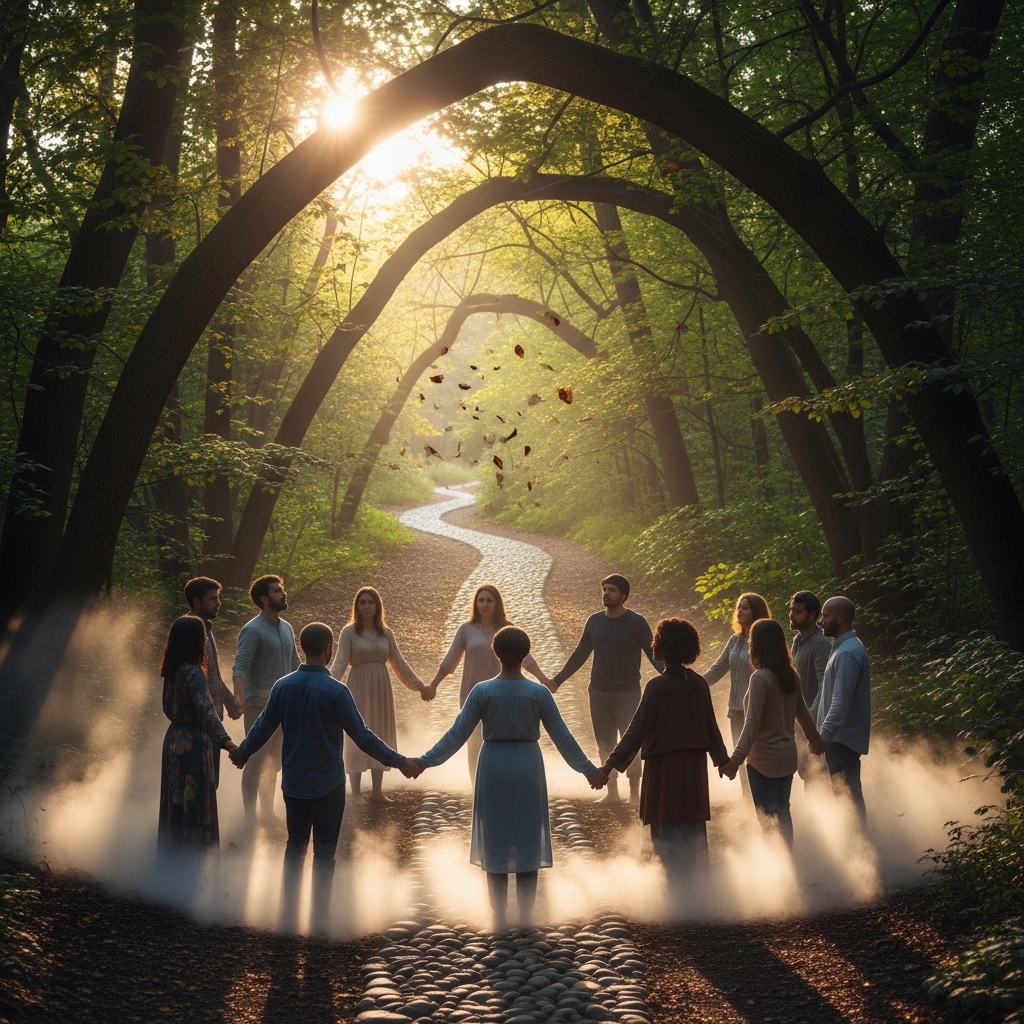
The Role of the Soul in Personal Growth
Personal growth has always been a journey for me, and I’ve come to realize that the soul plays a pivotal role in this process. The soul desires evolution and transformation, seeking experiences that push us beyond our comfort zones. Through my own life experiences, I’ve learned that the more I embrace challenges, the more I grow. Our souls encourage us to confront our fears and limitations, pushing us toward our true potential. This, I feel, is where personal growth and soul choices intersect.
How Soul Choices Affect Life Paths
My journey has shown me that every choice we make, guided by our soul, directly influences our life path. I’ve often asked myself why certain events occur in my life, especially the hard ones. Through reflection, I’ve realized that my soul chooses these paths because they serve a greater purpose—teaching me lessons, strengthening my character, and leading me toward my destiny. Each twist and turn, every obstacle faced, seems to align with my soul’s mission, shaping my experiences and perspectives in profound ways.
The Nature of Hard Paths

Defining ‘Hard Paths’: Challenges and Struggles
Hard paths are often defined by struggles, obstacles, and challenges that can feel overwhelming. I remember a time when I faced a particularly difficult situation—whether it was a personal loss, a career setback, or a health issue. These hard paths are not just about the hardships themselves, but about how we respond to them. They can include anything from enduring a tough breakup to navigating a significant health crisis. In my experience, these moments force us to dig deep and discover strengths we didn’t know we had.
Examples of Hard Paths in Life
Throughout my life, I’ve encountered various hard paths that have shaped who I am today. For instance, I’ve seen friends struggle with addiction, battles with mental health, or financial crises that seemed insurmountable. Each story is unique, yet they all share a common thread: the struggle to overcome adversity. I’ve learned that these experiences can be profound turning points, offering lessons that resonate long after the challenges have passed. Recognizing these hard paths in ourselves and others can foster a sense of shared humanity and understanding.
The Spiritual Perspective on Hardships
From a spiritual perspective, hardships are often seen as necessary for growth. I’ve found that many philosophies and teachings suggest that our souls choose these experiences to evolve. This idea was a revelation for me. It shifts the narrative from simply enduring pain to embracing it as part of a greater journey. Through my own lens, I’ve come to appreciate that every moment of struggle holds a lesson, encouraging us to rise above and find our true selves. This perspective has helped me cultivate a deeper sense of peace and acceptance when faced with life’s challenges.
Reasons Your Soul Chooses Hard Paths
Lessons Learned from Adversity
Adversity often teaches us lessons that comfort and ease cannot. In my life, I’ve learned that when I faced challenges, I gained insights that shaped my worldview. For example, facing a significant loss made me more appreciative of the relationships I have. I believe that these lessons are integral to our soul’s development, as they push us to reflect, adapt, and ultimately grow. Adversity has a way of crystallizing what truly matters in life, helping us prioritize our values and aspirations.
Building Resilience and Strength
I can attest to the fact that every time I faced a hard path, I emerged stronger and more resilient. Resilience is like a muscle; the more we use it, the stronger it gets. My experiences have taught me that enduring hardships fosters adaptability and grit. When I look back at the challenges I’ve faced, I see how they have cultivated a strength within me that I didn’t know I possessed. This resilience not only helps us navigate future hardships but also enables us to support others in their struggles. There’s a certain empowerment that comes from overcoming obstacles, and I think that’s part of what our souls seek.
Fulfilling Life Purpose and Destiny
Many times, I’ve felt that my soul has a purpose beyond my immediate understanding. I’ve often wondered if the hard paths I’ve traveled are steps toward fulfilling my destiny. I’ve seen how these challenges have aligned with my personal growth, steering me toward my true calling. Each struggle has prompted me to explore my passions and pursue paths I may have avoided otherwise. This connection between hardship and purpose feels like a thread woven into the fabric of my life, leading me to discover who I am meant to be.
Creating Empathy and Compassion
One of the most profound lessons I’ve learned from facing hard paths is the ability to empathize and connect with others. My own struggles have opened my heart to the struggles of those around me. I’ve noticed that when we experience pain, it allows us to relate to others on a deeper level. This shared human experience fosters compassion, encouraging us to support each other in our journeys. I believe that this empathy is essential for building a more connected and understanding world.
Facilitating Spiritual Awakening
In my experience, hardships often serve as catalysts for spiritual awakening. I remember times when I felt lost or disconnected, only to emerge from the struggle with a renewed sense of purpose and clarity. These moments can act as wake-up calls, prompting us to reevaluate our lives and priorities. Through challenges, I’ve discovered a deeper connection to my spiritual self, which has been transformative. I think many people can relate to the idea that sometimes we need to hit rock bottom before we can rise to a higher level of understanding.
Common Hard Paths and Their Lessons
Health Challenges
I think health challenges are some of the most difficult paths we can walk. I remember a friend of mine who went through a serious illness that shook her world. It forced her to slow down and reevaluate her life priorities. Through her struggle, she learned the importance of self-care and the value of mental health. I’ve seen how such challenges can bring about awareness that we often overlook in our busy lives. They remind us of our fragility and the need to cherish our well-being. I believe these experiences teach us not just about our physical health but also about resilience and the strength of the human spirit.
Loss and Grief
Loss and grief are incredibly profound experiences that can leave us feeling lost and broken. I remember when I lost a loved one; it felt like my world had crumbled. In the aftermath of that pain, I stumbled upon unexpected lessons. Grief taught me about the depth of love and the importance of cherishing every moment. It’s a reminder that life is fleeting, and we should treasure our relationships. I’ve learned that grieving is a personal journey, one that can foster empathy and understanding toward others who are also navigating their own losses. Our shared experiences of grief can create a bond that transcends words.
Relationship Struggles
Relationship struggles can be incredibly challenging, but they often lead to significant personal growth. I’ve had my share of rocky relationships, and each one taught me something unique about myself. Through heartbreak and conflict, I discovered the importance of communication, boundaries, and self-love. I remember a particular relationship that ended badly; it forced me to confront my insecurities and examine what I truly wanted in a partner. These struggles often highlight our patterns and beliefs, pushing us to reevaluate our relationship choices. Ultimately, I found that these lessons have helped me foster healthier connections in the long run.
Financial Hardships
Financial hardships can feel like an insurmountable mountain at times. I’ve experienced periods where money was tight, and it forced me to rethink my priorities and values. Looking back, I see how those tough times taught me about budgeting, saving, and the importance of living within my means. I learned to appreciate the little things in life, realizing that happiness doesn’t stem from material possessions. It’s incredible how such challenges can cultivate creativity and resourcefulness. I believe financial struggles can also lead to greater empathy for those in similar situations, fostering a sense of community and support.
Career Obstacles
Career obstacles are another significant hard path that many of us face. I remember feeling stuck in a job that didn’t fulfill me, and it was frustrating. I often questioned my abilities and future prospects. However, this feeling of stagnation pushed me to explore new opportunities and develop new skills. I’ve found that setbacks in our careers can lead to unexpected growth, helping us discover our true passions and paths. These experiences can be humbling, reminding us that success is often built on failures. Each obstacle is a stepping stone that helps clarify our goals and aspirations.
The Impact of Hard Paths on Personal Development
Transformative Experiences Through Struggle
Every hard path I’ve faced has been a catalyst for transformation. I can think of several experiences that initially felt unbearable but ultimately led to profound change. For example, I once experienced a major setback in my career that forced me to reassess my skills and passions. It was during this struggle that I found a deeper sense of purpose and direction. I’ve learned that the most transformative experiences often come from the hardest struggles. They help us shed old layers and emerge as stronger, more authentic versions of ourselves.
How Hard Paths Shape Character and Identity
Hard paths have a unique way of shaping our character and identity. I’ve noticed that when I look back at the struggles I’ve faced, I can see how each challenge has contributed to my growth. The resilience I’ve built and the lessons I’ve learned have become integral parts of who I am. I believe that hardships reveal our true selves and help us cultivate qualities like patience, empathy, and determination. They often encourage us to become more compassionate and understanding, not just toward ourselves but toward others who are struggling.
The Role of Community and Support Systems
Having a support system during hard paths can make all the difference. I’ve always found solace in the people around me—friends and family who provided encouragement and understanding. I think that community plays a vital role in navigating life’s challenges. When we share our struggles, it lightens the burden and reminds us that we are not alone. I’ve seen how strong connections with others foster resilience and provide a sense of belonging. I believe that lifting each other up during difficult times can create a powerful ripple effect, encouraging us all to grow and heal together.
Finding Meaning in Hard Paths
Creating a Personal Narrative
Finding meaning in our hard paths can sometimes feel like a daunting task. I remember grappling with the question of “Why me?” during my toughest moments. But over time, I discovered that creating a personal narrative around my struggles helped me see them in a new light. By reflecting on my experiences and weaving them into my story, I was able to reframe the narrative from one of victimhood to one of resilience and growth. This shift in perspective not only empowered me but also allowed me to share my journey with others, creating connections and fostering understanding. I think that when we take the time to articulate our hardships, we can uncover the lessons and insights that lie within them, transforming our pain into a powerful narrative of survival and strength.
Practices for Reflection and Growth
In my journey to find meaning in hard paths, I’ve found that engaging in reflective practices can be incredibly helpful. Journaling has become a vital part of my routine. Putting pen to paper allows me to process my thoughts and feelings, helping me gain clarity on my experiences. I’ve also tried meditation, which provides space to sit with my emotions and cultivate mindfulness. These practices have helped me recognize patterns in my struggles and identify the lessons that have emerged. I believe that carving out time for self-reflection can lead to profound insights, guiding us on our paths of personal growth.
Transforming Pain into Purpose
I’ve come to realize that pain can be a powerful catalyst for purpose. In my life, some of the most challenging situations have sparked a desire to help others. For instance, after enduring a tough breakup, I felt compelled to support friends who were navigating their own relationship struggles. This sense of purpose brought a new dimension to my pain, transforming it into something meaningful. I think many of us have the capacity to turn our hardships into a source of inspiration for others. When we share our stories and lessons learned, we can uplift those who may be facing similar challenges, creating a ripple effect of healing and support.
Overcoming the Challenges of Hard Paths
Mindfulness and Self-Compassion Techniques
When I faced particularly difficult times, I found that practicing mindfulness and self-compassion was essential. Mindfulness helped me stay present and avoid getting overwhelmed by negative thoughts. I remember sitting quietly, focusing on my breath, and allowing myself to feel whatever emotions arose without judgment. This practice taught me that it’s okay to experience pain and that being gentle with myself during tough times is crucial. Self-compassion has become a guiding principle for me; I’ve learned to treat myself with the same kindness I would offer to a friend. This shift has made a significant difference in how I navigate my struggles, fostering resilience and a sense of inner peace.
Seeking Professional Guidance and Support
There have been moments in my life when I realized I couldn’t do it alone. Seeking professional guidance made a world of difference. I remember reaching out to a counselor during a particularly challenging phase, and it was a game-changer. Talking to someone who could provide an objective perspective helped me untangle my feelings and gain clarity on my experiences. I believe that seeking help is a sign of strength, not weakness. Professional support can equip us with tools and strategies to cope with our challenges, ensuring we don’t have to navigate our hard paths in isolation.
Building a Support Network
Having a support network has been invaluable in my journey. I’ve learned that surrounding myself with understanding and compassionate individuals can make a significant difference when facing hard paths. Whether it’s friends, family, or support groups, having people to lean on during tough times provides comfort and encouragement. I’ve found that sharing my experiences with others fosters a sense of connection and solidarity. When we come together to support each other, we create a powerful community that helps us heal and grow. I think it’s essential to cultivate these connections, as they remind us that we are never truly alone in our struggles.
Frequently Asked Questions
“`html
What is the soul, according to the article?
The soul is described as the essence of who we are—our thoughts, feelings, and the deepest parts of our identity. It represents our consciousness and serves as a compass guiding us through life’s journey.
How does the soul influence personal growth?
The soul plays a pivotal role in personal growth by desiring evolution and transformation, seeking experiences that push us beyond our comfort zones. Embracing challenges leads to growth and helps us confront our fears and limitations.
What are ‘hard paths’ in life?
Hard paths are defined by struggles, obstacles, and challenges that feel overwhelming. They can include personal losses, career setbacks, health issues, and more, forcing individuals to discover strengths they didn’t know they had.
How can hardships contribute to personal development?
Hardships can catalyze transformative experiences, shape our character and identity, and reveal our true selves. Each challenge contributes to resilience, empathy, and understanding, fostering personal growth.
What lessons can be learned from adversity?
Adversity teaches valuable lessons that comfort cannot, such as the importance of appreciating relationships, crystallizing priorities, and pushing us to reflect and grow in meaningful ways.
How can community support impact one’s journey through hard paths?
A support system can make a significant difference by providing encouragement and understanding, which lightens the burden of struggles and fosters resilience through shared experiences.
What practices can help find meaning in hard paths?
Engaging in reflective practices, such as journaling and meditation, can help individuals process their experiences, gain clarity, and uncover lessons learned from struggles, thus finding meaning in them.
Why is self-compassion important during difficult times?
Practicing self-compassion allows individuals to treat themselves with kindness during tough times, fostering resilience and a sense of inner peace while acknowledging their pain without judgment.
How do financial hardships contribute to personal growth?
Financial hardships can teach valuable lessons about budgeting, saving, and appreciating non-material aspects of life, fostering creativity, resourcefulness, and empathy for others facing similar challenges.
What role does professional guidance play in overcoming challenges?
Seeking professional guidance can provide individuals with objective perspectives and coping strategies, helping them navigate their hard paths more effectively and ensuring they don’t have to face challenges in isolation.
“`