
Spirituality without healing often becomes cold and unfulfilling, as it lacks the warmth of emotional connection and personal growth. I’ve seen this in my own journey, where neglecting healing left my spiritual practices feeling empty and disconnected. Read Interesting article: The Lie of Instant Healing
Understanding Spirituality
Definition of Spirituality
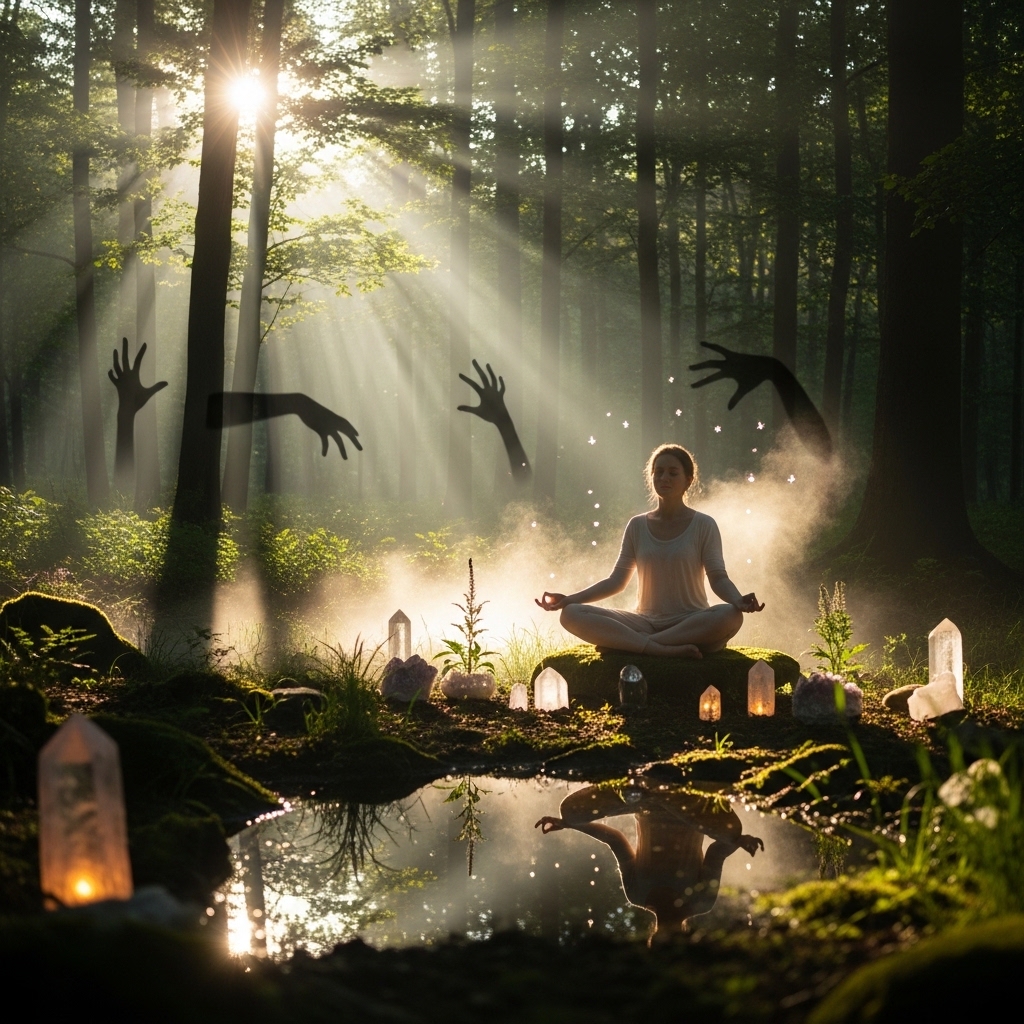
Spirituality is a deeply personal journey that often involves seeking a connection to something greater than ourselves. For me, it’s been about exploring my purpose, understanding the universe, and connecting with my innermost self. It isn’t tied to any one religion; instead, it encompasses a wide range of beliefs and practices that can lead to a sense of peace, purpose, and belonging. Some may find spirituality through meditation, nature, or community, while others connect through prayer or rituals. The essence of spirituality is that it invites us to explore life’s deeper questions and our place in the grand tapestry of existence.
Different Forms of Spirituality
There are so many forms of spirituality, and I’ve come to appreciate that each person’s path is unique. Some of the more common forms include traditional religious practices, New Age beliefs, indigenous spiritual practices, and personal spirituality that combines various elements. For instance, I’ve dabbled in yoga and meditation, which opened up new dimensions of understanding for me. Others might find their spirituality in art, music, or even in the silence of nature. Each path offers various insights and experiences that contribute to personal growth and understanding.
The Role of Spirituality in Personal Growth
Spirituality plays a crucial role in personal growth. When I embarked on my spiritual journey, I found that it pushed me to confront my fears, limitations, and past traumas. Through this process, I learned to embrace vulnerability and authenticity. Spirituality can encourage self-reflection and awareness, helping us to develop a better understanding of our emotions and behaviors. It can inspire us to be more compassionate and empathetic, not just towards ourselves but also towards others. However, without the essential component of healing, our spiritual journey may stagnate, leading to feelings of emptiness and detachment. Read Interesting article: Myth: Spirituality Means Being “Nice”
The Connection Between Spirituality and Healing
SBAG_IMG_6982778d1466f
What is Healing?
Healing is a multifaceted process that goes beyond just the physical. It encompasses emotional, mental, and spiritual aspects as well. Through my experiences, I’ve come to believe that healing is about restoring balance and wholeness. It’s about addressing wounds—whether they’re from past traumas, emotional turmoil, or spiritual disconnection. Healing allows us to release negative patterns and feelings that can weigh us down, making space for joy, love, and fulfillment in our lives. I remember a time when I carried emotional baggage that clouded my spiritual practices; once I began to heal, everything changed.
Different Types of Healing: Physical, Emotional, and Spiritual
In my journey, I’ve encountered various types of healing, and each one plays a vital role. Physical healing is often the most recognized, encompassing treatments for illnesses or injuries. Emotional healing, however, is often more subtle and can involve addressing deep-seated feelings like grief, anger, or fear. Spiritual healing, on the other hand, focuses on restoring one’s connection to self and the universe. I’ve found that the more I healed emotionally, the more I could embrace spiritual practices like meditation and mindfulness. Integrating all three forms of healing can create a holistic approach to one’s well-being.
How Healing Complements Spiritual Practices
Healing complements spiritual practices beautifully, creating a nurturing environment for growth. When I started incorporating healing into my spirituality, I noticed profound shifts. It was like clearing away the fog that had clouded my view of myself and the world. Without healing, I often felt stuck in my spiritual practices, repeating the same rituals without deeper understanding or connection. However, when I began to address my emotional wounds, my meditation sessions became richer, and my connection to the universe felt more alive. Healing allows us to approach spirituality with an open heart and mind, making our practices more meaningful and fulfilling. Read Interesting article: How to Handle Spiritual Awakening Without Losing Yourself
Signs of Cold Spirituality
Emotional Detachment
One of the first signs I noticed when spirituality lacks the warmth of healing is emotional detachment. It’s almost like being a spectator in my own life, observing my feelings rather than truly experiencing them. I remember a time when I was going through the motions of my spiritual practices, but I felt disconnected from my emotions. I would meditate, read spiritual texts, and engage in rituals, yet deep down, I was numb to my feelings. This detachment made it difficult to connect with others, and I often found myself feeling alone in a crowded room. I realized that genuine spirituality should foster emotional awareness, not numbness. When I began to truly embrace my emotions, I found a deeper connection with myself and the world around me.
Lack of Compassion and Empathy
Another sign of cold spirituality is a noticeable lack of compassion and empathy towards others. I’ve seen this in myself and in some people I’ve encountered on my journey. It’s as if the focus on personal enlightenment can sometimes overshadow the importance of human connection. I remember attending a spiritual gathering where the discussions centered around higher consciousness and self-realization, but the atmosphere felt cold. There was little room for vulnerability or sharing personal struggles. In my experience, true spirituality thrives in compassion. When I started to heal my emotional wounds, I noticed my ability to empathize with others blossomed. I could feel their pain and joy, and this connection enriched my spiritual practice immensely.
Increased Cynicism and Skepticism
Cynicism and skepticism are other red flags that indicate a disconnect between spirituality and healing. I’ve found that when people are not healing, they often develop a critical lens through which they view spiritual practices. I used to feel this way—questioning the sincerity of others’ experiences, dismissing practices that seemed too ‘woo-woo,’ or simply rolling my eyes at the mention of spiritual concepts. This skepticism can be a defense mechanism against facing one’s own unresolved issues. However, I learned that embracing vulnerability and openness can lead to a more profound understanding of spirituality. As I healed, I became more curious and less judgmental. I started to explore different beliefs and practices with an open heart, which enriched my spiritual journey.
Consequences of Spirituality Without Healing
Stagnation in Personal Growth
When spirituality exists without healing, stagnation in personal growth can become apparent. I experienced this firsthand; it felt like I was stuck on a treadmill, moving but not going anywhere. Spiritual practices can sometimes provide a sense of comfort, but without addressing underlying issues, we can end up in a cycle of repetition. I realized that I was avoiding confronting my fears and traumas, thinking that meditation alone would help me transcend them. However, as I delved into healing, I noticed that my growth accelerated. Healing allowed me to break free from limiting beliefs and embrace new opportunities for personal development. I’ve learned that personal growth requires both spiritual exploration and emotional healing.
Disconnection from Self and Others
Another consequence of engaging in spirituality without a healing component is the disconnection from both ourselves and others. For a long time, I felt disconnected from my own feelings and the people around me. I would go on spiritual retreats and yet feel isolated, unable to share my true self with others. I remember feeling like an imposter, as if I was failing to embody the very principles I was trying to live by. However, once I began my healing journey, I started reconnecting with myself and others. I learned that sharing my struggles and vulnerabilities opened doors to deeper connections. When we heal, we cultivate authenticity, which fosters genuine relationships.
Inability to Cope with Life Challenges
Lastly, the inability to cope with life’s challenges is a significant consequence of spirituality without healing. I’ve faced my fair share of challenges, and during those times, I found myself floundering without the support of emotional healing. Situations that seemed manageable during my spiritual practices became overwhelming when I was confronted with adversity. I learned that spiritual practices can offer guidance and comfort, but without a foundation of healing, I lacked the tools necessary to navigate life’s ups and downs. By integrating healing into my spiritual journey, I developed resilience and a deeper understanding of how to cope with challenges effectively. I now view obstacles as opportunities for growth, rather than insurmountable barriers.
How to Integrate Healing into Spiritual Practices
Mindfulness and Meditation Techniques
Integrating healing into spirituality can start with mindfulness and meditation techniques. I’ve found mindfulness to be a powerful tool for becoming aware of my thoughts and feelings, allowing me to process them in real-time. When I practice mindfulness, I focus on being present in the moment and acknowledging my emotions without judgment. This practice has helped me connect my spiritual journey with emotional healing. For instance, I often use guided meditations that focus on healing my inner child or releasing past traumas. These techniques have made my meditation sessions richer and more transformative.
Holistic Approaches: Body, Mind, and Spirit
Adopting holistic approaches that address the body, mind, and spirit can also greatly enhance our spiritual practices. I’ve discovered that incorporating activities such as yoga, breathwork, and even creative expression can bridge the gap between healing and spirituality. When I engage in yoga, I not only connect with my body but also create space for emotional release. I often find that the physical movement helps me unlock emotions that I didn’t even realize I was holding onto. This holistic approach has led to a more integrated experience of healing and spirituality, making my journey feel more complete.
Seeking Professional Help: Therapists and Healers
Sometimes, the best way to integrate healing into our spiritual practices is to seek professional help. I know that reaching out for support can feel daunting, but therapists and healers can provide invaluable guidance. I’ve worked with therapists who specialize in spiritual growth, and their insights have been transformative. They helped me navigate my emotional landscape while encouraging my spiritual exploration. I’ve also met healers who integrate various modalities, such as energy healing or sound therapy, which resonated deeply with my spiritual journey. Seeking help can be a sign of strength and a crucial step toward true healing and connection.
Personal Stories and Testimonials
Case Studies of Spiritual Awakening Through Healing
I love hearing the stories of others who have traversed similar paths to mine. Each narrative is like a thread, weaving a rich tapestry of shared experiences that highlight the profound connection between spirituality and healing. One tale that resonates with me is that of a friend, Sarah, who struggled with anxiety for years. She sought solace in meditation and yoga, yet felt like she was just skimming the surface. It wasn’t until she began attending therapy that things started to shift. Through her sessions, she confronted childhood traumas that had long been locked away in the recesses of her mind. As she began to heal, her meditation practice transformed. She reported feeling more grounded and connected during her sessions. It was as if the fog had lifted, and she could finally experience the depth of her spirituality. For Sarah, healing was the missing piece that allowed her spiritual awakening to flourish.
Another inspiring example is that of Michael, who was once deeply immersed in a rigid spiritual practice that left him feeling constrained. He followed every rule religiously, believing that strict adherence would lead him to enlightenment. However, he felt increasingly disconnected from himself and his emotions. After attending a retreat focused on emotional healing, Michael learned to embrace his vulnerabilities and let go of the need for perfection. This was a turning point for him. He discovered that true spirituality thrives in authenticity, and instead of rigid practices, he began to explore what felt right in each moment. This opened the door to a more fluid and enriching spiritual journey, where healing became a source of strength rather than a hindrance.
Interviews with Healers and Spiritual Guides
I’ve always been curious about the perspectives of those who guide others on their spiritual journeys. Recently, I had the pleasure of interviewing a healer named Tara, who combines energy healing with traditional therapy. Tara shared her belief that healing and spirituality are inseparable. She pointed out how many of her clients come in with spiritual questions but leave with a newfound understanding of their emotional wounds. Her approach emphasizes the importance of addressing these wounds, as they often block spiritual growth. I remember her saying, “When we clear the emotional debris, we allow the light of our spirit to shine through.” This resonated with my own journey, where I found that addressing my emotional baggage opened me up to a more profound spiritual experience.
During another interview with a spiritual guide, Jacob, I learned about the significance of rituals in the healing process. He uses rituals to help people mark their healing journeys and connect with their spirituality. Jacob emphasizes that these rituals can vary widely—from lighting a candle to symbolize letting go to engaging in nature walks as a form of grounding. He shared a particularly moving story about a client who created a ritual around releasing grief after the loss of a loved one. By honoring that grief through a personalized ceremony, the client found a deeper connection to their spirituality and ultimately discovered a sense of peace. Jacob believes that rituals serve as a bridge between healing and spiritual exploration, allowing individuals to honor their experiences while moving forward.
Listening to these stories has reinforced my belief that healing is a unique and personal experience for everyone. I think it’s essential for us to share these journeys, as they remind us that we are not alone in our struggles. Each story also shines a light on the myriad ways we can integrate healing into our spiritual practices, making our journeys richer and more meaningful.
Resources for Further Exploration
Books on Spirituality and Healing
As I dove deeper into the world of healing and spirituality, I discovered countless books that offered invaluable insights. One of my all-time favorites is “The Untethered Soul” by Michael A. Singer. This book beautifully explores the journey of self-discovery and the importance of letting go of emotional baggage. Another gem is “Healing the Shadow” by John D. Lee, which delves into the interplay between our shadow selves and spiritual growth. These books not only provided me with guidance but also helped me feel more connected to others who are on a similar path.
Online Courses and Workshops
Taking part in online courses and workshops has also been a pivotal part of my journey. I’ve taken workshops on mindfulness, emotional healing, and even spiritual writing. I found that platforms like Udemy and Coursera offer a variety of courses that cater to different aspects of spirituality and healing. Participating in these workshops has allowed me to learn from experts and connect with a community of like-minded individuals. Whether it’s a course on meditation or a workshop focused on intuitive healing, these resources have enriched my understanding and practice.
Support Groups and Communities
Finding support groups has been another essential step in my journey. Connecting with others who share similar experiences has provided a safe space for sharing and growth. I’ve joined online forums and local meet-ups that focus on spiritual healing, allowing me to learn from others and share my story. These communities have fostered friendships and support systems that are invaluable. I believe that engaging with others in a supportive environment can significantly enhance our spiritual and healing journeys, reminding us that we are not alone in our struggles.
Frequently Asked Questions
What is the definition of spirituality?
Spirituality is a deeply personal journey that often involves seeking a connection to something greater than ourselves. It encompasses a wide range of beliefs and practices that can lead to a sense of peace, purpose, and belonging, inviting us to explore life’s deeper questions and our place in existence.
How does spirituality contribute to personal growth?
Spirituality plays a crucial role in personal growth by encouraging self-reflection, awareness, and the confrontation of fears and limitations. It inspires authenticity and compassion, helping us understand our emotions and behaviors better. However, personal growth may stagnate without the essential component of healing.
What is healing in the context of spirituality?
Healing is a multifaceted process that encompasses emotional, mental, and spiritual aspects, aiming to restore balance and wholeness. It involves addressing wounds from past traumas, emotional turmoil, or spiritual disconnection, allowing for the release of negative patterns and feelings, making space for joy and fulfillment.
What are the signs of cold spirituality?
Signs of cold spirituality include emotional detachment, a lack of compassion and empathy towards others, and increased cynicism and skepticism. These signs indicate a disconnect between spirituality and healing, making it difficult to connect genuinely with oneself and others.
What are the consequences of practicing spirituality without healing?
Practicing spirituality without healing can lead to stagnation in personal growth, disconnection from oneself and others, and an inability to cope with life’s challenges. Without addressing underlying issues, spiritual practices may become repetitive and unfulfilling.
How can one integrate healing into spiritual practices?
Integrating healing into spiritual practices can start with mindfulness and meditation techniques, adopting holistic approaches that address body, mind, and spirit, and seeking professional help from therapists and healers. These methods create a nurturing environment for growth and deeper connection.
What role do mindfulness and meditation play in healing?
Mindfulness and meditation techniques help individuals become aware of their thoughts and feelings in real-time, allowing for emotional processing. Guided meditations focusing on healing inner wounds can enrich spiritual practices and make them more transformative.
How can support groups enhance the spiritual and healing journey?
Support groups provide a safe space for sharing and growth, allowing individuals to connect with others who share similar experiences. Engaging with a supportive community fosters friendships and support systems that are invaluable to one’s spiritual and healing journeys.
What types of healing are mentioned in the article?
The article mentions three types of healing: physical healing, which encompasses treatments for illnesses or injuries; emotional healing, which addresses deep-seated feelings; and spiritual healing, which focuses on restoring one’s connection to self and the universe.
What resources are available for further exploration of spirituality and healing?
Resources for further exploration include books on spirituality and healing, online courses and workshops, and support groups and communities. These resources can provide guidance, enhance understanding, and connect individuals with like-minded individuals on similar journeys.