
Spirituality can sometimes shift into ego when personal growth leads to a sense of superiority or exclusivity. This transformation often occurs when individuals become attached to spiritual identities, practices, or communities, which can cloud their true intentions.
Understanding Spirituality
Definition of Spirituality
Spirituality, for me, has always been a personal journey—a quest to connect with something larger than myself. I’ve come to realize that spirituality encompasses a wide range of beliefs and practices focused on the essence of being. It’s about seeking meaning, purpose, and connection, whether that’s through nature, the universe, or a higher power. While spirituality can be deeply personal, it often emphasizes experiences beyond the material world and encourages introspection and growth. For those interested in the intersection of spirituality and religion, Does Spirituality Go against Christianity: Exploring the Conflict may provide valuable insights.
Historical Context of Spirituality
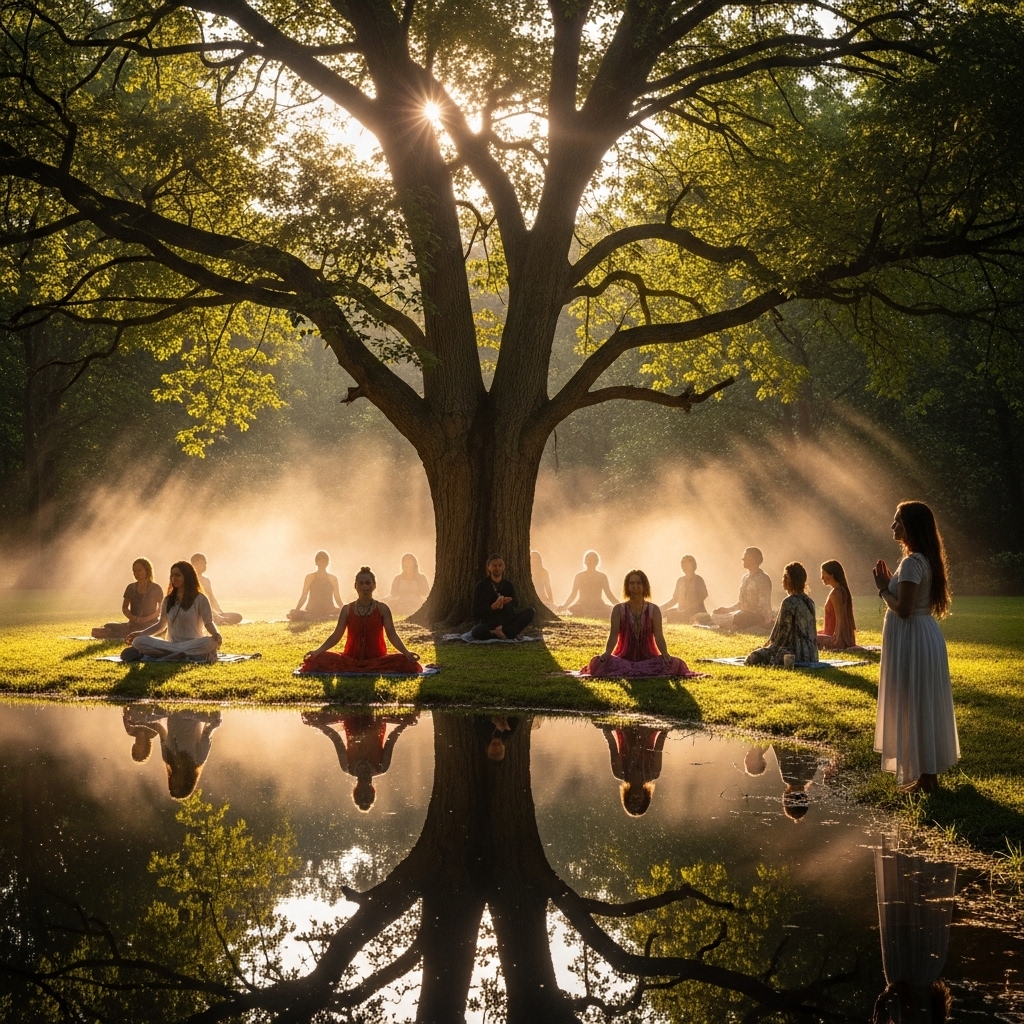
Throughout history, spirituality has manifested in various forms across different cultures. I remember reading about ancient civilizations that incorporated ritualistic practices to connect with the divine. These traditions, from Native American spiritualism to Eastern philosophies like Buddhism and Hinduism, illustrate how humanity has sought answers to existential questions for millennia. As we’ve evolved, so too has our understanding of spirituality, adapting to societal changes and personal experiences. This historical context enriches my understanding, reminding me that spirituality is not just a modern phenomenon; it’s embedded in the fabric of human existence.
Spirituality vs. Religion
Often, people conflate spirituality and religion, but they are not the same. I’ve found that spirituality is more about personal exploration, whereas religion typically involves structured beliefs and community practices. For instance, I’ve engaged in various spiritual practices that don’t necessarily align with any organized religion. I think this distinction is important because it can lead to a more individualized spiritual path. While religion offers community and tradition, spirituality allows for a more fluid and personal connection to the divine or universal consciousness.
The Nature of Ego
SBAG_IMG_698262790fae4
What is Ego?
The ego, in my experience, is often seen as the self or the identity we project to the world. Psychologically, it’s our sense of self-importance, shaping how we perceive ourselves and how we relate to others. I’ve learned that the ego can be a double-edged sword; it helps us navigate the world but can also lead to feelings of separation and competition. When I reflect on my own journey, I realize that the ego can sometimes drive us away from genuine connection and into a more isolating mindset, especially when it becomes inflated.
Types of Ego: Healthy vs. Unhealthy
Understanding the different types of ego has been enlightening for me. A healthy ego fosters self-confidence and allows us to assert our needs and desires. It helps build our identity and can encourage personal growth. However, an unhealthy ego often manifests as arrogance, defensiveness, or a desperate need for validation. I’ve seen this unhealthy ego take root in myself and others, especially when we become overly attached to achievements or status. This distinction is crucial because recognizing the nature of our ego can be the first step in transforming it. For a deeper exploration of how spiritual ego can hinder growth, check out How Spiritual Ego Destroys Your Growth (Quietly).
The Role of Ego in Personal Identity
The ego plays a significant role in shaping our personal identity. I think about how my experiences, beliefs, and relationships have all contributed to my sense of self. It’s fascinating yet complex; our ego can help us feel grounded in our identity, but it can also create barriers between us and others. Sometimes, I’ve found myself judging others based on their beliefs or practices, thinking that my spiritual journey was somehow superior. This realization has been humbling, as I’ve come to understand that a healthy sense of ego should allow for compassion and connection rather than separation.
How Spiritual Practices Influence Ego
Meditation and Mindfulness
When I first started practicing meditation, I hoped it would help me connect with my inner self. I soon discovered that meditation can also expose the ego. As I sat in silence, I noticed thoughts and feelings bubbling up, often revealing my insecurities and fears. This awareness was eye-opening; I realized that meditation isn’t just about finding peace but also about understanding the nature of my thoughts. I learned that through mindfulness, I could observe my ego without judgment, allowing me to cultivate a more authentic self and recognize when my spirituality started to drift into ego-driven territory.
Yoga and Physical Practices
Practicing yoga has been another avenue for me to explore the intersection of spirituality and ego. I remember my first yoga class, feeling both intimidated and excited. As I moved through the poses, I felt a connection between my body and breath, which was deeply spiritual. However, I also noticed moments where I became competitive with myself and others in the class. This realization made me aware of how easily I could slip into an ego-driven mindset, striving for perfection rather than presence. Yoga taught me to embrace my limitations and cultivate self-acceptance, reminding me that spirituality thrives in humility.
Spiritual Communities and Their Impact
Joining spiritual communities has been an enriching experience, yet I’ve also seen how they can sometimes foster ego. In one group I participated in, I noticed some individuals seemed more focused on their status within the community than genuine connection. I think this highlights a crucial point: while community can enhance our spiritual journey, it can also lead to comparisons and competition. I’ve learned to approach spiritual communities with an open heart, seeking connection rather than validation. This awareness helps me navigate the space between spirituality and ego, fostering an environment of support rather than rivalry.
Signs That Spirituality is Turning into Ego
Heightened Sense of Superiority
One of the first signs I noticed that spirituality might be veering into ego territory is a heightened sense of superiority. There have been moments when I felt more enlightened than others, thinking my practices or beliefs made me somehow better. I remember attending a workshop where I couldn’t help but judge those who seemed less informed about spiritual concepts. This feeling of superiority can be so sneaky; it creeps in quietly, disguised as enthusiasm for my journey. I’ve learned to catch myself in those moments, reminding myself that everyone’s spiritual path is unique. This awareness helps me stay grounded and prevents me from slipping into an ego-driven mindset.
Attachment to Spiritual Labels
Another red flag I’ve encountered is the attachment to spiritual labels. I found myself proudly identifying with specific practices or philosophies, almost as if they became part of my identity. Labels like “light worker,” “yogi,” or “spiritual healer” started to feel like badges of honor. While they can serve as descriptors, I found that when I clung too tightly to them, it created separation between myself and others. I realized that I didn’t need to be defined by these labels; they were simply tools on my journey. Letting go of rigid identities allowed me to embrace a more fluid understanding of my spirituality, which feels liberating.
Resistance to Criticism
Resistance to criticism has been another glaring indicator for me that my spirituality was tipping into ego. I remember a time when someone questioned my beliefs, and instead of engaging in a healthy discussion, I became defensive. I felt threatened as if my very identity was being challenged. This reaction opened my eyes to how fragile my ego had become. I’ve learned that being open to feedback is a crucial part of growth. When I allow myself to listen, rather than react, I open up opportunities for deeper understanding and connection, which enriches my spiritual journey.
Exclusivity in Spiritual Beliefs
I’ve also noticed that exclusivity in spiritual beliefs can signal a shift towards ego. There was a phase when I felt that my chosen spiritual community had the “right” understanding of the universe, and I began to dismiss others’ paths as inferior. This mindset not only isolated me from diverse perspectives but also limited my growth. I’ve come to appreciate that spirituality is inherently inclusive; there are countless ways to connect with the divine. Embracing this diversity has enriched my journey, allowing me to learn from others’ experiences rather than shutting them out.
Common Traps in Spiritual Growth
Spiritual Bypassing
Spiritual bypassing is a term I first encountered in a workshop, and it resonated deeply with me. It refers to using spiritual beliefs or practices to avoid dealing with unresolved personal issues or emotional pain. I’ve caught myself doing this more times than I’d like to admit. Instead of facing challenging emotions, I would turn to meditation or affirmations, convincing myself that I was “too enlightened” to feel negativity. Over time, I realized this approach wasn’t healthy. I’ve learned that true spirituality involves embracing the full spectrum of human experiences, including the messy, uncomfortable emotions.
False Enlightenment
False enlightenment is another trap I’ve stumbled into during my spiritual journey. It’s that moment when you believe you’ve reached some ultimate level of awareness, only to find out that there’s so much more to learn. I remember feeling a rush of pride after a particularly enlightening retreat, thinking I had achieved a level of understanding that others hadn’t. This mindset can lead to stagnation because it makes us complacent. I’ve come to appreciate that spirituality is a lifelong journey; there’s always more to explore, and humility is essential in keeping the door open to new insights.
Dependency on External Validation
Lastly, I’ve grappled with a dependency on external validation in my spiritual practices. At times, I found myself seeking approval from others to feel validated in my beliefs or experiences. This dependency can be detrimental, as it shifts the focus away from my authentic journey and places it in the hands of others. I’ve learned that my spiritual path is mine alone. Releasing the need for external validation has been liberating; it allows me to trust my intuition and embrace my unique experiences without the weight of others’ opinions.
Recognizing the Shift from Spirituality to Ego
Self-Reflection Techniques
I’ve found that self-reflection is one of the most powerful tools in recognizing when my spirituality is leaning into ego. Taking time to pause and look inward can reveal so much about my thoughts and feelings. I often sit in a quiet space, close my eyes, and ask myself some tough questions. Questions like: “Am I seeking validation from others?” or “Do I feel superior when discussing my spiritual journey?” can be revealing. I remember one day feeling particularly proud of a breakthrough I had in my meditation practice, only to realize that I was using it as a comparison against others. This awareness helped me shift back to a place of humility and gratitude for my journey rather than pride.
Seeking Feedback from Trusted Sources
Another effective approach I’ve used is seeking feedback from trusted friends or mentors. I’ve been fortunate to have a few close friends who are also on spiritual paths. When I share my experiences or feelings, they often provide valuable perspectives that I might overlook. For instance, during a conversation about my recent spiritual insights, a friend gently pointed out that I seemed a bit dismissive of other approaches. This feedback was eye-opening for me and served as a reminder to stay open and inclusive. I believe surrounding ourselves with honest, caring individuals can help us maintain a balanced perspective on our spiritual journeys.
Journaling and Tracking Growth
Journaling has also become a key part of my spiritual practice. I write not just about my experiences, but also about my thoughts and feelings related to spirituality. I often reflect on my motivations and whether I’m acting out of love and connection, or from a place of ego. I remember flipping through old entries and realizing how much my understanding of spirituality has shifted over time. This practice helps me notice patterns; for example, if I frequently write about feeling superior or needing validation, it signals to me that I may need to re-evaluate my mindset. Journaling provides a safe space to explore my inner world, encouraging me to confront any ego-driven tendencies before they take root.
Strategies to Maintain Healthy Spirituality
Embracing Humility
One of the most important strategies I’ve adopted is embracing humility. I’ve learned that true spirituality isn’t about being the most enlightened person in the room; it’s about recognizing that we are all on our unique journeys. I remember attending a gathering where a speaker emphasized the importance of staying humble. It struck a chord with me. I realized that when I approach my spiritual practices with humility, I’m more open to learning and growing. This mindset allows me to appreciate the wisdom in others, regardless of their experiences or beliefs.
Practicing Gratitude
Practicing gratitude has also been transformative in maintaining a healthy spiritual outlook. I started a daily gratitude practice where I take a moment to acknowledge what I’m thankful for, whether it’s the beauty of nature, the support of friends, or the insights I gain from my practices. This simple act helps ground me and reminds me that spirituality is not about superiority but about connection and appreciation. I often reflect on how much I have learned from those around me, which keeps my heart open and my ego in check.
Engaging in Service to Others
Engaging in service to others is another powerful way I combat the creeping ego. Volunteering my time or skills has opened my eyes to the needs of others and has shifted my focus away from myself. I remember participating in a local community service event, and seeing the impact we had on others’ lives was incredibly humbling. It reminded me that spirituality is not just about personal growth; it’s about uplifting those around us. When I focus on serving others, I feel a profound sense of connection that transcends ego, reinforcing my belief that we’re all in this together.
The Role of Community in Spiritual Development
Finding a Supportive Spiritual Community
Finding a supportive spiritual community has greatly enriched my own journey. I’ve discovered that being part of a community can provide not only encouragement but also accountability. The right community fosters an environment where members can share openly without fear of judgment. I remember joining a local meditation group, and the sense of belonging I felt was incredible. We shared our struggles and insights, which helped me see that I wasn’t alone in navigating the complexities of spirituality. This support has been crucial in keeping my ego in check and my spirit nourished.
Participating in Group Practices
Participating in group practices has also been beneficial for me. Whether it’s group meditations, yoga classes, or spiritual discussions, these shared experiences can amplify the benefits of individual practices. I’ve noticed that when I engage with others in these activities, it creates a shared energy that enhances my own spiritual experience. I remember one particularly impactful group meditation where we collectively focused on compassion. The energy in the room was palpable, and it reminded me of the power of unity. It’s moments like these that help me realize that spirituality is more profound when shared.
Accountability in Spiritual Journeys
Lastly, accountability has been a game-changer for my spiritual growth. I’ve learned the value of having a spiritual buddy or mentor who can help me stay on track. We regularly check in with each other about our practices and insights. I remember discussing a phase when I felt my practices becoming too self-focused, and my buddy pointed it out. Having someone to reflect with has been invaluable in keeping my journey authentic and grounded. It’s a reminder that we don’t have to walk this path alone; we can lean on each other to navigate the challenges and celebrate the joys of spirituality.
Frequently Asked Questions
What is spirituality?
Spirituality is a personal journey focused on connecting with something larger than oneself, seeking meaning, purpose, and connection beyond the material world. It emphasizes introspection and growth through various beliefs and practices.
How does spirituality differ from religion?
Spirituality is more about personal exploration and individual practices, while religion typically involves structured beliefs and community practices. Spirituality allows for a more fluid connection to the divine, unlike the often rigid frameworks of organized religion.
What is the ego?
The ego is our sense of self-importance and the identity we project to the world. It shapes how we perceive ourselves and relate to others, and can lead to feelings of separation and competition if it becomes inflated.
What are the signs that spirituality is turning into ego?
Signs include a heightened sense of superiority, attachment to spiritual labels, resistance to criticism, and exclusivity in spiritual beliefs, indicating a shift from genuine connection to an ego-driven mindset.
What is spiritual bypassing?
Spiritual bypassing refers to using spiritual beliefs or practices to avoid dealing with unresolved personal issues or emotional pain, which can hinder personal growth and a deeper understanding of spirituality.
How can self-reflection help in spiritual growth?
Self-reflection allows individuals to pause and examine their thoughts and feelings, helping to identify if they are seeking validation or feeling superior in their spiritual journey, thus fostering humility and gratitude.
What role does humility play in spirituality?
Embracing humility is crucial in spirituality as it helps individuals recognize that everyone is on their unique journey. This mindset encourages openness to learning and appreciating the wisdom of others.
Why is practicing gratitude important in spirituality?
Practicing gratitude grounds individuals and reminds them that spirituality is about connection and appreciation rather than superiority. It fosters an open heart and keeps the ego in check.
How can engaging in service to others affect spirituality?
Engaging in service to others shifts the focus away from oneself and reinforces the idea that spirituality is about uplifting those around us. It fosters a profound sense of connection that transcends ego.
What benefits come from being part of a spiritual community?
A supportive spiritual community provides encouragement, accountability, and a sense of belonging. It allows for shared experiences, which can enrich individual spiritual practices and keep the ego in check.