
“Spiritual” doesn’t always mean safe; many spiritual practices can carry risks that impact our physical, mental, and emotional well-being. It’s crucial to navigate these spaces with care and awareness to protect ourselves from potential harm.
Table of Contents
Understanding Spirituality: Definitions and Misconceptions
What is Spirituality?
Spirituality is a broad concept that encompasses a sense of connection to something greater than ourselves. It often involves a search for meaning in life, a quest for inner peace, and a desire for personal growth. Personally, I’ve found that spirituality can manifest in many ways, including through practices like meditation, yoga, and even nature walks. For some, it’s about connecting with a higher power or the universe, while for others, it might simply mean cultivating mindfulness and awareness in daily life. The beauty of spirituality is its fluidity; it’s highly personal and can look different from one person to the next. Read Interesting article: The Most Spiritual People Don’t Talk Much
Common Misconceptions About Spirituality
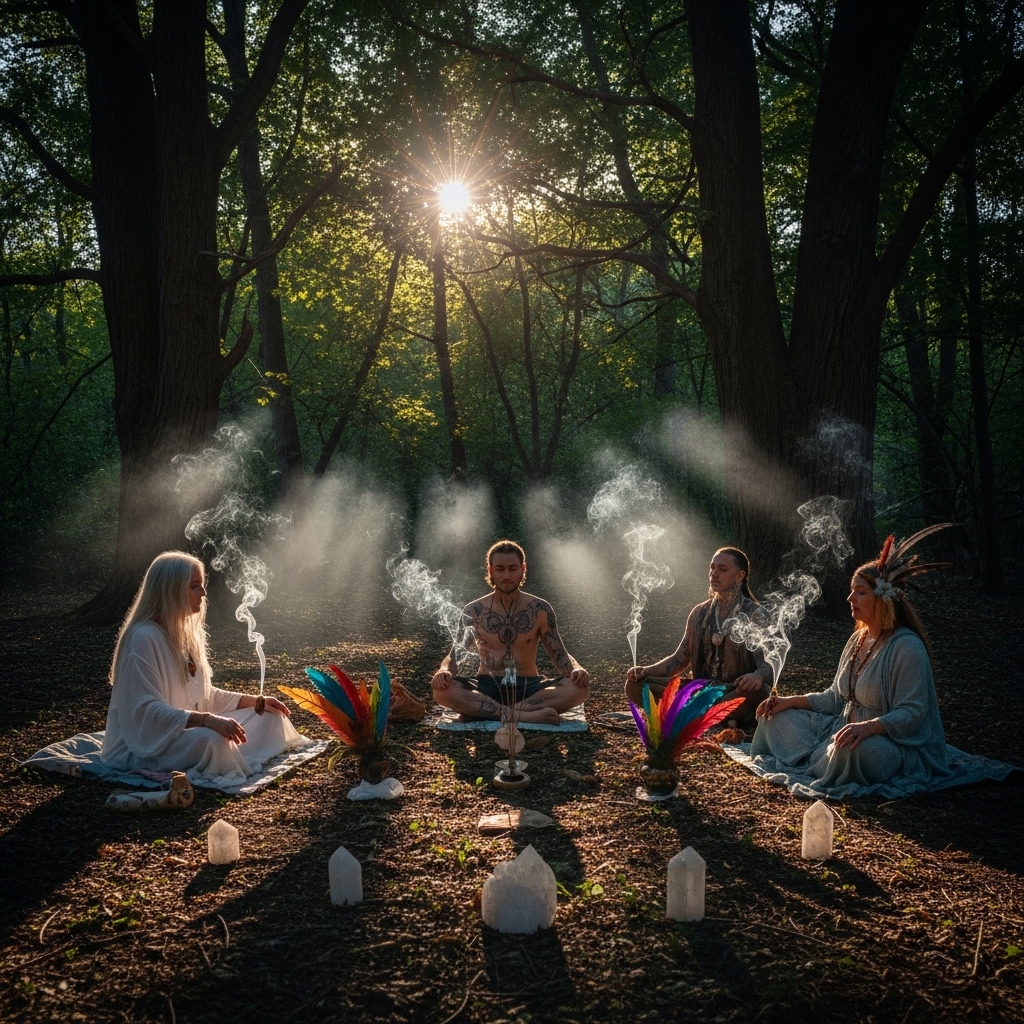
Despite its positive connotations, there are several misconceptions about spirituality that can lead to misunderstanding and even danger. One common myth is that all spiritual practices are inherently good or beneficial. I used to think that if something was labeled as “spiritual,” it was safe and nurturing. However, I’ve learned that this isn’t always the case. Some practices can be unregulated and potentially harmful, especially if they lack proper guidance or support. Another misconception is that spirituality is always associated with love and light. In reality, some spiritual experiences can unearth deep-seated traumas or lead to disconnection from reality, which can be overwhelming without appropriate support.
Spirituality vs. Religion: Key Differences
While spirituality and religion often overlap, they are not synonymous. Religion typically involves organized practices, communal worship, and a specific set of beliefs. I’ve seen friends who are deeply religious find comfort in the structure that their faith provides. In contrast, spirituality tends to be more individualistic and fluid. For example, I know people who identify as spiritual but not religious, often drawing on a variety of traditions and beliefs to create their own unique practices. This distinction is essential, as some may seek out spirituality as a form of personal expression away from organized religion, which can sometimes lead to an ungrounded approach to spiritual practices.
Exploring the Dark Side of Spiritual Practices
Unregulated Spiritual Practices
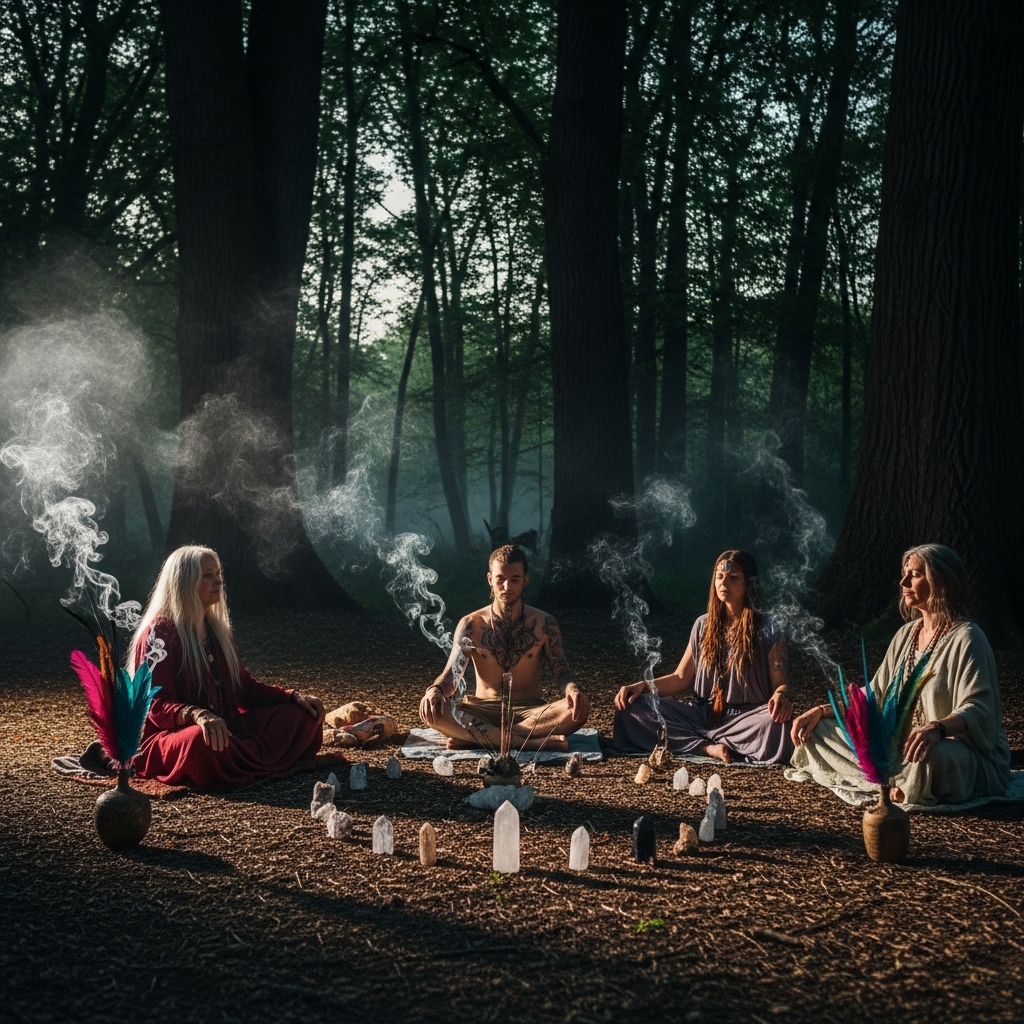
One of the harrowing realities of spirituality today is the prevalence of unregulated practices. Unlike licensed therapists or certified medical professionals, many spiritual practitioners do not require formal credentials. I’ve encountered various workshops and retreats that promise healing but lack oversight or trained facilitators. This lack of regulation can leave individuals vulnerable to harmful practices or advice. I remember attending a workshop where the facilitator encouraged participants to share their deepest traumas without providing a safe space for processing those emotions. It felt chaotic and disorienting, and I left questioning the integrity of the practice.
Potential Risks in Energy Healing
Energy healing is a popular spiritual practice that claims to manipulate the body’s energy fields to promote healing. While some people have reported positive experiences, I’ve also seen individuals who felt worse after a session. Without proper understanding of energy dynamics and individual health conditions, energy healing can sometimes exacerbate existing issues. For instance, I once tried a Reiki session that left me feeling drained and anxious instead of rejuvenated. It took a while to understand that not every practitioner aligns with my energy or approach. It’s essential to approach energy healing with caution and to ensure that the practitioner is knowledgeable and respectful of your personal boundaries. Read Interesting article: 15 Spiritual Boundaries That Protect Your Peace
The Dangers of Cults and Manipulative Groups
One of the most concerning aspects of spirituality is the potential for cult-like environments to form. I’ve read numerous accounts of individuals who were drawn into groups that initially promised enlightenment but quickly turned into manipulative, controlling environments. These groups often prey on vulnerable individuals seeking meaning or belonging, using tactics that can lead to emotional, financial, or even physical harm. I remember reading about a former member of such a group who described how they were isolated from friends and family, all in the name of spiritual growth. It’s a stark reminder that the search for spirituality should not come at the cost of our autonomy or well-being.
Psychological Risks of Spiritual Experiences
Spiritual experiences can sometimes lead to psychological distress rather than the intended tranquility. I’ve encountered people who have had intense spiritual awakenings that left them feeling disoriented and confused. While these experiences can be transformative, they can also trigger anxiety, depression, or existential crises. I remember a friend who had a profound mystical experience during a meditation retreat. While it initially felt enlightening, it later led to panic attacks and a feeling of disconnect from reality. It’s vital to recognize that not all spiritual experiences lead to positive outcomes, and the journey should be navigated with mindfulness and support.
Signs That Spiritual Practices May Not Be Safe
Physical Symptoms of Neglect
When engaging in spiritual practices, it’s crucial to pay attention to our bodies. I’ve found that if I start to experience fatigue, headaches, or a general sense of malaise after a spiritual session, it’s a sign that something may be off. Spirituality should uplift and energize us, not drain our physical well-being. If we neglect our basic self-care needs in the pursuit of spiritual experiences, it can lead to physical manifestations of stress and burnout. I’ve had to learn to listen to my body and take breaks when necessary, even in my spiritual exploration.
Mental Health Red Flags
Just as physical symptoms can signal danger, so can mental health warning signs. I’ve seen friends dive headfirst into spiritual practices only to end up feeling more anxious or depressed. It’s essential to recognize that while spirituality can be a source of healing, it can also trigger unresolved issues. If someone finds that their spiritual pursuits are leading to isolation, obsessive thoughts about spiritual progress, or a disconnection from reality, it’s essential to reassess their practices. I’ve learned that maintaining a balance between spirituality and mental health is crucial for holistic well-being.
Financial Exploitation and Scams
One alarming aspect of the spiritual community is the potential for financial exploitation. I’ve heard stories of individuals being pressured to spend large sums on workshops, retreats, or one-on-one sessions that didn’t provide the promised benefits. It’s vital to be cautious and discerning about where we invest our money in spiritual practices. I remember feeling pressured to join an expensive retreat that promised significant spiritual breakthroughs. Thankfully, I took a step back and realized that the financial burden outweighed the potential benefits. Trusting our instincts can often protect us from scams that prey on our desire for spiritual growth.
Common Spiritual Practices and Their Risks
Meditation and Mindfulness: Benefits and Pitfalls
Meditation and mindfulness are often hailed as one of the safest spiritual practices, and I can personally vouch for their benefits. They provide a way to center ourselves, reduce stress, and cultivate awareness. However, I’ve also noticed that these practices can come with their own set of challenges. For example, I remember a time when I dove headfirst into daily meditation, eager to find peace. While I did experience moments of tranquility, I also found that prolonged meditation without proper guidance sometimes stirred up unresolved emotions. I would finish a session feeling agitated or even overwhelmed, as if the layers I had peeled back were raw and tender. This taught me that it’s essential to approach meditation with the understanding that it can bring both light and shadow to the surface, and having a supportive community or a guide to talk to can make a world of difference.
Shamanic Journeys and Ayahuasca Ceremonies
Shamanic journeys and ayahuasca ceremonies have gained popularity in recent years, often touted as transformative experiences. I’ve seen friends rave about their profound insights after participating in these ceremonies, but I can’t help but feel a sense of caution. The allure of a mystical journey can be enticing, yet I’ve heard enough stories to know that these experiences can be unpredictable. For me, what stands out is the importance of ensuring these ceremonies are led by experienced shamans who prioritize safety and have a deep understanding of the process. I learned that not all ceremonies are created equal, and being in a vulnerable state can sometimes lead to disorienting or traumatic experiences if the environment is not carefully managed.
Crystal Healing: Science vs. Belief
Crystal healing is another popular practice that I’ve encountered in various spiritual circles. Many people swear by their healing properties, claiming that different crystals can help with everything from anxiety to physical ailments. I remember purchasing a few crystals, excited about their potential. However, I later realized that while they can serve as beautiful symbols of intention, relying solely on them for healing can be misleading. I found myself in situations where I expected the crystals to solve my problems, which led to disappointment when they didn’t provide the relief I sought. In my opinion, having a balanced perspective—using crystals as a complementary tool rather than a singular solution—can help prevent disillusionment and encourage a more grounded approach to healing.
Yoga and Spiritual Bypassing
Yoga has become a beloved practice for many, combining physical movement with spiritual exploration. I’ve always appreciated yoga for its ability to connect mind, body, and spirit. However, I’ve learned about the concept of spiritual bypassing—the tendency to use spiritual practices to avoid facing underlying issues. I once took a series of yoga classes that felt more like an escape than true healing. It was a lovely experience, but I realized I was using it to sidestep my emotional struggles instead of addressing them. I’ve come to understand that while yoga can be a wonderful tool for growth, it’s important to stay mindful of our intentions and ensure that we’re not using it as a means to bypass necessary emotional work.
How to Choose Safe Spiritual Practices
Researching Practitioners and Their Credentials
With so many spiritual practices out there, choosing the right practitioners is crucial. I’ve learned that not every guide or teacher has the necessary credentials to lead people safely, so doing research is a must. I vividly remember attending a workshop without checking the facilitator’s background. The experience was enlightening in some ways, but I later discovered that the facilitator lacked the training to effectively manage the group dynamics. Since then, I’ve made it a point to check for qualifications, reviews, and recommendations before engaging with any spiritual practitioner. It’s worth the time and effort to ensure that those we choose to guide us are experienced and well-trained.
Identifying Ethical Spiritual Communities
Being part of a supportive spiritual community can be incredibly enriching, but I’ve found that not all groups have the best intentions. I’ve been part of communities that seemed warm and inviting at first but later revealed underlying manipulative structures. It’s essential to observe how a community operates. I always ask myself if they promote inclusivity and respect individual autonomy. In my experience, a healthy spiritual community encourages questions and open discussions rather than demanding blind loyalty or conformity. Feeling safe and supported should be a priority, and if something doesn’t feel right, it’s okay to step back and reassess.
Setting Personal Boundaries
Setting personal boundaries is something I’ve had to learn the hard way. In my eagerness to explore spirituality, I often neglected to protect my own needs and limits. I remember feeling pressured to participate in practices that didn’t resonate with me, simply to fit in. I’ve since realized the importance of articulating my boundaries clearly, whether it’s about my comfort level with certain practices or how much time and energy I’m willing to invest. Establishing these boundaries not only protects my well-being but also allows me to engage more authentically in my spiritual journey.
Frequently Asked Questions
What is spirituality?
Spirituality is a broad concept that encompasses a sense of connection to something greater than ourselves, involving a search for meaning, inner peace, and personal growth. It can manifest in various practices like meditation, yoga, and nature walks, and is highly personal, varying from one individual to another.
Are all spiritual practices safe and beneficial?
No, not all spiritual practices are inherently good or beneficial. There are misconceptions that label all spiritual practices as safe, but some can be unregulated and potentially harmful, especially if they lack proper guidance or support.
How does spirituality differ from religion?
While spirituality and religion often overlap, they are not synonymous. Religion typically involves organized practices and a specific set of beliefs, whereas spirituality is more individualistic and fluid, often allowing for personal expression outside of organized religion.
What are the risks associated with unregulated spiritual practices?
Unregulated spiritual practices can leave individuals vulnerable to harmful advice or chaotic environments. Many spiritual practitioners do not require formal credentials, which can result in workshops or retreats that lack oversight and trained facilitators.
What potential psychological risks can arise from spiritual experiences?
Spiritual experiences can sometimes lead to psychological distress, including anxiety, depression, or existential crises. While these experiences can be transformative, they can also leave individuals feeling disoriented and confused.
What signs indicate that spiritual practices may not be safe?
Signs that spiritual practices may not be safe include physical symptoms like fatigue and headaches, as well as mental health red flags such as increased anxiety or obsessive thoughts about spiritual progress. It’s essential to reassess practices if these signs occur.
How can financial exploitation occur in spiritual communities?
Financial exploitation can happen when individuals feel pressured to spend large sums on workshops, retreats, or one-on-one sessions that do not deliver the promised benefits. It’s important to be cautious and discerning about financial commitments in spiritual practices.
What are some common spiritual practices that carry risks?
Common spiritual practices that carry risks include meditation, energy healing, shamanic journeys, ayahuasca ceremonies, crystal healing, and yoga. Each of these practices has its own set of challenges and potential pitfalls, particularly when not approached with care and guidance.
How can one choose safe spiritual practices?
Choosing safe spiritual practices involves researching practitioners and their credentials, identifying ethical spiritual communities, and setting personal boundaries. Ensuring that guides are experienced and that one feels safe and supported in a community is crucial for a positive spiritual journey.
What is spiritual bypassing, and how can it affect one’s practice?
Spiritual bypassing is the tendency to use spiritual practices to avoid facing underlying emotional issues. While yoga and other practices can be beneficial, using them as a means to escape rather than confront personal struggles can hinder genuine healing and growth.