
When you stop caring about things you once loved, it often reflects changes in your life or emotional state that shift your priorities and interests. This can lead to feelings of confusion and loss as you navigate what these changes mean for your identity and well-being.
Understanding the Shift: Why We Stop Caring
I’ve often found myself looking back at things I used to be passionate about — whether it was a hobby, a favorite book series, or even friendships that once meant the world to me. It’s a strange feeling, realizing that those passions have faded or disappeared altogether. It’s like you wake up one day and find that the things that once lit up your soul feel like distant memories, almost like someone else’s life. Understanding why this shift happens can help make sense of our changing interests. Why You’re Feeling Stuck Spiritually And How To Fix It can provide additional insights into these feelings.
Common Reasons for Losing Interest
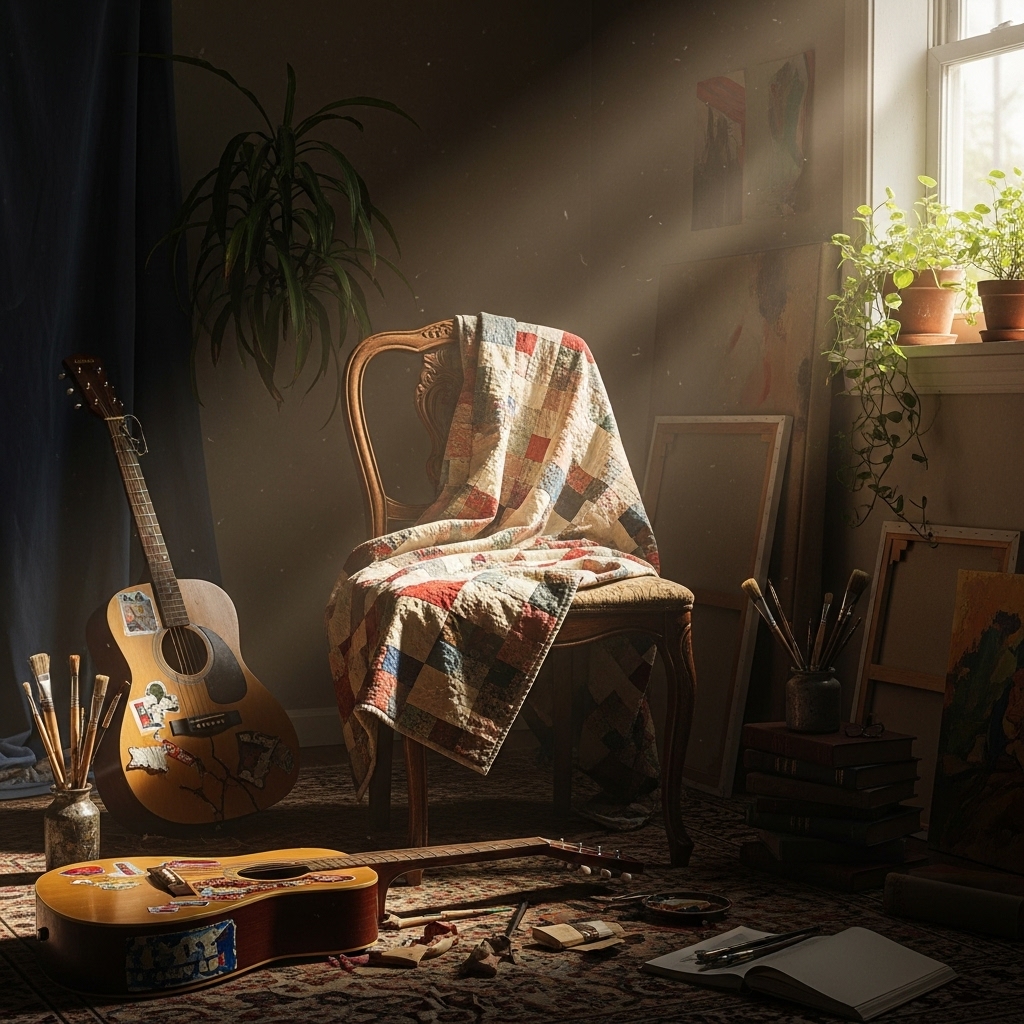
One of the most common reasons we stop caring about things we once loved is simply life getting in the way. Life is unpredictable. As we grow older, we take on more responsibilities, whether it’s work, family, or other obligations that demand our time and energy. I remember when I used to spend hours painting; it was my escape and joy. Then, life happened — I got a demanding job, and suddenly, I found myself picking up a brush only once in a blue moon. I realized that the busyness of life can push aside our interests, leaving us feeling lost.
Another factor is the evolution of our personal tastes and priorities. As we grow, our preferences change. I used to be obsessed with a particular genre of music, but as I explored new experiences and met new people, my musical tastes shifted. I found myself gravitating towards different styles that resonated more with my current self. This evolution is not just natural; it’s necessary for growth. It’s okay to let go of old loves if they no longer reflect who we are becoming. Why You Don’t Fit In Anymore After Awakening explores similar themes of identity and change.
The Role of Life Changes and Transitions
Significant life changes like moving to a new city, starting a new job, or going through a breakup can have a profound impact on what we care about. I experienced this firsthand when I moved away for college. Suddenly, my days were filled with new challenges and experiences, and I found it harder to connect with my old passions. I had to adjust to a new environment, make new friends, and focus on my studies. The hobbies that once brought me joy seemed trivial in the face of these changes. Sometimes, we get so caught up in navigating transitions that we forget to nurture what we once loved.
Moreover, transitions can bring about a sense of loss, making it easy to overlook the things that once brought us happiness. When we experience a shift, we might feel overwhelmed by the newness, causing us to disconnect from our past interests. It’s like being in a fog, and finding your way back to those loves feels daunting and almost impossible.
Emotional and Psychological Factors
It’s also important to highlight our emotional and psychological state when we stop caring about things we once loved. Mental health plays a huge role in our interests and passions. I’ve noticed that during particularly stressful or anxious periods in my life, I lost interest in many things I previously enjoyed. It felt like a fog had settled over my mind, dulling my enthusiasm for hobbies and connections.
Sometimes, feelings of guilt and shame can creep in when we stop caring. We may think, “Why can’t I just enjoy this like I used to?” or “What’s wrong with me for not feeling the same excitement?” I’ve wrestled with these thoughts, feeling guilty for not maintaining the passion I had for certain activities. It’s like holding onto a part of your identity that no longer fits. Recognizing these emotional patterns is crucial to understanding our changing interests.
Psychologically, our brains are wired to seek novelty. Over time, things that once thrilled us might simply become routine, losing their spark. It’s a natural part of being human. I’ve learned that it’s okay to evolve and change. Letting go of the pressure to maintain the same interests can be freeing. Instead of lamenting what’s lost, I’ve tried to focus on exploring new avenues and passions that reflect who I am today.
Ultimately, understanding the shift in our interests can be a journey of self-discovery. It’s about recognizing that change is not inherently negative but rather an opportunity for growth and exploration. As we navigate this complex landscape of evolving interests, we can find ways to adapt and embrace new experiences, allowing ourselves the freedom to let go and the courage to explore what lies ahead. The Truth About Letting Go (Most People Get It Wrong) can provide further insights into this process.
Identifying What You Once Loved
SBAG_IMG_697dc4ec5b0fd
Passions and Hobbies That May Fade
Identifying what we once loved can feel like piecing together a puzzle. I remember the days when I would lose myself in books or spend weekends hiking. Those were the moments that defined my weekends and brought joy to my life. But as time passed, I found it hard to recall the last time I picked up a book or ventured outdoors. Sometimes, I think about how our passions can fade, not because they weren’t meaningful, but because life pulled us in different directions.
When I started to reflect on the hobbies that slipped away, I noticed they often aligned with my life phases. In college, I was all about painting and creativity, but once I jumped into the working world, those brushes were put aside. I realized that my art time had been replaced by deadlines and responsibilities. It’s a bittersweet realization, and I think many of us can relate. We often let go of hobbies that once brought us happiness, not because we wanted to, but because we felt we had to.
Relationships and Connections
Relationships also play a significant role in our interests. I’ve watched friendships change over the years due to life circumstances. Friends who once shared a deep connection might drift apart when life gets busy or when interests evolve. I’ve felt the pang of losing touch with friends who once filled my days with laughter and shared passions. I used to have a group that was obsessed with a specific TV show, and we would gather weekly to watch and discuss. As life progressed, we all scattered — some moved, others got caught up in new relationships or jobs, and suddenly, that shared love felt distant.
It’s important to recognize that relationships can influence our passions. Sometimes, we lose interest in things not because we don’t enjoy them anymore, but because the people who shared those interests have changed. I’ve learned to cherish the memories of those connections while also accepting that it’s okay for some people to come and go from our lives. In the end, it’s all part of our growth.
Activities and Interests
As I think about the activities that once excited me, I find it fascinating how they can change. For instance, I used to be deeply involved in community theater. The thrill of performing was like nothing else, and it opened doors to creativity and self-expression. However, as my life became busier, I found it hard to commit to rehearsals and performances. The passion faded into a memory, and I often wonder if I could ever step back on that stage.
Recognizing these past interests can be the first step to understanding our current feelings. I’ve started to jot down activities that used to spark joy in my life. I ask myself questions like, “What did I love about these activities?” and “Is there a way to incorporate them back into my life?” This reflection has been an eye-opener for me. It reveals the importance of honoring those past loves while also acknowledging that they may no longer fit into my current lifestyle.
The Emotional Impact of Losing Interest
Feelings of Guilt and Regret
The emotional weight of losing interest in things we once loved can often be heavy. I’ve grappled with feelings of guilt when I notice that I no longer engage in activities that once brought me joy. It’s easy to think, “Why can’t I just enjoy this like I used to?” or “What’s wrong with me for not feeling the same excitement?” These thoughts can spiral, leading to self-judgment and regret.
It’s crucial to recognize these feelings for what they are: a natural part of the change process. I often remind myself that it’s okay to evolve and that interests can change as we do. This realization helps ease the guilt, allowing me to view my journey with compassion rather than criticism.
Sense of Loss and Identity Crisis
Alongside guilt, I’ve also experienced a profound sense of loss. When passions fade, it can feel like a part of our identity has slipped away. I remember feeling somewhat lost when I stopped playing the guitar. Music had been such a huge part of my life, and suddenly, it was as if I had lost a piece of myself. The absence of those interests can lead to an identity crisis, where we question who we are without them.
It’s important to remember that losing interest in something doesn’t mean we lose our entire self. I’ve come to understand that our identities are multifaceted, and it’s completely normal to navigate these changes. Embracing this fluidity has been a key lesson for me in recognizing that it’s okay to let go and allow new parts of ourselves to emerge.
Exploring the Stages of Grief
The emotions we feel when we stop caring about things we once loved can mirror the stages of grief. I’ve experienced denial, thinking that I could simply revive my old passions at any moment. Then there’s anger, where I’d feel frustrated that life had taken me away from those things. I’ve also felt sadness, mourning the loss of what used to bring me joy.
Understanding this emotional journey has allowed me to process my feelings more openly. Acknowledging that it’s okay to grieve those lost interests has been essential for my own emotional health. I’ve found that by allowing myself to feel these stages, I can move toward acceptance and ultimately, a new understanding of who I am and what I enjoy.
Embracing this emotional complexity reminds me that it’s all part of being human. We are allowed to feel, to mourn, and to grow through the experiences of our lives.
Rekindling Old Flames: Is It Possible?
How to Assess What You Truly Miss
Finding out whether I genuinely miss an old passion or if it’s just nostalgia can be a delicate balancing act. I remember sitting down one rainy afternoon, trying to sift through the clutter of my past hobbies. I asked myself, “What do I really miss about those activities?” It wasn’t just about the activity itself, but rather the feelings and experiences tied to it. For example, while I once loved painting, I realized that it wasn’t just the act of painting I missed; it was the calm and peace I felt while creating.
I recommend taking some time to reflect. Write down the activities you’ve neglected over the years. Next to each one, jot down what you cherished about them. Was it the thrill of performance? The companionship of friends? The sense of accomplishment? This exercise helped me clarify whether I longed for the activity itself or the feelings associated with it. Understanding that distinction can guide my decisions on whether to revisit those interests or let them remain a cherished memory.
Ways to Reignite Your Passion
If you decide that you want to rekindle an old hobby, there are many ways to ease back into it. I’ve found that starting small is often the best approach. When I tried to jump back into painting, I began by setting aside just 15 minutes a week to pick up a brush. It felt manageable and less intimidating than committing to a full painting session.
You might consider joining a local class or an online workshop. I remember signing up for a weekend pottery class, which not only reignited my love for creativity but also introduced me to new friends who shared similar interests. Being part of a community can provide motivation and accountability, making it easier to dive back into something you once loved.
Additionally, don’t hesitate to modify your approach. If your passion has evolved or your circumstances have changed, it’s okay to adapt the activity to fit your current life. I’ve learned that flexibility can prevent the pressure of perfectionism from stifling my enthusiasm.
Seeking New Perspectives on Old Loves
Sometimes, reconnecting with past interests requires a fresh perspective. I’ve found it helpful to explore why I was drawn to those activities in the first place. What was it that made them special? For instance, I began to see my old love for theater not just as a performance but as a way of storytelling and connecting with others.
Exploring different angles can breathe new life into an old passion. You might discover you enjoy a different aspect than you previously did. For example, instead of focusing solely on performing, you could explore writing or directing within a theater group. This shift can open doors to new opportunities and reinvigorate your excitement around the activity.
Moreover, surrounding yourself with people who share your enthusiasm can elevate your experience. I once joined a book club where we discussed literature while sipping on coffee, and it reignited my love for reading. It turned those solitary moments into shared experiences, making them feel richer and more vibrant.
Embracing Change: Finding New Interests
The Importance of Adaptability
Life is a constant state of change, and embracing adaptability has been crucial for me. I’ve learned that it’s not about forcing myself to hold on to every interest but rather being open to new experiences and avenues. Sometimes, the pressure to revive old passions can be overwhelming, so I’ve started to remind myself that it’s okay to evolve.
When I let go of the notion that I had to maintain every past interest, I found space for new ones to flourish. For example, I picked up yoga during a particularly stressful time in my life, and it filled a void I didn’t even know I had. Instead of clinging to the past, allowing myself to be open to new activities has led to unexpected joy and fulfillment.
Exploring New Hobbies and Activities
There’s something exhilarating about trying new things. I remember my first pottery class—my hands were a mess, and I was far from perfect, but the experience brought a rush of creativity. Exploring new hobbies has introduced me to experiences I never would have considered before.
I encourage you to step outside your comfort zone and explore new activities. Whether it’s learning to cook a different cuisine, taking a dance class, or picking up a musical instrument, the world is full of opportunities. I often remind myself that not every new hobby needs to be a lifelong commitment; even short-term explorations can lead to personal growth.
Building New Relationships and Connections
New interests often pave the way for new relationships. I’ve met some of my closest friends through shared activities. When I started hiking, I joined a local group, and these outings turned into some of my most cherished memories. Not only did I discover beautiful trails, but I also built connections with people who shared my love for nature.
Building new relationships can be fulfilling, especially when it comes to shared interests. I learned that connecting with others over something I love creates a sense of community and belonging. I encourage you to seek out groups or clubs that align with your interests; you might find kindred spirits who inspire and motivate you along the way.
As we embrace new experiences, we open ourselves up to a world of possibilities. Life is too short to dwell on what we’ve lost. Instead, let’s focus on the exciting journey ahead, filled with growth, new passions, and vibrant connections.
Frequently Asked Questions
Why do people stop caring about things they once loved?
People often stop caring about things they once loved due to changes in their life or emotional state, which shifts their priorities and interests. This can lead to feelings of confusion and loss as they navigate these changes.
What are some common reasons for losing interest in hobbies?
Common reasons for losing interest include life getting in the way with increased responsibilities, the evolution of personal tastes and priorities, and significant life changes such as moving to a new city or changing jobs.
How do life transitions affect our interests?
Life transitions can profoundly impact what we care about. They may cause individuals to focus on new challenges and experiences, leading to a disconnection from past passions as they adapt to their new environment.
What emotional factors contribute to losing interest in activities?
Emotional and psychological states, including mental health issues such as stress and anxiety, can significantly impact interests. Feelings of guilt or shame may arise when individuals notice they no longer engage in previously enjoyed activities.
How can someone identify what they once loved?
Identifying what one once loved can involve reflecting on past hobbies and activities, considering what feelings and experiences were tied to them, and recognizing how life phases influenced those interests.
What should someone do if they feel guilty for losing interest in their hobbies?
It’s important to recognize that feelings of guilt are a natural part of the change process. Accepting that it’s normal to evolve and that interests can change can help ease guilt and allow for a more compassionate view of one’s journey.
Is it possible to rekindle old passions?
Yes, it is possible to rekindle old passions by starting small, reflecting on what was cherished about those activities, and considering joining classes or groups that can provide motivation and community support.
How can someone explore new interests if they feel stuck?
Exploring new interests can be achieved by stepping outside of comfort zones, trying new activities, and being open to experiences that may lead to personal growth and fulfillment.
What role do relationships play in our interests?
Relationships significantly influence our interests, as the people we share passions with can evolve or change, leading to a loss of connection with those activities. It’s important to accept that it’s okay for some relationships to come and go as part of personal growth.
How can embracing change benefit personal growth?
Embracing change allows for adaptability and the opportunity to explore new hobbies and relationships. This openness can lead to unexpected joy and fulfillment, enhancing one’s life experiences.