
When healing feels like loneliness, it’s often because the process of recovery can isolate us from those around us, even as we seek connection. Healing can be a deeply personal journey, and I’ve found that it can sometimes feel like an uphill battle, especially when the world feels distant. Read Interesting article: Healing the Fear of Abandonment
Table of Contents
Understanding the Connection Between Healing and Loneliness
The Nature of Healing
Healing is a multifaceted process that can take many forms, whether it’s physical, emotional, or spiritual. I remember when I went through a significant health challenge; the journey was not just about getting better physically, but also about facing the emotional hurdles that came along with it. Healing often requires introspection, reflection, and sometimes, a retreat into ourselves. This inward focus can lead to feelings of isolation, as we navigate our own pain and recovery without necessarily involving those around us.
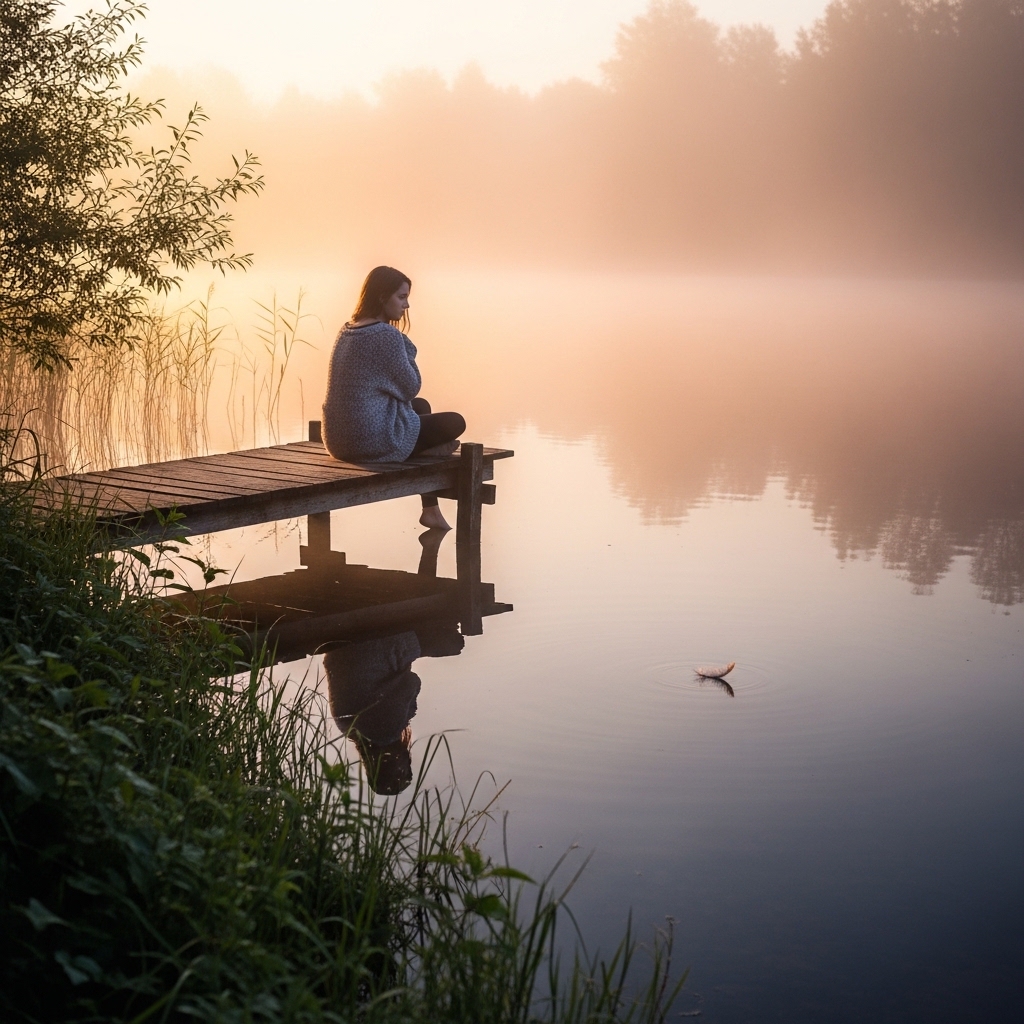
During my healing journey, I found that while I was physically surrounded by friends and family, emotionally, I felt like I was in my own world. The conversations felt shallow, and I struggled to share my deeper feelings. I realized that many people may not understand what I was going through, which led to a sense of loneliness that I hadn’t anticipated. Healing can sometimes mean stepping away from the noise of life to focus on what is happening within, and this can inadvertently create distance from those we care about. Additionally, I learned that “Good Vibes Only” can sometimes harm our healing process by invalidating our struggles.
Defining Loneliness
Loneliness is more than just being alone; it’s a feeling of disconnection and isolation that can occur even when we are surrounded by others. I’ve often experienced loneliness not just in physical absence but also in emotional disconnection. It’s that sinking feeling when you’re at a gathering but still feel like you’re on the outside looking in. For many, loneliness can feel like a heavy blanket that wraps around you when you least expect it. It can creep in during the quiet moments of healing when distractions fade and reality sinks in.
Understanding loneliness also means recognizing that it can manifest differently for each person. For some, it might come as a wave of sadness, while for others, it could feel more like numbness or apathy. In my case, I often felt a longing for deeper connections and conversations that I could no longer muster the energy for due to my healing process. This realization was eye-opening, as I recognized that healing could bring about a kind of solitude that was difficult to articulate to others. I also found that addressing issues such as the need to be liked can play a role in overcoming these feelings.
The Psychological Impact of Healing
The psychological aspect of healing is profound. I learned that as we heal, we are often forced to confront our vulnerabilities, fears, and sometimes, our past traumas. This process can stir up feelings that we may have buried, leading to a surge of emotions that can feel overwhelming. I found myself grappling with feelings of inadequacy and sadness, which only intensified my sense of loneliness.
Moreover, I discovered that the societal pressures to appear strong and put together can exacerbate feelings of loneliness during healing. I felt the need to convey that I was doing fine, even when I was struggling internally. This disconnect between my outer appearance and inner reality isolated me further. I realized that acknowledging my struggles openly could help break down those walls, but the fear of judgment often kept me quiet.
In my experience, I found that connecting with others who had gone through similar healing processes was incredibly helpful. It became clear that sharing our stories could foster understanding and lessen the weight of loneliness. The psychological impact of healing, while difficult, can also be a pathway to more profound connections and understanding among those who are also healing.
Common Causes of Loneliness During the Healing Process

Physical Illness and Isolation
One of the most significant contributors to loneliness during healing is physical illness. I remember the days when simply getting out of bed felt like a monumental task. The fatigue, pain, and discomfort that come with physical ailments can lead to isolation. I often found myself retreating from social activities, not because I wanted to, but because my body simply wouldn’t cooperate. This was a tough pill to swallow; I felt like I was missing out on life, and the loneliness crept in as I stayed home, watching friends share moments without me.
Physical illness can create a cycle of isolation, where the more we withdraw, the more lonely we feel, which in turn can lead to more physical and emotional challenges. I realized that while I needed to prioritize my healing, I also had to find ways to stay connected with the outside world, which was not always easy.
Mental Health Challenges
When healing from a physical condition, I found that my mental health often took a hit. Anxiety, depression, and other mental health issues can exacerbate feelings of loneliness. I noticed that my mind became a breeding ground for negative thoughts during my recovery. I felt trapped by my circumstances, leading to a sense of hopelessness. It was during these moments that I truly understood how intertwined mental health and healing are.
Many people experience a decline in their mental well-being during recovery, which can lead to withdrawal from social interactions. I found it challenging to reach out to friends or family, feeling like a burden rather than a friend. The struggle was real; I wanted to feel connected, but my mental health often kept me locked in a cycle of loneliness.
Loss and Grief
Loss is another profound source of loneliness during the healing journey. Whether it’s the loss of a loved one, a relationship, or even a part of oneself due to illness, grief can feel isolating. I experienced this firsthand when I lost someone dear to me while going through my healing process. The weight of grief was heavy, and I often felt like I was drowning in my sorrow. This loneliness was compounded by the fact that many people around me didn’t fully understand the depth of my loss.
Grief can create a chasm between us and the rest of the world, making it hard to connect with those who haven’t shared a similar loss. I often felt like I was speaking a different language when I tried to convey my feelings. This disconnect can lead to more profound feelings of loneliness as we navigate our grief alone, desperately wanting to be understood.
Changes in Relationships
Healing can also lead to shifts in our relationships that contribute to feelings of loneliness. I noticed that some friends stepped back, unsure of how to support me during my recovery. Others tried to help but often didn’t know the right words to say, leading to awkward conversations. This dynamic can create a sense of distance that can be hard to bridge.
Moreover, I found that my priorities shifted during my healing journey. Things that once seemed important started to fade away, and this sometimes caused rifts in relationships. I craved understanding and support, but not everyone could provide that, which left me feeling even more isolated. It was a difficult realization, but I learned that it’s essential to surround ourselves with people who uplift us, especially during challenging times.
Recognizing the Signs of Loneliness in Healing
Emotional Symptoms
Recognizing the emotional symptoms of loneliness during the healing process can be just as important as understanding the physical aspects of it. I remember feeling an overwhelming sense of sadness that seemed to seep into every part of my life. It was as if a shadow followed me around, reminding me of my isolation. I often felt bouts of anxiety when I thought about reaching out to others, fearing that they wouldn’t understand or wouldn’t want to be bothered by my struggles.
One of the signs I noticed was a persistent feeling of emptiness. It was this nagging sensation that something was missing, and I couldn’t quite put my finger on what it was. I felt detached from my own emotions, as if I was watching my life unfold from a distance. If you’ve ever felt that way, you know how disconcerting it can be. It’s a reminder that healing is not just a physical endeavor; it affects our emotional landscape deeply.
Physical Symptoms
Physical symptoms of loneliness can often manifest in unexpected ways. I learned firsthand that stress and emotional turmoil can lead to physical discomfort. I experienced tension headaches and fatigue that seemed to be tied to my emotional state. It was baffling for me to realize how interconnected our bodies and minds truly are. When I felt isolated, my body reacted by becoming more fatigued, which made me retreat further into my shell.
Another physical symptom I faced was a change in appetite. Sometimes I would eat less because I was feeling down, while other times I would eat more as a way to cope with my emotions. It was a cycle that left me feeling even worse. I’ve learned that being aware of these physical symptoms can help us address our emotional needs more effectively. We need to understand that what we feel emotionally can sometimes manifest in physical ways, and acknowledging this reality can be the first step toward healing.
Social Withdrawal
Social withdrawal is one of the most telling signs of loneliness for me. During my healing process, I noticed I started avoiding social events that I would have previously enjoyed. There were times when I would get an invitation to a gathering, and instead of feeling excitement, I felt an urge to turn inward. The thought of putting on a brave face and interacting with others felt exhausting. I remember declining invites, telling myself it was just easier to stay home.
I realized that this withdrawal not only affected my relationship with others but also how I viewed myself. I started to feel like I was missing out on life, and that contributed to my loneliness. It became a downward spiral; the more I isolated myself, the harder it became to break free from that cycle. I learned that staying connected, even in small ways, is vital for our healing journey. Reaching out, even when it feels difficult, can make a world of difference.
Strategies to Cope with Loneliness While Healing
Building a Support System
One of the most effective strategies I discovered was building a support system. I found that having a few trusted friends or family members who I could lean on made a significant difference. Opening up to them about my feelings of loneliness helped me feel less isolated. I started to realize that I wasn’t alone in my experiences, and that sense of understanding was comforting. Surrounding myself with people who genuinely cared about my well-being created a cushion during tougher days.
It’s important to seek out those who can offer empathy rather than judgment. I learned that it’s okay to ask for help, whether it’s simply talking things through or having someone sit with me during difficult moments. Building a support system takes time, but I believe it’s worth it. We all deserve to have people in our lives who will stand by us as we navigate our healing journeys.
Engaging in Self-Care
Self-care became a crucial part of my healing process. I discovered that taking time for myself was not an indulgence but a necessity. I began to carve out moments each day for activities that brought me joy or relaxation. Whether it was reading a good book, going for a walk in nature, or indulging in a warm bath, these small acts helped me reconnect with myself.
During my healing journey, I learned to listen to my body and mind. If I felt overwhelmed, I would take a step back and give myself permission to rest. I found that engaging in self-care helped me combat feelings of loneliness by nurturing my spirit. It was a reminder that I am worthy of love and care, even when I felt down.
Seeking Professional Help
There were times when I realized I needed more than my friends and family could provide. Seeking professional help was a game changer for me. I found that talking to a therapist allowed me to explore my feelings of loneliness and how they intertwined with my healing process. The support from a professional helped me develop coping strategies and provided a safe space to express my emotions without fear of judgment.
In my experience, therapy can be a powerful tool for understanding and addressing the complexities of healing and loneliness. It allowed me to gain perspective on my feelings and reinforced the idea that I was not alone in my struggles. If you’re feeling overwhelmed, I encourage you to consider reaching out to a professional who can help guide you through your journey.
Practicing Mindfulness and Meditation
Mindfulness and meditation were practices I initially approached with skepticism, but they turned out to be invaluable during my healing. I found that taking a few minutes each day to breathe deeply and focus on the present moment helped quiet my anxious thoughts. Mindfulness allowed me to acknowledge my feelings of loneliness without judgment. I could sit with those feelings, understanding that they were part of my healing journey.
Through meditation, I learned to create a sense of inner peace that helped counteract the chaos of my emotions. I discovered that it’s okay to feel lonely; it’s a valid emotion. Acknowledging it without allowing it to consume me was liberating. I’ve come to appreciate the role of mindfulness in my healing process, and I encourage others to give it a try. It might just help you find a bit of comfort in the midst of your journey.
Frequently Asked Questions
What is the relationship between healing and loneliness?
Healing can often feel isolating, as it is a personal journey that may lead individuals to retreat inwardly, creating distance from friends and family. Even when surrounded by loved ones, one may still experience feelings of loneliness due to emotional disconnection.
How does loneliness manifest during the healing process?
Loneliness can manifest as a feeling of disconnection and isolation, which may occur even in social settings. It can present itself as sadness, numbness, or a longing for deeper connections that one may struggle to maintain during recovery.
What psychological impacts can healing have on an individual?
The psychological impact of healing can include confronting vulnerabilities and past traumas, which can stir overwhelming emotions. Additionally, societal pressures to appear strong can exacerbate feelings of loneliness, leading to a disconnect between one’s inner struggles and outer appearance.
What are common causes of loneliness during healing?
Common causes of loneliness during healing include physical illness, which can lead to isolation; mental health challenges like anxiety and depression; grief from loss; and changes in relationships that may occur as priorities shift during the healing process.
What emotional symptoms indicate loneliness during healing?
Emotional symptoms of loneliness can include persistent sadness, feelings of emptiness, and anxiety about reaching out to others. Individuals may feel detached from their emotions and experience a sense of isolation that affects their overall well-being.
What physical symptoms may arise from loneliness during healing?
Physical symptoms can include tension headaches, fatigue, and changes in appetite, which often reflect emotional states. Recognizing these symptoms can help individuals address their emotional needs more effectively.
How can social withdrawal indicate loneliness?
Social withdrawal is a key sign of loneliness, where individuals may avoid social events they once enjoyed. This retreat can lead to feelings of missing out on life, which further deepens the cycle of loneliness.
What strategies can help cope with loneliness while healing?
Effective strategies to cope with loneliness during healing include building a support system of trusted friends, engaging in self-care activities, seeking professional help, and practicing mindfulness and meditation to acknowledge and manage feelings of loneliness.
Why is building a support system important during healing?
Building a support system is crucial as it provides individuals with empathy and understanding. Sharing feelings of loneliness with trusted friends or family can help reduce feelings of isolation and foster a sense of community during challenging times.
How can mindfulness and meditation assist in the healing process?
Mindfulness and meditation can help individuals acknowledge their feelings of loneliness without judgment. These practices can create a sense of inner peace and enable individuals to cope with emotional turmoil, making them valuable tools in the healing journey.