
Crumbling teeth can indicate serious dental issues, often resulting from various factors such as decay, erosion, or trauma. Understanding the causes and effective treatments is vital for maintaining oral health and preventing further damage.
What Causes My Teeth to Crumble?
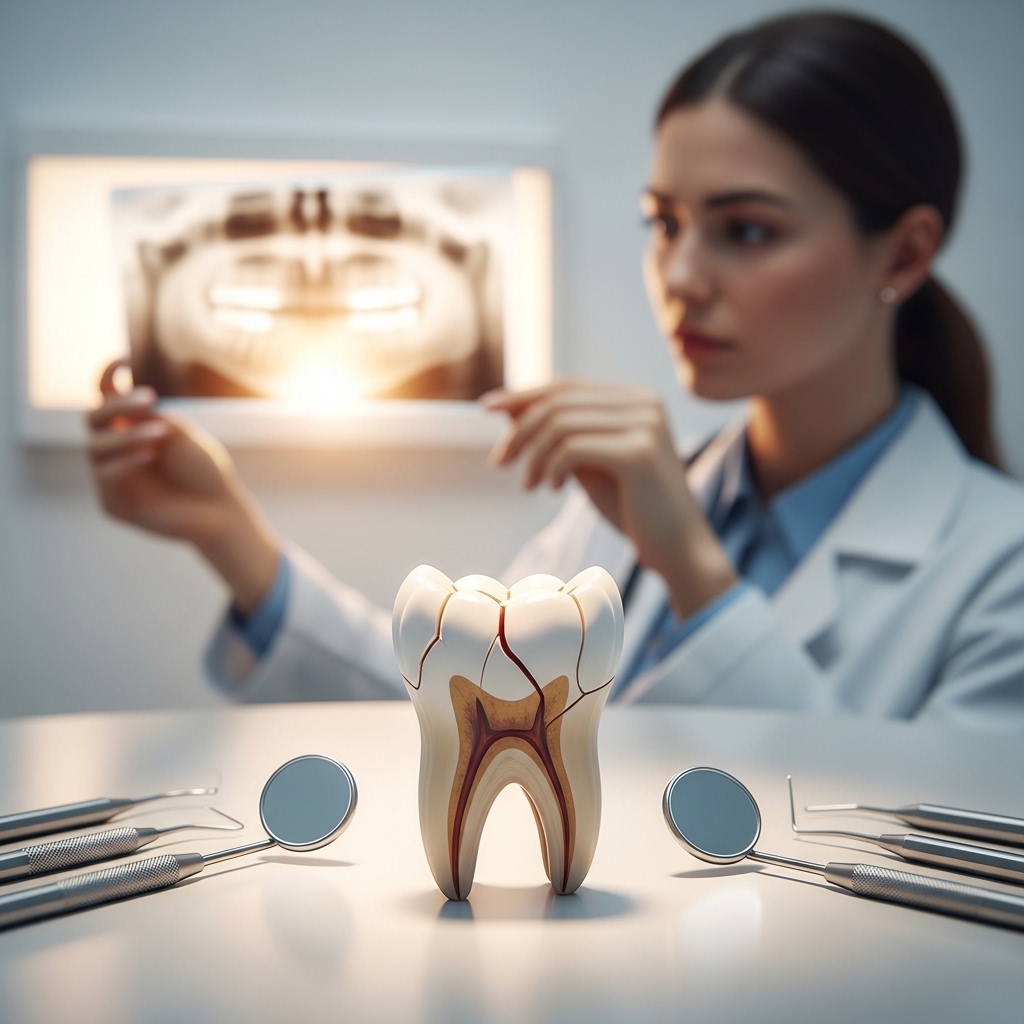
Crumbling teeth can arise from multiple factors. Understanding these causes is essential for effective treatment and prevention.
How Does Tooth Decay Lead to Crumbling?
Tooth decay starts with bacteria that produce acids. These acids erode the protective enamel layer. As the enamel weakens, cavities form. Left untreated, decay spreads deeper into the tooth structure, leading to crumbling. In fact, severe tooth decay is a common reason for crumbling teeth. Studies show that over 90% of adults experience tooth decay at some point in their lives [8].
What Role Does Enamel Erosion Play?
Enamel erosion occurs when acids strip minerals from teeth. This process can be accelerated by acidic foods and beverages, such as citrus fruits and soft drinks. When enamel erodes, it exposes the underlying dentin, making teeth more vulnerable to crumbling. For instance, individuals who frequently consume acidic diets may see a significant increase in tooth erosion, leading to structural damage [2].
How Can Bruxism Damage My Teeth?
Bruxism, or teeth grinding, exerts excessive pressure on teeth. This constant friction can cause cracks and chips. Over time, bruxism may lead to severe structural weakness. Those who grind their teeth at night often experience increased sensitivity and pain when biting. Using a mouthguard can help protect against this damage, but it’s crucial to address the underlying cause of bruxism as well [1][6].
Additional Factors to Consider
Other lifestyle factors contribute to crumbling teeth:
- Poor Oral Hygiene: Neglecting regular brushing and flossing leads to plaque buildup, increasing the risk of decay.
- Diet: High sugar intake fuels bacteria growth, exacerbating decay and erosion.
- Trauma: Accidents or sports injuries can chip or crack teeth, leading to immediate crumbling [5].
Take note of symptoms like sensitivity or visible cracks. If you experience these, consider seeking dental care promptly. Maintaining a balanced diet and practicing good oral hygiene can significantly reduce your risk of crumbling teeth.
How Can I Treat Crumbling Teeth?

Crumbling teeth require prompt attention. Understanding your treatment options can help restore dental health and prevent further damage.
What Professional Treatments Are Available?
Professional dental treatments offer effective solutions for crumbling teeth. Here are some common options:
| Treatment | Description | Pros | Cons |
|---|---|---|---|
| Fillings | Used to repair small cavities and cracks. | Quick procedure, preserves tooth structure. | May not be durable for larger repairs. |
| Crowns | Caps that cover and protect damaged teeth. | Restores shape and function. | More invasive; requires tooth reduction. |
| Fluoride Treatments | Strengthens enamel to prevent further decay. | Simple and effective for early stages. | Limited impact on severe damage. |
| Root Canals | Treats infection inside a tooth, preserving it. | Saves the tooth from extraction. | Complex, can require multiple visits. |
Crowns are often used for crumbling teeth to restore their function and appearance [1]. Fillings can efficiently repair damaged areas, stopping further decay [2]. Fluoride treatments can also strengthen teeth, helping to prevent crumbling due to enamel erosion [3].
Can Home Remedies Help?
While professional treatments are crucial, some home remedies may provide temporary relief. These include:
- Saltwater Rinses: Reduce inflammation and promote healing.
- Clove Oil: Acts as a natural analgesic for tooth pain.
- Cold Compress: Alleviates swelling and discomfort.
Home remedies can help manage symptoms but do not address the underlying causes. Always consult your dentist for effective solutions.
How to Choose the Right Treatment?
Selecting the appropriate treatment depends on the severity of your condition. Consider these factors:
- Severity of Damage: For minor cracks, fillings may suffice. For extensive damage, crowns or root canals may be necessary.
- Dental Health History: Past dental issues may influence your treatment options.
- Consultation with Your Dentist: A thorough examination will guide you toward the best choice.
When in doubt, seek professional advice. Early intervention is key to preventing more severe complications.
What Preventive Measures Can I Take?

Preventing crumbling teeth requires a proactive approach. By focusing on oral hygiene, diet, and lifestyle changes, you can protect your teeth effectively.
How to Improve My Oral Hygiene?
Good oral hygiene is your first line of defense against crumbling teeth. Follow this checklist for daily care:
- Brush Twice Daily: Use fluoride toothpaste to strengthen enamel and remove plaque.
- Floss Daily: Flossing removes food particles and plaque between teeth.
- Use Mouthwash: An antibacterial mouthwash can reduce plaque buildup.
- Replace Your Toothbrush: Change it every three months or sooner if bristles are frayed.
- Consider a Dental Clean: Regular professional cleanings help remove tartar that brushing can’t.
These practices significantly lower the risk of tooth decay, which leads to crumbling teeth [4].
What Foods Should I Include or Avoid?
Diet plays a crucial role in maintaining dental health. Include these foods for strong teeth:
- Dairy Products: Rich in calcium and vitamin D, they help strengthen enamel.
- Fruits and Vegetables: Crunchy options like apples and carrots help clean teeth naturally.
- Nuts: Almonds and walnuts provide essential nutrients for oral health.
Avoid these harmful foods:
- Sugary Snacks: Candy and soda can lead to cavities and enamel erosion.
- Acidic Beverages: Limit drinks like citrus juices and soft drinks that wear down enamel.
- Starchy Foods: Chips and white bread can linger on teeth, promoting decay.
A balanced diet protects your teeth from crumbling [5].
Why Are Regular Dental Visits Important?
Routine dental check-ups are vital for early detection and intervention. Dentists can:
- Identify early signs of decay or weakness.
- Provide professional cleanings that prevent plaque buildup.
- Offer tailored advice based on your specific dental health.
Schedule visits every six months. If you notice changes like sensitivity or cracks, seek care sooner. Regular attention can prevent small issues from becoming major problems [6].
When Should I Seek Dental Care?

Prompt dental care is essential if you notice signs of crumbling teeth. Early intervention can prevent further damage and restore your oral health.
What Symptoms Indicate a Need for Urgent Care?
Certain symptoms require immediate attention. These include:
- Severe Tooth Pain: Intense pain often signals underlying issues like infection or decay that need urgent treatment [7].
- Visible Cracks: Any cracks in the enamel can worsen if left untreated. They can lead to more severe damage or infection [8].
- Swelling in Gums: Swollen or bleeding gums may indicate a serious infection or periodontal disease that requires prompt care [9].
- Sensitivity to Hot or Cold: Increased sensitivity can signal weakened enamel or decay, making your teeth more susceptible to crumbling.
How to Recognize Dental Emergencies?
Recognizing dental emergencies can save your teeth. Use this checklist:
| Symptom | Action |
|---|---|
| Severe pain | Seek immediate dental care. |
| Cracked or broken tooth | Contact your dentist right away. |
| Gum swelling or bleeding | Visit a dentist urgently. |
| Persistent sensitivity | Schedule an appointment soon. |
What Questions Should I Ask My Dentist?
When you visit the dentist, ask these questions to understand your condition better:
- What is causing my teeth to crumble?
- What treatment options are available for my specific situation?
- How can I prevent further damage in the future?
- Are there any lifestyle changes I should consider to improve my oral health?
By addressing these questions, you can gain clarity on your dental health and explore effective treatment options.
What Are the Common Misconceptions About Crumbling Teeth?
Many myths surround crumbling teeth. Understanding the truth behind these misconceptions is crucial for maintaining good oral health.
Is Crumbling Teeth Only a Problem for Older Adults?
This is a common belief, but it’s not accurate. Crumbling teeth can affect anyone, regardless of age. Factors like diet, oral hygiene, and medical conditions play significant roles. Many young adults experience crumbling due to bruxism or poor dietary habits. Ignoring these signs can lead to severe consequences, including tooth loss, at any age [11].
Can I Ignore Minor Crumbling?
Absolutely not. Even minor crumbling should not be overlooked. Small cracks can worsen if not treated, leading to larger fractures and possible tooth decay. Early intervention is vital to prevent more extensive damage and costly treatments later on. Regular dental check-ups can help identify these issues before they escalate.
Are All Treatments Equal in Effectiveness?
Not all treatments are created equal. Efficacy varies based on the underlying cause of crumbling teeth. For instance, dental crowns may be a suitable solution for structural damage, while fluoride treatments can help with enamel erosion. Additionally, lifestyle changes, such as improving oral hygiene and diet, significantly impact treatment success. Always consult with a dentist to find the best approach tailored to your specific needs.
Quick Facts to Consider:
- Age Misconception: Crumbling teeth affect all ages, not just older adults.
- Neglecting Symptoms: Ignoring minor issues can lead to major dental problems.
- Treatment Variability: Different causes require targeted treatments for best results.
Understanding these misconceptions helps in making informed decisions about dental health. Regular check-ups and proactive care are essential for preventing further issues.
Frequently Asked Questions

These quick answers cover the homeowner questions that come up most often about hackberry trees, including growth, care, and common problems.
What are the signs of crumbling teeth?
Signs of crumbling teeth include visible cracks, chips, or rough edges. You may also experience increased sensitivity to hot or cold foods and beverages. If you notice pain when biting down or swelling in the gums around the affected tooth, these are indicators that dental care is needed.
Can crumbling teeth be repaired?
Yes, crumbling teeth can often be repaired using various dental treatments. Options include fillings for minor damage, crowns for more extensive structural issues, and fluoride treatments to strengthen weakened enamel. It’s essential to consult with a dentist to determine the best approach based on the severity of the damage.
What foods should I avoid to protect my teeth?
To protect your teeth, avoid sugary snacks and beverages, as they can promote tooth decay. Acidic foods and drinks, such as citrus fruits and sodas, can erode enamel. Starchy foods, like chips and white bread, can also linger on teeth and contribute to decay. Instead, focus on a balanced diet rich in dairy, fruits, and vegetables.
How often should I visit the dentist?
You should visit the dentist at least every six months for routine check-ups and cleanings. If you notice any changes, such as sensitivity or visible cracks, seek dental care sooner. Regular visits help catch issues early, preventing more severe problems down the line [6].
What is the best way to maintain oral hygiene?
To maintain good oral hygiene, brush your teeth twice a day with fluoride toothpaste and floss daily to remove plaque between teeth. Using an antibacterial mouthwash can further reduce plaque buildup. Additionally, replace your toothbrush every three months and consider professional cleanings to remove tartar that brushing cannot [4].
How does aging affect my teeth?
As you age, your teeth may become more vulnerable to decay and crumbling due to factors like enamel wear and decreased saliva production. Saliva plays a crucial role in neutralizing acids and protecting teeth, so reduced saliva can increase the risk of cavities and erosion [6]. Regular dental check-ups become even more important as you age.
What role does saliva play in dental health?
Saliva is essential for maintaining dental health. It helps neutralize acids produced by bacteria in the mouth, wash away food particles, and provide minerals that strengthen enamel. A decrease in saliva can lead to an increased risk of tooth decay and erosion, making hydration and oral health care crucial [6].
When should I seek dental care?
You should seek dental care if you experience severe tooth pain, visible cracks, or swelling in your gums. Persistent sensitivity to hot or cold can also indicate a problem that needs attention. Early intervention is vital to prevent further damage and ensure effective treatment [7][9].
References
1. Dental crowns: MedlinePlus Medical Encyclopedia
2. Dental Fillings Information | NIDCR
3. About Fluoride | Oral Health
4. Taking Care of Your Teeth and Mouth
5. Diet and Nutrition to Prevent Dental Problems – NCBI – NIH
7. Toothaches: MedlinePlus Medical Encyclopedia
8. Review of Cracked Tooth Syndrome: Etiology, Diagnosis …
9. Gums – swollen: MedlinePlus Medical Encyclopedia
11. About Tooth Loss | Oral Health