
A dismissal with prejudice means that a court has permanently closed a case, barring the plaintiff from refiling the same claim against the same defendant in the future [1]. This type of dismissal acts as a final judgment on the merits of the case and is generally irreversible.
Understanding Dismissal With Prejudice

When a case is dismissed with prejudice, it means that the legal matter has reached a definitive conclusion, effectively barring the plaintiff from refiling the same claim against the same defendant in the future. This type of dismissal serves as a final judgment on the merits of the case, indicating that the court has thoroughly evaluated the legal and factual aspects involved [1].
A dismissal with prejudice often arises when the court determines that the plaintiff’s claim lacks sufficient legal merit or if procedural issues prevent the case from moving forward. This means that the plaintiff has no further opportunity to correct any deficiencies or to present the case again in any court [2]. This finality is rooted in the legal principle of res judicata, which translates to “a matter judged.” This principle ensures that once a court has made a decision, the same parties cannot relitigate the same issue repeatedly, promoting judicial efficiency and stability in the legal system [3].
The implications of a dismissal with prejudice are significant for the plaintiff. Not only does it close the door on the current claim, but it also prevents any future lawsuits based on the same facts or issues, regardless of how compelling new evidence may seem [1]. In contrast, a dismissal without prejudice allows the plaintiff the chance to amend their complaint and refile the case, providing a pathway for correcting any issues identified by the court.
Judges typically issue dismissals with prejudice after careful consideration, often in cases where there has been a failure to comply with court rules or where the claim is deemed fundamentally flawed. Therefore, when a case is dismissed with prejudice, it acts as a powerful court order that signifies a conclusive end to the litigation process for that particular claim [2]. This type of dismissal leaves the plaintiff with limited options; while they may appeal the decision, they cannot simply restart the case in the same court [3].
Dismissal With Prejudice vs. Without Prejudice

Understanding the difference between dismissal with prejudice and dismissal without prejudice is essential for anyone involved in a legal case. Each type of dismissal carries significant implications for the plaintiff’s rights and the overall strategy of both parties.
A dismissal with prejudice signifies that the case is permanently closed. Once a case is dismissed this way, the plaintiff cannot file the same claim against the defendant again in any court. This type of dismissal acts as a final judgment on the merits of the case, meaning that the court has ruled on the legal and factual issues involved. The principle of res judicata plays a crucial role here, as it prevents the same parties from re-litigating the same claim, ensuring efficiency in the legal system [3]. For example, if a plaintiff fails to present valid arguments or evidence, the court may dismiss the case with prejudice, marking a definitive end to that legal battle.
In contrast, a dismissal without prejudice allows the plaintiff the opportunity to correct deficiencies in their case and refile it later. This type of dismissal typically occurs when the court identifies procedural errors or issues that can be remedied. For instance, if a plaintiff mistakenly files in the wrong jurisdiction, the court may dismiss the case without prejudice, giving them a chance to fix the error and try again [4]. This flexibility can be vital for a plaintiff hoping to pursue their claim after addressing the issues identified by the court.
The strategic considerations differ significantly between the two types of dismissals. For defendants, a dismissal with prejudice is generally favorable, as it provides a sense of finality and prevents the plaintiff from pursuing the same claim in the future. Such a dismissal often acts as a significant victory, allowing the defendant to move forward without the fear of re-litigation. On the other hand, a dismissal without prejudice can keep the door open for the plaintiff, encouraging them to amend their complaint and attempt to bring the case back to court.
In voluntary dismissals, plaintiffs may choose to dismiss their case with or without prejudice. If they do so with prejudice, they essentially waive their right to refile the claim in the future, demonstrating a clear intent to drop the matter permanently. Conversely, if the dismissal is without prejudice, the plaintiff retains the option to correct any mistakes and file again, which can lead to more strategic planning on how to present the case effectively.
Ultimately, the ramifications of a dismissal with prejudice are significant. It not only closes the case permanently but also reinforces the court’s authority in making final judgments on legal matters. By understanding these differences, plaintiffs and defendants can better navigate their legal strategies and make informed decisions throughout the litigation process.
Legal Consequences of Dismissal With Prejudice

When a case is dismissed with prejudice, it serves as a court order that permanently closes the door for the plaintiff to pursue the same claim again. This type of dismissal is significant because it blocks any future attempts to bring the same lawsuit against the same defendant. Essentially, a dismissal with prejudice acts as a final judgment on the legal merits of the case, which means the plaintiff cannot refile that claim in any court [1].
One of the key principles underpinning this concept is res judicata, a Latin term meaning “a matter judged.” This legal doctrine ensures that once a court has made a final decision on a matter, the same parties cannot relitigate the same issue. This principle is crucial in maintaining judicial efficiency and preventing endless legal disputes over the same claim [6]. So, when a plaintiff faces a dismissal with prejudice, they are effectively barred from revisiting the same legal battle.
The consequences of a dismissal with prejudice can be immediate and far-reaching. For the plaintiff, it means losing the opportunity to correct any mistakes or deficiencies in their case. Unlike a dismissal without prejudice, where the plaintiff may have a chance to amend their complaint and refile, a dismissal with prejudice leaves no room for such actions. The case is closed, and the plaintiff cannot appeal to file again based on the same facts [1].
Moreover, a dismissal with prejudice is often a result of serious issues within the case. This could include failing to meet legal standards or not properly addressing the court’s concerns during the litigation process. Judges typically reserve this harsh ruling for situations where they believe there is no viable way for the plaintiff to succeed, thus reinforcing the finality of the court’s decision [3].
It’s also important to note that while the dismissal prevents the plaintiff from bringing the same claim back, they may still have the right to appeal the dismissal itself. However, this appeal does not grant them the ability to file the same case again; it simply allows them to challenge the judge’s decision [1].
In summary, a dismissal with prejudice is a powerful legal tool that emphasizes the importance of final judgments in the courtroom. By applying the principle of res judicata, courts ensure that once a matter has been adjudicated, it remains settled, thereby fostering a more efficient legal system.
Reasons for Dismissal With Prejudice
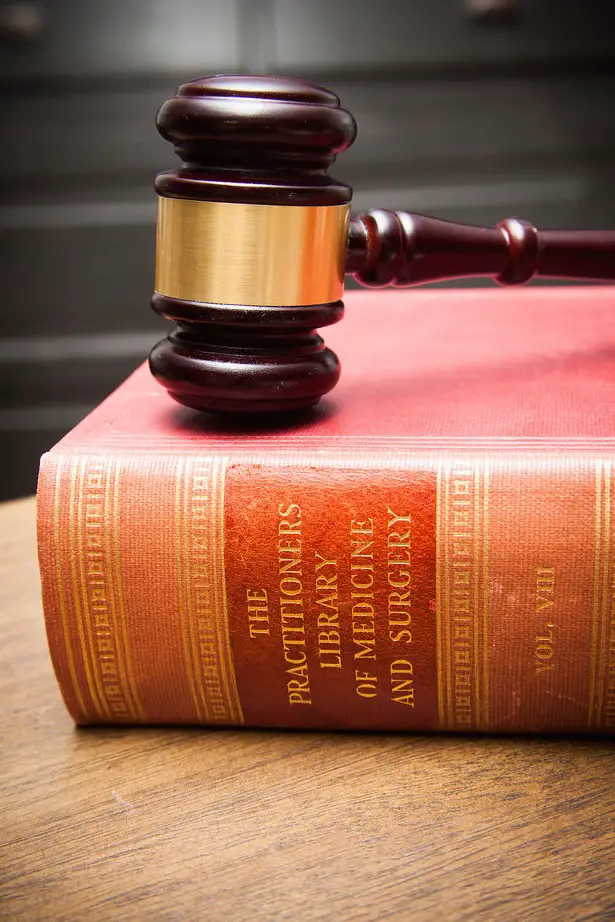
A judge may issue a dismissal with prejudice for several key reasons, each reflecting the merits—or lack thereof—of the case at hand. Understanding these reasons can shed light on what it means to dismiss a case with prejudice.
- Failure to State a Claim: One common reason for a dismissal with prejudice is when the plaintiff fails to state a valid legal claim. This means the court has determined that, even if all the facts presented by the plaintiff are true, they still do not establish a legal basis for the lawsuit. In such cases, the court recognizes that the claim lacks merit and thus issues a final judgment, preventing the plaintiff from refiling the same case later [7].
- Procedural Violations: Another reason could be procedural violations, where the plaintiff fails to follow court rules or deadlines. For example, if a plaintiff repeatedly misses deadlines for submitting documents or evidence, the judge may view this as a serious disregard for the legal process. Such violations can lead to a dismissal with prejudice to maintain the integrity of court proceedings and ensure that all parties adhere to established rules [3].
- Misconduct by the Plaintiff: A dismissal with prejudice may also occur due to misconduct by the plaintiff. This can include actions such as lying under oath, tampering with evidence, or otherwise behaving in bad faith during the litigation process. Such behavior not only undermines the case but can also warrant a severe penalty, including a permanent bar from refiling the claim [3].
- Involuntary Dismissals: Involuntary dismissals often result in a dismissal with prejudice, particularly when a judge decides that the case cannot proceed for legal reasons. For instance, if the judge determines that the case is legally unsound or that the plaintiff has already been given opportunities to amend their claim without success, a dismissal with prejudice is appropriate. This serves as a final determination on the merits, closing the door on any future attempts to revive the same lawsuit [7].
These reasons underscore the importance of the legal system’s efficiency and fairness. When a court issues a dismissal with prejudice, it reflects a definitive conclusion that the issues have been thoroughly examined and deemed unsatisfactory, thus aligning with the principle of res judicata, which prevents the same claim from being relitigated endlessly.
Examples of Cases Dismissed With Prejudice

Understanding real-world examples of cases dismissed with prejudice can shed light on the implications of such legal decisions. These cases illustrate how a dismissal with prejudice serves as a final judgment, effectively closing the door on any future attempts to bring the same claim.
- Paula Deen Case: In 2013, celebrity chef Paula Deen found herself embroiled in a lawsuit related to allegations of racial discrimination. The case was dismissed with prejudice after Deen’s legal team successfully argued that the claims were without merit. This dismissal meant that the plaintiffs could not pursue any similar claims against her in the future, underscoring the court’s determination that the issues had been resolved conclusively [1].
- Involuntary Dismissals in Federal Court: A notable case involved a plaintiff who filed a lawsuit regarding a breach of contract. After multiple failures to comply with court orders and deadlines, the judge issued a dismissal with prejudice. This outcome barred the plaintiff from refiling the same claim, demonstrating how a court can take decisive action against non-compliance, effectively marking the end of the litigation process [1].
- Statute of Limitations: In another case, a plaintiff attempted to file a personal injury claim well after the statute of limitations had expired. The court dismissed the case with prejudice, emphasizing that the plaintiff could never bring that claim again. This illustrates the principle that time limits in legal claims are strictly enforced and that missing these deadlines can permanently extinguish a plaintiff’s rights [1].
- Failure to State a Claim: A significant dismissal occurred when a plaintiff filed a lawsuit that failed to provide sufficient legal grounds for the claims made. The judge dismissed the case with prejudice, ruling that the plaintiff had been given ample opportunity to amend the complaint but failed to do so adequately. Here, the court’s decision highlighted the importance of presenting a legally sound case from the start, as a dismissal with prejudice meant the plaintiff could not attempt to revive the same claim later [1].
Each of these examples showcases the finality associated with a dismissal with prejudice. Once the court issues such a ruling, it acts as a definitive bar against the plaintiff from pursuing the same issues, enforcing the doctrine of res judicata, which prevents relitigation of settled matters.
Appeals Following a Dismissal With Prejudice
If a plaintiff receives a dismissal with prejudice, it can feel like a door has been permanently shut. However, there still may be options available to contest this court order. Understanding the appeal process is crucial for anyone facing such a final judgment.
When a case is dismissed with prejudice, it means that the plaintiff cannot file the same claim again in the future. This finality is rooted in the legal principle of res judicata, which prevents the relitigation of settled matters [3]. Despite this, plaintiffs are not entirely without recourse. They can appeal the dismissal if they believe the ruling was unjust or based on a legal error.
To initiate an appeal, the plaintiff must file a notice of appeal with the appropriate appellate court. This notice typically needs to be filed within a specific timeframe, often 30 days from the date of the dismissal order. It’s essential to adhere to this deadline; otherwise, the opportunity to appeal may be lost forever. The appeal itself is not a new trial but rather a review of the lower court’s decision to determine if there was an error in the application of the law [3].
Several grounds may justify an appeal following a dismissal with prejudice:
- Legal Errors: If the plaintiff believes that the judge made a mistake in interpreting the law or applying it to the facts of the case, they may have a valid basis for appeal. For example, if the dismissal was based on a misunderstanding of legal standards, this could support the case for overturning the decision.
- Procedural Issues: If the dismissal was granted without the plaintiff having the opportunity to adequately present their case, this could also be grounds for appeal. For instance, if the court dismissed the case too hastily or without allowing the plaintiff to rectify any deficiencies in their complaint, an appeal might be warranted.
- Abuse of Discretion: If the judge abused their discretion in issuing the dismissal, such as failing to consider evidence that could have supported the plaintiff’s case, this may provide another avenue for appeal.
It’s crucial for plaintiffs to consult with legal counsel when considering an appeal after a dismissal with prejudice. An experienced attorney can help navigate the complexities of appellate procedures and improve the chances of a successful outcome. While the dismissal acts as a barrier to re-filing the same claim, a well-founded appeal can challenge the final judgment and potentially lead to a different resolution [8].
How to Avoid a Dismissal With Prejudice
Preventing a dismissal with prejudice is crucial for plaintiffs who want to keep their legal options open. Here are some effective strategies to minimize the risk of facing such a final judgment.
- File Correctly: The first step is ensuring that your case is filed properly. This includes submitting all required documents, paying necessary fees, and adhering to the specific rules of the court. A misfiled case can lead to a dismissal with prejudice if the judge deems the filing deficiencies uncorrectable [9].
- Address Issues Early: If there are problems with your case, such as missing evidence or procedural errors, address them as soon as possible. Early intervention can prevent the case from being dismissed. Courts often allow plaintiffs to rectify issues when the dismissal is without prejudice, but a dismissal with prejudice signals that the court found the problems insurmountable [10].
- Understand Court Rules: Familiarize yourself with the specific rules governing your case. The Federal Rules of Civil Procedure, particularly Rule 41, outline circumstances under which a case may be dismissed with prejudice. Knowing these rules helps you avoid pitfalls that could lead to a permanent closure of your claim [11].
- Maintain Compliance: Follow all court orders and deadlines meticulously. Failing to comply with court directives can result in an involuntary dismissal with prejudice, especially if the judge believes the plaintiff is not taking the case seriously. Staying compliant demonstrates respect for the judicial process and can influence the judge’s decision [9].
- Seek Legal Advice: Consulting with an attorney who specializes in your case type can provide valuable insights. A knowledgeable lawyer can help you navigate potential legal hurdles and ensure that your case is presented effectively, reducing the likelihood of a dismissal [10].
- Be Prepared for Challenges: If you anticipate difficulties in your case, be proactive. This could involve gathering additional evidence or seeking witness testimonies early on. Presenting a strong case from the start can mitigate the chances of a dismissal based on merits, which could lead to a dismissal with prejudice [11].
By following these guidelines, plaintiffs can safeguard their cases against the risks associated with a dismissal with prejudice, maintaining their right to pursue justice effectively.
Judicial Discretion in Dismissals
Judicial discretion plays a crucial role in the process of dismissing a case with prejudice. When a judge decides to dismiss a case with prejudice, they are effectively issuing a final court order that prevents the plaintiff from ever filing the same claim again. This decision is not made lightly and involves careful consideration of various factors.
One of the primary factors judges examine is the legal merits of the case. If the judge determines that the evidence strongly favors one side, they may opt for a dismissal with prejudice, effectively ruling on the case’s merits even without a full trial. This aligns with the legal principle of res judicata, which ensures that once a matter has been judged, it cannot be relitigated [1]. This principle promotes judicial efficiency and protects defendants from repeated lawsuits for the same issue.
Judges also consider the conduct of the parties involved. If a plaintiff has shown willful neglect, such as failing to comply with court orders or engaging in misconduct, this may lead to a dismissal with prejudice. For example, if a plaintiff repeatedly fails to show up for hearings or doesn’t provide required documents, a judge might decide that such behavior warrants a permanent dismissal [12]. The court’s goal in these situations is to maintain order and integrity in the judicial process.
Another important aspect of judicial discretion is the type of dismissal being sought. A dismissal with prejudice is typically an involuntary dismissal, meaning it arises from a motion by the defendant, often due to procedural issues or failure to state a valid claim. In contrast, a dismissal without prejudice allows the plaintiff to address any deficiencies and refile the case later [1]. Judges usually prefer to grant dismissals without prejudice unless the circumstances indicate that the case is hopeless or fundamentally flawed.
Moreover, judges must adhere to established legal standards when deciding on dismissals. They consider whether the dismissal serves the interests of justice and whether it aligns with the legal framework governing dismissals. For instance, if a dismissal results from a procedural error, the judge may lean towards a dismissal without prejudice to afford the plaintiff an opportunity to correct their mistakes [1].
Ultimately, the factors that judges weigh when deciding on a dismissal with prejudice are designed to uphold the integrity of the legal system and ensure that cases are resolved definitively. The implications of such a decision are significant, as it means the plaintiff cannot pursue the same claims against the same defendant ever again. This final judgment underscores the importance of the judge’s role in ensuring that the courtroom remains a fair and efficient forum for justice.
Procedural Rules Governing Dismissals
When it comes to dismissing a case with prejudice, procedural rules play a crucial role in determining the outcome. In the United States, the Federal Rules of Civil Procedure provide a framework for these dismissals, particularly through Rule 41. This rule outlines how cases can be dismissed, either voluntarily or involuntarily, and specifies that a dismissal with prejudice acts as a final judgment on the merits of the case [11]. This means that once a case is dismissed with prejudice, the plaintiff cannot bring the same claim against the same defendant again.
The distinction between dismissal with prejudice and without prejudice is significant. A dismissal without prejudice allows the plaintiff to refile the case after correcting any issues, while a dismissal with prejudice permanently bars the plaintiff from pursuing the same claim [11]. This finality is essential for maintaining the integrity of the judicial system, as it prevents endless litigation over the same issues, a principle rooted in the doctrine of res judicata, meaning “a matter judged.” This doctrine ensures that once a court has made a decision, the same dispute cannot be relitigated [11].
Procedural rules can vary by jurisdiction, which means that the implications of a dismissal with prejudice may differ depending on where the case is filed. Some state courts may have additional requirements or different standards for issuing a dismissal with prejudice. For instance, while federal courts often treat involuntary dismissals as adjudications on the merits, state courts may allow for more flexibility depending on the circumstances surrounding the case [13]. This variation can impact how plaintiffs and defendants prepare for litigation, as they must consider the specific rules that apply in their jurisdiction.
Involuntary dismissals, which are often issued by a judge, tend to result in a dismissal with prejudice if the plaintiff has failed to meet certain legal standards, such as the statute of limitations or failing to state a valid claim [13]. Judges typically provide warnings or opportunities to correct procedural issues before issuing a dismissal; however, if a dismissal with prejudice is granted, it signifies that the court has deemed the case fundamentally flawed beyond repair.
Understanding these procedural nuances is vital for litigants. A dismissal with prejudice not only ends the current lawsuit but also signals a final verdict on the issues at hand. Consequently, plaintiffs must approach their cases with caution, ensuring that they present a solid legal foundation to avoid the harsh consequences of a dismissal with prejudice. This finality serves the dual purpose of protecting defendants from repeated claims while streamlining the court system [13].
References
1. with prejudice | Wex | US Law | LII / Legal Information Institute
2. 5 CFR § 2610.204 – When an application may be filed. – LII
3. dismissal with prejudice | Wex – Law.Cornell.Edu
4. dismissal without prejudice | Wex | US Law – LII
5. The status of litigation against the Trump administration’s K …
6. res judicata | Wex | US Law | LII / Legal Information Institute
7. failure to state a claim | Wex – Law.Cornell.Edu
8. Just the Facts: U.S. Courts of Appeals
10. How the Office for Civil Rights Handles Complaints
11. Rule 41. Dismissal of Actions | Federal Rules of Civil Procedure
12. What Gets Judges in Trouble – UNC School of Government
13. Rule 48. Dismissal | Federal Rules of Criminal Procedure