
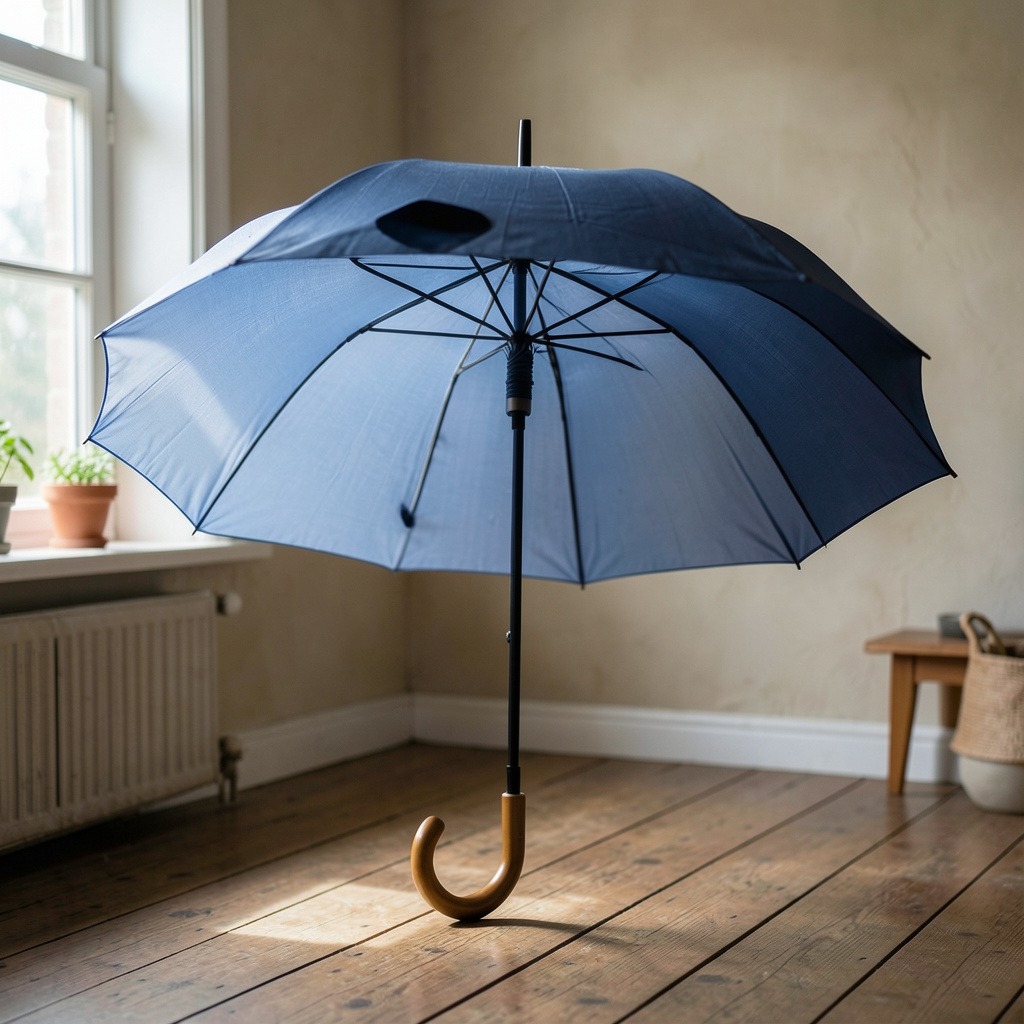
Opening an umbrella indoors is considered bad luck in many cultures, stemming from historical safety concerns and ancient beliefs that attribute negative consequences to disrespecting protective objects or spirits.
This superstition, widely recognized in various cultures, has roots in both practical safety concerns and deep-seated historical beliefs about luck and divine protection. Understanding its origins reveals how these ideas have persisted throughout time.
Understanding the Superstition of Opening an Umbrella Indoors
The belief that opening an umbrella indoors brings bad luck is rooted in both historical context and cultural interpretations. This superstition continues to influence behaviors and rituals today.
Historical Context of the Superstition
The origins of this superstition can be traced back to the Victorian era. During this time, umbrellas were relatively new inventions. Unlike modern designs, early umbrellas featured rigid metal spokes that could spring open unexpectedly. This created a safety hazard indoors, where the risk of injury or damage to property was significant. Consequently, the superstition likely served as a warning against the dangers of using umbrellas in confined spaces.
Additionally, ancient Egyptians viewed umbrellas as symbols of divine protection. They believed that opening an umbrella indoors might offend household spirits. These spirits were thought to safeguard the home and its inhabitants. Thus, the act of opening an umbrella inside could disrupt the protective energy, leading to misfortune.
Cultural Interpretations Across Societies
Different cultures interpret the superstition surrounding umbrellas uniquely. Here are a few examples:
- Western Cultures: Primarily associate the superstition with bad luck and the risk of injury. It is often linked to the idea of respecting household spirits.
- Chinese Culture: Umbrellas symbolize protection and good fortune. However, opening one indoors might still be deemed disrespectful to ancestors.
- African Cultures: In some regions, umbrellas are seen as sacred objects. Opening one indoors can be interpreted as inviting chaos into the home.
- Japanese Culture: Umbrellas are often linked to protection from rain. Nevertheless, similar to Western beliefs, using one indoors could disrupt the harmony of the household.
These variations highlight how cultural interpretations shape the understanding of the superstition.
Table of Contents
Practical Implications of the Belief
This superstition has practical implications for daily life. Here are some considerations:
- Safety: Avoid opening umbrellas indoors to prevent accidents or damage to property.
- Respect for Tradition: If you are in a cultural setting where this superstition is valued, it’s courteous to adhere to the belief.
- Decision Framework: When deciding whether to open an umbrella indoors, consider the following:
- Are you in a confined space?
- Do you respect the cultural significance of the umbrella?
- Is there a risk of injury or damage?
By understanding these aspects, individuals can navigate the superstition with awareness and respect for its historical and cultural roots.
The Historical Origins of the Umbrella Superstition
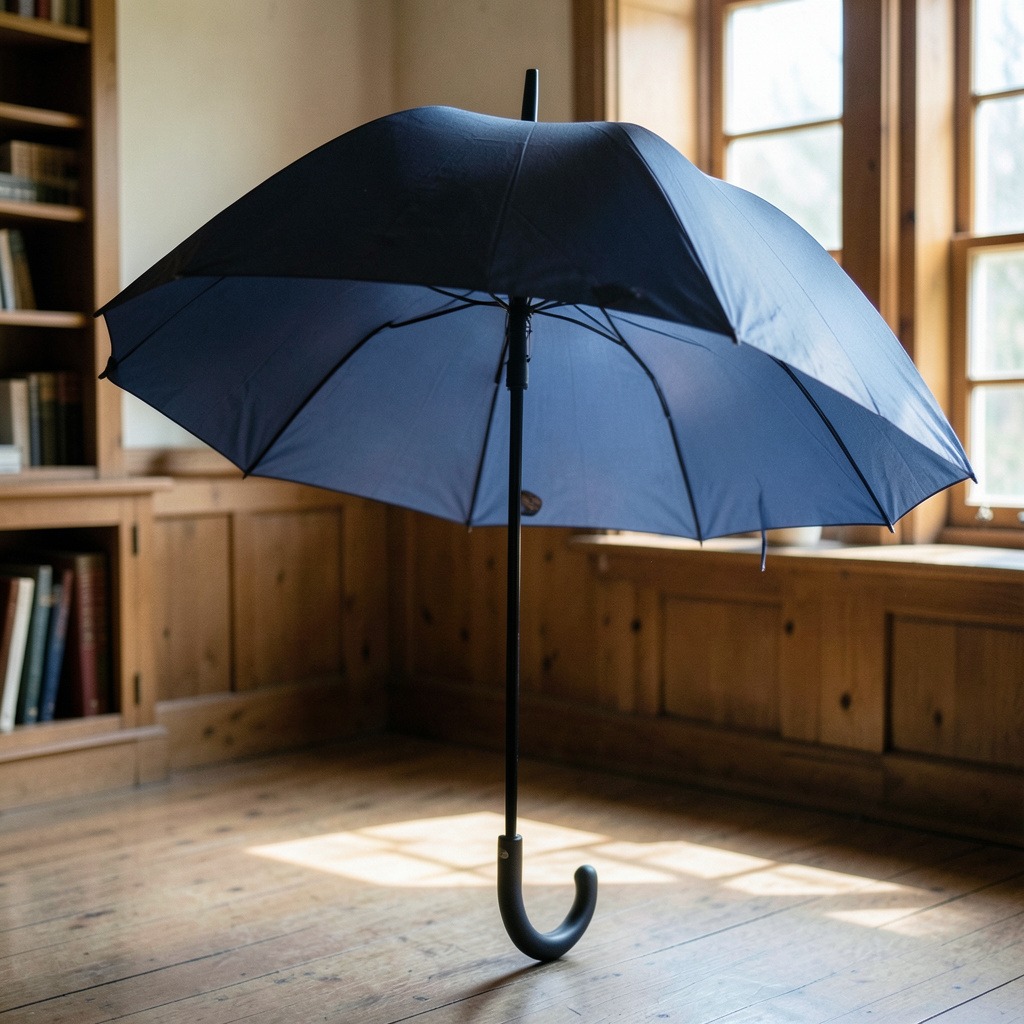
The superstition surrounding opening an umbrella indoors has deep historical roots. Two prominent periods that shaped this belief are ancient Egypt and the Victorian era. Each contributed unique cultural and practical contexts to the superstition.
Ancient Egyptian Beliefs Around Protection
In ancient Egypt, umbrellas, primarily in the form of parasols, served as symbols of divine protection. They were not merely functional; they held sacred significance, often associated with the sun god Ra. Nobility and religious figures used these parasols, which were believed to shield them from harmful forces.
Opening a sacred object indoors could be perceived as an insult to these deities. This belief underscored the importance of context when using such a revered item. The act of opening an umbrella was not just about utility; it was a statement about respect for divine forces.
Safety Concerns in the Victorian Era
During the Victorian era, the design of umbrellas evolved significantly. Samuel Fox’s invention of the modern umbrella introduced a more complex mechanism that sometimes posed safety hazards. The rigid metal spokes and spring triggers could cause injuries if mishandled indoors.
This practical concern likely fueled the superstition about bad luck associated with opening umbrellas inside. Victorians emphasized decorum and safety in their homes, and an open umbrella could inadvertently lead to accidents or damage.
Cultural Variations and Anecdotes
Across cultures, interpretations of this superstition vary. For example, in some Asian traditions, umbrellas symbolize unity and protection. The Chinese character for umbrella resembles a person shielded beneath a canopy, reinforcing its protective qualities.
An interesting anecdote from Victorian England illustrates this superstition’s impact. During a social gathering, a guest opened an umbrella indoors, leading to an immediate hush. The host, recognizing the tension, quickly dismissed the act as mere folly, yet the discomfort lingered, highlighting the deeply ingrained nature of the belief.
Decision Framework for Handling Umbrellas Indoors
Consider the following when deciding whether to open an umbrella indoors:
- Cultural Context: Are you in a setting where this superstition holds significant value?
- Safety Risks: Could opening the umbrella cause injury or damage?
- Personal Beliefs: Do you hold any personal beliefs regarding luck and superstitions?
By understanding these facets, individuals can navigate the superstition with respect and awareness of its historical significance.
Psychological and Social Implications of Superstitions
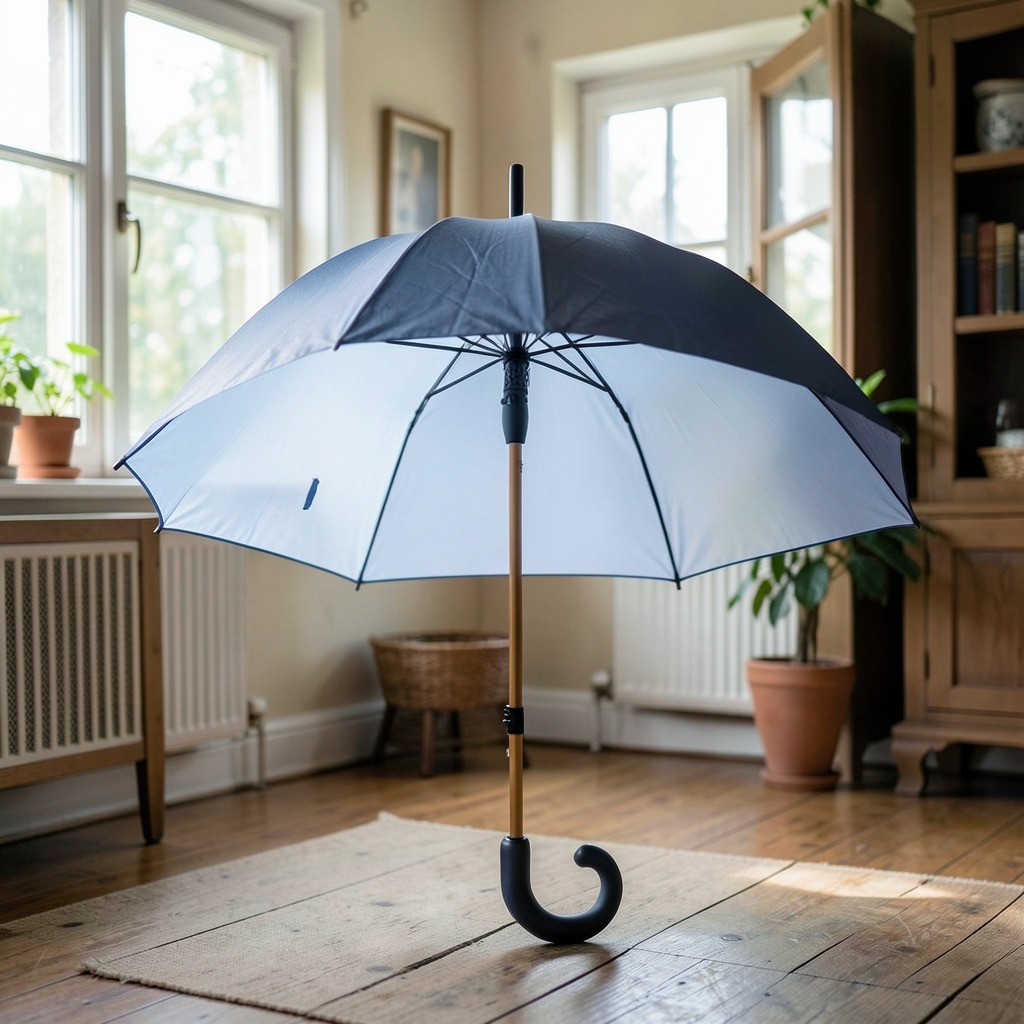
The umbrella indoors superstition reveals deep psychological and social dynamics. Its persistence across cultures stems from both cognitive biases and emotional needs.
Understanding Magical Thinking
Magical thinking refers to the belief that one can influence the outcome of events through specific actions. In the case of the umbrella superstition, opening an umbrella indoors is thought to invite bad luck. This belief can be tied to the human tendency to seek control in uncertain situations.
Research indicates that such superstitious beliefs often flourish during periods of stress. For example, individuals may adhere to the superstition even when they recognize its irrationality, as it provides a sense of agency over fortune.
The Role of Superstitions in Social Behavior
Superstitions like the indoors umbrella belief serve important social functions. They create common ground among community members, reinforcing group identity through shared practices. This is particularly evident in cultures where the superstition is deeply rooted.
Moreover, the emotional resonance of the superstition strengthens its transmission. Fear of misfortune associated with bad luck often leads people to avoid actions that could provoke it, such as opening an umbrella indoors. This avoidance behavior reinforces social bonds, as individuals collectively uphold the cultural norm.
Key Insights:
- Superstitions are more likely to persist in environments marked by uncertainty.
- The emotional weight of beliefs contributes to their memorability and transmissibility.
- Communities often reinforce superstitions through shared experiences and rituals.
By understanding these psychological and social implications, individuals can better navigate the complexities of superstitions and their roles in cultural contexts.
Modern Interpretations and Attitudes Toward the Superstition
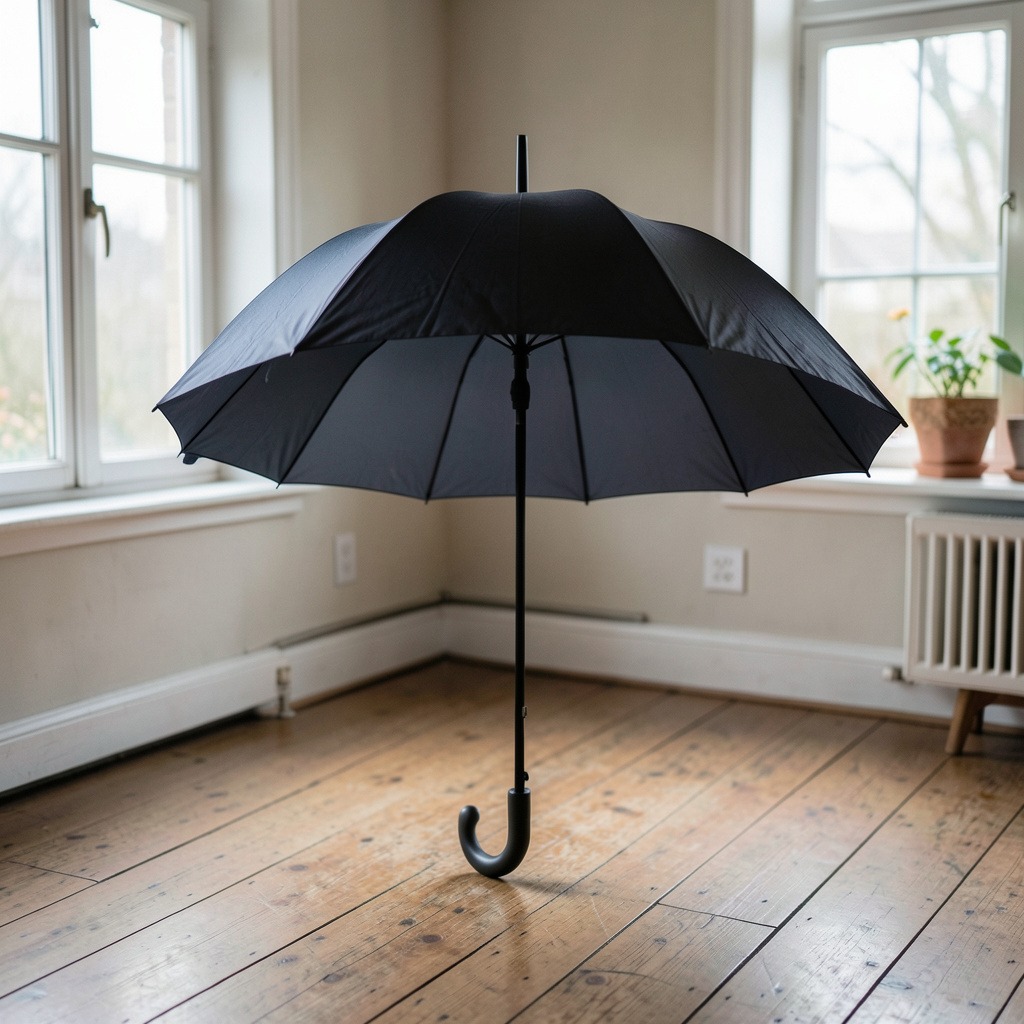
Contemporary views on the superstition surrounding opening umbrellas indoors reveal a fascinating blend of tradition and modernity. While some people maintain a strong belief in the associated bad luck, others approach the superstition with skepticism or indifference.
Contemporary Cultural Perspectives
Different cultures express varied interpretations of this superstition. In Western contexts, the fear of bad luck persists, often reinforced through social interactions. For instance, many individuals still choose not to open umbrellas indoors, viewing it as a sign of respect for tradition, regardless of personal beliefs.
Conversely, in many non-Western cultures, the significance of umbrellas often diverges. For example, in parts of China, red umbrellas opened indoors during wedding ceremonies symbolize fertility and good fortune, contrasting sharply with the negative connotations found in Western societies. This highlights the importance of cultural context in understanding superstitions.
How to Handle Umbrellas Indoors Safely
Despite the superstition, practical handling of umbrellas indoors can mitigate safety concerns. Here are a few guidelines:
- Close the Umbrella: Always close the umbrella before entering a home or building.
- Designated Spot: Create a specific area for storing wet umbrellas to avoid water damage indoors.
- Educate Others: Share the origins of the superstition to encourage a balanced view between tradition and practicality.
Case Study: Modern Attitudes Toward the Superstition
A recent survey conducted among diverse age groups revealed that:
- Over 60% of respondents acknowledged the superstition but do not strictly adhere to it.
- 30% admitted to feeling uneasy when opening an umbrella indoors, reflecting deep-rooted beliefs.
- 10% actively engage in rituals to counteract potential bad luck, such as tossing salt over their shoulder or carrying a lucky charm.
This data illustrates a trend where many individuals recognize the superstition but opt for a more rational approach to life choices while respecting cultural heritage.
Frequently Asked Questions
These quick answers cover the most common questions about this topic, including key details, practical tips, and common concerns.
How to get rid of bad luck after opening an umbrella indoors?
If you’ve opened an umbrella indoors and are concerned about bad luck, there are a few traditional methods to counteract it. Common practices include:
- Spitting three times: This is believed to ward off misfortune.
- Tossing salt over your left shoulder: This is a popular superstition to reverse bad luck.
- Performing a small ritual: Some people light a candle or say a prayer for protection.
These methods are often rooted in cultural beliefs and can provide a sense of reassurance.
What does an umbrella represent spiritually?
Spiritually, umbrellas symbolize protection and shelter. They are often associated with safeguarding against negative energies or misfortune. In various cultures, umbrellas can represent:
- Divine protection: As seen in ancient Egypt, where they were linked to gods and spirits.
- Safety and security: In many traditions, they signify a protective barrier against harm, both physically and spiritually.
Understanding these meanings can enhance your appreciation of the umbrella’s significance in different cultural contexts.
Where to put an umbrella in a house?
To respect both superstition and practicality, it’s best to store umbrellas in specific areas of your home. Consider:
- A designated umbrella stand: Place it near the entrance to keep wet umbrellas contained.
- Avoiding the living space: Keep umbrellas out of common areas to minimize disruption to household energy and to prevent accidents.
By establishing a clear storage spot, you honor the cultural beliefs while maintaining a tidy home.
What is the Japanese myth about umbrellas?
In Japan, there is a myth surrounding the shōjō, a type of spirit that resides in umbrellas. It is said that if you leave an umbrella open indoors, it could attract these spirits, leading to misfortune. This belief emphasizes the importance of respecting household items and their associated spirits.
Additionally, some Japanese traditions link umbrellas to protection against rain, but opening one indoors is still considered disrespectful.
Mythbusting: Is it really bad luck to open an umbrella indoors?
While many cultures believe that opening an umbrella indoors brings bad luck, this superstition is not universally accepted. Some view it as a relic of historical safety concerns, particularly during the Victorian era.
However, in certain cultures, umbrellas are seen as symbols of good fortune. Thus, the belief varies widely, and whether it’s considered bad luck often depends on personal or cultural perspectives.
What are some other common superstitions related to luck?
There are numerous superstitions related to luck, including:
- Walking under a ladder: Considered bad luck due to the triangle shape symbolizing the Holy Trinity.
- Breaking a mirror: Believed to bring seven years of bad luck, originating from the idea that mirrors reflect the soul.
- Finding a four-leaf clover: Seen as a sign of good luck and protection against evil.
These superstitions reflect cultural beliefs about luck and misfortune and often encourage caution in daily life.
How do different cultures view umbrellas?
Umbrellas are viewed differently across cultures. For example:
- Western cultures: Generally associate umbrellas with bad luck when opened indoors.
- Chinese culture: Umbrellas symbolize protection, but opening one indoors might be seen as disrespectful to ancestors.
- African cultures: In some regions, umbrellas are sacred, and using them indoors could invite chaos.
These varying interpretations highlight the rich tapestry of beliefs surrounding umbrellas and their significance in different societies.
What are safer practices for using umbrellas indoors?
To ensure safety while respecting superstitions, consider the following practices:
- Always close the umbrella before entering a building to avoid accidents.
- Use a designated area for storing umbrellas to prevent water damage and clutter.
- Educate others about the superstition and its origins, fostering a balanced understanding of tradition and practicality.
These practices can help you navigate the cultural significance of umbrellas while maintaining a safe environment at home.