
The monk dog breed refers to specific dog breeds historically cherished by monks for their companionship and spiritual roles. This guide delves into the unique characteristics, history, and significance of these breeds, providing insights for potential owners and dog enthusiasts alike.
Understanding the Concept of Monk Dog Breeds
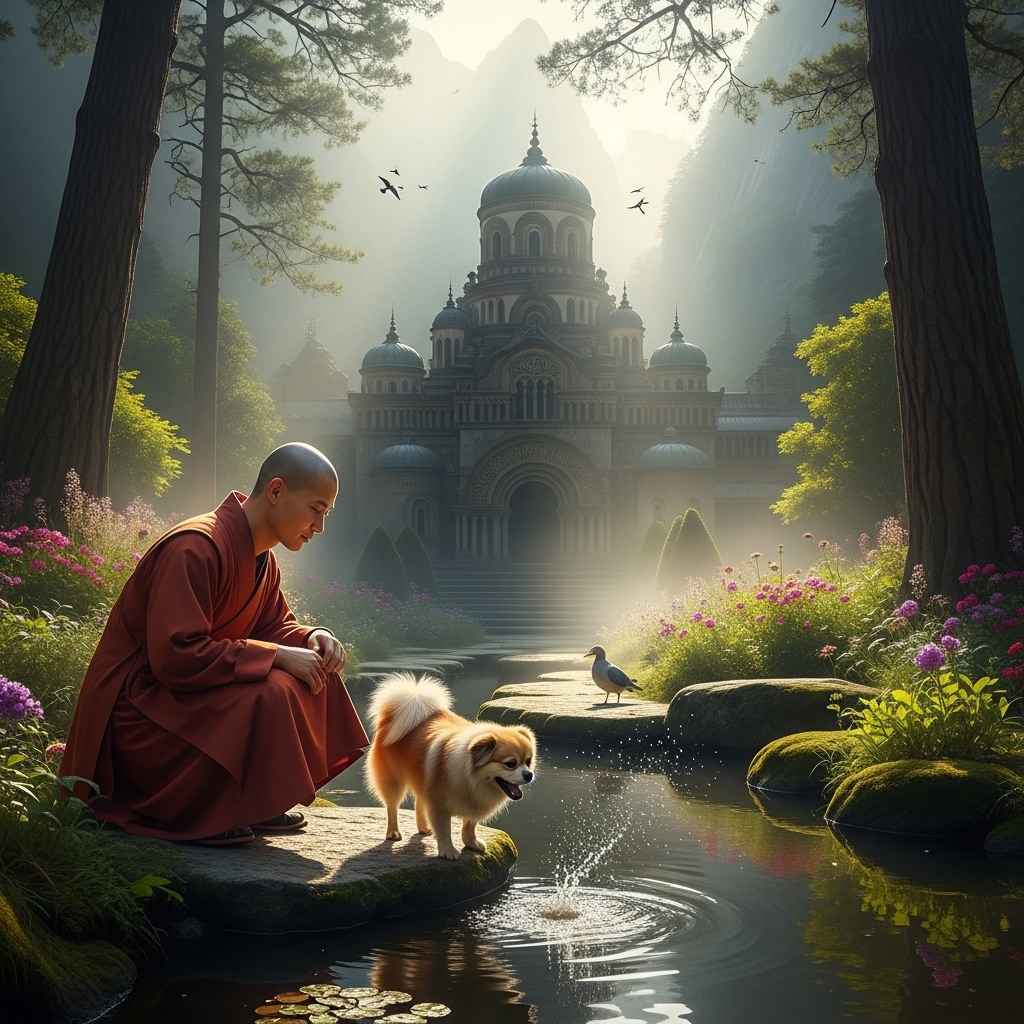
Monk dog breeds are specific dog breeds historically valued by monks for companionship and spiritual support. These breeds embody calmness, loyalty, and a deep connection to their human counterparts, making them ideal for monastic life.
Key Dog Breeds Favored by Monks
Several breeds are particularly associated with monks. Each breed brings unique traits that resonate with the spiritual environment of monasteries. Here are some key examples:
- Tibetan Mastiff: Revered as guardians, they protect monasteries and provide comfort to monks. Their imposing presence is balanced by a gentle temperament.
- Lhasa Apso: Known for their loyalty and affectionate nature, Lhasa Apsos serve as companions in meditation and reflection.
- Saint Bernard: Historically used for rescue missions, these dogs symbolize selflessness and dedication, traits admired in monastic teachings.
- Chow Chow: Their unwavering loyalty mirrors the commitment of monks to their spiritual practices.
Spiritual Significance of These Breeds
Monk dog breeds hold profound spiritual significance. They remind monks of the bond between humans and animals. This relationship fosters a sense of peace and companionship, crucial for spiritual practices.
For example, Tibetan Mastiffs were not only protectors but also a source of emotional support for monks during long hours of meditation. The presence of a calm dog can enhance focus and tranquility, allowing for deeper spiritual exploration.
Training Techniques Used by Monks
Monks often employ specific training methods that align with their spiritual values. These techniques emphasize patience, consistency, and compassion.
- Positive Reinforcement: Monks reward desired behaviors to encourage loyalty and obedience.
- Meditative Practices: Training sessions often include quiet moments, helping dogs learn to remain calm and centered.
- Socialization: Monks introduce dogs to various environments, enhancing their adaptability and temperament.
These training methods not only benefit the dogs but also reinforce the monks’ own spiritual practices, creating a harmonious environment for both.
Key Monk Dog Breeds and Their Characteristics
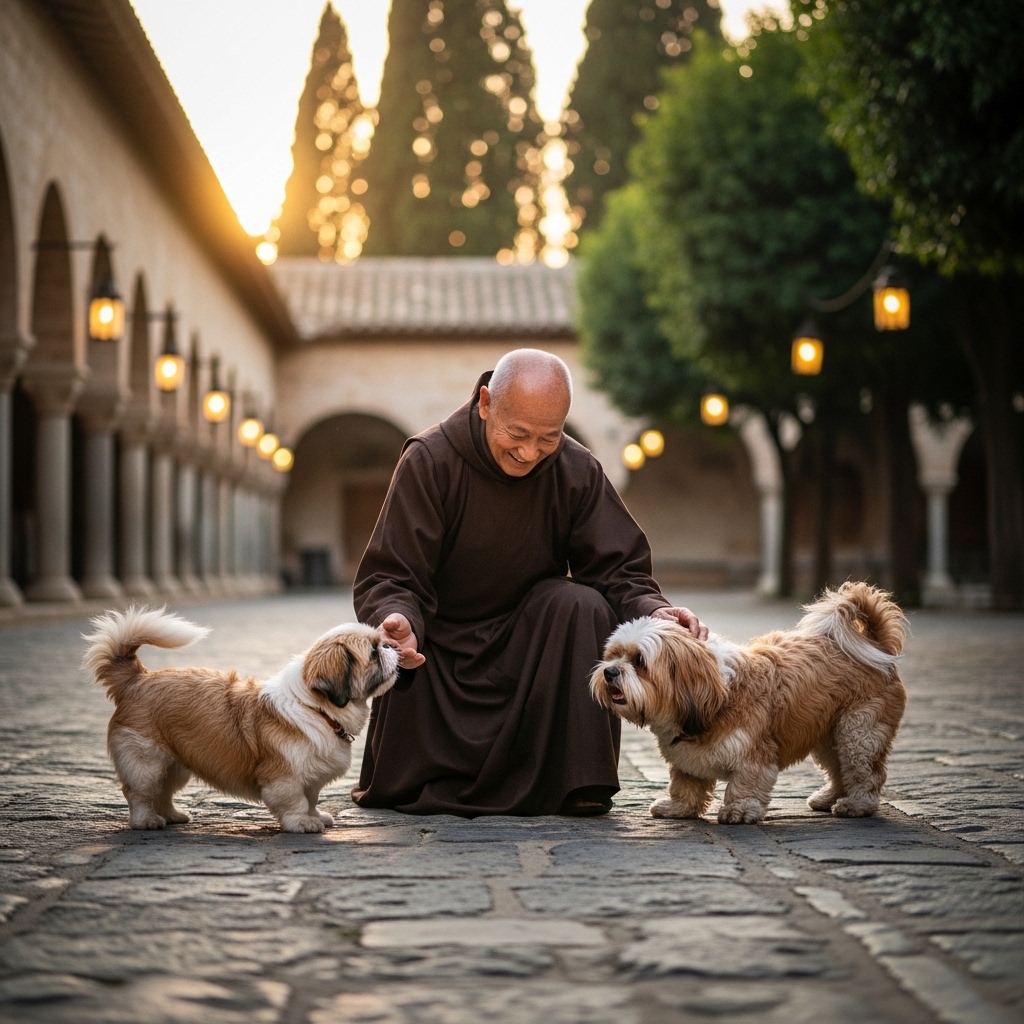
Monk dog breeds are cherished for their calm demeanor and loyalty. These breeds have deep historical ties to monastic life, serving as companions and protectors.
Tibetan Mastiff: The Guardian of Monasteries
The Tibetan Mastiff holds a special place in monastic history. Renowned for their protective nature, these dogs were often entrusted with guarding Tibetan monasteries. Their imposing stature and watchful eyes made them ideal protectors.
- Temperament: They are courageous and independent, often displaying a calm demeanor.
- Care Requirements: Regular exercise is essential to maintain their health. Grooming is also important due to their thick coat.
- Historical Role: In the 7th century, Tibetan Mastiffs were used by monks to guard sacred texts and protect the monasteries from unwanted intruders.
German Shepherd: The Versatile Companion
The German Shepherd is celebrated for its intelligence and versatility. Monks have trained these dogs for various tasks, including companionship and assistance in spiritual practices.
- Temperament: Loyal and eager to please, they thrive on training and social interaction.
- Care Requirements: These dogs require daily exercise and mental stimulation. Regular grooming keeps their coat healthy.
- Historical Role: In monasteries, German Shepherds assisted in search-and-rescue missions, showcasing their loyalty and reliability.
Saint Bernard: A History of Rescue and Loyalty
Saint Bernards are known for their gentle nature and remarkable rescue abilities. Historically, these dogs were used by monks in the Swiss Alps for rescue missions.
- Temperament: They are friendly, patient, and great with families.
- Care Requirements: Daily walks and a balanced diet are vital. Regular grooming helps manage shedding.
- Historical Role: Monks bred Saint Bernards for their ability to navigate snowy terrains, saving many lives in treacherous conditions.
Other Notable Breeds
In addition to the previously mentioned breeds, several others have been favored by monks:
- Lhasa Apso: Known for their alertness and companionship, they were often kept in Tibetan monasteries.
- Chow Chow: Valued for their loyalty, they also served as protectors in various monastic settings.
These dog breeds not only provide companionship but also embody the values of loyalty and tranquility that monks strive for in their spiritual journeys.
The Spiritual Connection Between Monks and Dogs
Dogs have played a vital role in monastic life, serving as companions and spiritual symbols. Their presence enhances the daily practices of monks, fostering a sense of peace and connection.
Dogs as Companions and Protectors
In monasteries, dogs often fulfilled dual roles. They provided companionship to monks, alleviating loneliness in austere environments. Additionally, they served as protectors, safeguarding sacred spaces.
- Tibetan Mastiff: Revered for their guarding instincts, they protect monasteries from intruders.
- German Shepherd: Trained for companionship and work, they assist monks in their daily tasks.
- Saint Bernard: Known for their rescue abilities, they save lives in harsh conditions.
These breeds not only offer physical security but also emotional support, embodying the virtues of loyalty and devotion.
Spiritual Significance of Dogs
Dogs symbolize deeper spiritual values in monastic life. They represent faithfulness and humility, qualities that monks aspire to cultivate.
- Faithfulness: Dogs are loyal companions, mirroring the commitment monks have to their spiritual path.
- Compassion: Their presence teaches monks about kindness and empathy, essential virtues in any spiritual practice.
This bond between monks and dogs fosters a unique environment where spiritual growth thrives.
Training Techniques Used by Monks
Monks employ specific training techniques to nurture the spiritual connection with their dogs. This training emphasizes discipline, respect, and mutual understanding.
- Positive Reinforcement: Monks reward good behavior, fostering trust and loyalty.
- Daily Rituals: Incorporating dogs into daily practices, such as meditation, enhances both the dog’s and monk’s spiritual experience.
These techniques ensure that the relationship between monks and their dogs is both practical and deeply spiritual.
Training Techniques Used by Monks for Monk Dog Breeds
Monks utilize unique training techniques that foster a deep bond with their dogs, enhancing both the spiritual journey of the monk and the well-being of the dog. These methods emphasize compassion, respect, and harmony.
Positive Reinforcement Techniques
Monks often employ positive reinforcement as a core training strategy. This approach involves rewarding desired behaviors with treats, praise, or affection. By doing so, monks create a trusting environment where dogs feel valued.
- Rewards: Use treats or verbal praise for good behavior.
- Consistency: Reinforce behaviors regularly to form habits.
- Patience: Allow time for dogs to learn and adapt.
Building a Trusting Relationship
Establishing trust is essential in monk-dog relationships. Monks aim to build a connection based on mutual respect and understanding.
- Daily Interaction: Engage in daily rituals that incorporate the dog, such as meditation or walking.
- Calm Presence: Maintain a serene demeanor to encourage dogs to feel safe and secure.
- Gentle Handling: Use soft touches and calm commands to promote comfort.
Importance of Socialization
Socialization plays a critical role in training techniques used by monks. Exposing dogs to various environments and stimuli helps them develop confidence and adaptability.
- Group Activities: Involve dogs in group walks or gatherings with other monks and their dogs.
- Varied Environments: Introduce dogs to different settings, such as nature walks or quiet temples.
- Positive Experiences: Ensure social interactions are rewarding to prevent fear or anxiety.
Case Study Example
One notable example is the training of Tibetan Mastiffs in monasteries. Monks incorporate these dogs into their daily routines, fostering a serene and cooperative atmosphere. Successful outcomes often include improved obedience and enhanced companionship. Monks share stories of how their Mastiffs have become integral to the spiritual community, assisting in meditation sessions and providing emotional support.
Through these structured techniques, monks not only train their dogs but also enrich their spiritual practices, embodying the essence of companionship and mindfulness.
Comparison of Monk Dog Breeds: Which is Right for You?
Choosing the right monk dog breed involves understanding their unique traits and care needs. Each breed has distinct characteristics that can align with different lifestyles and spiritual practices.
Key Characteristics of Monk Dog Breeds
| Breed | Temperament | Care Needs | Suitability for Monks |
|---|---|---|---|
| Tibetan Mastiff | Loyal, protective | High exercise; grooming needed | Excellent for guarding and companionship |
| German Shepherd | Intelligent, obedient | Moderate exercise; training required | Great for work and emotional support |
| Saint Bernard | Gentle, friendly | Moderate exercise; grooming | Ideal for companionship and rescue work |
| Lhasa Apso | Alert, playful | Low exercise; regular grooming | Suitable for smaller living spaces |
| Chow Chow | Independent, calm | Moderate exercise; grooming | Good for contemplative companionship |
Evaluating Each Breed for Your Lifestyle
- Tibetan Mastiff: This majestic breed thrives in spacious environments. They require consistent exercise and grooming. Ideal for those seeking a guardian dog, their loyalty aligns well with monastic life.
- German Shepherd: Known for their intelligence and trainability, these dogs excel in various roles. They need moderate exercise and mental stimulation. Perfect for active individuals or families interested in training.
- Saint Bernard: With their gentle nature, Saint Bernards adapt well to family life. They need moderate exercise and are known for their rescue capabilities. Their calm demeanor complements a peaceful living environment.
- Lhasa Apso: This small breed is well-suited for apartment living. They require less exercise but need regular grooming. Their playful spirit can bring joy to monastic settings.
- Chow Chow: Chow Chows are independent and calm, making them ideal for contemplative owners. They need moderate exercise and regular grooming. Their unique personality fits well in quieter spaces.
Making Your Decision
Consider your lifestyle, living space, and how much time you can dedicate to training and care. For instance, if you live in a small apartment, a Lhasa Apso may be more appropriate than a Tibetan Mastiff. If you seek a loyal companion for outdoor activities, a German Shepherd or Saint Bernard may be better suited.
Assessing these factors will help you choose the monk dog breed that best aligns with your needs and spiritual aspirations.
Common Issues in Training Monk Dog Breeds and Solutions
Training monk dog breeds can present unique challenges. These dogs often possess strong personalities and specific temperaments that require tailored approaches. Understanding these challenges can help you develop effective training strategies.
Temperament Variability
Different monk dog breeds have diverse temperaments. For instance, the Tibetan Mastiff may display independence, while the Saint Bernard is usually more eager to please. Recognizing these traits is crucial for effective training.
- Solution: Tailor your training approach to the breed’s temperament. Use positive reinforcement techniques, such as treats and praise, to motivate your dog. For independent breeds, establish clear commands and be patient.
Socialization Challenges
Monk dog breeds often need extensive socialization. Without proper exposure, they may develop anxiety or aggression.
- Solution: Start socializing your dog early. Introduce them to various environments, people, and other animals. Gradually increase exposure to ensure they feel comfortable in different situations.
Consistency in Training
Consistency is key when training monk dog breeds. These dogs thrive on routine and clear expectations. Inconsistent commands can confuse them.
- Solution: Develop a training schedule and stick to it. Use the same commands and cues every time. This helps reinforce learning and builds trust between you and your dog.
Practical Training Tips
Here are some practical tips for training monk dog breeds:
- Short Sessions: Keep training sessions brief (10-15 minutes) to maintain your dog’s focus.
- Use of Leashes: For breeds like the German Shepherd, utilize a leash during training to maintain control.
- Positive Reinforcement: Always reward good behavior promptly to reinforce learning.
- Incorporate Mindfulness: Reflect on your dog’s behavior and adjust your techniques accordingly. This aligns with the contemplative nature of monk practices.
By understanding these common issues and implementing targeted solutions, you can successfully train a monk dog breed, fostering a strong bond built on trust and mutual respect.
Alternatives to Monk Dog Breeds for Spiritual Companionship
Not everyone can adopt a monk dog breed, but many other breeds can provide similar companionship and spiritual roles. These alternatives also exhibit calmness, loyalty, and a deep connection with their humans.
Breeds with Spiritual Qualities
- Golden Retriever: Known for their friendly nature, Golden Retrievers are loyal and loving. They thrive on companionship and can provide emotional support, making them excellent spiritual partners.
- Basset Hound: With their gentle demeanor and calmness, Basset Hounds are perfect for those seeking a laid-back companion. Their serene nature invites reflection and mindfulness.
- Shih Tzu: This breed exudes charm and companionship. Shih Tzus are affectionate and adapt well to various living situations, providing a sense of comfort and tranquility.
Considerations for Choosing
When selecting a dog for spiritual companionship, consider the following:
- Temperament: Look for breeds that are calm and gentle. They should exhibit patience and a loving disposition.
- Energy Levels: A lower-energy breed often aligns better with a contemplative lifestyle. This can enhance the spiritual bond.
- Training Requirements: Opt for breeds that respond well to positive reinforcement. This aligns with the patience and mindfulness often practiced in spiritual settings.
Quick Comparison of Alternative Breeds
| Breed | Temperament | Care Needs |
|---|---|---|
| Golden Retriever | Friendly, Loyal | Moderate exercise, grooming |
| Basset Hound | Gentle, Calm | Moderate exercise, minimal grooming |
| Shih Tzu | Affectionate, Adaptable | Low exercise, regular grooming |
These breeds offer qualities that resonate with those seeking companionship similar to that of monk dog breeds. Consider your lifestyle and preferences when making a choice.
Frequently Asked Questions
These quick answers cover the homeowner questions that come up most often about hackberry trees, including growth, care, and common problems.
What kind of dog is the monk’s dog?
The monk’s dog typically refers to breeds that have historical ties to monastic life, such as the Tibetan Mastiff, Lhasa Apso, and Saint Bernard. These breeds are valued for their loyalty, calm demeanor, and ability to provide companionship and spiritual support. They often embody traits like patience and gentleness, making them ideal for the tranquil environment of monasteries.
Which dog sleeps the least?
Among dog breeds, the German Shepherd is known for being more active and alert, often requiring less sleep compared to others. They thrive on mental and physical stimulation, leading them to be more awake and engaged. In contrast, breeds like the Tibetan Mastiff and Saint Bernard may enjoy longer rest periods due to their calm nature.
How much do Tibetan Spaniels cost?
The cost of a Tibetan Spaniel typically ranges from $1,000 to $3,000, depending on factors like breeder reputation, location, and lineage. It’s essential to choose a reputable breeder who prioritizes health and temperament. Additionally, consider ongoing costs for grooming, food, and veterinary care when budgeting for a Tibetan Spaniel.
How do monks train their dogs?
Monks train their dogs using techniques that emphasize patience, compassion, and positive reinforcement. They often reward desired behaviors with treats or praise, fostering trust and loyalty. Training sessions may include meditative practices, allowing dogs to remain calm and centered, which aligns with the monks’ spiritual values.
Why are dogs important in monastic life?
Dogs play a vital role in monastic life by providing companionship and emotional support to monks. They help alleviate loneliness and create a sense of peace in austere environments. Additionally, their loyalty and presence can enhance the monks’ spiritual practices, reminding them of the bond between humans and animals.
What breeds are best for spiritual companionship?
Breeds that are often considered ideal for spiritual companionship include the Tibetan Mastiff, Lhasa Apso, and Golden Retriever. These dogs exhibit calmness, loyalty, and an affectionate nature, making them suitable for those seeking a deeper connection. Additionally, breeds like the Basset Hound and Shih Tzu can also provide comfort and companionship in a spiritual setting.
What are the characteristics of a Tibetan Mastiff?
The Tibetan Mastiff is known for its impressive size, protective instincts, and calm demeanor. They are loyal and independent, often forming strong bonds with their owners. This breed requires regular exercise and grooming due to its thick coat and can be an excellent guardian while also providing companionship in a monastic environment.