
The ‘three on a match’ superstition suggests that lighting three cigarettes from the same match brings bad luck, particularly that one of the smokers will be shot, originating from soldiers’ experiences in wartime.
The superstition of ‘three on a match’ has deep historical roots, particularly among soldiers during wartime. This article delves into its origins, cultural significance, and the reasons behind its persistent belief among smokers and superstitious individuals alike.

Understanding the ‘Three on a Match’ Superstition
The ‘three on a match’ superstition warns against lighting three cigarettes with a single match. Believers assert that this act brings bad luck, particularly in military contexts.
What Does ‘Three on a Match’ Mean?
This superstition suggests that if three people light their cigarettes from the same match, at least one of them will meet with misfortune. The origins trace back to soldiers during World War I. They believed that lighting a match attracted enemy snipers, increasing the risk of being shot. This belief illustrates how survival instincts in wartime shaped superstitions among soldiers.
Implications for Smokers and Soldiers
For many smokers, especially those aware of its origins, the superstition serves as a cautionary reminder. It embodies a blend of camaraderie and fear, reflective of wartime experiences. Here are some implications:
- Awareness: Smokers often share this superstition, especially in social settings, fostering a sense of shared history.
- Behavioral Impact: Many will deliberately avoid lighting three cigarettes on a match, reinforcing group norms and rituals among smokers.
- Cultural References: The superstition has permeated popular culture, appearing in films and literature that explore themes of fate and luck.
Real-life anecdotes illustrate its persistence. For instance, veterans recount avoiding the practice, not just out of fear but as a nod to their shared experiences. These stories highlight how superstitions can serve as bonding mechanisms, preserving a sense of identity.
Furthermore, the number three holds significance in various cultures, often associated with completion or balance. In this context, the superstition reflects deeper psychological aspects, such as the human tendency to seek patterns and assign meaning to uncertainty. This need for control is particularly pronounced in high-stress environments like military service.
Historical Origins of the Superstition

The “three on a match” superstition has intriguing historical roots linked to military life and cultural beliefs. Its significance reflects the interplay of fear, tradition, and the human experience.
The Role of Soldiers in Shaping the Superstition
This superstition is commonly attributed to soldiers during World War I. The reasoning was pragmatic: lighting three cigarettes from one match would expose the soldiers’ location to enemy snipers. Here’s how the logic unfolds:
- First Soldier: Strikes the match, which creates light and noise.
- Second Soldier: Lights his cigarette, giving the enemy a moment to aim.
- Third Soldier: As the third cigarette is lit, the enemy has a clear target.
This belief not only served as a cautionary tale but also reinforced camaraderie among soldiers. They shared the superstition as a means of coping with the stress of war. Anecdotal evidence suggests that soldiers would deliberately avoid lighting three cigarettes from one match, viewing it as a matter of survival rather than mere superstition.
The Ivar Kreuger Theory
Another theory links the superstition to Ivar Kreuger, a Swedish match manufacturer in the early 20th century. Kreuger allegedly popularized the belief to encourage match sales. While he may not have invented the superstition, his influence in the match industry helped it gain traction. The connection to Kreuger highlights a fascinating aspect of how commercial interests can intertwine with cultural beliefs.
- Commercial Influence: Kreuger’s marketing strategies may have reinforced the superstition, making it more widespread.
- Cultural Transmission: As soldiers returned home post-war, they shared these superstitions with family and friends, embedding it into everyday culture.
Evolution of the Superstition
Over time, the “three on a match” superstition has evolved beyond its military origins. It has become a cultural touchstone, appearing in various forms of media, including films and literature. Today, it serves as a reminder of the past while continuing to influence smoking culture and social interactions.
- Media References: The superstition is often referenced in films and books, reinforcing its place in popular culture.
- Cultural Significance: The number three in various cultures symbolizes completion or balance, adding layers to its meaning.
These historical contexts illustrate how the “three on a match” superstition has endured, evolving from a practical caution into a cultural phenomenon.
Cultural Significance and Media References

The “three on a match” superstition has permeated popular culture, appearing prominently in literature, film, and various media. Its representation often reflects societal attitudes toward military life, superstition, and the psychological connections humans have with luck and fate.
Depictions in Literature and Film
The superstition has found its way into numerous works of fiction, illustrating the intersection of military experience and superstition. Notable examples include:
- Films: Several war movies reference the superstition to underscore the fragility of life in combat. The lighting of a cigarette in threes often serves as a foreshadowing device, indicating impending doom for one of the characters.
- Literature: Novels set during wartime frequently mention the superstition. Authors use it as a metaphor for the randomness of death in battle, emphasizing the tension soldiers face.
These portrayals serve to highlight the psychological burdens borne by soldiers. They encapsulate a belief system rooted in fear and superstition, emphasizing how these elements shape human behavior in extreme circumstances.
Influence on Smoking Culture
The superstition has also affected smoking culture, particularly in how groups of smokers interact. Here are key influences:
- Social Dynamics: The belief discourages three people from lighting a match together. This social custom reflects a shared understanding of risk and serves to bond smokers around a common belief.
- Behavioral Patterns: Smokers may avoid lighting a match for a third person due to the superstition. This behavior demonstrates how deeply ingrained such beliefs can be, even in casual social settings.
- Psychological Impacts: The superstition contributes to a greater psychological comfort among smokers. It acts as a cautionary tale that reinforces a sense of community, as they collectively acknowledge the risks associated with their habits.
These cultural impacts underline how the “three on a match” superstition continues to resonate within modern society, influencing behaviors and perceptions surrounding smoking and luck.
Psychological Aspects of Superstitions
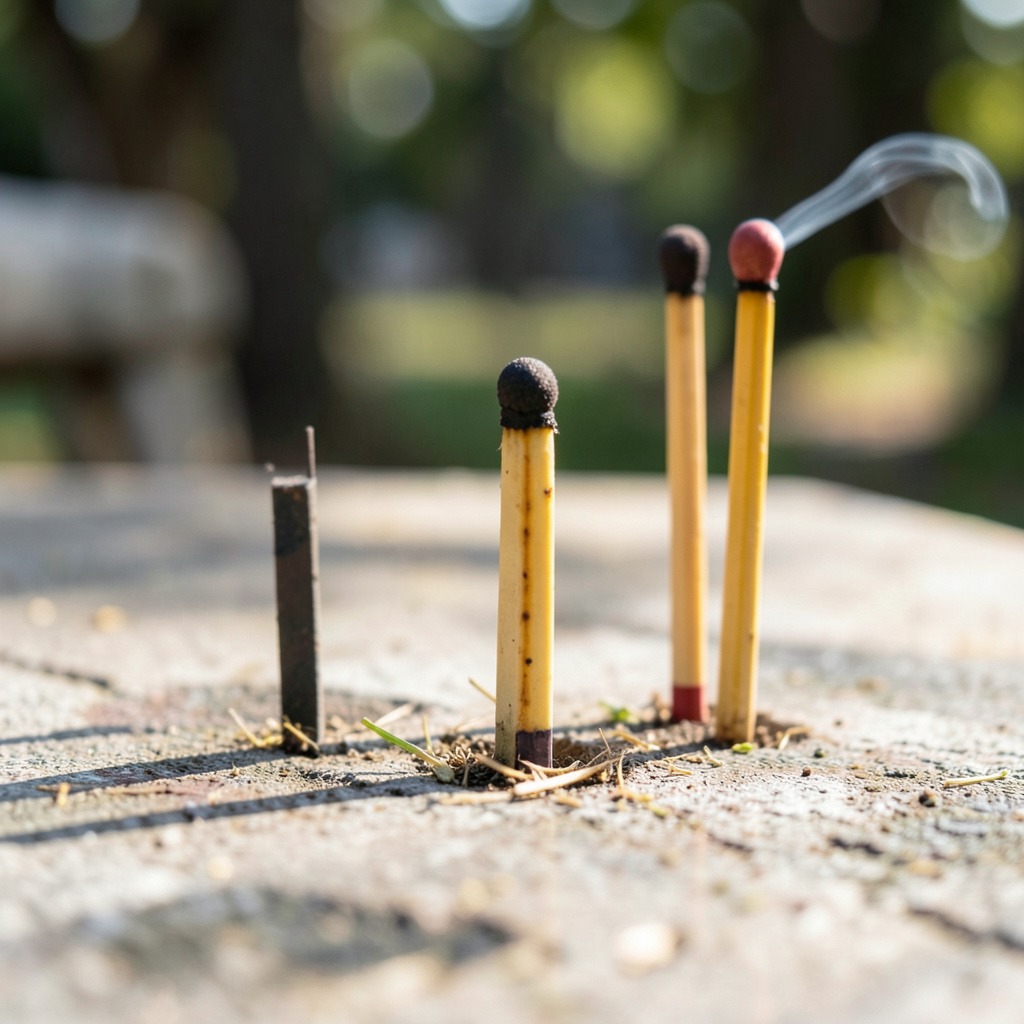
Superstitions often arise from psychological needs, particularly in high-stress environments like war. The “three on a match” superstition exemplifies how beliefs can provide comfort and a sense of control amid uncertainty.
Why Do People Believe in Superstitions?
Beliefs in superstitions can stem from various psychological factors:
- Coping Mechanism: Superstitions offer a way to manage anxiety. In high-pressure situations, like combat, individuals may rely on these beliefs to feel more secure.
- Sense of Control: Superstitions can create an illusion of control over unpredictable outcomes. For soldiers, adhering to rituals like avoiding “three on a match” could diminish fears related to survival.
- Group Cohesion: Shared beliefs in superstitions can strengthen bonds among individuals. For soldiers, this collective acknowledgment of the “three on a match” superstition creates a shared experience that fosters solidarity.
The Comfort of Superstitions in High-Stress Situations
Superstitions can provide psychological relief in stressful environments.
- Predictability: Engaging in superstitious behavior allows individuals to impose order on chaotic circumstances. For example, refusing to light a third cigarette can feel like a protective measure against bad luck, even if it lacks empirical basis.
- Cultural Reinforcement: The prevalence of the “three on a match” superstition in military culture reinforces its significance. Soldiers may perpetuate the belief through storytelling, further embedding it into their collective psyche.
- Personal Anecdote: A veteran might recall a moment in combat where he chose not to light a third cigarette, attributing a close call to the superstition. Such stories become part of the cultural narrative, reinforcing the belief within military circles.
In summary, the psychology behind superstitions like “three on a match” reveals how they serve essential functions in human behavior, especially in high-stress scenarios. These beliefs not only influence individual actions but also shape communal identities.
Comparisons to Other Military Superstitions
The “three on a match” superstition is just one of many beliefs held by military personnel regarding luck and fate. Understanding its context alongside other military superstitions can shed light on how soldiers navigate the uncertainties of combat.
Common Military Superstitions
- Black Cats: Encountering a black cat is considered bad luck. Soldiers often avoided crossing paths with one, believing it foreshadowed misfortune.
- The Number 13: Many soldiers considered the number 13 to be unlucky. Thus, military units often avoided using this number in designations or operations.
- Whistling: Whistling on duty is frowned upon, as it is believed to attract unwanted attention or bad luck.
- Breaking a Mirror: Like in civilian life, breaking a mirror is seen as a sign of seven years of bad luck, which soldiers took seriously in the field.
The Significance of the Number Three in Folklore
The number three often carries symbolic weight across various cultures and beliefs, including military contexts.
- Holy Trinity: In many religious traditions, the number three is sacred. This connection may influence beliefs surrounding the “three on a match” superstition, where lighting three cigarettes disrespects this sacredness.
- Three Strikes: In some military traditions, three strikes are considered a warning or an omen, where the third instance might lead to dire consequences.
- Triads in Strategy: Military strategies often utilize triads or threes, emphasizing the importance of this number in tactical decision-making.
| Superstition | Belief Description | Implications |
|---|---|---|
| Three on a Match | Lighting three cigarettes brings bad luck. | Risk of death among the smokers. |
| Black Cats | Crossing paths with a black cat brings misfortune. | Soldiers may avoid certain routes. |
| The Number 13 | The number is considered unlucky. | Units may skip this number in names. |
| Whistling | Attracts unwanted attention. | Soldiers may remain silent to avoid risk. |
| Breaking a Mirror | Signifies seven years of bad luck. | Soldiers may take extra precautions. |
These comparisons highlight how “three on a match” aligns with broader beliefs around luck and fate within military culture. Each superstition reflects the psychological mechanisms soldiers employ to cope with the unpredictability of their environment.
Modern Interpretations of the Superstition
The “three on a match” superstition continues to resonate today, even as smoking rates decline. Its relevance persists in modern culture, reflecting both historical beliefs and changing attitudes towards superstitions.
Current Smoking Culture and Superstitions
Despite a significant decline in smoking, the superstition remains a point of interest among enthusiasts and cultural commentators. Smokers and non-smokers alike often reference the phrase in a light-hearted manner. Here are some ways it manifests:
- Cultural References: Films and literature occasionally invoke the superstition to enhance narratives about luck and fate.
- Social Interactions: Smokers may jokingly warn against lighting three cigarettes from one match, perpetuating the belief in casual conversation.
- Psychological Significance: The superstition provides a way for individuals to navigate uncertainty, especially in social settings.
The Evolution of Beliefs in a Changing Society
As societal attitudes shift, so does the interpretation of this superstition. Here are some observations:
- Changing Perceptions of Smoking: With increased awareness of health risks, fewer people smoke. Thus, the superstition may be viewed more as a relic of military culture than as a practical warning.
- Broader Superstitions: Many people continue to engage with superstitions, viewing them as a way to cope with life’s unpredictability, not just in smoking contexts but in various aspects of life.
- Personal Anecdotes: Individuals share stories of how they learned about the superstition. For example, a former soldier might recount a moment of camaraderie where the phrase was used to bond over shared experiences.
This blend of historical context and contemporary interpretation highlights the ongoing relevance of the “three on a match” superstition, making it a fascinating topic in both cultural and psychological discussions.
Frequently Asked Questions
These quick answers cover the most common questions about this topic, including key details, practical tips, and common concerns.
What does three on a match mean?
The phrase “three on a match” refers to a superstition that lighting three cigarettes from the same match brings bad luck. Specifically, it suggests that one of the smokers may be shot, a belief rooted in the experiences of soldiers during World War I. The act of lighting a match was thought to attract enemy snipers, making it a risky endeavor.
What is the superstition associated with the number 3?
The number three holds significant cultural and psychological weight in various superstitions. In the context of “three on a match,” it symbolizes a warning against tempting fate. The belief that bad luck comes in threes is also prevalent, suggesting that misfortunes often occur in groups of three, reinforcing the idea of the number’s ominous nature.
Why did soldiers smoke so much in WWII?
Soldiers smoked during WWII for several reasons, including stress relief, camaraderie, and the availability of cigarettes. Smoking was a common way for soldiers to bond and cope with the pressures of combat. Cigarettes were often provided by military rations, making them easily accessible and a part of daily life in the trenches.
Does bad luck come in 3s?
The belief that bad luck comes in threes is a widespread superstition. Many people feel that negative events or experiences tend to cluster in groups of three, reinforcing the idea that the number three has a special significance in matters of fortune. This belief can be seen in various cultures and superstitions, extending beyond just the “three on a match” context.
Where did the term “three on a match” originate?
The term “three on a match” is believed to have originated among soldiers during World War I. They feared that lighting three cigarettes from one match would expose their location to enemy snipers. Over time, this practical concern evolved into a superstition that persists today, reflecting the blend of military culture and folklore.
Why is it bad luck to light three cigarettes with one match?
Lighting three cigarettes with one match is considered bad luck because it is thought to attract danger, particularly in a military context. The superstition suggests that doing so could lead to one of the smokers facing misfortune, often interpreted as being targeted by snipers. This belief reflects the survival instincts and fears of soldiers during wartime.
Are there other military superstitions similar to this one?
Yes, there are several military superstitions that share themes with “three on a match.” For example, encountering a black cat is deemed unlucky, and many soldiers avoid the number 13 due to its negative connotations. Other beliefs include the idea that whistling on duty can attract unwanted attention, illustrating the ways in which soldiers seek to navigate the uncertainties of combat through superstitious practices.