
Speech patterns of our soul refer to the unique vocal expressions that reveal our emotional states, identities, and cultural backgrounds. These patterns are shaped by various factors, including intonation, articulation, and personal communication styles, allowing us to connect deeply with others through our spoken language.
Understanding the Concept of Speech Patterns
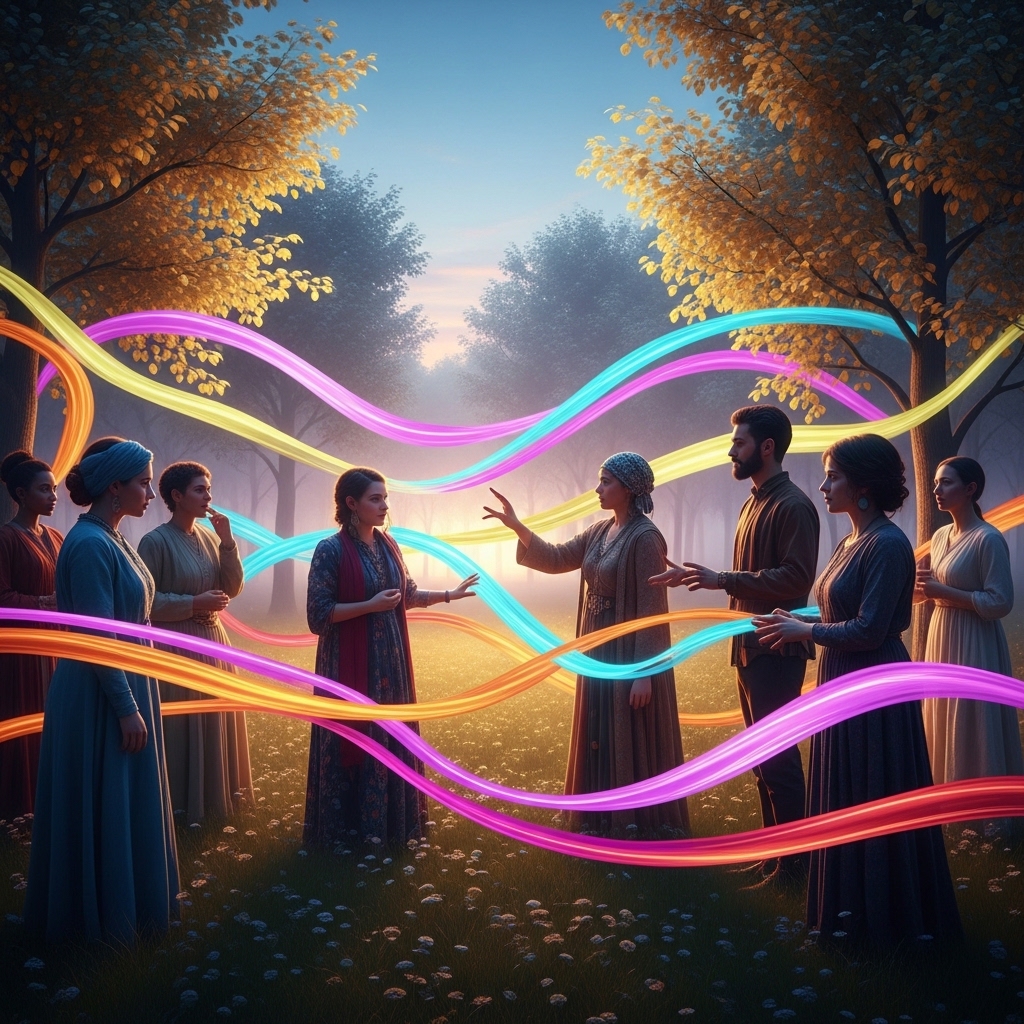
Speech patterns encompass the distinctive ways individuals express themselves through spoken language, revealing much about their emotional states, identities, and cultural backgrounds. When we think of speech patterns, we consider not just the words chosen but also how they are delivered. This includes elements like intonation, rhythm, and articulation, which all contribute to how our messages are perceived by others.
These patterns serve as a window into our souls. For example, a speaker’s tone can reflect their mood—an excited speaker might use a higher pitch and faster pace, while someone feeling down may speak more slowly with a flat intonation. This connection between speech and emotion highlights how our vocal expressions can be deeply revealing. When we hear someone’s voice, we often catch hints of their feelings, even before they articulate them.
Cultural influences play a significant role in shaping our speech patterns. Different cultures have unique communication styles and norms, impacting everything from vocabulary to the emotional weight attached to certain phrases. For instance, some cultures might emphasize clarity and directness, while others may value nuance and indirectness. These cultural nuances not only define our speech but also reflect our identity, contributing to the rich tapestry of human communication.
Personal communication styles further enhance the uniqueness of our speech patterns. Each individual brings their own experiences, personality traits, and emotional states into their speech. For example, someone who frequently uses upspeak may convey a sense of uncertainty or playfulness, while another who employs vocal fry might suggest a casual or relaxed demeanor. These styles can signal confidence, anxiety, or even enthusiasm, revealing layers of personality that go beyond mere words.
Intonation also plays a crucial role in the way we express ourselves. The rise and fall of pitch in our speech can completely alter the message being conveyed. A statement delivered with a question-like intonation may leave listeners uncertain, while a firm tone can exude confidence. This fluctuation in vocal delivery is not just an artistic choice; it is an essential aspect of how we communicate our inner emotional landscape.
In essence, speech patterns are more than just sounds or words; they are the very echoes of our soul. They represent a blend of our emotions, cultural backgrounds, and personal identities. By studying these patterns, we can gain a deeper understanding of ourselves and others, fostering more profound connections in our interactions. This exploration of the speech patterns of our soul allows us to appreciate the intricate dance of language, emotion, and identity that defines human communication.
Types of Speech Patterns and Their Meaning

Speech patterns can reveal much about our emotions and identities, acting as windows into our souls. Let’s explore some key types of speech patterns: intonation, articulation, rhythm, upspeak, and vocal fry, and how they contribute to expressing our feelings and personality.
Intonation
Intonation refers to the rise and fall of pitch in speech. It plays a crucial role in conveying emotions and meaning. For example, a higher pitch at the end of a sentence can indicate excitement or uncertainty. Conversely, a flat intonation might suggest boredom or detachment. When someone says, “I can’t believe you did that,” the way they emphasize certain words can hint at surprise, anger, or even humor. These shifts in pitch not only reflect our emotional states but also shape how our messages are received, illustrating the deep connection between speech patterns and our soul.
Articulation
Articulation involves how clearly we pronounce words. Clear articulation can express confidence and authority, while unclear speech might convey nervousness or hesitation. For instance, a person who articulates well during a presentation commands attention and respect, showcasing their mastery over the content. On the other hand, someone who struggles with articulation may unintentionally reveal their insecurities. This relationship between articulation and personal expression highlights how our speech patterns can embody our inner thoughts and emotions.
Rhythm
Rhythm in speech refers to the flow and pace at which we communicate. A steady rhythm can create a sense of calm and assurance, while a rapid rhythm might indicate excitement or anxiety. For example, when someone is passionate about a topic, they may speak quickly, their words flowing in a dynamic pattern. This rhythm mirrors their emotional state, allowing listeners to connect with their enthusiasm. Understanding these patterns helps us appreciate the intricate dance of language and emotion that characterizes human interaction.
Upspeak
Upspeak, also known as uptalk, is characterized by a rising intonation at the end of statements, making them sound like questions. This speech pattern can convey uncertainty or a lack of confidence, especially when used frequently. For example, saying, “I really liked that movie?” instead of a firm statement can leave listeners questioning the speaker’s conviction. However, upspeak can also serve a social function, inviting responses and creating a collaborative atmosphere. This duality showcases how speech patterns reflect not just emotions but also cultural influences and personal communication styles.
Vocal Fry
Vocal fry is a speech pattern where the voice has a low, creaky quality, often occurring at the end of sentences. This pattern can suggest fatigue or disinterest but has also been embraced in certain cultural contexts as a stylistic choice. For instance, many younger speakers use vocal fry to convey a laid-back attitude. While some may criticize it for sounding unprofessional, it illustrates how our speech patterns can evolve and reflect our social identities. Understanding vocal fry allows us to see how even subtle changes in our voice can reveal deeper aspects of ourselves.
These speech patterns, from intonation to vocal fry, offer a glimpse into the emotions and identities of individuals. By recognizing these nuances, we can better understand the complex interplay between our speech and the essence of who we are.
The Emotional Connection: How Speech Patterns Reflect Our Feelings
Our speech patterns are more than just a means of communication; they are a powerful reflection of our emotional states. Every time we speak, our feelings subtly shape how we express ourselves. This interplay between emotions and speech patterns reveals layers of our identity and can offer deep insights into our inner selves.
When we experience excitement, our speech often becomes animated. You might notice a faster pace, higher pitch, and enthusiastic intonation. For instance, when someone shares thrilling news, their words might tumble out quickly, punctuated by rising inflections that convey joy. This energetic style of speaking not only expresses happiness but also invites others to share in that enthusiasm, creating a connection that resonates on a deeper level.
On the flip side, sadness manifests differently in our speech patterns. Typically, a person feeling down may speak more slowly, with a lower tone and less variation in their voice. The rhythm may become more monotonous, and they might pause frequently, reflecting their emotional heaviness. For example, when recounting a personal loss, the speaker’s voice may trail off, and their intonation might drop, signaling their sorrow. These speech patterns serve as a window into their emotional state, allowing listeners to empathize with their experience.
Anxiety presents its own unique signature in speech. When someone is anxious, their speech might become hurried or fragmented, with frequent pauses or fillers like “um” and “uh” creeping in. This can lead to a choppy rhythm that reflects their nervousness. For instance, during a job interview, a candidate may speak rapidly, their tone rising unpredictably, indicating their unease. Such speech patterns highlight the emotional turmoil beneath the surface and can reveal how stress impacts communication.
Cultural influences also play a significant role in how emotions are expressed through speech patterns. Different cultures have varying norms around emotional expression, which can shape how individuals convey their feelings vocally. In some cultures, expressing excitement might be more subdued, while in others, it can be exuberant and loud. Understanding these nuances enriches our appreciation of the diverse ways emotions are communicated, showcasing the unique speech patterns that arise from cultural backgrounds.
Personal communication styles further contribute to this emotional tapestry. Some individuals might naturally exhibit more expressive intonation, while others may favor a more reserved approach. This variability means that even when similar emotions are felt, the expression of those emotions can differ widely from person to person. Recognizing these personal styles can help us better navigate conversations and deepen our connections with others.
In essence, our speech patterns are a vivid reflection of our emotional landscape. Whether it’s the excitement in our voices, the sadness that brings our words to a slow crawl, or the anxiety that causes us to stumble over our thoughts, each element tells a story about who we are and what we feel. These vocal expressions not only communicate our emotions but also connect us to the collective human experience.
Cultural Influences on Speech Patterns
Cultural backgrounds play a significant role in shaping the speech patterns we use every day. Each culture carries its unique communication norms, which influence not just the words we choose but also how we express our emotions through intonation, rhythm, and articulation. For example, in some cultures, a louder volume can signify excitement or enthusiasm, while in others, a softer tone may convey respect or humility. These cultural nuances provide insight into our identities, revealing much about our emotional landscapes and social connections.
Regional dialects further enrich the tapestry of speech patterns. In the United States, the differences between Southern, Midwestern, and Northeastern accents highlight how geography can shape the way we communicate. Each dialect carries its unique rhythm and intonation, reflecting the history and culture of that area. These variations can affect not only pronunciation but also the emotional weight behind words. For instance, a Southern drawl might evoke warmth and friendliness, while a fast-paced New York accent might be associated with urgency and directness. These regional traits are not just about sound; they encapsulate the spirit of the community and the shared experiences of its members.
Cultural identity also significantly influences personal communication styles. Individuals from collectivist cultures may prioritize harmony and indirectness in their speech patterns, focusing on group consensus and emotional subtleties. In contrast, those from individualistic cultures might lean toward directness and assertiveness, often expressing their emotions more openly. This divergence highlights how our cultural context shapes our emotional expression, guiding us on how to connect with others.
Moreover, certain speech patterns, like upspeak and vocal fry, have emerged as cultural phenomena, reflecting broader societal trends. Upspeak, characterized by a rising intonation at the end of statements, can convey uncertainty in some cultural contexts, while in others, it may be seen as a way to invite engagement. Vocal fry, with its low, creaky sound, is often associated with a laid-back attitude and has gained popularity among younger generations. These patterns serve as cultural indicators, revealing not just individual personality traits but also collective values and emotional states.
Understanding these cultural influences on speech patterns is essential for navigating interpersonal communication effectively. Recognizing how different backgrounds inform expressiveness allows us to engage more meaningfully with others, creating a deeper connection. By appreciating the rich diversity of speech patterns, we gain insight into the emotional depths of those around us, making our interactions more authentic and fulfilling.
Analyzing Speech Patterns in Real-Life Conversations
To truly grasp the speech patterns of our soul, we must pay close attention to how we converse with others. Analyzing speech patterns in real-life conversations can unlock emotional cues and reveal underlying messages. Here are some practical tips to help you interpret these patterns effectively.
- Listen for Intonation: Intonation is a key element in speech patterns that can convey different emotions. Notice how a person’s pitch rises or falls. For instance, a rising intonation at the end of statements may indicate uncertainty, while a steady tone often reflects confidence. Recognizing these shifts helps you understand the speaker’s emotional state and intent.
- Observe Rhythm and Pacing: The rhythm and pace of speech can reveal a lot about how someone feels. A fast-paced conversation may indicate excitement or urgency, while slower speech might suggest contemplation or sadness. Pay attention to these rhythms; they are windows into the speaker’s emotional world.
- Identify Articulation Patterns: Listen to how clearly a person articulates their words. Clear articulation often reflects confidence and engagement, while slurred or rushed speech can indicate anxiety or distraction. Being mindful of these nuances can enhance your understanding of the speaker’s emotional state.
- Look for Filler Words: Words like “um,” “like,” and “you know” can provide valuable insights. Frequent use of fillers may suggest uncertainty or lack of preparation. However, some people use them naturally as part of their personal style. Understanding this context is essential when analyzing their speech patterns.
- Notice Cultural Influences: Cultural backgrounds significantly impact speech patterns. Different cultures have unique ways of expressing emotions and ideas. For instance, some cultures might use a more formal tone, while others may favor casual speech. Recognizing these differences enriches your interactions and helps foster deeper connections.
- Analyze Emotional Cues: Watch for emotional cues in speech, such as changes in volume or emphasis. For example, if someone raises their voice during a certain point, it may indicate passion or anger. Understanding these emotional cues allows you to respond more empathetically.
- Practice Active Listening: Engage in active listening by fully concentrating on the speaker. This means not just hearing their words but also interpreting their emotions and intentions. By being present in the conversation, you can better analyze the speech patterns that reveal their innermost thoughts.
By incorporating these techniques into your conversations, you’ll become more adept at deciphering the complex speech patterns that reflect the soul’s emotions and identity. Each interaction becomes an opportunity to connect on a deeper level, revealing the rich tapestry of human experience through speech.
Practical Exercises for Developing Your Speech Patterns
Improving your speech patterns can significantly enhance how you express your emotions and connect with others. Here are some engaging exercises to help you hone your articulation, modulation, and emotional expression, ultimately reflecting the rich tapestry of your soul.
- Articulation Drills: Start with simple tongue twisters to practice your clarity. Phrases like “She sells seashells by the seashore” can help sharpen your pronunciation. As you articulate each word, focus on how your mouth and tongue move. This exercise not only improves clarity but also builds confidence in your speech patterns, allowing your true emotions to shine through.
- Intonation Practice: Record yourself reading a passage from your favorite book or poem. Pay attention to your pitch and how it fluctuates with different sentences. Try reading with varied intonation to express excitement, sadness, or curiosity. This will help you understand how your voice can convey emotions and enhance the meaning behind your words. Experimenting with intonation adds depth to your speech patterns and connects you more authentically with your audience.
- Emotional Expression Exercises: Choose five different emotions—joy, anger, sadness, surprise, and fear. Practice speaking a single sentence expressing each emotion. Notice how your tone, volume, and pace change with each feeling. For instance, a joyful statement might be high-pitched and quick, while a sad one may be lower and slower. This exercise will help you fine-tune your vocal expression, making your speech patterns resonate more deeply with listeners.
- Upspeak Awareness: Record a conversation or a short speech and listen for upspeak, where your intonation rises at the end of statements, making them sound like questions. Identify moments when you might unintentionally convey uncertainty. Work on reducing upspeak in your speech patterns to project more confidence and authority, allowing your true self to be heard.
- Vocal Fry Experimentation: Try incorporating or reducing vocal fry—those low, creaky sounds often used at the end of sentences. While some people find it casual, others may perceive it as disinterest. By experimenting with vocal fry, you can learn how it affects your speech patterns and how others perceive your emotions. This understanding can help you refine your communication in both personal and professional settings.
- Cultural Influences Reflection: Reflect on the cultural influences that shape your personal communication style. Take note of phrases, idioms, and expressions unique to your background. Share stories with friends or family that highlight these elements. This not only enriches your speech patterns but also allows others to connect with the essence of who you are.
- Feedback Loop: Engage a friend or mentor to listen to your speech. Ask them to provide feedback on your articulation, intonation, and emotional expression. Constructive feedback can illuminate areas for improvement and help you align your speech patterns with your authentic self.
Practicing these exercises will deepen your understanding of your speech patterns and enhance your ability to express emotions effectively. As you refine your communication skills, you’ll notice how your unique voice can truly reflect your soul.
The Impact of Technology on Modern Speech Patterns
In today’s digital age, technology significantly shapes our speech patterns, acting as a mirror reflecting our emotions, identities, and cultural influences. Social media platforms, texting, and voice-to-text technologies have introduced new ways of communicating that often blend traditional speech with innovative expressions. This blend creates a unique tapestry of language that reveals much about our inner selves and the evolving nature of communication.
Texting Language and Abbreviations
Texting has led to a distinct language style characterized by abbreviations, emojis, and informal expressions. This new form of communication often sacrifices full sentences for brevity, reflecting a shift in how we express ourselves. For instance, using “LOL” or “BRB” can convey emotions and urgency in ways that traditional speech might not. These choices are not merely practical; they reveal personal communication styles that can indicate a speaker’s mood and emotional state.
- Emotional Nuance: The use of emojis adds emotional depth, allowing users to convey feelings that words alone might not express. A simple smiley face can soften a message, while a heart emoji can amplify affection. This modern shorthand taps into the emotional undercurrents of our speech patterns.
Voice-to-Text Technology
Voice-to-text technology has revolutionized how we communicate by enabling us to express thoughts verbally, transforming them into written words. This shift can influence our speech patterns by encouraging more conversational and informal structures, mirroring natural speech more closely than traditional writing.
- Intonation and Emphasis: When using voice-to-text, speakers often adjust their intonation and pacing to ensure clarity, which can lead to a more dynamic representation of their speech. This technology prompts individuals to focus on how they articulate their thoughts, further blending the lines between spoken and written communication.
Evolving Speech in Digital Communication
The rise of digital communication has also led to the emergence of unique speech patterns influenced by cultural changes and personal experiences. As people from different backgrounds interact online, they share and adopt new phrases and expressions, creating a rich linguistic landscape that reflects diverse identities.
- Cultural Influences: The blending of regional dialects and slang on social media platforms fosters a melting pot of speech patterns. Users may pick up phrases from popular culture, which can alter their speech patterns and emotional expressions, making them more relatable to a broader audience.
- Vocal Fry and Upspeak: Trends such as vocal fry—characterized by a low, creaky voice at the end of sentences—and upspeak, where statements are delivered with a rising intonation, have become more common. These patterns often reflect a speaker’s emotional state or social identity, revealing their confidence levels and cultural affiliations.
The Role of Personal Communication Styles
Technology has not only changed how we communicate but also how we perceive and develop our personal communication styles. The constant interaction through texts, calls, and social media encourages individuals to refine their speech patterns to resonate with their audience.
- Self-Expression: As people engage in digital dialogues, they become more aware of their speech patterns, including intonation and rhythm. This awareness fosters a deeper connection to their emotions, allowing for a more authentic expression of self in both digital and face-to-face interactions.
As we navigate this landscape of evolving communication, it’s clear that technology continues to shape the speech patterns of our souls, reflecting our identities, emotions, and cultural influences in unprecedented ways.
The Role of Non-Verbal Communication in Speech Patterns
Non-verbal communication plays a vital role in expressing the speech patterns of our soul. While our words convey meaning, it’s often our body language, facial expressions, and pauses that truly reflect our emotions and identities. These non-verbal cues enhance the richness of our verbal communication, offering deeper insights into our feelings and cultural backgrounds.
Body language, for instance, encompasses gestures, posture, and movement. When we talk passionately, our hands might move animatedly or we may lean forward, signaling enthusiasm. This physical engagement complements our speech patterns by adding an additional layer of meaning. If someone speaks in a soft tone yet stands tall, their body language might convey confidence, while a slouched posture could indicate insecurity, even if their words suggest otherwise.
Facial expressions are another essential element. A smile can brighten a serious statement, while a frown can deepen a joyful one. These expressions communicate our internal emotional states, acting as a bridge between our spoken words and the feelings they aim to express. For example, when discussing a heartfelt topic, a warm smile paired with gentle intonation can resonate more deeply with listeners, connecting them to our soul’s voice.
Pauses also hold significant power in speech patterns. They can amplify emotions, allowing the audience to absorb what has been said. A well-timed pause after a poignant statement can create tension and anticipation, enhancing its emotional impact. In contrast, filler words like “um” or “like” can disrupt the flow, often revealing uncertainty in our speech patterns. This interplay between timing and intonation can shape how our messages are perceived, reflecting our inner thoughts and cultural nuances.
The synergy between verbal and non-verbal communication is crucial in expressing our true selves. When we align our speech patterns—through tone, rhythm, and even choice of words—with our non-verbal signals, we create a harmonious message that resonates with authenticity. Cultural influences also play a role here; different cultures may emphasize certain gestures or expressions that enhance meaning in unique ways, enriching the tapestry of our communication styles.
Ultimately, our speech patterns are not just about the words we choose but also how we present ourselves through non-verbal means. The combination of vocal expression with body language, facial cues, and strategic pauses allows us to articulate our emotions more effectively. This holistic approach to communication reveals the profound connection between our speech patterns and the essence of who we are, echoing the intricate relationship between our souls and the way we express them.