
The truth about spiritual ego is that it can be a significant barrier to genuine personal growth and enlightenment. While it’s important to have self-esteem, spiritual ego often leads to a false sense of superiority that can hinder authentic spiritual development. Read Interesting article: How Spiritual Ego Destroys Your Growth (Quietly)
Understanding Spiritual Ego: Definition and Concepts
What is Spiritual Ego?
Spiritual ego is a term that describes the inflated sense of self that can arise from one’s spiritual beliefs or practices. I remember when I first began my spiritual journey; I was so excited about the insights I was gaining that I often felt like I was on a higher plane than those around me. This feeling can be intoxicating. We start to believe that our spiritual experiences make us more enlightened or superior to others. The truth is, spiritual ego can lead us into a dangerous territory where we equate personal growth with a false sense of self-importance.
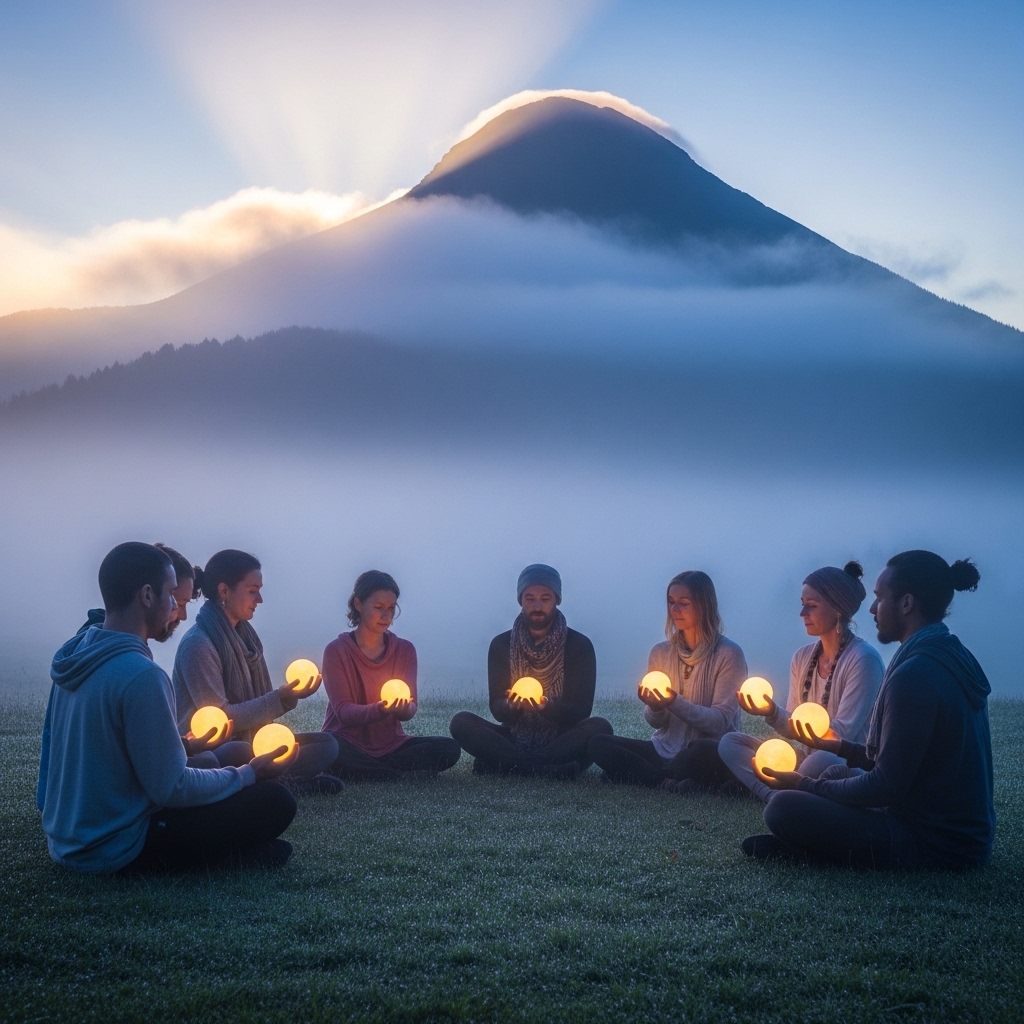
This ego manifests itself when we start judging others based on their spiritual paths or lack thereof. I’ve seen friends become critical of those who don’t meditate or who follow different spiritual traditions, thinking they are somehow “less awake.” This judgment creates a divide, and instead of fostering community, it can lead to isolation and disconnection from others. Understanding this concept is crucial for anyone on a spiritual path, as it helps prevent the pitfalls of ego that can derail our journey.
How Spiritual Ego Differs from Healthy Self-Esteem
Healthy self-esteem is about recognizing and appreciating our worth without feeling superior to others. I’ve learned that it’s essential to feel confident in our abilities and our journey but without needing to validate ourselves through comparison. Spiritual ego, on the other hand, often involves a competitive edge that emerges when we start comparing our spiritual achievements with those of others. Read Interesting article: Why Spirituality Can Turn Into Ego
For example, I once attended a retreat where participants were encouraged to share their experiences. Some people shared profound insights, while others were quieter about their journeys. I noticed a couple of individuals who felt the need to dominate the conversation, subtly trying to outshine others with their experiences. That’s when I realized how easily spiritual ego can cloud the beauty of shared experiences. Healthy self-esteem allows for mutual recognition of our paths, while spiritual ego often seeks to elevate one’s self above the rest.
Common Misconceptions About Spiritual Ego
There are many misconceptions surrounding spiritual ego that I’ve encountered over the years. One prevalent myth is that spiritual people are inherently humble. I’ve met plenty of individuals who identify as spiritual but exhibit traits of spiritual ego, such as arrogance or judgment. Just because someone practices meditation or attends yoga classes doesn’t mean they are free from ego. This misconception can lead to blind spots in our spiritual journeys.
Another common belief is that spiritual ego only affects newcomers on the path. However, I’ve seen seasoned practitioners fall into the trap of spiritual ego just as easily. In my experience, the longer we are on the spiritual journey, the more self-awareness we need to cultivate. It’s easy to assume we’ve “arrived” at a level of enlightenment, but it’s crucial to remain open to learning and evolving, regardless of how much we think we know.
Some folks also think that simply being aware of spiritual ego is enough to overcome it. While awareness is the first step, it requires ongoing effort to confront our ego in various forms. I’ve found that acknowledging the ego is just the beginning; it’s the daily practice of humility and compassion that helps us genuinely move beyond it. This journey is ongoing, and understanding these misconceptions can help us stay grounded and connected to our authentic selves.
As I reflect on my own experiences, I recognize the importance of fostering a community where we can share our journeys without fear of judgment or competition. It’s about supporting one another in a spirit of love and understanding, which I believe is the true essence of spirituality. When we let go of spiritual ego, we open ourselves to deeper connections and growth alongside others. Embracing this mindset can be transformative for our personal journeys and collective experiences.
The Role of Spiritual Ego in Personal Growth
Spiritual Ego as a Barrier to Enlightenment
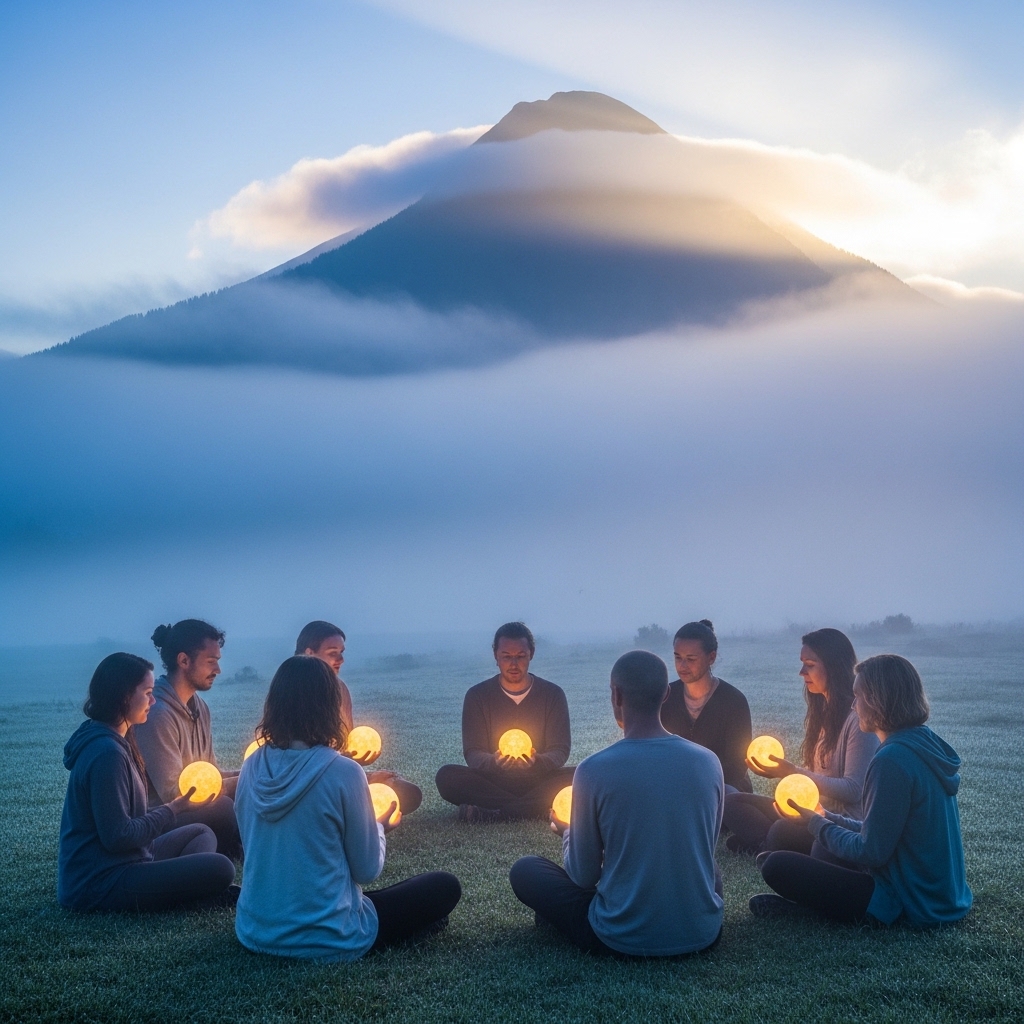
As I’ve navigated my own spiritual journey, I’ve come to realize that spiritual ego can be one of the biggest obstacles to true enlightenment. When we become attached to our spiritual identity, we often start to view our journey as a destination rather than a continuous process. I remember a period when I felt proud of my meditation practice and the insights I gained. This feeling, at first, seemed motivating, but eventually, I noticed it clouded my ability to genuinely connect with others. It’s as if I built a wall around myself, believing I was “above” others who were still searching for their paths.
In moments of reflection, I learned that enlightenment isn’t a competition. It’s not about being “better” or more knowledgeable than anyone else. Instead, it’s about the depth of our understanding and the compassion we cultivate. When spiritual ego takes center stage, it often leads to a sense of disconnection from our true selves and from the people around us. This realization was eye-opening for me, as I understood that authentic personal growth requires vulnerability, which is often stifled by the inflated sense of self that comes with spiritual ego.
Identifying the Signs of Spiritual Ego
Recognizing spiritual ego in ourselves can be tricky. I know I’ve been guilty of dismissing my ego as just part of my journey, but there are signs we can look out for. One major indicator is the need to constantly share our insights or achievements. I used to feel proud whenever I learned something new, and I wanted to share that with everyone, often to the point of dominating conversations. If you find yourself always steering discussions towards your spiritual experiences, it might be worth taking a step back.
Another sign is a heightened sense of judgment towards others. I’ve noticed that when my spiritual ego was at play, I often found myself critiquing others’ beliefs or practices. This judgment not only creates separation but also prevents us from fully experiencing the beauty of different perspectives. If you catch yourself labeling others as “less spiritual” or assuming you know better, it might be time to pause and examine those thoughts.
Lastly, if you feel an overwhelming need for validation or recognition from others for your spiritual experiences, that’s a clear red flag. I’ve learned that true growth often happens in silence and solitude, away from the need for approval. Recognizing these signs can be the first step in addressing our spiritual ego and moving towards a more authentic and connected experience.
How Spiritual Ego Can Manifest in Daily Life
In my daily life, I’ve seen spiritual ego manifest in various ways. One example that stands out occurred during a group meditation session I attended. There was a participant who consistently interrupted others to share their personal epiphanies. Instead of creating a space for collective reflection, their need to showcase their “enlightenment” stifled the experience for everyone involved. This made me realize how easily our spiritual practices can be overshadowed by our egos.
Another instance was in social media interactions. I used to follow several spiritual influencers who often presented a picture-perfect version of spirituality. I found myself comparing my journey to theirs, which only fueled my spiritual ego. I noticed that I felt inadequate unless I could share something equally profound or inspiring. This comparison led me to overlook my unique path and the lessons I was learning along the way.
Spiritual ego can also creep into our relationships. I’ve experienced moments where I tried to “fix” friends by introducing them to certain practices or beliefs, thinking I was helping them awaken. However, I later realized that my intentions were often tainted by my own need to feel superior. True support in relationships involves listening and being present, not trying to push our beliefs onto others. Understanding how spiritual ego manifests in daily life can help us create more meaningful connections and foster genuine growth.
Recognizing Spiritual Bypassing
What is Spiritual Bypassing?
Spiritual bypassing is a term that refers to the use of spiritual practices or beliefs as a way to avoid dealing with unresolved emotional issues or psychological wounds. I first came across this concept during a workshop focused on emotional healing. The facilitator explained how some people might use meditation or positive affirmations to sidestep deeper problems instead of addressing them head-on. I remember feeling a mix of recognition and discomfort, as I realized I had occasionally fallen into the trap of spiritual bypassing myself.
What happens is that we can become so enamored with the idea of being “spiritual” that we neglect our emotional health. I’ve seen individuals who seem to float above the complexities of life, always smiling and quoting spiritual texts, but when you scratch the surface, you may discover they are avoiding significant pain or trauma. This avoidance can hinder genuine growth and healing, making spiritual bypassing a significant aspect of spiritual ego that we need to address.
Examples of Spiritual Bypassing in Relationships
One of the most apparent places I’ve noticed spiritual bypassing is in relationships. I remember a time when a close friend faced a challenging breakup. Instead of allowing themselves to feel the pain, they turned to their meditation practice, insisting that they were “transcending” the hurt. While meditation can be a powerful tool for processing emotions, I felt that my friend was using it as a shield rather than a support. Their refusal to engage with their feelings created a barrier between us, making it difficult for me to connect with them authentically.
Similarly, I’ve seen couples who dismiss serious discussions about their relationship issues with phrases like, “Let’s just focus on the positive.” While cultivating positivity is essential, bypassing real conversations can lead to unresolved conflicts that fester over time. I believe that true spiritual growth happens when we face our emotional landscape, not when we gloss over it with positive affirmations or spiritual platitudes.
Impacts of Spiritual Bypassing on Mental Health
Spiritual bypassing can have profound effects on our mental health. I remember attending a support group where members shared their struggles with anxiety and depression while expressing how they felt pressure to appear spiritually “perfect.” This pressure often prevented them from seeking the help they genuinely needed. I realized that many of us, myself included at times, might equate spiritual practices with emotional health. However, it’s crucial to recognize that they serve different purposes.
When we bypass our emotions, we can end up feeling isolated and disconnected from ourselves and others. I’ve learned that addressing our emotional wounds is just as vital as any meditation practice or spiritual insight. Ignoring these feelings can lead to a cycle of frustration and confusion that stifles our growth. In my experience, facing our emotional challenges head-on—not with avoidance—opens the door to deeper healing and connection.
Understanding the concept of spiritual bypassing has been a game-changer for me. It reminds me to approach my spiritual journey with honesty and vulnerability, acknowledging that it’s okay to feel pain and struggle. This awareness not only enhances my personal growth but also deepens my relationships with others, creating a space for authentic connection and support. Read Interesting article: Myth: Being Spiritual Means You Don’t Desire
Strategies to Overcome Spiritual Ego
Practicing Humility and Self-Awareness
One of the most transformative strategies I’ve adopted in overcoming spiritual ego is practicing humility. I remember a moment when I realized that my insights and experiences are just a small piece of a much larger puzzle. It was during a discussion with a mentor who gently reminded me that humility opens doors to deeper understanding. Instead of feeling like I had to prove my worth or enlightenment, I learned to embrace the idea that every person has their unique path to follow. This shift in perspective has been freeing.
Self-awareness has also played a crucial role in my journey. I’ve found that regularly checking in with myself helps me recognize when my ego is sneaking in. Journaling has become a powerful tool for me. By writing down my thoughts and feelings, I can spot patterns that may indicate my ego’s influence. This practice not only fosters self-reflection but also helps me stay grounded and connected to my true self.
The Importance of Authenticity in Spiritual Practices
Authenticity has emerged as a cornerstone of my spiritual practice. I’ve come to realize that it’s not about following a specific path or adhering to certain beliefs to fit in with a community. Instead, it’s about being true to who I am and what resonates with me. I remember attending various workshops and events, many of which felt pressured to conform to specific spiritual norms. However, I learned that embracing my unique journey and allowing my authentic voice to shine is what truly matters.
When I started to share my experiences honestly—my struggles, doubts, and moments of joy—I noticed a shift in how I connected with others. Instead of feeling elevated or superior, I felt more relatable and human. This vulnerability created a sense of community, reminding me that we’re all navigating our paths together. Emphasizing authenticity helps to dissipate spiritual ego and fosters deeper connections with ourselves and those around us.
Engaging in Self-Reflection and Shadow Work
Engaging in self-reflection and shadow work has been another pivotal aspect of my journey. I discovered that facing my shadow—the parts of myself I often ignore or suppress—allowed me to confront the aspects of my ego that I didn’t want to acknowledge. I remember attending a workshop on shadow work, where I was guided to explore my fears and insecurities. This process was uncomfortable, to say the least, but it was also incredibly liberating.
The more I delved into my shadow, the clearer my motivations became. I began to see how my spiritual ego was often a defense mechanism for deeper insecurities. By integrating these shadow aspects into my self-awareness, I found a more balanced and compassionate approach to my spiritual journey. Doing this work has not only helped me pave the way for personal growth but also encouraged me to support others in their journeys without judgment or competition.
Spiritual Ego in Different Traditions
Spiritual Ego in Buddhism
Buddhism offers profound insights into the nature of ego. The concept of “no-self” (anatta) challenges the very foundation of spiritual ego. I’ve found that studying this principle encourages me to let go of attachment to my identity as a “spiritual person.” It reminds me that true liberation comes from recognizing the impermanence of all things, including my sense of self. Embracing this perspective has been a humbling experience, allowing me to release the hold that spiritual ego had on me.
Perspectives on Spiritual Ego in Christianity
Christian teachings often emphasize humility and selflessness, which can serve as a counterbalance to spiritual ego. In my experience, reflecting on concepts like love, compassion, and service has helped me ground my spiritual practice. I remember reading about the importance of serving others without seeking recognition. This has taught me that genuine spirituality focuses on uplifting those around us rather than elevating myself. It’s a reminder that spiritual growth flourishes in the soil of community and connection.
How Hinduism Views Spiritual Ego
In Hindu philosophy, the ego is often seen as a necessary aspect of the human experience, but it’s also viewed as something to transcend. Concepts like “Maya” (illusion) suggest that our sense of self can deceive us. I’ve found that exploring these teachings has deepened my understanding of how spiritual ego can create illusions of superiority. Recognizing these illusions has prompted me to seek a more profound connection with the divine while letting go of the need to define myself through my spiritual practices.
The Balance Between Ego and Spirituality
Healthy Ego: How It Supports Spiritual Growth
A healthy ego can actually support our spiritual growth. I’ve learned that while it’s essential to be mindful of spiritual ego, having a sense of self-worth can also be empowering. It allows us to navigate our journeys with confidence and assertiveness. I find that when I approach my spiritual practices with a balanced ego, I can engage more fully without feeling the need to compete or compare. This balance fosters a sense of empowerment rather than arrogance.
Finding the Middle Path: Integrating Ego and Spirit
Ultimately, finding the middle path is key. I believe that integrating our ego with our spiritual journey helps us remain grounded while also aspiring to growth. I’ve started to view my ego as a part of my human experience—not something to eradicate but to understand and embrace. This perspective allows me to cultivate compassion for myself and others, recognizing that we’re all on our unique paths, striving for connection and understanding.
Real-Life Experiences and Testimonials
Personal Stories of Overcoming Spiritual Ego
Many people have shared transformative stories about overcoming spiritual ego. I recall listening to a friend recount how they let go of feeling superior after attending a diverse spiritual gathering. They realized that every person’s journey is valid, regardless of the different paths we take. This shift in perception not only deepened their relationships but also enhanced their personal growth.
Lessons Learned from Spiritual Leaders and Teachers
Spiritual leaders often remind us that humility is essential in our journeys. I learned from a teacher who emphasized the importance of being a student at all times. They shared their own experiences of grappling with ego, showing that even those who guide others face similar challenges. This insight resonated deeply with me, reminding me that the path is about learning, growing, and supporting one another.
Resources for Further Exploration
Books on Spiritual Ego and Personal Growth
There are numerous books that delve into the complexities of spiritual ego and personal growth. Some of my favorites include “The Ego and the Self” by John O’Donohue and “The Untethered Soul” by Michael A. Singer. These texts provide profound insights into navigating our spiritual journeys with awareness and compassion.
Recommended Workshops and Retreats
Participating in workshops and retreats focused on self-awareness and ego can be incredibly beneficial. I’ve attended several that emphasize mindfulness and humility, and they’ve helped me foster deeper connections. Look for local or online events that resonate with your journey—they can offer invaluable experiences.
Online Communities and Support Groups
Engaging with online communities and support groups can provide a sense of belonging and shared experience. I’ve found groups on platforms like Facebook and Reddit where people discuss spirituality openly, offering support and encouragement. Connecting with others navigating similar challenges has helped me feel less isolated and more connected.
Final Thoughts
Overcoming spiritual ego is not a simple task; it requires ongoing effort and self-reflection. I’ve learned that the journey is filled with ups and downs, and embracing both can lead to profound growth. By practicing humility, authenticity, and self-awareness, we can navigate our spiritual paths with grace and compassion. Ultimately, it’s about fostering connections, supporting one another, and recognizing that we are all in this together. The beauty of spirituality lies in our shared experiences, and I believe that when we let go of the need for superiority, we create space for genuine transformation.
Frequently Asked Questions
What is spiritual ego?
Spiritual ego is an inflated sense of self that arises from one’s spiritual beliefs or practices, leading to a false sense of superiority that can hinder authentic spiritual development.
How does spiritual ego differ from healthy self-esteem?
Healthy self-esteem involves recognizing our worth without feeling superior to others, while spiritual ego often includes a competitive edge and the need to compare spiritual achievements with those of others.
What are common misconceptions about spiritual ego?
One misconception is that spiritual people are inherently humble. Additionally, many believe that spiritual ego only affects newcomers, while it can also affect seasoned practitioners. Simply being aware of spiritual ego is not enough to overcome it; ongoing effort is needed.
How can spiritual ego act as a barrier to enlightenment?
Spiritual ego can cause individuals to view their journey as a destination rather than a continuous process, leading to disconnection from others and hindering authentic personal growth.
What are some signs of spiritual ego?
Signs include a constant need to share insights or achievements, heightened judgment towards others, and an overwhelming need for validation or recognition for spiritual experiences.
What is spiritual bypassing?
Spiritual bypassing refers to using spiritual practices to avoid addressing unresolved emotional issues or psychological wounds, which can hinder genuine growth and healing.
What impacts can spiritual bypassing have on mental health?
Spiritual bypassing can lead to feelings of isolation and disconnection from oneself and others, as it often prevents individuals from addressing their emotional wounds, resulting in frustration and confusion.
What strategies can help overcome spiritual ego?
Practicing humility, engaging in self-reflection and shadow work, and emphasizing authenticity in spiritual practices are effective strategies for overcoming spiritual ego.
How does spiritual ego manifest in daily life?
Spiritual ego can manifest in dominating conversations about spiritual experiences, comparing one’s journey to others on social media, and attempting to “fix” friends by imposing personal beliefs or practices.
What role does humility play in overcoming spiritual ego?
Humility allows individuals to recognize their experiences as part of a larger journey and fosters deeper understanding, promoting genuine connections and reducing the need for validation through superiority.