
The truth about simple living is that it’s not just about reducing clutter; it’s a holistic approach to life that emphasizes mindfulness, intentionality, and deeper connections. I’ve discovered through my journey that simple living can transform not just spaces, but our entire outlook on life. For those looking to cleanse their living space, smudging your home can be an effective practice.
Table of Contents
Understanding Simple Living
Definition of Simple Living
Simple living, at its core, is about making conscious choices to prioritize what truly matters. It’s not a one-size-fits-all approach but rather a personal journey toward a lifestyle that reduces stress and enhances joy. For me, simple living means decluttering my home and mind, spending time on activities that nourish my soul, and fostering genuine relationships. When I first started this journey, I realized that simplicity isn’t about deprivation; it’s about enrichment through focus.
History and Evolution of Simple Living
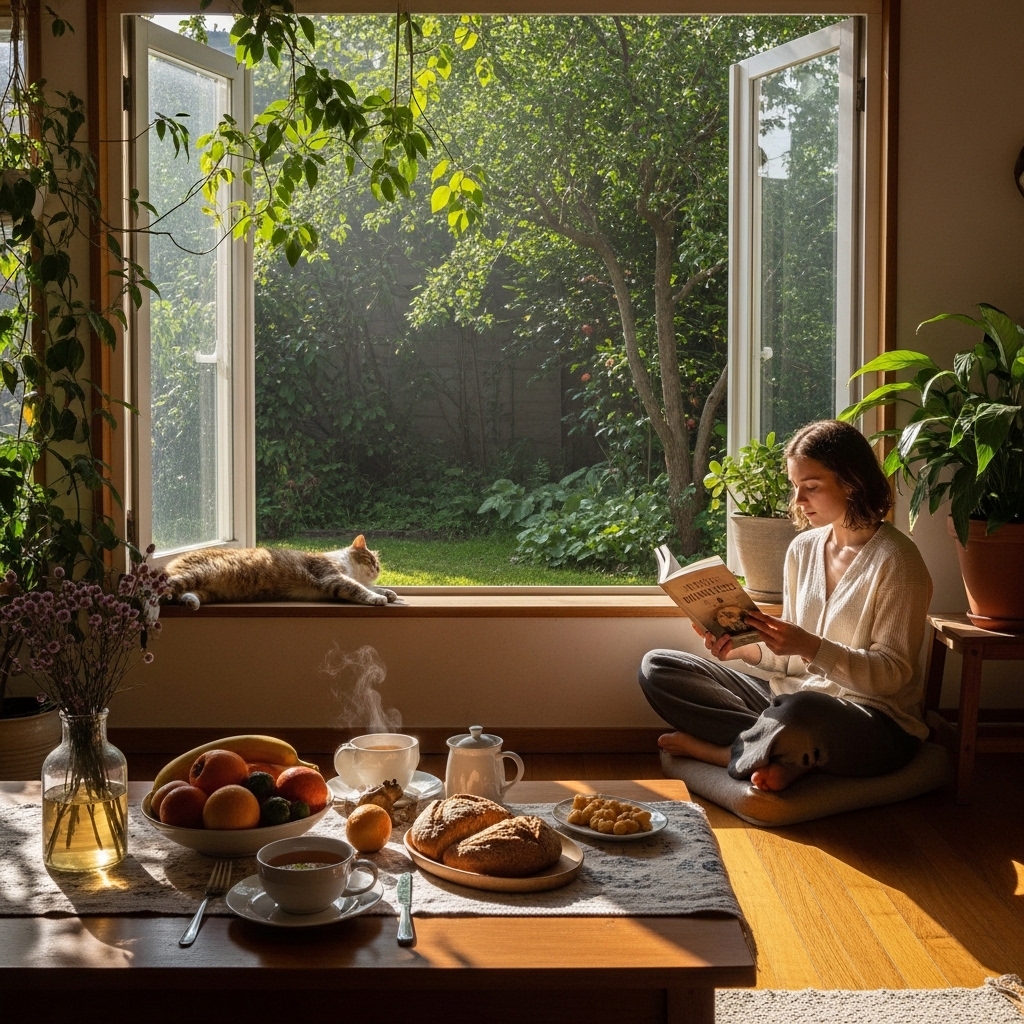
The concept of simple living has deep roots in various cultures and philosophies, dating back to ancient civilizations. Think about the Stoics, who believed in the virtue of leading a life of moderation and self-control. Their teachings resonate with many who seek a simpler life today. During the 1960s and 70s, the back-to-the-land movement encouraged people to reject consumerism and embrace a more sustainable, connected way of living. I remember reading about those early pioneers and feeling inspired by their courage to step away from the mainstream and prioritize their values. Today, simple living has evolved, incorporating elements of minimalism, sustainability, and mindfulness, adapting to modern challenges while retaining its essence.
Key Principles of Simple Living
As I delved deeper into simple living, I discovered several key principles that guide this lifestyle. Here are a few that resonate with me:
- Mindfulness: Practicing mindfulness allows us to appreciate the present moment. I find that when I’m fully engaged with my surroundings, I can enjoy life’s simple pleasures, like a warm cup of tea or a stroll in nature.
- Intentionality: Living intentionally means making choices that align with our values. I’ve learned to ask myself whether a purchase or commitment adds value to my life. If it doesn’t, I let it go.
- Connection: Whether it’s with family, friends, or nature, prioritizing relationships over things has been transformative. I’ve realized that meaningful connections bring more joy than material possessions ever could.
- Sustainability: Simple living often goes hand-in-hand with eco-friendliness. I’ve been more mindful of my consumption and its impact on the planet, striving to make choices that are not only good for me but also for the Earth.
- Self-Care: Embracing simplicity allows space for self-care. I prioritize taking care of my physical and mental health, which has made a noticeable difference in my overall happiness.
These principles can guide anyone looking to simplify their life, whether it’s through decluttering their home or reassessing their priorities. I’ve found that the more I align my life with these principles, the more fulfilled I feel. Your life changes when you stop living for approval can provide further insights into this transformative journey.
As I continue on this journey of simple living, I’ve learned that it’s not just about the external changes, but also the internal transformation that comes with it. The clarity and peace I’ve experienced have been incredible, and I believe many others can find similar joy by embracing a simpler lifestyle.
The Benefits of Simple Living
Mental Health and Well-Being
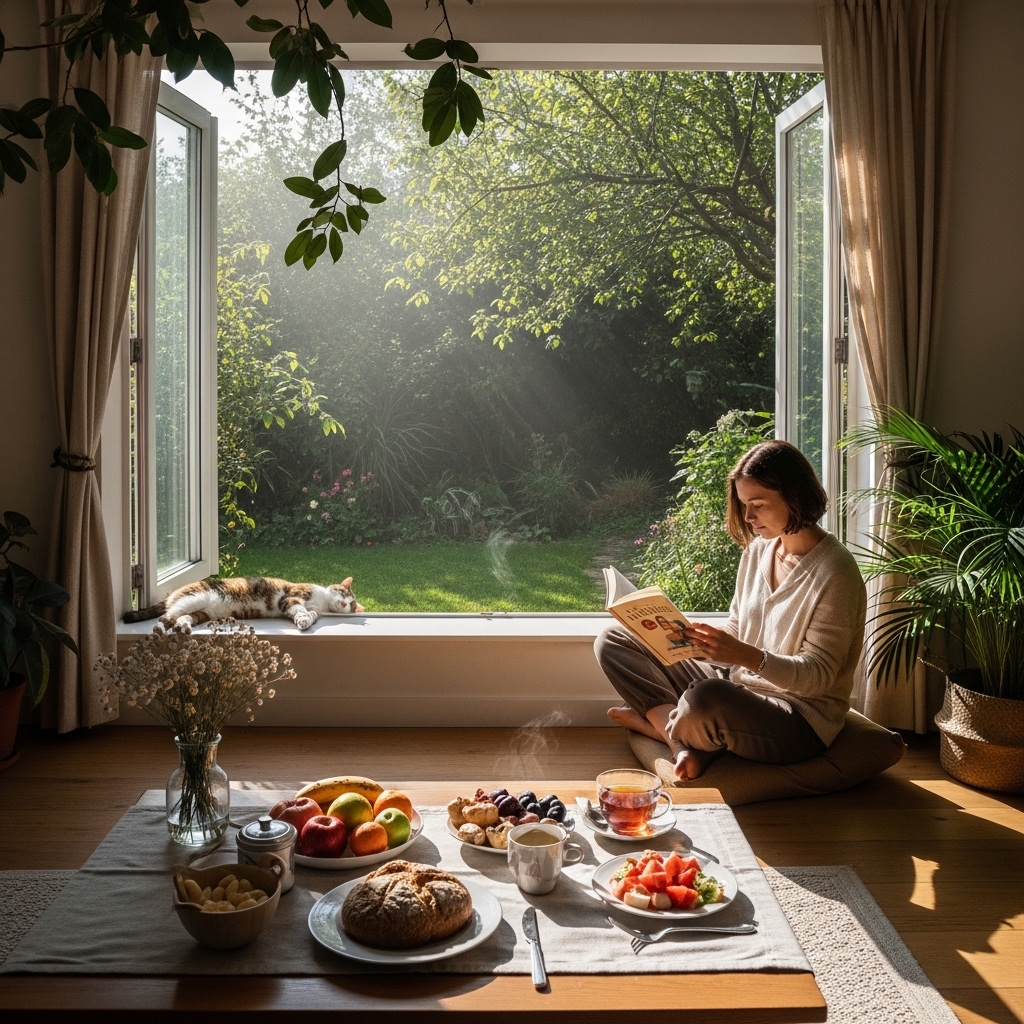
One of the most rewarding aspects of my journey into simple living has been the profound impact it has had on my mental health. I used to feel overwhelmed by the chaos around me—whether it was clutter in my home or the endless demands of daily life. By embracing simplicity, I found a sense of peace and clarity. I remember the first time I decluttered my living space; the weight on my shoulders felt lighter, and suddenly, I could breathe easier. I’ve learned that simplicity fosters mindfulness, allowing me to focus on the present moment instead of being bogged down by stressors. It’s amazing how reducing distractions can lead to greater mental clarity and emotional stability. Whether it’s through journaling, meditating, or simply enjoying quiet moments, my well-being has greatly improved.
Financial Freedom and Savings
Another significant benefit of simple living is financial freedom. When I began to evaluate what truly mattered to me, I noticed how much I was spending on things that didn’t add value to my life. I was trapped in a cycle of consumerism, constantly purchasing items that quickly lost their appeal. By simplifying my life, I learned to prioritize experiences over possessions. It’s empowering to know that I can enjoy a fulfilling life without a hefty price tag. I’ve started budgeting more effectively, focusing on needs rather than wants. This shift in mindset has not only helped me save money but has also given me the freedom to invest in experiences, like traveling or taking classes, which enrich my life far more than material possessions ever could. 15 budget-friendly ways to transform your living room can also help in creating a more meaningful space.
Environmental Impact
Simple living has also opened my eyes to the environmental impact of our choices. I’ve become more conscious of my consumption and have made efforts to reduce waste and support sustainable practices. For instance, I’ve embraced reusable products and shifted towards a plant-based diet, which has lowered my carbon footprint. I find joy in gardening and sourcing local produce, which not only benefits my health but also supports my community. I remember the first time I participated in a community clean-up; it felt rewarding to contribute to the environment while connecting with others who share similar values. Living simply allows me to align my actions with my beliefs, making me feel more responsible for the world I inhabit.
Improved Relationships and Community
It’s fascinating how simple living has transformed my relationships. I’ve learned that the most valuable aspects of life are the connections we nurture with others. By prioritizing quality time with family and friends, I’ve experienced deeper, more meaningful interactions. Instead of hosting elaborate gatherings with expensive decorations and extravagant meals, I’ve shifted towards cozy potlucks and game nights. These moments create lasting memories without the stress of overcommitting. I’ve also found a sense of community among others who embrace simple living. Connecting with like-minded individuals has been uplifting; we share our experiences, support one another, and learn from each other. I believe that when we simplify our lives, we make room for relationships that truly matter, creating a sense of belonging and support.
Common Misconceptions About Simple Living
Simple Living is Only for Minimalists
One misconception I’ve encountered is that simple living equates to minimalism. While minimalism is a facet of simple living, it’s not the only path. I used to think that living simply meant I had to give up all my belongings and live in a stark, empty space. However, I’ve realized that simplicity is more about making intentional choices that work for me. I appreciate my cherished items, and I don’t feel the need to discard everything. I believe it’s possible to embrace simplicity while still surrounding myself with things I love and that bring me joy.
It Requires Extreme Sacrifices
Another common myth is that simple living demands extreme sacrifices. I’ve often heard people say they could never give up their favorite things or activities. From my experience, embracing simplicity doesn’t mean living a life of deprivation. Instead, it’s about prioritizing what truly matters. I’ve found that I can still enjoy some luxuries, like a nice dinner out or a cozy night in with a good movie. The key is to be mindful of how often I indulge and to ensure that my choices align with my values. I’ve discovered that I can live richly without the clutter and chaos that once filled my life.
Simple Living Lacks Enjoyment and Luxury
Many people believe that simple living is synonymous with a lack of enjoyment and luxury. I used to think that living simply meant I’d miss out on life’s pleasures. However, I’ve come to understand that true enjoyment comes from appreciating the little things. I find joy in simple moments—like sipping coffee during the sunrise or taking a leisurely walk in the park. By shifting my focus from material possessions to experiences, I’ve discovered that life can be fulfilling and luxurious in its own way. I’ve learned to savor every moment, making my life feel rich and vibrant.
How to Start a Simple Living Lifestyle
Assessing Your Current Lifestyle
When I decided to embrace simple living, the first step was taking a good, hard look at my current lifestyle. I sat down with a cup of tea and wrote down everything I did in a typical week—the activities I engaged in, the commitments I had, and the things I spent my money on. It was eye-opening. I noticed that a lot of my time went to activities that didn’t bring me joy or fulfillment. I think this exercise is vital for anyone looking to simplify their life. It helps to pinpoint what truly matters and what doesn’t. Once you can see the bigger picture, it becomes clear where changes can be made to create a more meaningful life.
Setting Clear Goals for Simplicity
After assessing my lifestyle, I found it helpful to set clear and achievable goals. I remember writing down my aspirations and what I wanted my life to look like. For me, this involved reducing screen time, spending more time outdoors, and cultivating deeper relationships. I realized that having specific goals made it easier to stay focused on simplicity. I suggest starting with small, manageable goals that can gradually lead to bigger changes. Whether it’s dedicating one evening a week to family dinners or limiting shopping trips to once a month, every step counts in this journey.
Decluttering Your Home and Mind
Decluttering became a transformative experience for me. I began with one room at a time, tackling closets, drawers, and all the nooks and crannies that had accumulated things over the years. It was liberating to let go of items that no longer served a purpose in my life. I found joy in donating clothes I hadn’t worn in ages and recycling old papers that had piled up. I remember feeling lighter with each bag I filled. As I decluttered my physical space, I noticed a mental shift as well. My mind felt less cluttered, and I could focus better on what truly mattered. I believe that decluttering isn’t just about cleaning up; it’s about creating a space that fosters peace and creativity.
Budgeting and Financial Planning
As I simplified my lifestyle, I also took a closer look at my finances. Budgeting became essential for me to prioritize what I wanted to invest in. I started tracking my spending habits and identifying areas where I could cut back. I realized that I was spending money on things that didn’t enhance my life. By creating a budget, I was able to allocate funds toward experiences, like travel and hobbies, instead of material possessions. I recommend using budgeting tools or apps to make this process easier. Financial clarity not only leads to savings but also allows for more freedom to make choices that align with your values.
Creating a Minimalist Wardrobe
One of the most rewarding aspects of my simple living journey has been my approach to clothing. I decided to create a minimalist wardrobe, which meant keeping only the pieces I truly loved and felt great in. I went through my closet and tried on each item, asking myself whether it sparked joy or if I really wore it regularly. I was surprised by how many clothes I had that I’d forgotten about or never wore. Now, I focus on quality over quantity, investing in versatile pieces that can be mixed and matched, which not only simplifies my mornings but also helps me feel more confident. I think a minimalist wardrobe can be a great way to reduce decision fatigue and streamline daily routines.
Choosing Quality Over Quantity
Adopting a mindset of choosing quality over quantity has been a game-changer for me. In my earlier days of consumerism, I often bought items that were cheap but didn’t last. Now, I’ve learned to invest in fewer, high-quality items that stand the test of time. This applies to everything from clothing to household goods. I remember purchasing a beautiful, sturdy kitchen knife, which has made cooking so much more enjoyable. It’s about valuing what we bring into our lives and ensuring that each item serves a purpose and enhances our experience. By prioritizing quality, I’ve noticed that I spend less time replacing things and more time enjoying what I have.
Starting a simple living lifestyle is a process, but with each small change, I feel a sense of freedom and clarity. I believe that anyone can embark on this journey, and it can lead to a more fulfilling, intentional life. Embracing simplicity isn’t about perfection; it’s about making choices that resonate with who we are and what we truly value.
Frequently Asked Questions
What is the definition of simple living?
Simple living is about making conscious choices to prioritize what truly matters in life. It involves reducing stress and enhancing joy through a personal journey that may include decluttering, nourishing activities, and fostering genuine relationships.
How has the concept of simple living evolved over time?
Simple living has deep historical roots in various cultures and philosophies, including ancient Stoicism and the back-to-the-land movement of the 1960s and 70s. Today, it incorporates elements of minimalism, sustainability, and mindfulness while adapting to modern challenges.
What are some key principles of simple living?
Key principles of simple living include mindfulness, intentionality, connection, sustainability, and self-care. These principles guide individuals in simplifying their lives by aligning their actions with their values and fostering deeper relationships.
How does simple living benefit mental health and well-being?
Simple living can have a profound impact on mental health by reducing chaos and distractions, fostering mindfulness, and providing clarity. This can lead to improved emotional stability and a greater sense of peace.
In what ways does simple living contribute to financial freedom?
Simple living encourages individuals to prioritize experiences over possessions, leading to more effective budgeting and spending habits. This shift helps in saving money and allows for investments in fulfilling experiences rather than material items.
How does simple living impact the environment?
Embracing simple living raises awareness about the environmental impact of consumption. Individuals often make efforts to reduce waste, support sustainable practices, and choose eco-friendly products, which can lower their carbon footprint.
What misconceptions exist about simple living?
Common misconceptions include the belief that simple living equates to minimalism, requires extreme sacrifices, or lacks enjoyment and luxury. In reality, simple living is about making intentional choices that bring joy and fulfillment without deprivation.
What steps can someone take to start a simple living lifestyle?
To start a simple living lifestyle, one can assess their current lifestyle, set clear goals for simplicity, declutter their home and mind, create a budget, and focus on building a minimalist wardrobe while choosing quality over quantity.
Why is decluttering important in the simple living process?
Decluttering is essential as it not only cleans physical spaces but also helps clear mental clutter, allowing individuals to focus better on what truly matters. It creates an environment that fosters peace, creativity, and fulfillment.
What does choosing quality over quantity mean in the context of simple living?
Choosing quality over quantity involves investing in fewer, high-quality items that last longer and serve a meaningful purpose. This approach reduces the need for frequent replacements and enhances overall enjoyment of possessions.