
Inner peace is a state of mental and emotional calmness, achieved through self-awareness, acceptance, and a balanced perspective on life. It’s not a destination, but a continuous journey that we build over time. Understanding the real meaning of inner freedom can also enhance our journey.
Understanding Inner Peace
What is Inner Peace?
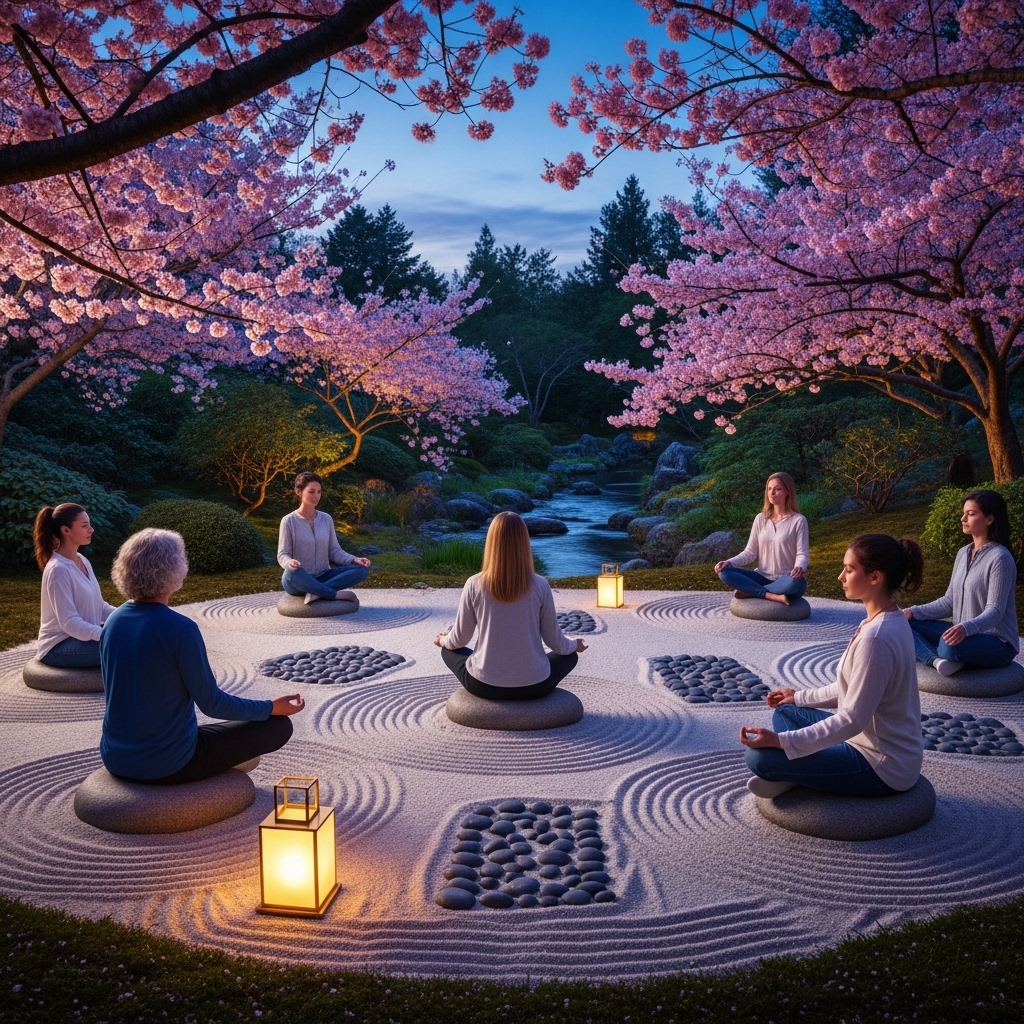
When I first started exploring what inner peace really meant, I thought it was all about being free from stress or problems. But what I learned is that inner peace is much deeper than that. It’s a feeling of being centered, grounded, and at ease with oneself, regardless of external circumstances. It’s about finding a sense of tranquility that comes from within, where external chaos doesn’t dictate our emotional state. I remember the first time I experienced true inner peace—it was during a quiet moment of reflection. I felt an overwhelming sense of calm, and it struck me that this calmness was something I could cultivate regularly.
The Importance of Inner Peace in Modern Life
In today’s fast-paced world, where stress seems to be a constant companion, finding inner peace has never been more important. I’ve often felt overwhelmed by the demands of daily life, whether it’s work deadlines, family obligations, or the never-ending stream of information from social media. In moments like these, I realized that cultivating inner peace is essential for maintaining my mental health. It helps me respond rather than react, allowing me to navigate life’s challenges with greater ease and clarity. Inner peace isn’t just beneficial for us as individuals; it also ripples out to affect our relationships, our communities, and ultimately, the world around us. I have also learned about what it means when your inner world collapses, which adds depth to understanding the importance of inner peace.
Common Misconceptions About Inner Peace
As I delved deeper into my journey, I encountered several misconceptions that I believe many people share. One common belief is that inner peace means a lack of emotions or being unaffected by life’s ups and downs. But I learned that feeling emotions—whether joy, sadness, or anger—is a natural part of being human. Inner peace doesn’t mean we don’t experience challenges; instead, it’s about how we choose to respond to those challenges. Another misconception I’ve noticed is that inner peace is something we either have or we don’t. The truth is, it’s a skill that we can develop and strengthen over time, just like any other practice. I remember thinking that I’d never achieve it, but with consistent effort, I’ve seen real changes in my mindset and emotional well-being.
The Foundations of Inner Peace
Self-Awareness and Mindfulness
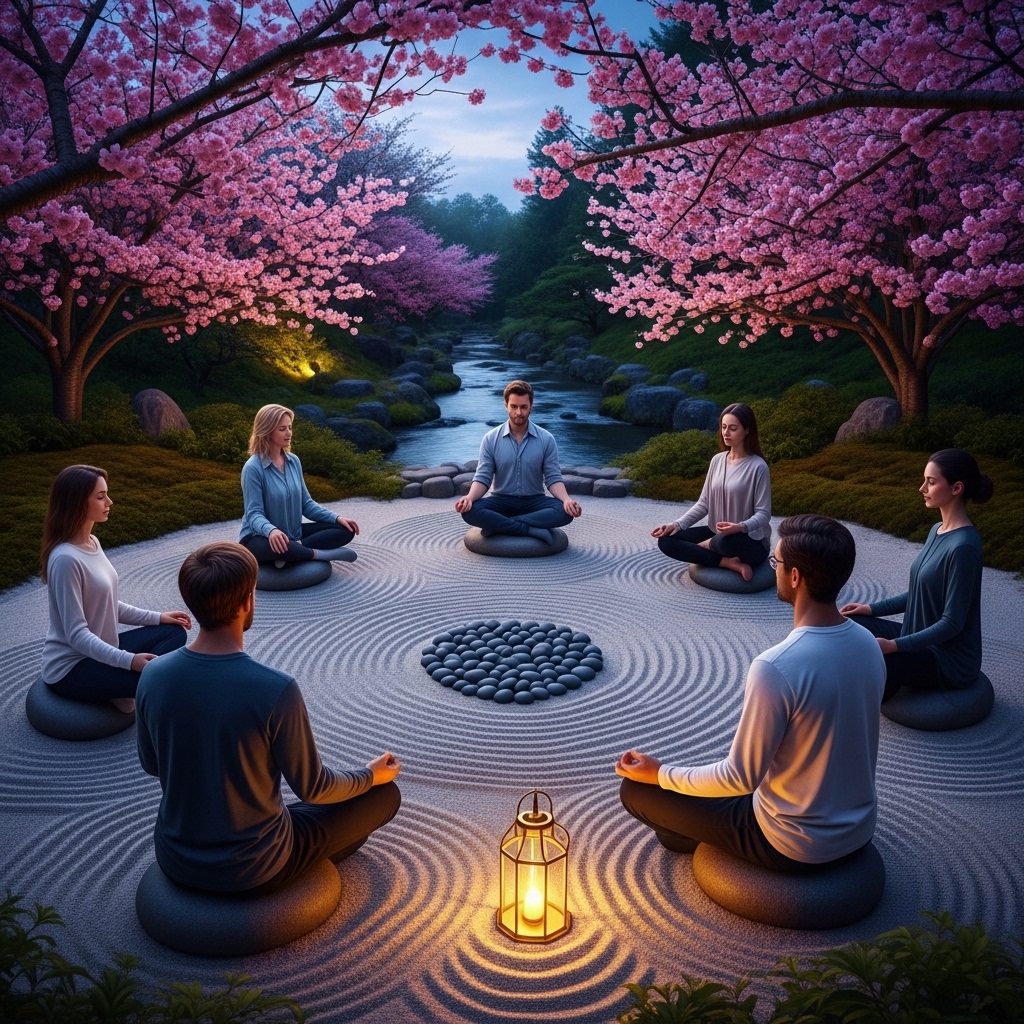
One of the key foundations of building inner peace is self-awareness. I’ve found that taking the time to understand my thoughts, feelings, and reactions has been transformative. Self-awareness allows me to recognize when I’m feeling stressed or anxious and gives me the insight to address those feelings before they spiral out of control. Mindfulness practices, such as meditation and focused breathing, help me stay present and engaged in the moment. I remember a particularly hectic week when I took just five minutes each day to practice deep breathing. It made a world of difference in how I approached each day, allowing me to respond to stress more calmly.
Emotional Regulation and Resilience
Another important aspect of inner peace is learning to regulate my emotions. I used to let my feelings dictate my actions, often leading to regrettable decisions or conflicts with others. Through my experience, I learned that emotional regulation is about understanding and managing my emotions rather than suppressing them. Building resilience has also played a significant role in my journey. Life will throw challenges our way, but I discovered that resilience—the ability to bounce back from difficulties—can be cultivated. I remember a challenging job transition where I felt lost and uncertain. By focusing on my strengths and maintaining a hopeful outlook, I found a way to navigate that period with greater ease and discovered new opportunities I hadn’t considered before.
The Role of Acceptance and Letting Go
Acceptance has been a game changer for me. I used to struggle with the idea that I could control everything around me, which only led to frustration and disappointment. Accepting that some things are beyond my control has freed me from that constant battle. I learned to let go of the need for perfection and embrace the beauty of imperfection. For example, I used to get upset about minor setbacks or mistakes, but coming to terms with the idea that these are part of life has allowed me to move forward without dwelling on the past. It’s a process, and I still remind myself regularly to practice acceptance, but it’s been a crucial step in my journey toward inner peace. Additionally, understanding why peace feels boring to the unhealed mind has also helped me appreciate this journey.
Practical Steps to Build Inner Peace
Daily Mindfulness Practices
In my quest for inner peace, I discovered that incorporating daily mindfulness practices has been incredibly beneficial. It doesn’t have to be a grand undertaking; even small moments can make a big difference. I like to start my day with a few minutes of mindful breathing. I find a quiet spot, close my eyes, and focus on my breath, allowing the world around me to fade away. This simple act sets a positive tone for my day. Throughout the day, I try to remain mindful during ordinary activities—whether it’s eating, walking, or even washing dishes. I pay attention to the sensations, colors, and sounds, which helps me stay connected to the present moment. I’ve noticed that these small practices reduce my stress and enhance my overall sense of calm.
Journaling for Clarity and Reflection
Journaling has become a treasured part of my routine. I remember when I first started doing it; I was unsure what to write, but I quickly realized it was a powerful tool for self-reflection. Each evening, I take some time to jot down my thoughts and feelings from the day. This practice helps me process my experiences and emotions. I often find clarity in my writing that I didn’t recognize in the moment. Sometimes, I write about what I’m grateful for, which shifts my focus from what’s bothering me to what brings me joy. I believe journaling not only clears mental clutter but also allows me to track my progress toward inner peace over time.
Creating a Peaceful Environment
Our surroundings can greatly influence our mental state. When I realized this, I started making changes in my home that promoted tranquility. I decluttered my space, as I found that a tidy environment significantly reduces my anxiety. I also introduced calming elements, like houseplants and soft lighting, which create a more serene atmosphere. Sometimes, I play soothing music or nature sounds while I work or relax. These small adjustments remind me to breathe and stay present. I’ve even curated a little corner in my living room that’s just for relaxation—a cozy chair, a soft blanket, and a stack of books. It’s become my go-to spot for unwinding, and having this space dedicated to peace has been invaluable for my mental health.
Establishing Healthy Boundaries
Learning to set healthy boundaries has been a game changer in my journey toward inner peace. I used to feel overwhelmed by the demands of others—friends, family, and work. I realized I often said “yes” when I really wanted to say “no,” which led to resentment and burnout. I remember a point when I decided enough was enough. I began to communicate my needs and limits clearly, and it was liberating. It felt strange at first, but I learned that setting boundaries is not about shutting people out; it’s about protecting my own well-being. By prioritizing my needs, I have more energy and emotional space to engage with others meaningfully. I believe we all deserve the right to say no when it’s necessary for our peace of mind.
Techniques for Cultivating Inner Peace
Meditation and Breathing Exercises
Meditation has been a cornerstone of my inner peace journey. Initially, I felt intimidated by the idea of meditation, thinking I needed to be an expert to see any benefits. However, I learned that even a few minutes of focused breathing can create a profound impact. I started with guided meditations, using apps that offered short sessions. Over time, I became more comfortable with simply sitting in silence and observing my breath. Whenever I feel overwhelmed, I take a moment to close my eyes and focus solely on breathing in and out. This practice grounds me and reminds me of the calm that resides within. I encourage anyone looking for inner peace to explore meditation, as it has been a vital tool in my toolbox.
Yoga and Physical Movement
For me, physical movement has been essential in cultivating inner peace. I discovered yoga as a practice that combines mindfulness with physical activity. It’s incredible how moving my body can release tension and promote a sense of calm. I remember attending my first yoga class and feeling like I was floating afterward. The combination of breath and movement allowed me to connect with both my body and mind. Even if I can’t make it to a class, I often practice simple stretches and poses at home. It brings me back to my body, allowing me to release stress and foster a deeper sense of calm. I’ve learned that any form of movement—whether it’s dancing, walking, or swimming—can be a source of peace when approached with mindfulness.
Nature and Outdoor Activities
Spending time in nature has a unique way of soothing my soul. I’ve noticed that when I’m surrounded by greenery, whether it’s a park, forest, or beach, I feel an immediate sense of relief. I make it a point to take walks outside whenever I can, soaking in the fresh air and natural beauty. I remember a particular hike I took on a sunny afternoon; the sights and sounds of nature were so calming that I felt an overwhelming sense of gratitude wash over me. Engaging with the outdoors helps me disconnect from the busyness of life and reconnect with myself. I often encourage others to find their own outdoor sanctuary as it genuinely nurtures inner peace.
The Role of Relationships in Inner Peace
Building Supportive Connections
I’ve come to realize that the relationships we cultivate play a significant role in our pursuit of inner peace. I used to underestimate the impact of my social circle on my emotional well-being. Surrounding myself with supportive, understanding, and positive individuals has made a world of difference in my life. I recall a time when I was going through a tough phase. My closest friends reached out, and we spent time together discussing our feelings and experiences. Their empathy and understanding brought me comfort and reassurance. I believe that nurturing connections with people who uplift us not only fosters inner peace but also creates a safe space where we can share our struggles and joys without judgment. I recommend actively seeking out relationships that nurture your spirit and encourage growth.
Communicating Effectively and Compassionately
Effective communication is another crucial element in fostering healthy relationships that contribute to our inner peace. I remember when I learned the importance of expressing myself openly and honestly. There was a time when I would bottle up my feelings, afraid of causing conflict. However, I discovered that sharing my thoughts and emotions openly led to deeper connections and greater understanding. Practicing compassion in our conversations is essential too. I’ve found that when I approach discussions with empathy and kindness, it not only helps the other person feel valued but also creates a more peaceful atmosphere. I often remind myself to listen actively and validate others’ feelings, as this practice fosters connection and harmony in my relationships.
Forgiveness and Letting Go of Grudges
Forgiveness has been one of the most liberating experiences on my journey toward inner peace. Holding onto grudges and past hurts only weighed me down and kept me from moving forward. I remember a particular situation where I felt deeply hurt by someone I cared about. Initially, I thought that forgiving them would mean excusing their behavior, but I learned that forgiveness is more about freeing myself from the burden of anger. Letting go of resentment opened up space in my heart for healing and peace. I realized that holding onto negativity doesn’t serve us; instead, it’s about acknowledging our feelings and choosing to move forward. I encourage anyone struggling with forgiveness to take small steps, as it can be a powerful catalyst for inner peace.
Challenges in the Journey to Inner Peace
Addressing External Stressors
Despite our best efforts, there will always be external stressors that challenge our pursuit of inner peace. I’ve faced situations that felt overwhelming, whether it was work-related pressure, family issues, or societal challenges. One key lesson I learned is that acknowledging these stressors rather than ignoring them is crucial. I often take a moment to assess what’s causing me stress and then decide how best to address it. Whether it’s setting limits on work hours or seeking help from others, taking proactive steps has been essential. It’s important for me to remember that while I can’t control everything around me, I can control my reactions and how I choose to navigate these challenges.
Overcoming Negative Self-Talk
Negative self-talk has been a significant barrier in my journey toward inner peace. I would often find myself caught in a cycle of self-criticism, which drained my energy and dampened my spirit. Recognizing this pattern was the first step toward change. I started to challenge my negative thoughts by replacing them with more constructive affirmations. For example, instead of thinking, “I can’t do this,” I would remind myself, “I’m doing my best, and that’s enough.” This shift in perspective has helped me cultivate a more compassionate relationship with myself. I believe that being mindful of our inner dialogue is crucial; we should strive to be our own biggest supporters rather than our harshest critics.
Dealing with Life Transitions and Uncertainty
Life is full of transitions, and I’ve often found that these changes can disrupt my sense of peace. Moving to a new place, starting a new job, or facing unexpected challenges can feel daunting. During these times, I remind myself that uncertainty is a natural part of life. I’ve learned to embrace change as an opportunity for growth rather than a threat to my well-being. When I feel overwhelmed by uncertainty, I focus on what I can control and take it one step at a time. I often practice grounding techniques, such as reconnecting with my breath or focusing on my surroundings, to help anchor me when I feel unsteady. Accepting that change is a part of life has given me a sense of empowerment and resilience.
Resources for Further Exploration
Books on Inner Peace
Exploring literature on inner peace has been a rewarding experience for me. I’ve found that reading different perspectives and insights helps deepen my understanding and practice. Some of my favorite books include “The Power of Now” by Eckhart Tolle, which emphasizes mindfulness and presence, and “The Gifts of Imperfection” by Brené Brown, which focuses on acceptance and authenticity. These books have provided me with practical tools and inspiration on my journey. I recommend checking out local libraries or online platforms for more resources that resonate with you.
Online Courses and Workshops
I’ve discovered that participating in online courses and workshops can be incredibly helpful in cultivating inner peace. Many platforms offer guided programs on mindfulness, meditation, and self-discovery. I remember taking a mindfulness course that introduced me to various techniques and practices. It was enlightening to learn from experienced teachers and connect with others on similar journeys. I encourage exploring options that align with your interests and goals, as they can offer valuable insights and support.
Podcasts and Videos on Mindfulness
Podcasts and videos have also become a staple in my exploration of inner peace. I enjoy listening to conversations about mindfulness and mental well-being while I’m commuting or doing chores. There are so many great resources available that offer practical tips and fresh perspectives. I often find inspiration from speakers who share their own journeys, struggles, and victories. Some of my favorites include “The Mindful Kind” podcast and various YouTube channels that focus on meditation and mindfulness. I believe these mediums can provide ongoing motivation and guidance in our pursuit of inner peace.
Measuring Your Progress Towards Inner Peace
Self-Reflection and Assessment Tools
Setting Goals for Inner Peace
Celebrating Small Wins in Your Journey
Frequently Asked Questions
What is inner peace?
Inner peace is a state of mental and emotional calmness, characterized by being centered, grounded, and at ease with oneself, regardless of external circumstances. It is a continuous journey built over time, rather than a final destination.
Why is inner peace important in modern life?
In today’s fast-paced world filled with stress and demands, finding inner peace is essential for maintaining mental health. It enables individuals to respond rather than react to challenges, enhancing clarity and ease in navigating life’s difficulties.
What are common misconceptions about inner peace?
One misconception is that inner peace means lacking emotions or being unaffected by life’s ups and downs. However, inner peace involves acknowledging emotions and choosing how to respond to challenges. Another misconception is that inner peace is an innate quality, when in fact, it can be developed as a skill over time.
What role does self-awareness play in achieving inner peace?
Self-awareness is crucial for building inner peace as it allows individuals to understand their thoughts, feelings, and reactions. By recognizing when stress or anxiety arises, one can address these feelings before they escalate, leading to a more peaceful state of mind.
How can mindfulness practices help in cultivating inner peace?
Incorporating daily mindfulness practices, such as mindful breathing, can significantly enhance inner peace. These practices help individuals stay present and engaged in the moment, reducing stress and fostering a sense of calm.
What is the significance of acceptance in the journey toward inner peace?
Acceptance is vital in inner peace as it frees individuals from the frustration of trying to control everything around them. By letting go of the need for perfection and accepting that some things are beyond control, one can move forward without being weighed down by past disappointments.
How can relationships impact inner peace?
The relationships we cultivate can greatly influence our inner peace. Surrounding ourselves with supportive and understanding individuals fosters a safe space for sharing struggles and joys, which enhances emotional well-being.
What are some techniques for cultivating inner peace?
Techniques include meditation and breathing exercises, engaging in physical movement like yoga, and spending time in nature. These activities promote mindfulness and help individuals release stress while fostering a deeper sense of calm.
How can one overcome negative self-talk on the path to inner peace?
Overcoming negative self-talk involves recognizing and challenging these thoughts. By replacing self-critical thoughts with constructive affirmations, individuals can cultivate a more compassionate relationship with themselves, which is essential for inner peace.
What resources can help further explore inner peace?
Resources for exploring inner peace include books on mindfulness and acceptance, online courses and workshops, and podcasts or videos that discuss mental well-being. These tools provide valuable insights and practical tips for enhancing one’s journey toward inner peace.