
The superstition surrounding taking a photo with three people suggests that the person in the middle will face misfortune or death, a belief rooted in various cultural practices, particularly in Asian traditions.
The superstition about taking photos with three people is widespread, particularly in Asian cultures. It suggests that the individual in the center of the photo will encounter misfortune or even death, reflecting deeper cultural beliefs about the number three.

Understanding the Three Person Photo Superstition
The three person photo superstition is a widely held belief, particularly in various Asian cultures. It posits that the individual standing in the middle of a photograph will encounter misfortune or even death.
Definition of the Superstition
At its core, the superstition warns against capturing three individuals in a single frame. The central figure is thought to be particularly vulnerable, facing bad luck or ill fate. This belief underscores deeper cultural anxieties surrounding mortality and luck.
Cultural Significance of the Number Three
The number three carries rich symbolism in many cultures. In some traditions, it represents balance and harmony, while in others, it signifies a spiritual imbalance. This duality contributes to the mixed interpretations of the superstition.
Historical Origins of the Belief
The origins of the three person photo superstition can be traced back to various cultural beliefs and practices. For instance, in Vietnam, it intertwines with local customs, ancestor veneration, and elements of Confucianism. Historical narratives suggest that the superstition evolved from fears associated with death and the afterlife.
Regional Variations
While the superstition is prevalent in many Asian countries, interpretations vary. In the Philippines, for example, some communities believe that only married couples can safely take photos with three people. This variation highlights the impact of local customs on the superstition.
Table of Contents
Modern Interpretations
Today, many people dismiss the superstition as mere folklore. However, it still influences behavior. Young people often avoid taking photos with three individuals, fearing potential repercussions. This psychological impact illustrates how deeply ingrained superstitions can shape social interactions.
Practical Tips to Avoid Bad Luck
If you wish to sidestep the superstition, consider these practical tips:
- Avoid posing with three people in photographs.
- If unavoidable, ensure the middle person is a married individual.
- Use props or creative angles to shift focus away from the trio.
Comparative Analysis with Other Superstitions
The three person photo superstition parallels other cultural beliefs about photography. Similar superstitions exist around the number of people in photos, where specific numbers are seen as either lucky or unlucky. These comparisons reveal a shared human tendency to attribute meaning to numbers and images.
Psychological Impacts of Believing in Superstitions
Believing in superstitions can elicit varying psychological responses. Some people experience anxiety or discomfort when facing situations tied to these beliefs. Understanding the psychological aspects can help individuals navigate their own reactions to cultural superstitions like the three person photo.
The Cultural Significance of the Number Three

The number three holds profound meaning across various cultures, often intertwined with concepts of life, death, and the supernatural. This symbolism contributes significantly to the superstition surrounding three-person photographs.
Symbolism of Three in Different Cultures
In many societies, the number three is seen as a powerful symbol. Its significance often relates to a cycle of life and death. Here are a few cultural interpretations:
- Christianity: The Holy Trinity represents the Father, Son, and Holy Spirit, embodying the essence of divine completeness.
- Eastern Beliefs: In Buddhism, the Three Jewels—Buddha, Dharma, and Sangha—are central to spiritual practice and enlightenment.
- Folklore: Many fairy tales feature three characters, three wishes, or three trials, emphasizing completeness and resolution.
These interpretations reveal that the number three often embodies balance and harmony. However, it can also evoke fear, particularly in contexts where death and misfortune are concerned.
The Spiritual Implications of Odd Numbers
Odd numbers, particularly three, carry unique spiritual connotations. Many cultures view odd numbers as unbalanced or incomplete, leading to discomfort or superstition. For instance:
- Vietnamese Culture: The belief that a photograph of three people brings bad luck stems from the idea that the middle person may face misfortune. This reflects a broader anxiety around odd numbers and their perceived spiritual imbalance.
- Cambodian Beliefs: Similarly, in Cambodia, elders emphasize the need for a fourth person in photographs to avoid the misfortunes attributed to capturing three individuals together.
Understanding these cultural frameworks can explain why the three-person photo superstition persists. It highlights a deep-seated fear of the unknown and mortality, resonating across diverse populations.
Historical Origins of the Superstition
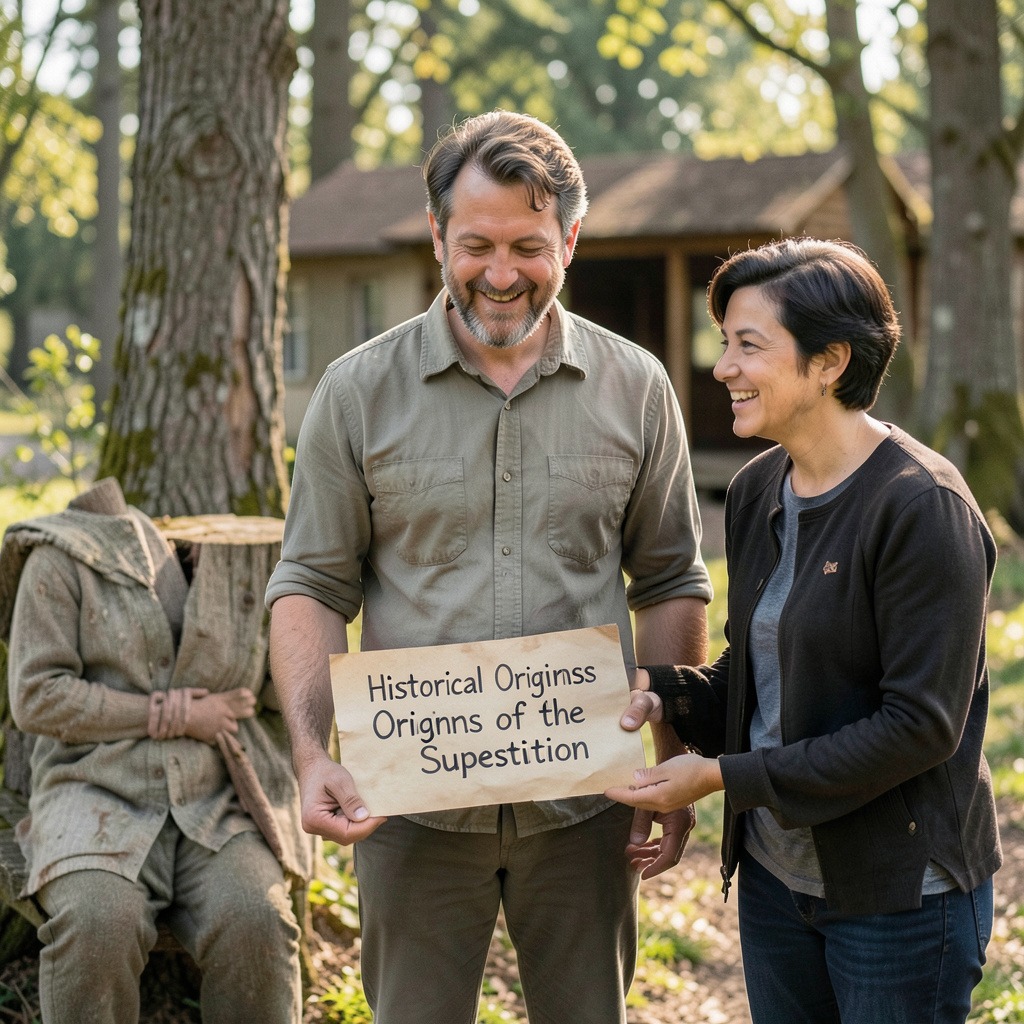
The three person photo superstition has deep historical roots, particularly within Asian cultures. Its origins intertwine with traditional beliefs about the number three, often viewed as a symbol of life, death, and the afterlife. This section explores the superstition’s evolution and its cultural significance.
Cultural Significance of the Number Three
In many cultures, the number three holds profound meaning. It often represents harmony and balance. However, it can also evoke fears related to mortality. In the context of photography, the superstition suggests that capturing three individuals together invites bad luck, particularly for the person in the center.
Early Cultural Practices
- Vietnam: The superstition may have originated from pagan beliefs and ancestor veneration. Early Vietnamese customs emphasized the importance of numbers in spiritual practices, with three often viewed as an incomplete set.
- Japan: Similar beliefs exist, where the number three has implications for life and death. This reflects broader societal anxieties about fate and the afterlife.
Evolution with Photography
The advent of photography in the 19th century brought new dimensions to this superstition. Early photographs often captured families or groups. As these images became more common, so did the awareness of the superstition. People began to take precautions.
- Practical Adjustments: Families would include a fourth person or an object in photos to ward off bad luck. This practice emerged as a method to counter the perceived threat of the three-person photograph.
The psychological impact of these beliefs is significant. Fear of misfortune can lead individuals to avoid capturing three-person photos altogether. As such, this superstition continues to influence behavior, even in modern contexts.
Regional Variations of the Superstition

The superstition surrounding three-person photographs varies significantly across cultures. While it is most prevalent in certain Asian societies, other regions have developed their own interpretations and practices related to this belief.
Beliefs in Asian Cultures
In Vietnam, the three-person photo superstition is deeply rooted in cultural and spiritual beliefs. Many Vietnamese people believe that the individual positioned in the center of a three-person photograph is destined for misfortune or even death. This belief is linked to the number three, which symbolizes life, death, and the afterlife in various Asian cultures. As a result, families often avoid taking such photos altogether, particularly during significant events.
Japan also shares a similar belief. Here, the superstition reflects concerns about familial harmony. The notion is that capturing three individuals in one frame disrupts the balance within the family unit. Consequently, many Japanese individuals opt for group photos that include at least four people to mitigate any perceived negative energy.
Other Global Perspectives
Outside of Asia, the superstition takes on different forms. In some Latin American cultures, there is a belief that three people in a photograph can invite an imbalance of energy. This is often reflected in the practice of including a fourth person or an object, such as a pet, to counteract any potential bad luck.
Interestingly, in Western cultures, the superstition is less recognized. However, it occasionally surfaces in folklore discussions, and some individuals may still feel uneasy about three-person photos. The variations in beliefs highlight how cultural contexts shape superstitions.
- Cultural Practices:
- Vietnam: Center person faces misfortune.
- Japan: Three disrupts family harmony.
- Latin America: Fourth person neutralizes bad luck.
These cultural interpretations emphasize the psychological impact of superstitions. They can alter behavior and influence decisions around photography, reflecting deeper beliefs about luck, fate, and familial connections.
Modern Interpretations of the Superstition
Contemporary society often approaches the three person photo superstition with skepticism and dismissal. Younger generations, particularly, tend to reinterpret or reject these beliefs, influenced by social media and changing cultural dynamics.
Dismissal of the Superstition
Many young people view the superstition as outdated. They often see it as a relic of past beliefs that hold no weight in modern life. For example:
- Social Media Influence: Platforms like Instagram and TikTok showcase countless selfies featuring three or more people, often without a second thought to superstition.
- Cultural Shift: As global connectivity increases, traditional beliefs lose their grip. People prioritize personal expression over adherence to old customs.
Adaptations in Modern Culture
Despite dismissals, some adaptations emerge within modern contexts:
- Humorous Takes: Many individuals joke about the superstition, making light of the idea that the middle person will face misfortune. This humor often serves as a bonding tool among friends.
- Creative Solutions: Some groups take playful measures to counteract the superstition, such as strategically positioning a pet or an inanimate object in the middle to ‘protect’ the person.
Regional Variations in Acceptance
Regional attitudes towards the three person photo superstition vary significantly:
- Asia: In countries like Vietnam and Japan, the belief still holds cultural weight. However, younger individuals may express ambivalence, blending tradition with modernity.
- Western Cultures: In contrast, Western societies typically exhibit minimal concern over the superstition, often regarding it as a mere curiosity rather than a serious belief.
This evolving landscape illustrates how superstitions can shift in relevance over time, shaped by cultural exchanges and new societal norms.
Practical Tips to Avoid Bad Luck in Photos
When capturing memories with three people, navigating the superstition surrounding this practice can enhance your experience. Here are some practical tips to help you avoid perceived bad luck while still taking memorable photos.
Positioning Strategies
1. Avoid the Middle: If possible, have the person who feels most comfortable with the superstition stand to one side. This alleviates any concerns about bad luck affecting the middle person.
2. Incorporate an Object: Place a pet or an inanimate object in the middle. This can create a visual focal point without risking the superstition’s implications.
3. Use Props: Consider using props that can be held or positioned between the individuals, further distancing the middle from the superstition while keeping the photo engaging.
Group Dynamics
- Choose a Fourth Person: Adding a fourth individual to the photo can break the superstition. This is a simple and effective solution that allows everyone to relax.
- Rotate Positions: If taking multiple shots, rotate positions among the three individuals. This way, no one remains consistently in the middle across all photos.
Mindful Capturing
- Focus on Candid Moments: Instead of posed photos, capture candid moments. This approach shifts focus away from the superstition, emphasizing genuine interactions over composition.
- Engage with Background: Incorporate elements from the background or environment to add depth to the photo while diverting attention from the three-person setup.
Quick Checklist
- [ ] Avoid placing someone in the middle.
- [ ] Incorporate a pet or object in the center.
- [ ] Consider adding a fourth person.
- [ ] Rotate positions in multiple shots.
- [ ] Focus on candid photography.
- [ ] Use background elements creatively.
By applying these strategies, you can navigate the superstition surrounding three-person photos while capturing meaningful memories without worry.
Comparative Analysis of Photography Superstitions
Photography superstitions vary widely across cultures, often reflecting deeper beliefs about luck, fate, and the human experience. The three person photo superstition is particularly intriguing when compared to similar beliefs in other cultures.
Superstitions Surrounding Group Photos
Various cultures have unique beliefs regarding group photographs. Here are some notable examples:
- The Number Three: In many Asian cultures, the number three holds significant meaning. The three person photo superstition suggests that the person in the center is at risk of misfortune. This mirrors the belief in other cultures where specific numbers are thought to bring luck or bad luck, affecting how people pose for photos.
- Four People in a Photo: In some cultures, having four people in a picture is considered lucky. Unlike the three person superstition, which carries negative connotations, the presence of a fourth individual is believed to provide balance and protection against bad luck.
- Ghostly Presence: In certain traditions, taking a photo with too many people can invite unwanted spirits. This is similar to the three person superstition, where the focus is on the central figure. In both cases, the fear of supernatural influence affects how people approach photography.
Cultural Beliefs About Number Symbolism
Understanding the symbolism of numbers enhances the comprehension of these superstitions.
- The Symbolism of Three: The number three often symbolizes life, death, and rebirth across various cultures. This connection contributes to the anxiety surrounding three person photos, as it evokes thoughts of mortality.
- Comparative Numbers:
- Two: Often seen as a symbol of partnership and unity, photographs of two people generally lack any superstitious implications.
- Five or More: Many cultures see larger groups as protective. With five or more individuals, the belief is that the collective energy wards off bad luck.
Psychological Impact of Superstitions
Believing in superstitions can significantly influence behavior and decision-making.
- Fear of Misfortune: The anxiety surrounding three person photos may lead individuals to avoid capturing these moments altogether. This behavior reflects a broader psychological tendency to seek control over perceived threats.
- Dismissal Among Younger Generations: As modern interpretations evolve, younger individuals often dismiss these superstitions. They may view them as irrational, opting instead to capture candid moments without concern for traditional beliefs.
Practical Comparisons and Insights
When considering photography superstitions, it is essential to recognize the nuances in cultural beliefs and their psychological impacts. Here’s a quick comparison of key points:
| Superstition | Description | Cultural Implication |
|---|---|---|
| Three Person Photo | Center person faces misfortune | Reflects fears around mortality |
| Four Person Photo | Seen as lucky, providing balance | Represents harmony and protection |
| Group Photos (Five+) | Larger groups ward off bad luck | Collective energy is protective |
Understanding these comparisons allows individuals to navigate photography superstitions with greater awareness, making informed choices about how they capture memories.
Psychological Impact of Superstitions
Superstitions, particularly those related to photography, can profoundly affect individuals’ behaviors and emotions. The belief that the person in the middle of a three-person photo may face misfortune or death often leads to anxiety and avoidance in social situations.
Fear and Anxiety Surrounding the Superstition
The fear of bad luck can trigger significant psychological responses. Individuals may hesitate to take photographs in groups of three or might feel compelled to rearrange themselves to avoid being in the middle. This behavior reflects a deep-seated belief in the power of superstitions.
- Cognitive Dissonance: People may experience discomfort when their actions contradict their beliefs. For instance, someone who dismisses the superstition may still feel uneasy when participating in a group photo with three people.
- Social Dynamics: The superstition can alter group dynamics, leading individuals to jockey for positions or avoid being photographed altogether. This can create tension and discomfort in social gatherings.
Decision-Making Influenced by Superstitions
Superstitions can shape behavior in subtle yet impactful ways. The three-person photo superstition may lead to:
- Avoidance Behavior: Individuals may decline invitations to events where they anticipate being photographed in groups of three.
- Rituals and Safeguards: Some may develop personal rituals to counteract perceived bad luck, such as crossing fingers or wearing specific items during a photo session.
Comparative Analysis with Other Superstitions
The psychological impact of the three-person photo superstition mirrors other beliefs in photography. For example:
| Superstition | Psychological Impact |
|---|---|
| Three Person Photo | Anxiety about bad luck; avoidance behavior |
| Number Four in Photos | Belief in protection; sense of harmony |
| Large Groups | Feeling of collective safety; heightened energy |
Understanding these dynamics helps illustrate how deeply ingrained superstitions can influence social behavior. The psychological effects extend beyond personal beliefs, affecting interactions and experiences in group settings.
Conclusion: Embracing Cultural Traditions
Understanding superstitions like the three-person photo belief enriches our appreciation of cultural identities. These traditions reflect shared values and historical context, offering insights into human behavior.
The Importance of Superstitions
Superstitions serve as cultural markers. They connect us to our ancestors and their wisdom. For instance, the three-person photo superstition is prevalent in many Asian cultures. It highlights a shared belief in the significance of numbers and their impact on fate.
- Cultural Identity: Superstitions contribute to a sense of belonging. They create a shared narrative among communities.
- Historical Context: Many beliefs arise from historical events or societal norms. The three-person photo superstition may stem from ancient rituals surrounding death and fortune.
- Psychological Impact: Engaging with these beliefs can evoke emotions. People may feel anxious about bad luck or choose to avoid certain situations, reflecting their values and fears.
Regional Variations of the Belief
Different cultures interpret the three-person photo superstition uniquely. In Vietnam, it is believed that the middle person faces potential misfortune. In contrast, some Japanese interpretations focus on the harmony of group dynamics, where the positioning in a photo can enhance or disrupt balance.
- Vietnam: Center person faces bad luck.
- Japan: Emphasis on harmony; the arrangement matters.
Modern Interpretations and Dismissals
In today’s digital age, many dismiss superstitions as relics of the past. Yet, they still influence social interactions. While some may laugh at these beliefs, others find comfort in observing traditions.
- Cultural Relevance: Even if dismissed, superstitions can foster discussions about heritage.
- Personal Choices: Many still choose to adhere to these beliefs, highlighting personal connections to cultural identity.
By exploring the three-person photo superstition, we embrace a rich tapestry of cultural traditions. Understanding these beliefs allows us to appreciate the complexities of human behavior and cultural narratives.
Frequently Asked Questions
These quick answers cover the most common questions about this topic, including key details, practical tips, and common concerns.
What is the superstition about taking a picture of three people?
The superstition suggests that when three people are photographed together, the individual in the middle is at risk of misfortune or even death. This belief is particularly strong in various Asian cultures, where the number three is associated with life, death, and spiritual imbalance.
What is the rule of 3 in pictures?
The rule of 3 in photography often refers to the composition technique of dividing an image into thirds, creating a more balanced and appealing photo. However, in the context of superstition, it highlights the belief that having three people in a photo can lead to bad luck, especially for the person in the center.
Is it bad luck to have a picture with 3 people?
Yes, many cultures believe that taking a photo with three individuals can invite bad luck, primarily affecting the person positioned in the middle. To mitigate this superstition, some people choose to include a fourth person or use props to shift focus away from the trio.
Why do some cultures believe the middle person will die?
This belief stems from deeper cultural anxieties about mortality and fate. In many Asian societies, the number three symbolizes a cycle of life and death. As such, the middle person’s vulnerability in a three-person photo reflects fears surrounding imbalance and misfortune.
What are other photography-related superstitions?
Aside from the three-person photo superstition, other beliefs include the idea that having four people in a photo brings good luck or that too many people can invite negative energy. Some cultures even believe that including pets or objects can help protect against bad luck in photographs.
When did this superstition originate?
The origins of the three-person photo superstition can be traced back to various cultural practices, particularly in Asian societies. It evolved alongside traditional beliefs about the significance of numbers, with historical narratives linking it to fears surrounding death and the afterlife.
How can I avoid bad luck in photos?
To sidestep the superstition, consider these tips: avoid posing with three people, include a fourth person, or use props to obscure the middle position. Additionally, focus on candid moments rather than staged ones, which can help alleviate concerns about bad luck.