
The spiritual practice of self-compassion involves treating ourselves with the same kindness and understanding that we would offer to a friend. Embracing self-compassion can create a profound shift in how we interact with ourselves and the world around us. Read Interesting article: Shadow Work: The Spiritual Practice Nobody Wants to Do
Table of Contents
Understanding Self-Compassion
Definition and Importance
Self-compassion, at its core, is about being gentle with ourselves in moments of struggle or failure. I remember the first time I really grasped this concept; I had been beating myself up for weeks over a mistake at work. Instead of continuing that cycle of self-criticism, I decided to try something different. I took a step back and asked, “What would I say to a friend in this situation?” This simple shift changed everything for me. Self-compassion is crucial because it allows us to acknowledge our imperfections without judgment, fostering a healthier relationship with ourselves.
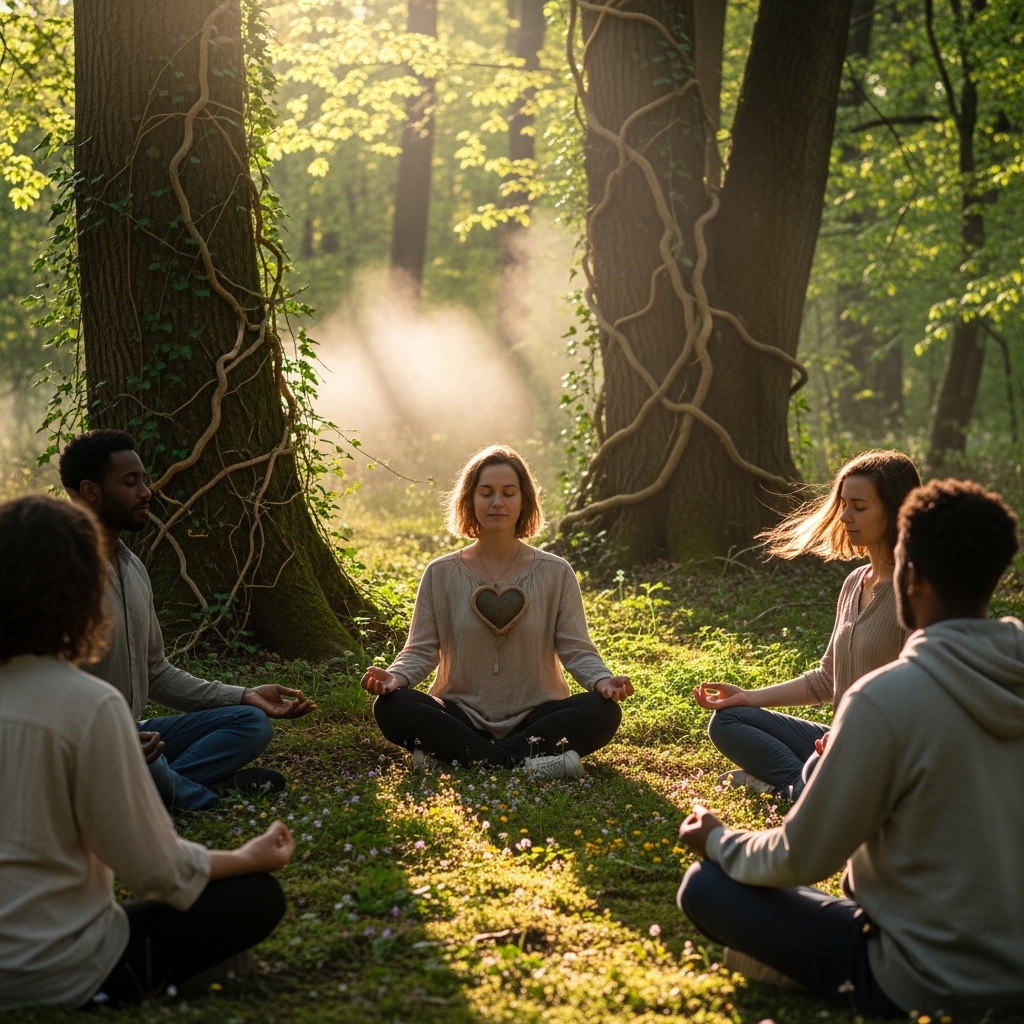
In a world that often emphasizes perfection and success, practicing self-compassion can feel counterintuitive. We tend to think that being hard on ourselves will motivate us to do better. Yet, I’ve discovered that kindness towards myself is far more effective. When I approach my struggles with compassion, I find that I am not only more resilient but also more open to learning from my experiences. This shift has become an essential part of my emotional toolkit.
Historical Context and Evolution
Self-compassion isn’t a new concept. Its roots can be traced back to ancient philosophies and spiritual practices. I initially learned about the significance of self-compassion through mindfulness and Buddhist teachings. In these traditions, self-compassion is viewed as a vital element of personal growth and spiritual development. Over the years, researchers like Kristen Neff have brought these ancient ideas into modern psychological frameworks, making self-compassion a subject of extensive study.
The evolution of self-compassion in contemporary psychology has helped remove some of the stigma associated with self-kindness. I found it enlightening to learn that self-compassion is not merely a feel-good concept; it has real psychological benefits that can enhance our mental health. Understanding where this practice comes from made it easier for me to embrace it in my everyday life.
The Three Components of Self-Compassion
SBAG_IMG_69836c86e1115
Self-Kindness
Self-kindness involves being warm and understanding towards ourselves when we suffer, fail, or feel inadequate. I used to think that self-criticism was the only way to motivate myself, but I’ve learned that being kind to myself encourages growth far more effectively. Instead of harshly judging myself, I now strive to speak to myself as I would to a dear friend. This shift has made a significant difference in my emotional well-being.
Common Humanity
Recognizing our common humanity means acknowledging that suffering and personal inadequacy are part of the shared human experience. I often remind myself that I’m not alone in my struggles. This realization helps me feel more connected to others and less isolated in my pain. It’s comforting to know that everyone experiences difficulty and that we are all in this together.
Mindfulness
Mindfulness plays a critical role in self-compassion. It’s about being present with our thoughts and feelings without judgment. I remember starting mindfulness exercises a few years ago, and they transformed how I approach my emotions. Instead of suppressing negative feelings, I learned to acknowledge them, which has made me feel more balanced and grounded. By practicing mindfulness, I cultivate a non-judgmental awareness of my experiences, which has been vital in developing self-compassion. Read Interesting article: How Your Inner Child Controls Adult Decisions
Benefits of Practicing Self-Compassion
Emotional Well-Being
The benefits of practicing self-compassion are profound and far-reaching. I noticed that when I began to treat myself with kindness, my emotional well-being improved dramatically. Self-compassion helps reduce feelings of anxiety and depression. I can attest to this; during challenging times, I felt lighter and more at ease knowing I was being supportive of myself rather than critical.
Stress Reduction
Another significant benefit of self-compassion is stress reduction. Life can be overwhelming, and I’ve found that when I practice self-compassion, I manage stress much more effectively. Instead of spiraling into self-doubt, I remind myself that it’s okay to feel stressed and that I can navigate through it. This mindset shift has helped me develop a more resilient approach to challenges.
Improved Relationships
Self-compassion not only benefits us individually but also enhances our relationships with others. When I treat myself with kindness, I find it easier to extend that kindness to those around me. I’ve noticed that my interactions become more empathetic and understanding. This has led to deeper connections with friends and family, as I’m less likely to project my insecurities onto them.
Resilience in Adversity
Practicing self-compassion builds resilience. I can say from experience that when I face adversity, my self-compassionate mindset allows me to bounce back more effectively. Instead of dwelling on my failures, I focus on learning and growing from them. This resilience is not just about enduring hardships; it’s about thriving despite them. I think we all have the capacity for resilience within us, and self-compassion helps unlock that potential. Read Interesting article: The Spiritual Reason You Attract Emotional Pain
How to Cultivate Self-Compassion
Mindfulness Meditation Techniques
One of the most effective ways I’ve found to cultivate self-compassion is through mindfulness meditation. When I first tried it, I was skeptical. I didn’t see how sitting quietly and focusing on my breath could make such a difference. But as I began to embrace these techniques, I discovered a powerful tool for nurturing self-kindness. For me, mindfulness meditation involves setting aside a few minutes each day to observe my thoughts and feelings without judgment. I focus on my breath, allowing myself to simply be present in the moment.
During these sessions, I often notice feelings of self-doubt or criticism surfacing. Instead of pushing them away, I acknowledge them. I remind myself that it’s okay to feel this way and that these feelings are part of being human. By practicing mindfulness in this way, I create a safe space where self-compassion can flourish. I encourage anyone looking to develop self-compassion to give mindfulness meditation a try—it’s a beautiful way to begin an inner dialogue filled with kindness and acceptance.
Journaling for Self-Compassion
Journaling has also been a game changer for me in terms of self-compassion. I started writing down my thoughts and feelings as a way to process my experiences. Each entry became a reflection of my day, focusing on both the good and the challenging moments. I often begin by listing things I appreciate about myself or things I did well, no matter how small. This practice helps me shift my focus from self-criticism to self-acknowledgment.
One technique I particularly enjoy involves writing letters to myself. In these letters, I address my struggles as if I were writing to a dear friend. I express understanding and compassion, reminding myself that it’s okay to feel overwhelmed or imperfect. Over time, this journaling practice has become a source of comfort and strength, allowing me to develop a deeper sense of self-compassion and to navigate my life with more grace.
Self-Compassion Exercises
Incorporating specific self-compassion exercises into my routine has proven to be incredibly beneficial. One exercise I’ve tried involves visualizing a time when I felt hurt or disappointed. I then picture myself as a child in that moment, and I imagine giving my younger self the compassion and support I needed back then. This visualization allows me to connect with my own vulnerabilities and reminds me that everyone deserves kindness, especially from themselves.
Another exercise I enjoy is the “self-compassion break.” Whenever I notice self-criticism creeping in, I take a moment to pause, acknowledge the struggle, and speak kindly to myself. I repeat phrases like, “It’s okay to feel this way,” and “I’m not alone in this.” These exercises reinforce the idea that self-compassion is not just a fleeting thought but a practice that can be woven into every part of my life.
Affirmations and Positive Self-Talk
Affirmations have become a powerful tool in my journey of self-compassion. I’ve learned to replace negative self-talk with positive affirmations that resonate with me. For instance, I might say, “I am enough,” or “I deserve love and kindness.” I often write these affirmations down and place them where I can see them daily, such as on my bathroom mirror or in my journal. This visual reminder helps me nurture a compassionate inner voice.
Positive self-talk is something I actively practice as well. I remember how easy it was to fall into a pattern of harsh criticism. Now, when I catch myself thinking negatively, I consciously redirect those thoughts. Instead of saying, “I should have done better,” I’ll say, “I did my best, and that’s enough.” This shift not only fosters self-compassion but also empowers me to take steps towards growth without the weight of self-judgment.
Common Misconceptions About Self-Compassion
Self-Compassion vs. Self-Pity
A misconception I’ve encountered is the belief that self-compassion is synonymous with self-pity. I used to worry that being compassionate towards myself would lead to wallowing in my problems or making excuses for my behavior. However, I’ve come to realize that self-compassion is quite the opposite. It encourages me to acknowledge my feelings without getting lost in them. When I practice self-compassion, I can feel my emotions deeply while also maintaining a sense of perspective. It’s not about feeling sorry for myself; it’s about being gentle and understanding, which ultimately inspires growth and action.
Self-Compassion vs. Narcissism
Another misunderstanding is the idea that self-compassion is a form of narcissism. This couldn’t be further from the truth. From my experience, self-compassion is rooted in humility and genuine concern for oneself. It allows me to recognize my imperfections without inflating my ego. Rather than putting myself on a pedestal, self-compassion helps me stay grounded and connected with others. I believe that when we treat ourselves with kindness, we’re better equipped to treat others with the same compassion, creating a more empathetic world.
Integrating Self-Compassion into Daily Life
Creating a Self-Compassion Routine
One of the most impactful steps I’ve taken in my journey towards self-compassion is establishing a routine that nurtures this practice daily. I find that creating a self-compassion routine gives me a framework to consistently show kindness to myself. Each morning, I spend a few moments reflecting on my intentions for the day. I’ll often write down a few affirmations or set a specific goal to remind myself to practice self-compassion, whether it’s during stressful moments at work or personal challenges.
I also include small rituals that serve as reminders throughout my day. For instance, I keep a little note on my desk that says, “Be gentle with yourself.” Whenever I glance at it, I’m reminded to check in with my feelings and to approach myself with kindness. This simple act of writing down my intentions and surrounding myself with positive reminders has made self-compassion a more natural part of my daily life.
Practicing Self-Compassion in Difficult Situations
Life can be unpredictable, and I’ve learned that practicing self-compassion in tough situations is crucial. I remember a particularly challenging time when I faced a setback in my career. Instead of spiraling into self-criticism, I took a moment to pause and acknowledge my feelings. I told myself, “It’s okay to feel disappointed. You’re human, and this is part of the journey.” By normalizing my emotions, I found it easier to navigate through that period without being overwhelmed.
In these moments, I often employ the “self-compassion break” technique I mentioned earlier. When stress or disappointment arises, I pause and acknowledge the struggle, offering myself the same compassion I would extend to a friend. This practice not only helps me feel more grounded, but it also enables me to respond to challenges with a clearer mindset rather than reacting from a place of fear or frustration. I believe that integrating self-compassion into difficult situations can transform our experiences and lead to deeper emotional resilience.
The Role of Self-Compassion in Spirituality
Connection to Mindfulness Practices
There’s a beautiful intersection between self-compassion and spirituality that I’ve come to appreciate. For me, self-compassion feels like a spiritual practice in itself. By being kind to myself, I create space for mindfulness, allowing me to fully engage with the present moment. I often find myself reflecting on how self-compassion connects to larger spiritual themes, such as acceptance and love.
Mindfulness practices have been instrumental in helping me cultivate self-compassion. I’ve seen how the two complement each other. When I approach my thoughts and feelings with mindfulness, I can more easily recognize when I’m being hard on myself. This awareness allows me to respond with compassion rather than judgment. I think this connection between self-compassion and mindfulness deepens not only my emotional well-being but also my spiritual journey, fostering a sense of inner peace.
Self-Compassion in Various Spiritual Traditions
Throughout different spiritual traditions, the essence of self-compassion can be found. I’ve explored various teachings that emphasize the importance of treating ourselves with love and kindness. For example, in Buddhism, there’s a concept called “metta,” or loving-kindness, which encourages practitioners to cultivate love towards themselves and others. I’ve found that engaging with these teachings has provided me with a rich context for understanding self-compassion beyond just a psychological tool.
Similarly, many spiritual paths remind us of our shared humanity and the importance of compassion. Whether through prayer, meditation, or community involvement, I’ve witnessed how these practices reinforce the message that self-kindness is essential for personal and collective growth. Embracing self-compassion within my spiritual explorations has not only enriched my practice but has also allowed me to connect with a broader sense of purpose and meaning in my life.
Resources for Further Exploration
Books on Self-Compassion
If you’re looking to dive deeper into self-compassion, I can’t recommend enough the works of Kristin Neff, who is a pioneer in this field. Her book, “Self-Compassion: The Proven Power of Being Kind to Yourself,” offers valuable insights and practical exercises. I found it incredibly helpful in understanding the concept more thoroughly and exploring ways to implement it in my life.
Online Courses and Workshops
Participating in online courses and workshops has also been beneficial for me. There are many platforms offering guided lessons on self-compassion, often led by experienced practitioners. These structured programs provide a supportive environment to explore self-compassion alongside others on a similar journey. I appreciated the sense of community that comes from learning together and sharing experiences.
Guided Meditations and Apps
Finally, I’ve discovered that guided meditations focused on self-compassion can be transformative. There are several apps available that offer meditative practices specifically designed to nurture self-kindness. I often use these when I need a gentle reminder to slow down and reconnect with myself. The soothing voices and thoughtful prompts help me cultivate a compassionate mindset and encourage me to embrace my emotions, whatever they may be.
Frequently Asked Questions
What is self-compassion?
Self-compassion involves treating ourselves with kindness and understanding, especially in moments of struggle or failure. It allows us to acknowledge our imperfections without judgment and fosters a healthier relationship with ourselves.
How can self-compassion benefit emotional well-being?
Practicing self-compassion can significantly improve emotional well-being by reducing feelings of anxiety and depression. It fosters a supportive environment for ourselves, making us feel lighter and more at ease during challenging times.
What are the three components of self-compassion?
The three components of self-compassion are self-kindness, common humanity, and mindfulness. Self-kindness involves being warm towards ourselves, common humanity recognizes that suffering is a shared human experience, and mindfulness encourages being present with our thoughts and feelings without judgment.
How can mindfulness meditation help in cultivating self-compassion?
Mindfulness meditation helps cultivate self-compassion by allowing individuals to observe their thoughts and feelings without judgment. This practice creates a safe space where self-compassion can flourish and encourages acknowledgment of negative feelings rather than suppression.
What role does journaling play in developing self-compassion?
Journaling can help develop self-compassion by allowing individuals to process their experiences and reflect on their feelings. Writing down positive affirmations and addressing struggles as if writing to a friend fosters understanding and compassion towards oneself.
Is self-compassion the same as self-pity?
No, self-compassion is not the same as self-pity. Self-compassion encourages acknowledging feelings without getting lost in them, promoting growth and action, while self-pity can lead to wallowing in problems.
How can affirmations be used to enhance self-compassion?
Affirmations can enhance self-compassion by replacing negative self-talk with positive statements that resonate with individuals. Writing affirmations down and placing them in visible areas serves as a reminder to nurture a compassionate inner voice.
What misconceptions exist about self-compassion?
Common misconceptions include the belief that self-compassion is synonymous with self-pity or narcissism. In reality, self-compassion is about acknowledging imperfections with humility and understanding, encouraging personal growth and connection with others.
How can self-compassion be integrated into daily life?
Self-compassion can be integrated into daily life by creating a self-compassion routine, practicing self-compassion during difficult situations, and surrounding oneself with positive reminders that encourage kindness towards oneself.
Are there resources available for exploring self-compassion further?
Yes, there are several resources available, including books on self-compassion, online courses and workshops, and guided meditations or apps designed to nurture self-kindness and encourage emotional well-being.