
The spiritual meaning of rest encompasses the idea that taking time to pause and recharge is essential for personal growth, self-discovery, and connection with the divine. I believe that understanding and embracing rest can lead to a deeper spiritual journey. Read Interesting article: The Spiritual Meaning of Not Getting What You Want
Table of Contents
Understanding Rest in a Spiritual Context
When I first began to explore the concept of rest, I realized it goes beyond just a physical pause. In many spiritual traditions, rest is seen as a vital component of our overall well-being. It’s not merely about taking a break from work or responsibilities; it’s about allowing ourselves the space to reconnect with our inner selves, reflect on our lives, and foster a deeper connection with the universe or a higher power.
The Concept of Rest Across Different Cultures
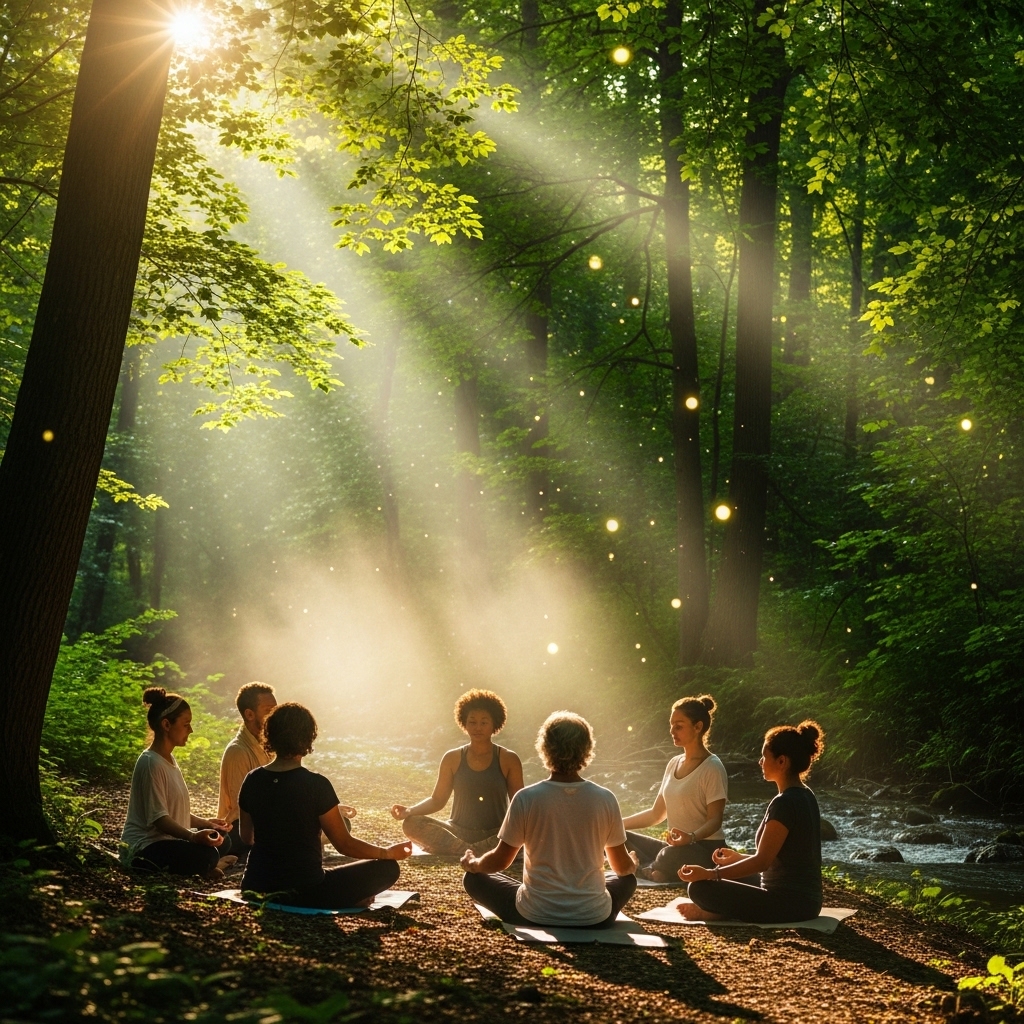
Throughout history, various cultures have placed significant emphasis on the importance of rest. For instance, in many Indigenous cultures, rest is integrated into daily life and is seen as a way to honor the natural rhythms of the universe. I remember learning about how the Native American concept of “resting the mind” encouraged people to step away from daily concerns to engage with nature and their communities. This perspective emphasizes the balance between action and stillness, which I found deeply resonant.
In ancient civilizations, rest was often ritualized. The Egyptians, for example, practiced regular periods of rest during the day, recognizing that it was essential for productivity and spiritual clarity. Similarly, the ancient Greeks celebrated the concept of “Eudaimonia,” which refers to flourishing through a balanced life, incorporating both work and leisure. This understanding of rest as a vital part of life is something that I think we often overlook in our modern hustle culture.
Spiritual Practices Incorporating Rest
Many spiritual practices emphasize the importance of rest as a means of achieving greater clarity and connection. For example, meditation is a powerful tool that encourages rest not just for the body, but for the mind and spirit. When I first started meditating, I found that the simple act of sitting in silence brought me a sense of peace and a deeper awareness of my thoughts and feelings. This practice teaches us to quiet our minds and allow ourselves to just be, which I’ve found to be incredibly transformative.
Another practice that highlights the need for rest is the concept of the Sabbath in various religious traditions. For instance, in Judaism, the Sabbath is a day of rest and spiritual reflection. Observing this sacred time allows individuals to step back from the busyness of life, spend time with family, and engage in spiritual practices. I feel that this kind of intentional rest can help us reconnect with what truly matters and cultivate gratitude in our lives.
In yoga, the practice of “Savasana” or the Corpse Pose is another beautiful example of how rest is woven into spiritual practice. After a session of movement and breathwork, lying still allows the body and mind to absorb the benefits of the practice. I’ve experienced profound moments of clarity and insight in this pose, which often leads to deeper self-awareness and understanding. Read Interesting article: The Spiritual Lesson Behind Delays
The Importance of Rest for Spiritual Growth
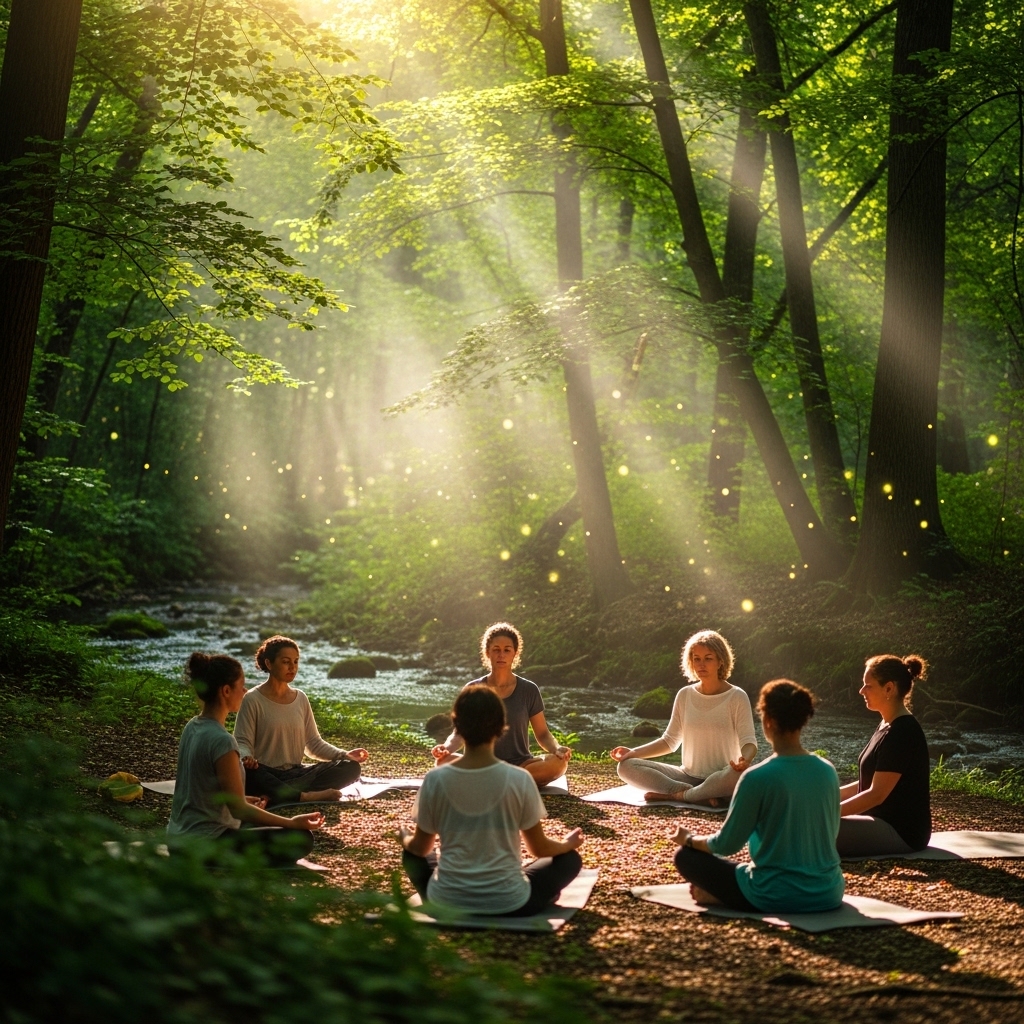
As I explored the spiritual meaning of rest, it became clear to me that rest is not just a luxury; it’s a necessity for spiritual growth. In our busy lives, it’s easy to overlook the need for downtime. However, I’ve learned that making time for rest can profoundly impact our spiritual journey.
Rest as a Form of Self-Care
Self-care is a term that gets thrown around quite a bit these days, but I think it’s worth exploring its connection to rest. For me, self-care means listening to my body and soul, and recognizing when I need to step back. I’ve noticed that when I ignore the signs of fatigue, I become more irritable and disconnected from my spiritual practices. Embracing rest as a form of self-care has allowed me to cultivate a greater sense of peace in my life.
Taking time to rest can also be a way to practice self-love. Whether it’s setting aside an afternoon for a cozy nap or dedicating a weekend to a silent retreat, prioritizing rest helps us show up for ourselves in a more meaningful way. I’ve found that when I’m well-rested, I’m more open to spiritual experiences and insights. It’s as if my inner self can finally breathe when I give it the space it craves.
Emotional and Mental Benefits of Rest
Resting is not just beneficial for our bodies; it’s crucial for our emotional and mental health as well. I’ve experienced firsthand how stress and anxiety can cloud my spiritual journey. When I feel overwhelmed, taking time to rest allows me to clear my mind and refocus my energy. I often find that after a period of intentional rest, I return to my spiritual practices with renewed passion and clarity.
The mental benefits of rest are well-documented. Research shows that adequate rest can improve cognitive function, emotional regulation, and overall well-being. I think we can all relate to those moments when we feel mentally exhausted – it’s hard to connect with our spiritual side when our minds are racing. By incorporating more rest into our lives, we can foster a healthier mental state, which in turn enhances our spiritual growth.
Physical Health and Spirituality Connection
The connection between physical health and spirituality is something I’ve come to appreciate deeply. I’ve learned that our bodies are intricately linked to our spiritual journeys. When I neglect my physical well-being, my spiritual life often suffers as well. Rest plays a vital role in maintaining our physical health, allowing our bodies to repair and rejuvenate.
From my experience, when I prioritize rest, I notice a significant boost in my energy levels and overall happiness. This, in turn, enhances my spiritual practices, allowing me to engage more fully with meditation, prayer, or any other form of connection I seek. I’ve realized that taking care of my physical health through rest is not just about maintaining energy; it’s also about nurturing my spirit.
Embracing the spiritual meaning of rest has transformed my understanding of both rest and spirituality. I’ve come to see rest as a sacred practice, one that allows us to reconnect with ourselves and the universe. As we explore this topic further, I look forward to sharing more about the signs that indicate we need rest and how we can incorporate it into our spiritual practices. Rest is not just an absence of activity; it’s a profound experience that can lead to greater peace and clarity in our lives.
Spiritual Traditions Emphasizing Rest
I’ve always been fascinated by how different spiritual traditions incorporate the idea of rest into their practices. Each tradition seems to bring a unique perspective, yet they all underline the significance of taking a step back, reflecting, and rejuvenating our spirits. Exploring these beliefs has deepened my understanding of rest as a spiritual necessity.
Rest in Christianity: Sabbath and Reflection
In Christianity, the concept of the Sabbath holds a special place. I remember being taught that the Sabbath is not just a day off; it’s a divine commandment to rest and reflect. Each week, we have this opportunity to pause from our daily grind, to step back and engage in spiritual reflection. I’ve found this practice to be incredibly grounding. It’s a day dedicated to reconnecting with God, spending time with loved ones, and simply enjoying the beauty of life.
When I’ve observed the Sabbath, I often feel a sense of renewal wash over me. It’s a time to put aside distractions and focus on what truly matters. I’ve learned that this intentional rest can bring clarity to my spiritual path, allowing me to return to my daily life with a refreshed perspective. It’s a reminder that we are not just human doings but human beings, deserving of grace and time to recharge.
Rest in Buddhism: Mindfulness and Meditation
Buddhism also emphasizes the importance of rest, particularly through mindfulness and meditation. I remember my first meditation retreat, where silence and stillness were key components. The practice taught me that rest is not merely about physical stillness; it’s about cultivating a peaceful mind. Through meditation, I’ve learned to observe my thoughts without judgment, allowing myself to just be present in the moment.
This mindful approach to rest has helped me navigate the chaos of everyday life. Instead of being swept away by constant thoughts and distractions, I’ve found a refuge in mindfulness. It’s a practice that encourages us to slow down and embrace stillness, ultimately leading to a deeper connection with ourselves and the world around us.
Rest in Hinduism: The Role of Pranayama
In Hinduism, the practice of pranayama, or breath control, illustrates how rest can be a pathway to spiritual awakening. I’ve had my own experiences with pranayama, and I can attest to its power. By focusing on my breath, I’ve learned to calm my mind and body, creating a space where spiritual insights can emerge. It’s a practice that not only revitalizes the body but also nurtures the spirit.
I’ve found that when I incorporate pranayama into my daily routine, I feel a profound sense of balance. The act of consciously slowing down my breath helps me to reconnect with my inner self. It’s amazing how something as simple as breathing can become a spiritual practice that emphasizes the importance of rest and rejuvenation. In a world that constantly urges us to move faster, I believe exploring practices like pranayama can be a beautiful reminder to take a pause.
Signs That You Need Rest
Recognizing when we need rest can sometimes be challenging. I’ve had moments when I pushed through fatigue, thinking it was a sign of strength. Over time, I’ve learned to pay attention to the signals my body and mind send me. Understanding these signs can help us take the necessary steps toward spiritual renewal.
Physical Symptoms of Exhaustion
Physical exhaustion can manifest in various ways. I’ve noticed that when I’m running on empty, I often experience headaches, muscle tension, and even digestive issues. These physical symptoms are my body’s way of saying, “Hey, you need to slow down!” Listening to these cues has become crucial for me. I’ve learned that prioritizing rest when I feel these physical signs not only helps my body recover but also clears my mind for deeper spiritual exploration.
Mental and Emotional Indicators
Mental exhaustion can be equally telling. I’ve found that when I’m mentally fatigued, I struggle with concentration and decision-making. It’s like trying to see through a foggy window; everything seems unclear. I’ve learned to recognize this fog as a clear sign that I need to step back and rest. Practicing self-compassion during these times has become essential for my mental well-being. Taking breaks allows me to recharge and return with a sharper focus.
Spiritual Signs of Needing Rest
Spiritually, there are times when I’ve felt disconnected from my practices or lost my sense of purpose. These moments serve as a reminder that I may be in need of rest. I’ve discovered that when I feel a lack of motivation or inspiration, it’s often because I haven’t taken the time to rest and reflect. Recognizing this spiritual fatigue has been a game-changer for me. It reminds me that taking a step back is not a sign of weakness but a necessary part of my spiritual journey.
How to Incorporate Rest into Your Spiritual Practice
Finding ways to incorporate rest into our spiritual practice can be a game-changer. I’ve discovered that intentional rest doesn’t just happen; it requires planning and mindfulness. Here are some methods I’ve found effective in weaving rest into my spiritual journey.
Creating a Restful Environment
The environment we choose to rest in plays a significant role in our ability to relax and recharge. I’ve learned that creating a restful space can enhance my spiritual practice and overall well-being. For me, this means decluttering my surroundings and infusing the space with elements that evoke peace—like soft lighting, calming scents, and comfortable seating.
In my own experience, I like to set up a small corner in my home with cushions, a cozy blanket, and some essential oils or incense. This little sanctuary serves as my go-to place for meditation or simply to unwind. I find that when I’m in a space designed for relaxation, my body and mind are more willing to embrace the stillness I crave. Consider what makes you feel at ease and create a space that reflects that. It can be as simple or elaborate as you need.
Mindful Rest: Techniques and Practices
Mindful rest is about more than just lying down or closing your eyes; it’s about being fully present in the moment. I’ve found that incorporating mindful techniques can turn a simple rest period into a powerful spiritual practice. One technique I love is progressive muscle relaxation. This involves tensing and then relaxing each muscle group, which helps me release physical tension and become more aware of my body.
Another practice is mindful breathing. I often take a few minutes to focus on my breath, inhaling deeply and exhaling slowly. This simple act creates a calm space in my mind, allowing me to rest more fully. I also recommend guided meditations that focus on relaxation. These can help direct your thoughts and foster a sense of peace. I’ve found apps or online resources that provide a diverse range of guided sessions, which have enriched my experience of resting mindfully.
The Role of Nature in Spiritual Rest
Spending time in nature is one of the most restorative experiences I’ve encountered. I remember my first hiking trip—being surrounded by towering trees and the sound of rustling leaves brought me an instant sense of calm. Nature has this incredible ability to help us recharge our spirits. I think there’s something about the natural world that invites us to slow down and be present.
Whenever I feel overwhelmed, I try to immerse myself in nature, even if it’s just a short walk in a nearby park. I’ve noticed that the sights, sounds, and smells of the outdoors have a grounding effect on me. Whether it’s listening to birds chirping or feeling the warmth of the sun on my skin, these experiences create a space for reflection and rest that’s hard to find in the hustle of daily life.
Incorporating nature into my spiritual practice has also led to moments of deep insight. I often find that my most profound thoughts and revelations come during these times of rest in nature. It’s as if the universe is speaking to me when I allow myself to simply be, surrounded by the beauty of the world.
As we explore how to integrate rest into our spiritual practices, let’s remember that each of us may find different methods that resonate. What works for me might not work for you, and that’s okay. The key is to stay open to discovering and creating your own ways to embrace rest, allowing it to enhance your spiritual journey in meaningful ways.
Frequently Asked Questions
What is the spiritual meaning of rest?
The spiritual meaning of rest encompasses the idea that taking time to pause and recharge is essential for personal growth, self-discovery, and connection with the divine.
How is rest viewed in different cultures?
Various cultures have emphasized the importance of rest. For example, many Indigenous cultures integrate rest into daily life to honor natural rhythms, while ancient Egyptians recognized regular rest as essential for productivity and spiritual clarity.
What role does meditation play in spiritual rest?
Meditation encourages rest not just for the body but for the mind and spirit. It teaches us to quiet our minds and embrace stillness, which can lead to a sense of peace and deeper self-awareness.
How is the Sabbath related to rest in religious traditions?
In many religious traditions, such as Judaism and Christianity, the Sabbath is a day of rest and spiritual reflection, allowing individuals to step back from daily life and engage in spiritual practices.
What are some self-care benefits of taking rest?
Embracing rest as a form of self-care helps individuals listen to their bodies and souls, leading to a greater sense of peace and openness to spiritual experiences and insights.
How does rest affect emotional and mental health?
Rest is crucial for emotional and mental health as it can clear the mind, refocus energy, and improve cognitive function and emotional regulation, enhancing overall well-being.
What is the connection between physical health and spirituality?
Physical health is intricately linked to spirituality; neglecting physical well-being can negatively impact spiritual life. Prioritizing rest helps maintain physical health, which in turn nurtures the spirit.
What signs indicate that someone needs rest?
Signs that indicate the need for rest include physical symptoms like headaches and muscle tension, mental fatigue manifested as poor concentration, and spiritual disconnection or lack of motivation.
How can one create a restful environment for spiritual practices?
Creating a restful environment involves decluttering and incorporating elements that promote peace, such as soft lighting, calming scents, and comfortable seating, to enhance relaxation and spiritual practice.
What role does nature play in spiritual rest?
Spending time in nature is restorative and helps recharge spirits. Nature invites us to slow down and be present, often leading to moments of deep insight during times of rest.