
The birth of Jesus is significant because it marks the incarnation of God, fulfilling Old Testament prophecies, establishing Jesus as both divine and human, and initiating a new era of hope and salvation for humanity.
The birth of Jesus is a pivotal moment in Christian faith, symbolizing the incarnation of God and the fulfillment of ancient prophecies. This event not only transformed religious beliefs but also reshaped cultural and historical narratives across the globe.
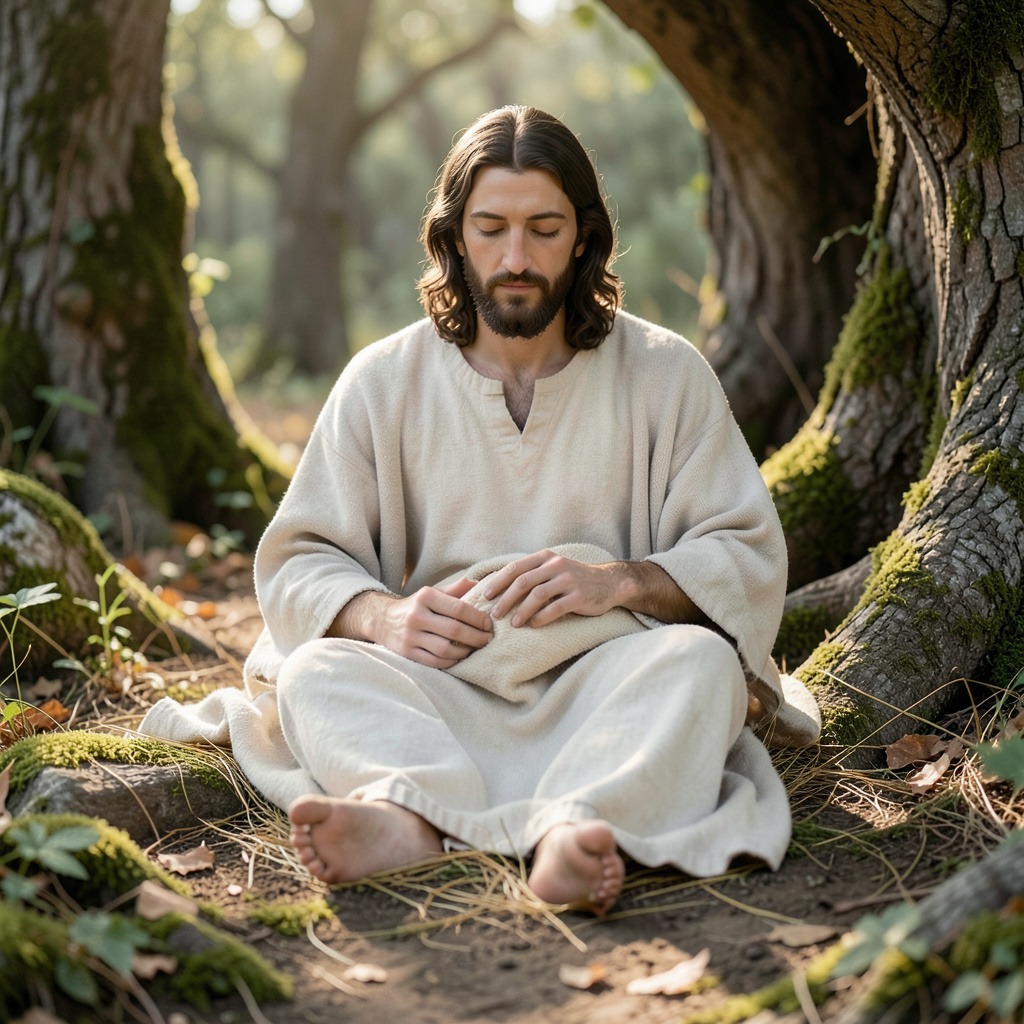
Understanding the Theological Significance of Jesus’ Birth
The birth of Jesus holds deep theological significance within Christianity. It encapsulates the incarnation of God, fulfills Old Testament prophecies, and establishes Jesus as both divine and human. Each aspect contributes to the understanding of His role in salvation.
The Incarnation: God Becoming Man
The incarnation refers to God taking on human form through Jesus Christ. This profound belief asserts that Jesus is both fully divine and fully human.
- Divine Nature: As the Son of God, Jesus embodies the divine essence. His birth signifies God’s direct involvement in human history.
- Human Experience: By becoming human, Jesus shares in the human experience, including suffering and temptation. This connection is crucial in establishing empathy between God and humanity.
This duality is essential for understanding how salvation is made accessible. It presents Jesus as the mediator between God and humanity, reinforcing the notion that God actively seeks to restore the relationship with His creation.
Fulfillment of Prophecies: Old Testament Insights
Jesus’ birth fulfills numerous prophecies from the Old Testament, anchoring His significance in the broader biblical narrative.
- Messianic Prophecies: Scriptures such as Isaiah 7:14 and Micah 5:2 foretell the coming of a Messiah born of a virgin in Bethlehem. Jesus’ birth is viewed as the culmination of these ancient promises.
- Historical Validation: These prophecies reinforce the credibility of Jesus’ life and mission. They demonstrate that the events surrounding His birth were divinely orchestrated, linking the New Testament to the Old Testament.
Different Christian denominations emphasize various aspects of these prophecies, shaping their beliefs about Jesus’ nature and mission. For example, some traditions focus on His fulfillment as the promised King, while others stress His role as the suffering servant.
The Virgin Birth: Its Divine Importance
The virgin birth is a cornerstone of Christian belief, highlighting the miraculous nature of Jesus’ arrival.
- Significance: This event signifies divine intervention. It underscores the belief that Jesus’ conception was not of human origin but through the Holy Spirit. This aspect emphasizes His purity and sinlessness.
- Implications for Salvation: The virgin birth is essential for the theological framework of salvation. By being born without sin, Jesus qualifies as the perfect sacrifice for humanity’s transgressions.
Understanding the virgin birth enriches the narrative of Jesus’ life. It elevates His status and underscores His unique role in the salvation narrative.
Summary of Key Points
- Incarnation: God becomes human, establishing empathy and direct connection.
- Prophetic Fulfillment: Jesus’ birth fulfills Old Testament prophecies, linking Him to God’s promises.
- Virgin Birth: Highlights divine intervention, reinforcing Jesus’ sinlessness and role in salvation.
These elements collectively illustrate the profound significance of Jesus’ birth, shaping the core beliefs of Christianity and its understanding of divine grace.
Historical Context of Jesus’ Birth

The birth of Jesus occurred during a period of significant political and social upheaval under Roman rule. Understanding this context enhances the significance of His arrival in Bethlehem.
The Roman Empire and Judea: A Brief Overview
During Jesus’ birth, Judea was a province of the Roman Empire. The Romans imposed strict governance, which often led to tension among the local Jewish population. This period was marked by:
- Political Instability: The rule of King Herod, known for his ruthlessness, created an atmosphere of fear and oppression.
- Cultural Exchange: Roman influence introduced new ideas and practices, impacting Jewish traditions and beliefs.
- Religious Turmoil: Various sects emerged among the Jews, including the Pharisees and Sadducees, each interpreting the Torah differently.
These factors contributed to a climate ripe for the emergence of a new religious movement, eventually leading to the rise of Christianity.
The Significance of Bethlehem in Prophecy
Bethlehem, the birthplace of Jesus, holds deep prophetic significance. According to the Old Testament, it was foretold that the Messiah would come from this small town. Key points include:
- Micah 5:2 Prophecy: The prophet Micah predicted that a ruler would emerge from Bethlehem, establishing a direct link between Jesus and Messianic expectations.
- Symbol of Humility: The choice of Bethlehem, a humble locale, underscores the theme of Jesus’ birth as a transformative event, challenging social hierarchies.
The fulfillment of this prophecy highlights the divine orchestration behind Jesus’ birth, affirming His role as the awaited Savior.
The Census Decree: Contextualizing the Nativity
The census decreed by Emperor Augustus serves as a pivotal backdrop to the nativity story. This event necessitated Joseph and Mary’s journey to Bethlehem, fulfilling the prophecy. Consider these aspects:
- Historical Timing: The census was aimed at tax collection, reflecting the Roman Empire’s logistical control over its territories.
- Social Conditions: The journey was arduous for Mary, who was near childbirth, emphasizing the hardships faced by families under Roman governance.
This decree not only facilitated the fulfillment of prophecy but also set the stage for Jesus’ humble entry into the world.
Timeline of Events Surrounding Jesus’ Birth
Here is a brief timeline to contextualize the significance of Jesus’ birth within the broader historical narrative:
| Year (Approx.) | Event |
|---|---|
| 4-6 B.C. | Jesus is born in Bethlehem |
| 6 B.C. | Census ordered by Augustus |
| 4 B.C. | Herod’s reign and subsequent actions |
| 1 A.D. | Jesus begins his public ministry |
This timeline illustrates how the political and social environment of the time influenced the events surrounding Jesus’ birth, underscoring its historical importance.
Cultural Impact of the Birth of Jesus
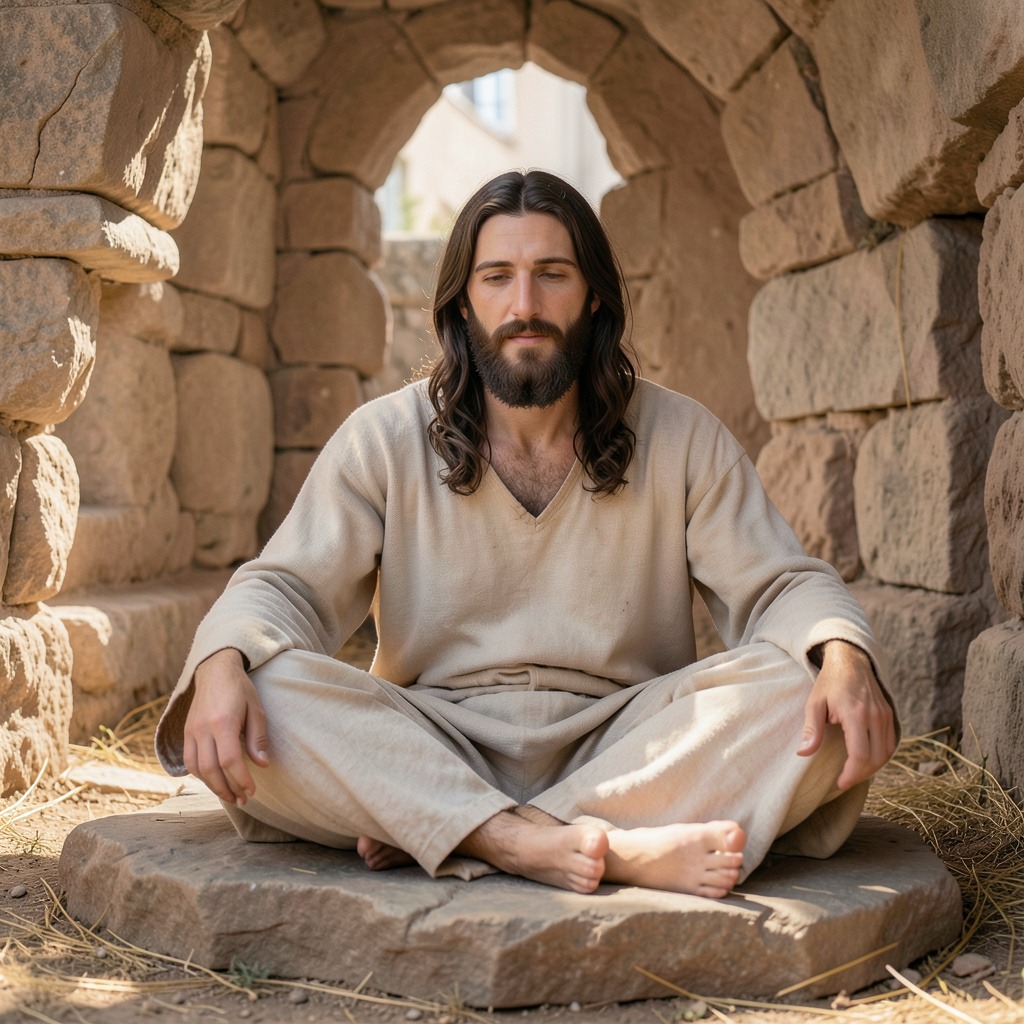
The birth of Jesus Christ has profoundly influenced cultures around the world. It shapes celebrations, traditions, and societal values, illustrating themes of hope and redemption.
Christmas Traditions Around the World
Christmas, commemorating Jesus’ birth, is celebrated with diverse traditions globally. Each culture adds its unique flavor, enhancing the significance of the Nativity.
- United States: Families gather for festive meals, exchange gifts, and decorate Christmas trees. The focus is on community and togetherness.
- Mexico: Las Posadas reenact Mary and Joseph’s journey, culminating in a celebration on Christmas Eve. This tradition emphasizes hospitality and family unity.
- Ethiopia: Christmas, known as Genna, is celebrated on January 7. Ethiopians attend a church service and enjoy special meals, reflecting their unique Christian heritage.
- Philippines: The Simbang Gabi, a series of nine dawn masses leading to Christmas, showcases devotion and community spirit. Festive lanterns adorn homes, symbolizing the Star of Bethlehem.
The Birth of Jesus in Art and Literature
The Nativity scene has inspired countless artistic representations. From classical paintings to modern interpretations, these works communicate the significance of Jesus’ birth.
- Art: Renowned artists like Michelangelo and Da Vinci captured the Nativity in their masterpieces, emphasizing its theological and emotional depth.
- Literature: Christmas stories, such as Charles Dickens’ “A Christmas Carol,” explore themes of redemption and generosity, reflecting the moral teachings associated with Jesus’ birth.
Modern Relevance: How His Birth Inspires Today
The birth of Jesus continues to resonate in contemporary society. It inspires movements for peace, charity, and social justice.
- Community Service: Many organizations promote charitable acts during the holiday season, echoing the values of love and compassion taught by Jesus.
- Interfaith Dialogues: His birth serves as a bridge between different faiths, fostering conversations about shared values and mutual respect.
Jesus’ birth, as both a historical and spiritual event, remains a cornerstone of cultural identity and moral reflection across the globe.
Addressing Common Misconceptions about the Nativity Story

The nativity story is rich with meaning and significance, yet it is often surrounded by myths and misunderstandings. Clarifying these misconceptions can enhance our appreciation of Jesus’ birth and its implications.
Debunking Misconceptions: What Really Happened?
Several myths have emerged regarding the events of Jesus’ birth. Understanding the biblical accounts helps provide clarity:
- The Innkeeper’s Role: Many believe there was an innkeeper who turned Mary and Joseph away. The Bible does not mention an innkeeper; it simply states that there was no room in the inn.
- The Star of Bethlehem: The star is often depicted as a singular bright star guiding the Magi. While significant, the Gospels suggest it was more of a celestial phenomenon that led them to Jesus rather than a static star.
- The Manger Scene: Popular depictions show Jesus in a wooden manger, surrounded by animals. The actual setting may have been more humble, possibly a cave or a simple structure where animals were kept.
The Role of Mary and Joseph: Beyond the Basics
Mary and Joseph’s roles are central to the nativity story and are often misunderstood. Their significance lies not just in their parental duties, but also in their obedience and faith.
- Mary, the Virgin Mother: The virgin birth fulfills Old Testament prophecies, specifically Isaiah 7:14. This underscores the divine nature of Jesus as the incarnation of God.
- Joseph’s Obedience: Joseph’s decision to marry Mary despite societal pressures illustrates his faith and commitment. He accepted the role of earthly father, raising Jesus in accordance with Jewish customs.
The Significance of the Shepherds and Magi
The shepherds and Magi represent different aspects of Jesus’ birth, highlighting its universal significance.
- The Shepherds: They symbolize humility and the idea that Jesus came for all people, particularly the marginalized. Their visit emphasizes that the message of salvation is for everyone.
- The Magi: These wise men from the East signify the recognition of Jesus’ kingship beyond Jewish boundaries. They traveled far, indicating that Jesus’ impact would extend to all nations.
Comparative Analysis of Nativity Accounts
The nativity accounts in Matthew and Luke provide distinct perspectives on Jesus’ birth:
| Aspect | Matthew’s Account | Luke’s Account |
|---|---|---|
| Genealogy | Traces Joseph’s lineage | Focuses on Mary’s lineage |
| Birth Location | Mentions Bethlehem | Emphasizes stable or manger |
| Visitors | Includes Magi | Includes shepherds |
| Focus | Joseph’s perspective | Mary and the angel’s announcement |
Understanding these differences enriches our comprehension of the nativity story, revealing its layered significance. Each account contributes to the greater narrative of Jesus as the promised Messiah, fulfilling prophecies and embodying hope.
Conclusion: The Enduring Significance of Jesus’ Birth
The birth of Jesus Christ remains a pivotal event, shaping both religious thought and cultural practices worldwide. Its significance extends far beyond the confines of the nativity story, influencing personal faith and societal values.
Theological Insights
Jesus’ birth marks the incarnation of God as man. This moment fulfills Old Testament prophecies and signifies the beginning of salvation for humanity. The event embodies core Christian beliefs, highlighting themes of hope, redemption, and divine love.
Historical Context
The historical impact of Jesus’ birth is profound. It laid the foundation for Christianity, which has since shaped laws, art, and social norms. From the moment of His birth, Jesus has been recognized as a transformative figure, impacting not just religion but also the course of history.
Cultural Impact and Modern Relevance
Today, the celebration of Jesus’ birth, known as Christmas, transcends cultural boundaries. It promotes values such as love, community, and generosity. Various cultures celebrate the nativity in unique ways, reflecting local traditions while honoring the universal message of Jesus. For instance:
- Western Traditions: Emphasis on festive gatherings and gift-giving.
- Eastern Orthodox: Focus on religious observance and fasting.
- Hispanic Cultures: Celebrations like Posadas depict Mary and Joseph’s journey.
Each cultural interpretation enriches the global narrative, demonstrating the enduring relevance of Jesus’ birth in contemporary society.
Frequently Asked Questions
These quick answers cover the most common questions about this topic, including key details, practical tips, and common concerns.
What are the three lessons that the birth of Jesus teaches us?
The birth of Jesus teaches us about humility, hope, and love. First, it exemplifies humility; Jesus was born in a stable, showing that greatness can come from the most modest beginnings. Second, it brings hope, as His birth fulfills ancient prophecies and signals the arrival of salvation for humanity. Lastly, it emphasizes love, illustrating God’s desire to connect with humanity through the incarnation of His Son.
What is the meaning of birth in the Bible?
In the Bible, birth signifies new beginnings and divine purpose. Jesus’ birth represents the fulfillment of God’s promise to send a Savior. It highlights the importance of life and the potential for transformation. The narrative emphasizes that through Jesus, believers can experience spiritual rebirth, leading to salvation and a renewed relationship with God.
What are two reasons why the birth of Jesus is considered special?
The birth of Jesus is special for two main reasons: the virgin birth and the fulfillment of prophecy. The virgin birth signifies divine intervention, underscoring Jesus’ unique nature as both fully God and fully human. Additionally, His birth fulfills Old Testament prophecies, such as those in Isaiah and Micah, affirming His role as the long-awaited Messiah and reinforcing the continuity of God’s plan for salvation.
How do you explain the birth of Jesus to a child?
To explain the birth of Jesus to a child, you can say that it is the story of how God sent His Son to be born on Earth to help and save people. You can share that Mary, Jesus’ mother, was visited by an angel who told her she would have a baby, even though she was a virgin. Jesus was born in a stable, surrounded by animals, and His birth is celebrated at Christmas because it brings joy and hope to everyone.
Why is the virgin birth important in Christian theology?
The virgin birth is crucial in Christian theology because it emphasizes Jesus’ divine origin and sinlessness. By being conceived by the Holy Spirit, Jesus is seen as the Son of God, distinct from humanity’s sinful nature. This uniqueness is essential for His role as the perfect sacrifice for sin, making salvation possible for believers.
How do different denominations celebrate the birth of Jesus?
Different denominations celebrate the birth of Jesus in various ways. For example, Catholics often observe Advent, a season of preparation leading to Christmas, with special masses and traditions like the Christmas Eve vigil. Protestants may focus on the Nativity story through church services and carols. Orthodox Christians celebrate Christmas on January 7, emphasizing spiritual observance and communal gatherings. Each tradition reflects unique cultural practices while honoring the core message of Jesus’ birth.
What impact did the birth of Jesus have on subsequent religious thought?
The birth of Jesus significantly influenced religious thought by establishing the foundation of Christianity. It introduced the concept of the Incarnation, shaping beliefs about God’s nature and humanity’s relationship with Him. This event led to the development of doctrines such as the Trinity and salvation, impacting theological discussions throughout history and inspiring various movements within Christianity.
What is the significance of the Virgin Birth?
The Virgin Birth signifies divine intervention in human history, marking Jesus’ entry into the world as the Son of God. It underscores His purity and sinlessness, which are essential for His role as the Savior. The Virgin Birth also fulfills Old Testament prophecies, reinforcing the belief that Jesus is the promised Messiah, thus highlighting its theological importance within Christianity.