
The resurrection of Jesus symbolizes victory over death, fulfills prophecies, and serves as the foundation for Christian faith, offering believers hope and assurance of eternal life.
The resurrection of Jesus is a pivotal event in Christianity, marking the triumph over death and sin. Understanding its significance helps believers grasp its profound implications for faith, hope, and the promise of eternal life.

Understanding the Theological Significance of Jesus’ Resurrection
The resurrection of Jesus is not merely an event in history; it holds profound theological significance for Christianity. It serves as the cornerstone of faith, illustrating victory over sin and the promise of eternal life for believers.
The Resurrection as the Cornerstone of Christian Faith
The resurrection is fundamental to Christian doctrine. It validates Jesus’ identity as the Son of God and confirms His teachings. Without the resurrection, the Christian faith would lack a foundation.
- Identity Affirmation: Jesus claimed to be the resurrection and the life (John 11:25-26). His victory over death affirms His divine nature.
- Fulfillment of Prophecy: The resurrection fulfills Old Testament prophecies, solidifying the hope of resurrection for believers.
- Foundation for Faith: Paul emphasizes that if Christ has not been raised, faith is futile (1 Corinthians 15:17). The resurrection is integral to the belief in salvation through Christ.
Victory Over Sin and Death
Jesus’ resurrection signifies triumph over sin and death, offering believers a path to salvation. It illustrates the cancellation of sin’s penalty.
- Sin’s Defeat: Romans 6:23 states that the wages of sin is death. Jesus’ resurrection demonstrates that He conquered death, thus nullifying sin’s power over believers.
- Public Vindication: His rising from the dead serves as a public declaration that God accepted His sacrifice, affirming the sufficiency of His atoning work (Romans 4:25).
- Empowerment for Believers: Believers are empowered to live victoriously over sin. This transformation is often reflected in personal testimonies. For instance, many report a profound change in their lives after accepting the resurrection’s truth, leading to renewed purpose and hope.
The Assurance of Eternal Life
The resurrection guarantees eternal life for all who believe in Jesus. It reassures believers of their future resurrection.
- Firstfruits of Resurrection: Jesus is described as the “firstfruits” of those who have died (1 Corinthians 15:20). His resurrection assures believers that they too will rise.
- Promise of Eternal Life: This promise is not just future-focused; it transforms the present. Believers experience a new life in Christ, characterized by hope and purpose.
- Psychological Impact: The assurance of eternal life alleviates fear of death. Many find comfort in knowing they have a secure future in Christ, which can lead to emotional healing and resilience.
In summary, the resurrection of Jesus is a transformative event that underpins Christian faith, offering victory over sin and the promise of eternal life. Through these theological insights, believers find a deep sense of purpose and assurance in their relationship with God.
Historical Context of Jesus’ Resurrection
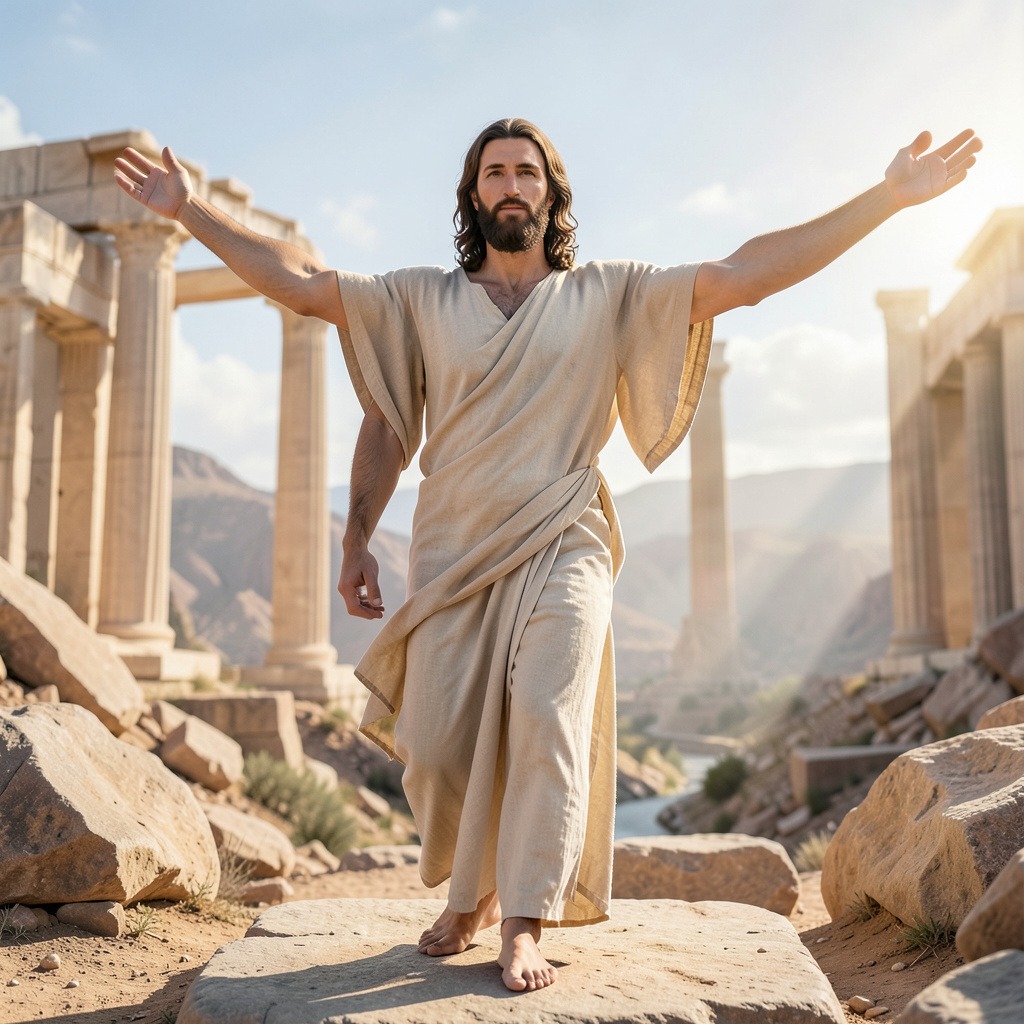
The resurrection of Jesus is a pivotal event, forming the cornerstone of Christian belief. Its historical context offers profound insights into its significance and lasting impact on early Christianity.
Eyewitness Accounts of the Resurrection
Eyewitness testimonies play a crucial role in affirming the resurrection’s authenticity. The New Testament documents various encounters with the resurrected Jesus. Key figures, including Mary Magdalene and the apostles, reported seeing Him alive after His crucifixion. These accounts not only validate the event but also inspire faith among early believers.
- Mary Magdalene’s Encounter: She was the first to witness the resurrected Jesus, receiving a direct commission to share this news with the disciples.
- The Apostolic Witness: The apostles collectively experienced the risen Christ multiple times, solidifying their commitment to spread His message.
Impact on Early Christian Beliefs
The resurrection fundamentally shaped early Christian doctrine and community practices. It underscored the belief in eternal life and provided a framework for understanding salvation. Early Christians regarded the resurrection as a victory over sin and death, fundamentally altering their worldview.
- Foundation of Faith: The resurrection confirmed Jesus’ identity as the Son of God, reinforcing the belief in His divine authority.
- Source of Hope: It instilled confidence in believers regarding their own resurrection. This hope became central to Christian teaching and liturgy.
Historical Evidence Supporting the Resurrection
Various historical sources and archaeological findings bolster the claim of Jesus’ resurrection. The transformation of the disciples from fearful individuals into bold proclaimers of the resurrection suggests a profound, life-altering experience.
- Empty Tomb: The discovery of the empty tomb is a critical piece of evidence. No credible explanation has been established for its emptiness apart from the resurrection.
- Martyrdom of Disciples: Many disciples faced persecution and death rather than recant their testimony about the resurrection. This unwavering conviction points to the authenticity of their experiences.
These elements illustrate the resurrection’s historical significance. They show how it not only validated Jesus’ ministry but also laid the groundwork for the growth and spread of Christianity.
The Resurrection’s Role in Christian Celebration

The resurrection of Jesus is a cornerstone of Christian faith, profoundly influencing how believers celebrate this pivotal event. Across denominations, these celebrations embody both theological significance and cultural expressions of faith.
Common Practices on Resurrection Sunday
Resurrection Sunday, commonly known as Easter, is marked by various practices that reflect joy and hope. Key traditions include:
- Sunrise Services: Many congregations hold early morning services to symbolize the dawn of new life and the discovery of the empty tomb.
- Special Liturgies: Churches often incorporate unique prayers and songs celebrating the resurrection, emphasizing themes of victory over sin and death.
- Baptisms: Some denominations choose Easter to baptize new believers, symbolizing their identification with Christ’s death and resurrection.
- Festive Meals: Families often gather for celebratory meals, which may include traditional foods symbolizing rebirth, such as lamb or eggs.
These practices not only commemorate the resurrection but also foster community and spiritual renewal among believers.
Denominational Variations in Celebration
Different Christian denominations celebrate the resurrection with distinct customs, each reflecting their theological beliefs:
- Catholic Church: The Easter Vigil is a significant event, featuring the lighting of the Paschal candle, symbolizing Christ as the light of the world. This service includes readings from Scripture that recount salvation history.
- Protestant Churches: Many Protestant denominations emphasize the sermon during Easter services, focusing on the resurrection’s implications for personal faith and salvation. Hymns and contemporary worship songs play a central role in their celebrations.
- Orthodox Christianity: The Orthodox Church celebrates with the Paschal liturgy, which includes a midnight procession and the proclamation of Christ’s resurrection. This celebration is steeped in rich symbolism and tradition.
These variations highlight the diversity within Christianity while underscoring the shared belief in the significance of the resurrection.
The Importance of the Resurrection in Liturgical Calendar
The resurrection serves as a pivotal event within the broader liturgical calendar.
- Easter Season: The Easter season lasts for fifty days, culminating in Pentecost. This period allows believers to reflect on the resurrection’s significance and its implications for their lives.
- Feast Days: Various feast days throughout the year commemorate aspects of the resurrection, reinforcing its importance in Christian theology.
- Sermons and Teachings: During the Easter season, sermons often focus on the resurrection’s central role in salvation, emphasizing hope and transformation.
These liturgical practices not only celebrate the resurrection but also educate believers about its profound implications for faith and daily living.
In essence, the celebration of Jesus’ resurrection enriches the spiritual lives of Christians. Through diverse practices and communal gatherings, believers affirm their faith and the transformative power of the resurrection.
Common Misconceptions About the Resurrection

Misunderstandings about Jesus’ resurrection can distort its significance in Christianity. Addressing these misconceptions is crucial for a deeper appreciation of the event’s theological and personal implications.
Addressing Skepticism Around the Resurrection
Many skeptics question whether the resurrection actually occurred. Some argue that the accounts in the Gospels are mere myths or legends. However, the resurrection is a central claim of Christian faith, supported by early testimonies from witnesses.
- Historical Evidence: The resurrection is documented not only in the Gospels but also in early Christian writings, such as Paul’s letters, which affirm its significance for salvation.
- Witness Accounts: The apostles’ willingness to suffer and die for their belief in the resurrection supports its authenticity. They proclaimed the event publicly, risking persecution, which suggests they genuinely believed in its truth.
Clarifying Misconceptions About Jesus’ Identity
Another prevalent misconception involves Jesus’ identity. Some view Him merely as a moral teacher or prophet. However, the resurrection affirms Jesus as the Son of God and central to the Christian faith.
- Divine Confirmation: Romans 1:4 states that Jesus was “declared to be the Son of God with power by the resurrection from the dead.” This underscores His unique relationship with God the Father.
- Theological Implications: Jesus’ resurrection signifies His victory over sin and death, establishing Him as the path to eternal life for believers. Without this event, His teachings would lack the transformative power attributed to them.
Debunking Myths Surrounding the Resurrection Timeline
Misunderstandings about the timeline of the resurrection often lead to confusion. Some believe the resurrection happened days or weeks after the crucifixion, but it occurred three days later, as foretold.
- Three-Day Timeline: The Gospels consistently report that Jesus rose on the third day after His death, fulfilling prophecies and establishing a timeline that underscores the miraculous nature of the event.
- Cultural Context: In Jewish tradition, the third day is significant, symbolizing completeness. This timing enhances the resurrection’s importance, as it represents a definitive victory over death.
Understanding these misconceptions is vital for grasping the significance of Jesus’ resurrection. By clarifying these issues, believers can deepen their faith and appreciate the transformative power of this pivotal event.
Comparative Perspectives on Resurrection
The resurrection of Jesus holds a unique place in Christian theology, distinct from beliefs in life after death found in other religions. Understanding these differences illuminates the significance of Jesus’ resurrection within Christianity.
Resurrection in Christianity vs. Other Faiths
In Christianity, Jesus’ resurrection is not merely an event but the cornerstone of faith, offering believers hope and assurance of eternal life. This contrasts sharply with other religious views on resurrection or afterlife.
- Christianity: Jesus rose from the dead, signifying victory over sin and death. Believers are promised eternal life through faith in Him.
- Islam: Muslims believe in a Day of Resurrection (Qiyamah) where individuals are judged. However, it does not center on a singular figure’s resurrection but rather collective accountability.
- Hinduism: The concept of rebirth (samsara) emphasizes cycles of life and reincarnation, with no singular resurrection event. Liberation (moksha) is achieved through various spiritual practices.
- Buddhism: Similar to Hinduism, Buddhism teaches about rebirth influenced by karma. The ultimate goal is to achieve Nirvana, escaping the cycle of suffering rather than a resurrection of a physical body.
Unique Aspects of Christian Resurrection Belief
The resurrection of Jesus is foundational for Christian doctrine, revealing several unique aspects:
- Historical Event: Christians believe Jesus’ resurrection is a historical fact, supported by eyewitness accounts. This is different from allegorical interpretations in other religions.
- Personal Relationship: The resurrection signifies a personal relationship with Jesus. Believers see Him not only as a savior but as a living presence in their lives.
- Hope for Eternal Life: Unlike other religions that may focus on moral deeds or spiritual practices for afterlife assurance, Christianity emphasizes faith in Christ’s resurrection as the key to eternal life.
Comparative Analysis of Afterlife Concepts
Examining the afterlife concepts across different religions highlights the distinctiveness of Christianity’s resurrection narrative:
| Religion | Afterlife Concept | Key Beliefs |
|---|---|---|
| Christianity | Resurrection and Eternal Life | Belief in Jesus’ resurrection ensures eternal life for believers. |
| Islam | Day of Judgment | Resurrection for judgment, leading to paradise or punishment. |
| Hinduism | Reincarnation | Cycle of rebirth until liberation is achieved. |
| Buddhism | Rebirth and Nirvana | Escape from suffering and cycles through spiritual enlightenment. |
The Christian belief in resurrection emphasizes a definitive end to death, promising believers a transformative existence beyond this life. This contrasts with the more cyclical or judgment-based views of other faiths, showcasing the profound significance of Jesus’ resurrection in shaping Christian identity and hope.
Personal Impact of Jesus’ Resurrection on Believers
The resurrection of Jesus profoundly influences the daily lives of believers, instilling hope, strength, and a framework for understanding suffering. This event is not merely a theological concept; it translates into meaningful experiences for those who embrace it.
Hope and Assurance in Daily Life
Believers often cite the resurrection as a source of hope amidst life’s challenges. This hope is rooted in the promise of eternal life and the assurance that death is not the end. For many, this belief provides comfort during difficult times.
- Personal Transformation: Many report a significant change in their outlook on life after embracing the resurrection. For instance, a woman who lost her husband found solace in the belief that they would reunite in the afterlife. This belief transformed her grief into a celebration of life.
- Daily Affirmation: Regular affirmations of faith, such as prayer or scripture reading about the resurrection, help believers maintain a hopeful perspective. This practice reinforces their connection to the promise of new life.
Resurrection as a Source of Strength
The resurrection empowers believers to face adversity with courage. It serves as a reminder of God’s power over death and sin, encouraging individuals to confront their struggles head-on.
- Overcoming Obstacles: Many believers find strength in the resurrection when faced with personal trials, such as illness or financial hardship. One man, diagnosed with a terminal illness, reported that his faith in the resurrection gave him the strength to endure treatment and maintain a positive outlook.
- Community Support: Church communities often rally around members during hard times, reinforcing the belief that the resurrection binds them together. This collective faith fosters resilience, as individuals draw strength from each other.
Framework for Understanding Suffering and Loss
Believers view the resurrection as a framework for making sense of suffering and loss. It provides context for human experiences, emphasizing that suffering is temporary and can lead to spiritual growth.
- Purpose in Pain: The belief that Jesus overcame death allows believers to perceive suffering as a pathway to transformation. A father who lost his child expressed that understanding the resurrection helped him find purpose in his pain, deepening his faith.
- Hope amid Grief: Followers are encouraged to grieve, but with hope. The promise of resurrection means that loss is not final. This perspective allows them to navigate the grieving process with a sense of peace.
Through these lenses of hope, strength, and understanding, the resurrection of Jesus significantly impacts believers’ daily lives, shaping their perspectives on life’s challenges and losses.
The Resurrection and Its Assurance of Eternal Life
The resurrection of Jesus is central to Christian belief, providing a profound assurance of eternal life for all who trust in Him. This assurance shapes the faith and daily lives of believers, influencing their understanding of death, hope, and purpose.
What Eternal Life Means in Christianity
In Christianity, eternal life is not merely a future promise; it begins in the present through a relationship with Jesus. Believers experience a spiritual rebirth, as stated in John 3:16, where faith in Christ leads to everlasting life. This concept emphasizes:
- New Beginnings: Eternal life signifies a transformative relationship with God.
- Ongoing Journey: It is an active, dynamic experience, not a static state.
- Fulfillment of God’s Promises: Believers trust in a future where they will live eternally in God’s presence.
The Resurrection as the Guarantee of Eternal Life
Jesus’ resurrection serves as the definitive assurance of eternal life for believers. As the “firstfruits” of those who have died, His resurrection guarantees that others will follow (1 Corinthians 15:20-23). This assurance has several implications:
- Hope Beyond Death: Believers can face death with confidence, knowing it is not the end.
- Foundation of Faith: The resurrection validates the Christian faith, affirming that Jesus is who He claimed to be.
- Motivation for Living: This assurance inspires believers to live according to God’s will, reflecting the values of His kingdom.
Living with Eternal Perspective
Understanding the significance of Jesus’ resurrection shifts how believers approach life and death. It fosters a mindset focused on eternal significance rather than temporary circumstances. Key aspects include:
- Purposeful Living: Believers engage in acts of service, knowing their efforts have lasting value.
- Hope in Trials: Life’s challenges are viewed through the lens of eternal hope, allowing believers to endure hardships.
- Community Impact: The belief in eternal life encourages Christians to share their faith, impacting others by offering hope and purpose.
By embracing the implications of Jesus’ resurrection, believers find strength and motivation in their daily lives, navigating challenges with a profound sense of hope rooted in eternal life.
Conclusion: The Enduring Significance of Jesus’ Resurrection
The resurrection of Jesus is not merely a historical event; it is the cornerstone of Christian faith that continues to shape the beliefs and practices of millions today. Its implications are profound, influencing theology, personal faith, and community life.
Theological Implications of the Resurrection
The resurrection validates Jesus’ identity as the Son of God. It signifies victory over sin and death, offering believers assurance of eternal life. The Apostle Paul emphasizes this connection, stating that without the resurrection, the Christian faith is meaningless (1 Corinthians 15:14).
- Fulfillment of Prophecy: Jesus’ resurrection fulfills Old Testament promises, affirming God’s power and faithfulness.
- Foundation of Hope: It instills hope in believers, assuring them of their own resurrection and eternal life.
Impact on Believers Today
Believers find transformative power in the resurrection. This event encourages them to live purposefully and to embrace challenges with hope.
- Personal Transformation: Many Christians share testimonies of how belief in the resurrection has changed their lives, providing them strength during difficult times.
- Community Celebration: Various denominations celebrate the resurrection through Easter services, emphasizing its central role in the Christian calendar.
Ongoing Relevance
The significance of the resurrection extends beyond theology; it impacts daily life and practice.
- Framework for Daily Living: Believers are encouraged to reflect on the resurrection as a source of strength and guidance in their decisions.
- Cultural Interpretations: Different societies celebrate the resurrection in unique ways, showcasing its universal relevance.
The profound significance of Jesus’ resurrection shapes not only individual lives but also the collective identity of Christian communities worldwide. It stands as a testament to faith, hope, and the transformative power of belief in the divine.
Frequently Asked Questions
These quick answers cover the most common questions about this topic, including key details, practical tips, and common concerns.
What are the three significant points of the resurrection of Jesus?
The three significant points of Jesus’ resurrection include its validation of His divine identity, the fulfillment of Old Testament prophecies, and its foundational role in Christian faith. First, the resurrection affirms that Jesus is the Son of God, as He claimed to be. Second, it fulfills prophecies that foretold the Messiah’s victory over death. Lastly, without the resurrection, the Christian faith would lack its cornerstone, as it assures believers of their own resurrection and eternal life.
Why is Jesus’ Resurrection Important?
Jesus’ resurrection is crucial because it signifies victory over sin and death, offering hope to believers. It confirms that His sacrifice was accepted by God, providing a path to salvation. The resurrection also assures believers of their future resurrection, instilling confidence in the promise of eternal life. This event is central to Christian doctrine, shaping the beliefs and practices of millions.
What does the resurrection of Jesus symbolize?
The resurrection symbolizes the triumph of life over death, hope over despair, and the fulfillment of God’s promises. It represents the assurance of eternal life for believers and serves as a powerful reminder of God’s ability to bring new life from death. This transformative event encourages Christians to live with purpose and faith, knowing that their struggles are temporary.
When is Resurrection Sunday celebrated?
Resurrection Sunday, commonly known as Easter, is celebrated on the first Sunday following the first full moon after the vernal equinox. This means it can fall anywhere between March 22 and April 25. Easter commemorates the resurrection of Jesus and is a time for Christians to gather for worship, reflection, and celebration of the hope that the resurrection brings.
What Role Does Jesus’ Resurrection Play in our Salvation?
Jesus’ resurrection plays a critical role in salvation as it confirms that His death was sufficient to atone for sin. According to Christian belief, His rising from the dead demonstrates that He conquered sin and death, providing believers with the assurance of eternal life. This resurrection is essential for faith, as it validates Jesus as the Savior and establishes the basis for hope in salvation.
How does the resurrection affect believers today?
The resurrection influences believers today by providing hope, strength, and a framework for understanding life’s challenges. It assures them that death is not the end, encouraging them to live purposefully and with confidence. Many Christians find comfort in the belief that they will experience eternal life, which helps them navigate grief and hardships with a positive outlook.
What are common misconceptions about the resurrection?
Common misconceptions about the resurrection include the belief that it is merely a myth or that Jesus’ resurrection was symbolic rather than a literal event. Some people also misunderstand the timeline, thinking it occurred much later than the third day after His crucifixion. Addressing these misconceptions is important, as they can diminish the significance of the resurrection in Christian faith and practice.
How does the resurrection compare to other religious beliefs about life after death?
The resurrection of Jesus differs significantly from other religious beliefs about life after death. In Christianity, it is a historical event that offers believers assurance of eternal life through faith in Christ. In contrast, Islam emphasizes a Day of Judgment where individuals are held accountable, while Hinduism and Buddhism focus on cycles of rebirth and enlightenment. These differences highlight the unique significance of Jesus’ resurrection within Christianity.