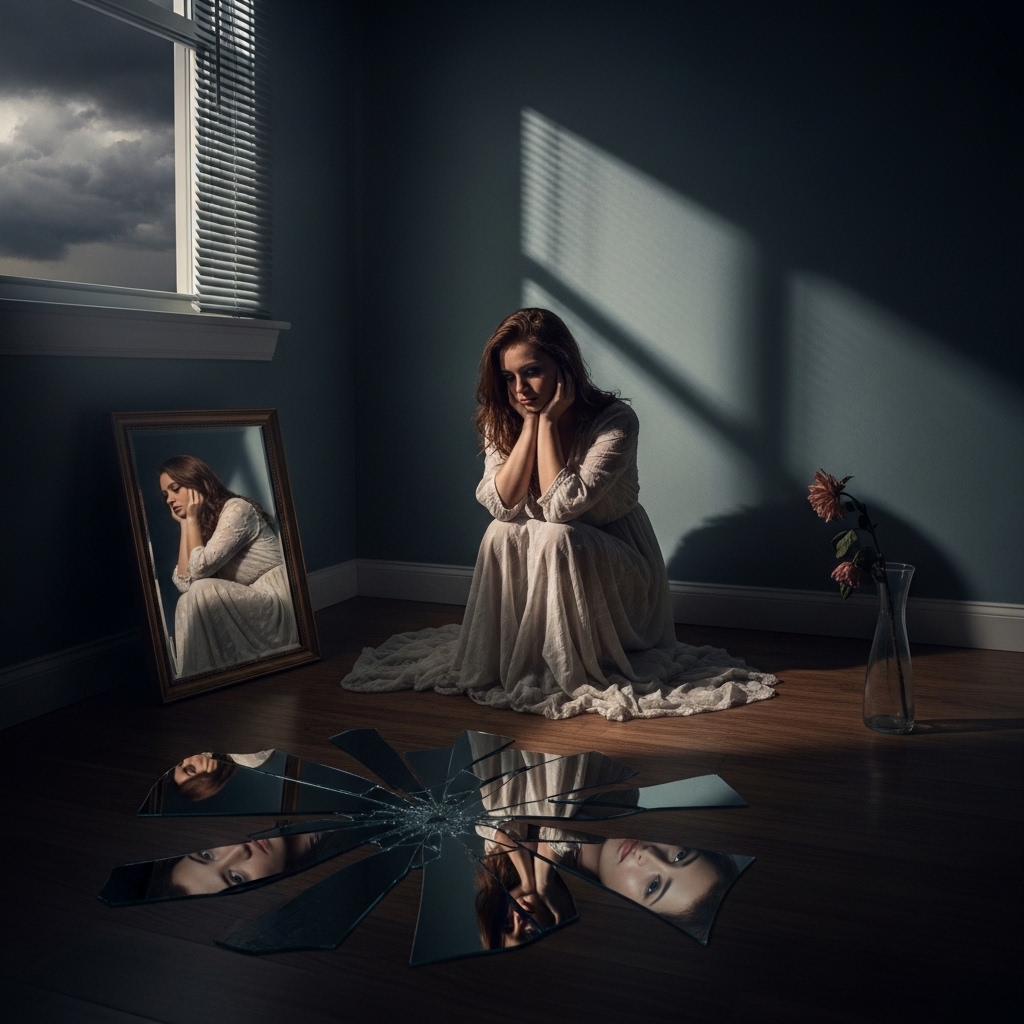
The notion that “you attracted your abuse” is a harmful myth that blames victims for the violence or mistreatment they endured. This idea perpetuates shame and silence, preventing survivors from seeking help and healing.
Understanding the Concept of Abuse
Definition of Abuse
Abuse is a violation of a person’s rights, dignity, and well-being, often characterized by the misuse of power. I’ve come to realize that abuse is not just about the physical harm—it can manifest in many forms that leave lasting scars. When we think of abuse, we often picture physical violence, but it goes far beyond that. It encompasses emotional, sexual, and psychological dimensions that can deeply affect an individual’s sense of self and security.
Types of Abuse: Physical, Emotional, Sexual, and Psychological
During my journey to understand abuse better, I learned about the various types that exist. Physical abuse is perhaps the most visible, involving bodily harm or violence. I remember reading stories of survivors who bravely shared their experiences, and it struck me how real and tangible their pain was. Emotional abuse, on the other hand, can be more insidious—characterized by manipulation, belittlement, and control. This type of abuse can leave a person feeling worthless and questioning their reality.
Then there’s sexual abuse, which can include unwanted advances, coercion, or violence. I’ve often found that discussions around this type of abuse are laden with stigma, making it hard for survivors to talk about their experiences. Psychological abuse can blend elements of emotional and physical abuse, involving tactics like gaslighting, where the abuser makes the victim doubt their own perceptions and experiences. The complexity of these types of abuse reminds me how crucial it is to approach the subject with compassion and understanding.
The Dynamics of Power and Control
At the core of all types of abuse is a fundamental dynamic of power and control. I think it’s essential to recognize that abusers often seek to dominate their victims, using various tactics to instill fear and maintain control. This can be incredibly confusing for the victim, as many abusers will exhibit charming or loving behavior at times. Having experienced this firsthand through friends’ stories, I understand how difficult it is to reconcile the good moments with the painful ones. It creates a cycle of hope and despair that can trap someone in an abusive situation for far too long.
Understanding these dynamics can empower us to see the larger picture. It’s about the abuser’s need to exert power rather than any perceived weakness in the victim. I’ve learned that this perspective is crucial in dismantling the harmful myth that someone attracted their abuse. It’s not about what someone did or didn’t do; it’s about the choices of the abuser. Recognizing this has been a pivotal part of my journey in understanding not only abuse but how to support those who have experienced it.
Debunking the Myth: “You Attracted Your Abuse”
SBAG_IMG_69826d36ab264
Origins of the Belief
The belief that you attracted your abuse seems to stem from a societal need to make sense of violence and mistreatment. I remember hearing phrases like “What were you wearing?” or “Why didn’t you just leave?” These questions place the onus on the victim and ignore the complexities of their situation. When I delved deeper into this topic, I realized that this mindset often arises from a misguided attempt to control the uncontrollable nature of abuse. If we can attribute abuse to the victim’s actions or choices, it somehow feels safer—like we can avoid becoming victims ourselves by adhering to certain behaviors.
Common Misconceptions about Abuse
Throughout my exploration of this topic, I came across several misconceptions that are detrimental to survivors. One major myth is that abuse only occurs in certain types of relationships or socioeconomic backgrounds. In reality, abuse can happen to anyone, regardless of age, gender, social status, or background. I’ve met survivors from all walks of life, and their stories have reaffirmed this truth.
Another misconception is that the victim must have done something to “deserve” the abuse. This idea can be incredibly damaging, as it fosters feelings of guilt and shame in survivors. I think we need to shift our focus from blaming victims to understanding the abuser’s motivations and behaviors. It’s not about what they did; it’s about the choices made by those who choose to harm others.
Impact of Victim-Blaming Mentalities
The impact of victim-blaming mentalities is profound and far-reaching. I’ve seen how these beliefs can lead to isolation for survivors, making them feel as though they can’t talk about their experiences. They may believe that no one will understand or that they will be blamed for what happened to them. This silence can perpetuate the cycle of abuse, as survivors may feel trapped and unsure of where to turn for help.
Furthermore, these mentalities can hinder societal progress in addressing and preventing abuse. When we blame victims, we fail to hold abusers accountable for their actions. I’ve heard survivor stories where they faced backlash for speaking out, which only reinforces the idea that they should keep quiet. This is why I believe it’s so important for us to raise awareness and educate ourselves and others about the realities of abuse. By doing this, we can foster a more compassionate and supportive environment, where survivors feel empowered to share their stories without fear of judgment.
Read Interesting article: Chocolate vs Red Velvet: A Delectable Duel
The Psychological Effects of Abuse
Long-term Consequences on Mental Health
Reflecting on the psychological effects of abuse, I’ve come to understand just how deeply it can impact a person’s mental health. Survivors often carry with them a heavy burden that can manifest in various ways, such as anxiety, depression, and even suicidal thoughts. When I learned more about this, I felt a mix of sadness and determination. It’s heartbreaking to think that someone could suffer in silence for so long due to the trauma they’ve experienced.
In my conversations with survivors, I noticed a common thread: many described feeling “broken” or “less than.” This feeling often stems from the abuser’s manipulation, which can erode a person’s self-esteem and sense of worth. I believe it’s crucial to understand that these feelings don’t define the survivor; they are the result of the abuse they endured. Recognizing this distinction has been pivotal in my journey to support friends and family who have faced such challenges.
Understanding Trauma and PTSD
Trauma is something I used to think was just a buzzword, but I quickly learned how real and pervasive it can be. For many survivors, trauma can lead to Post-Traumatic Stress Disorder (PTSD). I remember talking to a friend who shared her experience with PTSD after leaving an abusive relationship. She would have flashbacks and nightmares, and it affected every aspect of her daily life. Hearing her story helped me realize just how far-reaching the impact of abuse can be.
PTSD can manifest in various ways: hyper-vigilance, avoidance of reminders of the trauma, and emotional numbness. I’ve seen how these symptoms can complicate a survivor’s ability to form healthy relationships or trust others. It’s a cycle that can be difficult to break. I’ve learned that understanding trauma responses is essential for both the survivor and those who want to support them. It promotes empathy and patience, reminding us that healing is a process that takes time.
The Role of Shame and Guilt in Survivors
I’ve come across many survivors who carry a heavy load of shame and guilt, often feeling responsible for the abuse they suffered. I think it’s crucial to address these feelings openly, as they can be incredibly damaging. When someone believes they deserved the abuse or could have prevented it, it creates a toxic cycle that hinders their healing journey.
In my experience, it’s important to remind survivors that the blame lies solely with the abuser. I often share this perspective with friends: “You did not ask for this, and you are not to blame.” It’s a simple statement, yet it can feel so powerful for someone who has been made to feel unworthy. I believe that fostering an environment where survivors can express their feelings without judgment is vital for their recovery.
Through my own learnings and observations, I have noticed how shame can isolate survivors. They might avoid discussing their experiences with loved ones for fear of being misunderstood or judged. I think it’s our responsibility to challenge these feelings by offering support, understanding, and validation. By doing so, we can help survivors reclaim their narrative and begin to heal.
Recognizing the Signs of Abuse
Red Flags in Relationships
Recognizing the signs of abuse can be challenging, especially when you’re in the midst of it. I remember when a friend of mine was in a toxic relationship; she often dismissed the red flags as “just part of love.” I’ve learned that it’s essential to be aware of these warning signs to protect ourselves and those we care about. Some common red flags include constant criticism, jealousy, and controlling behavior. I think back to conversations I had with her, where I pointed out how her partner would belittle her achievements or isolate her from her friends.
Another sign I’ve seen is a partner who tries to dictate how you should dress or who you can spend time with. These behaviors may seem subtle at first, but they often escalate. I’ve realized that when we’re in love, it can be easy to overlook these warning signs. However, I believe it’s important to trust our instincts and recognize that healthy relationships should not compromise our autonomy or happiness.
Emotional Manipulation and Gaslighting
Emotional manipulation is another insidious form of abuse that I’ve come to understand better. It can be so subtle that you might not even realize it’s happening. Gaslighting, in particular, is a tactic where the abuser makes the victim doubt their own reality. I’ve spoken to survivors who described how their partners would twist their words or dismiss their feelings, making them feel confused and alone.
It’s jarring to think about how emotional manipulation can seep into daily life, making someone question their sanity or worth. I remember a story from a friend who felt like she was losing her mind because of her partner’s constant denials and contradictions. I think it’s vital to recognize these patterns, as they can be just as damaging as physical abuse. By shining a light on these behaviors, we empower ourselves and others to seek help and break free from toxic situations.
How to Identify Your Own Experiences of Abuse
Identifying your own experiences of abuse can be a daunting task. I know from personal experience that it can feel like a whirlwind of confusion and self-doubt. I recommend taking a step back and examining your feelings and experiences. Ask yourself if you feel safe, respected, and valued in your relationship. If the answer is no, it may be time to reflect on the dynamics at play.
It can also be helpful to journal your feelings or talk to someone you trust. I’ve found that sharing my thoughts can offer clarity. Speaking with a therapist or attending support groups can also provide a safe space to explore these feelings. I think it’s essential for survivors to remember that recognizing abuse is a brave step toward healing. It’s about reclaiming your power and understanding that you deserve better.
Empowerment and Recovery from Abuse
Seeking Help: Therapy and Support Groups
When it comes to healing from abuse, I’ve learned that seeking help is one of the most powerful steps a survivor can take. I remember talking to a friend who had just left an abusive relationship; she was terrified of what the future held yet hopeful about finding a way to heal. Therapy can provide a safe space for survivors to process their feelings, gain insight, and learn coping strategies. I believe it’s essential to find a therapist who specializes in trauma and understands the complexities of abuse. This connection can make a world of difference in one’s healing journey.
Support groups also offer a unique environment where survivors can connect with others who have walked similar paths. I attended a few sessions myself, and I was amazed at the strength of collective experiences. Sharing stories, struggles, and victories with others who understand can be incredibly validating. It fosters a sense of community and reminds survivors that they are not alone in their struggles. I’ve seen firsthand how this shared healing can create bonds that last a lifetime.
Read Interesting article: 6556 Angel Number Meaning: Spiritual, Biblical And Twin Flame Numbers
Building Resilience and Self-Esteem
Resilience is something I’ve come to appreciate deeply in my own life and in the lives of others. Building resilience after abuse is not easy, but it is possible. I think it starts with small steps toward self-care and self-acceptance. I remember when I decided to focus on my passions and hobbies, which had been neglected during a tough period. Engaging in activities that bring joy can help rebuild a sense of identity and purpose.
For many survivors, rebuilding self-esteem is another critical aspect of recovery. I’ve seen how emotional abuse can strip away confidence and leave lasting scars. It’s important to remind ourselves and others that self-worth does not depend on past experiences or someone else’s perception. I often encourage friends to practice positive affirmations or keep a gratitude journal. Focusing on the strengths and qualities that make us unique can help shift the mindset from one of shame to one of empowerment.
Creating Boundaries for Healthier Relationships
One of the most valuable lessons I’ve learned in my journey is the importance of boundaries. After experiencing abuse, it can be difficult to trust others or feel safe in new relationships. I remember feeling hesitant to open up again after some tough experiences, but I realized that establishing clear boundaries is crucial for fostering healthy connections.
Setting boundaries involves defining what is acceptable and what isn’t in relationships. I found that communicating these boundaries not only protects our emotional well-being but also teaches others how to treat us. In my experience, I’ve discovered that healthy relationships thrive on mutual respect and understanding. Whether it’s saying “no” to something that makes me uncomfortable or expressing my needs, these practices enhance my interactions with others.
Moreover, I think it’s essential to recognize that boundaries can evolve. As we grow and heal, our needs may change, and that’s perfectly okay. I’ve learned to embrace this fluidity and to have open conversations about boundaries with my loved ones. This approach has led to more authentic and supportive relationships in my life.
Frequently Asked Questions
What is the harmful myth surrounding abuse that the article discusses?
The article discusses the myth that “you attracted your abuse,” which blames victims for the violence or mistreatment they endured and perpetuates shame and silence.
What are the different types of abuse mentioned in the article?
The article outlines several types of abuse, including physical, emotional, sexual, and psychological abuse, each affecting individuals in various ways.
How does power and control play a role in abuse?
At the core of all types of abuse is a fundamental dynamic of power and control, where abusers seek to dominate their victims and instill fear, often creating a confusing cycle for the victim.
What misconceptions about abuse does the article highlight?
The article highlights misconceptions such as the belief that abuse only occurs in specific types of relationships or socioeconomic backgrounds, and that victims must have done something to deserve the abuse.
What are the psychological effects of abuse on survivors?
Survivors of abuse often experience long-term mental health consequences, including anxiety, depression, and feelings of worthlessness, which can stem from the manipulation by the abuser.
What is gaslighting, and how does it relate to emotional manipulation?
Gaslighting is a form of emotional manipulation where the abuser makes the victim doubt their own perceptions and reality, leading to confusion and a diminished sense of self-worth.
How can survivors identify their own experiences of abuse?
Survivors can identify their experiences by examining their feelings and whether they feel safe, respected, and valued in their relationships. Journaling or speaking with trusted individuals can also provide clarity.
What role does seeking help play in the recovery from abuse?
Seeking help, through therapy or support groups, is crucial for survivors as it provides a safe space to process feelings, gain insight, and connect with others who have had similar experiences.
How can survivors build resilience and self-esteem after abuse?
Survivors can build resilience by engaging in self-care, focusing on their passions, and practicing positive affirmations, which help shift their mindset from shame to empowerment.
Why are boundaries important for survivors of abuse?
Boundaries are important for survivors as they help define acceptable behaviors in relationships, protect emotional well-being, and foster healthy connections based on mutual respect and understanding.
Read Interesting article: Dreaming of Going Back to School Spiritual Meaning : Unlocking the Mystical Significance