
The lesson behind unrequited love is that it teaches us about our emotions, self-worth, and the importance of healthy relationships. Through these experiences, we often learn to better understand ourselves and what we truly seek in love. Read Interesting article: The Spiritual Meaning of Forgiveness: Finding Peace in Letting Go
Understanding Unrequited Love
Definition of Unrequited Love
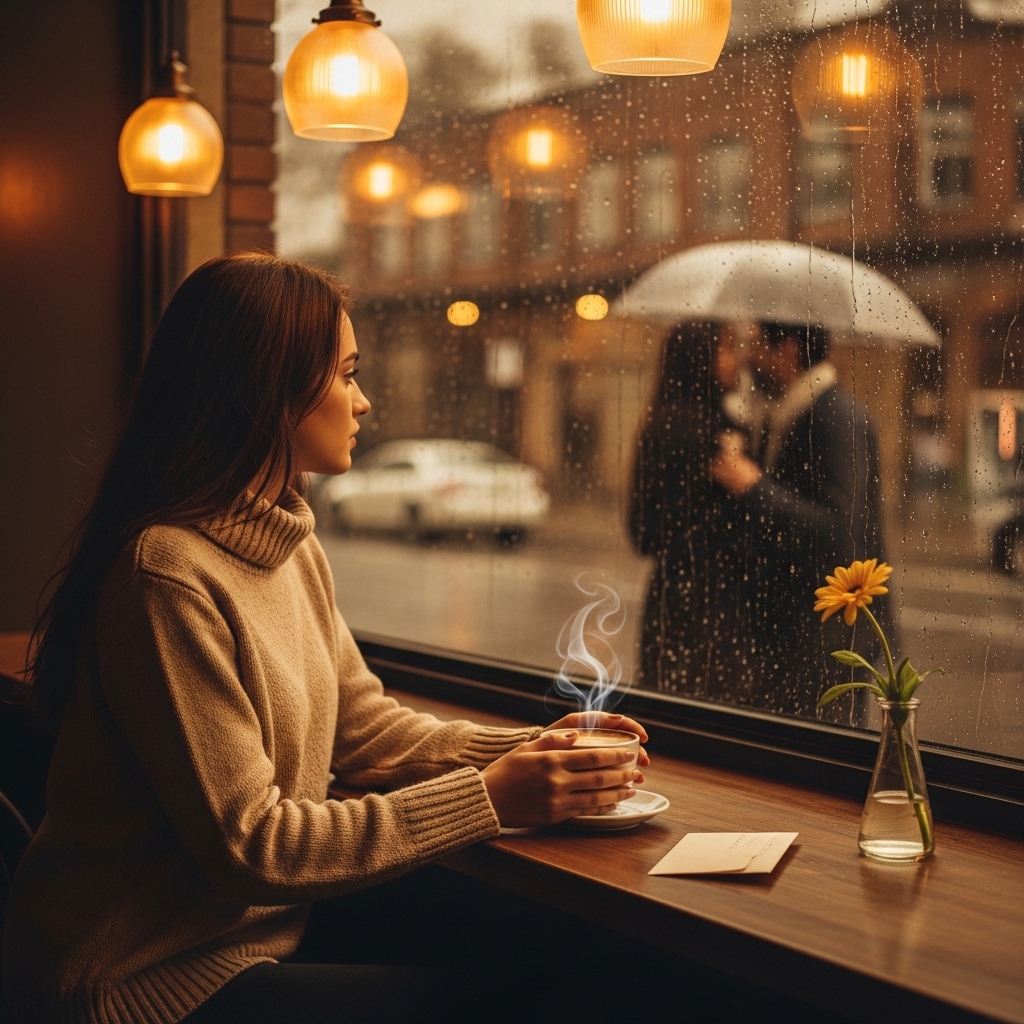
Unrequited love is a feeling that many of us have encountered at some point in our lives. It’s that heart-wrenching experience when one person loves another who does not feel the same way. I remember my first crush in high school, where I was head over heels for someone who barely knew I existed. It felt like I was walking around with a secret—one that was both thrilling and painful. This kind of love can manifest in various forms, whether it’s a crush on a friend, someone admired from afar, or even a celebrity. It highlights a profound emotional connection that isn’t returned, leaving those who experience it feeling vulnerable and often lost.
Common Psychological Impacts
Experiencing unrequited love can lead to a range of psychological effects. I’ve noticed that it often brings forth feelings of inadequacy, loneliness, and self-doubt. When we invest our emotions into someone who doesn’t reciprocate, it can be like pouring our hearts into a bottomless pit. The emotional toll can lead to anxiety and depression for some. I’ve seen friends go through sleepless nights, constantly replaying moments in their heads, hoping for a different outcome. The mind can become an enemy during these times, filled with what-ifs and comparisons to perceived competition.
Moreover, unrequited love can trigger stages of grief, similar to loss. I felt it when I realized my feelings weren’t returned; I went through denial, anger, and finally, acceptance. It’s a natural process, and understanding it can be the first step in healing. Many people, including myself, have found solace in the idea that these feelings, though painful, are part of the human experience and can foster personal growth. Read Interesting article: Dream of Feeding a Baby Boy: What It Means and Its Interpretations
Historical Perspectives on Unrequited Love
Unrequited love isn’t a modern phenomenon; it has been a subject of literature and art throughout history. Classic tales like Shakespeare’s “Romeo and Juliet” showcase the intense passion and pain of unreturned love. I find it fascinating how poets and writers have immortalized these feelings, often portraying them as noble yet tragic. Characters like Orpheus and Eurydice or even the love stories of ancient mythology remind us that unrequited love has long been a source of inspiration and reflection.
Unrequited love has also been explored in various cultural contexts. For instance, in Japanese culture, there’s a term called “Kawaii” that expresses the beauty of unfulfilled affection. This perspective can shift the narrative from one of sadness to one of appreciation for the feelings themselves. I’ve often thought about how different cultures interpret and express love, making me realize that while the pain can feel isolating, it’s a universal experience that connects us all.
The Emotional Journey of Unrequited Love
SBAG_IMG_698613e637c97
Stages of Grief in Unrequited Love
The journey through unrequited love often follows stages of grief—something I learned from my own experiences. Initially, there’s denial, where we might convince ourselves that the feelings are mutual or that things will eventually change. I remember thinking that if I just tried harder, maybe they would notice me. Then comes anger, where frustration and resentment can bubble up, often directed not only at the person but also at ourselves for feeling this way.
As we progress, we might hit a low point of sadness, feeling overwhelmed by the weight of our unreturned affection. I recall sitting in my room, listening to sad songs, feeling like the world was closing in on me. This part of the journey can be incredibly lonely, as it often feels like no one else understands the depth of our feelings. However, I’ve learned that reaching the final stage—acceptance—can be liberating. It’s about acknowledging our feelings, understanding that it’s okay to feel hurt, and realizing that life goes on. This acceptance can open the door to healing and moving forward.
Feelings of Rejection and Heartbreak
The sting of rejection is a profound experience that can shake our confidence. I’ve felt that gut-wrenching disappointment when realizing that someone I admired didn’t reciprocate my feelings. It can leave us questioning our worth and desirability. I remember scrolling through social media, seeing my crush with someone else, and feeling my heart sink. It’s a visceral pain that can linger, making it hard to enjoy life or engage with others. This heartbreak often leads to a myriad of feelings—anger, confusion, and sometimes even envy.
In these moments, I’ve found it helpful to remind myself that rejection is a natural part of life. It doesn’t define who we are or diminish our value. I’ve learned that everyone experiences rejection in various forms, and it’s a shared human experience that fosters empathy and connection. Talking about these feelings with friends or writing them down can help channel the pain into something constructive. Read Interesting article: 8 Cozy Bedroom Lighting Hacks for Perfect Ambience
Self-Reflection and Personal Growth
Despite the heartache, unrequited love can be a catalyst for self-reflection and growth. I’ve often found myself reevaluating what I truly want in relationships during these times. It’s a chance to explore my desires, values, and the qualities I seek in a partner. This reflection has led me to understand my own emotional needs better, helping me set standards for future relationships.
I’ve also discovered that unrequited love often teaches us resilience. Every time I faced rejection, I learned to pick myself up and keep moving forward. It’s a process of building emotional strength. I think about how these experiences have shaped me, teaching me to embrace vulnerability and open my heart again, despite the risks. In many ways, I believe that unrequited love can be a powerful teacher, guiding us toward healthier relationships and a deeper understanding of ourselves.
Lessons Learned from Unrequited Love
Building Emotional Resilience
One of the most profound lessons I’ve learned through my experiences with unrequited love is the importance of emotional resilience. When we face the pain of loving someone who doesn’t love us back, it can feel like our world is crumbling. I remember times when I thought I would never recover from that heartache. Yet, as I navigated those turbulent emotions, I discovered a strength I didn’t know I possessed. Each time I faced disappointment, I learned to bounce back a little stronger.
This process of building resilience is not just about getting over someone; it’s about learning how to cope with life’s challenges in general. I started to embrace the discomfort rather than shy away from it. I found that writing about my feelings helped me process what I was going through. I kept a journal where I poured out my thoughts, and it became a safe space to confront my emotions. Over time, I realized that I could handle the pain, and that made me feel empowered. I believe that anyone can cultivate this resilience; it just takes some practice and self-compassion.
Understanding Self-Worth and Value
Unrequited love also forced me to reevaluate my sense of self-worth. In the past, I often tied my value to whether or not someone else loved me. When I faced rejection, it felt like a direct hit to my self-esteem. I remember spending days questioning what was wrong with me, analyzing every little detail of our interactions. But through this journey, I learned that my worth isn’t defined by others. It comes from within.
I started to shift my focus from external validation to internal affirmation. I began to recognize my own strengths and talents, celebrating my unique qualities. Surrounding myself with supportive friends who reminded me of my worth helped a lot too. I learned to appreciate myself for who I am, not just for who I could be to someone else. This shift in mindset has been liberating, allowing me to approach relationships with a healthier perspective. I feel that understanding our self-worth is crucial for any relationship to thrive, whether it’s romantic or platonic.
Recognizing Healthy Relationship Patterns
Through the pain of unrequited love, I also became more aware of what constitutes a healthy relationship. In the past, I often idealized romantic connections, believing that love should always be effortless and all-encompassing. However, unrequited love opened my eyes to the reality that mutual respect, communication, and emotional availability are essential components of a successful partnership.
As I reflected on my experiences, I started to recognize patterns in my relationships. I realized that I needed to prioritize connections where both parties are equally invested. I remember a time when I forced myself to chase after someone who was indifferent. It was exhausting and ultimately unfulfilling. Now, I seek relationships with open communication and reciprocal feelings, understanding that these qualities lead to genuine connections. I believe that recognizing these patterns allows us to make better choices in love, helping us to avoid the pitfalls of unrequited feelings in the future.
How Unrequited Love Shapes Future Relationships
Impact on Trust and Vulnerability
Unrequited love can significantly impact our ability to trust and be vulnerable in future relationships. After experiencing rejection, I found myself hesitant to open up again. The sting of unreturned affection made me wary of putting my heart on the line. I remember feeling the urge to protect myself, building up walls to avoid potential pain. However, I learned that while it’s normal to feel this way, it can also hinder our ability to form deep connections.
Over time, I made a conscious effort to dismantle those walls. It wasn’t easy, and I often felt scared, but I realized that vulnerability is an essential part of intimacy. I learned to take small risks in relationships, sharing my thoughts and feelings gradually. It helped me rebuild trust, both in myself and in others. I believe that while unrequited love can leave scars, it can also teach us how to navigate future relationships with greater awareness and openness.
Learning to Communicate Needs
Another critical lesson from unrequited love is the importance of communicating our needs. I often found myself caught up in the fantasy of what I wanted rather than expressing my real feelings. This led to misunderstandings and unmet expectations. When I finally faced the reality of my situation, it became clear that I had to learn to voice my needs and desires openly.
In my more recent relationships, I’ve made it a point to communicate honestly. Whether it’s expressing my feelings or discussing what I’m looking for, I’ve seen how effective communication can strengthen connections. I used to think that being vulnerable might push people away, but it turns out that honesty fosters deeper ties. I believe that when we communicate our needs, we create space for others to do the same, paving the way for healthier and more fulfilling relationships.
Establishing Boundaries in Romantic Interests
Finally, unrequited love has taught me the importance of establishing boundaries. After experiencing the emotional turmoil of unreciprocated feelings, I realized I needed to protect my heart. I began to set clear boundaries regarding my emotional investments. This doesn’t mean shutting myself off; rather, it’s about being intentional with whom I choose to invest my feelings in.
I’ve learned to assess relationships more carefully, ensuring that I’m not pouring my heart into someone who isn’t equally invested. Setting boundaries has helped me maintain a sense of self and emotional balance. I feel empowered by this newfound sense of control over my romantic interests. I believe that establishing boundaries is not just healthy; it’s necessary for fostering relationships that are both respectful and rewarding.
Moving On: Practical Steps
Accepting Your Feelings
One of the first steps in moving on from unrequited love is to fully accept your feelings. I know it can be incredibly challenging to face the reality of a situation where your affections aren’t returned. I remember feeling like I was in a fog, desperately wanting to push my feelings aside and convince myself that I was fine. But I learned that acknowledging my emotions was crucial. It’s okay to feel sad, frustrated, or even angry. I found solace in allowing myself to experience those feelings without judgment.
I started to practice mindfulness, which helped me sit with my emotions instead of running from them. Whether it was through journaling or simply taking quiet moments to reflect, I learned to honor what I was feeling. I would remind myself that it’s a natural part of life to experience such heartache. Accepting my feelings became a pivotal step in my healing process, allowing me to work through them rather than bury them deep down.
Engaging in Self-Care Practices
When I was dealing with unrequited love, I discovered the power of self-care. It became essential for me to prioritize my well-being. I started small by doing things that brought me joy and comfort. I remember spending weekends indulging in my favorite hobbies, whether it was painting, hiking, or binge-watching a series. Engaging in activities that I loved helped me redirect my focus and lift my spirits.
Physical self-care was equally important. I began to exercise regularly, which not only boosted my mood but also gave me an outlet for the pent-up emotions I was feeling. I found that when I took care of my body, my mind followed suit. Additionally, I made it a point to eat well and get enough sleep, realizing that these simple acts could significantly impact my emotional state. I believe that self-care is not a luxury; it’s a necessity, especially when navigating the complexities of unrequited love.
Seeking Support from Friends or Professionals
Reaching out for support was another significant step in my journey. I learned that I didn’t have to go through this alone. Sharing my feelings with friends who understood my situation provided me with a sense of relief and comfort. I remember sitting down with my close friends over coffee, pouring my heart out, and feeling a weight lift off my shoulders. They offered empathy and perspectives that I hadn’t considered, reminding me that I was not defined by my unreciprocated feelings.
At times, I also sought help from professionals, like a therapist, who guided me through the emotional turmoil. I found it incredibly helpful to talk to someone who could provide unbiased insight and coping strategies. Therapy allowed me to explore my feelings in a safe space and helped me identify patterns in my thoughts and behaviors. It was a reminder that seeking help is a sign of strength, not weakness. I encourage anyone struggling with unrequited love to consider reaching out for support; it can be a game-changer in the healing process.
Real-Life Examples and Stories
Famous Historical Figures and Their Experiences
Throughout history, many renowned figures have experienced the pangs of unrequited love, and their stories resonate with many of us. For instance, the poet John Keats loved Fanny Brawne deeply, yet their relationship was fraught with complications and unreciprocated feelings on some levels. Keats poured his heart into his poetry, expressing the agony of his love through words that still move us today. I find inspiration in how he channeled his heartbreak into creativity, reminding me that our pain can transform into beautiful art.
Another compelling example is the artist Vincent van Gogh, who had an infatuation with a woman named Margot. His unreciprocated feelings fueled much of his passionate work, leading to masterpieces that convey deep emotion. Reflecting on their stories helps me see that unrequited love has shaped many great artists and thinkers, pushing them to create meaningful contributions to the world. Their experiences remind us that we are not alone in this journey and that love—no matter how painful—can lead to profound insights and creativity.
Modern-Day Examples in Pop Culture
In today’s world, pop culture frequently portrays unrequited love, allowing us to connect with characters and stories that reflect our own experiences. Take the hit series “Friends,” for example. Ross’s unrequited love for Rachel is a central theme that evolves throughout the show. I remember feeling a sense of camaraderie with Ross as he navigated his feelings, experiencing the highs and lows of love that isn’t fully reciprocated. Watching him struggle made me feel understood, as if my own heartache was being validated on screen.
Music is another powerful medium for expressing unrequited love. Artists like Adele and Sam Smith have crafted songs that resonate deeply with anyone who has experienced this kind of heartache. Hearing their lyrics, I often found myself relating to their words, feeling less alone in my sadness. These cultural representations serve as a reminder that unrequited love is a universal theme, bridging gaps between generations and personal experiences.
Personal Anecdotes from Individuals
I’ve spoken to friends and acquaintances who have their own stories of unrequited love, each unique yet strikingly similar in emotional depth. One friend shared how she crushed on her best friend for years, only to realize he saw her as a sister. The pain of that revelation was palpable, and I could feel her heartbreak as she recounted her journey. However, through that experience, she learned about the importance of self-love and the value of her friendship over unreciprocated feelings.
Another acquaintance told me how his unrequited crush led him to travel abroad to escape the situation. That journey became a pivotal moment in his life, allowing him to discover new passions and meet people who appreciated him for who he truly was. Hearing these stories not only helped me feel connected to others but also highlighted the resilience that often arises from unreturned love. Each narrative serves as a testament to the idea that while unrequited love is painful, it can also lead to growth and self-discovery.
Frequently Asked Questions
What is unrequited love?
Unrequited love is the feeling when one person loves another who does not feel the same way. It can manifest in various forms, such as a crush on a friend, someone admired from afar, or even a celebrity.
What are common psychological impacts of unrequited love?
Experiencing unrequited love can lead to feelings of inadequacy, loneliness, and self-doubt. It may also result in anxiety and depression, as individuals replay moments in their heads and struggle with feelings of rejection.
What are the stages of grief in unrequited love?
The stages of grief in unrequited love typically include denial, anger, sadness, and acceptance. These stages reflect the emotional journey one goes through while processing their feelings of unreturned affection.
How can unrequited love contribute to personal growth?
Unrequited love can serve as a catalyst for self-reflection, helping individuals reevaluate their desires and emotional needs in relationships. It also teaches resilience and emotional strength, guiding people toward healthier relationships in the future.
What role does self-worth play in unrequited love?
Unrequited love often forces individuals to reevaluate their sense of self-worth, leading them to recognize that their value is not defined by whether or not someone else loves them. This understanding is crucial for building healthy relationships.
How does unrequited love affect future relationships?
Unrequited love can impact one’s ability to trust and be vulnerable in future relationships. It may create hesitance to open up, but it can also teach the importance of effective communication and establishing boundaries.
What are some practical steps to move on from unrequited love?
Practical steps to move on include accepting your feelings, engaging in self-care practices, and seeking support from friends or professionals. Acknowledging emotions and prioritizing well-being can facilitate healing.
Can you provide examples of famous individuals who experienced unrequited love?
Historically, figures like poet John Keats and artist Vincent van Gogh experienced unrequited love, using their pain as inspiration for their creative works. Their stories illustrate that unreturned affection can lead to profound artistic contributions.
How is unrequited love depicted in modern pop culture?
Unrequited love is frequently portrayed in modern pop culture, such as in the series “Friends,” where Ross’s feelings for Rachel are a central theme. Music by artists like Adele and Sam Smith also captures the essence of unrequited love.
What is the significance of sharing personal anecdotes about unrequited love?
Sharing personal anecdotes helps individuals connect with others who have similar experiences, highlighting the emotional depth and resilience that often arise from unrequited love. These narratives can inspire growth and self-discovery.