
The dark truth about spiritual social media is that while it offers community and connection, it often exploits vulnerability, commercializes spirituality, and spreads misinformation. This can lead to a distorted perception of spirituality, where genuine practices are overshadowed by trends and marketing.
Understanding Spiritual Social Media
Definition of Spiritual Social Media
Spiritual social media refers to online platforms where users share spiritual content, ideas, and practices. It encompasses everything from inspirational quotes and meditation tips to deeper discussions about personal beliefs and practices. I remember when I first stumbled upon these platforms; I was drawn in by the promise of connection to like-minded individuals and the idea that I could explore spirituality in a new and exciting way. However, as I’ve navigated this landscape, I’ve come to realize it’s more complex than it seems.
Popular Platforms for Spiritual Content
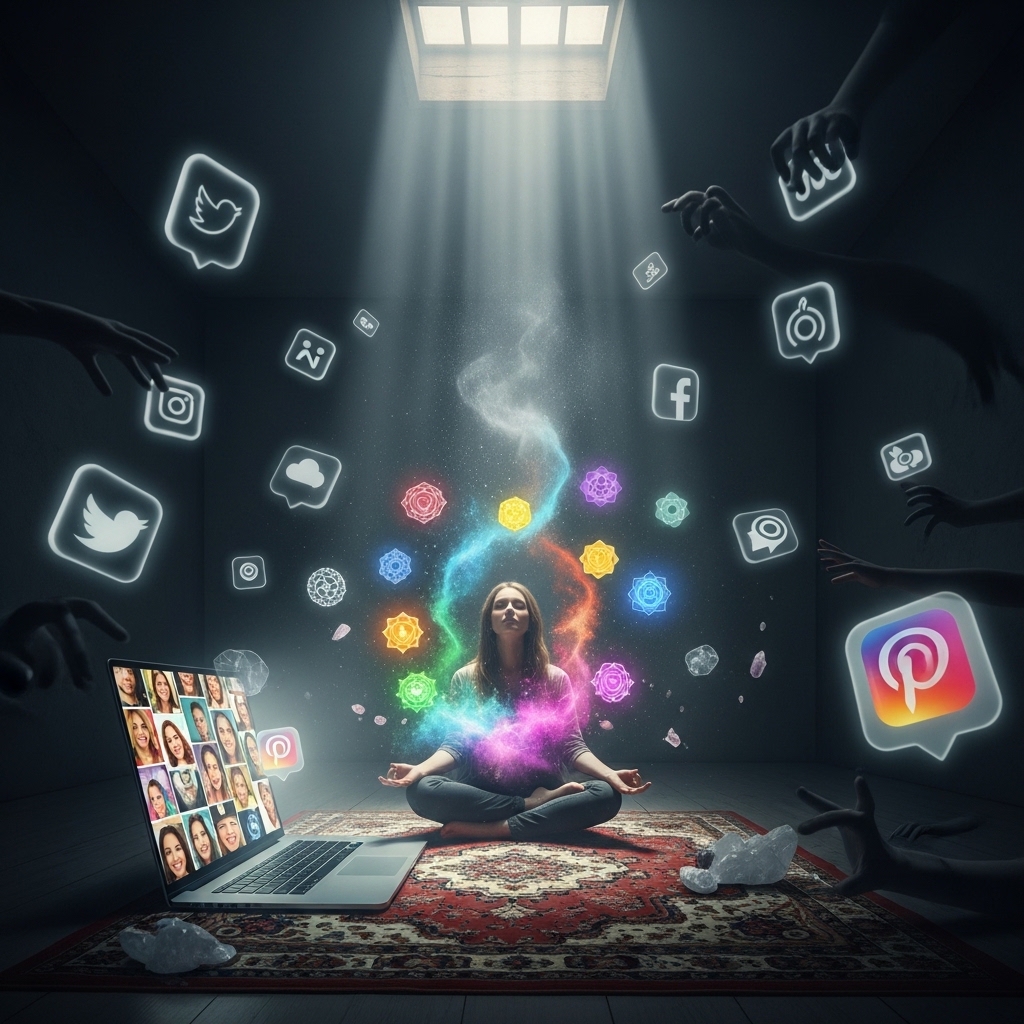
Many platforms cater to spiritual content, with Instagram, YouTube, TikTok, and Facebook leading the way. On Instagram, for example, I’ve found countless accounts dedicated to daily affirmations and tarot readings, often accompanied by beautiful visuals that draw you in. YouTube offers a deeper dive, with extensive videos on topics like meditation techniques or chakra balancing. I’ve spent hours watching these videos, feeling both inspired and, at times, overwhelmed by the sheer volume of information available. TikTok has also taken the spiritual realm by storm, with short, catchy clips providing quick spiritual insights that can easily go viral. Each platform has its unique vibe, and I’ve observed how different styles resonate with various audiences.
The Allure of Spirituality Online
Community and Connection
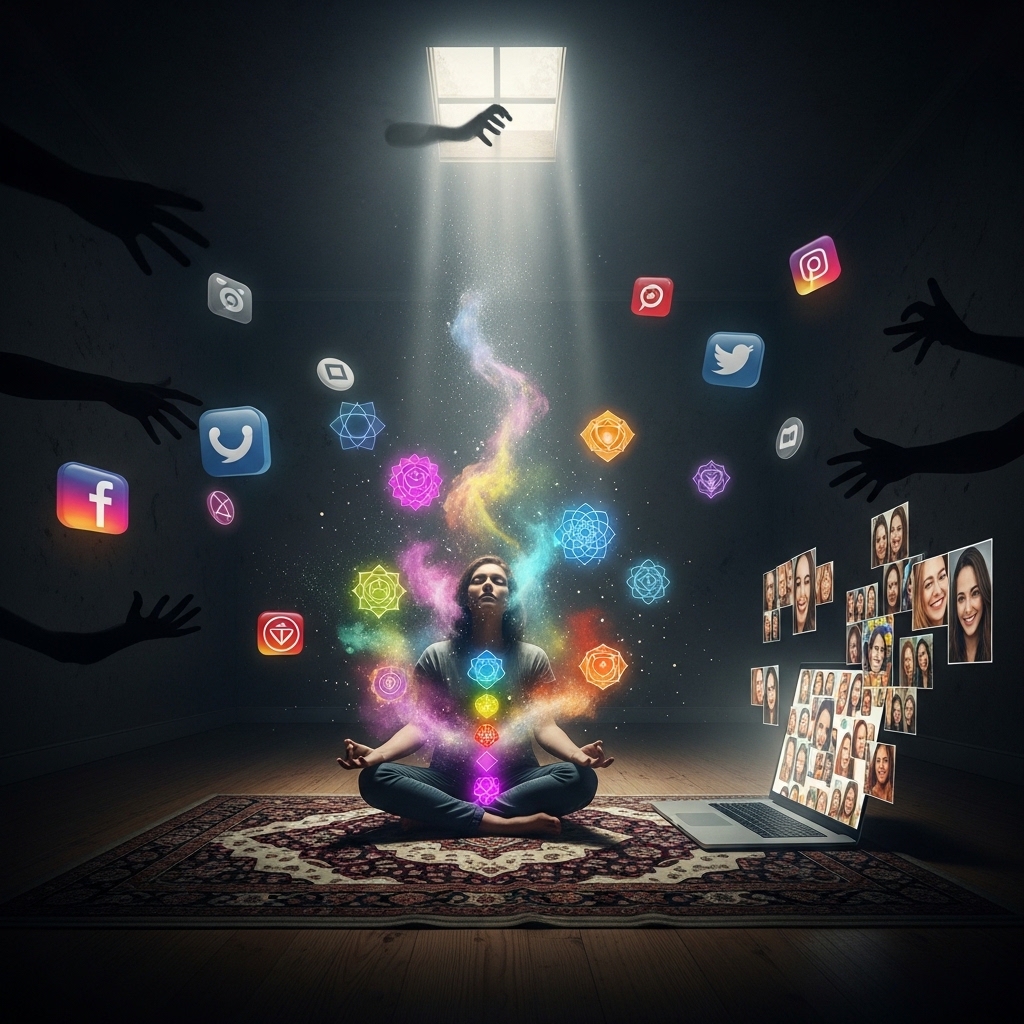
One of the most significant draws of spiritual social media is the sense of community it fosters. Many of us, myself included, crave connection, especially when exploring personal and often vulnerable topics like spirituality. Online groups can provide a safe space to share experiences, ask questions, and find support. I’ve met so many amazing people through these platforms who share my interests and struggles. It feels comforting to know I’m not alone on this journey. However, I’ve also noticed that while these communities can be uplifting, they can sometimes veer into echo chambers, where only certain beliefs are validated, leaving no room for differing perspectives. Why Some Spiritual Advice Feels Toxic highlights this concern.
Influencers and Their Impact
Spiritual influencers play a significant role in shaping the narrative around spirituality online. They often present themselves as guides or teachers, sharing their personal journeys and insights. I’ve followed a few influencers whose content seemed to resonate with my experiences, but I’ve also seen how the line between genuine sharing and performance can blur. With the rise of the influencer culture, it’s easy to become enamored with a particular personality, often forgetting that their experience is just one of many. Their curated lives can create unrealistic standards of what spirituality should look like, which can be disheartening for those of us just trying to find our path.
Trending Spiritual Practices
Many spiritual practices gain popularity through social media, often becoming trends that can be both exciting and concerning. From crystal healing to sound baths, I’ve seen various practices rise to prominence, sometimes overshadowing more traditional or nuanced methods. While it’s fantastic to see more people exploring spirituality, I sometimes wonder if these trends dilute the essence of the practices. For instance, I’ve tried my hand at crystal healing, and while I enjoyed the experience, I felt a sense of pressure to buy the latest crystals or follow specific rituals to “get it right.” It’s a delicate balance between genuine interest and feeling like I need to keep up.
Dark Truths Behind Spiritual Social Media
Exploitation of Vulnerability
One of the most troubling aspects of spiritual social media is how it can exploit vulnerability. Many users turn to these platforms seeking guidance, solace, or community during challenging times. I’ve been there myself, scrolling through posts that promise healing or answers to my problems. However, I’ve also noticed a pattern where some influencers capitalize on this vulnerability, marketing products or services that may not be beneficial or even necessary. It feels predatory at times, as if they’re taking advantage of our struggles for profit rather than genuine connection.
Commercialization of Spirituality
The commercialization of spirituality is another dark truth I’ve encountered. Spirituality, at its core, is about personal growth and connection to something greater. However, on social media, it often feels like a marketplace. From expensive courses to branded merchandise, I’ve seen how quickly the focus can shift from genuine practice to making a sale. This commercialization can dilute the essence of spiritual practices, turning them into commodities rather than meaningful experiences. I constantly ask myself: am I truly connecting with my spirituality, or am I just buying into a trend? Myth: You Must Be Calm to Be Spiritual discusses this issue further.
Misinformation and Misleading Content
Misinformation is rampant on spiritual social media. I’ve seen countless posts claiming miraculous results from specific practices or products, often without any evidence to support those claims. It can be challenging to sift through what’s real and what’s exaggerated for clicks or views. As someone who values knowledge, I’ve found it crucial to research beyond what I see online. The danger lies in believing everything we read, which can lead to misguided practices that may do more harm than good.
The Echo Chamber Effect
Lastly, the echo chamber effect is a significant concern. Once you start following certain accounts or engaging with specific content, algorithms quickly tailor your feed to reflect those preferences. I’ve noticed that my own social media experience can become a bubble, with only similar ideas and beliefs being reinforced. This lack of diversity in thought can stifle growth and critical thinking. It’s essential to seek out various perspectives, even if they challenge my beliefs, to foster a more well-rounded understanding of spirituality.
Psychological Effects of Engaging with Spiritual Content
Comparison and Self-Esteem Issues
Engaging with spiritual content on social media can sometimes lead to comparison, which is something I’ve wrestled with myself. I’ve found that scrolling through feeds filled with serene meditation scenes or beautifully curated spiritual retreats can trigger feelings of inadequacy. It’s easy to look at someone else’s journey and feel like I’m falling short. I remember looking at photos of influencers practicing yoga in stunning locations and thinking, “Why can’t I achieve that level of peace?” This comparison game can be detrimental, particularly when it comes to self-esteem. Instead of feeling inspired, I often felt like I needed to do more to be considered ‘spiritual enough.’ It’s a slippery slope that many of us find ourselves on, and it reminds me that we need to take a step back and remember that everyone’s journey is unique.
Dependency on Validation
I’ve noticed that many users, myself included at times, can become overly reliant on likes, comments, and shares to validate our spiritual practices. There’s something about seeing those little hearts pop up on a post that feels rewarding. It can make me feel like what I’m sharing is meaningful and appreciated. However, this dependence on external validation can shift the focus away from our personal connection with spirituality. I’ve had moments where I hesitated to share something authentic because I was worried about how it would be received. This cycle of seeking approval can lead to a diminished sense of self-worth and make me question the authenticity of my own spiritual practices. It’s essential to remind ourselves that our journey isn’t about how many likes we get but rather about how we feel within.
Potential for Spiritual Bypassing
Spiritual bypassing is a term that has come up often in my discussions about spirituality online. It refers to the tendency to use spiritual beliefs or practices to avoid facing emotional or psychological issues. I’ve seen it manifest in various ways, like when someone shares a quote about being positive while glossing over the real struggles they’re facing. I’ve caught myself doing this, too, wanting to project an image of peace while ignoring my own struggles. It’s tempting to want to appear spiritually enlightened, but this can lead to unaddressed emotions and unresolved problems. I’ve learned that it’s vital to balance spiritual practices with genuine introspection and healing. We must allow ourselves to feel our emotions fully instead of simply masking them with positivity. Myth: Spiritual People Never Get Angry further explores this concept.
Recognizing Authenticity in Spiritual Content
Identifying Genuine Spirituality vs. Marketing
As I’ve navigated the vast sea of spiritual content online, one of the most valuable skills I’ve developed is the ability to discern genuine spirituality from marketing ploys. I often look for content that resonates with my values and feels authentic. One way I do this is by examining the intention behind a post. Is the creator sharing personal experiences and insights, or are they pushing a product? I think it’s crucial to ask myself whether the content adds value to my journey or merely serves to sell something. Genuine spirituality often emphasizes personal growth, connection, and shared experiences, while marketing tends to focus on consumerism and trends. Keeping this distinction in mind has helped me filter out noise and focus on what truly matters.
Signs of a Reputable Spiritual Influencer
When I follow spiritual influencers, I’ve learned to look for certain signs that indicate their authenticity. For instance, I appreciate when they share their vulnerabilities and not just their successes. If someone is willing to be open about their struggles, it often shows they’re grounded in their journey. I also value transparency regarding their practices and any products they promote. Do they disclose partnerships or sponsored content? This honesty can demonstrate a commitment to integrity in their spiritual work. Additionally, I pay attention to how they engage with their followers. An influencer who actively responds to questions and encourages discussion is likely more interested in building community rather than just collecting followers.
Critical Thinking and Discernment
Critical thinking is an essential tool when engaging with spiritual content online. I’ve learned to ask questions and dig deeper instead of taking everything at face value. When I come across a claim about a miraculous healing or a specific practice that promises instant results, I try to research its background. I remind myself that spirituality is a personal journey, and what works for one person may not resonate with me. I’ve found that taking a step back and thinking critically about the information I consume helps me stay grounded in my beliefs and practices. It’s all about balancing openness to new ideas while maintaining a healthy skepticism towards sensational claims.
Healthy Engagement with Spiritual Social Media
Setting Boundaries and Intentions
One of the most empowering actions I’ve taken in my spiritual social media journey is setting boundaries and intentions around my usage. I realized that it’s easy to get lost in the endless scrolling, so I started to set specific times for engaging with content. This helps me avoid mindless consumption and ensures that my time spent online is intentional. I also take a moment to reflect on why I’m engaging with certain content. Am I seeking inspiration, support, or simply passing time? By understanding my motivations, I can create a healthier relationship with social media. I recommend anyone feeling overwhelmed to try this practice—it can truly shift your experience.
Curating Your Feed for Positive Influence
Curating my social media feed has been a transformative experience. I’ve learned to unfollow accounts that don’t align with my values or that make me feel less than. Instead, I focus on following individuals and pages that inspire me, promote authenticity, and encourage growth. This has significantly improved my experience online, filling my feed with positivity and support rather than unrealistic expectations. I suggest taking the time to evaluate who you follow and who brings joy or inspiration into your life. It’s amazing how much our online environment can influence our mindset.
Balancing Online and Offline Spiritual Practices
Finally, I believe it’s essential to strike a balance between online and offline spiritual practices. While social media can offer insights and community, real-life experiences often provide the depth we crave. I’ve found that spending time in nature, attending workshops, or participating in local spiritual groups has enriched my journey in ways that scrolling cannot. Making an effort to incorporate offline practices into my routine has helped me maintain a more holistic approach to spirituality. I encourage everyone to explore how they can blend their online experiences with meaningful real-world practices.
Frequently Asked Questions
What is spiritual social media?
Spiritual social media refers to online platforms where users share spiritual content, ideas, and practices, including inspirational quotes, meditation tips, and discussions about personal beliefs.
Which platforms are popular for sharing spiritual content?
Popular platforms for spiritual content include Instagram, YouTube, TikTok, and Facebook, each offering unique ways to engage with spiritual practices and communities.
What are the benefits of engaging with spiritual social media?
Engaging with spiritual social media can foster a sense of community and connection, allowing users to share experiences and find support while exploring spirituality.
How can spiritual influencers affect perceptions of spirituality?
Spiritual influencers can shape the narrative around spirituality, often presenting curated lifestyles that may create unrealistic standards and blur the line between genuine sharing and performance.
What are some concerns associated with spiritual social media?
Concerns include the exploitation of vulnerability, commercialization of spirituality, the spread of misinformation, and the echo chamber effect, which can limit diverse perspectives and critical thinking.
What is spiritual bypassing?
Spiritual bypassing refers to using spiritual beliefs or practices to avoid facing emotional or psychological issues, often masking genuine struggles with positive affirmations or imagery.
How can users identify authentic spiritual content?
To identify authentic spiritual content, users should examine the intention behind posts, look for personal experiences, and distinguish between content that promotes genuine growth and marketing ploys.
What are signs of a reputable spiritual influencer?
Signs of a reputable spiritual influencer include sharing vulnerabilities, being transparent about practices, disclosing partnerships or sponsored content, and actively engaging with their followers.
What steps can be taken for healthier engagement with spiritual social media?
Setting boundaries and intentions around social media usage, curating one’s feed for positive influence, and balancing online practices with offline experiences can lead to healthier engagement.
Why is it important to balance online and offline spiritual practices?
Balancing online and offline spiritual practices is essential because real-life experiences often provide depth and richness that scrolling through social media cannot replicate.