
Pigeon superstition refers to the phenomenon where pigeons develop irrational behaviors, believing their actions influence food delivery, as demonstrated in B.F.
B.F. Skinner’s experiments with pigeons revealed how these birds can develop superstitious behaviors through operant conditioning. Understanding pigeon superstition offers insights into animal behavior and the psychology of belief, reflecting broader themes in both human and animal instincts.
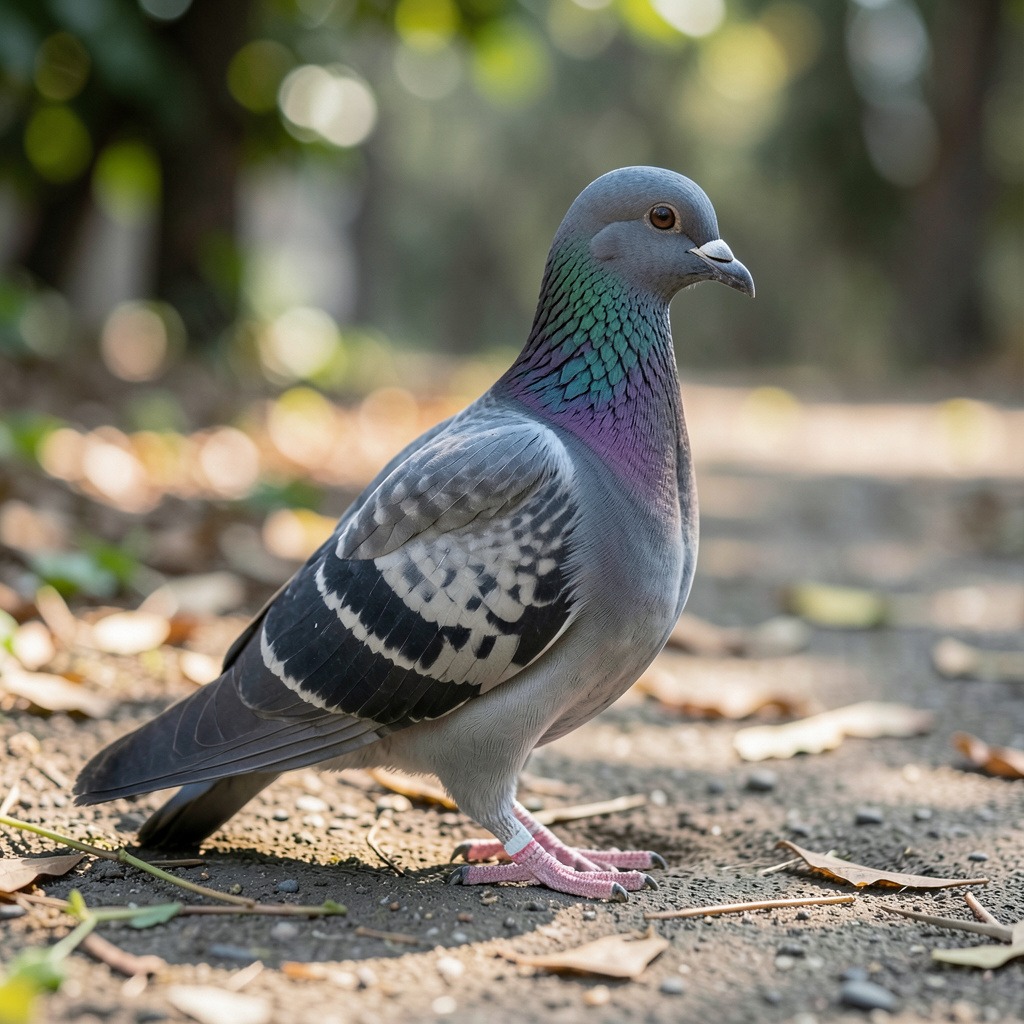
Defining Pigeon Superstition
Pigeon superstition refers to a behavioral phenomenon where pigeons develop beliefs or patterns of behavior that are mistakenly associated with outcomes, particularly in the context of food delivery. This concept was famously explored by B.F. Skinner through his innovative experiments.
Understanding the Basics
Pigeon superstition emerges from operant conditioning, a learning process where behaviors are modified through reinforcement. In Skinner’s experiments, pigeons were placed in a controlled environment where food was delivered at random intervals, independent of their actions. Consequently, the birds began to associate their behaviors—such as turning, pecking, or cooing—with the arrival of food. This led to the formation of superstitious behaviors, as the pigeons continued performing these actions, believing they influenced food delivery.
Historical Context
B.F. Skinner conducted his landmark experiment in the 1940s, using a device he invented called the Skinner box. This apparatus allowed for precise control over the timing and delivery of food. The pigeons, due to random reinforcement, developed what Skinner termed “superstitious behavior.” He noted that even incidental actions could be mistakenly reinforced, leading to a persistent but erroneous belief that these actions resulted in rewards.
Key Examples of Pigeon Superstition
- Head Bobbing: A pigeon may repeatedly bob its head while waiting for food, believing this action brings the food closer.
- Turning in Circles: Some pigeons may spin in circles, convinced this motion will result in a food reward.
- Specific Pecking Patterns: Pigeons might develop specific sequences of pecks, associating them with the delivery of food.
These behaviors reflect an underlying psychological mechanism that can be compared to human superstitions. Just as people may carry lucky charms or perform rituals to influence outcomes, pigeons exhibit similar patterns based on their experiences.
Implications for Understanding Behavior
The study of pigeon superstition extends beyond mere animal behavior. It provides insights into human psychology, particularly regarding how beliefs and actions are formed. Understanding these processes can inform treatment approaches in behavioral therapy, as similar mechanisms may influence human behaviors and beliefs.
Table of Contents
Through Skinner’s work, we learn that both animals and humans can develop irrational beliefs based on coincidental reinforcement, shaping their actions in ways that may not correspond to reality.
How Operant Conditioning Influences Pigeon Behavior
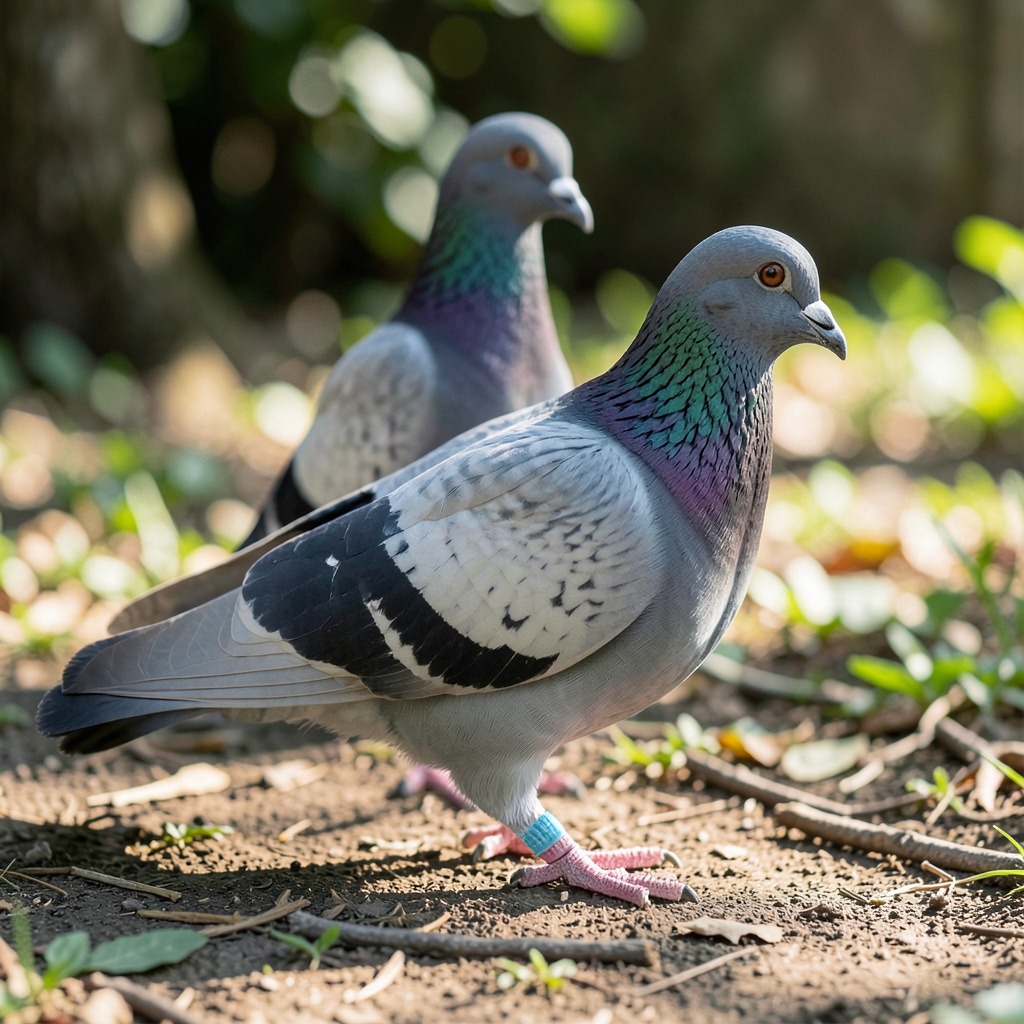
Operant conditioning is a fundamental principle in behavioral psychology that explains how behavior is shaped by its consequences. In the context of pigeons, this principle provides insight into the development of superstitious behaviors.
The Mechanism of Learning
Operant conditioning involves reinforcement and punishment to increase or decrease the likelihood of a behavior. In Skinner’s experiments, pigeons were placed in a controlled environment known as the Skinner box. Within this setup, food was delivered at scheduled intervals, regardless of the pigeon’s actions. This led to unexpected behavioral patterns.
- Reinforcement: The pigeons received food after a specific time, which they began to associate with their actions, even if those actions had no real connection to the food delivery.
- Superstitious Behavior: For instance, a pigeon may turn in circles or bob its head, believing these actions influenced the arrival of food. This repetitive behavior showcases a misunderstanding of cause and effect.
Experimental Insights
Skinner’s research demonstrated how pigeons could develop superstitions through conditioning. His methodology revealed specific behaviors that emerged in response to the reinforcement schedule.
- Setup: Pigeons were placed in a box with a lever. They received food at fixed intervals, irrespective of whether they interacted with the lever.
- Observed Behaviors: The pigeons exhibited various rituals, such as pacing or pecking at the walls, which they believed would secure food.
These behaviors illustrate how coincidental reinforcement can lead to irrational beliefs. Superstitions in pigeons mirror human behaviors, where individuals may engage in rituals that they believe affect outcomes.
Comparison with Human Beliefs
The phenomenon of pigeon superstition highlights parallels with human behaviors. Just as pigeons form rituals based on reinforced experiences, humans often develop superstitious beliefs from coincidental events.
- Examples: People may carry lucky charms or avoid walking under ladders, believing these actions will influence their luck. This cognitive bias is rooted in the same principles observed in Skinner’s pigeons.
By understanding the mechanics of operant conditioning, we can gain deeper insights into both animal and human psychology. The implications of Skinner’s work extend into fields like behavioral therapy, where similar mechanisms can inform treatment strategies for irrational beliefs and behaviors.
The Experiment: Skinner’s Pigeons
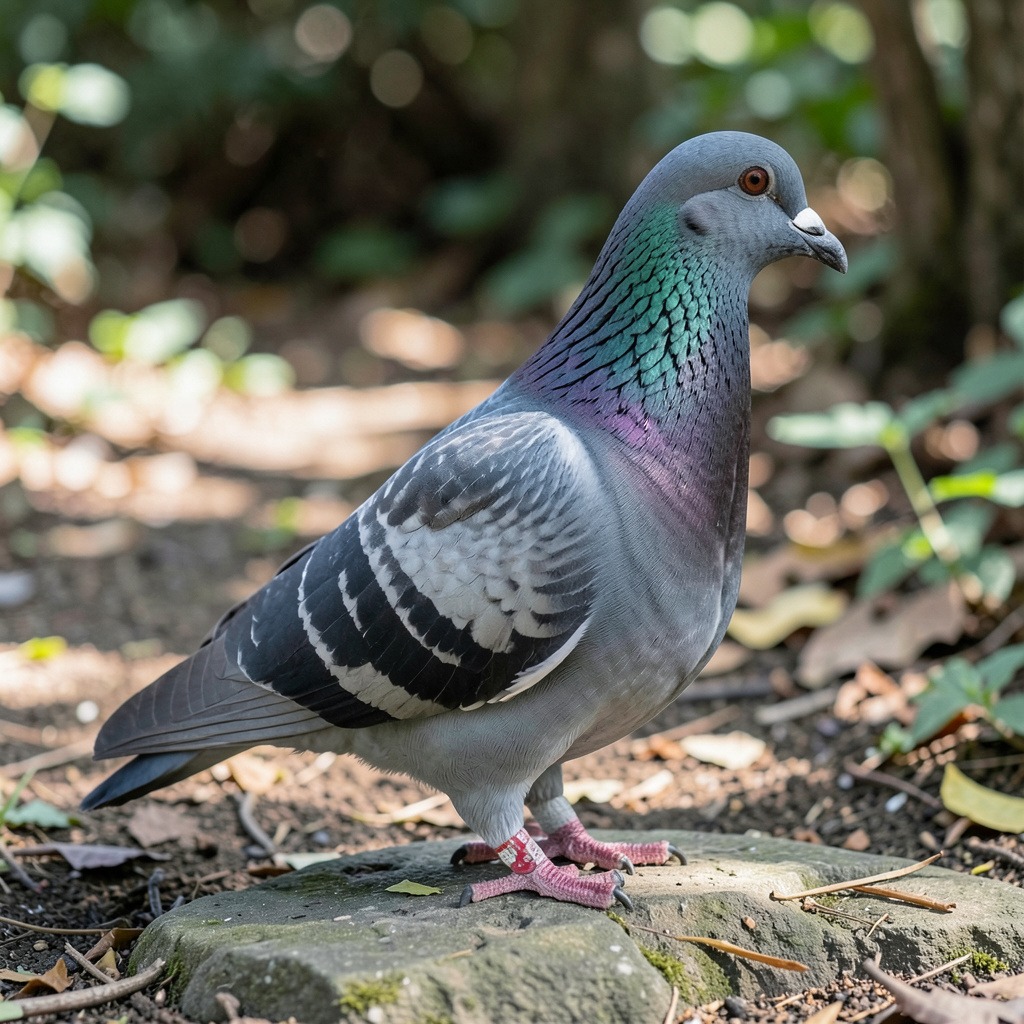
B.F. Skinner’s experiments with pigeons provide a compelling insight into the phenomenon of pigeon superstition. By utilizing operant conditioning, Skinner demonstrated how animals can develop seemingly irrational behaviors based on random reinforcement.
Setup of the Experiment
Skinner’s experiment involved placing hungry pigeons in a controlled environment. The setup included:
- Cage: A specially designed enclosure that housed multiple pigeons.
- Automatic Food Dispenser: This device released food at regular intervals, independent of the pigeons’ actions.
- Observation Period: The pigeons were observed continuously to identify their behaviors during food delivery.
Skinner aimed to explore how pigeons would respond to the food delivery system, which operated on a schedule rather than contingent on their behavior. The lack of a direct cause-and-effect relationship between actions and rewards was central to his hypothesis on superstition.
Results and Observations
The results from Skinner’s experiment were striking and varied among the pigeons. Key observations included:
- Behavioral Rituals: Each pigeon began to associate certain actions with the arrival of food. Common behaviors included turning in circles, pecking specific corners, or bobbing their heads.
- Diverse Responses: One pigeon developed a unique “tossing” behavior, while others exhibited pendulum-like motions. This variety illustrated that the same reinforcement schedule could lead to distinct superstitious behaviors.
- Persistence of Actions: Despite the random nature of food delivery, the pigeons continued performing their rituals. This behavior mimicked human superstitions, where individuals persist in rituals despite no logical connection to outcomes.
Skinner interpreted these behaviors as evidence of what he termed “adventitious reinforcement.” The pigeons believed their actions influenced food delivery, leading to a cycle of repeated, unnecessary behaviors. This phenomenon sheds light on broader psychological principles, suggesting that humans may similarly develop superstitious beliefs based on coincidental experiences.
Anecdotes from the Experiment
Some lesser-known anecdotes from the experiment further illustrate the diversity of pigeon behaviors:
- Individual Variance: While some pigeons formed elaborate rituals, others displayed minimal or erratic responses, suggesting a range of sensitivity to reinforcement schedules.
- Experiment Evolution: Skinner originally aimed to demonstrate the power of operant conditioning, but the emergence of superstition shifted the focus of his work and generated significant interest in both animal and human psychology.
Through these observations, Skinner’s experiment not only highlighted the mechanics of pigeon superstition but also provided a foundational understanding of similar behaviors in humans. The implications extend beyond the laboratory, influencing fields such as behavioral therapy and psychology.
Comparing Pigeon and Human Superstitions
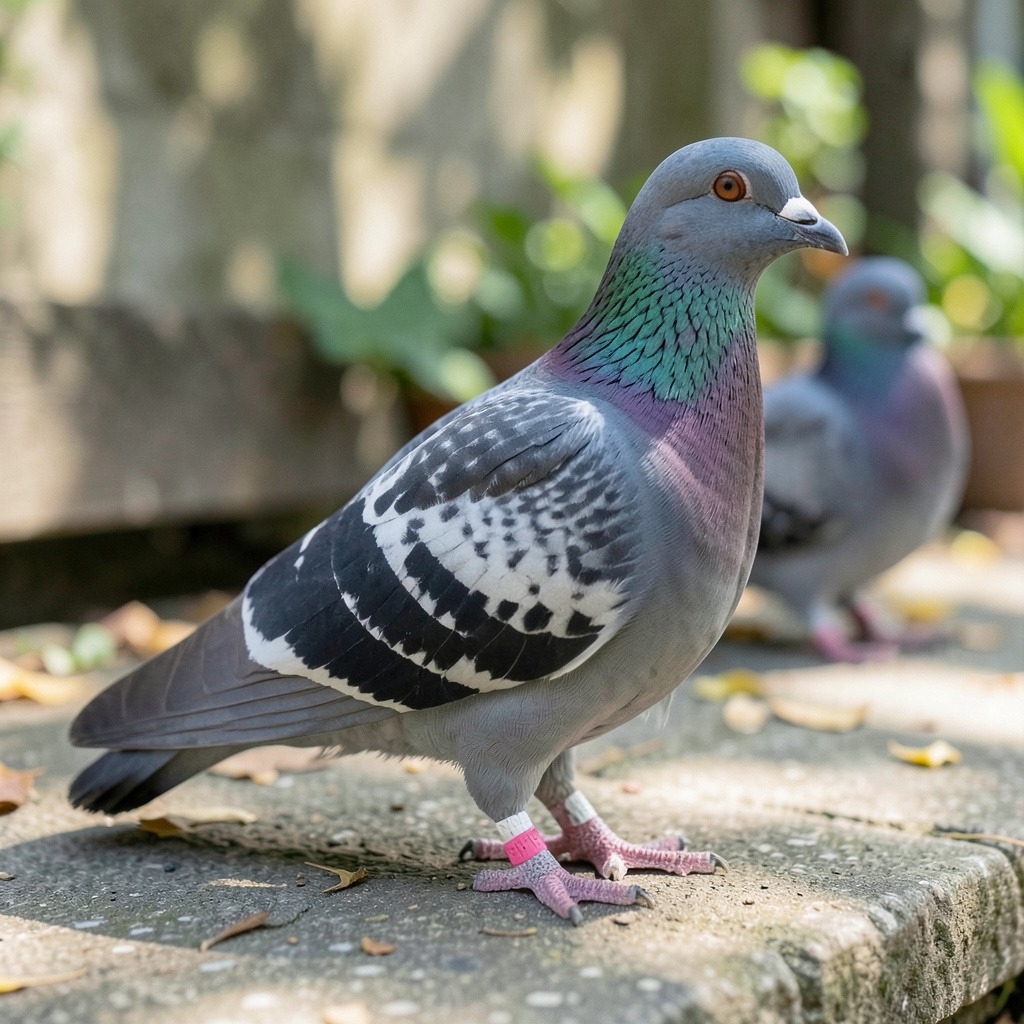
Both pigeons and humans exhibit superstitious behaviors, shaped by their environments and experiences. This section explores the similarities and differences between these behaviors, highlighting insights from B.F. Skinner’s experiments.
Similarities in Behavior
Pigeons and humans develop superstitions through similar psychological mechanisms. Both species create associations between actions and outcomes, even when no causal link exists.
- Ritualistic Actions: Pigeons perform specific behaviors, such as turning or bobbing their heads, believing these actions influence food delivery. Similarly, humans engage in rituals, like wearing lucky clothing during games, convinced these actions will improve outcomes.
- Reinforcement Schedule: Both species respond to intermittent reinforcement. Pigeons, for instance, receive food at random intervals, leading them to repeat behaviors they associate with feeding. Humans also tend to maintain superstitions when they occasionally yield positive results, like finding a penny or making a wish on a star.
Cultural Insights
Cultural context shapes superstitions in humans, but pigeons’ behaviors are primarily driven by conditioning.
- Cultural Variability: Human superstitions vary widely across cultures. For example, some cultures avoid black cats, while others consider them good luck. Pigeon superstition, however, remains consistent across individuals, as it stems from similar behavioral conditioning experiences.
- Implications for Psychology: Understanding pigeon superstition can illuminate human behavior. By studying how pigeons form beliefs based on reinforcement, psychologists can better understand the development of human rituals and superstitions.
Both pigeon and human superstitions reveal underlying psychological principles, emphasizing the role of conditioned responses in shaping behavior. This comparison underscores the broader implications of Skinner’s work, suggesting that the roots of superstitious behavior may be more universal than previously thought.
Cultural Significance of Pigeons and Their Behaviors
Pigeons have woven themselves into the fabric of various cultures throughout history. Their behaviors, particularly those that reflect superstition, reveal much about how societies interpret animal actions.
Pigeons in Mythology and Folklore
In many cultures, pigeons symbolize peace, love, and fidelity. They often appear in mythology and folklore, where they carry significant meanings. For instance:
- Ancient Rome: Pigeons were associated with Venus, the goddess of love. Their gentle nature made them symbols of romantic fidelity.
- Middle Eastern Cultures: Pigeons are often seen as messengers. Their ability to return home has led to beliefs in their prophetic powers.
- Asian Traditions: In various Asian cultures, pigeons are regarded as symbols of good fortune. They are often released at weddings to bring blessings.
These examples illustrate how pigeons have been revered and interpreted through cultural lenses, impacting human beliefs and behaviors.
Modern Interpretations
Today, the perception of pigeons has evolved. While some still view them through a superstitious lens, others recognize their role in urban ecosystems. Contemporary interpretations include:
- Urban Symbolism: Pigeons are often seen as resilient survivors. Their ability to thrive in cities can symbolize adaptability and perseverance.
- Behavioral Studies: Modern psychology examines pigeon behaviors, including superstitions, to draw parallels with human rituals. This analysis provides insight into how environmental factors shape beliefs.
The juxtaposition of ancient symbols and modern understanding highlights the ongoing relevance of pigeons in human culture.
Superstitious Behaviors in Pigeons
Pigeons display behaviors that can be interpreted as superstitious. For example:
- Food Rituals: In Skinner’s experiments, pigeons developed rituals they believed would influence food delivery. These behaviors often persisted despite the lack of real impact.
- Response Patterns: Similar to human superstitions, pigeons may repeat actions that previously coincided with food reinforcement, even if the actions are unrelated.
These behaviors underscore the psychological mechanisms behind superstition, connecting pigeon actions to human beliefs and rituals. Understanding these parallels can deepen our insights into the nature of superstitious behavior across species.
Implications of Pigeon Superstition in Psychology
Pigeon superstition provides valuable insights into the mechanisms of behaviorism and the formation of beliefs. Understanding this phenomenon can inform therapeutic practices and improve our grasp of human psychology.
Lessons for Behavioral Therapy
B.F. Skinner’s experiments highlight how behaviors can be reinforced through operant conditioning. This principle extends beyond pigeons, offering lessons for behavioral therapy in humans. Therapists can leverage similar mechanisms to address maladaptive behaviors.
- Reinforcement Strategies: Just as pigeons repeat actions linked to food delivery, humans may cling to certain behaviors expecting positive outcomes. Identifying these patterns allows therapists to modify responses effectively.
- Behavioral Conditioning: Techniques derived from Skinner’s work can help in shaping behaviors. For example, rewarding positive behaviors can diminish negative ones.
Understanding Human Behavior
The parallels between pigeon superstition and human beliefs underscore a broader psychological truth. Both species exhibit behaviors driven by perceived causality, even when none exists.
- Superstitious Rituals: Humans engage in rituals with no logical connection to outcomes, similar to pigeons. For instance, a student might wear a lucky shirt during exams, believing it influences their performance.
- Behavioral Insights: Recognizing these patterns in both animals and humans can enhance our understanding of motivation and decision-making.
Real-Life Applications
Understanding pigeon superstition and its psychological implications has practical applications in various fields, such as education and therapy.
- Education: Teachers can utilize reward systems that reinforce desired behaviors, mirroring Skinner’s findings.
- Therapeutic Practices: Behavioral therapies can integrate techniques that disrupt harmful superstitions, helping individuals break free from irrational beliefs.
By analyzing pigeon superstition, psychologists can draw connections that inform modern practices and deepen our understanding of behavior across species.
Frequently Asked Questions
These quick answers cover the most common questions about this topic, including key details, practical tips, and common concerns.
What is pigeon superstition?
Pigeon superstition refers to the irrational behaviors that pigeons develop, mistakenly believing their actions influence food delivery. This phenomenon was famously studied by B.F. Skinner, who observed how pigeons associated certain behaviors with receiving food, even when there was no real connection.
What does a pigeon signify spiritually?
Spiritually, pigeons often symbolize peace, love, and fidelity across various cultures. They are seen as messengers and are associated with positive attributes, such as hope and renewal, reflecting their gentle nature and ability to thrive in diverse environments.
What is a sad fact about pigeons?
A sad fact about pigeons is that they are often misunderstood and viewed as pests in urban settings. Despite their intelligence and adaptability, they face threats from habitat loss, pollution, and human persecution, which can lead to declining populations in certain areas.
What does it mean when a pigeon comes to visit?
When a pigeon visits, it can be interpreted as a sign of good luck or a message from a loved one, depending on cultural beliefs. Many people see it as a positive omen, representing peace and comfort, or even a reminder to stay grounded and connected to nature.
How do pigeons develop superstitious behaviors?
Pigeons develop superstitious behaviors through operant conditioning. When food is delivered at random intervals, they begin to associate specific actions—like turning or bobbing their heads—with receiving food, even if those actions do not influence the outcome.
Can humans develop superstitious behaviors similar to pigeons?
Yes, humans can develop superstitious behaviors similar to pigeons. Just like pigeons repeat actions they believe influence outcomes, humans often engage in rituals or carry lucky charms based on coincidental successes, despite lacking a logical connection.
What are some examples of superstitious behavior in animals?
Other animals, such as dogs and rats, exhibit superstitious behaviors as well. For example, dogs may bark or perform tricks before receiving treats, believing their actions influence their rewards. These behaviors highlight the broader psychological mechanisms of reinforcement and belief across species.