
Owl superstitions often depict these nocturnal birds as omens of both good and bad luck, depending on cultural beliefs.
Owls have long captivated human imagination, embodying a complex blend of superstition and symbolism across cultures. This guide explores 11 intriguing owl superstitions, revealing how different societies interpret these enigmatic creatures as either omens of good fortune or bad luck.
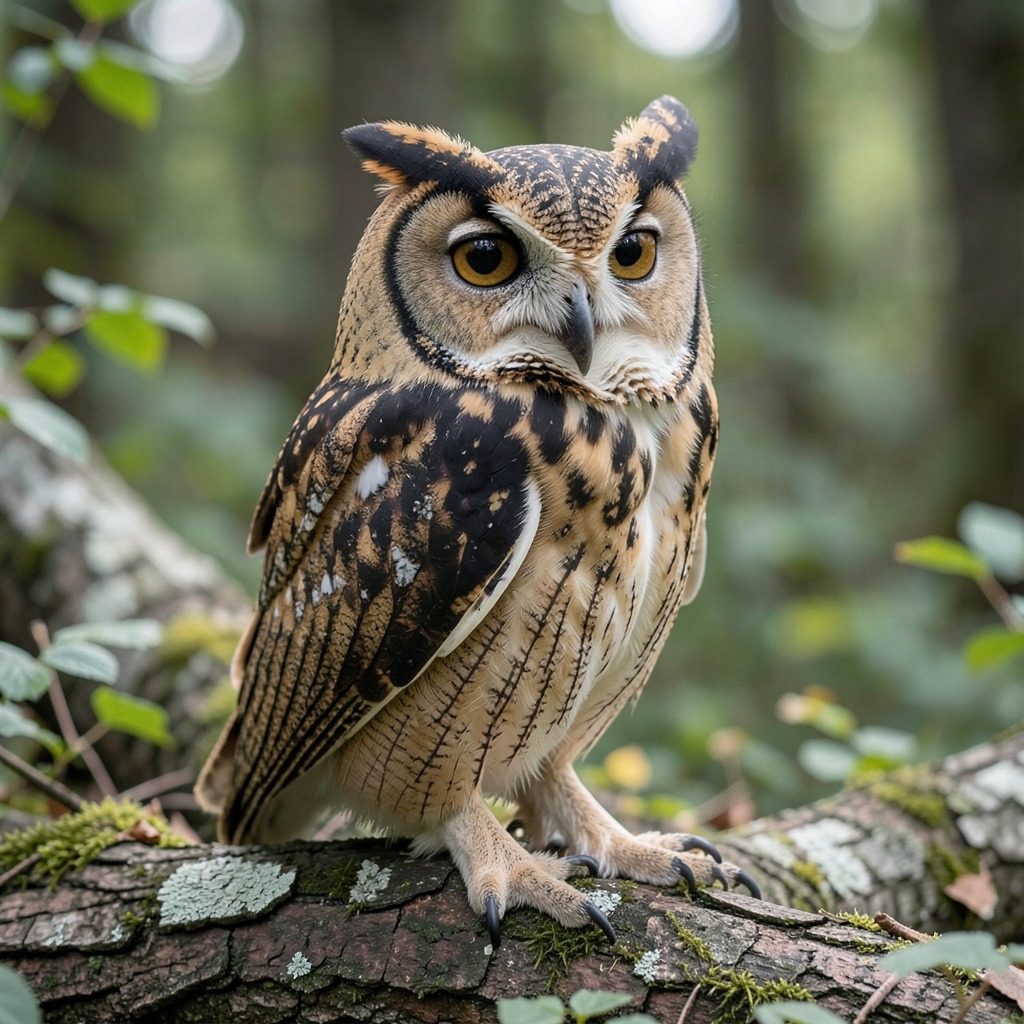
Understanding Owl Superstitions: An Overview
Owl superstitions are deeply ingrained in many cultures, representing a blend of fear, reverence, and fascination. These nocturnal birds are often viewed through the lens of folklore, embodying both good and bad omens.
What Are Owl Superstitions?
Owl superstitions refer to the beliefs and interpretations surrounding owls across various cultures. These beliefs often define owls as messengers or symbols, reflecting cultural attitudes towards life and death.
Good vs. Bad Omens
The symbolism of owls varies widely:
- Good Omens: In some cultures, an owl sighting is considered a sign of wisdom or good fortune. For instance, in parts of Asia, owls are revered as symbols of prosperity.
- Bad Omens: Conversely, many cultures associate owls with death or misfortune. In Navajo traditions, for example, owls are seen as harbingers of death.
Historical Context of Owl Symbolism
Owls have held significant places in historical narratives and mythologies.
- Ancient Greece: The owl was sacred to Athena, the goddess of wisdom, symbolizing knowledge and vigilance.
- Indigenous Beliefs: Many Native American tribes viewed owls as protectors or messengers from the spirit world, often warning of impending danger.
Modern Interpretations of Owl Superstitions
Today, owl superstitions persist, often evolving with contemporary interpretations. In popular culture, owls represent not only wisdom but also curiosity and mystery. They appear in literature, art, and even as educational themes.
Table of Contents
- Psychological Aspects: The fear of owls in some cultures may stem from their nocturnal habits and eerie appearances. This evokes a natural human tendency to find meaning in the mysterious.
Lesser-Known Owl Superstitions
Many cultures have unique beliefs about owls that are less commonly known:
- South Africa: An owl landing on a roof may signify the death of someone close.
- India: Owl feathers are sometimes used in rituals for prosperity, while harming an owl is believed to bring bad karma.
Owls continue to inspire a mix of awe and fear, highlighting our complex relationship with these enigmatic creatures. For those intrigued by owls, consider exploring Owl-themed decor or educational books about owls to deepen your understanding of their symbolism.
1. European Folklore: Death Omens and Wisdom
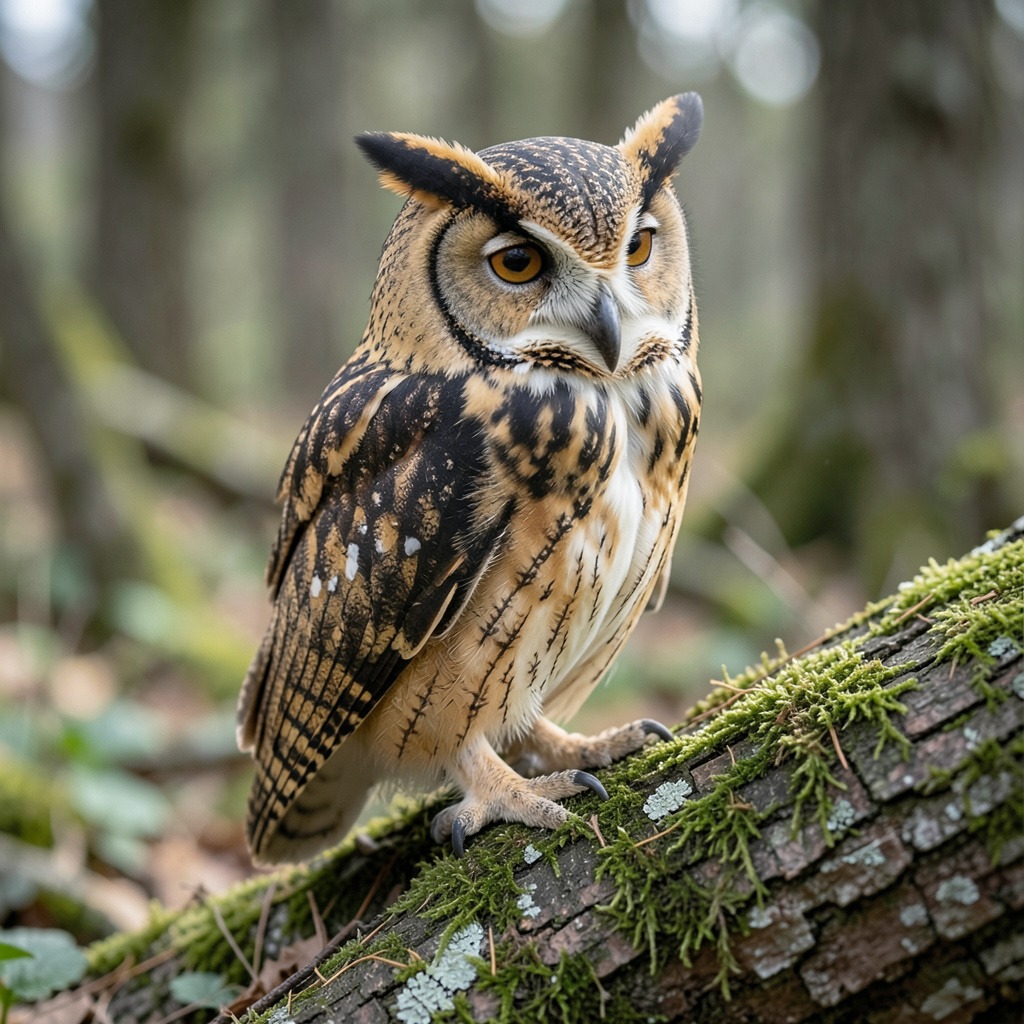
In European folklore, owls are often seen as complex symbols embodying both death and wisdom. Their nocturnal nature and eerie calls have fueled superstitions that vary significantly across cultures.
The Owl in Shakespeare’s Works
William Shakespeare’s works frequently reference owls, underscoring their role as symbols of death. In “Macbeth,” the screech of an owl coincides with the murder of King Duncan, linking the bird to ominous events. The owl’s presence serves as a harbinger of doom, heightening the play’s themes of treachery and fate.
Other plays, like “Othello,” draw on similar imagery. The owl’s haunting cry is associated with tragedy and foreboding. These literary examples illustrate how deeply ingrained owl symbolism is in the cultural consciousness, portraying them as messengers of dark tidings.
Regional Variations in Beliefs
European cultures interpret owl superstitions in varied ways:
- England: The screech of an owl is believed to predict death within a household. This belief is so entrenched that it has echoed throughout history, influencing local customs and folklore.
- France: In rural traditions, hearing an owl near a sick person’s home is seen as a sign of impending death. This belief highlights the owl’s dual role as both a symbol of wisdom and a foreboding presence.
- Scotland: The owl is revered as a guardian of the spirit world. Some Scots believe that owls can protect the souls of the deceased, offering a more nuanced view of their symbolism.
Comparative Insights
Understanding these beliefs reveals a broader cultural context. While many European traditions associate owls with death, others see them as wise protectors. This dichotomy reflects the owl’s complexity in human mythology.
For those intrigued by these fascinating symbols, exploring Owl-themed decor or educational books about owls can provide deeper insights into their rich symbolism and cultural significance.
2. Native American Beliefs: Guardians and Messengers
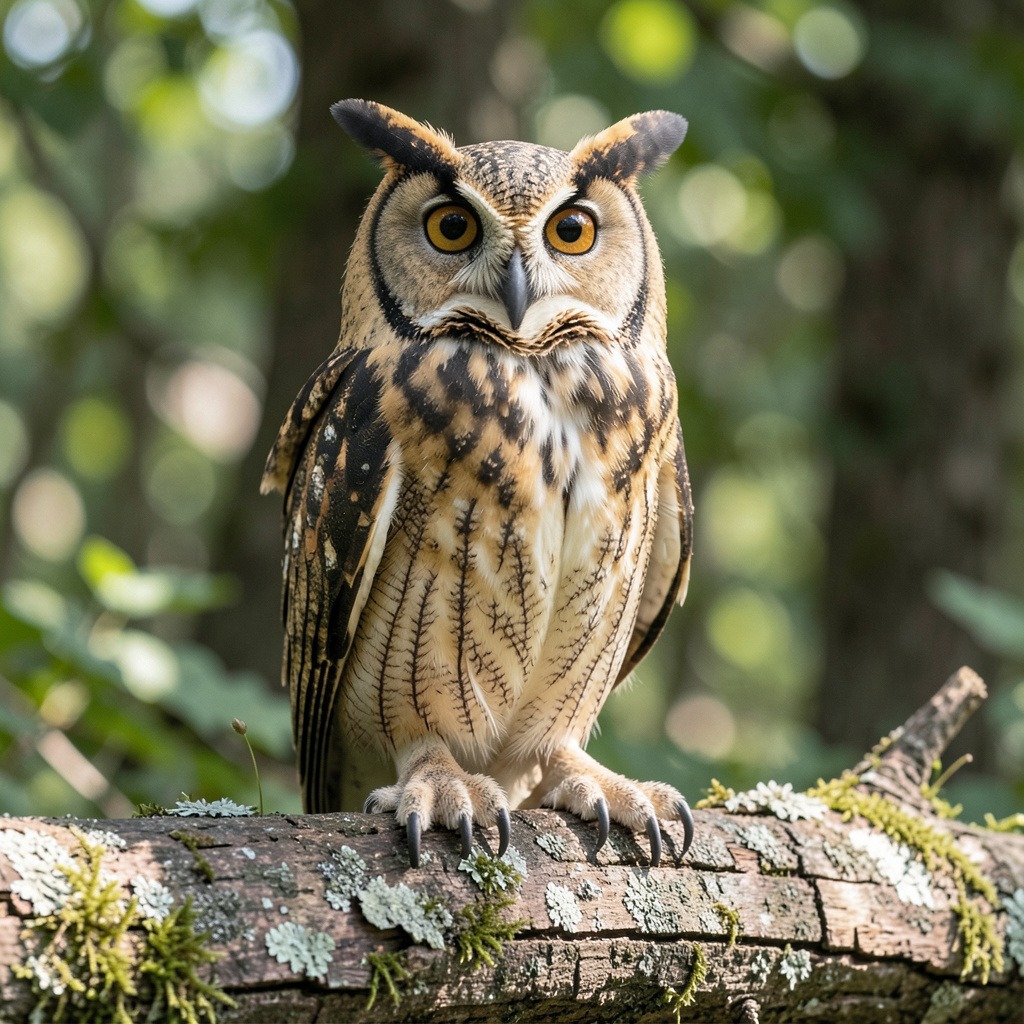
Owls hold a dual role in Native American cultures, serving as both guardians and messengers from the spirit world. These interpretations vary significantly across different tribes, reflecting a rich tapestry of beliefs.
Hopi and the Guardian Owls
In Hopi culture, owls are viewed as protectors. They are believed to guard sacred knowledge and serve as symbols of wisdom. The Hopi regard the Great Horned Owl as especially important. It is often associated with the spirits of ancestors, guiding the living and offering wisdom through dreams and visions.
- Guardianship: Owls are seen as protectors of sacred rituals and ceremonies.
- Symbol of Wisdom: Their nocturnal habits symbolize a deeper understanding of life and death.
Owls as Messengers in Various Tribes
Different tribes interpret the role of owls uniquely, often as messengers between the physical and spiritual realms. For instance, the Cherokee people consider the screech owl a “night forecaster.” Its calls predict weather changes and significant community events, linking the owl’s behavior to both natural and spiritual phenomena.
Other tribes, such as the Lenape, view owls as harbingers of impending weather, interpreting their calls as signs to prepare for cold or storms.
Comparative Overview of Owl Beliefs
| Tribe | Role of Owls | Symbolism |
|---|---|---|
| Hopi | Guardians of knowledge | Wisdom and protection |
| Cherokee | Messengers of weather | Forecasters of change |
| Lenape | Omens of weather | Natural and spiritual signs |
These varied interpretations showcase the complexity of owl symbolism in Native American cultures. They embody a blend of practical observation and spiritual belief, illustrating a deep connection to nature.
Anecdotes from tribal narratives often recount encounters with owls that led to significant events or realizations. For example, a Hopi elder might share a story of an owl appearing during a pivotal ceremony, reinforcing its role as a guardian. Such narratives highlight how deeply embedded these beliefs are within the cultural identity of Native American communities.
For those interested in the rich symbolism of owls, exploring Owl-themed decor or educational books about owls can provide valuable insights into their significance across cultures.
3. Asian Perspectives: Luck and Protection
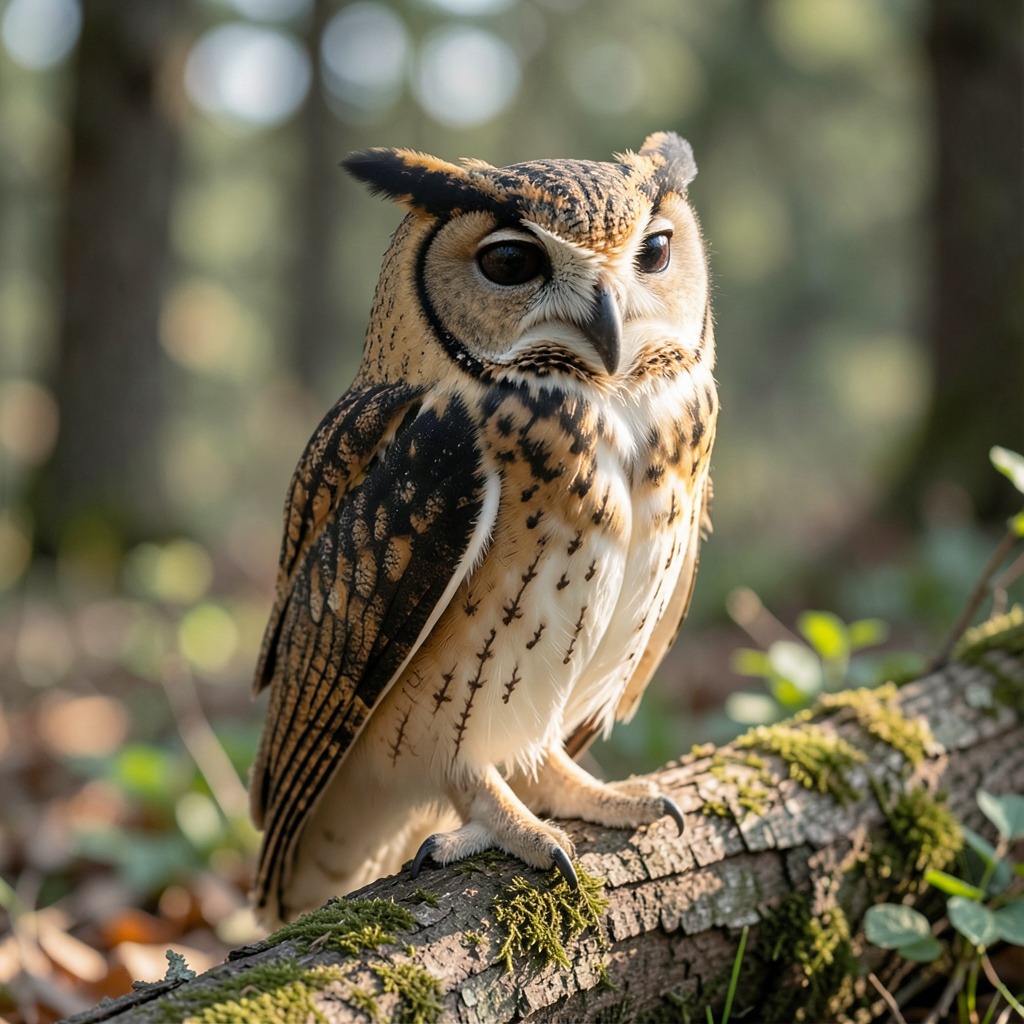
Owls hold a unique place in Asian cultures, often symbolizing luck and protection. Their nocturnal nature and distinctive features contribute to diverse interpretations, ranging from positive omens to spiritual guardians.
Japanese Owl Symbolism
In Japan, the owl, known as “fukurō,” embodies good fortune and protection from hardship. The word “fukurō” can be interpreted as “no hardship,” reinforcing its positive connotations.
- Cultural Artifacts:
- Owl charms are popular gifts for students before exams, symbolizing success and wisdom.
- Figurines of owls are often displayed in homes and businesses to attract luck and ward off misfortune.
Owls in Shinto beliefs are seen as potential vessels for human souls. This connection reflects a belief that owls can guide souls in their journey, further enhancing their role as protective spirits.
Chinese Folklore and Luck
Chinese culture also associates owls with good fortune, although interpretations vary. In some regions, owls are viewed as guardians that bring wealth and prosperity.
- Symbolic Meanings:
- Owls are often linked to the concept of wisdom, similar to Western beliefs.
- They are sometimes considered protectors against evil spirits and misfortune.
In folklore, an owl’s call is thought to be a warning, urging individuals to pay attention to their surroundings. This duality highlights the complex relationship with owls, reflecting both their protective and cautionary roles.
Key Takeaways
- Owls are viewed positively in Japanese culture, symbolizing luck and protection through gifts and charms.
- In China, owls represent wisdom and serve as guardians, though interpretations can vary by region.
- The duality of owl symbolism in Asia emphasizes their significance as both protectors and messengers, illustrating the rich tapestry of beliefs surrounding these enigmatic creatures.
4. African Superstitions: Portents of Death
In many African cultures, owls are often seen as harbingers of bad omens and impending death. These beliefs illustrate a deep-rooted connection between owls and the spiritual world.
The Role of Owls in African Folklore
Owls occupy a unique position in African folklore. They are frequently associated with death and misfortune. For instance, in several communities, the sighting of an owl at night is interpreted as a sign that someone nearby will soon pass away. This superstition is prevalent in regions where traditional beliefs still hold sway.
- Cultural Variations:
- In parts of West Africa, it is believed that if an owl hoots near a dwelling, it signals the imminent death of a family member.
- In some East African cultures, an owl’s appearance is linked to witchcraft. It is thought that witches may transform into owls to carry out their nefarious deeds.
These beliefs highlight a cultural tendency to view the owl as a messenger from the spirit world, often delivering unsettling news.
Practices to Ward Off Bad Omens
Communities often engage in specific practices to counteract the negative omens associated with owls. These rituals are designed to protect individuals and families from the perceived dangers linked to owl sightings.
- Preventative Measures:
- Ritual Cleansing: Families may conduct cleansing ceremonies to rid their homes of any bad luck brought by an owl’s presence.
- Protective Charms: In some cultures, individuals carry charms or talismans believed to ward off the ill effects of owl encounters.
- Avoidance Strategies: People may refrain from traveling or making important decisions shortly after seeing an owl, reflecting their belief in its ominous warnings.
These practices reveal the psychological impact of owl superstitions, encapsulating a community’s collective fear and respect for these nocturnal birds.
Local Anecdotes and Consequences
Personal stories often reinforce these superstitions within communities. For example, a woman in a rural village reported seeing an owl perched outside her window just days before her neighbor passed away. This incident not only heightened her fear of owls but also spread through the community, further entrenching the belief that owls signal death.
Such anecdotes serve as cautionary tales, illustrating how deeply ingrained owl superstitions are in the fabric of African culture. They not only shape individual behaviors but also influence wider community practices regarding death and the supernatural.
5. Owl Symbolism: From Wisdom to Transformation
Owls hold a unique position in various cultures, symbolizing wisdom, transformation, and guardianship. Their nocturnal nature and distinctive features contribute to their rich tapestry of meanings across the globe.
How Do Owls Represent Wisdom?
Owls are often linked to wisdom due to their keen senses and ability to navigate the night. This association dates back to ancient civilizations.
- Ancient Greece: The owl was sacred to Athena, the goddess of wisdom. It symbolized knowledge and was seen as a protector during times of war.
- Native American Cultures: Many tribes regard owls as messengers of wisdom, often believed to impart knowledge about life and death.
The Connection Between Owls and Transformation
Owls also embody transformation in various myths and folklore. Their nocturnal habits make them symbols of change and transition.
- Celtic Beliefs: In Celtic folklore, owls are seen as guides for souls transitioning to the afterlife, representing both death and rebirth.
- African Traditions: Some African cultures view owls as harbingers of change, indicating significant life events or transformations approaching.
Comparative Table of Owl Symbolism Across Cultures
| Culture | Symbolism | Key Examples |
|---|---|---|
| Ancient Greece | Wisdom | Sacred to Athena, seen as a protective force |
| Native American | Knowledge and guidance | Messengers in life and death |
| Celtic | Transformation and rebirth | Guides for the deceased |
| African | Change and life events | Indicators of significant transformations |
| South African | Death omen | Landing on a roof signifies impending loss |
This table illustrates the diverse meanings attributed to owls, emphasizing their role as symbols of wisdom and transformation across cultures. The interplay between these concepts highlights the significance of owls in human storytelling and belief systems.
Owls also serve as guardians in many traditions, reinforcing their multifaceted symbolism. Their presence evokes a sense of mystery and reverence, reminding us of the deeper connections between life, death, and the wisdom that guides us through transitions.
6. Understanding Good vs. Bad Omens
Owls evoke a fascinating dichotomy of beliefs across cultures—symbolizing both good and bad omens. The interpretation often hinges on cultural context and personal experiences.
Good Omens Associated with Owls
In many cultures, owls signify good fortune and wisdom. Here are some common beliefs:
- Guidance and Knowledge: In ancient Greece, the owl was sacred to Athena, the goddess of wisdom. Seeing an owl was often interpreted as receiving guidance.
- Protection: In some Native American tribes, owls are seen as protectors, signaling the presence of good spirits.
- Positive Life Changes: In various Asian cultures, an owl sighting can indicate upcoming prosperity or positive transformations.
Bad Omens Associated with Owls
Conversely, owls also carry ominous meanings in several traditions:
- Harbingers of Death: In Navajo culture, owls are often viewed as messengers of death, signaling impending loss when sighted.
- Witchcraft Associations: In medieval Europe, an owl near a home could imply witchcraft or dark magic.
- Ill Omens During the Day: Many cultures consider daytime owl sightings particularly unlucky, suggesting urgent warnings.
Decision Framework for Interpreting Owl Sightings
When encountering an owl, consider these factors to interpret the omen:
1. Cultural Background: Reflect on your cultural beliefs regarding owls. Are they seen as protectors or harbingers?
2. Context of the Sighting: Where and when did you see the owl? A nighttime sighting may differ in significance from a daytime encounter.
3. Personal Circumstances: Assess your current life situation. Does the owl appear during a period of change, uncertainty, or clarity?
By applying this framework, you can gain insights into the potential meanings behind your owl sighting.
7. Modern Interpretations of Owl Superstitions
Contemporary society views owls through a lens shaped by both ancient beliefs and modern cultural references. While some traditional superstitions persist, many have evolved or transformed in meaning.
Owls in Literature and Movies
Owls have a prominent role in literature and film, often embodying wisdom and mystery. For example:
- Harry Potter Series: Owls serve as messengers, with Hedwig symbolizing loyalty and companionship.
- Winnie the Pooh: Owl represents knowledge, often dispensing advice to friends in the Hundred Acre Wood.
These portrayals reinforce the idea of owls as wise creatures, yet they also introduce a whimsical element, contrasting with older superstitions that associate owls with death or misfortune.
Contemporary Symbolism
In modern contexts, owls symbolize various concepts depending on cultural interpretation. Here are some prevalent themes:
- Wisdom and Knowledge: Many still view owls as symbols of intelligence, a belief rooted in ancient Greece.
- Mystery and the Unknown: Their nocturnal nature continues to evoke curiosity and intrigue, representing the unknown aspects of life.
- Environmental Indicators: In some communities, owls are seen as indicators of ecological health, reflecting the interconnectedness of nature and human activity.
Psychological Aspects of Owl Symbolism
People’s perceptions of owls can also be influenced by personal experiences and psychological factors. For instance, an individual encountering an owl during a significant life event may interpret it as a sign of change or transition. This subjective interpretation highlights how modern beliefs about owls can differ widely, even within the same cultural context.
Checklist for Interpreting Owl Encounters
When interpreting owl sightings today, consider the following factors:
1. Cultural Context: What do owls symbolize in your cultural background?
2. Personal Significance: Does the owl’s appearance resonate with your current life experiences?
3. Media Influence: How have recent portrayals in media shaped your beliefs about owls?
By evaluating these elements, individuals can derive personalized meanings from their encounters, bridging the traditional and modern interpretations of owl superstitions.
8. The Psychological Aspects of Owl Symbolism
The relationship between humans and owls often intertwines fear and reverence. This duality stems from their nocturnal nature and unique behaviors, which can evoke both fascination and anxiety.
Why Do People Fear Owls?
1. Nocturnal Behavior: Owls are primarily active at night, which aligns them with the unknown and the supernatural. Their silent flight and unexpected presence can trigger primal fears.
2. Cultural Associations: Many cultures associate owls with death or misfortune. For instance, in some Native American traditions, hearing an owl’s call can signal an impending loss. Such beliefs can reinforce the fear surrounding these birds.
3. Physical Appearance: The large eyes and unique facial features of owls can evoke a sense of eeriness. This physicality often leads to a perception of them as otherworldly beings.
Why Do People Reverence Owls?
1. Symbols of Wisdom: Across various cultures, owls symbolize knowledge and wisdom. Ancient Greeks revered the owl as a companion of Athena, the goddess of wisdom. This association fosters respect and admiration.
2. Spiritual Messengers: In many traditions, owls are seen as guardians or spiritual guides. For example, in Mongolian folklore, an owl’s call is viewed as a positive omen, signaling new beginnings.
3. Unique Abilities: Owls possess remarkable traits, such as exceptional night vision and silent flight. These abilities contribute to their mystique, often leading people to view them as creatures that bridge the gap between the physical and spiritual worlds.
Balancing Fear and Reverence: A Personal Perspective
When encountering an owl, individuals may experience a mix of emotions. To navigate these feelings, consider the following factors:
- Personal Context: Reflect on what an owl sighting means to you personally. Does it resonate positively or negatively based on your experiences?
- Cultural Background: Awareness of your cultural beliefs can shape your interpretation of the encounter. For instance, if your culture views owls as bad omens, you may instinctively feel apprehensive.
- Media Influence: Modern portrayals of owls in movies and literature can skew perceptions. Analyze how these narratives affect your feelings toward owls.
By understanding the psychological aspects of owl symbolism, individuals can appreciate the complexity of their encounters with these enigmatic birds.
9. Lesser-Known Owl Superstitions from Around the World
Owls have inspired a variety of superstitions that vary significantly across cultures. Many of these beliefs are lesser-known but reveal unique interpretations of these enigmatic birds. Here are some intriguing examples.
Cultural Insights on Owl Beliefs
- North American Indigenous Cultures: Among certain Native American tribes, owls are viewed as protectors against evil spirits. It is believed that placing an owl feather under a child’s pillow can ward off nightmares and malevolent forces.
- Filipino Folklore: In the Philippines, a common superstition suggests that if an owl calls near a home, it signifies that a family member will soon face illness or misfortune. This belief emphasizes the owl’s role as a harbinger of bad news.
- Japanese Traditions: In Japan, the owl is seen as a symbol of good fortune. The word for owl, “fukuro,” sounds similar to the word for luck, “fukuro.” As a result, many people keep owl figurines in their homes to attract prosperity.
Surprising Omens Associated with Owl Sightings
- Latin American Beliefs: In some Latin American cultures, an owl hooting during the day is interpreted as an omen of death. The sound is thought to signal that someone nearby is about to pass away.
- South African Superstitions: In South Africa, if an owl lands on your roof, it is believed to foretell the death of someone close to you. This superstition underscores the owl’s association with mortality.
- Celtic Weather Predictions: In Celtic traditions, owls are seen as weather predictors. A hooting owl during clear skies may indicate an approaching storm, while calls during foul weather suggest imminent improvement.
Modern Interpretations of Ancient Beliefs
- Psychological Aspects: Today, many people interpret owl sightings through a psychological lens. They may view these encounters as moments for reflection or introspection, regardless of cultural beliefs about omens.
- Influence of Media: Current portrayals of owls in films and literature often romanticize or demonize these birds, shaping modern attitudes. For instance, owls depicted as wise mentors can counteract traditional fears associated with their nocturnal nature.
These lesser-known superstitions highlight the diverse interpretations of owls across cultures. Understanding these beliefs can enrich our appreciation of the owl’s symbolic significance and its profound impact on human imagination.
10. The Impact of Owl Sightings on Personal Beliefs
Personal encounters with owls often shape individual beliefs surrounding superstition. These experiences can evoke strong emotional responses, influencing how people interpret the symbolism of owls in their lives.
How Do Personal Experiences Shape Beliefs?
When individuals have an owl sighting, they may perceive it as a significant event. This perception can stem from cultural teachings or personal backgrounds. For instance:
- Cultural Influence: Someone raised in a culture that views owls as harbingers of wisdom may interpret an encounter as a sign to seek knowledge or guidance.
- Personal Reflection: An owl sighting during a challenging life period might be seen as a message of change or transformation.
Emotional Responses to Owl Encounters
Emotions play a crucial role in how people perceive owls. Common sentiments include:
- Fear: Some may feel apprehensive due to traditional associations with death or the supernatural.
- Reverence: Others might feel awe, viewing the owl as a mystical creature or a protector.
- Curiosity: A sighting can spark interest in the symbolism and folklore surrounding owls, leading to deeper exploration of these beliefs.
Examples of Owl Sightings Influencing Beliefs
Consider these scenarios that illustrate the impact of owl encounters on personal beliefs:
1. A Lucky Charm: A person who sees an owl before a job interview may adopt the belief that it brings good luck, boosting their confidence.
2. A Warning Sign: Conversely, spotting an owl at night may lead someone to reflect on their life choices, interpreting it as a cautionary sign.
Engaging with Community Experiences
Sharing personal stories about owl sightings can enhance understanding and foster a sense of community. Here are ways to engage:
- Discuss in Forums: Join online groups to share and hear stories about owl encounters and their meanings.
- Reflect in Journals: Keep a journal of owl sightings and personal reflections to track evolving beliefs and interpretations.
By recognizing the interplay between personal experiences and cultural beliefs, individuals can find unique meanings in their encounters with these enigmatic birds.
11. Conclusion: Embracing the Mystery of Owls
Owl superstitions offer a fascinating glimpse into human culture and belief systems. These enigmatic birds, revered and feared alike, serve as symbols of wisdom, death, and transformation across the globe.
Cultural Significance of Owls
Owls occupy a unique position in various cultural contexts. They embody dual meanings—representing both good and bad omens.
- Wisdom and Knowledge: In many cultures, owls symbolize insight and understanding. Their nocturnal nature and silent flight contribute to their association with wisdom.
- Death and Transformation: Conversely, owls are often seen as harbingers of death or misfortune. In South Africa, for example, an owl landing on a roof may signify an impending loss.
Modern Interpretations
Today, people continue to engage with these ancient beliefs. The rise of social media allows for sharing personal experiences with owls, bridging traditional superstitions and modern interpretations.
- Personal Anecdotes: Many individuals report feelings of comfort or caution when encountering an owl. These encounters can be reflective of personal beliefs and experiences.
- Psychological Aspects: Some may fear owls due to their associations with the unknown, while others find solace in their presence, viewing them as protective spirits.
Reflect on Your Own Beliefs
Engaging with owl superstitions invites personal reflection. Consider how these beliefs resonate with your own experiences.
- Have you ever felt a connection to an owl sighting?
- What meanings do you attach to these encounters?
Exploring these questions can deepen your understanding of owls and their significance in your life. Embrace the mystery and consider how these ancient beliefs may still hold relevance today.
Frequently Asked Questions
These quick answers cover the most common questions about this topic, including key details, practical tips, and common concerns.
When an owl visits your house, what does it mean?
An owl visiting your house can carry different meanings depending on cultural beliefs. In some traditions, it is seen as a sign of wisdom or good fortune. Conversely, in many cultures, it may be interpreted as a warning of impending death or misfortune. The context of the sighting—such as the time of day and the owl’s behavior—can also influence its significance.
Are owls a warning?
Yes, in several cultures, owls are considered warnings. For example, in Navajo tradition, hearing an owl’s call may signal danger or the presence of death. Similarly, in parts of Africa, an owl hooting near a home is often viewed as a portent of bad news or illness.
Is an owl good or bad in a home?
The perception of owls as good or bad in a home varies widely. In some cultures, owls are regarded as protectors and symbols of wisdom, bringing positive energy. However, in other traditions, they are seen as omens of death or misfortune, suggesting that their presence may bring bad luck. Your cultural background and personal beliefs play a crucial role in this interpretation.
Does an owl attract money?
In certain cultures, owls are believed to attract prosperity and good fortune. For instance, in Japan, owl figurines are often kept in homes and businesses to invite luck and wealth. However, this belief may not be universal, as some cultures associate owls with negative omens, which could deter financial success.
Owls: Are They Good or Bad Luck?
Owls embody both good and bad luck depending on cultural context. In many Western traditions, they are often linked to death and misfortune, while in Eastern cultures, they symbolize wisdom and protection. Understanding the cultural background is essential to interpreting whether an owl is a sign of good or bad luck.
Would you like to explore the superstitions of a specific culture or learn about the real-life behaviors that caused people to fear owls?
Exploring specific cultural superstitions can provide deeper insights into owl symbolism. For example, in Native American cultures, owls are seen as messengers from the spirit world, while in European folklore, they are often associated with death. Understanding these beliefs can help clarify why certain behaviors or sightings are interpreted as omens.
Are owls a bad omen or blessing?
Owls can be viewed as both bad omens and blessings based on cultural beliefs. In some cultures, such as among the Navajo, they are seen as harbingers of death. In contrast, other cultures, like those in Japan, regard them as symbols of luck and wisdom. Your interpretation may depend on personal experiences and cultural upbringing.
When are owls seen as good or bad omens?
Owls are often seen as good omens during specific times or contexts, such as when they are associated with wisdom or protection. Conversely, they may be viewed as bad omens when encountered at night or in specific locations, like near a sick person’s home. The timing and setting of the sighting can significantly influence its interpretation.