
Omens and signs are messages from nature or the universe that provide guidance or warnings, often interpreted through cultural beliefs, animal behavior, and natural phenomena.
Understanding omens and signs allows individuals to perceive deeper meanings in their surroundings. These messages can manifest through nature, animals, symbols, and personal experiences, guiding us in our spiritual journeys and daily lives.

Understanding Omens and Signs: Definitions and Concepts
Omens and signs are natural occurrences that convey deeper meanings, often guiding individuals in their spiritual journeys. They manifest through various forms, including animals, nature, and symbols. Understanding these messages enhances awareness and mindfulness.
Defining Omens and Signs
Omens are interpreted as prophetic signs that suggest future events or changes. They can take many forms, including:
- Natural phenomena (e.g., a sudden storm)
- Animal behavior (e.g., a black cat crossing your path)
- Unusual occurrences (e.g., a recurring number)
Signs are broader in scope, encompassing any indication that prompts reflection or action. While all omens are signs, not all signs qualify as omens. Signs may include:
- Intuitive feelings (e.g., a gut instinct)
- Symbolic messages (e.g., a dream about flying)
Cultural Perspectives on Omens
Cultural interpretations of omens vary significantly. In some societies, certain animals or events are revered as sacred messages. For instance:
- In Indigenous cultures, the appearance of a specific bird may signify a message from ancestors.
- In Asian cultures, the number four is often seen as unlucky, representing death.
- In ancient Roman society, augurs interpreted bird flights as omens regarding state decisions.
These interpretations reflect cultural beliefs and the collective consciousness of communities.
The Difference Between Omens and Superstitions
Understanding the distinction between omens and superstitions is crucial. While superstitions are often based on unfounded beliefs (e.g., avoiding walking under ladders), omens are perceived as meaningful messages tied to personal or spiritual experiences.
Here’s a comparison to clarify the difference:
| Aspect | Omens | Superstitions |
|---|---|---|
| Basis | Cultural significance and spiritual insight | Irrational beliefs with no clear basis |
| Interpretation | Contextual and meaningful | Often generalized and anecdotal |
| Examples | A butterfly landing on you signifies change | Breaking a mirror brings seven years of bad luck |
Recognizing this difference allows individuals to engage with omens more authentically, fostering a deeper connection to their experiences and surroundings.
The Role of Animal Omens: Nature’s Messengers
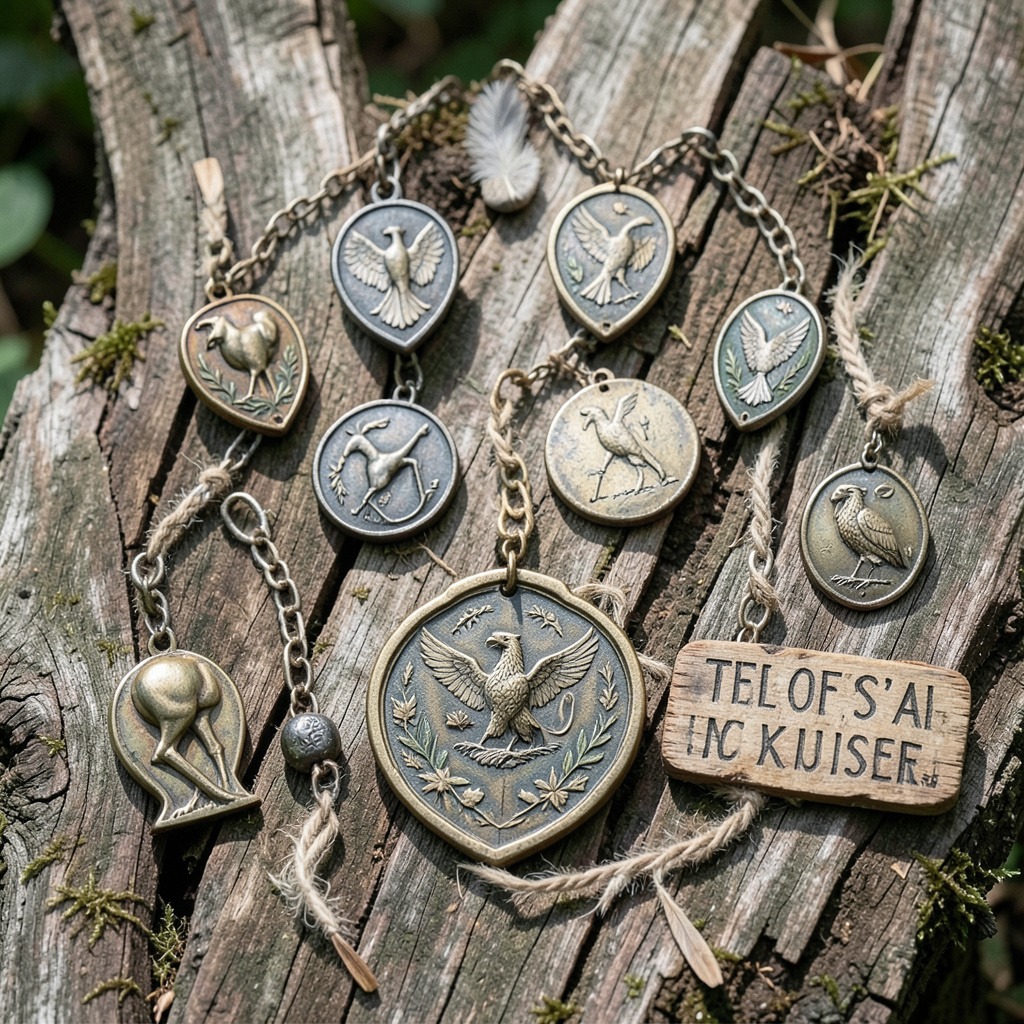
Animal omens serve as powerful symbols, conveying messages from the natural world. Different cultures interpret these signs uniquely, imbuing them with varied meanings and significance.
Common Animal Omens and Their Meanings
Animal encounters can carry profound meanings. Here are several common animals and their associated omens:
- Butterfly: Represents transformation and change. Spotting one often signals a period of personal growth.
- Owl: Symbolizes wisdom and intuition. An owl sighting may suggest that you should trust your instincts.
- Fox: Associated with cleverness and adaptability. Seeing a fox can indicate the need to be resourceful in a current situation.
- Deer: Represents gentleness and peace. An encounter with a deer often encourages reflection on one’s emotional state.
- Raven: Known as a messenger, ravens signify mystery and transformation. They can herald significant changes or revelations.
Cultural Interpretations of Animal Encounters
Cultural beliefs shape how we interpret animal omens. For instance:
- In Native American traditions, animals are often viewed as spiritual guides. The White Buffalo is revered as a symbol of hope and renewal among the Lakota Sioux.
- In Celtic culture, a black cat crossing your path is both an omen of luck and a reminder to trust your intuition.
- In some Asian cultures, certain birds are seen as harbingers of death, while other animals may symbolize prosperity.
These interpretations highlight the importance of context. One animal may carry a positive meaning in one culture while being viewed negatively in another.
How to Recognize Animal Omens in Daily Life
Recognizing animal omens requires mindfulness and awareness. Here are practical tips:
- Pay Attention: Notice animals that appear during significant moments in your life. Their presence may carry a message relevant to your situation.
- Reflect on Emotions: Consider how you feel when encountering an animal. Your emotional state can provide insight into the omen’s meaning.
- Research Symbolism: Familiarize yourself with the symbolism of animals in your culture. This knowledge will deepen your understanding of the signs you encounter.
For example, if you see a hawk while contemplating a major decision, consider what the hawk symbolizes—vision and perspective. Reflect on how this relates to your current dilemma.
By remaining attuned to nature’s messages, you can uncover the significance of animal omens in your life.
Interpreting Natural Signs: Weather and Environmental Omens
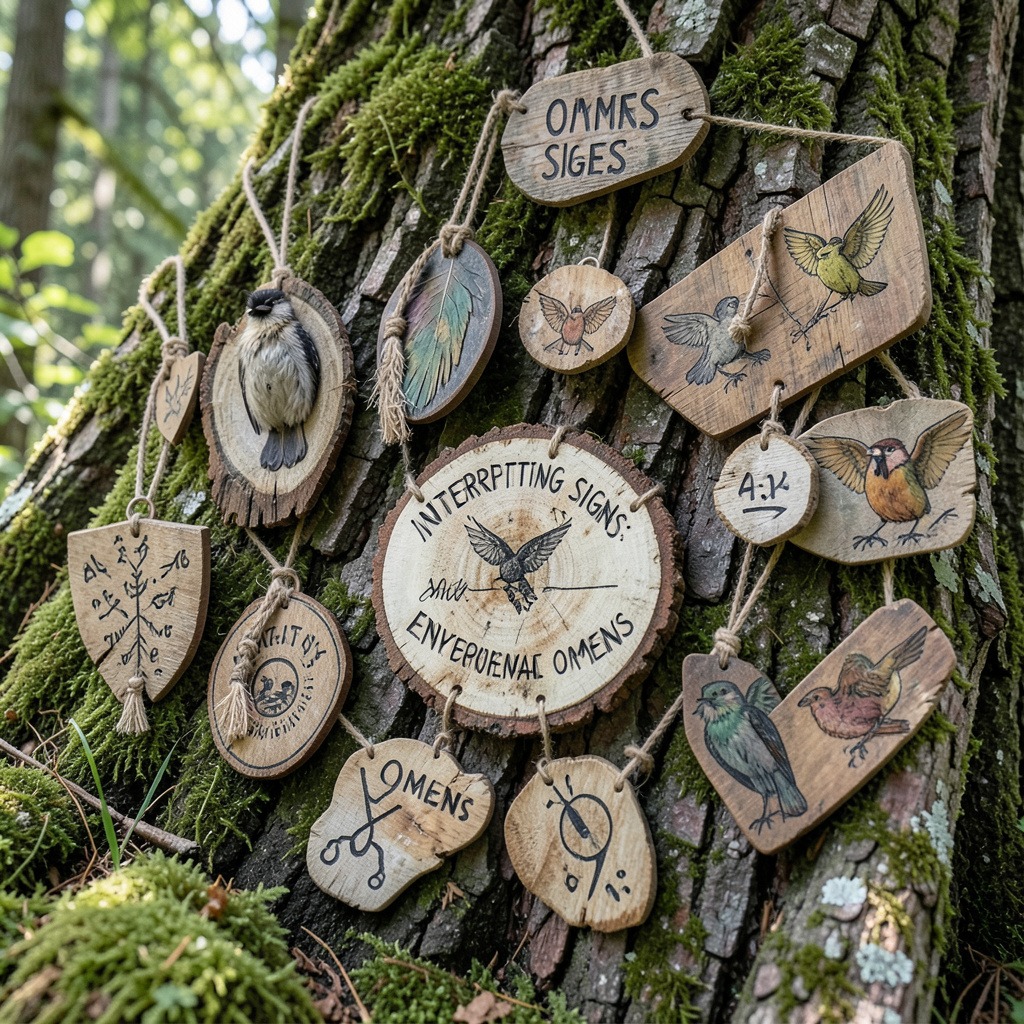
Natural phenomena often serve as powerful omens and signs. They can guide us in our spiritual journeys and everyday lives. Understanding these signs requires awareness and interpretation of the environment around us.
Weather Omens: What Nature Tells Us
Weather patterns can carry significant meanings. For instance, sudden storms may symbolize upheaval or change. Conversely, a clear sky after rain can represent renewal and hope. Here are some common weather omens and their interpretations:
- Thunderstorms: Often signify emotional turmoil or a warning to pay attention to unresolved issues.
- Rainbows: Typically seen as symbols of hope and promise following challenges.
- Wind Changes: A shift in wind direction can indicate new opportunities or impending change.
Recognizing these patterns can enhance your intuition about personal situations.
Plant Symbolism and Its Interpretations
Plants also convey messages through their growth cycles and behaviors. Flowers blooming out of season may signal unexpected joy or surprises. Here’s a list of plants and their symbolic meanings:
- Dandelion: Represents resilience and the ability to thrive in adversity.
- Cacti: Symbolize endurance and protection, often revealing a need for self-care.
- Oak Trees: Signify strength and stability, indicating support during challenging times.
Paying attention to the health and behavior of plants can provide insights into your life circumstances.
Everyday Occurrences: Simple Signs to Watch For
Everyday situations can serve as signs too. These occurrences often require mindfulness to interpret. Here are practical examples:
- Finding a feather: May symbolize a message from a loved one or a reminder to stay light-hearted.
- Seeing repeated numbers: Often indicates alignment with your spiritual path or a call to pay attention to your thoughts.
- Unexpected animal encounters: Can signify a message tailored to your current life situation.
Checklist for Identifying Natural Signs
- Observe your surroundings: Look for unusual weather patterns or plant behavior.
- Reflect on your emotions: Consider how you feel in the moment you notice the sign.
- Research symbolism: Familiarize yourself with common interpretations related to what you observe.
By applying these practical tips, you can enhance your ability to recognize and interpret omens in nature, allowing for deeper spiritual insights.
Mindfulness and Intuition: Developing Your Ability to Recognize Omens
Understanding omens requires a blend of mindfulness and intuition. These elements help you interpret the subtle messages that nature communicates. By enhancing your awareness, you can recognize and understand these signs in your daily life.
The Importance of Mindfulness in Interpretation
Mindfulness allows you to be fully present, making it easier to notice the signs around you. When you practice mindfulness, you cultivate an awareness of your surroundings, emotions, and thoughts. This heightened state of consciousness helps you discern omens from everyday occurrences. Key aspects include:
- Focused Observation: Pay attention to natural phenomena, such as weather changes or animal behavior. These can be significant signs.
- Emotional Reflection: Analyze your feelings when you encounter a sign. Your emotions can provide context for interpretation.
- Moment-to-Moment Awareness: Stay attuned to your immediate environment. This practice sharpens your ability to detect unusual or meaningful occurrences.
Techniques for Enhancing Intuition
Developing intuition is essential for interpreting omens. Here are some techniques to enhance your intuitive capabilities:
- Meditation: Regular meditation helps quiet the mind, allowing intuitive insights to surface. Aim for at least 10 minutes daily.
- Journaling: Keep a journal of your experiences with signs and omens. Documenting these instances can reveal patterns over time.
- Nature Walks: Spend time in nature, observing without judgment. This practice fosters a deeper connection to your surroundings.
- Dream Analysis: Pay attention to your dreams. They often contain symbolic messages that relate to your waking life.
Framework for Recognizing and Understanding Omens
Use this practical framework to enhance your ability to recognize and interpret omens:
1. Awareness: Begin by grounding yourself in the present moment. Use deep breathing to center your thoughts.
2. Observation: Look for signs in nature and everyday life. Note any unusual occurrences or feelings.
3. Reflection: Consider what these signs might mean. Ask yourself how they relate to your current life situation or emotional state.
4. Research: Explore cultural interpretations and symbolism related to the signs you observe. Understanding context can provide clarity.
5. Integration: Apply insights gained from your interpretations to your life decisions and spiritual journey.
By incorporating mindfulness and enhancing your intuition, you will deepen your understanding of omens and the messages they convey. Regular practice will increase your ability to recognize signs and integrate their meanings into your life.
Frequently Asked Questions
These quick answers cover the most common questions about this topic, including key details, practical tips, and common concerns.
What are some common omens and their meanings?
Common omens include various natural phenomena and animal encounters. For instance, a butterfly often symbolizes transformation, while an owl represents wisdom and intuition. Other examples include a fox, which signifies cleverness, and a raven, known as a messenger of change. Each omen carries unique meanings that can be interpreted based on cultural beliefs and personal experiences.
How can I tell if a sign is significant?
To determine if a sign is significant, pay attention to your emotional response and the context in which it appears. Reflect on any personal situations or decisions you’re facing at that moment. Signs often resonate with your current life circumstances, so consider how they relate to your thoughts or feelings. Journaling these experiences can also help you identify patterns over time.
Are omens the same as superstitions?
No, omens and superstitions differ significantly. Omens are perceived as meaningful messages tied to personal or spiritual experiences, often grounded in cultural significance. In contrast, superstitions are irrational beliefs without a clear basis, such as avoiding black cats or breaking mirrors. Understanding this distinction helps you engage more authentically with omens in your life.
What should I do when I receive a sign?
When you receive a sign, take time to reflect on its meaning. Consider your current circumstances and how the sign might relate to your life. You can also research its cultural interpretations to gain deeper insights. Trust your intuition and feelings about the sign, and consider how to incorporate its message into your decisions or actions moving forward.
Can omens be negative?
Yes, omens can have negative connotations, depending on the context and cultural beliefs. For example, a sudden storm might symbolize emotional turmoil or impending change. However, negative omens can also serve as warnings, prompting you to pay attention to unresolved issues or to make necessary adjustments in your life. It’s essential to interpret them thoughtfully and consider their potential lessons.
How do different cultures interpret the same omen?
Cultural interpretations of omens can vary widely. For instance, a black cat crossing your path may be seen as a bad omen in some cultures, while in others, it symbolizes good luck and intuition. Understanding these differences highlights the importance of context when interpreting signs. Researching specific cultural beliefs can enrich your understanding of the omens you encounter.
What role does intuition play in interpreting signs?
Intuition is crucial in interpreting signs as it helps you connect emotionally with the messages you receive. Trusting your gut feelings can guide you in understanding the significance of an omen. Developing your intuition through practices like meditation and journaling enhances your ability to recognize and interpret signs more accurately, leading to deeper insights in your spiritual journey.
What should readers know about practical exercises for recognizing signs?
To enhance your ability to recognize signs, practice mindfulness and observation. Spend time in nature, paying attention to your surroundings and any unusual occurrences. Keep a journal to document your experiences and feelings related to signs and omens. Engaging in meditation can also help clear your mind, making it easier to notice the subtle messages that nature provides.