
The superstition surrounding the number 9 often associates it with bad luck, stemming from various cultural beliefs and historical contexts across different societies, particularly in Western and Asian traditions.
The number 9 holds a complex place in superstition, viewed variably as unlucky in some cultures while revered in others. Understanding its significance requires exploring historical contexts, cultural beliefs, and the psychological reasons behind these superstitions.
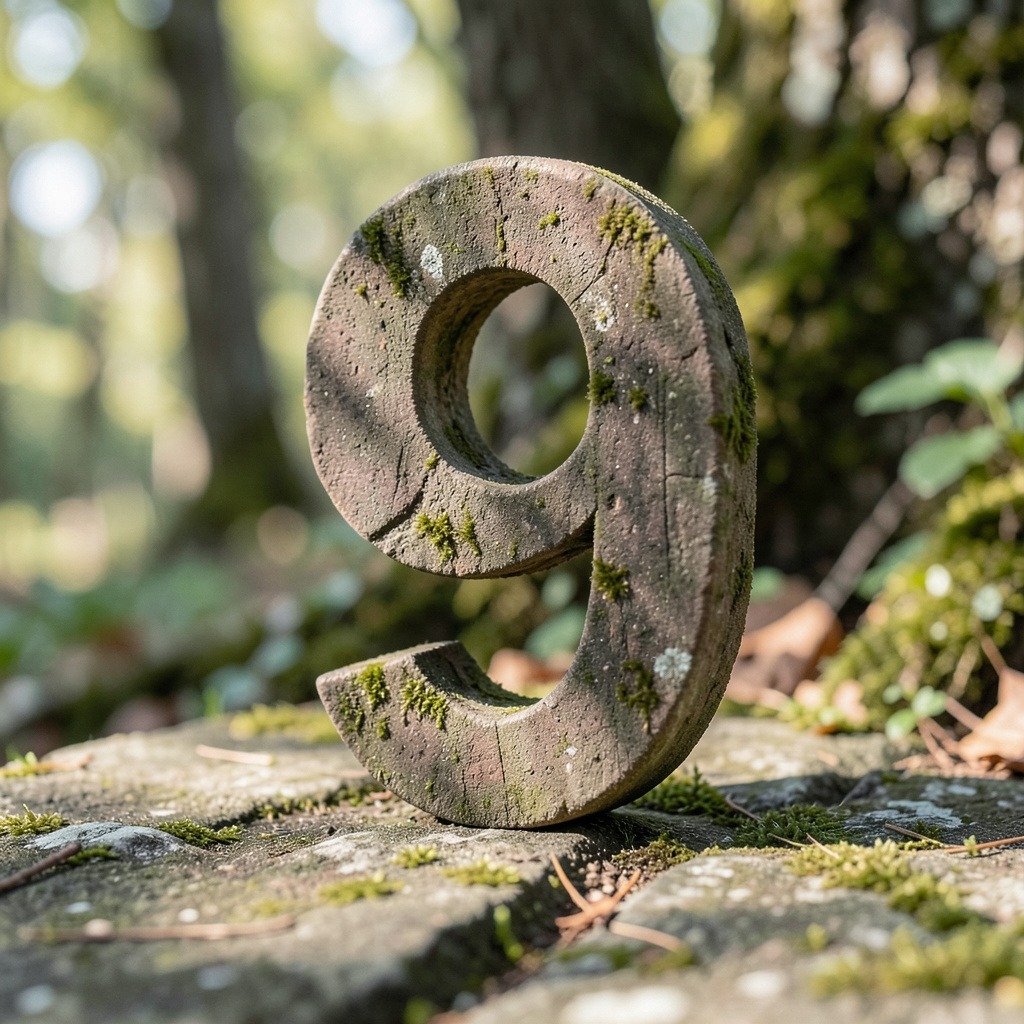
Cultural Interpretations of the Number 9
The number 9 represents a fascinating blend of superstitions across various cultures. Its interpretations range from auspicious to ominous, deeply influencing cultural practices and personal beliefs.
Chinese Beliefs About Number 9
In Chinese culture, the number 9 is often associated with longevity and eternity. This connection arises from the phonetic similarity between the word for nine (九, jiǔ) and the term for “long-lasting” (久, jiǔ). Key aspects include:
- Imperial Associations: The number 9 symbolizes supreme power. The Forbidden City, for instance, features 9,999 rooms, reflecting cosmic order.
- Weddings and Celebrations: In weddings, the number signifies eternal love and is seen as highly auspicious.
- Double Ninth Festival: This festival, held on the ninth day of the ninth lunar month, celebrates longevity and is a time for family gatherings and honoring ancestors.
Japanese Interpretations of 9
Contrastingly, in Japan, the number 9 carries negative connotations. It phonetically resembles the word for suffering (苦, ku), leading to various superstitions:
- Avoidance of the Number: Many people avoid using the number 9 in gifts or addresses to prevent misfortune.
- End of Cycles: It symbolizes the conclusion of cycles, urging mindful reflection before embarking on new endeavors.
Western Superstitions Surrounding 9
In Western cultures, the number 9 exhibits mixed interpretations:
- Numerological Significance: Some view 9 as a number of completion and achievement. It is often associated with the end of a cycle in numerology.
- Cultural Practices: The belief in the “Rule of Nine” in various folklore suggests that things grouped in nines tend to be significant, whether in storytelling or rituals.
Examples of Cultural Rituals Involving Number 9
Different societies incorporate the number 9 into their rituals, showcasing its diverse meanings. Here are a few examples:
- Chongyang Festival in China: Celebrated with activities like climbing mountains and drinking chrysanthemum tea, this festival honors the elderly and symbolizes health and well-being.
- Japanese Mourning Practices: In some regions, the number 9 is avoided during funerals. Families may refrain from using the number in dates or arrangements to honor the deceased.
Understanding these diverse interpretations of the number 9 reveals the intricate ways cultures shape their beliefs about luck and fate.
Historical Context of the Superstitions Surrounding Number 9

The number 9 holds a complex position in various cultures, influenced by historical events and mythological narratives. Its reputation as an unlucky number is shaped by religious interpretations and symbolic meanings across different societies.
Mythological References to Number 9
In many mythologies, the number 9 appears frequently, often tied to themes of completion or imbalance. For instance, in Greek mythology, there are nine Muses, each representing a different artistic domain. This association suggests a connection between creativity and the number. However, the duality of 9 emerges in tales where it is also seen as a harbinger of impending doom. The nine plagues of Egypt, as described in the Bible, serve as a stark reminder of 9’s ominous undertones.
Religious Associations and Their Impact
Religious texts often portray the number 9 in a negative light. In Christianity, it is sometimes viewed as a number of incompletion, as it precedes the significant number 10, representing divine order through the Ten Commandments. This association contributes to the belief that 9 bears an aura of misfortune. Furthermore, in Buddhism, the number 9 is linked to the concept of suffering; the Eightfold Path, aimed at overcoming suffering, positions 9 as a reminder of life’s inherent struggles.
Historical Events Shaping Number 9’s Reputation
Several historical events have reinforced the negative perception of the number 9. For example, during the Japanese Edo period, the number 9 was associated with pain and suffering, leading to its avoidance in daily life, including the naming of children and significant dates. Another noteworthy instance is the fear surrounding the number 9 in Chinese culture, where it is sometimes linked to long-term suffering due to its phonetic similarity to the word for “pain” (久).
These cultural interpretations create a rich tapestry of beliefs surrounding the number 9, illustrating how historical and mythological narratives shape its reputation as an unlucky number.
Psychological Factors Influencing Superstitions About Number 9

The superstition surrounding the number 9 is deeply rooted in psychological factors. Cognitive biases and fear play significant roles in shaping perceptions of this number as unlucky. Understanding these elements reveals why the number 9 often evokes apprehension.
Cognitive Biases and Superstitions
Cognitive biases influence how individuals perceive and react to the number 9. One notable bias is confirmation bias, where people tend to notice and remember negative events associated with the number while ignoring positive occurrences. For example, if someone believes 9 brings bad luck, they may recall instances of misfortune on the ninth day of the month while overlooking any positive experiences.
Another relevant bias is availability heuristic. This mental shortcut leads individuals to judge the likelihood of events based on how easily examples come to mind. If a person hears stories of misfortunes linked to the number 9, they may overestimate its unluckiness. This reinforces the belief, creating a cycle of negativity surrounding the number.
Fear and Its Role in Number Perception
Fear significantly impacts how people view the number 9. In many cultures, fear of bad luck can lead to avoidance behavior. For instance, individuals may skip important events or decisions involving the number 9, believing it will bring misfortune. This behavior is often driven by fear of the unknown—the anxiety linked to potential negative outcomes.
Additionally, superstitions thrive on the idea that certain numbers can influence fate. This belief is not limited to the number 9 but extends to other superstitions as well. The anticipation of bad luck can create a self-fulfilling prophecy, where the fear of the number leads to anxiety and, ultimately, poor decision-making.
The Psychology of Avoiding Number 9
Avoidance of the number 9 can manifest in various ways. For example, in cultures that regard 9 as unlucky, individuals may choose to alter addresses, avoid certain dates, or even refrain from using the number in significant life events.
Consider a scenario where a couple plans their wedding date. If they believe that the number 9 brings misfortune, they may choose a different date, despite personal significance or convenience. This decision stems from a psychological need to control perceived risks, even if the beliefs are unfounded.
Key Takeaways on Psychological Influences
- Confirmation Bias: Focus on negative events linked to 9, reinforcing its unlucky status.
- Availability Heuristic: Misfortunes associated with 9 are more memorable, skewing perceptions.
- Fear of Bad Luck: Leads to avoidance behavior regarding the number 9 in important decisions.
- Self-Fulfilling Prophecies: Anxiety surrounding the number can result in negative outcomes, further entrenching beliefs.
These psychological dynamics illustrate how deeply ingrained the superstition about the number 9 is within human behavior and decision-making processes.
Comparative Analysis: Number 9 Versus Other Unlucky Numbers

The superstition surrounding number 9 reveals distinct cultural interpretations compared to other unlucky numbers, notably 13. Understanding these differences highlights the broader significance of numerology and superstition in various societies.
Superstitions Around Number 13
The number 13 is widely regarded as unlucky in Western cultures. This belief, known as triskaidekaphobia, manifests in various ways:
- Architecture: Many buildings skip the 13th floor.
- Travel: Airlines avoid labeling row 13.
- Cultural Events: Friday the 13th is associated with bad luck.
In contrast, the superstition surrounding number 9 often stems from its perceived incompleteness in religious contexts, particularly in Christianity. It is seen as an imperfect number, just shy of the complete ten, which symbolizes divine order.
Cultural Differences in Unlucky Numbers
The perception of number 9 varies significantly across cultures. For example:
- Western Cultures: Number 9 may evoke feelings of bad luck, often tied to its association with incompleteness.
- East Asian Cultures: In contrast, the same number symbolizes longevity and good fortune. The phonetic similarity between the word for nine (九, jiǔ) and the word for “long-lasting” (久, jiǔ) enhances its positive connotations.
These cultural differences illustrate how the same number can embody contradictory meanings based on historical and linguistic contexts.
Similarities and Differences in Perception
Despite cultural distinctions, several similarities and differences emerge when comparing number 9 and other unlucky numbers. Here’s a concise breakdown:
| Aspect | Number 9 | Number 13 |
|---|---|---|
| Cultural Associations | Longevity (East Asia); Incompleteness (West) | Bad luck, fear (Western cultures) |
| Historical Context | Tied to religious beliefs | Linked to myths and folklore |
| Psychological Impact | Anxiety in decision-making | Avoidance in social contexts |
| Rituals | Celebrations like the Double Ninth Festival | No major rituals beyond avoidance |
These comparisons reveal the nuanced layers of superstition and highlight the psychological and cultural factors that shape perceptions. Understanding these differences can illuminate how individuals navigate their beliefs in daily life.
Modern Interpretations and Practices Related to Number 9
The number 9 continues to hold significant meaning in contemporary society. Its cultural resonance is evident in popular culture, arts, and everyday rituals, reflecting a blend of historical beliefs and modern interpretations.
Number 9 in Popular Culture
In popular culture, the number 9 manifests in various forms. Its presence in movies, music, and literature often symbolizes transformation or fate. For instance, films frequently employ the number to highlight pivotal moments in a character’s journey.
- Media Examples:
- The TV series “Lost” features the number 9 as a recurring motif, representing the characters’ struggles and transformations.
- Music artists often use the number in titles or lyrics to evoke themes of completion and renewal.
Current Rituals and Practices
Rituals involving the number 9 persist across cultures today. These practices often celebrate its auspicious qualities, particularly in East Asian traditions.
- Cultural Celebrations:
- Double Ninth Festival: Celebrated in China, this festival honors the elderly and promotes longevity. Activities include climbing mountains and drinking chrysanthemum tea.
- Navaratri: In India, the festival involves nine nights of worship dedicated to the goddess Durga, symbolizing the victory of good over evil.
These rituals illustrate the ongoing significance of the number 9 in community life, reinforcing its association with blessings and new beginnings.
The Role of Number 9 in Daily Life
The number 9 influences daily decisions in many cultures. From pricing strategies to significant life events, its presence is pervasive.
- Psychological Impact:
- Product pricing frequently ends in 9 (e.g., $9.99) to capitalize on consumer psychology, suggesting value and completion.
- In some Asian cultures, people actively seek addresses or phone numbers containing the digit 9, believing it brings good fortune.
By integrating the number 9 into various aspects of life, individuals navigate their beliefs and cultural practices, reinforcing its powerful symbolism and significance.
Frequently Asked Questions
These quick answers cover the most common questions about this topic, including key details, practical tips, and common concerns.
What are the origins of the superstition surrounding number 9?
The superstition surrounding number 9 has roots in various cultural beliefs and historical contexts. In many societies, it symbolizes both completion and misfortune. For instance, in Western traditions, it is sometimes viewed as an incomplete number, just shy of the perfect ten. Conversely, in Chinese culture, it is associated with longevity and eternity due to its phonetic similarity to words meaning “long-lasting.”
Is number 9 considered unlucky in all cultures?
No, number 9 is not considered unlucky in all cultures. In Chinese culture, it is often viewed positively, representing long life and eternal love. However, in Japan, it is seen negatively, as it sounds like the word for suffering. This contrast highlights the diverse perceptions of number 9 across different cultural landscapes.
How does numerology interpret the number 9?
In numerology, the number 9 is often associated with completion, wisdom, and humanitarianism. It represents the end of a cycle, indicating achievement and fulfillment. This interpretation underscores its significance in personal growth and spiritual development, making it a powerful number in numerological practices.
What are some common practices related to avoiding number 9?
Common practices for avoiding number 9 include skipping it in significant dates, addresses, or gifts. For example, in Japan, people may avoid using the number in invitations or during important events to prevent bad luck. Similarly, in some cultures, individuals may choose not to name children with names that include the number 9.
Are there any positive associations with number 9?
Yes, number 9 has several positive associations, particularly in cultures that celebrate its auspicious qualities. In Chinese traditions, it symbolizes longevity and is often featured in weddings and festivals. Additionally, in numerology, it represents completion and the attainment of goals, making it a number of achievement and fulfillment.
How does the perception of number 9 compare to other superstitions?
The perception of number 9 varies significantly compared to other superstitions, such as that of number 13. While number 13 is predominantly viewed as unlucky in Western cultures, number 9 can be seen as both lucky and unlucky depending on the cultural context. This duality illustrates how different societies shape their beliefs around numbers based on historical and linguistic influences.
What role does number 9 play in mythology?
Number 9 frequently appears in mythology, often linked to themes of completion and transformation. For example, in Greek mythology, there are nine Muses, each representing different arts. Additionally, the number 9 is associated with significant events, such as the nine plagues of Egypt in biblical narratives, highlighting its complex symbolism in storytelling and cultural beliefs.
What should readers know about psychological studies on superstitions?
Psychological studies indicate that superstitions, including those about number 9, are influenced by cognitive biases and fear. Confirmation bias leads individuals to remember negative experiences associated with the number, reinforcing its unlucky reputation. Additionally, the fear of bad luck can result in avoidance behaviors, impacting personal decisions and social interactions. Understanding these psychological factors can help demystify the persistence of such superstitions in modern society.