
Many cultures believe that doing laundry on New Year’s Day can bring bad luck, symbolizing the washing away of family members or good fortune.
New Year’s Day laundry superstitions are steeped in cultural traditions that vary worldwide. These beliefs suggest that washing clothes on this day can lead to misfortune or a loss of luck, profoundly impacting household practices.

Overview of New Year’s Laundry Superstitions
New Year’s Day laundry superstitions are deeply rooted in cultural traditions that vary across the globe. Many believe that doing laundry on this day can bring bad luck or wash away prosperity for the coming year.
Common Beliefs Across Cultures
Different cultures interpret laundry practices on New Year’s Day in unique ways. Here are some notable beliefs:
- China: Many Chinese families avoid washing clothes on the first day of the Lunar New Year. It is believed that doing so can wash away good fortune. Instead, heavy laundry is completed before the New Year, with a return to normal practices only days later.
- Spain: In Spain, some believe that washing clothes on New Year’s Day may lead to bad luck, particularly if done before midnight. This custom reflects broader themes of cleansing and renewal associated with the New Year.
- Greece: In Greek tradition, it’s considered unlucky to wash clothes on New Year’s Day, as it may symbolize washing away the new year’s blessings. Families often ensure all laundry is completed beforehand.
The Symbolism of Laundry on New Year’s Day
Laundry symbolizes purification and renewal in many cultures. The act of cleaning clothes can be seen as a metaphor for starting fresh in the new year. Here are additional insights:
- Spiritual Significance: In many traditions, laundry represents a cleansing of past misfortunes and a way to prepare for better fortune in the year ahead.
- Family Traditions: Families often share stories about their laundry customs, reinforcing community and familial bonds. For example, some families may gather together to complete laundry before New Year’s, creating a shared sense of purpose.
- Practical Tips: To respect these superstitions while managing practical needs, some people choose to complete laundry in advance or limit washing to essential items only. This approach allows them to honor traditions while ensuring cleanliness.
Understanding these customs can help individuals navigate their own laundry practices during New Year’s, creating a balance between cultural respect and modern-day needs.
Historical Origins of Laundry Superstitions

Laundry superstitions, especially those surrounding New Year’s Day, have deep-rooted historical contexts. These customs evolved from practical cleaning practices into significant cultural beliefs over time.
Folklore and Family Traditions
Folklore played a crucial role in shaping laundry superstitions. Historically, washing clothes on New Year’s Day was believed to wash away good luck. This belief likely stemmed from agrarian societies where cleanliness was linked to fortune and prosperity.
- Cleansing Rituals: Many cultures associated water with purification. By avoiding laundry on New Year’s, families aimed to retain blessings from the previous year.
- Community Narratives: Family stories reinforced these beliefs. For instance, in some households, elders would recount tales of misfortune that befell those who laundered on the first day of the year. This practice helped instill caution among younger generations.
Influence of Lunar New Year on Western Customs
The connection between the Lunar New Year and Western New Year’s laundry superstitions is noteworthy. Many Western customs were influenced by Asian traditions, particularly regarding the significance of cleaning and renewal.
- Timing and Practices: In regions that observe the Lunar New Year, heavy laundry is often discouraged on specific days, especially on the second day, to honor the water god. This practice has parallels in Western traditions, where New Year’s Day is treated similarly.
- Cultural Exchange: As cultures intermixed through migration and globalization, these superstitions adapted. For example, some families now blend traditions, incorporating both Western and Asian beliefs into their New Year’s cleaning rituals.
These origins reveal how laundry superstitions reflect broader cultural values and beliefs. Understanding these customs enriches our appreciation of family heritage and communal ties.
Regional Variations of New Year’s Laundry Customs

Different cultures exhibit unique beliefs and practices regarding laundry on New Year’s Day. These customs often reflect deeper cultural values and superstitions tied to good fortune, family unity, and spiritual significance.
North American Traditions
In North America, many people avoid doing laundry on New Year’s Day. This practice stems from the belief that washing clothes may wash away good luck for the coming year. Common traditions include:
- Avoiding Laundry: Many families refrain from all laundry activities to preserve positive energy.
- Preparing Ahead: Some choose to complete laundry before New Year’s Day to sidestep potential superstition penalties.
- Personal Rituals: Individuals may engage in personal rituals, like wearing new clothes, to attract good fortune.
European Customs
European customs regarding New Year’s laundry often revolve around family gatherings and specific cleaning practices. Notable traditions include:
- Spain: In some regions, it is believed that washing clothes on New Year’s Day invites bad luck. Families prepare by ensuring all laundry is done beforehand.
- Italy: Throwing old items out of windows symbolizes the disposal of the old year. However, doing laundry is often avoided to prevent misfortune.
- Greece: On New Year’s Day, it’s customary to clean the house but avoid laundry. The focus remains on welcoming the new year with a clean home.
Asian Perspectives
Asian cultures, particularly those celebrating Lunar New Year, have distinct beliefs tied to laundry. Key customs include:
- China: In Chinese tradition, washing clothes on New Year’s Day is forbidden as it is thought to wash away good fortune. Heavy laundry is typically done before this day.
- Vietnam: Similar to China, Vietnamese customs advise against laundry on New Year’s Day to maintain good luck and harmony.
- India: While there are no strict prohibitions, many families engage in thorough cleaning before the New Year, aligning with the belief that cleanliness brings prosperity.
| Region | Laundry Practice on New Year’s Day | Belief / Superstition |
|---|---|---|
| North America | Avoid laundry | Washing clothes may wash away good luck |
| Spain | Avoid laundry | Good fortune preserved by not washing |
| Italy | Avoid laundry | Prevents misfortune |
| Greece | Clean house, avoid laundry | Focus on welcoming the new year |
| China | Avoid laundry | Washing clothes washes away good fortune |
| Vietnam | Avoid laundry | Maintaining good luck and harmony |
| India | Clean before New Year | Cleanliness brings prosperity |
Each culture’s practices reveal the significance of family and tradition, emphasizing how laundry superstitions transcend mere cleaning rituals.
Practical Tips for Navigating Laundry on New Year’s Day
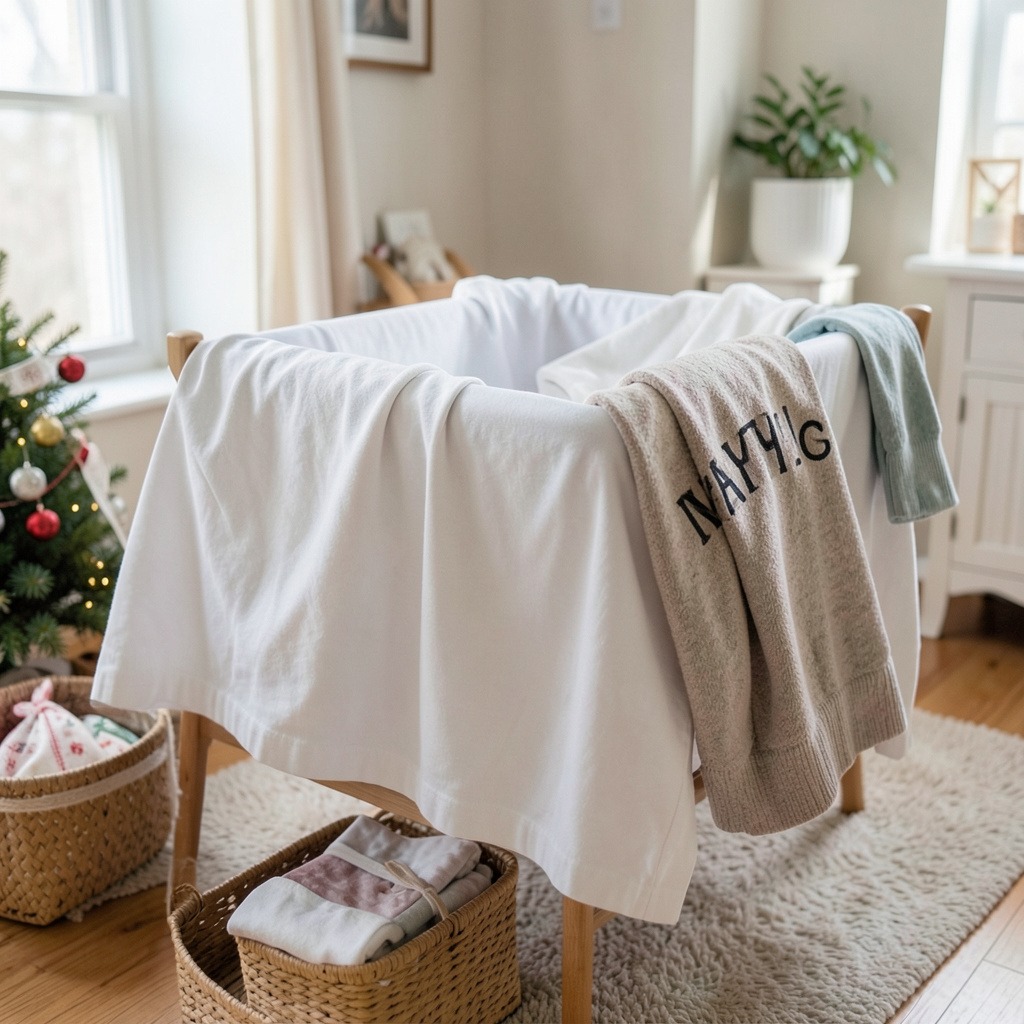
Handling laundry on New Year’s Day can be tricky due to various superstitions. To balance respect for these customs with practical needs, consider the following guidelines.
When to Do Laundry
To honor superstitions while managing laundry, here are some strategies:
- Avoid laundry on New Year’s Day: Many cultures believe that washing clothes on this day can wash away good luck.
- Complete laundry beforehand: Aim to finish all laundry by December 31. This ensures you start the New Year with clean clothes without taking any chances on superstition.
- Delay laundry until January 2: If laundry is essential, consider postponing it for at least one day into the New Year.
Alternative Rituals and Practices
If you must do laundry, consider these alternatives that respect cultural beliefs:
- Symbolic cleansing: Instead of washing clothes, focus on tidying your home. This act can symbolize a fresh start without risking bad luck.
- Use the time for family rituals: Engage in family traditions that celebrate the New Year, such as preparing special meals or sharing stories. This can distract from the need to do laundry.
- Create a family pact: Agree with family members to avoid laundry on New Year’s Day to reinforce commitment to the superstition.
Stain Removal for New Year’s Foods
New Year’s Day often involves special meals, which can lead to stains. Here’s how to handle them without violating superstitions:
- Use pre-treaters before the New Year: If you anticipate stains, treat them immediately after they occur, but wait to wash until the next permitted day.
- Spot clean instead of full washes: Use a damp cloth to dab at stains without fully washing garments. This minimizes disruption to your laundry routine.
- Keep a checklist of common stains: Familiarize yourself with effective stain removal techniques for traditional foods, such as:
| Stain Type | Removal Method |
|---|---|
| Red wine | Blot with salt, then rinse |
| Grease | Sprinkle baking soda, let sit |
| Fruit juices | Rinse with cold water, then wash |
These tips allow you to navigate laundry on New Year’s Day with respect for superstitions while ensuring practical needs are met.
Spiritual Significance of Cleaning on New Year’s Day
Cleaning and laundry practices on New Year’s Day hold deep spiritual significance in various cultures. These customs reflect beliefs about purification, renewal, and the hope for good fortune in the coming year.
Spiritual Beliefs Tied to Laundry
Many cultures believe that doing laundry on New Year’s Day can wash away good luck. This superstition stems from the idea that the new year brings a fresh start, and any cleaning activity may disrupt the positive energy associated with new beginnings. For instance:
- Chinese New Year: The first day is reserved for celebration. Washing hair or clothes is thought to wash away luck.
- Western Traditions: In some Western cultures, cleaning on this day is believed to symbolize clearing out the old year’s negativity, but it can also invite misfortune.
By refraining from laundry, individuals aim to preserve auspicious energy and attract blessings for the year ahead.
Emotional and Psychological Effects of Superstitions
Superstitions surrounding laundry on New Year’s Day can have profound psychological effects. Believers often experience anxiety about the potential consequences of breaking these customs. This anxiety may manifest in their actions:
- Avoidance Behavior: Many choose to complete laundry before New Year’s Day to avoid the risk of bad luck.
- Cultural Identity: Participating in these rituals strengthens cultural ties, providing a sense of belonging and continuity.
For example, a family might gather to wash clothes together on New Year’s Eve, reinforcing bonds while honoring their traditions. The emotional satisfaction derived from adhering to these customs can enhance the overall New Year experience, creating a sense of hope and renewal.
Understanding the spiritual implications of cleaning practices can help individuals navigate these customs more meaningfully. Integrating respect for tradition with contemporary life may involve setting aside time for laundry before the new year or adopting alternative rituals that align with personal beliefs while honoring cultural heritage.
Frequently Asked Questions
These quick answers cover the most common questions about this topic, including key details, practical tips, and common concerns.
What are you not supposed to do on New Year’s Day?
Many cultures advise against doing laundry on New Year’s Day, as it is believed to wash away good luck and prosperity for the coming year. Other common prohibitions include sweeping the floor, as this may sweep away wealth, and engaging in arguments, which could set a negative tone for the year ahead.
What does doing laundry mean spiritually?
Spiritually, doing laundry on New Year’s Day symbolizes cleansing and renewal. However, many believe that washing clothes can also mean washing away good fortune. This belief is prevalent in cultures where laundry practices are closely tied to luck and prosperity, emphasizing the importance of starting the year with positive energy.
What are some good luck rituals for New Year’s Day?
Good luck rituals for New Year’s Day vary by culture but often include cleaning the house beforehand, preparing special meals, and gathering with family. Some people wear new clothes, light fireworks, or make noise at midnight to drive away evil spirits and invite good fortune.
What day is unlucky to wash clothes?
New Year’s Day is widely regarded as an unlucky day to wash clothes. In many traditions, including Chinese and Spanish customs, doing laundry on this day is thought to bring bad luck or wash away good fortune. It’s advisable to complete laundry before the New Year or wait until January 2.
Are there alternative practices to laundry on New Year’s Day?
Instead of doing laundry, consider alternative practices such as tidying your home or engaging in family traditions. You can also focus on preparing special meals or participating in cultural rituals that promote good fortune without the risk of violating laundry superstitions.
How do different cultures view laundry superstitions?
Different cultures have unique beliefs regarding laundry on New Year’s Day. For instance, in China, washing clothes is strictly avoided to prevent washing away good luck, while in Greece, families clean their homes but refrain from laundry. These customs reflect broader themes of purification and renewal associated with the New Year.
What are the consequences of washing clothes on New Year’s?
Washing clothes on New Year’s Day is often believed to invite bad luck and misfortune. Many people feel anxious about breaking this superstition, fearing it may lead to negative outcomes in the year ahead. As a result, many choose to complete laundry beforehand or delay it until after the holiday.