
You don’t have to be calm to be spiritual; in fact, spirituality can thrive in a range of emotions, including chaos, joy, and even anger. Many of us have felt pressured to embody a serene demeanor in our spiritual practices, but this myth oversimplifies the rich tapestry of human experience.
Understanding Spirituality: A Broad Overview
What is Spirituality?
Spirituality is a deeply personal journey that involves seeking a connection with something greater than ourselves. For me, it has been about exploring my inner self and understanding my place in the universe. While some people find this connection through organized religion, others may experience it through nature, art, or personal reflection. I remember the first time I felt a genuine sense of spirituality; it wasn’t in a temple or church, but while I was hiking in the mountains, feeling completely immersed in the beauty around me.
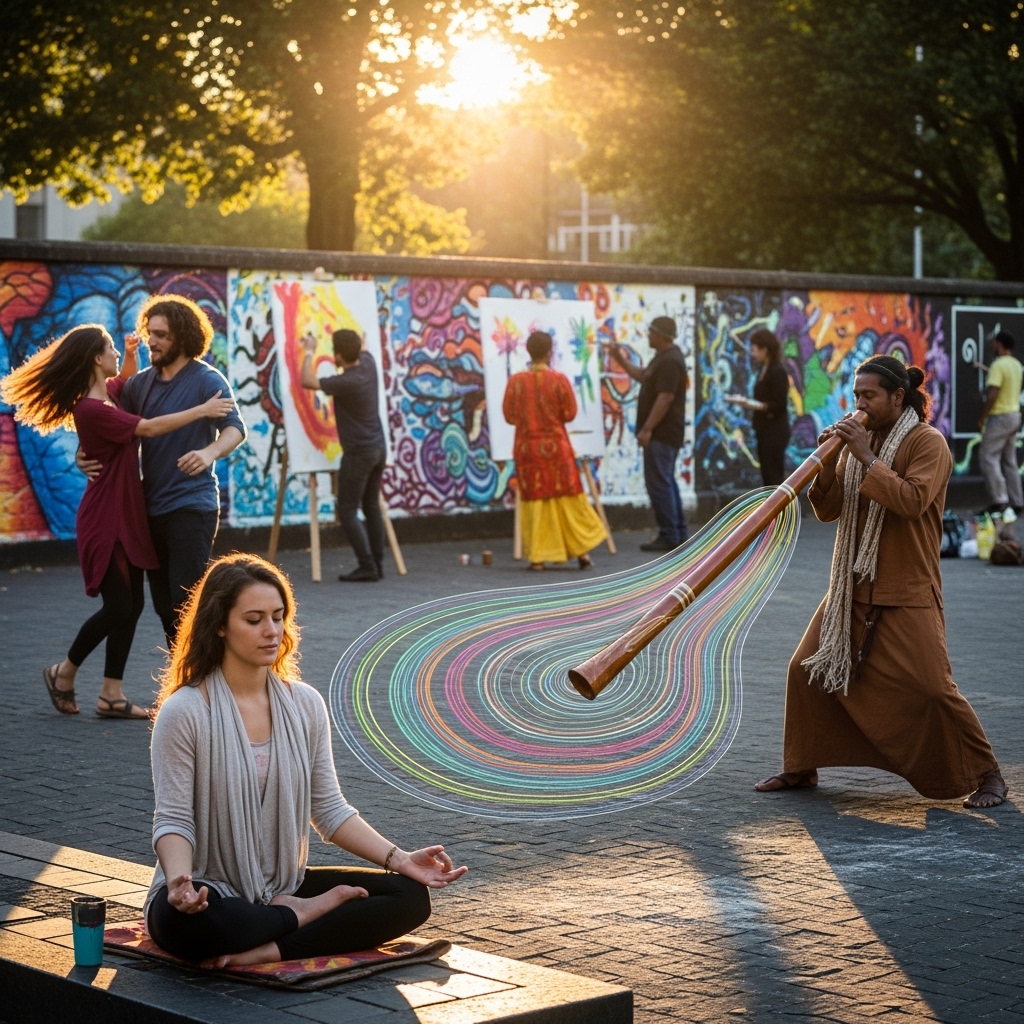
Spirituality is often defined by the values it promotes—compassion, love, and connection. However, the path to discovering these values can be anything but peaceful. I’ve often grappled with my own doubts and fears during my spiritual journey, and I’ve found that these emotions have played a crucial role in my growth. Read Interesting article: Amethyst Crystals: Understanding Meanings, Healing Properties, Benefits, Everyday Uses Guide
The Role of Emotions in Spirituality
Emotions are an integral part of our spiritual lives, and they can serve as powerful catalysts for transformation. I’ve noticed that my most profound spiritual insights often arise from moments of emotional intensity. When I’ve felt joy, fear, anger, or sadness, these emotions have pushed me to explore deeper aspects of my spirituality. It’s as if each feeling opens a door to new understanding and growth.
For many, emotions can feel like barriers to spiritual practice, especially if we’ve been conditioned to believe that calmness is a prerequisite for spiritual engagement. However, I believe that embracing our emotions—rather than suppressing them—can lead to a more authentic and fulfilling spiritual experience. It’s in the messy, chaotic moments of life that we often find the rich soil for spiritual growth.
Debunking the Myth: Calmness and Spirituality
SBAG_IMG_698253be256ab
Why the Myth Exists
The idea that you must be calm to be spiritual probably stems from traditional narratives and media portrayals. Think about the serene images we often see: calm yogis meditating in tranquil environments, or wise spiritual leaders speaking softly and gently. These depictions can create the impression that spirituality is only for those who exude peace and tranquility. I used to buy into this myth, believing that if I didn’t feel calm, I wasn’t doing it right.
This myth can also be reinforced by our own desires for peace in a chaotic world. In my case, I found myself seeking calmness as a refuge from stress and uncertainty. I craved that stillness, thinking it was the only way to connect with my spiritual self. But over time, I realized that the pressure to maintain a calm exterior often led to anxiety about my spiritual practices, which ironically, hindered my growth.
Calmness vs. Other Emotions in Spiritual Practices
While calmness might be one state of being, it’s by no means the only one that can enhance our spiritual journey. In fact, I’ve found that exploring a range of emotions can make my spiritual practice much richer. For example, anger can fuel our desire for justice and change. When I’ve felt anger about social issues, it has often prompted me to take action and align my values with my spirituality, leading to a sense of purpose that is deeply fulfilling.
Joy is another powerful emotion that plays a critical role in spirituality. I’ve had moments of pure joy that made me feel connected to the universe in a way that calmness never could. These feel-good experiences remind us that spirituality isn’t just about finding peace but also about celebrating life and its myriad emotions. Embracing joy has taught me to appreciate the beauty in the moment, even amidst life’s chaos.
Even fear can be a pathway to deeper understanding. I remember a time when I faced a significant life decision that filled me with fear. Instead of trying to suppress that fear, I allowed myself to sit with it and explore its origins. This process unveiled insights about my values and desires, enriching my spiritual journey in ways I never anticipated.
Ultimately, our emotional experiences—whether calm or chaotic—can serve as guides on our spiritual paths. Rather than pushing them away, we can learn to acknowledge and integrate them into our practices. This approach not only fosters authenticity but also allows us to connect with others who share similar struggles and triumphs.
The Spectrum of Spiritual Experiences
Experiencing Anger and Spiritual Growth
Anger is one of those emotions that society often advises us to suppress, but I’ve come to appreciate it as a vital part of my spiritual journey. In moments of anger, I’ve discovered deep truths about myself and the world around me. For instance, I remember feeling furious about social injustices. Instead of pushing that anger aside, I chose to explore it. I began to understand that my anger stemmed from a profound desire for change and justice. This realization pushed me to engage in activism, which became a powerful extension of my spirituality.
Through this experience, I learned that anger can be a powerful motivator for action. It can lead us to advocate for ourselves and for others. I realized that spirituality isn’t just about finding inner peace; it’s also about standing up for what we believe in. Embracing my anger allowed me to channel that energy into meaningful pursuits, making my spiritual journey feel more alive and vibrant.
The Role of Joy in Spirituality
On the flip side, joy has played an equally important role in my spiritual life. I remember attending a vibrant music festival where the energy was infectious. Surrounded by people dancing and celebrating, I felt an overwhelming sense of connection and happiness. It was as if all my cares melted away, and I was part of something much larger than myself. This moment of joy taught me that spirituality can be found in celebration and community.
Joy reminds us of the beauty of existence and the magic in everyday moments. When I experience joy, it often leads me to deeper reflections about gratitude and appreciation. I’ve taken this awareness back into my daily life, trying to cultivate moments of joy, whether it’s through simple pleasures like a walk in nature or sharing a laugh with friends. These joyful experiences not only uplift my spirit but also deepen my understanding of what it means to be alive and connected to others.
Fear and Spiritual Awakening
Fear is another emotion that, while uncomfortable, can lead to incredible spiritual awakening. I faced a significant turning point in my life when I had to confront a phobia that had held me back for years. Initially, I wanted to avoid it, but I realized that it was blocking my growth. So, I decided to face my fear head-on. I remember the anxiety that came with every attempt to confront it, but each step I took brought a new layer of understanding about my inner strength and resilience.
This journey taught me that fear can be a teacher. It often reveals the boundaries we’ve set for ourselves and challenges us to break through them. By embracing my fear, I unearthed a wealth of insight about my capabilities and desires. I learned to view fear as an opportunity for growth rather than a barrier. This shift in perspective transformed my spiritual practice, showing me that even the most daunting emotions can lead to profound personal evolution.
Different Spiritual Practices and Their Emotional Impact
Meditation Techniques: Finding Your Center
Meditation has been a cornerstone of my spiritual practice, and I’ve experimented with various techniques to find what resonates with me. I used to think that meditation had to be a serene, peaceful experience to be effective. However, I discovered that allowing my emotions—whether joy, sadness, or even anger—to surface during meditation can enhance the experience. I remember a session where I felt overwhelmed by sadness, and instead of pushing it away, I allowed myself to sit with it. This openness led to unexpected insights and a sense of release that deepened my connection to my spiritual self.
One technique I found particularly helpful is mindfulness meditation. It encourages us to observe our thoughts and feelings without judgment. This practice has helped me cultivate a greater awareness of my emotional landscape, allowing me to embrace whatever arises during my sessions. I’ve learned to appreciate the ebb and flow of emotions, recognizing that they are part of my humanity and spirituality. Read Interesting article: The Surprising Link Between Spirituality And Success
Yoga Styles: From Restorative to Power Yoga
Yoga is another powerful tool for emotional exploration. I’ve tried various styles, from the calming restorative yoga to the energizing power yoga. Each style offers a different emotional experience. During restorative yoga, I often find a sense of peace, but I also allow my emotions to surface in the stillness. Conversely, power yoga pushes me to release pent-up energy and frustration, leaving me feeling invigorated and empowered.
What I love most about yoga is its ability to adapt to my emotional state. On days when I feel heavy with sadness, a gentle flow can help me release those feelings. On days filled with anger or frustration, a more vigorous practice can provide an outlet for that energy. Yoga has taught me that every emotion has a place in my spiritual practice, and each session is an opportunity to connect more deeply with myself.
Spiritual Retreats: Embracing Chaos and Peace
Spiritual retreats have also played a significant role in my journey. I remember attending a weekend retreat that promised peace and solitude. However, during that retreat, I experienced an unexpected emotional rollercoaster. Emotions I had suppressed for years bubbled to the surface—fear, sadness, and even anger. Initially, I was taken aback, thinking I had failed to achieve the calmness I sought. But I soon realized that this emotional chaos was itself a part of the healing process.
It taught me that retreats aren’t just about finding peace; they are opportunities to confront and embrace all facets of our emotional selves. Engaging in group activities, sharing experiences, and participating in deep discussions allowed me to see that others were navigating similar emotional landscapes. This connection fostered a sense of community and understanding that was profoundly healing. I walked away from that retreat not just calmer, but more aware of the emotional tapestry that makes up our spiritual journeys.
Real-Life Examples of Non-Calm Spiritual Experiences
Personal Stories of Transformation
Throughout my spiritual journey, I’ve encountered numerous moments where chaos and strong emotions led to significant transformations. One experience that stands out happened during a particularly tumultuous time in my life. I was grappling with a major career decision that filled me with anxiety and uncertainty. Instead of trying to force calmness, I allowed myself to feel the weight of my emotions. I remember crying, feeling lost, and yet, in the midst of that emotional storm, I found clarity. It was during one of those late-night contemplations, fueled by frustration and confusion, that I realized my true passion lay in helping others through their struggles, which eventually led me to pursue a career in counseling.
Another powerful moment occurred when I attended a self-discovery workshop. I went in expecting to find peace and tranquility, but what unfolded was quite the opposite. The exercises pushed me to confront my fears and insecurities head-on. I found myself in tears as I shared personal struggles with the group. To my surprise, that raw vulnerability didn’t weaken my spiritual journey; it strengthened it. The support and empathy I received from others created a shared bond that was deeply healing. I walked away from that workshop not only feeling lighter but also more connected to my authentic self. This experience taught me that embracing emotional intensity can lead to profound personal breakthroughs that might not happen in calmness.
Historical Figures and Their Emotional Journeys
When I think about notable figures in history who exemplified the power of non-calm emotional experiences in their spiritual lives, I can’t help but reflect on figures like Martin Luther King Jr. and Frida Kahlo. King, in his passionate speeches, often expressed deep anger and frustration about the injustices faced by African Americans. His emotions drove him to advocate for civil rights, blending his spirituality with activism. It was in those moments of righteous anger that he found his voice and inspired countless others to join his cause. His journey teaches us that anger, when channeled correctly, can be a catalyst for monumental change and spiritual growth.
Similarly, Frida Kahlo’s life was marked by intense emotional and physical pain. Her art expressed her suffering, love, and passion, creating a rich tapestry of experiences that resonated deeply with many. Kahlo embraced her emotions and used them as a driving force in her creative expression. Her struggles with identity, loss, and resilience showcase how emotional chaos can lead to a vibrant and impactful spiritual journey. I admire how she turned her suffering into art that speaks to the hearts of many; it reminds me that embracing our pain can lead to healing and transformation.
How to Embrace Your Emotions in Spirituality
Techniques for Integrating Emotions into Your Practice
Embracing emotions in our spiritual practices can be challenging but incredibly rewarding. One technique that has worked wonders for me is journaling. I started writing about my feelings, thoughts, and spiritual experiences. This practice helps me process my emotions and see patterns in my spiritual growth. I often write freely, without judgment, allowing my feelings to flow onto the page. This act of expression has often led to unexpected insights and deeper understandings of my spiritual path.
Another method I’ve found helpful is creative expression. Whether it’s painting, dancing, or even cooking, channeling emotions into creative outlets can be therapeutic. I remember a time when I felt overwhelmed with sadness; instead of dwelling in it, I picked up a paintbrush and let my emotions guide me. The colors and shapes that emerged on the canvas reflected the chaos I felt inside, but it also turned into something beautiful that I could share with others. Engaging in creative practices not only allows me to explore my emotions but also fosters a sense of connection to my inner self and the world around me.
Finding Balance: Calmness and Chaos
Finding balance between calmness and chaos is essential for a fulfilling spiritual journey. It’s important to recognize that both states can coexist. I’ve learned that there are moments when calmness is necessary for reflection and grounding, while other times, embracing chaos can lead to transformation. One practice I often incorporate is alternating between periods of stillness and emotional exploration. For instance, I might spend time meditating or doing yoga to center myself, and then allow space for emotional expression through journaling or creative activities.
In this balance lies the beauty of spirituality. It teaches us to honor our emotional experiences, understanding that each one has something valuable to offer. I believe the key is to remain open and fluid, allowing ourselves to experience the full spectrum of emotions. By doing so, we can nurture a richer and more authentic spiritual life, one that celebrates the complexities of being human.
Frequently Asked Questions
What is spirituality according to the article?
Spirituality is described as a deeply personal journey that involves seeking a connection with something greater than ourselves. It can be explored through various means, such as organized religion, nature, art, or personal reflection.
Can one be spiritual without feeling calm?
Yes, the article emphasizes that spirituality can thrive in a range of emotions, including chaos, joy, and anger. The notion that calmness is a prerequisite for spiritual engagement is considered a myth.
What role do emotions play in spiritual practices?
Emotions are integral to our spiritual lives and can serve as catalysts for transformation. The article notes that profound spiritual insights often arise from moments of emotional intensity, leading to deeper understanding and growth.
How does the article debunk the myth of calmness in spirituality?
The article explains that the myth likely stems from traditional narratives and media portrayals that depict spirituality as only for those who exude peace and tranquility. It argues that embracing emotions, rather than suppressing them, can lead to a more authentic spiritual experience.
What are some emotions that can enhance the spiritual journey?
Anger, joy, and fear are highlighted as emotions that can enhance the spiritual journey. Anger can motivate action for justice, joy can deepen connections and appreciation, and fear can lead to significant personal growth and understanding.
How can meditation contribute to emotional exploration in spirituality?
Meditation allows for the surfacing of emotions during practice, which can enhance the experience. Techniques like mindfulness meditation help cultivate awareness of one’s emotional landscape, facilitating deeper connection to the spiritual self.
What benefits do spiritual retreats offer according to the article?
Spiritual retreats provide opportunities to confront and embrace all facets of our emotional selves. They foster a sense of community and understanding among participants, which can be profoundly healing and enriching for one’s spiritual journey.
How can journaling aid in spiritual growth?
Journaling helps process feelings, thoughts, and spiritual experiences, allowing for the recognition of patterns in spiritual growth. This act of expression can lead to unexpected insights and a deeper understanding of one’s spiritual path.
What is the importance of balancing calmness and chaos in spirituality?
Finding balance between calmness and chaos is essential for a fulfilling spiritual journey. Both states can coexist, and honoring emotional experiences helps nurture a richer and more authentic spiritual life.
How can creative expression contribute to spirituality?
Creative expression, such as painting or dancing, allows individuals to channel emotions into therapeutic outlets. Engaging in creative practices fosters a sense of connection to the inner self and the world, enriching the spiritual experience.