
Meditation is not a magical solution for all problems; while it offers significant benefits, it cannot replace active problem-solving or professional help. I’ve personally found meditation helpful for stress, but it doesn’t fix everything in life. Read Interesting article: 50 Myths About Exercise: Separating Fact from Fiction
Understanding Meditation: Definition and Purpose
What is Meditation?
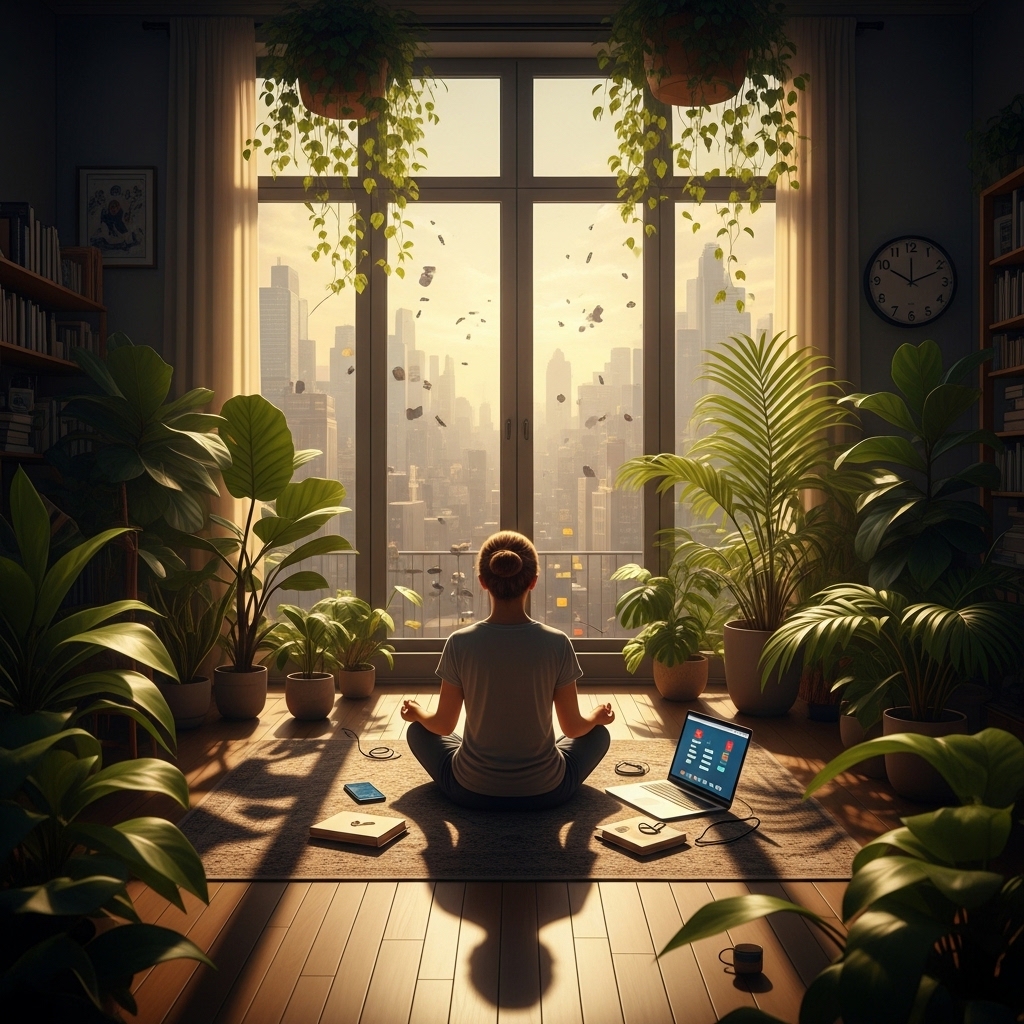
Meditation is a practice that involves focusing the mind and eliminating distractions to achieve a state of mental clarity and emotional calm. I remember the first time I tried to meditate; I sat on my living room floor, closed my eyes, and took a deep breath, thinking, “This is going to be easy.” But the moment I closed my eyes, my thoughts raced like a runaway train. I learned quickly that meditation is more about training the mind than simply relaxing. There are many forms of meditation, including mindfulness, transcendental meditation, and guided imagery, each offering unique techniques to help us connect with ourselves.
The Purpose of Meditation
The primary purpose of meditation is to cultivate awareness and gain insight into our thoughts and feelings. It helps us create space between ourselves and our reactions, allowing us to respond to life’s challenges with greater equanimity. I’ve found that, through consistent practice, meditation has helped me notice my emotional patterns and give me a sense of grounding when the world feels chaotic. This practice is not just about quieting the mind; it’s about fostering a deeper understanding of ourselves and enhancing our overall well-being. Read Interesting article: Myth: Your Intuition Is Always Right
The Myth of Meditation as a Cure-All
SBAG_IMG_698263f4068ad
Common Misconceptions about Meditation
One of the biggest myths I’ve encountered is that meditation can solve all of life’s issues. This misconception often leads people to think that simply sitting quietly for a few minutes each day will magically erase stress, anxiety, or even deeper problems. I’ve spoken to many friends who were disappointed when their initial attempts at meditation didn’t lead to instant solutions. It’s easy to fall into the trap of believing that just because something seems straightforward, it will be effective across all situations. In reality, meditation is just one tool in a vast toolbox of personal growth and healing strategies.
Why People Believe Meditation Can Solve All Problems
The belief that meditation can solve all problems might stem from the way it’s often marketed or discussed in popular culture. We see it portrayed as a quick fix for stress relief or anxiety reduction, and many people, myself included, are drawn to that idea. I remember scrolling through social media and coming across countless posts about how meditation transformed people’s lives overnight. It’s inspiring, but it can create unrealistic expectations. The truth is, while meditation can enhance our coping mechanisms and provide clarity, it doesn’t eliminate life’s complexities. I’ve learned that it’s essential to balance the benefits of meditation with the reality that challenges still exist, and actively addressing them is crucial.
Benefits of Meditation
Stress Reduction
One of the most well-documented benefits of meditation is stress reduction. I’ve experienced those moments when my mind feels overwhelmed with deadlines and obligations, and meditating helps create space to breathe and reflect. Studies show that regular meditation can lower levels of cortisol, the stress hormone, which has been a game-changer for me. It’s not a cure-all, but it certainly helps me approach stressors with a calmer mindset.
Improved Focus and Concentration
Another significant benefit I’ve noticed is improved focus and concentration. In our fast-paced, distraction-filled world, it’s easy to get sidetracked. However, practicing meditation trains the brain to become more attentive. I found that after a few weeks of regular practice, I could concentrate better on tasks at work or when reading a book. It’s like giving my mind a workout, making it more agile and responsive.
Emotional Well-being
Meditation can also foster emotional well-being. By becoming more aware of my thoughts and feelings, I’ve learned to respond rather than react impulsively. I remember a time when I felt particularly anxious about an upcoming event. Instead of spiraling into worry, I took some time to meditate. That moment of stillness allowed me to acknowledge my feelings without judgment, leading to a more peaceful experience. It’s about creating a healthier dialogue with ourselves.
Physical Health Benefits
Interestingly, the benefits of meditation extend to physical health as well. Research indicates that it can lower blood pressure, improve sleep quality, and even boost the immune system. I’ve noticed that on days when I prioritize meditation, I feel more energized and less susceptible to illness. It’s fascinating how interconnected our mental and physical health can be, and meditation is a beautiful bridge between the two. Read Interesting article: Myth: Spiritual People Don’t Need Therapy
Limitations of Meditation
Meditation is Not a Replacement for Professional Help
While meditation offers many benefits, it’s vital to understand its limitations. I’ve seen friends struggle with serious mental health issues, convinced that meditation alone would solve their problems. In those situations, I’ve encouraged them to seek professional help. Meditation is a supportive practice, but it should never replace therapy or medical treatment when needed. It’s essential to recognize that some challenges require more than just mindfulness; they need skilled professionals who can guide us through complex emotions.
Situations Where Meditation is Ineffective
There are also specific situations where meditation might not be effective. For example, if someone is dealing with acute trauma or crisis, sitting quietly may feel impossible and even counterproductive. I remember trying to meditate during a particularly stressful period in my life, and instead of finding peace, I felt frustrated and restless. It taught me that there’s a time and place for meditation, and sometimes, we need to tackle issues head-on rather than retreating inward.
Integrating Meditation with Other Practices
It’s crucial to integrate meditation with other self-care practices. I’ve found that combining meditation with physical exercise or engaging in creative hobbies enhances the overall experience. For me, yoga has been a wonderful complement to my meditation practice. It allows me to move my body while also focusing my mind, creating a holistic approach to well-being. Embracing a variety of techniques can provide a more rounded toolkit for dealing with life’s ups and downs.
Realistic Expectations from Meditation
Time Commitment and Consistency
One of the most important lessons I’ve learned about meditation is that it requires time and consistency to see real benefits. At first, I thought I could just squeeze in a quick five-minute session and expect to feel completely transformed. I soon realized that meaningful change takes patience. I remember the days when I felt frustrated because I didn’t notice immediate improvements in my stress levels or emotional regulation. Over time, I learned that regular practice, even if it’s just ten minutes a day, can lead to significant shifts in how I handle challenges. Just like any other skill, meditation takes practice; the more we commit to it, the more we can see the positive impact on our lives.
Personal Experiences and Individual Differences
Meditation is a deeply personal journey, and what works for one person might not work for another. I’ve spoken to friends who rave about how meditation has completely changed their outlook on life. On the other hand, I’ve met people who tried it a few times and didn’t feel any significant effects. I think this variability is essential to acknowledge. Our backgrounds, mental states, and even the environments we meditate in can shape our experiences. I remember trying different styles before discovering what resonated with me. For instance, guided meditations often felt more helpful than sitting in silence. This exploration helped me understand that it’s crucial to find what works for us individually, instead of adhering to a one-size-fits-all approach.
Alternative Approaches to Problem-Solving
Cognitive Behavioral Therapy (CBT)
While meditation has its place, I’ve found that combining it with other problem-solving strategies can be incredibly effective. One approach that has resonated with me is Cognitive Behavioral Therapy (CBT). CBT focuses on identifying and reframing negative thought patterns, which I believe complements meditation beautifully. I experienced this first-hand in a workshop where we practiced both meditation and CBT techniques. It was enlightening to see how meditation helped create a calm space for me to reflect on my thoughts, making it easier to challenge any negative beliefs that arose. If you find that meditation alone isn’t enough, I recommend considering CBT as an additional tool in your toolkit.
Physical Exercise
Another powerful alternative is physical exercise. I’ve always found that when I’m feeling overwhelmed, a good workout can clear my mind and lift my spirits. I remember one particularly stressful week when I hit the gym daily, alternating between cardio and strength training. The endorphins released during those workouts provided a natural high that complemented my meditation practice. Combining these two methods helped me manage stress and improve my overall mood. Exercise doesn’t just benefit our physical health; it also plays a significant role in mental well-being. I’ve come to appreciate the importance of integrating movement into my routine, as it creates a more balanced approach to handling life’s challenges.
Support Systems and Community
Lastly, having a support system is vital. I can’t emphasize enough how much of a difference it makes to have people around us who understand our journey. Whether it’s friends, family, or a meditation group, sharing our experiences can provide encouragement and accountability. I remember joining a local meditation circle where we would share our experiences and challenges. It was comforting to hear others express their struggles, allowing me to feel less isolated. Community support fosters a sense of belonging, reminding us that we’re not alone in our challenges. When we combine meditation with a solid support system, we create a more holistic approach to personal growth and healing.
Conclusion: A Balanced View on Meditation
As I’ve explored the different facets of meditation, I’ve come to appreciate it not only as a standalone practice but as part of a broader approach to personal well-being. It’s important to recognize that we all have unique journeys and experiences. For me, meditation is like a gentle guide that helps me navigate through life’s ups and downs, but it’s not the only path I tread upon.
Finding Balance in Practice
Balancing meditation with other methods has been crucial for me. I remember early on in my journey when I would solely rely on meditation to handle everything. As I began integrating other practices, like journaling and mindfulness during daily activities, I noticed a more profound impact. Journaling, in particular, became a way for me to process my thoughts and feelings outside of meditation. It’s like having a conversation with myself on paper, which complements the stillness of meditation.
The Role of Mindfulness in Everyday Life
I’ve also found that practicing mindfulness in my daily life enhances my meditation experience. For instance, I try to bring mindfulness into mundane tasks, like washing dishes or walking my dog. I focus on the sensations and sounds around me, which has deepened my appreciation for the present moment. This practice helps me cultivate a sense of awareness that carries over into my meditation sessions. When I sit down to meditate, I find it easier to let go of distractions because I’ve already trained my mind to notice and acknowledge my surroundings throughout the day.
Adapting Meditation to Fit My Lifestyle
Another essential aspect I’ve learned is that meditation doesn’t have to look a certain way. For a long time, I thought I needed to sit cross-legged on a cushion for it to “count.” I began adapting my practice to fit my lifestyle. Some days, I meditate lying down, while other days, I might take a few moments to meditate while waiting in line or during my commute. I remember the first time I meditated during my lunch break at work; it felt so refreshing to give myself that time to recharge amidst a busy day. This flexibility has made meditation feel more accessible and less like a chore.
Exploring Different Meditation Styles
Exploration has also played a big role in my meditation journey. I’ve tried various styles, from loving-kindness meditation to body scan techniques, and each one has taught me something different. One of my favorites has been guided meditations, where I can follow along with an instructor’s voice. They provide a sense of direction, especially on days when my mind feels particularly chaotic. I remember the first time I tried a guided meditation focused on gratitude; it opened my eyes to all the small joys I often overlook. This exploration keeps my practice fresh and engaging, preventing it from becoming monotonous.
Embracing the Journey
Ultimately, my journey with meditation has taught me that it’s not just about the act of sitting still; it’s about embracing a larger journey towards self-discovery and personal growth. I’ve learned to be gentle with myself when I miss a day or struggle to find focus. It’s all part of the process. I’ve come to appreciate that every moment spent in awareness, whether through meditation or other means, contributes to my overall well-being.
As we navigate our personal paths, I encourage you to explore what meditation means for you. It might be a daily practice or an occasional escape; it might involve silence or sound, stillness or movement. Whatever it looks like, remember that it’s your journey. Finding the balance between meditation and other supportive practices can lead to a richer, more fulfilling experience, allowing us to tackle life’s challenges with resilience and grace.
Frequently Asked Questions
What is meditation?
Meditation is a practice that involves focusing the mind and eliminating distractions to achieve a state of mental clarity and emotional calm. It is more about training the mind than simply relaxing.
What is the primary purpose of meditation?
The primary purpose of meditation is to cultivate awareness and gain insight into our thoughts and feelings, allowing us to respond to life’s challenges with greater equanimity.
Can meditation solve all of life’s problems?
No, meditation is not a magical solution for all problems. While it offers significant benefits, it cannot replace active problem-solving or professional help.
What are some benefits of meditation?
Some benefits of meditation include stress reduction, improved focus and concentration, enhanced emotional well-being, and physical health benefits such as lower blood pressure and improved sleep quality.
Is meditation a replacement for professional help?
No, meditation should not be viewed as a replacement for professional help. It is a supportive practice but should be complemented with therapy or medical treatment when needed.
How long should one meditate to see benefits?
Meaningful change through meditation requires time and consistency. Regular practice, even if it’s just ten minutes a day, can lead to significant shifts in how one handles challenges.
What are some situations where meditation might be ineffective?
Meditation might be ineffective in situations involving acute trauma or crisis, where sitting quietly may feel impossible and even counterproductive.
How can one integrate meditation with other practices?
Combining meditation with other self-care practices, such as physical exercise or creative hobbies, enhances the overall experience and provides a more rounded toolkit for dealing with life’s ups and downs.
What should I expect when starting meditation?
When starting meditation, it’s important to have realistic expectations. Each person’s experience is different, and it may take time to notice significant effects.
How can mindfulness be incorporated into daily life?
Practicing mindfulness in daily activities, such as washing dishes or walking, can enhance the meditation experience by cultivating awareness in the present moment.