
Awakened people are not always alone; many find deep connections with others who share their experiences and insights. In my own journey, I’ve realized that awakening doesn’t mean isolation but often leads to the formation of meaningful relationships. Read Interesting article: Myth: Awakening Means You’ll Always Be Happy
Table of Contents
Understanding the Myth of Solitude in Awakening
Defining ‘Awakened’ Individuals
When we talk about “awakened” individuals, we’re referring to those who have undergone a significant transformation in their consciousness. This awakening can manifest in various forms, such as heightened awareness, a deeper understanding of life’s purpose, or a profound sense of connection to others and the universe. I remember when I first felt the shift within myself; it was as if a veil had been lifted, and everything became more vibrant and interconnected. I began to experience life with a new lens, where love, compassion, and empathy took center stage.
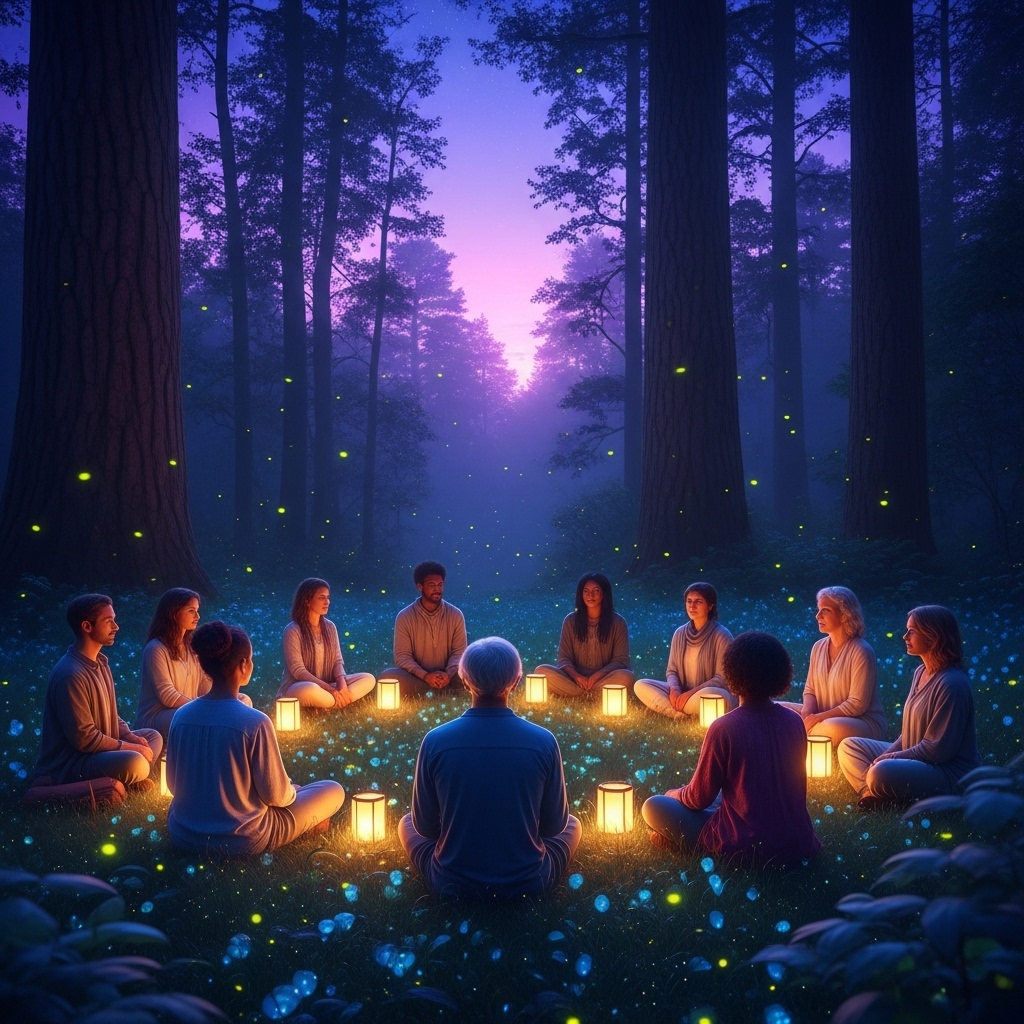
To many, this awakening can feel like a solitary journey. We often hear stories of people retreating from the hustle and bustle of everyday life to seek solace in nature or meditation. While this can be an essential part of the process, it doesn’t mean that they are completely alone. Awakening can lead to a deeper craving for connection, understanding, and shared experiences with others who have walked a similar path. I’ve found that these connections can often be the most fulfilling aspects of my spiritual journey.
Common Misconceptions About Awakening
One common misconception about awakened individuals is that they are always lone wolves, wandering the earth in search of enlightenment. This idea perpetuates the myth that spiritual growth must be a lonely experience. I’ve often encountered people who believe they need to isolate themselves entirely to achieve a higher state of consciousness. However, this isn’t true for everyone. Many awakened souls thrive in community, sharing their experiences and supporting one another. Read Interesting article: Awakening Is Not Becoming Better—It’s Becoming Real
Another misconception is that once a person is “awakened,” they no longer relate to those who haven’t had similar experiences. I remember the early days of my awakening when I felt a strange disconnect from friends and family who didn’t understand my journey. However, I discovered that it was possible to engage with them meaningfully while still honoring my path. It’s crucial to note that awakening doesn’t erase our human experiences; instead, it can deepen our empathy and compassion towards others, even those who may still be asleep to their own potential.
Social Connections and Spiritual Awakening
The Role of Community in Awakening
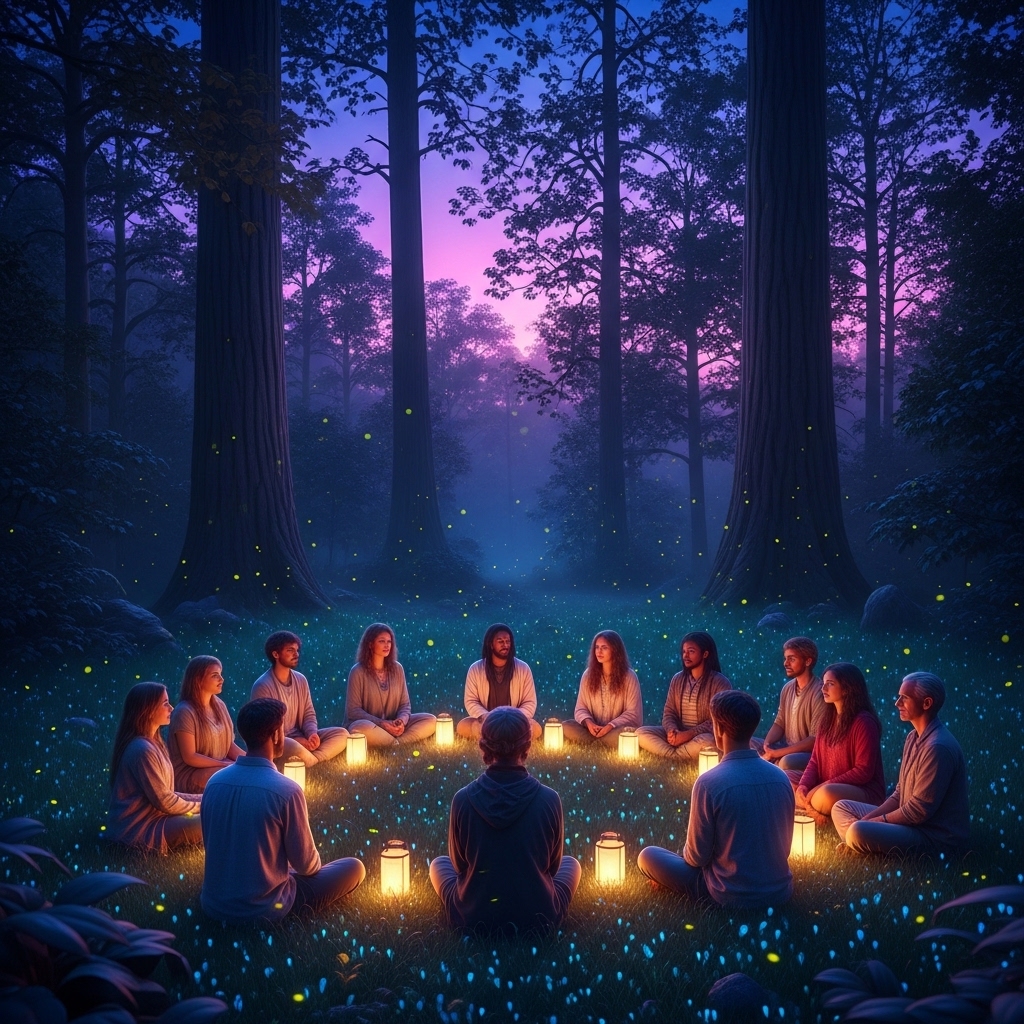
Throughout my journey, I’ve learned that community can play a vital role in the awakening process. Finding a group of like-minded individuals often provides a sense of belonging and validation. When I first joined a local meditation circle, I felt a wave of relief wash over me. Here were people who understood the nuances of my experience. We shared our stories, our struggles, and our triumphs, and that camaraderie helped me feel less isolated.
Communities can take many forms, from online forums to local meetups, and even retreats. What matters most is the connection and support that these groups provide. I’ve seen firsthand how being part of a community can uplift and inspire individuals on their spiritual paths. When we come together, we celebrate each other’s successes and provide comfort during challenging times. The energy of shared experiences can be incredibly healing, reminding us that we are not alone in our journey.
Building Relationships with Like-Minded Individuals
Building relationships with others on a similar journey can be one of the most rewarding aspects of awakening. I remember feeling lost at times, unsure of how to navigate friendships and social dynamics after my awakening. I found that reaching out to others with similar interests—whether through workshops, online courses, or social media—helped me forge new connections. These relationships often evolve into deep friendships based on mutual understanding, respect, and shared values.
In my experience, the key to building these relationships is openness and vulnerability. When I allowed myself to be authentic and share my journey, I found that others were willing to do the same. This exchange created a safe space where we could explore our thoughts and feelings without judgment. I recommend seeking out groups or individuals who resonate with your experiences; sometimes, the most impactful connections occur in the most unexpected places.
Examples of Supportive Spiritual Communities
There are various forms of supportive spiritual communities out there, each offering unique benefits. For instance, I’ve participated in local meditation groups that foster a sense of peace and mindfulness. These gatherings provide a structured environment to explore spiritual practices while connecting with others. I’ve also come across online platforms where people share their awakening journeys, offering advice and support to one another. These forums can be a lifeline for those who may not have physical communities in their area.
Another example is spiritual retreats, which I’ve found to be transformative. Spending time in a nurturing environment with others focused on personal growth can create lifelong bonds. During one retreat, I met individuals from diverse backgrounds, all united by the desire to explore their spiritual selves. We shared meals, practices, and stories that deepened our connections. These experiences reminded me that awakening is not a solitary endeavor; rather, it thrives in community.
Ultimately, while the journey of awakening can sometimes feel lonely, it also opens the door to profound connections with others. As I reflect on my path, I’m grateful for the relationships I’ve built along the way. It’s a reminder that we are all in this together, learning and growing side by side. Read Interesting article: Awakening Means Losing Who You Thought You Were
Emotional Aspects of Awakening
Feelings of Isolation vs. Genuine Solitude
As I navigated my awakening, I often grappled with feelings of isolation. At times, it felt like I was on a deserted island, surrounded by people yet still feeling profoundly alone. I’ve spoken to many who share this sentiment; it’s as if the deeper we dive into our spiritual journeys, the more disconnected we feel from the everyday conversations and activities that used to bring us joy. I learned that this feeling of isolation can stem from a lack of understanding from those around us, which often amplifies our sense of being different or misunderstood.
However, there’s a distinct difference between isolation and genuine solitude. Genuine solitude can be incredibly nourishing, allowing us to reflect and recharge without the distractions of the outside world. I remember a time when I consciously chose to spend a weekend alone, diving deep into meditation and journaling. Instead of feeling lonely, I was filled with gratitude for the time I had to connect with myself. This experience taught me that solitude can be a powerful tool for self-discovery, whereas isolation often stems from external perceptions and emotional struggles.
How Emotional Intelligence Influences Relationships
Emotional intelligence plays a crucial role in how we navigate relationships during our awakening. I’ve found that as we become more aware of our emotions, we also gain a better understanding of the emotions of others. This heightened sensitivity can enhance our connections, allowing for deeper conversations and more empathetic interactions. I remember having a heart-to-heart discussion with a friend who was struggling with her own journey. Because I had developed my emotional awareness, I could listen without judgment and offer support in a way that felt authentic and meaningful.
On the flip side, increased emotional awareness can sometimes lead to overwhelming feelings. I’ve noticed that, as I embraced my spiritual path, I became more sensitive to the energies around me. I could pick up on others’ emotions more easily, which sometimes felt heavy. Recognizing this, I learned to set boundaries to protect my emotional well-being while still supporting those I care about. Striking this balance can be challenging, but I believe it’s essential for maintaining healthy relationships.
Common Emotional Challenges Faced by Awakened People
Throughout my journey, I’ve encountered several emotional challenges that I believe many awakened individuals face. One of the most prominent struggles is the sense of loss—loss of old relationships, a previous sense of self, and even the loss of a lifestyle we once knew. I remember mourning the friendships that faded away as my interests and values shifted. It was difficult to reconcile the joy of awakening with the sadness of letting go. However, I’ve come to understand that these losses are often necessary for growth, making space for new connections that align more closely with our awakened selves.
Another challenge is the pressure to conform to societal norms after experiencing a profound awakening. I often felt out of sync with mainstream conversations and activities. There were times when I would attend social gatherings and find myself feeling disconnected from the topics at hand. Instead of trying to force myself to fit in, I learned to honor my feelings and seek out those who shared my interests and perspectives. This shift has been liberating, allowing me to embrace my authenticity and surround myself with people who understand my journey.
Lastly, the journey can bring up unresolved emotional wounds that we might have buried for years. I found that as I became more aware of my inner self, old traumas and fears began to surface. While this can be uncomfortable, I’ve learned that facing these emotions is a crucial part of healing. Seeking support from trusted friends, therapists, or spiritual guides has provided me with the tools to navigate these challenges effectively.
Awakening and Personal Growth
The Impact of Awakening on Social Interactions
Awakening has undoubtedly transformed my social interactions. I’ve noticed that as I embrace my authentic self, I attract people who resonate with my energy and values. Relationships that once felt superficial have evolved into profound connections based on mutual respect and understanding. I remember meeting someone at a spiritual workshop who effortlessly connected with my essence. Our conversations flowed naturally, touching on topics we both cared about deeply. This shift has made social interactions feel less like a chore and more like a celebration of shared experiences.
Moreover, I’ve learned to approach social situations with a new mindset. Instead of dreading gatherings, I now see them as opportunities to share my journey and learn from others. I find that when I share my experiences openly, it invites vulnerability from others, fostering deeper connections. This openness creates a ripple effect, encouraging those around me to engage in meaningful dialogues about their own journeys.
Transforming Relationships Through Awakening
One of the most beautiful aspects of awakening is the potential for transformation within our existing relationships. I’ve witnessed how my awakening has prompted shifts in my interactions with family and friends. Initially, my loved ones struggled to understand my new perspective, leading to some tension. Yet, as I practiced patience and shared my insights, I noticed a gradual evolution in our relationships. Conversations became more profound, filled with an appreciation for each other’s journeys.
In my experience, showing up authentically and sharing my growth has inspired some of my friends and family to explore their own spiritual paths. It’s been rewarding to watch them embrace their journeys, and this mutual growth has strengthened our bonds. I genuinely believe that awakening can ignite a spark in those around us, encouraging them to seek their truths.
Maintaining Healthy Boundaries with Others
As I navigated my awakening, I realized the importance of establishing healthy boundaries. While it’s vital to connect with others, it’s equally crucial to protect our energy and emotional well-being. I’ve learned that it’s okay to say no to social invitations or to step back from conversations that feel draining. Setting boundaries allows me to prioritize my self-care while still being present for those I care about.
In practice, this means being clear about what I am comfortable discussing and when I need space. For example, I’ve had to communicate with friends that certain topics might overwhelm me, especially when I’m in a vulnerable state. I’ve found that most people are understanding when I express my needs sincerely. By maintaining these boundaries, I can engage more fully when I choose to participate in social interactions, making my connections even more meaningful.
Frequently Asked Questions
1. What does it mean to be an ‘awakened’ individual?
An ‘awakened’ individual refers to someone who has undergone a significant transformation in their consciousness, experiencing heightened awareness, a deeper understanding of life’s purpose, and a profound sense of connection to others and the universe.
2. Is awakening always a solitary journey?
No, awakening is not always a solitary journey. While some may seek solitude for reflection, many awakened individuals find deep connections and support in community with others who share similar experiences.
3. What are common misconceptions about awakened individuals?
A common misconception is that awakened individuals are always loners. Another misconception is that they can no longer relate to those who haven’t had similar experiences, which isn’t true; awakening can deepen empathy and compassion towards others.
4. How does community support the awakening process?
Community provides a sense of belonging and validation, allowing individuals to share their experiences and support one another. Being part of a community can uplift and inspire individuals on their spiritual paths.
5. What role does emotional intelligence play in relationships during awakening?
Emotional intelligence enhances connections by allowing individuals to understand their own emotions and those of others better. This sensitivity can lead to deeper conversations and more empathetic interactions, although it may also bring overwhelming feelings at times.
6. What emotional challenges do awakened individuals face?
Awakened individuals often grapple with feelings of loss, pressure to conform to societal norms, and unresolved emotional wounds that surface during their spiritual journey. These challenges can lead to a sense of isolation or disconnection from previous relationships.
7. How can relationships transform through the awakening process?
Awakening can prompt shifts in existing relationships, leading to deeper, more meaningful connections. By sharing insights and practicing patience, individuals can inspire loved ones to explore their own spiritual paths, strengthening bonds over time.
8. What are some examples of supportive spiritual communities?
Supportive spiritual communities can include local meditation groups, online forums, and spiritual retreats. These environments foster connections and provide support for individuals on their awakening journeys.
9. How can individuals maintain healthy boundaries during their awakening?
Establishing healthy boundaries is crucial for protecting emotional well-being. This involves being clear about comfort levels in discussions, saying no to draining social invitations, and communicating needs to friends.
10. Can solitude be beneficial during the awakening process?
Yes, genuine solitude can be beneficial as it allows for reflection and self-discovery. It differs from isolation, which often stems from feeling disconnected from others. Solitude can be nourishing and lead to personal growth.