
Aloka, also known as the Peace Dog, is a remarkable Indian Pariah dog who gained fame during a 2,300-mile Walk for Peace with Buddhist monks. This article explores Aloka’s journey, the significance of his role, and the teachings of the monks he accompanies.
Aloka: The Peace Dog’s Origin and Journey
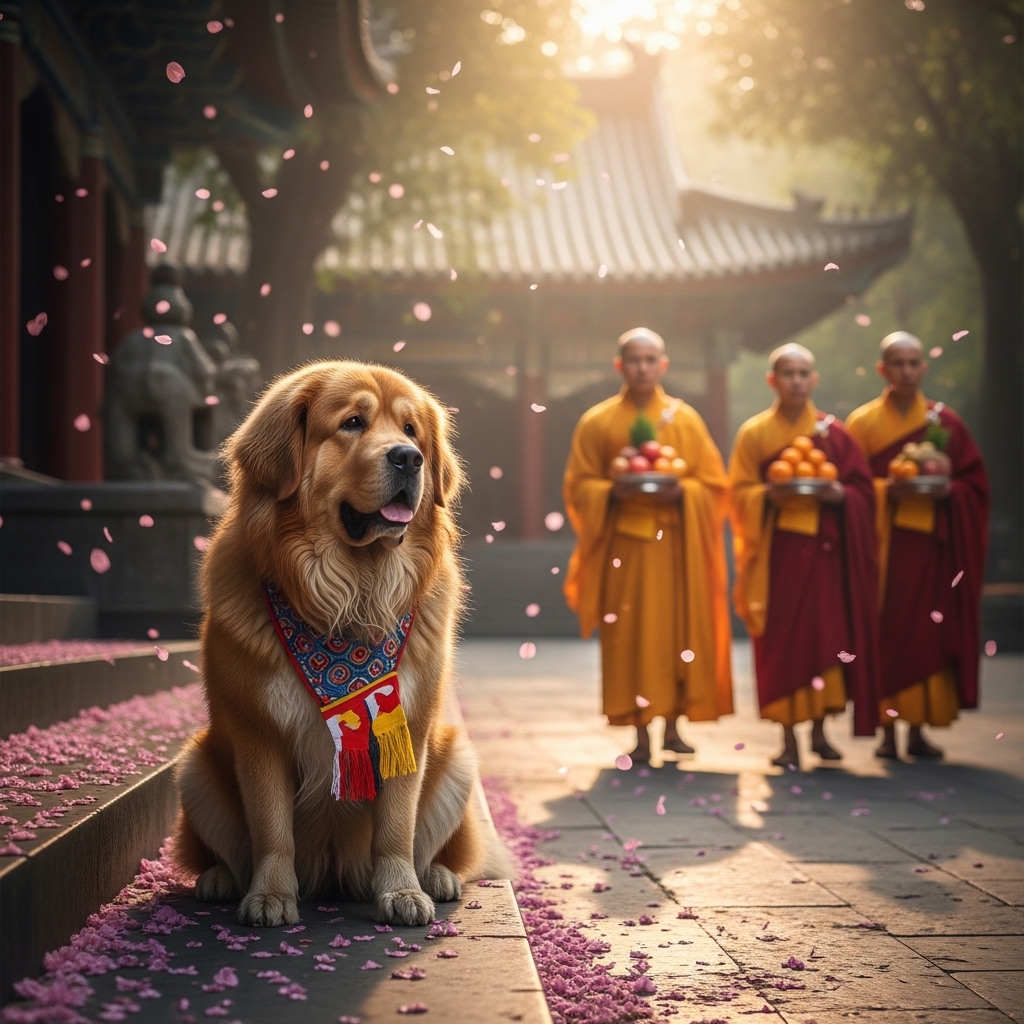
Aloka, the Peace Dog, began his life as a stray in India. His journey took a transformative turn when he joined a group of Buddhist monks on their mission for peace. This remarkable dog embodies resilience and purpose.
Aloka’s Transformation from Stray to Peace Ambassador
Aloka found his calling amidst the chaos of urban life. He first encountered the monks in Kolkata, close to an airport. Unlike other dogs that trailed behind, Aloka stayed. He traveled over 3,000 kilometers across India with them, enduring harsh conditions and even serious injuries. His loyalty was unwavering; he once jumped off a truck after being hurt to rejoin the monks.
- Duration of Journey: Over 100 days
- Distance Covered: 3,000+ kilometers
- Key Experience: Survived serious injuries, including being hit by a car
Through this journey, Aloka became a symbol of hope. His presence inspired many, showing the power of companionship and peace.
The Meaning of Aloka’s Name and Markings
The name “Aloka” carries deep significance. It translates to “divine light” or “inner clarity.” This name reflects his role in promoting peace and compassion. His markings, typical of an Indian Pariah dog, also tell a story of resilience.
- Breed: Indian Pariah dog, known for its adaptability and loyalty
- Symbolism: Represents peace and the journey toward enlightenment
Aloka’s journey resonates widely on social media. Followers share personal anecdotes about how his story has impacted their lives. His ability to connect with people from diverse backgrounds reinforces the cultural significance of dogs in Buddhism, where they are often seen as companions on the path to enlightenment.
Aloka stands not just as a dog but as a beacon of peace, encouraging communities to engage in animal welfare and compassion toward all beings.
The Walk for Peace: Mission and Philosophy
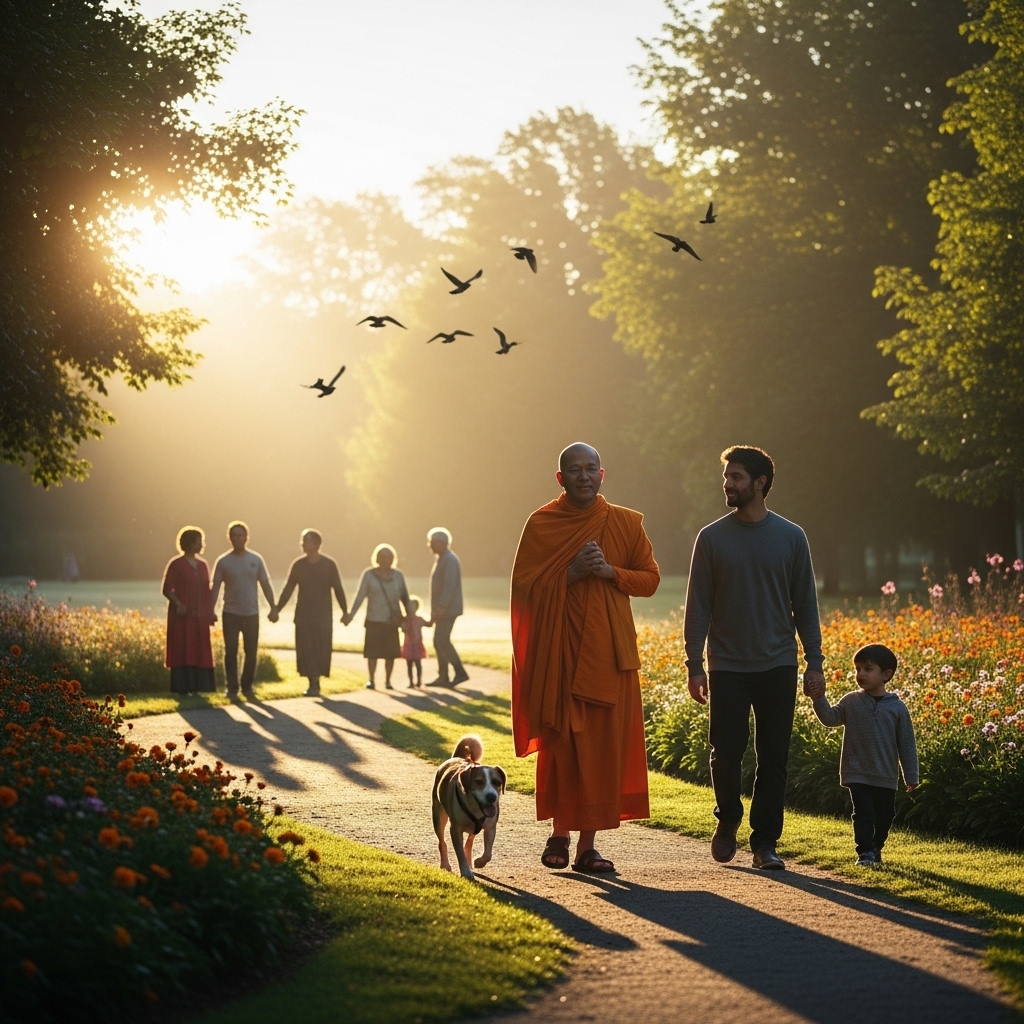
The Walk for Peace embodies the Buddhist monks’ commitment to spreading messages of compassion, mindfulness, and community. This initiative not only invites participation but also fosters connections among diverse groups.
Understanding the Goals of the Walk for Peace
The Walk for Peace aims to promote harmony and understanding across cultures. The monks believe in the transformative power of walking as a meditative practice. Their journey serves several key purposes:
- Spread Awareness: The monks raise awareness about peace and compassion through their travels.
- Community Engagement: They actively involve local communities, encouraging dialogue and support.
- Cultural Exchange: Walking through various regions allows for meaningful interactions and shared experiences.
Aloka, the peace dog, plays a vital role in this mission. His presence deepens the bond between the monks and the communities they encounter.
Community Reactions and Involvement
As the monks progress on their journey, community reactions have been overwhelmingly positive. People from all walks of life come together to support their cause. Here are some ways the community engages:
- Social Media Support: Followers share inspiring stories and photos of Aloka and the monks, amplifying their message.
- Local Events: Communities organize events to raise funds and awareness for animal welfare and peace initiatives.
- Volunteer Efforts: Many individuals volunteer, providing food, water, and medical care for Aloka and assisting the monks along the route.
These interactions highlight the cultural significance of dogs in Buddhism. Dogs symbolize loyalty and companionship, reinforcing the monks’ teachings about compassion toward all beings. Aloka’s journey encourages people to reflect on their own values and connection to the world around them.
Challenges Faced by Aloka on His Journey
Aloka has encountered numerous physical and emotional challenges during the Walk for Peace. His inspiring journey has not only tested his resilience but also highlighted the importance of recovery and community support.
Aloka’s Injury: The Impact on His Journey
In early January 2026, Aloka suffered a leg injury while walking alongside the monks. The injury stemmed from a chronic condition that dated back to his life in India. This setback required immediate veterinary attention and surgery to address the issue with his knee. Aloka’s injury not only impacted his ability to walk but also the overall progress of the Walk for Peace.
- Physical Challenges: Walking over 3,000 kilometers across India and later in the United States, Aloka faced harsh weather, rough terrains, and the physical strain of long distances. Injuries can be common in dogs undertaking such rigorous journeys, emphasizing the need for careful monitoring and veterinary care.
- Emotional Resilience: Despite his injury, Aloka displayed remarkable determination. He jumped off a truck during transport to rejoin the monks, showcasing his loyalty and spirit. This emotional strength resonates with followers, reinforcing the bond between Aloka and the monks.
Recovery Process and Community Support
Aloka’s recovery involved a series of treatments, including physical examinations and cold laser therapy. The monks and local communities rallied around him during this time, showcasing the power of collective support.
- Veterinary Insights: Common injuries in dogs on long journeys include joint issues and muscle strain. Regular check-ups and prompt treatment are crucial for recovery. Aloka’s experience serves as a reminder of the importance of veterinary care for active dogs.
- Community Engagement: Followers on social media have shared their support through encouraging messages and donations. Local events have been organized to raise awareness for Aloka’s journey and animal welfare. These efforts highlight the community’s role in supporting both Aloka and the monks.
Aloka’s challenges during the Walk for Peace illustrate the resilience of both the dog and the community that supports him. His journey is not just about physical endurance; it is also a testament to the compassion and connection that exists between all beings.
The Cultural Significance of Dogs in Buddhism
Dogs hold a unique place in Buddhist culture, symbolizing loyalty, compassion, and protection. Aloka’s journey with the Buddhist monks showcases these values and emphasizes the deeper connections between humans and dogs in the pursuit of peace.
Dogs as Symbols of Loyalty and Compassion
In Buddhism, dogs are often viewed as embodiments of loyalty. Their unwavering companionship mirrors the Buddhist ideals of devotion and empathy. Aloka, as a stray who chose to accompany the monks, represents this loyalty. He followed them across India for over 100 days, showcasing his commitment to their mission.
- Loyalty: Dogs are seen as faithful companions, reflecting the bond between humans and animals.
- Compassion: The presence of dogs in Buddhist teachings often underscores the importance of kindness and care for all living beings.
- Protection: In various cultures, dogs are viewed as protectors, aligning with Buddhist teachings about safeguarding life and promoting peace.
Aloka’s Unique Role in Promoting Peace
Aloka’s journey emphasizes the role of animals in social movements and peace initiatives. His presence alongside the Buddhist monks during the “Walk for Peace” elevates the message of compassion.
- Peace Ambassador: Aloka has become a symbol of peace, not just through his travels but through the emotional connections he fosters among people.
- Community Engagement: His story inspires community involvement, prompting people to support animal welfare and peace initiatives.
- Cultural Significance: In many Buddhist communities, dogs are revered, and their stories are celebrated, enhancing their role in cultural narratives.
Comparison with Other Notable Rescue Dogs
Aloka’s story resonates with those of other famous rescue dogs who have impacted social movements. For instance, dogs like Hachiko and Laika have become symbols of loyalty and sacrifice.
| Dog Name | Notable Impact | Cultural Significance |
|---|---|---|
| Aloka | Ambassador of Peace | Represents loyalty and compassion |
| Hachiko | Symbol of Devotion | Showcases unwavering loyalty |
| Laika | Pioneer of Space Exploration | Represents sacrifice for a greater cause |
Understanding these connections enriches the narrative of Aloka and highlights the broader significance of dogs within Buddhism and social movements.
Aloka’s Legacy and Future: What Lies Ahead
Aloka’s journey is far from over. As he continues to inspire countless individuals, there are ways for you to engage and support his mission alongside the Buddhist monks.
How to Follow Aloka’s Journey
Stay connected with Aloka’s adventures through various social media platforms. His followers share updates, photos, and stories that highlight his journey. Engaging with these posts not only keeps you informed but also helps spread awareness about the importance of peace and animal welfare.
- Join Aloka’s official social media pages.
- Share his story to raise awareness.
- Participate in online discussions about his journey.
Ways to Support the Walk for Peace Initiative
Supporting the Walk for Peace initiative is essential for its success. Here are practical ways to contribute:
- Donate: Consider making a financial contribution to support the monks’ efforts in promoting peace.
- Volunteer: Many organizations associated with the initiative need volunteers. Your time can make a difference.
- Spread the Word: Use your social media platforms to promote events and gatherings related to the Walk for Peace. This helps build a community of supporters.
By taking these actions, you contribute to Aloka’s legacy and the ongoing mission of the Buddhist monks. Each effort amplifies the message of peace and compassion that Aloka embodies.
Frequently Asked Questions
These quick answers cover the homeowner questions that come up most often about hackberry trees, including growth, care, and common problems.
What happened to Monk’s dog?
Aloka, the Peace Dog, faced a significant challenge during the Walk for Peace when he suffered a leg injury. This injury required immediate veterinary attention and surgery to address a chronic knee issue. Despite the setback, Aloka’s spirit remained unbroken, showcasing his determination to continue supporting the monks on their mission.
Is there a dog called a monk?
While there isn’t a specific breed known as a “monk dog,” Aloka is an Indian Pariah dog that has gained fame for his association with Buddhist monks during the Walk for Peace. His journey emphasizes the deep bond between dogs and humans, particularly in the context of compassion and loyalty.
What kind of dog is the monk’s dog?
Aloka is an Indian Pariah dog, a breed known for its adaptability, resilience, and loyalty. This breed has a long history in India and is often recognized for its ability to thrive in various environments. Aloka’s story highlights the unique characteristics of Indian Pariah dogs, making him a fitting companion for the monks on their peace mission.
What dog breed is named after a monk?
The “Monk” dog breed is not officially recognized, but the term may refer to certain breeds associated with monastic traditions, such as the Tibetan Mastiff. This breed has historical ties to Buddhist monks in Tibet, where they were used for guarding monasteries and livestock.
What are the different breeds of dogs kept by monks?
Monks often keep various dog breeds, depending on their location and purpose. Common breeds include Tibetan Mastiffs, known for their guarding abilities, and Indian Pariah dogs, valued for their loyalty and adaptability. These dogs symbolize the monks’ teachings of compassion and companionship.
What is the history of dogs and monks?
Dogs have a long-standing relationship with monks, particularly in Buddhist cultures. They are often seen as symbols of loyalty and compassion. Monks have historically kept dogs for companionship, protection, and to promote kindness towards all living beings, reinforcing the Buddhist principles of empathy and care.
How is Aloka recovering from surgery?
Aloka’s recovery involves a series of veterinary treatments, including physical examinations and cold laser therapy. He is receiving constant care from the monks and local communities, who have rallied to support him during this time. Updates on his health are shared regularly on social media, keeping followers informed about his progress.
How can I follow Aloka’s journey?
You can follow Aloka’s journey through his official social media pages, where updates, photos, and stories are shared regularly. Engaging with these posts helps raise awareness about his mission and the importance of peace and animal welfare. Sharing Aloka’s story on your own platforms also contributes to spreading his message further.