
Korean fan superstition, known as fan death, is the belief that sleeping in a closed room with a running electric fan can lead to death, despite no scientific evidence supporting this claim.
Fan death is a prevalent superstition in Korea, where it’s believed that running an electric fan in a closed room can suffocate or cause death. This belief reflects deeper cultural values and anxieties, making it a unique topic of exploration.
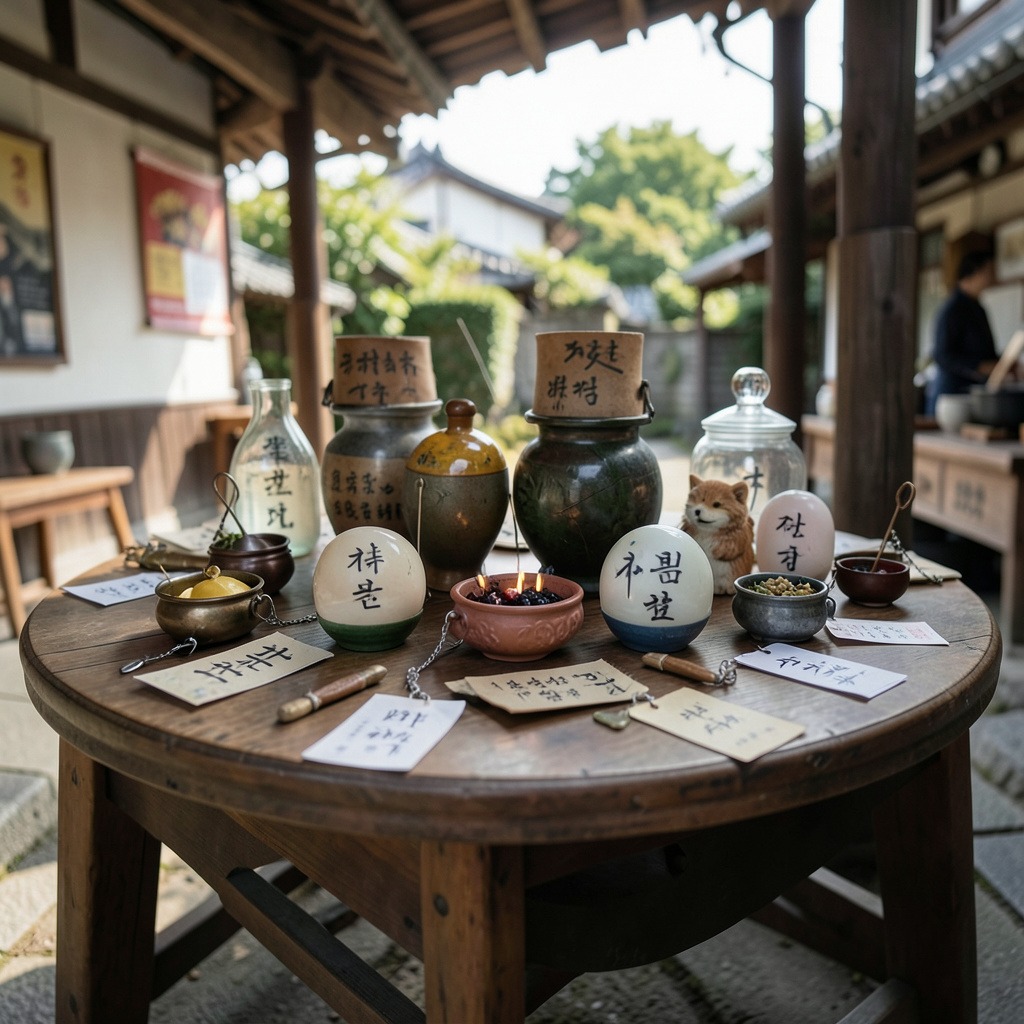
Understanding Korean Fan Superstition
Korean fan superstition centers around the belief in “fan death,” where running an electric fan in a closed room is thought to lead to suffocation or even death. This belief is deeply rooted in Korean culture and reflects societal anxieties about safety and health.
What Is Fan Death?
Fan death, or 선풍기사망설 (seon-pung-gi sa-mang-seol), translates to “electric fan death theory.” It suggests that sleeping with a fan on in a sealed room can result in fatal outcomes. Key elements of this superstition include:
- Suffocation: The moving air is believed to create a sensation of difficulty in breathing.
- Hypothermia: Some argue that prolonged exposure to cool air can lower body temperature dangerously.
- Cultural Origins: This belief gained traction during the 1970s amid energy conservation campaigns and a spate of unexplained deaths.
Cultural Significance of Fans in Korea
Fans hold a unique place in Korean households. They symbolize comfort during hot summers but also carry the weight of superstition. The following factors contribute to their cultural significance:
- Historical Context: The origins of fan death can be traced back to societal fears, particularly during periods of rapid modernization.
- Traditional Beliefs: Shamanistic and Confucian influences shape how individuals perceive objects like fans.
- Modern Adaptations: Many fans are now equipped with auto-off timers, a precaution stemming from the superstition.
Modern Perceptions of Fan Death
While older generations may adhere to the belief in fan death, younger Koreans often view it as a myth. The differences in perception highlight a generational shift:
- Skepticism: Many young people dismiss the superstition, attributing it to outdated fears.
- Awareness of Scientific Explanations: Modern discourse often emphasizes the lack of scientific evidence supporting the idea of fan death.
- Cultural Retention: Despite skepticism, some continue to follow the superstition, reflecting a blend of tradition and modernity.
By understanding the nuances of fan death, one can appreciate its cultural and societal implications within Korean society.
Table of Contents
Historical Origins of Fan Death
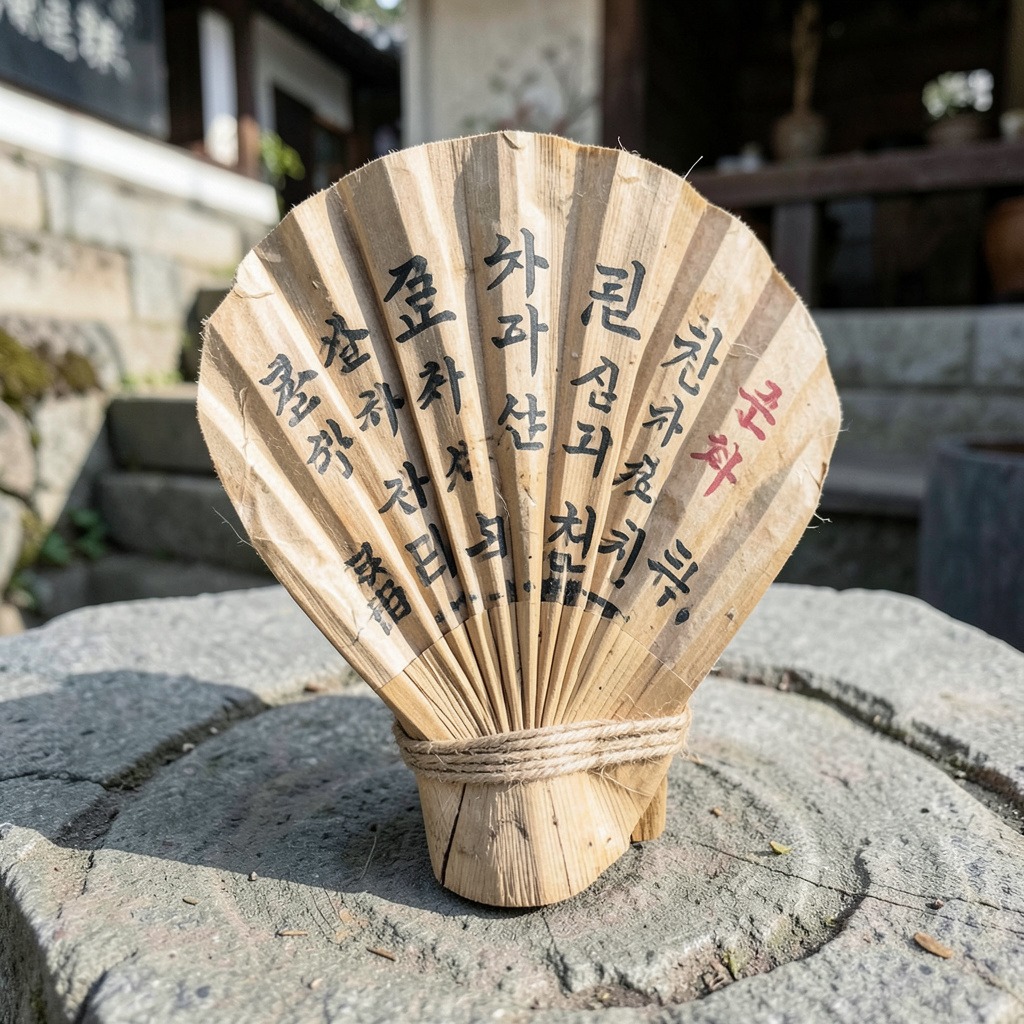
The belief in fan death is a unique cultural superstition in Korea. Its origins reveal much about societal fears and historical contexts.
The 1920s: Initial Fears and Warnings
The roots of the fan death myth trace back to the 1920s, coinciding with the introduction of electric fans to Korean households. Early reports warned of health risks associated with this new technology. Concerns included:
- Nausea
- Facial paralysis
- Asphyxiation from circulating stale air
These warnings reflected a broader anxiety regarding modernity and its potential dangers. Anecdotes from this era describe individuals who fell ill after prolonged exposure to fans, reinforcing public fears.
The 1970s Energy Crisis and Propaganda
By the 1970s, the belief in fan death gained significant traction amid an energy crisis. The South Korean government sought to promote energy conservation. Some theorists suggest that the myth was perpetuated to discourage excessive electricity use. However, this theory is debated, as fears of fans predate the crisis.
During this time, media reports frequently linked unexplained deaths to fans running overnight. These narratives shaped public perception, leading to widespread caution. Manufacturers even began incorporating automatic shut-off timers in fans to alleviate concerns.
Shifts in Beliefs Over Time
Over the decades, attitudes toward fan death have evolved. While older generations maintain their belief, younger Koreans increasingly view it as a relic of the past. Factors contributing to this shift include:
- Increased Scientific Awareness: Modern education emphasizes the mechanics of electric fans, debunking myths of suffocation and hypothermia.
- Cultural Retention: Despite skepticism, some young individuals still adhere to the superstition, illustrating a blend of tradition and contemporary rationality.
This generational divide highlights the dynamic nature of cultural beliefs, demonstrating how historical contexts can influence modern perceptions. The ongoing discussion around fan death reflects broader themes of fear and the intersection of technology with daily life in Korea.
Proposed Explanations for Fan Death
The belief in fan death revolves around various misconceptions about air circulation and its effects on the human body. Understanding these myths can clarify why this superstition persists in Korean culture.
Misconceptions About Air Circulation
Many Koreans believe that a running fan in a closed room can lead to suffocation or hypothermia. This belief is rooted in the idea that fans circulate stale air, causing individuals to choke on their own carbon dioxide. However, this notion is scientifically unfounded.
- Air Movement: Electric fans do not deplete oxygen or create toxic environments. Instead, they facilitate the evaporation of sweat, which cools the body.
- Suffocation Myth: The fear of asphyxiation from a fan is based on a misunderstanding of how air circulation works. The fan moves air, but it does not remove oxygen from the room.
The Role of Humidity and Temperature
Humidity and temperature significantly influence how we perceive comfort and health. The combination of high humidity and high temperatures can lead to discomfort, but a fan does not exacerbate these conditions.
- Cooling Effect: Fans create a wind-chill effect, which can make a hot environment feel cooler. They help regulate body temperature by promoting sweat evaporation.
- Scientific Insights: Studies show that fans can be beneficial in maintaining comfort during heat waves. They are often recommended for safe cooling rather than feared as a health hazard.
Understanding these biological mechanisms helps debunk the myth of fan death. By addressing misconceptions, we can better appreciate the role of fans in Korean households without fear of superstition.
Media Portrayal of Fan Death
The South Korean media plays a significant role in shaping public perception of the fan death superstition. Reports often blend sensationalism with cultural commentary, influencing beliefs and fears surrounding this phenomenon.
Common Reports and Case Studies
Media coverage of fan death typically surfaces during the summer months. Articles often recount tragic stories of individuals allegedly succumbing to this superstition. For example, a series of reports in the 1970s linked unexpected deaths to running a fan in a sealed room. These narratives fueled public anxiety and led to widespread belief in the dangers of electric fans.
- Case Example 1: In 2002, a news article detailed the death of a young man found in a locked room with a running fan. The report suggested that the fan contributed to his demise, despite the lack of any scientific backing.
- Case Example 2: A 2015 media piece revisited historical cases, emphasizing the cultural roots of fan death while noting that many younger Koreans began to question its validity.
Such stories reinforce the myth, despite scientific debunking of its mechanics.
Shifts in Media Narrative Over Time
Over the decades, the portrayal of fan death has evolved. Initially, media narratives tended to sensationalize the superstition, often framing it as a serious health risk. However, recent years have seen a shift toward questioning these beliefs.
- Changing Tone: Modern articles frequently provide context, explaining the origins of fan death and its grounding in cultural fears rather than scientific evidence.
- Increased Skepticism: Interviews with younger generations reveal a growing skepticism. Many now view fan death as an outdated belief, often citing it as an example of how cultural fears can persist despite rational explanations.
This shift in media narrative reflects broader societal changes, as younger Koreans navigate between traditional beliefs and modern understanding.
Common Korean Superstitions Beyond Fan Death
Korean culture is rich with superstitions that reflect deep-seated beliefs and values. These superstitions often influence daily life and social interactions, much like the widely held belief in fan death.
The Cultural Significance of Superstitions
Superstitions in Korea often serve as cultural touchstones. They provide insight into societal fears, values, and historical contexts. Here are some notable examples:
- Chopstick Etiquette: Placing chopsticks upright in rice is considered a bad omen, as it resembles a funeral ritual. This superstition underscores respect for the deceased.
- Number Four: The number four is associated with death. Buildings often skip the fourth floor, reflecting a cultural aversion to anything linked to mortality.
- Dream Interpretation: Certain dreams, such as those involving teeth falling out, are believed to predict death or misfortune. This highlights the connection between dreams and daily life in Korean culture.
How Superstitions Influence Daily Life
Superstitions shape behavior and decision-making in everyday situations. Many Koreans adhere to these beliefs, often incorporating them into their routines. For instance:
- Avoiding Specific Colors: Wearing white to a wedding is avoided, as it symbolizes mourning. This reflects a broader cultural respect for life and death cycles.
- Lucky Charms: Many carry talismans or amulets for protection against bad luck. This practice illustrates the desire for control over fate and fortune.
- Seasonal Practices: Certain rituals are performed during specific times of the year, believed to bring good luck or ward off evil spirits.
These superstitions not only reveal personal beliefs but also foster community connections. They provide common ground for discussion and shared experience, enriching the cultural fabric of Korea.
How Fan Death Affects Daily Life in Korea
The belief in fan death significantly influences daily routines and behaviors in South Korea. Many families take specific precautions to avoid this perceived danger, shaping their interactions with electric fans and their overall household practices.
Precautions Taken by Families
Korean households often implement various strategies to mitigate the risk of fan death. These precautions reflect deep-rooted cultural beliefs and practical adaptations. Common practices include:
- Timers: Many families purchase fans with built-in timers. This feature allows the fan to turn off automatically after a set period, minimizing the risk of prolonged exposure while sleeping.
- Open Windows: It is common for families to leave windows open when using a fan. This practice is believed to improve air circulation and reduce the likelihood of suffocation.
- Ventilation: Families often ensure that rooms are well-ventilated. They might use fans strategically to promote airflow, particularly in summer months.
- Awareness and Discussions: Conversations about fan death are frequent among family members. Parents often educate children about the superstition, reinforcing cautious behavior from a young age.
Changes in Fan Design and Usage
The superstition surrounding fan death has led to notable changes in how fans are designed and used in Korean households. Manufacturers have adapted to consumer concerns, which illustrates the belief’s impact on the market.
- Auto-Off Features: Many fans now come equipped with auto-off timers. This design change directly addresses fears about leaving fans on overnight.
- Safety Instructions: Appliances often include safety guidelines that reflect cultural beliefs about usage. These instructions emphasize proper ventilation when using electric fans.
- Cultural Marketing: Brands may market fans with safety features explicitly designed to alleviate fears related to fan death. This strategy acknowledges consumer concerns and aligns with cultural perceptions.
Real-life scenarios highlight how deeply ingrained this belief is. For instance, a family might set up their living room with open windows and multiple fans set to turn off after two hours while they watch television. This careful arrangement illustrates their commitment to safety while still enjoying the comfort of a cool breeze.
Such adaptations reveal how Korean culture intertwines superstition with everyday practices, shaping the relationship between families and their household appliances.
Comparisons: Fan Death and Other Cultural Superstitions
Korean fan superstition, particularly the belief in fan death, finds parallels and contrasts in superstitions from other cultures. Understanding these similarities and differences provides insight into the cultural significance and psychological underpinnings of such beliefs.
Similar Superstitions in Other Cultures
- The Evil Eye: In many Mediterranean cultures, the evil eye is a prevalent superstition. People believe that envy can cause harm through a malevolent gaze. Like fan death, it reflects societal fears surrounding jealousy and ill intentions.
- Warding Off Spirits: Various cultures use charms or talismans to protect against malevolent spirits. For example, in some African traditions, specific rituals are performed to safeguard against misfortune, akin to how Koreans might avoid sleeping with a fan on.
- Ghosts and Shadows: In Chinese culture, it’s believed that one should not sweep the floor at night, as it may attract unwanted spirits. This superstition parallels fan death’s caution against potential dangers posed by inanimate objects.
Unique Aspects of Korean Beliefs
Korean beliefs around fan death have distinct characteristics that set them apart from global superstitions:
- Scientific Roots: The theory of fan death arose during the 1970s, coinciding with energy conservation efforts. Media reports linked unexplained deaths to running fans in closed spaces, creating a socio-political narrative around the belief. This historical context is unique to Korea.
- Cultural Integration: Fan death embodies a blend of shamanistic, Buddhist, and Confucian values. These traditions emphasize harmony with nature and respect for ancestors, which may explain the heightened fear surrounding fan usage.
- Modern Adaptations: Unlike many superstitions that fade over time, fan death remains prominent in contemporary discussions. Younger generations often encounter the belief through familial teachings, despite scientific evidence debunking the myth.
In summary, while fan death shares thematic elements with superstitions globally, its origins and cultural significance reflect unique aspects of Korean society. This interplay of tradition and modernity continues to shape perceptions and practices surrounding household appliances like electric fans.
The Modern Perception of Fan Death Among Younger Generations
Younger generations in Korea are increasingly skeptical about the belief in fan death. This shift reflects broader changes in attitudes towards superstitions and traditional beliefs in light of modern science and technology.
Skepticism and Rational Thinking
As education levels rise, many young Koreans are turning to rational thinking. They question the validity of fan death, attributing it to outdated myths rather than scientific fact. For example, a recent survey among university students revealed that over 70% believe fan death is a superstition without basis.
Personal anecdotes further illustrate this shift:
- Ji-hoon, 24: “I grew up hearing about fan death, but it just doesn’t make sense scientifically. I leave my fan on all night.”
- Min-seo, 22: “It’s funny to me now. I found it hard to believe when my grandmother insisted it was real.”
The Influence of Technology on Beliefs
The rise of the internet has facilitated access to information and alternative perspectives. Younger Koreans engage with global content that challenges traditional beliefs. Social media platforms also play a role in reshaping opinions.
- Increased Access to Information: Many young people research fan death and similar superstitions online, leading to greater skepticism.
- Influencer Impact: Influencers often share humorous takes on superstitions, normalizing the conversation around rationality.
This technological influence fosters a culture that values critical thinking over inherited fears. As a result, the narrative around fan death is evolving, with many now viewing it as a relic of the past rather than a legitimate concern.
Scientific Studies Debunking Fan Death
Despite widespread belief in fan death, scientific research consistently disproves its validity. Studies have shown that the mechanisms proposed by proponents of this superstition are scientifically unfounded.
Key Findings from Research
1. Air Movement and Hypoxia: Research indicates that electric fans do not create conditions conducive to suffocation. They circulate air, maintaining comfort rather than reducing oxygen levels.
2. Temperature Regulation: Studies show that fans can help regulate body temperature, particularly in hot environments. This counters the notion that fans induce hypothermia.
3. Statistical Analysis of Deaths: Investigations into unexplained deaths linked to fan use reveal no causal relationship. Many of these incidents involved pre-existing health conditions, not fan operation.
Expert Opinions on Fan Death
Experts in both health and cultural studies emphasize the psychological aspects of fan death. They suggest that cultural fears manifest in superstitions like this one.
- Cultural Interpretation: Researchers highlight that fan death reflects deeper societal anxieties about health and mortality. This superstition often serves as a convenient explanation for sudden deaths in a society that values harmony and order.
- Public Health Perspectives: Medical professionals argue that the persistence of the fan death belief may distract from genuine health issues. They advocate for public education to promote a better understanding of health risks unrelated to fan use.
Overall, scientific studies and expert insights reveal that fan death is a myth rooted in cultural fear rather than fact.
Personal Anecdotes and Testimonials on Fan Death
Fan death is not just a tale; it resonates deeply with many individuals in Korea. Personal experiences illuminate the cultural weight of this superstition.
Stories from Believers
1. A Summer Fear: Ji-hoon, a university student, recalls the summer of his childhood when his grandmother insisted on turning off the fan at night. “She believed it could take my life,” he said. The anxiety was palpable. Ji-hoon often found himself sweating through the night, too scared to sleep with the fan on.
2. Cultural Expectations: Min-jung, a mother of two, shared her experience. “When I bought my first electric fan, my mother warned me to keep the windows open.” She adhered to this advice, fearing the unknown consequences. “It was a family rule, deeply rooted in her upbringing,” she explained.
3. Challenging the Myth: On the other hand, Sang-woo, a doctor, debunks fan death with a personal touch. “I grew up hearing about it, but as a medical professional, I see it differently.” His perspective fosters discussion among friends, challenging the myth among younger generations. “Education is key,” he asserts.
Impact on Daily Life
The superstition around fan death shapes everyday routines:
- Household Practices: Many families adopt specific behaviors to mitigate perceived risks. This includes:
- Keeping windows open while using fans.
- Setting timers for fans to turn off after a few hours.
- Avoiding fans in sealed rooms entirely.
- Social Interactions: Conversations often veer towards fan death, especially during the summer. People share anecdotes or express concern, perpetuating the myth.
- Generational Divide: Younger Koreans often question fan death, influenced by scientific reasoning. Yet, older generations maintain steadfast beliefs, creating a cultural divide.
These personal stories reflect how fan death is woven into the fabric of Korean society, illustrating both fear and tradition. They highlight the ongoing conversation about balancing cultural beliefs with modern understanding.
Cultural Significance of Fans in Korean Households
Electric fans play a crucial role in Korean households, serving not only as appliances but also as symbols of cultural practices and beliefs. Their usage extends beyond mere functionality, intertwining with social customs and historical narratives.
Fans as Everyday Appliances
In South Korea, electric fans are ubiquitous, particularly during the hot summer months. They are not just tools for cooling; they also represent comfort and relief from the sweltering heat. Many households rely on fans to maintain a pleasant atmosphere, especially in regions where air conditioning is less common.
- Daily Usage: Fans are often used in various settings, from homes to offices. Their presence is a staple in daily life.
- Adaptability: Many fans come with timers and oscillation features, allowing users to customize their cooling experience.
- Cultural Norms: Setting timers on fans before sleeping is a common practice, rooted in the fear of fan death. This reflects how superstitions influence even simple daily decisions.
Symbolism of Fans in Korean Culture
Beyond their practical uses, fans carry deep cultural significance in Korea. They symbolize comfort, connection, and even caution.
- Cultural Connection: Fans often appear in traditional settings and are linked to various cultural rituals. They may be used in ceremonies or as part of traditional clothing, such as hanbok.
- Representation of Modernity: As Korea has modernized, fans have evolved from traditional hand-held versions to modern electric appliances, reflecting the blend of tradition and contemporary life.
- Myth and Fear: The belief in fan death illustrates the dual nature of fans in Korean culture. While they provide comfort, they also invoke fear, shaping how they are integrated into daily life. For instance, many families avoid running fans in sealed rooms, demonstrating the strong influence of superstition.
This multifaceted role of fans in Korean households highlights their significance beyond the realm of superstition, illustrating how they embody cultural beliefs and practices.
Precautions That Koreans Take Regarding Fan Death
In South Korea, many families adopt specific precautions to mitigate the perceived risks associated with fan death. These practices stem from cultural beliefs and historical fears surrounding the use of electric fans in enclosed spaces.
Common Practices in Homes
To ensure safety while using fans, Korean households commonly implement the following practices:
- Avoiding Closed Spaces: Families typically refrain from running fans in sealed rooms. They prefer to keep windows open to allow air circulation.
- Timers and Auto Shut-off: Many households use fans equipped with timers or auto shut-off features. This minimizes the risk of running the fan overnight.
- Venting Air: When using a fan, some families will leave a door slightly ajar or use multiple fans to promote airflow throughout the home.
- Fan Positioning: Fans are often positioned to face away from sleeping areas. This reduces the direct airflow on individuals while still providing some comfort.
Fan Design Features to Prevent Fan Death
Manufacturers have responded to the superstition by incorporating safety features in fan designs. These include:
- Auto Shut-off Timers: Many modern fans come with built-in timers that automatically turn off after a set period.
- Safety Labels: Some fans include warning labels, informing users about the risks associated with prolonged use in closed environments.
- Enhanced Airflow Designs: Certain models are designed to circulate air more efficiently, reducing the feeling of suffocation while still preventing overheating.
Adopting these precautions reflects a blend of cultural beliefs and practical safety measures. Families strive to balance comfort with adherence to traditions that have shaped their understanding of household appliances.
The Role of Government and Education in Addressing Fan Death
The belief in fan death has prompted responses from both government and educational institutions in South Korea. These entities have worked to mitigate the fear surrounding this superstition through public awareness campaigns and educational initiatives.
Public Awareness Campaigns
Government agencies have launched campaigns to educate the public about the myth of fan death. These initiatives aim to dispel misconceptions and promote a more rational understanding of electric fans.
- Media Outreach: Public service announcements and articles have been disseminated through various media platforms. These highlight the scientific facts about how fans operate.
- Community Workshops: Local governments occasionally organize workshops where experts explain the mechanics of airflow and debunk the myth.
- Collaborations with Health Organizations: Partnerships with health institutions enhance credibility. They provide factual information to counter the fear of fan death.
These efforts have shown some effectiveness in reducing anxiety. Younger generations are increasingly aware that fan death is a myth, not a reality.
Educational Approaches to Superstitions
Educational institutions also play a vital role in addressing the belief in fan death. Schools incorporate lessons on critical thinking and scientific literacy into their curricula.
- Curriculum Integration: Topics related to myths and superstitions are included in science and social studies classes. This helps students understand cultural beliefs and their origins.
- Engagement with Cultural Experts: Schools invite cultural anthropologists and psychologists to speak about superstitions, including fan death. These experts provide context and historical background.
- Student Projects: Schools encourage students to research and present on superstitions. This promotes inquiry and discussion, enabling students to confront and analyze their cultural beliefs.
These educational strategies contribute to a more informed public. By fostering critical thinking, they help diminish the grip of outdated superstitions on contemporary society.
The Future of Fan Death Belief in Korea
As South Korea continues to modernize, the belief in fan death faces new challenges. Changing societal norms, globalization, and technological advancements influence how this superstition is perceived.
Influences of Globalization
Globalization exposes South Koreans to diverse cultures and beliefs. This cross-cultural interaction often leads to questioning traditional superstitions. Younger generations, in particular, show signs of skepticism toward fan death.
- Cultural Exchange: Exposure to global perspectives can diminish the impact of local superstitions.
- Education: Increased access to information fosters critical thinking, encouraging a more analytical view of fan death.
- Media Influence: International media portrayals of Korean culture can challenge outdated beliefs.
The Impact of Technology on Beliefs
Technology plays a pivotal role in shaping modern perceptions of superstitions. Smart appliances and improved ventilation systems may lessen fears surrounding fan use.
- Smart Fans: Modern fans often come with safety features, such as timers and sensors, reducing the need for superstitious caution.
- Health Awareness: Increased knowledge about air circulation and health may counteract myths about suffocation or hypothermia.
- Social Media: Platforms for sharing personal anecdotes can create a dialogue, allowing individuals to question their beliefs and share experiences.
As these trends continue, the future of the fan death belief may evolve. It could shift from a widely accepted superstition to a topic of historical curiosity, reflective of changing societal values.
Conclusion: Embracing Cultural Superstitions
Understanding cultural superstitions, such as Korean fan death, enriches our appreciation of societal values and fears. These beliefs reflect unique historical contexts and shape daily life in significant ways.
The Cultural Significance of Fan Death
Fan death serves as a lens through which to view broader Korean cultural beliefs. This superstition intertwines with traditional values and societal norms, emphasizing the importance of caution around death and the unseen forces of nature.
- Historical Roots: Fan death emerged during the 1970s, a period marked by energy conservation and increased awareness of unexplained deaths. The media’s portrayal solidified this belief in the national consciousness.
- Modern Beliefs: While younger generations increasingly question the myth, it still holds sway in many households. The blend of cultural respect and skepticism illustrates the generational shift in understanding superstitions.
Personal Anecdotes and Cultural Insights
Personal stories reveal the profound impact of fan death on individuals and families. For many Koreans, the belief in fan death is not merely a myth but a part of their cultural fabric.
- Anecdote Example: A mother may insist on turning off the fan at night, despite the summer heat, out of respect for tradition. This reflects a common practice that prioritizes cultural beliefs over comfort.
- Cultural Conversations: Discussions about fan death often lead to critical reflections on other superstitions, such as the significance of color in writing and naming conventions, fostering a deeper understanding of Korean heritage.
Comparative Analysis of Superstitions
Korean fan death parallels superstitions in other cultures, illustrating shared human concerns about death and the unknown.
- Global Superstitions: Many cultures have their own beliefs surrounding death, such as the fear of the number 13 in Western societies or beliefs about omens in various indigenous cultures.
- Cultural Reflection: These comparisons highlight how different societies navigate fears, using superstition as a means of understanding mortality and safety.
By examining Korean fan superstition, we not only gain insight into a specific cultural belief but also engage in a broader dialogue about the significance of superstitions worldwide.
Final Thoughts on Korean Fan Superstition
Korean fan superstition, particularly the belief in fan death, reflects deep cultural nuances. This myth intertwines with Korean identity, illustrating how tradition shapes modern perspectives.
Cultural Significance of Fans in Korean Households
Fans play a vital role in Korean homes, especially during the sweltering summer months. Beyond their practical function, they symbolize comfort and connection. The belief in fan death influences how families use fans, often leading to precautions that can seem peculiar to outsiders.
- Cultural Practices: Many Koreans avoid sleeping with closed windows and doors while a fan is running. This practice stems from the fear of fan death, which is thought to occur in stagnant air.
- Symbol of Care: Parents may educate their children about fan death as a means of protecting them, reinforcing familial bonds and shared beliefs.
Modern Beliefs and Changes Among Younger Generations
Younger Koreans often approach the concept of fan death with skepticism. As globalization and scientific understanding permeate society, the myth faces challenges.
- Awareness vs. Belief: While many acknowledge the superstition, fewer genuinely believe it poses a real threat. Younger generations often view it more as a cultural artifact than a genuine concern.
- Cultural Dialogues: Discussions about fan death can serve as a bridge between generations, allowing older Koreans to share traditional values while younger individuals express modern viewpoints.
Engaging with Cultural Nuances
Understanding Korean fan superstition invites deeper cultural appreciation. Here are ways to engage:
- Conversations: Ask friends or family members about their views on fan death. This can lead to rich discussions about cultural beliefs and personal experiences.
- Personal Reflections: Consider how superstitions manifest in your own culture. Reflect on the beliefs surrounding death and safety in your community.
- Cultural Exploration: Explore other Korean superstitions. This can enhance your understanding of societal values and fears that shape behavior.
Embracing these cultural nuances enriches our understanding of Korean identity and the role of superstitions in navigating life’s uncertainties.
Frequently Asked Questions
These quick answers cover the most common questions about this topic, including key details, practical tips, and common concerns.
What is the Korean fan phobia?
The Korean fan phobia, commonly known as fan death, is the belief that sleeping in a closed room with a running electric fan can lead to death. This superstition is prevalent in South Korea and stems from fears of suffocation or hypothermia caused by circulating air. Many people avoid using fans at night due to this belief, despite the lack of scientific evidence supporting it.
What are some common Korean superstitions?
Korean culture is rich with superstitions, including the belief that the number four is unlucky because it sounds like the word for “death.” Other examples include avoiding placing chopsticks upright in rice, as it resembles a funeral ritual, and certain dream interpretations that predict misfortune. These superstitions reflect deeper cultural values and societal fears.
Is fan death still widely believed in Korea today?
While fan death remains a common superstition, belief in it is declining, especially among younger generations. Many young Koreans view it as an outdated myth, often dismissing it in favor of scientific explanations. However, older generations may still adhere to the belief, showcasing a cultural divide in perceptions of this superstition.
What precautions do people take regarding fan death?
To mitigate the perceived risks of fan death, many Koreans take specific precautions. Common practices include using fans with timers to turn off automatically, keeping windows open while the fan is running, and avoiding closed spaces. These precautions are deeply rooted in cultural beliefs and reflect a desire for safety and comfort.
Are there any scientific explanations for fan death?
Scientific studies debunk the myths surrounding fan death. Research shows that electric fans do not deplete oxygen levels or create toxic environments. Instead, fans help regulate body temperature and promote comfort by facilitating sweat evaporation. Understanding these mechanisms can help alleviate fears related to fan death.
How do superstitions affect daily life in Korea?
Superstitions play a significant role in shaping daily life in Korea. They influence behaviors, household practices, and social interactions. For example, families may engage in discussions about superstitions, avoid certain actions or objects, and incorporate rituals into their routines. This cultural adherence fosters a sense of community and shared values.
When did the belief in fan death originate?
The belief in fan death began in the 1920s, coinciding with the introduction of electric fans in Korea. It gained significant traction during the 1970s amid energy conservation campaigns and a rise in unexplained deaths. Media reports linking these deaths to the use of fans solidified the superstition in the national consciousness.