
The knock on wood superstition involves tapping on wood to ward off bad luck or protect good fortune, often linked to ancient beliefs in tree spirits and Christian symbolism associated with the cross.
Knocking on wood is a widely practiced superstition aimed at invoking good luck or preventing misfortune. This gesture has deep historical roots, with interpretations varying across cultures, reflecting humanity’s desire for protection and connection with the spiritual world.
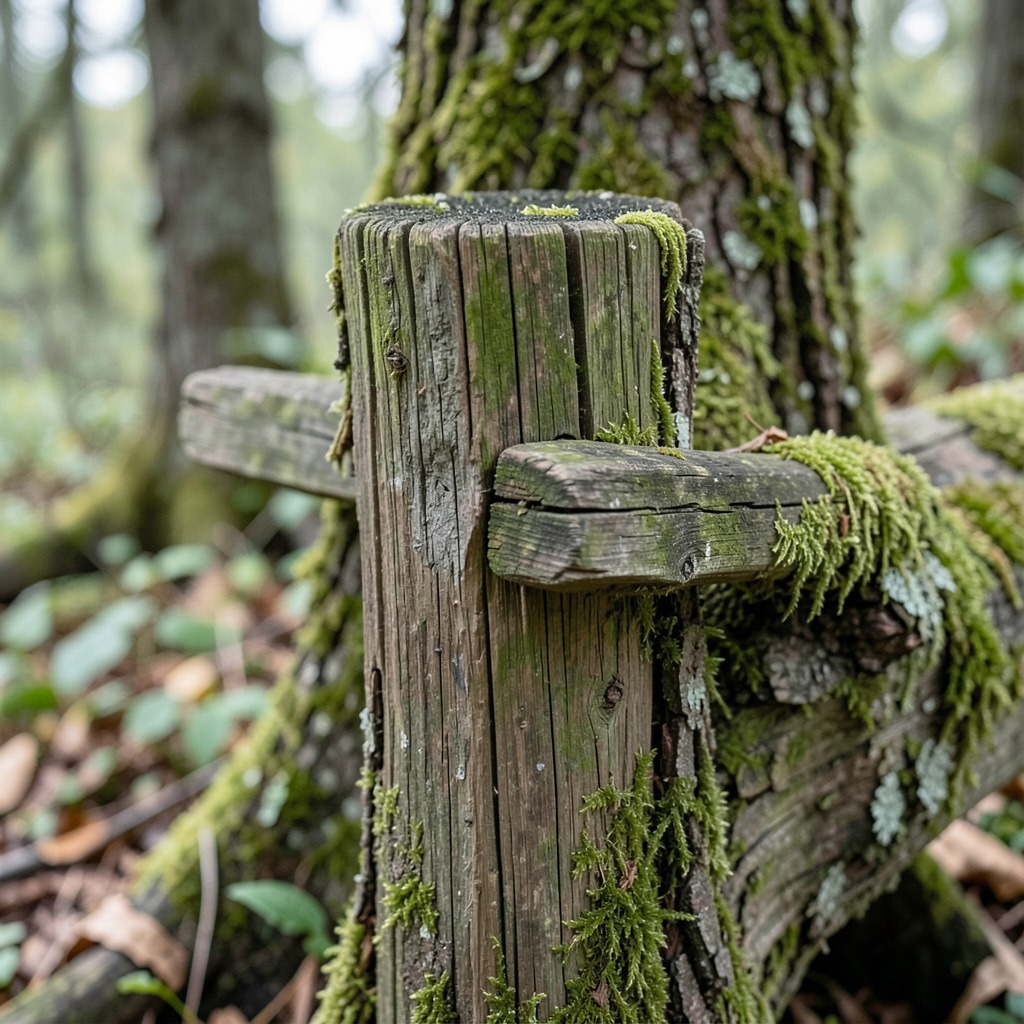
Definition and Overview of the Knock on Wood Superstition
The “knock on wood” superstition involves the action of striking wood, often accompanied by a verbal expression, to invoke good luck or prevent bad fortune. This gesture has become a common part of everyday life, reflecting a deep-seated belief in its protective qualities.
What Does Knocking on Wood Involve?
The act of knocking on wood typically entails three distinct actions:
1. Physical Gesture: Participants knock on a wooden surface, such as a table or door.
2. Verbal Expression: Often, people say phrases like “knock on wood” or “touch wood” while performing the action.
3. Contextual Timing: This gesture usually occurs after someone makes a positive statement or expresses hope, as a safeguard against jinxing their words.
Table of Contents
For example, after expressing optimism about a job interview, one might instinctively knock on wood to ward off any potential misfortune.
The Purpose Behind the Gesture
The primary purpose of knocking on wood is to invoke protection and good luck. This superstition serves several psychological and cultural functions:
- Emotional Assurance: It provides comfort and reassurance in uncertain situations.
- Cultural Connection: Engaging in this gesture connects individuals to a rich history of folklore and beliefs spanning various cultures.
- Social Practice: Often, people perform this action in groups, reinforcing social bonds through shared rituals.
In many cultures, the belief is that knocking on wood calls upon spirits or ancestors for protection, showcasing a blend of ancient spirituality and modern superstition.
Historical Origins of Knocking on Wood
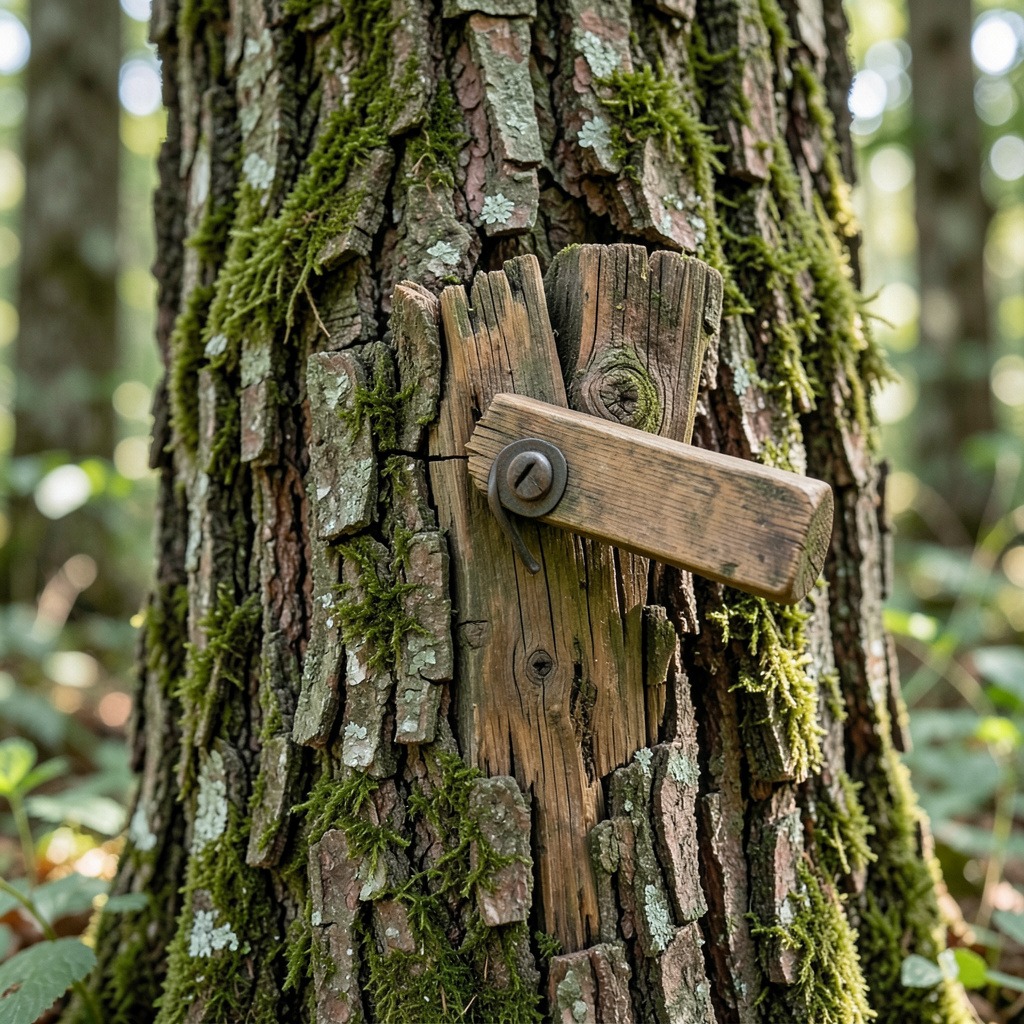
The superstition of knocking on wood has deep historical roots, intertwined with ancient pagan beliefs and reverence for trees. This practice reflects humanity’s enduring connection to nature and the spiritual world.
Ancient Pagan Beliefs and Tree Spirits
Many ancient cultures believed that spirits inhabited trees. This belief is particularly prominent in Celtic and Germanic traditions. For these peoples, trees like oak, ash, and hazel were sacred. They thought that knocking on wood served multiple purposes:
- Calling Spirits: Knocking on wood was a way to summon protective spirits. It was believed that by rousing these entities, individuals could gain their favor and protection.
- Thanksgiving: People also knocked on wood to express gratitude for good fortune received. This act reinforced a reciprocal relationship with nature and the spiritual realm.
- Ward Off Evil: Another interpretation suggests that the act of knocking was intended to scare away malevolent forces that might be lurking in the wood.
The Role of Trees in Various Cultures
Trees hold significant cultural weight across different societies. Their representation varies, but commonly they symbolize life, protection, and connection to the divine. Here are some notable examples:
- Celtic Traditions: The Celts viewed trees as sacred beings. They believed that touching wood could invoke the protection of tree spirits or gods associated with fertility and prosperity.
- Christian Symbolism: In Christianity, the wood of the cross symbolizes sacrifice and salvation. Some interpretations of the knocking on wood superstition link it to the desire for divine protection against misfortune.
- Global Variations: Different cultures have unique expressions of the superstition. For instance, in Turkey, people knock on wood and tug their earlobes to ward off bad luck associated with misfortunes they hear about.
Understanding these historical and cultural contexts enhances our appreciation for the simple act of knocking on wood. It underscores a universal human desire for protection and good fortune across time and geography.
Christian Symbolism and Interpretations
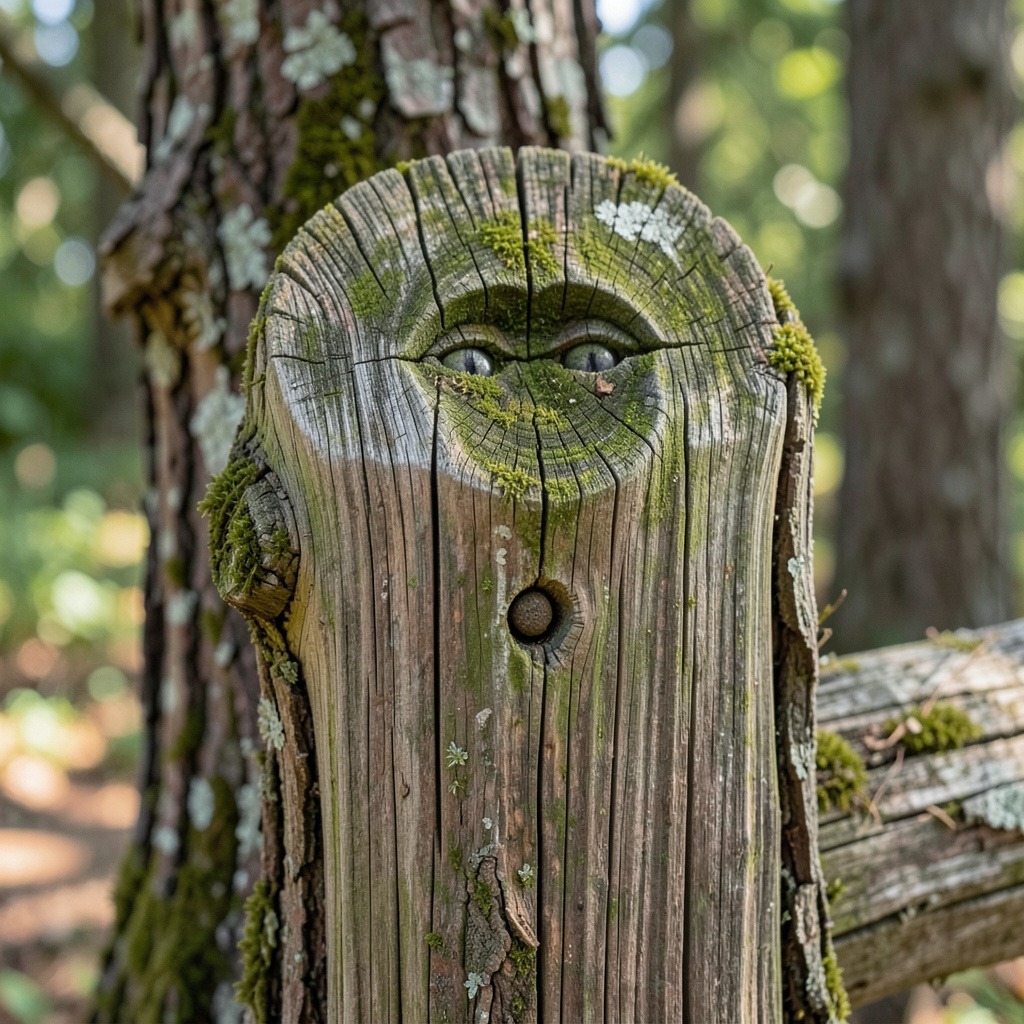
The knock on wood superstition intertwines with Christian symbolism, particularly the significance of the wood of the cross. This connection offers a layer of spiritual meaning to the act of knocking on wood, suggesting a plea for divine protection.
The Connection to the Cross
In Christian theology, the cross represents sacrifice, redemption, and divine intervention. The act of knocking on wood can be seen as invoking the protection of the cross. Some believers interpret this superstition as a way to ensure that their statements or thoughts do not attract misfortune.
- Symbol of Protection: Touching or knocking on wood serves as a reminder of faith and the protective grace associated with Christ’s sacrifice.
- Historical Context: References to the significance of the cross in the New Testament enhance the understanding of this superstition. Some argue that recalling the cross while expressing good fortune or aspirations can invoke divine favor.
Modern Christian Interpretations
Different Christian denominations interpret the knock on wood superstition in various ways.
- Catholic View: Many Catholics may view knocking on wood as an innocent gesture, aligned with their belief in seeking protection through Christ’s sacrifice.
- Protestant Perspective: Some Protestants may approach the superstition with skepticism, emphasizing reliance on faith rather than superstitious actions.
This diversity in interpretation highlights the complexity of cultural practices within religious contexts. Engaging with this superstition can reflect a broader human inclination towards seeking assurance and protection in the face of uncertainty. Understanding these nuances enriches the appreciation of the knock on wood superstition within Christian traditions.
Modern Interpretations and Usage of the Superstition
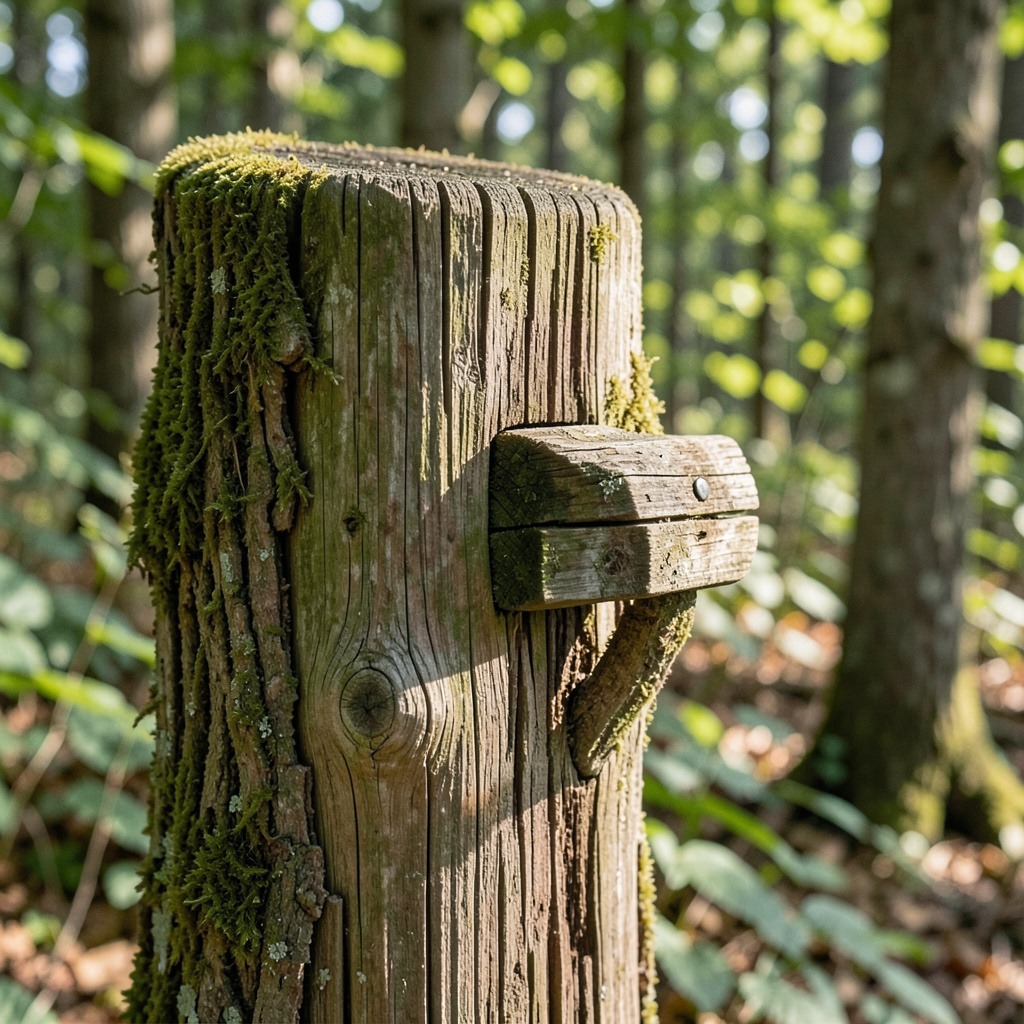
The “knock on wood” superstition persists today as a casual yet significant gesture. People invoke it to ward off bad luck or to protect hopeful statements. Its relevance spans across cultures and generations, adapting to modern contexts.
How People Use the Gesture Today
In contemporary settings, the act of knocking on wood has evolved into a ubiquitous practice. It often occurs in everyday conversation, usually following a statement about future intentions or outcomes. Here are some common scenarios:
- Conversation Context: A person might say, “I haven’t been sick all year—knock on wood!” while tapping a nearby surface.
- Pop Culture Influence: The phrase appears in movies and TV shows, reinforcing its casual use. Characters often use it humorously, blending superstition with light-heartedness.
- Daily Rituals: Individuals might knock on wood unconsciously, reflecting a blend of habit and belief. It serves as a psychological buffer against uncertainty.
Psychological Effects and Beliefs
The “knock on wood” superstition taps into deep-rooted psychological mechanisms. Engaging in this act can provide a sense of control over unpredictable outcomes. Here are key psychological aspects:
- Cognitive Dissonance: When individuals express hope for the future, knocking on wood helps alleviate anxiety about potential negative outcomes.
- Community and Belonging: The act fosters a sense of connection among those who share similar beliefs. It reinforces cultural ties and collective identity.
- Case Study Insight: Surveys reveal that over 60% of people in various demographics report using the gesture, signifying its widespread acceptance. Many view it as a harmless tradition rather than a serious superstition.
This engagement with the superstition illustrates how cultural practices evolve. While the origins may lie in ancient beliefs, today’s usage reflects a blend of tradition and modernity.
Variations of the Knock on Wood Superstition Across Cultures
The “knock on wood” superstition manifests differently across various cultures. Each society has unique interpretations and practices that reflect their historical and cultural contexts.
Regional Variations and Their Meanings
1. Celtic Beliefs: In Celtic cultures, knocking on wood is linked to ancient tree spirits. Trees were seen as sacred, and knocking on them invoked protection and blessings.
2. Sweden: Here, the phrase “pepper, pepper, touch wood” is popular. Participants throw pepper over their shoulder while touching wood, suggesting a dual approach to warding off misfortune.
3. Turkey: In Turkey, the tradition includes gently tugging on one’s earlobe while knocking on wood. This additional gesture enhances the protective intention.
4. Brazil and Georgia: People in these regions knock on wood three times to avoid bad luck. This repetition underscores a strong communal belief in the superstition’s power.
5. Italy: Italians say “tocca ferro” or “touch iron.” This phrase connects the act to the belief that iron, like wood, can repel evil.
6. Poland and Russia: In these countries, individuals specifically knock on unpainted wood, which is thought to hold more power against bad luck compared to painted surfaces.
Similar Superstitions in Different Cultures
Various cultures have their own superstitions that parallel the act of knocking on wood. These rituals often share themes of protection and invoking good fortune.
- Touching Metal: In some cultures, touching metal objects serves a similar purpose, signaling a wish for continued luck.
- Spitting: In parts of Eastern Europe, spitting three times after mentioning something negative is believed to ward off evil spirits.
- Throwing Salt: Many cultures practice throwing salt over their shoulder as a preventive measure against bad luck, akin to knocking on wood.
These practices illustrate a universal human inclination toward rituals that foster hope and safeguard against misfortune. Each action, while distinct, reflects a shared desire for protection in the face of uncertainty.
Common Misconceptions About Knocking on Wood
The superstition of knocking on wood is often misunderstood. Many people accept it without questioning its origins or implications. This section clarifies prevalent misconceptions and presents skepticism about the practice.
Debunking Myths
1. Misconception: Knocking on wood is an ancient practice.
- While it seems timeless, the term “knock on wood” first appeared in the late 19th century. Its widespread use in modern contexts may not be as ancient as commonly believed.
2. Misconception: The action guarantees good luck.
- Knocking on wood does not ensure that misfortune will be avoided. It is a ritualistic gesture that reflects human desire for control over uncertainty, not a magical solution.
3. Misconception: All cultures view knocking on wood similarly.
- Variations exist across cultures. For instance, in Turkey, the act includes tugging on an earlobe, while in Italy, people say “tocca ferro” (touch iron). Each version carries its unique cultural significance.
The Skeptic’s Perspective
Skeptics argue that superstitions like knocking on wood are rooted in cognitive biases. They suggest that people often misconstrue coincidence as a result of their actions.
- Psychological Aspects: Engaging in superstitions can provide comfort. They may reduce anxiety by creating a false sense of control over future events.
- Expert Insights: Folklorists highlight that many superstitions serve as social bonding tools. Knocking on wood can reinforce group identity and shared beliefs, rather than offering real luck.
- Research Findings: Studies show that reliance on superstitions often stems from uncertainty. Individuals facing unpredictable situations are more likely to engage in rituals like knocking on wood.
By understanding these misconceptions and the skeptic’s perspective, individuals can approach the superstition with a more informed viewpoint.
Frequently Asked Questions
These quick answers cover the most common questions about this topic, including key details, practical tips, and common concerns.
How many times do you knock on wood for good luck?
Traditionally, people knock on wood once or three times for good luck. The number three is particularly significant in many cultures, symbolizing completeness or balance. Some believe that knocking three times enhances the protective effect, while others may simply knock once out of habit.
What does 3 knocks on wood mean?
Three knocks on wood often symbolize a stronger invocation of good luck or protection against bad fortune. This practice may stem from various cultural beliefs where the number three represents harmony and stability. It’s a way to reinforce the wish for continued good fortune or to ward off negativity.
Is knocking on wood considered witchcraft?
No, knocking on wood is not typically considered witchcraft. It is more of a cultural superstition rather than a practice associated with any specific magical beliefs. Many view it as a harmless ritual meant to invoke good luck or protection, rooted in historical traditions rather than any form of witchcraft.
Is saying “knock on wood” a sin?
Saying “knock on wood” is generally not considered a sin in most religious contexts. It is often viewed as a simple superstition rather than a belief that conflicts with religious teachings. However, interpretations may vary depending on individual beliefs or specific religious doctrines.
Why do we ‘touch’ or ‘knock’ on wood?
The act of touching or knocking on wood is believed to invoke protection from tree spirits or to express gratitude for good fortune. It serves as a psychological comfort, helping individuals feel in control of uncertain outcomes. This gesture connects people to ancient beliefs about nature and the spiritual world.
Where did the phrase “knock on wood” come from?
The phrase “knock on wood” likely originated from ancient pagan beliefs that trees housed spirits. The expression became popular in the late 19th century, evolving into a common superstition across various cultures. Today, it reflects a blend of historical reverence for nature and modern practices.
Can knocking on wood have negative effects?
While knocking on wood is generally seen as a protective gesture, some believe that over-reliance on superstitions can lead to anxiety or obsessive behaviors. If individuals feel compelled to knock on wood excessively, it may indicate a deeper fear of bad luck rather than providing actual comfort.
Are there specific types of wood associated with good luck?
Certain types of wood, such as oak or ash, are often considered more auspicious in various cultures. These trees have historical significance and are believed to carry protective qualities. However, the act of knocking itself is more important than the type of wood, as the intention behind the gesture is what invokes good luck.