
Dropping a knife is often considered a superstition indicating that a male visitor will come, or it may signify bad luck depending on how the knife falls.
The superstition around dropping a knife is widespread, with many cultures attributing various meanings to this common occurrence. Understanding these beliefs can provide insights into cultural practices and personal interpretations of luck and omens.
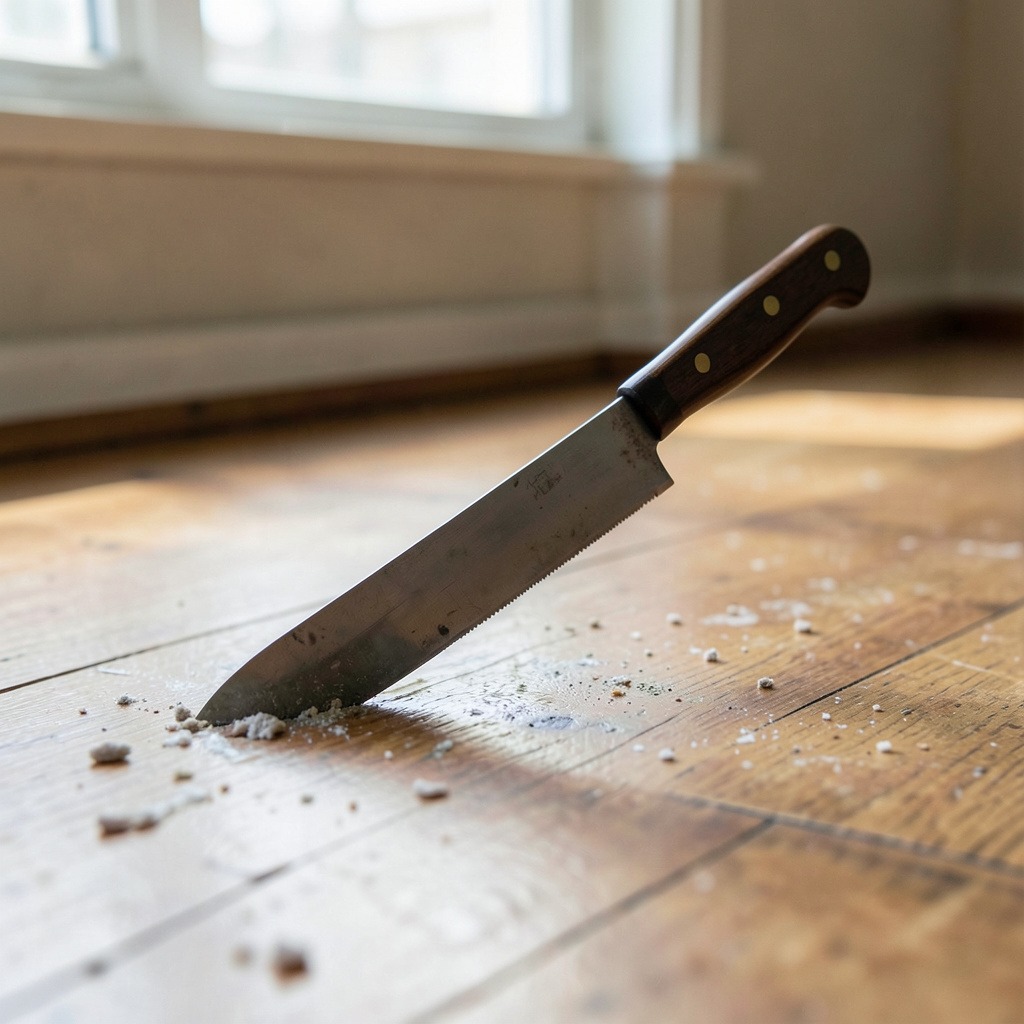
Understanding the Superstition of a Knife Falling on the Floor
The act of dropping a knife carries significant cultural weight in many societies. It is often interpreted as an omen, with specific meanings attached related to luck and the arrival of guests.
The Common Belief: Visitors and Luck
In numerous Western cultures, dropping a knife is associated with bad luck. Many believe that it heralds an unexpected male visitor. Conversely, dropping a fork is thought to signify a female guest. This belief reflects a broader understanding of how household items can symbolize social interactions.
- Dropped Knife: Indicates a male visitor.
- Dropped Fork: Indicates a female visitor.
This superstition extends beyond mere luck. In some traditions, it is thought that the manner of dropping the knife may influence the nature of the visitor. For example, a knife that falls with force may suggest a more significant, perhaps unwelcome presence.
Cultural Variations of the Superstition
Different cultures interpret the dropping of a knife through various lenses, each adding unique dimensions to the belief.
- European Traditions: In many European countries, a dropped knife is seen as a sign of impending trouble or conflict. Some even believe that if the knife sticks into the floor, it portends serious misfortune.
- Asian Perspectives: In certain Asian cultures, a dropped knife might not only signify bad luck but also reflect the need to be cautious in personal relationships. It emphasizes the importance of communication to avoid misunderstandings.
- African Beliefs: Some African traditions suggest that dropping a knife can be a warning to avoid specific actions or decisions. The belief is rooted in the idea that tools carry energy, and mishaps serve as alerts.
Practical Advice for Handling Knives
To mitigate any potential bad luck associated with dropping a knife, consider the following practical steps:
Table of Contents
- Pick it Up Immediately: This may help neutralize any negative omen.
- Avoid Sharp Edges: When handling knives, ensure that you are cautious to prevent accidents.
- Use a Safe Location: When not in use, store knives safely to minimize the risk of dropping them.
By understanding these cultural beliefs and practical advice, individuals can navigate the superstition around a dropped knife with both awareness and caution.
What to Do If You Drop a Knife
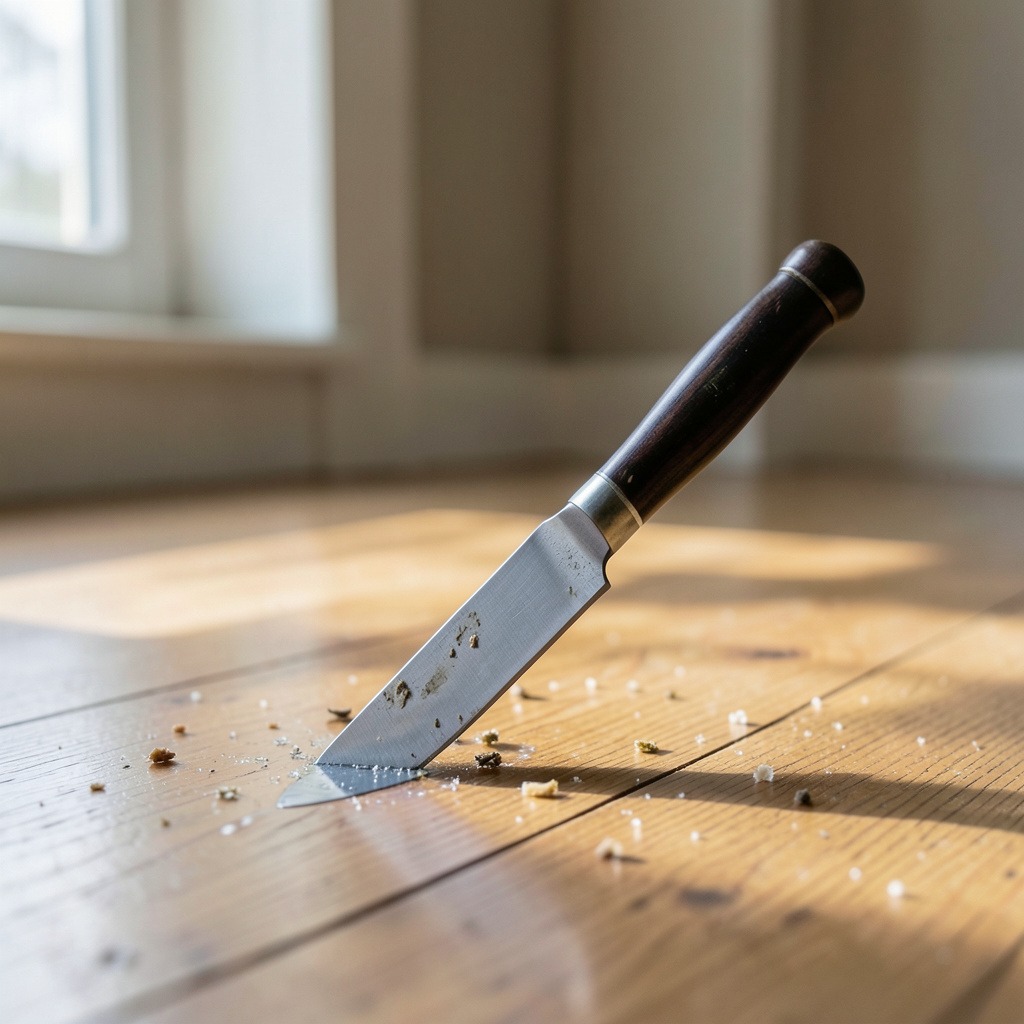
Dropping a knife can carry superstitions of bad luck, making it essential to act quickly and thoughtfully. Here are steps to mitigate any perceived negative effects.
Immediate Actions to Take
1. Pick It Up Immediately: This action can help counteract bad luck. The quicker you retrieve the knife, the better.
2. Check for Damage: Inspect the knife for any damage. A damaged knife may require replacement and indicates a need for careful handling.
3. Avoid Sharp Edges: Handle the knife carefully to prevent accidental cuts. Use a cloth or glove if necessary to protect your hands.
4. Breathe and Reset: Take a moment to breathe deeply. This pause serves as a mental reset, allowing you to focus on safety.
Rituals to Neutralize Bad Luck
Various cultures have rituals to counteract the bad luck associated with a dropped knife. Here are some common practices:
- Kiss the Knife: Some believe that kissing the knife after dropping it can transform the negative omen into a positive one.
- Throw Salt: In many cultures, throwing salt over your shoulder is thought to ward off bad luck. You can toss a pinch of salt immediately after picking up the knife.
- Offer a Coin: Some people suggest placing a coin next to the knife as a symbolic gesture of payment. This act is believed to negate the bad luck associated with dropping the knife.
Checklist for Handling Knives Safely
- Always store knives in a designated, secure location.
- Use a cutting board to minimize the risk of dropping.
- When handing a knife, ensure it is closed or safely handled.
- Maintain focus while using knives to prevent accidents.
By following these immediate actions and rituals, you can navigate the superstition surrounding dropped knives with confidence and awareness.
Historical Context of Knife Superstitions
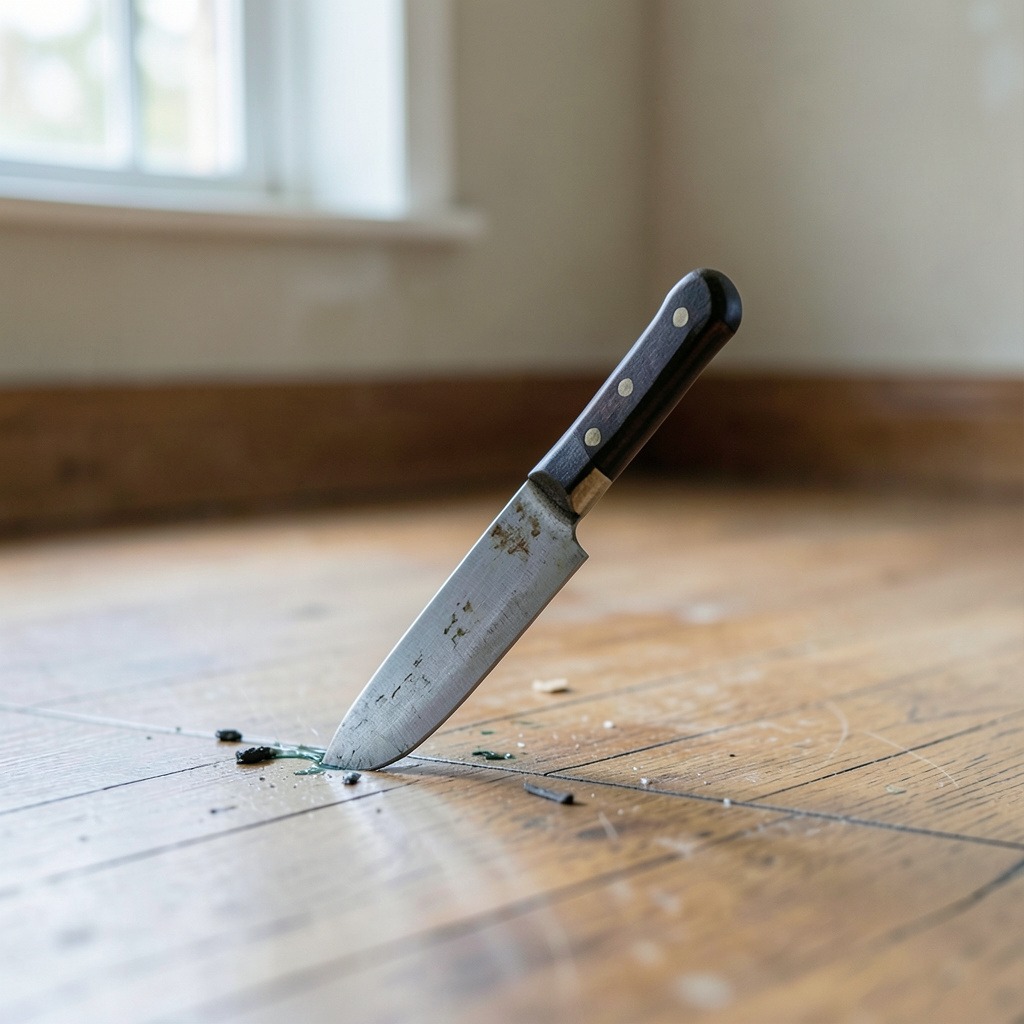
Knives have played a significant role in human culture for millennia. Their association with superstitions reflects deeper societal values, fears, and beliefs.
Origin of Knife Superstitions
The origins of knife superstitions can be traced back to ancient societies. Knives were not only essential tools for survival but also symbols of power and protection. In many cultures, a knife falling to the floor was seen as an omen, often interpreted as a visitor arriving or bad luck on the horizon.
For instance, in some European traditions, dropping a knife indicates the arrival of a male visitor. Conversely, dropping a fork suggests a female visitor. These interpretations show how deeply knives are intertwined with social interactions and expectations.
Evolution Through the Ages
As societies evolved, so did the beliefs surrounding knives. In medieval times, the superstitions grew more complex, reflecting the uncertainties of the era. Knives became associated with notions of protection against evil spirits and bad luck.
- Cultural Variations:
- In Japan, dropping a knife can signify the loss of a friend or a break in a relationship.
- In African cultures, knives are sometimes linked to ancestral spirits, with their dropping seen as a sign of discontent from those spirits.
This evolution illustrates how knife superstitions adapt to cultural contexts, absorbing local beliefs and customs.
Practical Advice for Handling Knives
To mitigate the potential bad luck associated with dropping a knife, consider these practices:
- Immediate Response: If a knife falls, pick it up promptly to prevent any perceived bad omen from manifesting.
- Cleansing Rituals: Some cultures suggest performing a small ritual, such as tossing salt over your shoulder, to ward off bad luck.
- Safe Handling: Always maintain focus when using a knife. Store knives securely to minimize accidents.
By understanding the historical context of knife superstitions, we can appreciate the blend of tradition and practicality in our daily interactions with these essential tools.
Variations of Knife Dropping Superstitions by Culture
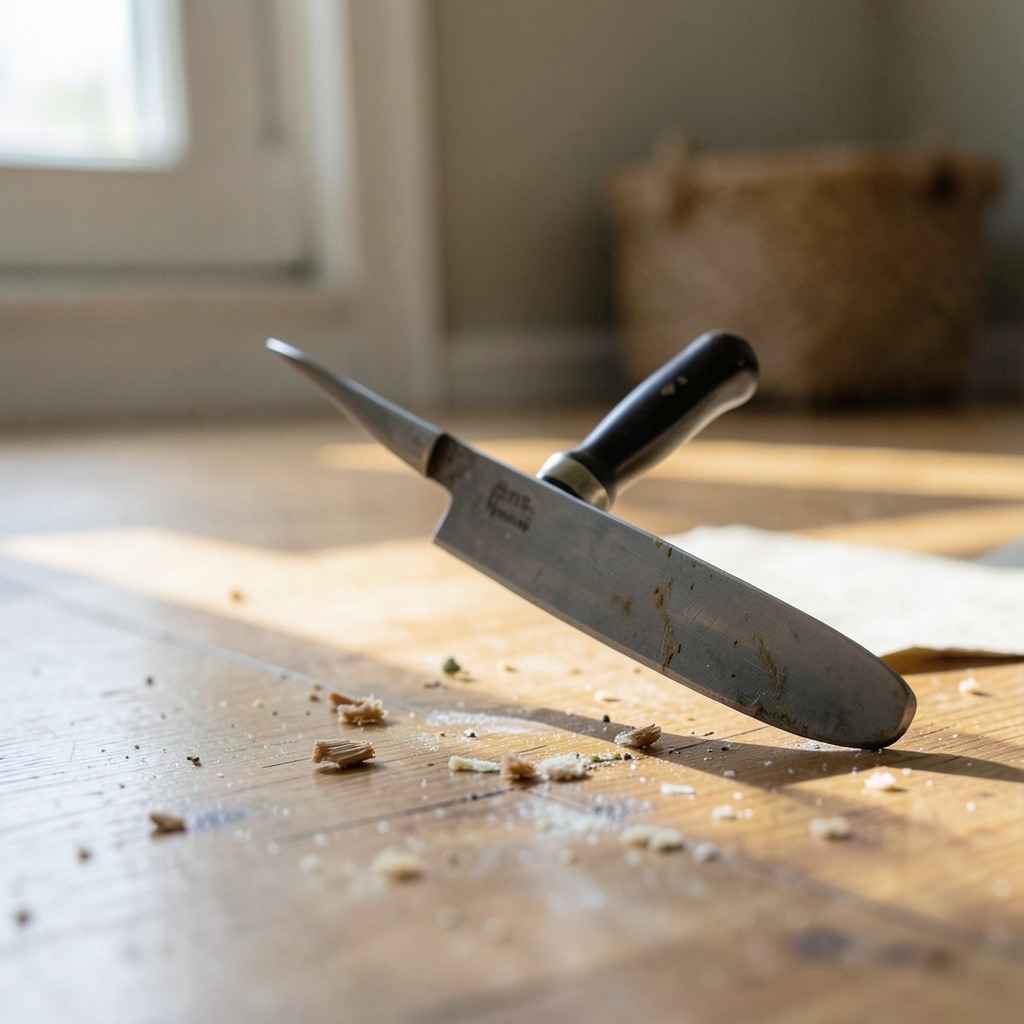
Knife dropping superstitions vary significantly across cultures. These beliefs often reflect deeper societal values and historical contexts. Understanding these interpretations can enhance our appreciation of the cultural significance of knives.
Western Beliefs
In many Western cultures, dropping a knife is often seen as an omen of bad luck. The specifics can vary, but a common belief is that a dropped knife signifies an unexpected male visitor. The direction in which the knife falls can also hold meaning:
- Front Door: An exciting visitor is on the way.
- Back Door: An unwelcome guest is approaching.
These interpretations have roots in folklore and are prevalent in various regions, including the United States and parts of Europe. The idea that household items can predict future events reflects a broader cultural inclination towards superstition.
Eastern and Other Cultural Interpretations
In Eastern cultures, the beliefs surrounding dropped knives can differ markedly. For example, in some Asian traditions, dropping a knife may symbolize a missed opportunity or a failure in personal endeavors. Specific interpretations include:
- Pointing Towards the Sea: In Icelandic culture, if a knife falls while cleaning fish and points toward the sea, it is thought to predict a successful fishing trip.
- Pointing Towards Land: Conversely, if it points toward land, it suggests a poor catch.
These examples highlight how geographic context shapes the meanings associated with knives. The significance of the knife’s orientation further underscores the cultural narratives surrounding this everyday object.
Comparative Insights
Understanding the differences in knife dropping superstitions reveals broader themes about human belief systems. Here’s a summary comparison:
| Culture | Belief on Dropped Knife | Visitor Type |
|---|---|---|
| Western | Bad luck; male visitor | Male |
| Icelandic | Good or bad fishing outcomes based on direction | N/A |
| Asian (varied) | Missed opportunities or personal failure | N/A |
These cultural interpretations emphasize the knife’s role not only as a tool but also as a symbol rich with meaning and tradition.
Common Mistakes When Interpreting Knife Superstitions
Understanding knife dropping superstitions involves navigating a landscape of cultural beliefs and personal interpretations. Misinterpretations can lead to unnecessary anxiety or misconceptions about the significance of a dropped knife.
Misinterpretations of Knife Falls
One common error is conflating the act of dropping a knife with specific omens. Many believe that a dropped knife invariably signals bad luck or an ill omen. However, interpretations can vary widely across cultures.
- Western View: Often associates a dropped knife with bad luck, particularly if it falls while cutting food. It may suggest a male visitor is imminent.
- Asian Interpretations: In some cultures, dropping a knife could indicate missed opportunities or personal failure, reflecting deeper psychological themes rather than mere bad luck.
- Icelandic Beliefs: The direction in which the knife falls may determine the outcome of fishing trips, showcasing a more nuanced interpretation tied to nature.
These variations underline the importance of context when interpreting the significance of a knife falling.
Safety vs. Superstition
Many people overlook the safety concerns related to dropped knives when focusing solely on superstitions. While cultural beliefs can provide interesting insights, practical safety measures are essential.
- Immediate Response: If a knife drops, assess the situation calmly. Ensure no one is in harm’s way.
- Handling the Knife: Always pick up the knife safely—never reach for a blade without ensuring it is secure.
- Clearing the Area: After retrieval, inspect the knife for damage. A damaged knife can be dangerous.
By prioritizing safety, one can mitigate any superstitious beliefs surrounding dropped knives, ensuring that the focus remains on practical handling rather than fear of bad luck.
Practical Advice for Handling Dropped Knives
When a knife falls, the instinct may be to panic due to superstition. However, here are some practical steps to follow:
1. Stay Calm: Take a deep breath and assess the situation.
2. Retrieve Safely: If the knife is on the floor, ensure your surroundings are clear. Approach the knife with caution.
3. Evaluate the Knife: Check for any damage or dullness. A well-maintained knife is safer and more reliable.
4. Discuss with Others: If you’re in a shared space, talk to those present about the incident. Addressing superstitions can help normalize the event.
By focusing on these actionable steps, you can navigate the cultural beliefs surrounding knife superstitions while ensuring safety and practicality remain at the forefront.
Alternatives to Traditional Beliefs About Knives
While many cultures hold superstitions about dropping knives, modern perspectives offer alternative views. Scientific research and anecdotal evidence provide insight into the psychology behind such beliefs and suggest practical approaches to handling knives safely.
Scientific Views on Superstitions
Research indicates that superstitions often arise from a desire to control uncertainty. The act of dropping a knife may trigger anxiety about potential bad luck. However, no empirical evidence supports the idea that a dropped knife carries any inherent bad fate.
- Cognitive Bias: People tend to favor information that confirms their beliefs. If someone believes dropping a knife brings bad luck, they may remember instances that reinforce this idea while ignoring contrary experiences.
- Coping Mechanism: Superstitions can serve as coping mechanisms. They provide a framework for making sense of unpredictable events.
Personal Experiences and Anecdotes
Personal stories illustrate how knife superstitions manifest in everyday life. Many individuals recount moments when they dropped a knife, leading to a flurry of reactions.
- Cultural Differences: In some cultures, dropping a knife signifies an impending visitor. For instance, in parts of Eastern Europe, it is believed that a dropped knife indicates the arrival of a male guest, prompting people to prepare accordingly.
- Neutralizing Bad Luck: Some individuals adopt rituals to counteract the potential bad luck of dropping a knife. Common practices include picking the knife up with the left hand or placing it on a surface for a moment before resuming use.
Practical Advice for Handling Dropped Knives
To mitigate concerns surrounding dropped knives, consider the following guidelines:
- Stay Calm: Take a moment to breathe and assess the situation.
- Retrieval Method: Approach the knife carefully. Use a cloth or glove if necessary to prevent cuts.
- Engage Others: Discuss any superstitious beliefs with those present, normalizing the experience.
By focusing on safety and practical handling, individuals can navigate the superstitions surrounding knives without fear.
Frequently Asked Questions
These quick answers cover the most common questions about this topic, including key details, practical tips, and common concerns.
What does it mean when a knife falls on the floor?
When a knife falls on the floor, it often signifies bad luck or an omen in many cultures. Commonly, it is believed that a dropped knife indicates the arrival of a male visitor. The direction the knife falls can also hold significance, with some interpretations suggesting a positive or negative visitor based on its placement.
Are there different interpretations of knife dropping in various cultures?
Yes, interpretations of a dropped knife vary widely across cultures. In Western traditions, it typically indicates bad luck or a male visitor. In contrast, some Asian cultures view it as a sign of missed opportunities, while in certain African beliefs, it may warn against specific actions. Each culture adds its unique context to the superstition.
How can I neutralize bad luck from dropping a knife?
To neutralize potential bad luck from dropping a knife, you can follow a few simple steps. Picking up the knife immediately is recommended, as this action is believed to counteract the negative omen. Additionally, some cultures suggest rituals like kissing the knife, throwing salt over your shoulder, or placing a coin next to it as symbolic gestures to ward off bad luck.
What should I do if a knife sticks into the floor?
If a knife sticks into the floor, it’s essential to approach with caution. First, ensure that no one is nearby to prevent accidents. Then, carefully retrieve the knife using a cloth or glove to avoid cuts. Once you have it, check for any damage to the blade, as a damaged knife may require replacement for safety.
Is it true that dropping a knife means a visitor is coming?
Many cultures believe that dropping a knife signifies the arrival of a visitor, often male. This belief highlights how household items can symbolize social interactions. However, interpretations can vary; some may see it as an omen of bad luck rather than a straightforward indication of visitors.
What are some common knife superstitions?
Common knife superstitions include the belief that a dropped knife indicates a male visitor, while a dropped fork suggests a female guest. In some cultures, if a knife falls and points toward the sea, it predicts a good fishing outcome, whereas pointing toward land suggests a poor catch. These superstitions reflect deeper cultural narratives and values.
What are the safety tips for handling knives?
To handle knives safely, always maintain focus and avoid distractions. Store knives securely in designated areas when not in use, and use cutting boards to minimize the risk of dropping them. When passing a knife, ensure it is handled carefully, and always check for damage after a drop to prevent accidents.
What should readers know about specific examples of knife superstitions from various cultures?
Specific examples of knife superstitions include the belief in parts of Eastern Europe that a dropped knife signals a male visitor. In Japan, it may indicate the loss of a friend or relationship. Such variations illustrate how cultural context shapes the meanings associated with knives and their significance in social interactions.