
Many cultures believe that killing spiders brings bad luck, stemming from historic beliefs that these creatures are protectors and symbols of good fortune, making their death ominous and potentially harmful to one’s luck.
The belief that killing spiders brings bad luck is common across many cultures, rooted in folklore and spiritual significance. This guide explores ten superstitions surrounding this belief, providing insights into the origins, meanings, and alternatives to harming these fascinating creatures.

Understanding the Superstition of Killing Spiders
The superstition surrounding the belief that killing spiders brings bad luck is deeply rooted in cultural history and myth. This belief varies significantly across different societies, reflecting diverse perspectives on the role of spiders in human life.
The Historical Roots of Spider Superstitions
Spiders have been a part of human folklore for centuries. In many cultures, they symbolize creativity, patience, and protection. Ancient Egyptians revered spiders, associating them with the goddess Neith, who represented weaving and creation. This reverence laid the groundwork for the belief that harming a spider could bring misfortune.
Throughout history, various cultures have developed unique interpretations of spider symbolism:
- Ancient Greece: Spiders represented the weaver, a metaphor for fate and destiny.
- Native American Tribes: Many viewed spiders as protectors or guides, often seen as spirits that bring messages.
- Latin America: Killing a spider is often believed to invite bad luck or curses upon the household.
This historical context illustrates that spiders have been viewed not merely as pests but as creatures of significant spiritual and ecological importance.
Cultural Variations in Beliefs
Different cultures have distinct beliefs about the consequences of killing spiders. For instance:
Table of Contents
- Latin America: Many believe that killing a spider will bring misfortune, leading people to capture and release them instead.
- Africa: In certain regions, killing a spider can be associated with a curse or negative energy.
- United Kingdom: Conversely, some believe that killing a spider in the morning can bring good luck for the rest of the day.
These variations highlight how cultural narratives shape perceptions of spiders. They also reveal a common thread: the association of spiders with luck, whether positive or negative.
How Superstitions Persist Today
The superstition surrounding spider killing continues to influence behavior in modern society. Many people opt for non-lethal methods to deal with spiders, reflecting an increased awareness of ecological balance and a desire to respect life.
For example, the use of a Spider Catcher Tool allows individuals to remove spiders from their homes without harm. This approach aligns with the belief that preserving spiders contributes to good fortune and harmony within the household. Check Price on Amazon.
Understanding and respecting the cultural significance of spiders can aid in fostering a more harmonious coexistence with these creatures.
Spiders as Symbols in Various Cultures

Spiders hold diverse meanings across cultures. Their symbolism ranges from good fortune to bad omens. Understanding these beliefs can illuminate why killing a spider is often viewed with superstition.
Spiders as Good Luck Symbols
In many cultures, spiders are considered harbingers of good luck. For instance, in the UK, killing a spider seen in the morning is believed to bring good luck for the rest of the day. Similarly, in some Native American tribes, spiders symbolize creativity and the weaving of fate. The act of killing a spider is thought to disrupt this positive energy, potentially leading to misfortune.
Spiders Linked to Wealth and Prosperity
Certain cultures associate spiders with wealth and abundance. In some African traditions, seeing a spider indicates a forthcoming financial boon. The belief is that spiders capture not just insects but also the wealth that flows into one’s life. Consequently, killing a spider is perceived as an act that may lead to economic decline. This connection emphasizes the role of spiders as protectors of prosperity.
Negative Omens Associated with Specific Spider Species
Conversely, some cultures regard specific spider species as bad omens. For example, the black widow spider is often seen as a symbol of danger and death in many Western societies. Killing this spider can be interpreted as an effort to ward off impending doom, but it also risks invoking further bad luck due to the spiritual significance attached to its death. In some Asian cultures, the red spider is linked to familial discord. Thus, its death may foreshadow conflicts within the household.
Summary of Cultural Beliefs
| Cultural Context | Positive Association | Negative Association |
|---|---|---|
| UK | Morning spider brings good luck | N/A |
| Native American | Symbol of creativity | N/A |
| African Traditions | Harbinger of wealth | N/A |
| Western Societies | N/A | Black widow symbolizes danger |
| Asian Cultures | N/A | Red spider linked to family strife |
These varied beliefs highlight the complex roles spiders play in cultural narratives. Whether seen as protectors or omens, their presence influences actions and attitudes, particularly regarding the act of killing them. The use of tools like the Spider Catcher Tool allows individuals to respect these cultural beliefs while maintaining a harmonious environment.
Spiritual Significance of Spiders
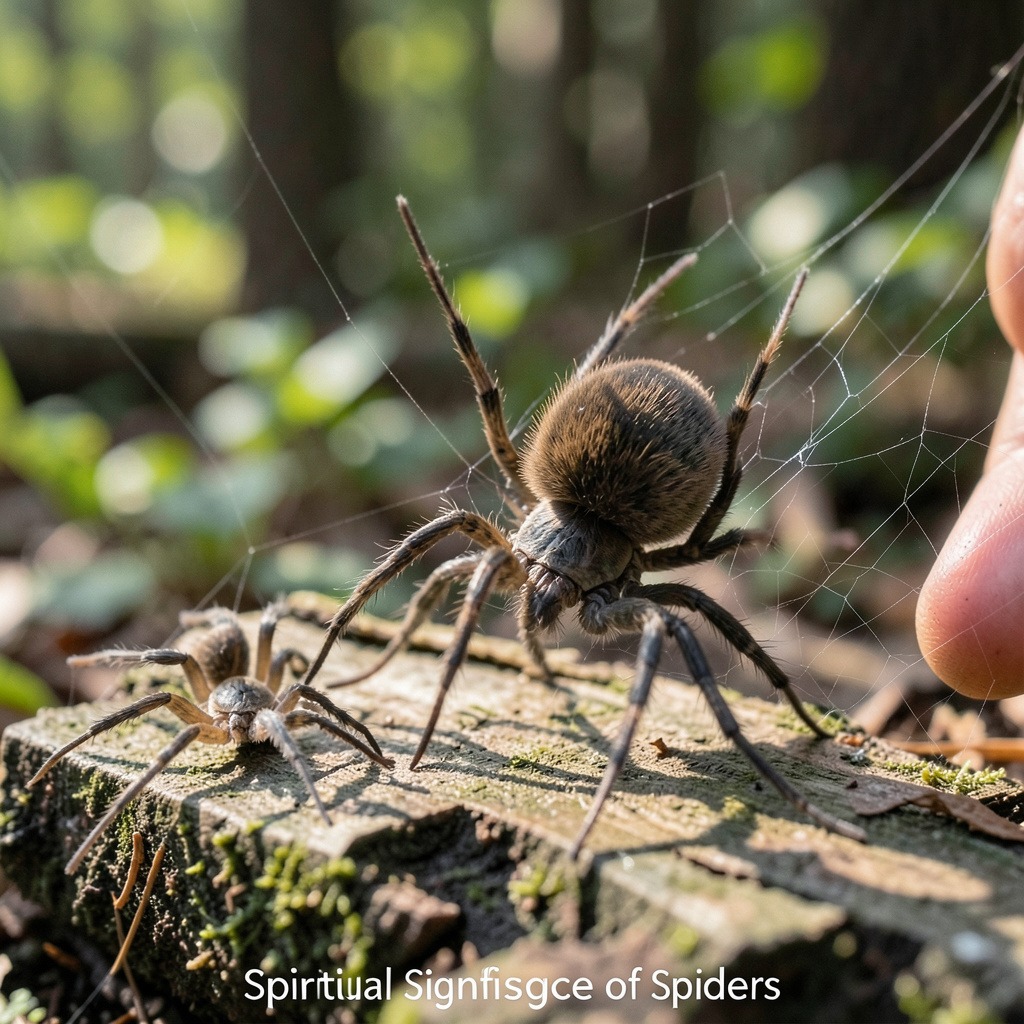
Spiders hold a unique place in various spiritual and cultural beliefs. Many view them as messengers or symbols of significant spiritual insights. Understanding these interpretations can deepen our appreciation for these creatures and influence how we interact with them.
Spiders as Messengers from the Spirit World
In numerous cultures, spiders are seen as messengers from the spirit world. They are believed to carry messages from ancestors or deceased loved ones. In some Indigenous traditions, a spider’s appearance is thought to signal guidance or a warning.
For example, if someone sees a spider weaving its web, it may represent the interconnectedness of life and the importance of patience. Conversely, a sudden spider sighting might prompt a reflection on past relationships or unresolved issues.
The Impact of Killing a Spider on Spiritual Beliefs
Killing a spider can have profound spiritual implications. Many believe that such actions disrupt spiritual messages or connections. In some cultures, it is thought to bring bad luck, as it disrespects the spirit that the spider embodies.
1. Disruption of Messages: Killing a spider may prevent important messages from being received.
2. Bad Luck: Many traditions assert that this act invites misfortune, as it is viewed as a disrespectful gesture toward the spiritual realm.
3. Negative Energy: The act of killing may generate negative energy, impacting the environment and the individual’s spiritual well-being.
For instance, in certain African cultures, harming a spider might be seen as a direct affront to ancestral spirits, potentially leading to familial discord.
Common Misunderstandings about Spider Encounters
Many misconceptions exist regarding spider encounters. Some people may fear that seeing a spider is inherently negative. However, it can often signify positive change or guidance.
- Misinterpretation of Signs: Not every spider sighting is a warning. It may also represent opportunities or blessings.
- Ecological Balance: Spiders play a crucial role in controlling pest populations. Understanding their ecological importance can shift perspectives on their presence.
To safely manage spiders without harming them, consider using tools like the Spider Catcher Tool. This allows for humane removal while respecting their spiritual significance.
By reframing how we view spiders, we can appreciate their roles as spiritual symbols and maintain a respectful coexistence.
Myths and Facts: Debunking Spider Superstitions
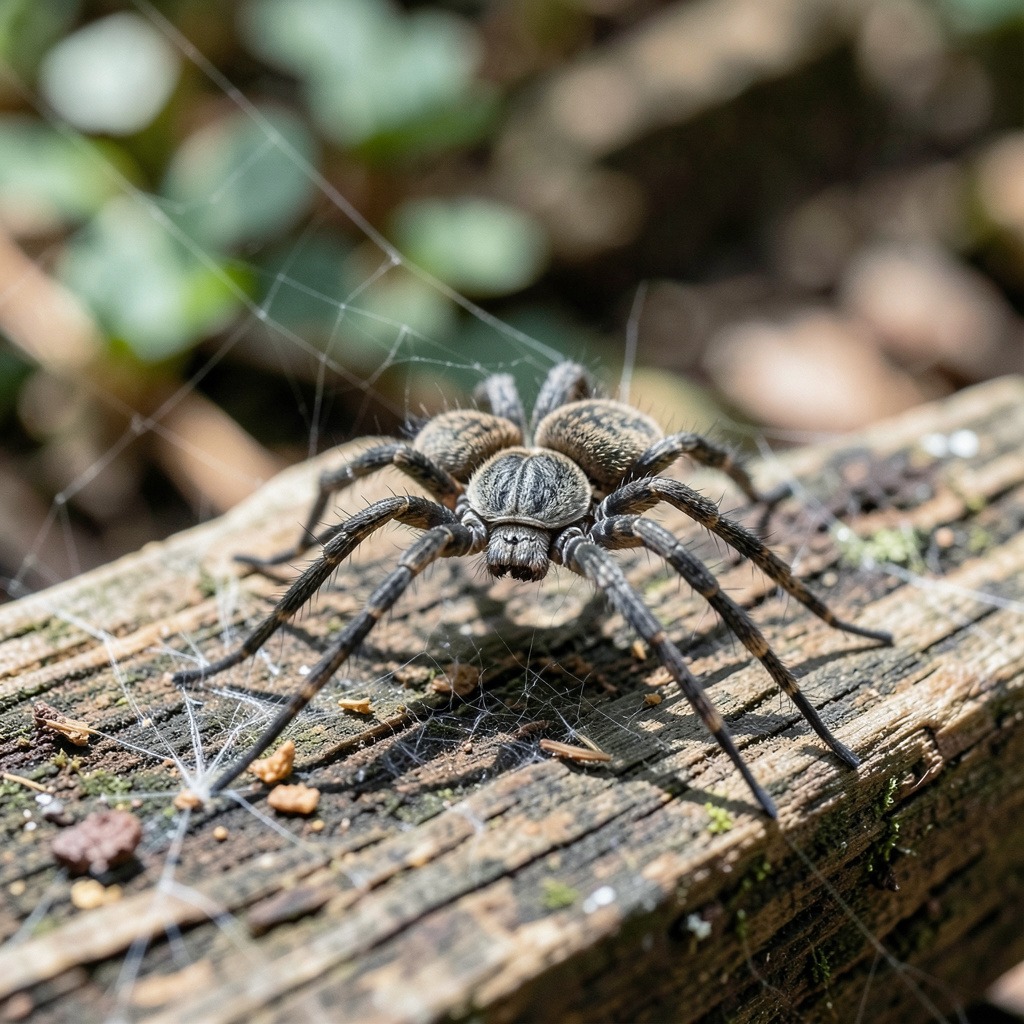
The belief that killing spiders brings bad luck is widespread, yet it varies significantly across cultures. Understanding these superstitions and the scientific evidence behind them can help dispel myths and foster a more informed perspective.
Common Myths About Killing Spiders
1. Killing Spiders Brings Bad Luck: Many believe that killing a spider incurs misfortune. This belief often originates from cultural norms where spiders symbolize good fortune or spiritual presence.
2. Spiders are Spirits of Ancestors: In some traditions, spiders are viewed as the spirits of deceased loved ones. Killing one could be seen as disrespectful and lead to negative consequences.
3. Killing Spiders Causes Rain: In certain cultures, it is thought that killing a spider releases a spirit that summons rain. This myth often arises in arid regions, where rainfall is highly valued.
4. Good Luck from Morning Spider Killings: Conversely, in the UK, some believe killing a spider in the morning brings good luck for the day ahead. This reflects the dual nature of spider symbolism in folklore.
Scientific Evidence Against Superstitions
Research indicates that there is no scientific basis for the belief that killing spiders leads to bad luck. Studies in folklore and cultural anthropology have found:
- Lack of Correlation: There is no empirical evidence linking the act of killing spiders to adverse outcomes or bad luck.
- Ecological Role: Spiders play a vital role in controlling pest populations. Disrupting their presence can lead to ecological imbalances, which may indirectly cause problems for households.
The Role of Spiders in Ecosystems
Spiders are crucial to maintaining ecological harmony. They serve as natural pest controllers, keeping insect populations in check. Here are some key points regarding their ecological significance:
- Predatory Behavior: Spiders consume a variety of insects, including pests that harm crops and spread disease.
- Biodiversity Indicators: The presence of diverse spider species can indicate a healthy ecosystem. A decline in spider populations may signal ecological distress.
Practical Tips for Spider Removal:
- Use tools like the Spider Catcher Tool for humane removal. This allows you to relocate spiders without harm, respecting their ecological and cultural significance.
Ethical Considerations: Is Killing Spiders Justified?
The act of killing spiders raises significant ethical questions. Many cultures view these creatures as symbols of life, luck, and spirituality. Understanding these perspectives can inform our actions and encourage more humane approaches to spider encounters.
Karma and the Killing of Spiders
In various spiritual traditions, harming any living creature is believed to generate negative karma. This principle extends to spiders, which are often seen as protectors or symbols of good fortune. For instance, in some cultures, killing a spider could disrupt the natural energy flow and invite misfortune.
- Spiritual Beliefs: Many people believe that spiders carry messages from ancestors or serve as guides. Killing one might be perceived as a sign of disrespect.
- Cultural Insights: In parts of Africa, killing a spider could be viewed as inviting a curse upon oneself. This reflects deep-rooted beliefs about the interconnectedness of all living beings.
Ethical Alternatives to Killing
Instead of resorting to lethal methods, consider ethical alternatives for dealing with spider encounters. These approaches respect both the spider’s role in the ecosystem and cultural beliefs surrounding them.
- Capture and Release: Use a jar and a piece of paper to gently capture the spider and release it outside. This method aligns with humane practices and minimizes harm.
- Preventive Measures: Keep your living spaces clean and free from clutter to deter spiders from entering. Sealing cracks and gaps can also reduce their presence without causing harm.
How Cultural Views Shape Ethical Considerations
Cultural beliefs significantly influence perceptions of spiders. These views can dictate whether killing a spider is seen as justified or as an act of bad luck.
- Diverse Perspectives: In some cultures, spiders symbolize creativity and patience, while in others, they represent death and misfortune. Understanding these nuances can lead to more thoughtful actions.
- Respect for Life: Many ethical frameworks emphasize the importance of respecting all forms of life. Embracing this perspective can encourage individuals to seek non-lethal solutions.
By prioritizing ethical considerations and understanding cultural significance, we can navigate encounters with spiders thoughtfully and respectfully.
Practical Tips for Non-Lethal Spider Removal
Removing spiders from your home can be done safely and humanely. By opting for non-lethal methods, you honor cultural beliefs and superstitions surrounding these creatures.
Safe Catching Methods
1. Use a Glass and Paper:
- Place a glass over the spider.
- Slide a piece of paper underneath to trap it.
- Release the spider outside.
2. Spider Catcher Tools:
- Consider investing in a spider catcher, which allows you to grab spiders from a distance without harming them.
3. Wear Gloves:
- If you are uncomfortable handling spiders, wear gloves for added protection while using the catching methods.
Using Natural Repellents
- Essential Oils:
- Spiders dislike peppermint, tea tree, and lavender oils. Mix a few drops with water in a spray bottle and mist areas where spiders are common.
- Vinegar Solution:
- A mixture of equal parts water and vinegar can deter spiders. Spray it in corners, windows, and doorways.
Creating a Spider-Friendly Environment
- Seal Entry Points:
- Inspect your home for cracks and openings. Seal these to prevent spiders from entering.
- Reduce Clutter:
- Keep your living areas tidy. Remove stacks of paper and boxes that can serve as spider hiding spots.
- Maintain Outdoor Spaces:
- Trim back vegetation close to your home. This reduces spider access and helps maintain a balanced ecosystem.
By applying these practical tips, you can effectively manage spider encounters while respecting the superstitions that surround them.
Recognizing Good and Bad Spider Omens
Interpreting spider sightings can provide insight into various cultural beliefs and superstitions. Understanding the signs associated with different spider behaviors can help you navigate the complex relationship humans have with these creatures.
Common Signs of Good Luck
Many cultures view certain spider encounters as positive omens. Here are some common signs indicating good luck:
- Morning Sightings: In some traditions, spotting a spider in the morning is considered a sign of upcoming good fortune.
- Web Building: If a spider is actively creating a web, it may symbolize prosperity and success in your endeavors.
- Color and Species: Specific spiders, such as the golden orb-weaver, are often associated with wealth and abundance due to their vibrant appearance.
Negative Signs to Watch For
Conversely, some spider behaviors are interpreted as bad omens. Be mindful of the following signs:
- Aggressive Movement: If a spider appears aggressive or threatens you, it may symbolize impending conflict or misfortune.
- Sudden Appearances: An unexpected spider encounter, particularly in your home, may indicate a disruption in your life or bad energy entering your space.
- Specific Species: The presence of certain spiders, like black widows or brown recluse spiders, may evoke fears related to danger and bad luck.
Cultural Interpretations of Spider Behavior
Different cultures have unique interpretations of spider behavior, which can inform your understanding of their significance. For example:
- African Beliefs: In some African cultures, spiders are viewed as spiritual messengers. Killing one could be seen as disrespecting ancestral spirits and inviting misfortune.
- European Folklore: In the UK, killing a spider is sometimes thought to invoke bad luck. However, some believe it can ward off death or misfortune, showcasing the dual nature of these beliefs.
Quick Reference Checklist
| Sign | Interpretation |
|---|---|
| Spider seen in the morning | Good luck |
| Spider actively weaving | Prosperity |
| Aggressive spider | Conflict or misfortune |
| Unexpected spider | Disruption of energy |
Understanding these omens can help you navigate your feelings about spider encounters. When in doubt, consider the cultural significance and err on the side of caution, opting to capture and release spiders rather than killing them.
The Ecological Role of Spiders in Nature
Spiders play a vital role in maintaining ecological balance. They serve as natural pest controllers and are integral to food webs. Understanding their ecological significance can help reshape perceptions surrounding the superstition of killing spiders.
Spiders as Natural Pest Controllers
Spiders are effective predators of various pests. They consume insects that can damage crops and spread diseases. For instance, a single spider can eat thousands of insects in its lifetime. This natural pest control contributes to healthier environments and reduces the need for chemical pesticides.
- Statistical Insight: Studies indicate that spiders can reduce agricultural pest populations by up to 50%, significantly benefiting crop yields.
The Importance of Spiders in Food Chains
Spiders occupy a crucial position in food webs. They are both predators and prey. Birds, mammals, and other insects rely on spiders for food. This interdependence highlights the necessity of preserving spider populations.
- Example: In a healthy ecosystem, a balanced number of spiders ensures that insect populations do not explode. This balance is essential for sustaining biodiversity.
Misconceptions About Spider Danger
Many people fear spiders, often considering them harmful. However, most spiders are harmless to humans. The majority do not pose a threat and contribute positively to their habitats. Killing them can disrupt ecological balance, leading to increased pest problems.
- Decision Rule: If you encounter a spider in your home, consider capturing it gently and releasing it outside. This action supports the ecosystem while respecting cultural beliefs that view spiders as protectors or symbols of good fortune.
Recognizing the ecological role of spiders can help mitigate fears and superstitions related to their presence. Embracing spiders as beneficial creatures fosters a healthier environment and aligns with various cultural beliefs.
Conclusion: To Kill or Not to Kill?
Understanding the superstitions surrounding the killing of spiders is essential in navigating our responses to these creatures. Cultural beliefs vary widely, influencing attitudes toward spiders and their ecological roles.
Final Thoughts on Spider Superstitions
Superstitions regarding spiders often reflect deeper cultural narratives. In some cultures, killing a spider is associated with bad luck, while in others, it may bring good fortune. This duality highlights the need for awareness of local beliefs.
- Cultural Variations:
- In Latin America, killing a spider is often seen as a bad omen.
- Conversely, in parts of the UK, it may be thought to bring good luck if killed in the morning.
Recognizing these cultural beliefs can foster respect for spiders, encouraging a more thoughtful approach to their presence in our lives.
Encouraging Respect for All Creatures
Embracing a non-lethal approach to spider encounters aligns with many cultural views that regard spiders as beneficial. They contribute to pest control and biodiversity. Instead of killing a spider, consider these alternatives:
- Capture and Release: Use a glass and paper to gently trap and relocate the spider outside.
- Minimize Fear: Educating yourself about the ecological benefits of spiders can reduce fear and promote coexistence.
Inviting Personal Reflections
Consider your own beliefs and experiences with spiders. Reflect on how cultural narratives may shape your feelings toward these creatures. Engaging with nature can foster a deeper connection and appreciation for the role spiders play in our ecosystem.
- Personal Reflection Checklist:
- What cultural beliefs have influenced your view of spiders?
- Have you ever experienced a moment of fear or respect towards a spider?
- How might your actions align with ecological principles and cultural superstitions?
By understanding the varied beliefs about spiders and adopting humane practices, we can cultivate a respectful relationship with all creatures.
Frequently Asked Questions
These quick answers cover the most common questions about this topic, including key details, practical tips, and common concerns.
Is it bad luck to kill spiders spiritually?
Yes, many cultures believe that killing spiders brings bad luck. This superstition stems from the idea that spiders are protectors or symbols of good fortune. By harming them, individuals may disrupt positive energy or spiritual messages associated with these creatures.
Why are you not supposed to kill spiders?
Killing spiders is often discouraged because they are seen as beneficial for controlling pest populations. Additionally, many cultural beliefs suggest that harming a spider can invite misfortune or negative energy into one’s life. Respecting these creatures aligns with both ecological balance and spiritual practices.
Is killing spiders bad karma?
In various spiritual traditions, killing any living creature, including spiders, is thought to generate negative karma. This belief is rooted in the interconnectedness of life, where harming one being can lead to adverse consequences for oneself. Many people choose non-lethal methods to avoid this potential backlash.
Are spiders good luck or bad luck?
Spiders can be seen as both good luck and bad luck, depending on cultural context. For example, in some cultures, a morning spider sighting is associated with good fortune, while in others, killing a spider is believed to bring misfortune. Understanding these cultural nuances is key to interpreting spider encounters.
What do different cultures believe about spiders?
Cultural beliefs about spiders vary widely. In Latin America, killing a spider is often viewed as inviting bad luck, while in the UK, it may bring good luck if killed in the morning. African traditions may associate spiders with ancestral spirits, suggesting that harming them could lead to negative consequences.
How can I safely remove spiders from my home?
To safely remove spiders, consider using a glass and a piece of paper to trap them gently. Alternatively, spider catcher tools allow for humane removal without direct contact. Always release the spider outside to respect its role in the ecosystem.
What should I do if I see a spider?
If you see a spider, first assess your feelings. If you’re uncomfortable, use a non-lethal method to remove it, such as trapping it in a jar. Consider that the spider may be beneficial by controlling pests in your home. If you’re open to it, observe the spider’s behavior, as it may carry cultural significance.
Do spiders have any ecological benefits?
Yes, spiders play a crucial role in ecosystems by controlling insect populations. They help reduce pests that can damage crops and spread diseases. By maintaining a balanced environment, spiders contribute to biodiversity and overall ecological health.