
In Japan, sneezing is steeped in superstition, where one sneeze signifies someone is talking about you, and the meanings vary with the number of sneezes, reflecting cultural beliefs about luck and omens.
Japanese sneezing superstitions offer a unique glimpse into the cultural beliefs surrounding this common act. These beliefs illustrate how sneezing can serve as an omen, reflecting societal values about luck, health, and interpersonal connections.
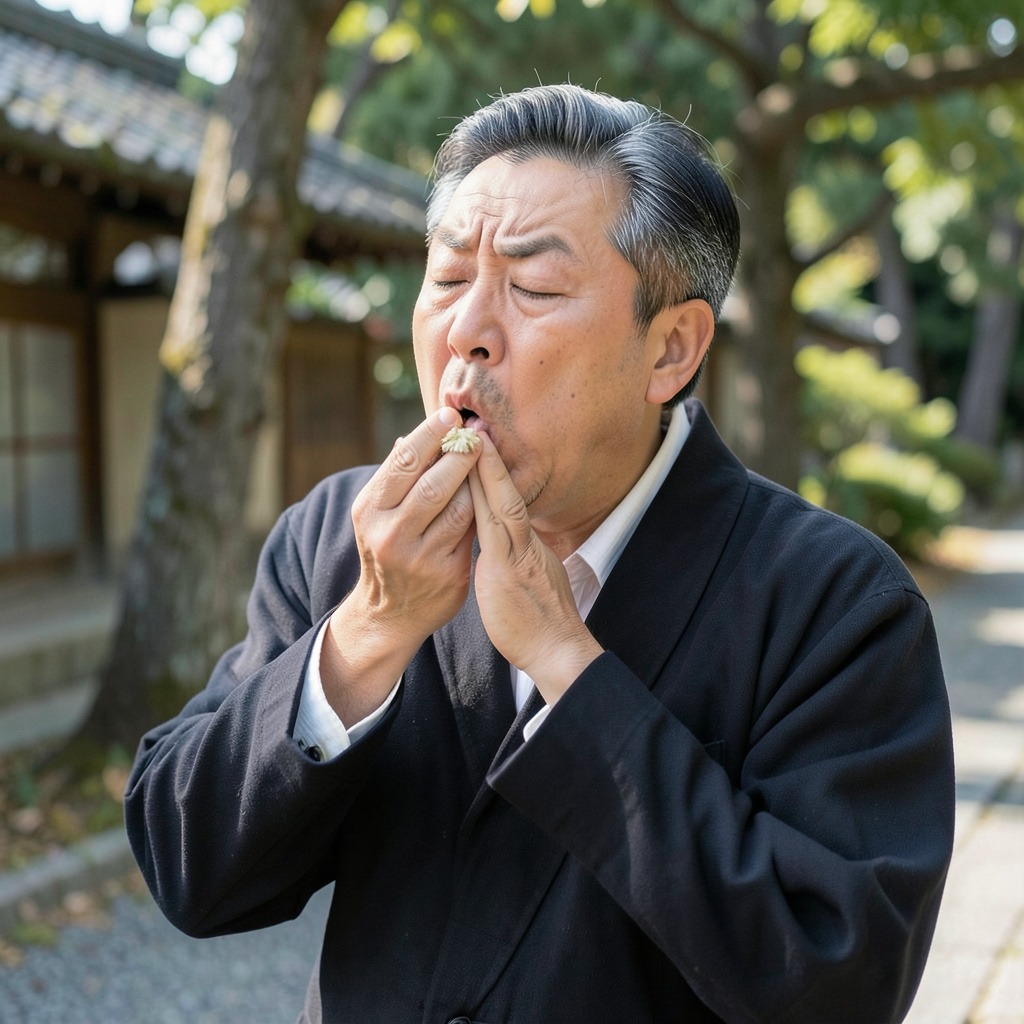
The Cultural Significance of Sneezing in Japan
In Japan, sneezing transcends mere physical action; it embodies a rich tapestry of cultural beliefs and superstitions. These interpretations reveal insights into interpersonal relationships, societal norms, and the importance of luck in daily life.
Understanding Sneezing as an Omen
Sneezing is often interpreted as a significant omen in Japanese culture. The meanings associated with sneezes vary based on the number of times one sneezes:
- One Sneeze: Indicates that someone is talking about you. This idea fosters a sense of connection and awareness within social circles.
- Two Sneezes: Suggests that someone is gossiping about you in a negative manner. This can invoke feelings of concern or caution regarding interpersonal relationships.
- Three Sneezes: Often signals that a cold may be on the horizon. This belief emphasizes the connection between physical health and social dynamics.
- Four Sneezes: Considered a sign of good luck. It is associated with blessings and positive outcomes for both the sneezer and those around them.
These interpretations reflect the Japanese belief in the interconnectedness of individuals, where every sneeze can symbolize deeper social narratives.
The Role of Sneezing in Social Interactions
Sneezing is not merely an involuntary act; it serves as a social cue within Japanese society. When someone sneezes, it often prompts a response, such as saying “bless you” (お大事に, odaiji ni), showcasing respect and care for the individual. This response emphasizes the community-oriented values prevalent in Japanese culture.
Historically, references to sneezing can be found in various Japanese texts and folklore. For instance, ancient literature often linked sneezing to spiritual awareness, suggesting that it could bridge the physical and spiritual realms. This cultural significance extends to modern practices, where individuals may pause to reflect on their relationships and the thoughts of those around them when sneezing occurs.
Practical Implications of Sneezing Superstitions
Understanding these superstitions can enhance social interactions in Japan. Here are a few practical implications:
- Social Awareness: Be mindful when someone sneezes. It may prompt discussions about their well-being or the topic of conversation.
- Cultural Sensitivity: Recognize the nuances in interpretations of sneezing. Different regions may have variations in beliefs or responses.
- Personal Reflection: Use sneezing as an opportunity to ponder your connections with others. The act can serve as a reminder of the relational ties that bind individuals together.
These beliefs highlight how a simple act like sneezing can resonate deeply within the fabric of Japanese society, bridging the gap between the individual and the community.
Interpretations of Sneezing: One to Four Sneezes
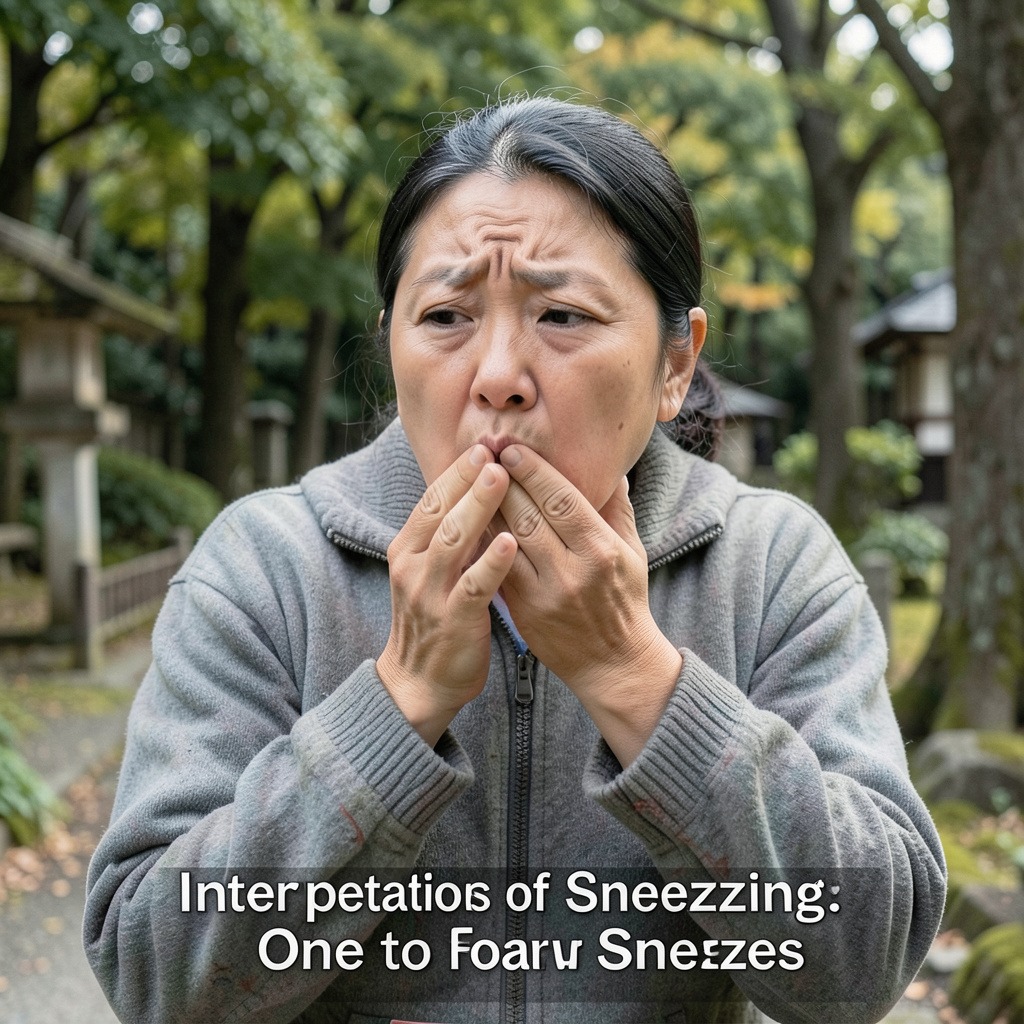
In Japanese culture, the act of sneezing carries rich interpretations based on the number of sneezes. Each sneeze reflects different social and emotional meanings, influencing how individuals perceive their relationships and social interactions.
One Sneeze: Someone is Talking About You
A single sneeze is often interpreted as a sign that someone is thinking or talking about you. This belief emphasizes the interconnectedness of people in Japanese society.
- Practical Implication: When someone sneezes once, it may prompt others to inquire who might be discussing them.
- Example: Imagine a group of friends gathered for dinner. If one person sneezes, the others might jokingly speculate about who is gossiping.
Two Sneezes: Positive Thoughts
Two consecutive sneezes indicate that the thoughts directed toward the individual are positive. This interpretation can boost the morale of the person sneezing, as they perceive it as a compliment.
- Practical Implication: If someone sneezes twice, it could be an opportunity for others to express their admiration or affection.
- Example: In a workplace setting, if a colleague sneezes twice, it might lead to compliments on their recent project success.
Three Sneezes: Love and Affection
A series of three sneezes suggests that someone is in love or has affectionate feelings toward the sneezer. This adds a romantic layer to the belief about sneezing.
- Practical Implication: Three sneezes can lead to playful banter about romantic interests or connections.
- Example: At a social gathering, if someone sneezes thrice, friends might tease them about having a secret admirer.
Four Sneezes: Good Luck Omen
While sneezing multiple times can carry varying meanings, four sneezes in succession are often seen as an auspicious sign, heralding good luck and blessings.
- Practical Implication: A person who sneezes four times might receive congratulations or well-wishes from those around them.
- Example: In a traditional setting, if an elder sneezes four times, others might interpret it as a sign to celebrate or anticipate good fortune.
These interpretations reflect the cultural significance of sneezing in Japan, intertwining personal relationships with broader societal beliefs.
Historical Origins of Japanese Sneezing Superstitions
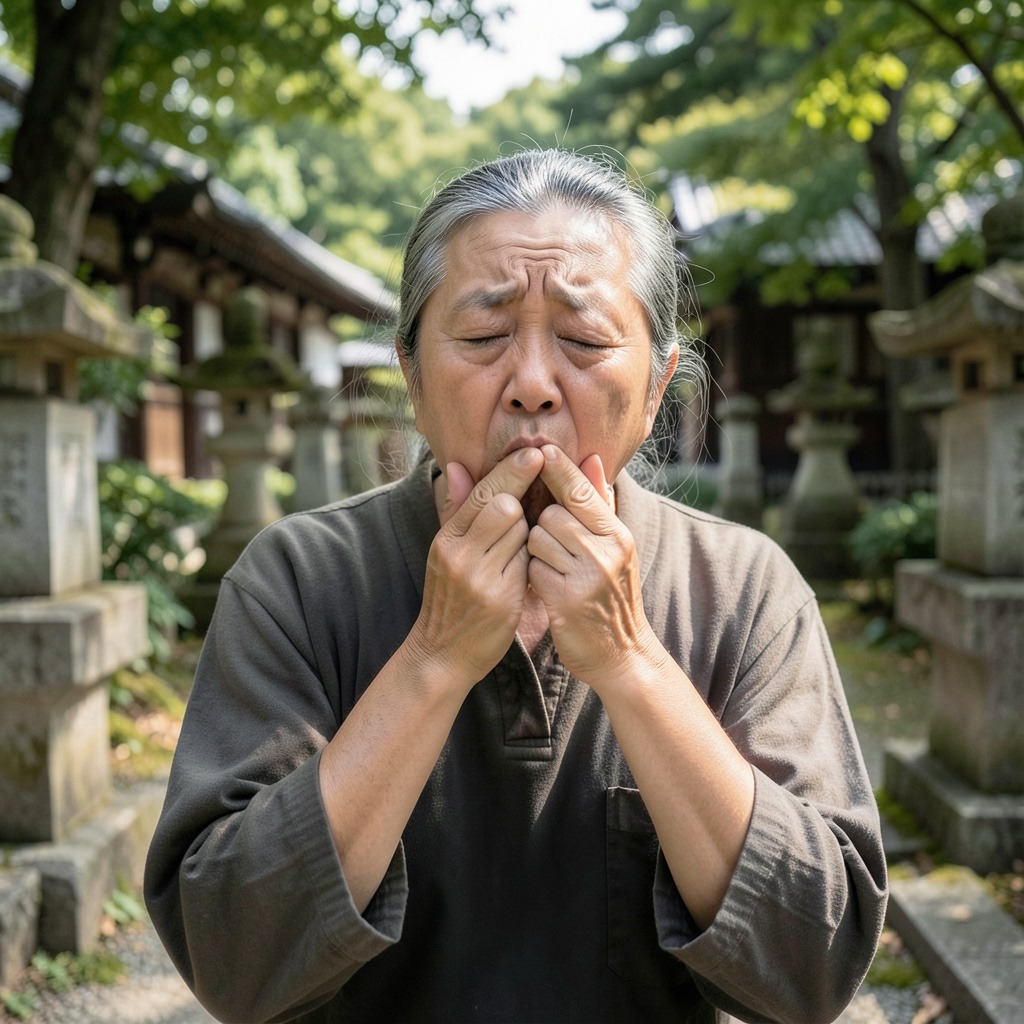
Japanese sneezing superstitions have deep roots in the country’s cultural fabric. These beliefs, passed down through generations, reflect the interplay of history, spirituality, and everyday life.
Ancient Beliefs and Practices
Historically, sneezing was viewed as a significant event. Ancient Japanese culture attributed various meanings to this common bodily function. The belief that a single sneeze indicates someone is talking about you likely stems from a fundamental human desire to connect with others. This notion emphasizes the importance of social bonds in Japanese society.
- One Sneeze: Signifies someone is thinking of you.
- Two Sneezes: Suggests gossip or negative talk about you.
- Three Sneezes: Often interpreted as a sign of impending illness.
These interpretations illustrate how sneezing is woven into the social consciousness, highlighting the interconnectedness of individuals.
Influence of Shinto and Buddhism
Shinto and Buddhism have significantly influenced Japanese beliefs surrounding sneezing. Shinto, with its focus on spirituality and nature, views sneezing as a connection between the physical and spiritual realms. This perspective fosters a belief that sneezes may signal divine communication or omens.
- Shinto Influence: Sneezing may be seen as a sign of a spirit’s presence or intervention.
- Buddhist Perspective: Emphasizes mindfulness and awareness, interpreting sneezes as reminders to remain present and connected.
These spiritual dimensions enhance the cultural significance of sneezing, reflecting broader themes in Japanese traditions.
Evolving Practices and Modern Interpretations
In contemporary Japan, these superstitions continue to shape social interactions. People often acknowledge sneezes with phrases like “Bless you” or “Kaze ga fuiteimasu,” which means “You have a cold coming.” This practice reinforces the belief that sneezing acts as a social connector, prompting concern and care among individuals.
- Regional Variations: Different regions may have unique interpretations or responses to sneezing, illustrating the diversity within Japanese culture.
- Common Misconceptions: Some may overlook the dual nature of sneezing superstitions, which can signify both good and bad omens, depending on the context and number of sneezes.
Understanding these cultural origins enriches the appreciation of sneezing superstitions in Japan, revealing their relevance in modern society.
Common Misconceptions About Sneezing Superstitions
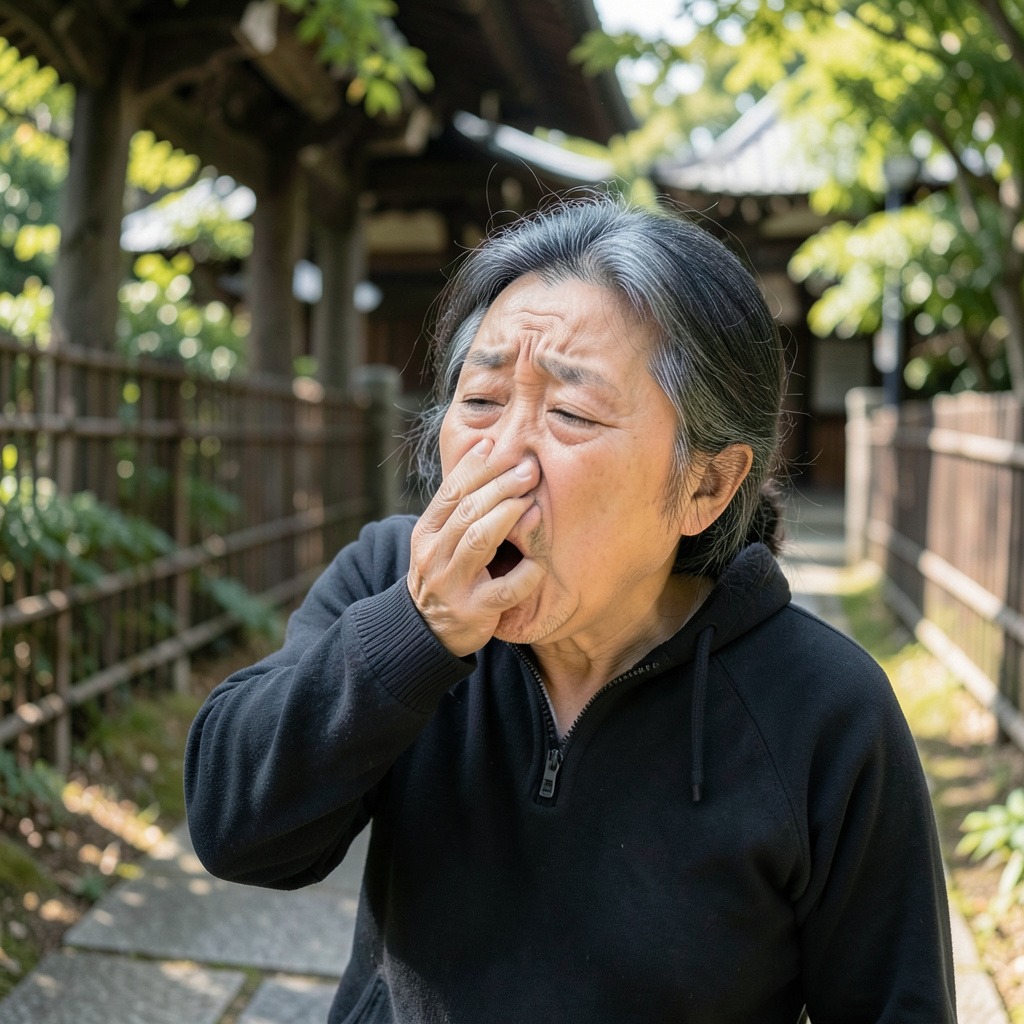
Japanese sneezing superstitions are often misunderstood. Many people are unaware of the nuanced meanings associated with different sneeze counts. This section clarifies some of the most prevalent misconceptions.
Misinterpretations of Sneezing Meanings
1. One Sneeze Equals Good Luck: While sneezing once is commonly seen as a sign that someone is thinking about you, it is not universally viewed as good luck. The context matters. For example, if you sneeze during a conversation, it may indicate that the topic is sensitive or personal.
2. Two Sneezes Indicate Bad News: Some believe that two sneezes signify someone is speaking negatively about you. However, this interpretation varies regionally. In some areas, two sneezes may simply suggest that someone is concerned about your well-being.
3. Three Sneezes Bring Misfortune: Contrary to popular belief, three consecutive sneezes do not universally herald bad luck. This notion lacks a solid cultural foundation and is often conflated with other superstitions.
Cultural Differences in Understanding
Japanese sneezing superstitions differ significantly from beliefs in other cultures. For instance:
- Western Cultures: In many Western countries, a sneeze is often met with a polite “Bless you,” regardless of the number. The focus is primarily on the health aspect rather than superstitions.
- Middle Eastern Beliefs: Some Middle Eastern cultures view sneezing as a sign of spiritual clarity or an omen of good fortune, contrasting with the mixed interpretations found in Japan.
Practical Examples
Consider these scenarios to illustrate how sneezing superstitions play out in daily life:
- During a Meeting: If you sneeze once while discussing a project, colleagues might joke that someone is thinking about you, reinforcing connections.
- At a Family Gathering: Sneezing twice could prompt family members to express concern, reflecting their protective instincts.
Understanding these distinctions enhances appreciation for Japanese sneezing superstitions and their cultural relevance.
Regional Variations in Sneezing Superstitions
Sneezing beliefs in Japan are not monolithic; they vary significantly across different regions. These regional variations highlight how local customs and dialects shape interpretations of sneezing.
Regional Practices and Customs
In Japan, sneezing can carry distinct meanings depending on the region. Here are some notable examples:
- Kanto Region: In cities like Tokyo, sneezing once is often interpreted as someone thinking about you. This belief emphasizes social connections and relationships.
- Kansai Region: In Osaka, a single sneeze may be seen as a positive omen, while two sneezes are thought to indicate someone is speaking ill of you. This dual interpretation adds a layer of caution to social interactions.
- Hokkaido: In northern Japan, people believe that sneezing three times in succession brings good fortune, especially during the winter months. This belief is often associated with the cold season and the hope for health and prosperity.
These variations illustrate the rich tapestry of beliefs surrounding a common bodily function. They also suggest that local customs play a crucial role in shaping perceptions of sneezing.
Influence of Local Dialects on Beliefs
Local dialects significantly influence sneezing superstitions. Phrases and expressions used when someone sneezes can vary by region, reflecting cultural nuances. For instance:
- In the Kanto dialect, people might say, “Ah, someone is talking about you!” after a sneeze. This reinforces the notion of social connectivity.
- In contrast, the Kansai dialect may include humorous or light-hearted remarks, diffusing any negative connotations associated with multiple sneezes.
Understanding these dialectal differences enriches the interpretation of sneezing superstitions. It showcases how language and culture intersect in daily life.
Example Scenarios
To illustrate these regional beliefs in action, consider the following scenarios:
- A Workplace in Tokyo: An employee sneezes once during a meeting. Colleagues might chuckle and say, “Someone is thinking of you!” This light-hearted acknowledgment fosters camaraderie.
- A Family Gathering in Osaka: If a family member sneezes twice, relatives may immediately express concern, asking if someone is gossiping about them. This reflects protective instincts and familial bonds.
These examples demonstrate how regional beliefs about sneezing manifest in everyday interactions, reinforcing social dynamics and cultural values.
Practical Responses to Sneezes in Social Settings
In Japan, how you respond to a sneeze can reflect cultural etiquette and social awareness. Understanding the appropriate responses can enhance interactions and show respect for others.
Common Responses: What to Say
When someone sneezes, it is customary to acknowledge the event with a friendly remark. Here are common phrases used:
- “千歳!” (Saita!): This phrase translates to “May you live long!” and is often said after someone sneezes once.
- “お大事に” (O-daiji ni): This means “Take care!” and expresses concern for the person’s health.
These phrases not only convey good wishes but also reinforce social bonds.
Dos and Don’ts in Social Etiquette
Navigating sneezing etiquette involves understanding both what to do and what to avoid. Here’s a checklist to guide your responses:
Dos:
- Acknowledge the sneeze: Say one of the common phrases to show you care.
- Smile: A warm smile can help ease any awkwardness.
- Observe: Pay attention to the number of sneezes to gauge the appropriate response.
Don’ts:
- Make negative comments: Avoid suggesting that someone is being talked about, as this can be perceived as rude.
- Ignore the sneeze: Failing to acknowledge a sneeze can seem dismissive.
- Overreact: Maintain a light-hearted tone rather than expressing excessive concern.
Interpretation of Sneezes
The number of sneezes holds specific meanings. Here’s how to interpret them:
- One Sneeze: Someone is talking about you positively.
- Two Sneezes: Someone is speaking negatively about you.
- Three Sneezes: Someone has fallen in love with you.
Understanding these interpretations can help you respond appropriately and engage meaningfully in conversations.
Cultural Origins and Modern Practices
Japanese sneezing superstitions have deep cultural roots. While these beliefs may be less prominent in modern society, they still influence how people interact. For example, younger generations may acknowledge sneezes with humor, while older individuals might adhere more closely to traditional responses.
By incorporating these practices into your interactions, you can demonstrate cultural sensitivity and enhance your relationships in Japan.
Comparisons with Global Sneezing Superstitions
Sneezing holds various cultural meanings around the world. While Japan associates sneezing with the idea of someone talking about you, other cultures have their own interpretations and beliefs regarding this common bodily function.
Similarities with Asian Cultures
In several Asian cultures, sneezing is also viewed as a sign of someone’s thoughts or intentions. For instance:
- China: A single sneeze may mean someone is missing you, while multiple sneezes can indicate that someone is speaking ill of you.
- Korea: Similar to Japan, a sneeze may suggest that someone is talking about you, and three consecutive sneezes can imply that they are gossiping negatively.
These beliefs emphasize the interconnectedness of individuals, reflecting a shared cultural value across Asian societies.
Differences in Western Perspectives
Western cultures often interpret sneezing differently. Here are some notable distinctions:
- United States: The common response to a sneeze is “Bless you,” which originated as a protective measure against evil spirits. The act of sneezing is not typically linked to someone talking about you.
- Italy: Italians believe that sneezing can signify good luck, particularly if it occurs during an important event or conversation. However, the connection to gossip is less emphasized.
These differences highlight the unique cultural frameworks shaping perceptions of sneezing, illustrating how social interactions can vary significantly across regions.
Summary of Cultural Interpretations
| Culture | Interpretation of One Sneeze | Interpretation of Multiple Sneezes |
|---|---|---|
| Japan | Someone is talking about you | Someone is speaking negatively about you |
| China | Someone is missing you | Someone is gossiping about you |
| Korea | Someone is talking about you | Someone is gossiping negatively |
| United States | Bless you as a protective measure | No significant interpretation |
| Italy | Good luck during important events | Less emphasis on gossip |
Understanding these cultural nuances enhances appreciation for the significance of sneezing within different societies. It also provides insight into how behaviors can be influenced by deeply ingrained beliefs and traditions.
The Relevance of Sneezing Superstitions in Modern Japan
Sneezing superstitions continue to hold relevance in contemporary Japanese society, though their interpretations may evolve. The significance of a sneeze often reflects the interconnectedness of traditional beliefs and modern social interactions.
Sneezing and Modern Social Interactions
In Japan, a single sneeze can still elicit responses related to its superstition. Many people often remark, “Someone is talking about you,” when they hear a sneeze. This response serves as a cultural acknowledgment that links individuals through social awareness.
Conversely, two sneezes are typically interpreted as a sign that someone is speaking negatively about the person who sneezed. Even in casual settings, this belief can influence the way people react.
- One Sneeze: Someone is thinking or talking about you.
- Two Sneezes: Someone is gossiping negatively about you.
- Three Sneezes: Considered a sign of love or affection.
- Four Sneezes: Often believed to bring good luck.
These interpretations can affect the dynamics of conversation and relationships, demonstrating the enduring nature of these superstitions.
The Impact of Globalization on Traditional Beliefs
Globalization has brought various cultural influences to Japan, leading to a blend of traditional beliefs and modern perspectives. Younger generations may regard sneezing superstitions with a mix of amusement and skepticism.
While many still acknowledge the traditional meanings, others may not take them as seriously. For instance, a young person might joke about someone sneezing without delving into the deeper cultural significance. This shift reflects a broader trend in which younger Japanese individuals balance respect for tradition with contemporary attitudes.
However, certain practices remain prevalent, especially in rural areas. In these communities, traditional beliefs are often more deeply embedded. Anecdotes abound about families gathering to discuss sneezing superstitions during social events, reinforcing community bonds.
- Urban Perspective: Generally less emphasis on superstitions, often viewed as humorous.
- Rural Perspective: Stronger adherence to traditional beliefs, often discussed in family settings.
This divergence in perspectives illustrates how sneezing superstitions adapt to modernity while still retaining cultural significance.
Frequently Asked Questions
These quick answers cover the most common questions about this topic, including key details, practical tips, and common concerns.
What does 3 sneezes mean in Japan?
In Japan, three sneezes in a row typically suggest that someone has affectionate feelings or is in love with the person who sneezed. This belief adds a playful and romantic layer to the interpretation of sneezing, often leading to teasing among friends or family about potential secret admirers.
What does 4 sneezes mean in superstition?
Four sneezes are generally seen as a positive omen in Japanese superstition. It is believed to signify good luck and blessings for both the sneezer and those around them. People may express congratulations or well-wishes when someone sneezes four times, reinforcing a sense of community and shared joy.
What does it mean when you sneeze once in Japan?
A single sneeze is often interpreted as a sign that someone is talking or thinking about you. This belief fosters social connections and awareness among individuals. If someone sneezes once, it may prompt others to inquire about who might be discussing them, highlighting the importance of interpersonal relationships.
How do Japanese people respond to sneezes?
Responses to sneezes in Japan typically include phrases like “お大事に” (O-daiji ni), meaning “Take care!” or “千歳!” (Saita!), which translates to “May you live long!” These responses reflect cultural values of care and concern for the individual’s well-being. Acknowledging a sneeze is considered polite and reinforces social bonds.
What are some common Japanese superstitions related to sneezing?
Common Japanese sneezing superstitions include beliefs about the number of sneezes: one sneeze means someone is talking about you, two sneezes suggest gossip, three sneezes indicate love, and four sneezes signify good luck. These interpretations illustrate the cultural significance of sneezing and its impact on social interactions.
What are some common Japanese superstitions?
Beyond sneezing, Japanese culture is rich with superstitions. For example, the number four is often associated with bad luck, while eight is seen as lucky. Other customs include avoiding the use of certain words during important events or the belief that certain animals, like cats, bring good fortune. These superstitions reflect the interconnectedness of daily life and cultural beliefs.
When should you say something after someone sneezes?
It is customary to acknowledge a sneeze immediately after it occurs. Saying a phrase of concern or well-wishing right away shows respect and care for the person. Ignoring a sneeze can be perceived as dismissive, so it’s best to respond promptly to maintain social etiquette.