
Becoming spiritually strong means developing a deep connection with your inner self and the world around you, allowing you to face life’s challenges with grace and resilience. This journey enhances your emotional awareness rather than numbing it, helping you feel deeply and authentically.
Table of Contents
Understanding Spiritual Strength
Definition of Spiritual Strength
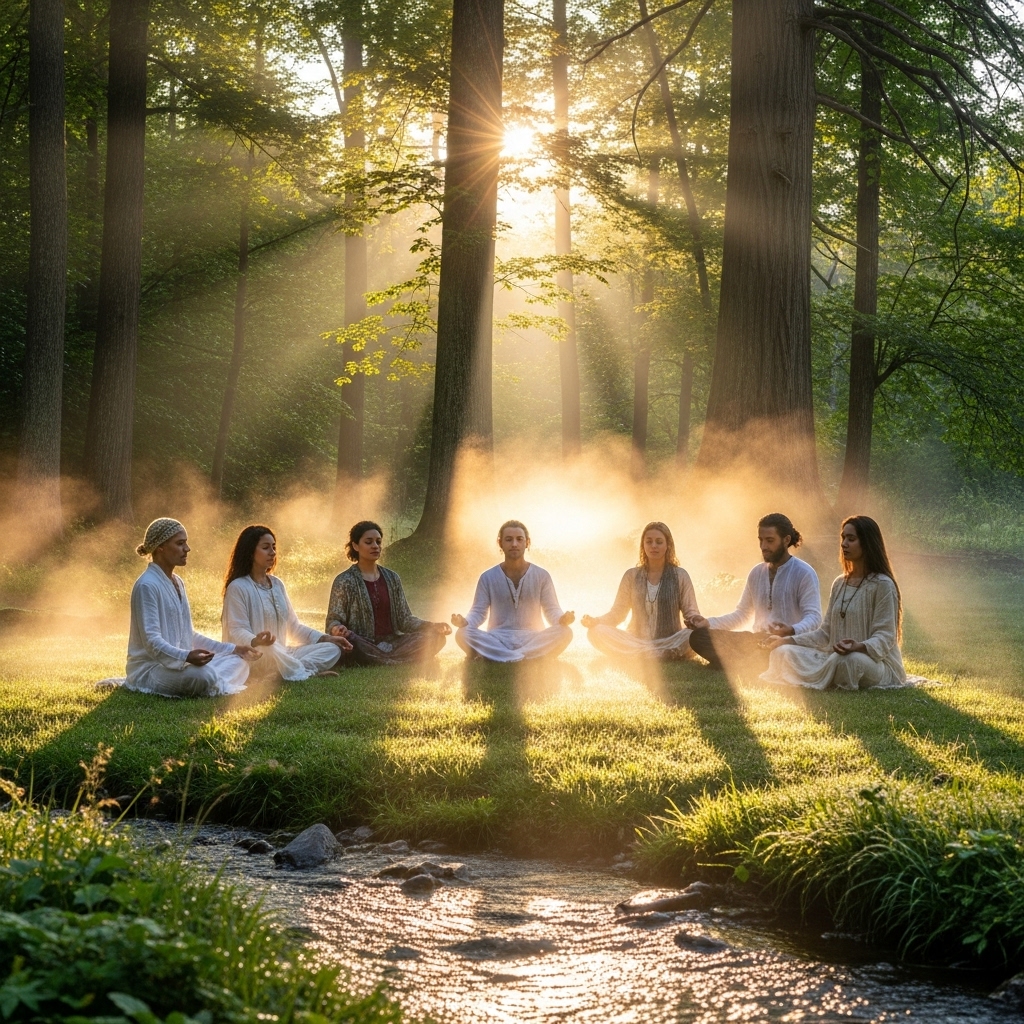
When I think about spiritual strength, I picture it as a powerful inner resource that helps us navigate life’s ups and downs. It’s not just about having a strong belief system; it’s about understanding what gives our lives meaning and purpose. For me, it’s about feeling grounded in my values, embracing my unique identity, and tapping into that deeper part of myself that connects to something greater, whether it’s nature, community, or a higher power. Spiritual strength allows us to remain resilient in the face of adversity and to find strength in vulnerability.
Difference Between Spiritual Strength and Emotional Numbness
One thing I’ve learned on my journey is that spiritual strength is not the same as emotional numbness. I used to think that disconnecting from my feelings would help me cope with pain, but I found that this often led to deeper issues. Emotional numbness can feel like a protective shield, but it leaves us feeling isolated and unfulfilled. In contrast, spiritual strength invites us to embrace our emotions, understand them, and use them as a guide toward personal growth. It’s about feeling everything—joy, sadness, fear, and love—while maintaining a sense of peace and clarity. This balance helps us stay engaged with our lives and build meaningful connections with others.
Benefits of Being Spiritually Strong
The benefits of nurturing our spiritual strength are profound. From my experience, being spiritually strong helps in various aspects of life, including improved mental health and increased resilience in facing challenges. I’ve noticed that when I take the time to connect with my spiritual self, I feel more centered and grounded. Here are some benefits I’ve personally experienced:
- Enhanced Emotional Well-being: Spiritual strength allows us to process our emotions rather than suppress them, leading to healthier emotional responses.
- Increased Resilience: Life can throw curveballs, but with a strong spiritual foundation, I feel more equipped to handle setbacks and bounce back.
- Greater Sense of Purpose: Connecting spiritually often leads to a clearer understanding of my values and passions, guiding my choices and actions.
- Stronger Relationships: When I embrace my spiritual journey, I find it easier to connect with others on a deeper level, fostering empathy and compassion.
- Improved Mental Clarity: Spiritual practices often bring a sense of peace that clears the mind, helping me make thoughtful decisions.
Core Principles of Spiritual Strength
Self-Awareness
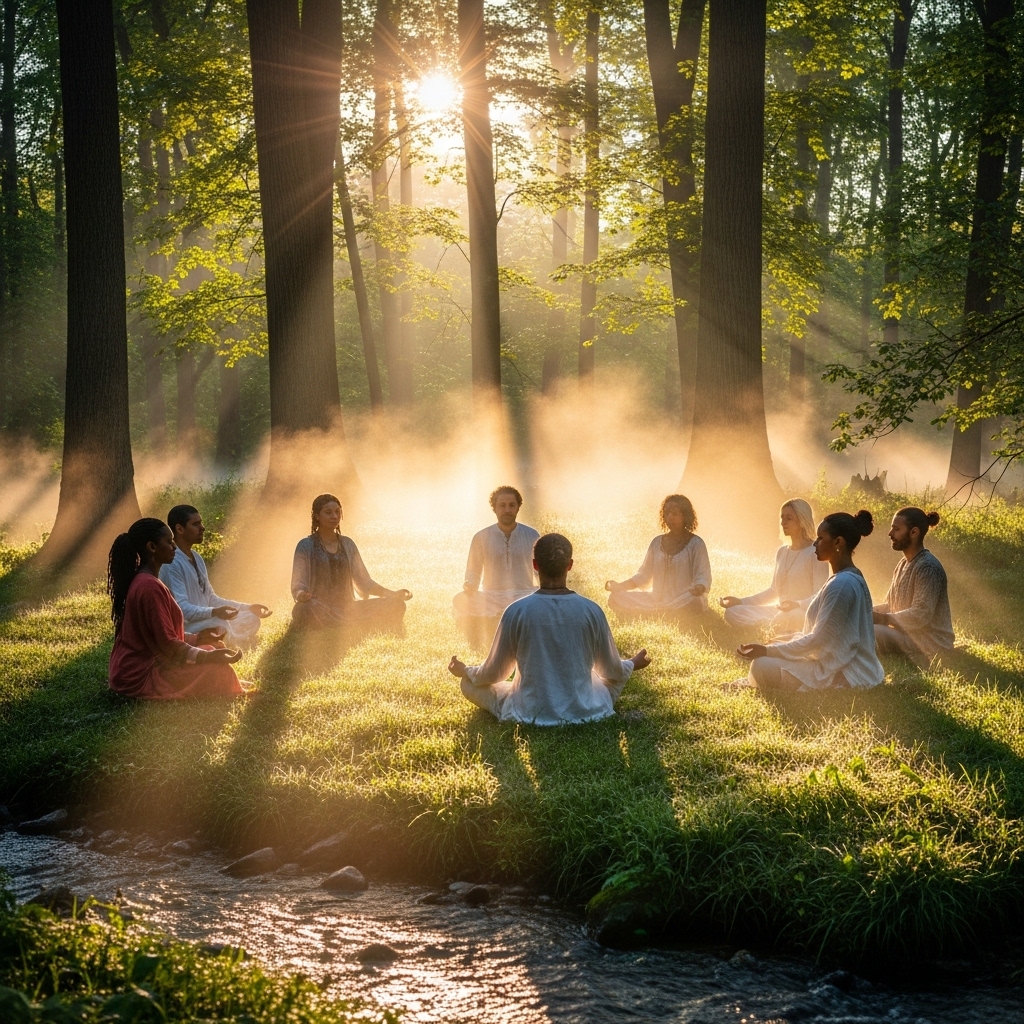
Self-awareness is like a compass guiding us on our spiritual journey. I’ve discovered that taking the time to reflect on my thoughts, feelings, and actions helps me understand who I am and what I truly value. This practice can be as simple as taking a few moments each day to check in with myself. Journaling often helps me articulate my feelings and notice patterns in my behavior. It’s a crucial step in developing spiritual strength because it lays the groundwork for all other principles.
Resilience
Resilience is the ability to bounce back from adversity, and I’ve found that it often stems from a strong spiritual foundation. When I faced challenging times, such as job loss or personal loss, my spiritual practices provided comfort and guidance. Developing resilience involves nurturing a mindset that sees challenges as opportunities for growth and learning. Embracing this perspective has shifted how I approach difficulties, allowing me to remain hopeful and proactive.
Mindfulness
Mindfulness is about being present and fully engaged in the moment. I remember when I first started practicing mindfulness; it felt strange at first, but over time, it has transformed the way I experience my daily life. By paying attention to my thoughts and feelings without judgment, I’m able to cultivate a deeper awareness of my spiritual self. Whether through meditation, yoga, or simply taking a walk in nature, being mindful helps me connect with my surroundings and my inner spirit.
Compassion
Practicing compassion, both for myself and others, is essential in building spiritual strength. I’ve learned that showing kindness to myself during tough times fosters a nurturing environment for my spiritual growth. Likewise, being compassionate towards others enriches my connections and deepens my understanding of human experiences. Compassion encourages us to look beyond our own struggles and acknowledge the shared journey we all embark on.
Authenticity
Living authentically means being true to ourselves and embracing our uniqueness. I’ve found that when I align my actions with my values and beliefs, I feel more empowered and spiritually grounded. It’s easy to get swayed by society’s expectations, but I’ve realized that authenticity leads to a more fulfilling life. Embracing my flaws, passions, and beliefs has opened doors to deeper connections with others, reinforcing my spiritual strength.
Practices to Cultivate Spiritual Strength
Meditation Techniques
Meditation has been a game-changer in my journey toward spiritual strength. Initially, I struggled with sitting still and quieting my mind, but I discovered that meditation can take many forms. I’ve tried guided meditations, mindfulness breathing, and even walking meditations. Each method offers unique benefits, but they all lead me to a place of stillness and connection with my inner self. I recommend starting with just a few minutes a day, gradually increasing as you become more comfortable.
Journaling for Reflection
Journaling has become one of my favorite practices for spiritual growth. Writing down my thoughts, feelings, and experiences helps me process my emotions and reflect on my journey. I often use prompts that encourage self-discovery, such as “What am I grateful for today?” or “What challenges have taught me valuable lessons?” This practice not only fosters self-awareness but also provides a tangible record of my growth over time.
Engaging in Nature
Spending time in nature is another powerful way to cultivate spiritual strength. I’ve noticed that being outside, whether it’s hiking in the mountains or simply sitting in a park, allows me to connect with the world around me. Nature has a way of grounding me and reminding me of life’s beauty and impermanence. I often leave my phone behind and immerse myself in the sights and sounds of nature, which helps me feel more present and spiritually rejuvenated.
Practicing Gratitude
Gratitude is a simple yet profound practice that can transform our perspective. I started keeping a gratitude journal, where I jot down three things I’m thankful for each day. This small practice has shifted my focus from what I lack to what I have. It’s incredible how acknowledging our blessings, big or small, can enhance our overall sense of well-being and spiritual strength.
Building Community and Connection
Lastly, I believe that building community is essential for spiritual growth. Connecting with like-minded individuals can provide support, encouragement, and shared experiences. I’ve found that attending workshops, joining local groups, or even engaging in online communities focused on personal and spiritual development has enriched my journey. Sharing our stories and learning from one another helps us feel less alone and more supported on our paths.
Dealing with Emotional Challenges
Identifying Emotional Triggers
One of the most insightful discoveries I’ve made in my journey toward spiritual strength is the importance of identifying emotional triggers. These are the situations, people, or even memories that provoke strong emotional responses in us. I remember a time when I would react to certain comments from friends or family with unexpected anger or sadness, and I couldn’t quite understand why. Through self-reflection and mindfulness practices, I started to pinpoint these triggers. It became evident that some of these reactions stemmed from past experiences or unresolved feelings. Recognizing these triggers has helped me respond more mindfully rather than react impulsively. Now, when I feel a wave of emotion rising, I take a moment to pause and ask myself what’s behind it, which often leads to deeper self-understanding and healing.
Healthy Coping Mechanisms
Learning healthy coping mechanisms is essential for navigating emotional challenges. In the past, I found myself resorting to unhealthy habits when faced with stress—like binge-watching TV shows or eating comfort food. However, I realized that these temporary distractions never really addressed the underlying issues. Instead, I started exploring healthier options. For me, exercise became a major outlet; going for a run or practicing yoga not only helps me release pent-up emotions but also clears my mind. I also found solace in creative outlets, like painting or playing music. Engaging in activities that align with my interests has been a great way to express my emotions constructively, allowing me to process feelings without getting overwhelmed.
Seeking Professional Help When Needed
There’s no shame in seeking professional help when emotional challenges become too much to handle. I once held the belief that asking for help was a sign of weakness, but that couldn’t be further from the truth. After facing a particularly tough period in my life, I decided to reach out to a therapist. This experience was eye-opening; having someone to talk to who could provide guidance and perspective made a world of difference. Therapy allowed me to unpack my emotions, understand my triggers better, and develop strategies for coping. I encourage anyone who feels overwhelmed or stuck to consider professional support. It’s a valuable step in nurturing our spiritual and emotional well-being.
Spiritual Practices and Traditions
Exploring Different Spiritual Paths
As I delved deeper into my spiritual journey, I recognized the richness in exploring various spiritual paths. Each tradition offers unique insights and practices that can enhance our spiritual strength. I’ve tried incorporating elements from different philosophies, such as Buddhism’s mindfulness teachings and the rituals of my own background. This exploration has opened my eyes to the diverse ways people connect with their spirituality, and it’s helped me find what resonates most with me. I believe that being open to different spiritual paths can enrich our experiences, allowing us to learn from others and incorporate beneficial practices into our own lives.
Incorporating Rituals and Traditions
Rituals and traditions can serve as powerful anchors in our spiritual lives. For instance, I’ve started lighting a candle every evening as a simple ritual to mark the end of my day. This act creates a space for reflection, allowing me to acknowledge the day’s events and express gratitude. Additionally, participating in seasonal celebrations or community rituals has helped me connect with others and foster a sense of belonging. These rituals remind me of the cycles of life and the importance of honoring both the joyful and challenging moments. I encourage you to find rituals that resonate with you; they can offer comfort and grounding during turbulent times.
Understanding the Role of Faith
Faith, in whatever form it takes, can be a guiding light through life’s challenges. For me, faith has evolved over time, shaped by my experiences and explorations. I’ve learned that faith doesn’t have to be tied to organized religion; it can be a deep trust in the universe, a belief in the goodness of humanity, or simply faith in myself and my journey. This understanding has brought me comfort, especially during times of uncertainty. Embracing faith as a source of strength allows me to navigate life’s unpredictability with hope and resilience.
Building a Personal Spiritual Toolkit
Books and Resources for Spiritual Growth
One of the best investments I made in my spiritual journey was building a personal library of books and resources focused on spiritual growth. I’ve gathered a mix of philosophy, self-help, and memoirs that resonate with me. Some of my favorites include “The Power of Now” by Eckhart Tolle, which helped me understand mindfulness, and “The Gifts of Imperfection” by Brené Brown, which emphasizes the importance of authenticity and vulnerability. These books have inspired me, providing insights and practical tools that I can apply to my daily life. I recommend exploring various genres and finding authors who speak to your heart; they can become invaluable companions on your spiritual journey.
Online Courses and Workshops
Another way I’ve found to deepen my spiritual practice is through online courses and workshops. The flexibility of online learning allows me to explore various topics at my own pace. I’ve participated in courses on meditation, emotional intelligence, and spiritual leadership, each offering unique perspectives and techniques. These experiences not only expand my knowledge but also connect me with a community of learners who are on similar paths. I encourage anyone looking to enhance their spiritual growth to seek out online resources; there’s a wealth of information available at our fingertips.
Support Groups and Retreats
Engaging with support groups and attending retreats has also been transformative for me. I remember my first retreat; it was a weekend focused on mindfulness and self-discovery. Being surrounded by like-minded individuals created a sense of belonging, and I felt empowered sharing my experiences. These spaces allow for deep connections and foster a supportive environment for growth. If you’re considering a retreat or joining a support group, I wholeheartedly recommend it. The bonds formed during these experiences can be incredibly enriching and provide lasting encouragement on our spiritual journeys.
Frequently Asked Questions
“`html
What does it mean to be spiritually strong?
Being spiritually strong means developing a deep connection with your inner self and the world around you, allowing you to face life’s challenges with grace and resilience.
How is spiritual strength different from emotional numbness?
Spiritual strength involves embracing and understanding emotions for personal growth, while emotional numbness is disconnecting from feelings, which can lead to isolation and unfulfillment.
What are some benefits of nurturing spiritual strength?
Benefits include enhanced emotional well-being, increased resilience, a greater sense of purpose, stronger relationships, and improved mental clarity.
What role does self-awareness play in developing spiritual strength?
Self-awareness acts as a compass on the spiritual journey, helping individuals reflect on their thoughts, feelings, and actions to understand their true values.
Why is resilience important for spiritual strength?
Resilience allows individuals to bounce back from adversity, and it often stems from a strong spiritual foundation that provides comfort and guidance during challenging times.
How can mindfulness contribute to spiritual strength?
Mindfulness helps individuals be present and fully engaged in the moment, cultivating deeper awareness of their spiritual self through practices like meditation or being in nature.
What practices can help cultivate spiritual strength?
Practices include meditation techniques, journaling for reflection, engaging in nature, practicing gratitude, and building community and connections.
How can identifying emotional triggers be beneficial?
Identifying emotional triggers helps individuals understand their emotional responses better, allowing them to respond mindfully and promote deeper self-understanding and healing.
What is the significance of exploring different spiritual paths?
Exploring various spiritual paths can enrich experiences and provide unique insights and practices that enhance spiritual strength.
How can support groups and retreats aid in spiritual growth?
Support groups and retreats create a sense of belonging and provide a supportive environment for growth, allowing individuals to connect deeply with like-minded individuals.
“`