
Being kind without being used involves setting clear boundaries while offering genuine support. It’s about finding balance in your relationships, ensuring that your kindness is appreciated and reciprocated. Read Interesting article: Why Your Circle Gets Smaller After Awakening
Understanding Kindness: What It Means to Be Kind
The Definition of Kindness
When I think of kindness, I envision simple gestures that bring joy and comfort to others. Kindness is not just about being nice; it’s an attitude of empathy, compassion, and respect. It’s about understanding someone else’s feelings and wanting to help them. I’ve always believed that true kindness comes from a place of sincerity and selflessness. However, it’s crucial to note that being kind doesn’t mean sacrificing your needs or allowing others to take advantage of you.
The Importance of Kindness in Relationships
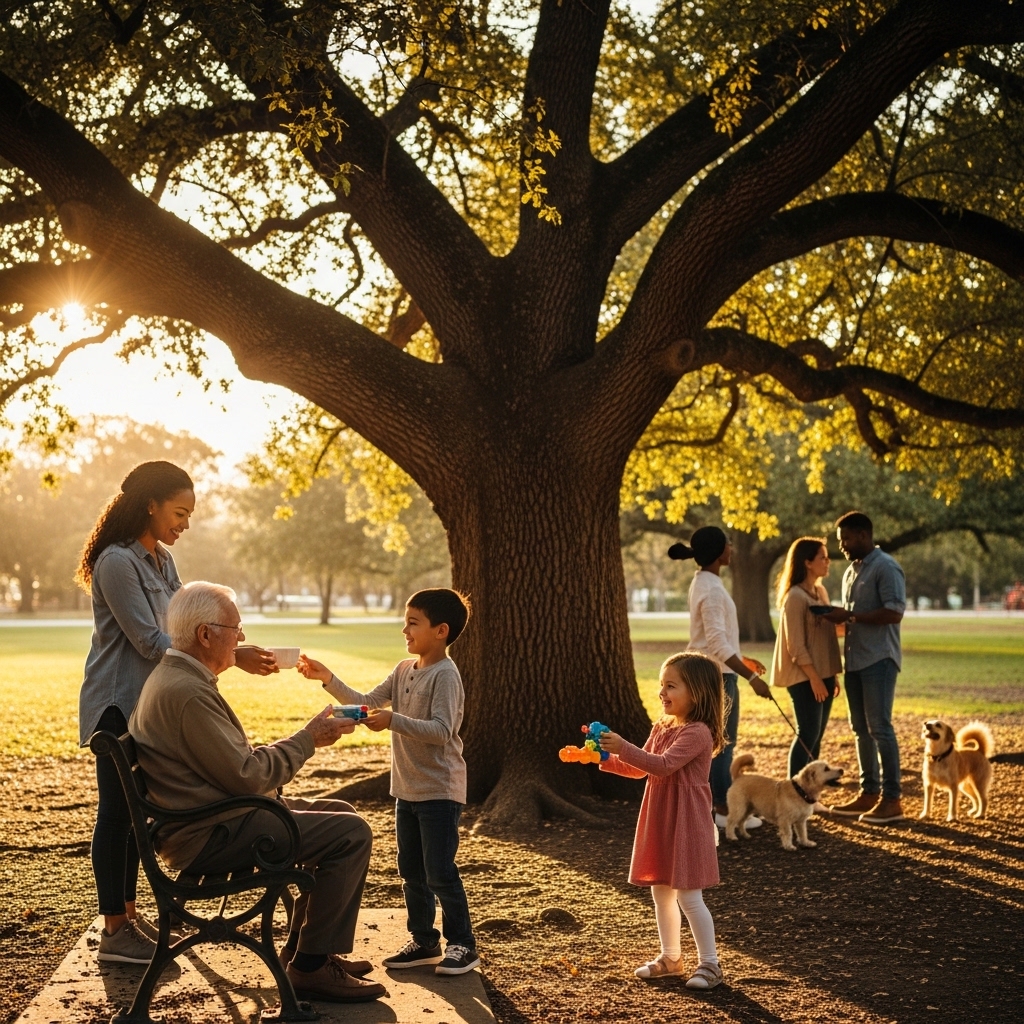
In my experience, kindness is the cornerstone of any healthy relationship. It fosters trust and understanding, creating a safe space where both parties feel valued. When we show kindness, we open doors to deeper connections. I remember a time when I reached out to a friend going through a tough period; my small act of kindness not only helped her but also strengthened our bond. I realized that kindness nurtures relationships and promotes mutual respect. Read Interesting article: 14 Cozy Living Room Decor Tips for Small Apartments
Different Forms of Kindness
Kindness can manifest in so many ways; I’ve seen it range from simple words of encouragement to more significant acts like volunteering my time. Here are some forms of kindness I’ve encountered:
- Emotional Support: Being there for someone when they need to talk.
- Acts of Service: Offering help with tasks or responsibilities.
- Words of Affirmation: Complimenting or uplifting someone’s spirits.
- Physical Touch: A reassuring hug or a gentle pat on the back.
- Quality Time: Spending time with someone just to show you care.
Each of these acts can have a profound impact, but understanding how to give without feeling drained or taken for granted is key.
Recognizing Boundaries: The Key to Kindness Without Being Used

What Are Personal Boundaries?
Personal boundaries are the limits we set to protect our emotional and physical space. They define how we want to be treated and establish the distance we need in our relationships. When I first grasped the concept of boundaries, it was a game changer for me. I started to see how I often let others dictate my time and emotions, leading to feelings of resentment. By understanding my boundaries, I learned to take charge of my interactions.
Types of Boundaries: Emotional, Physical, and Time
There are several types of boundaries that are essential for our well-being:
- Emotional Boundaries: These involve how we allow others to affect our feelings. I found that when I didn’t guard my emotional boundaries, I often felt overwhelmed by other people’s problems.
- Physical Boundaries: These refer to our personal space and physical comfort. Everyone has different comfort levels, and respecting those is crucial.
- Time Boundaries: This type involves how we allocate our time. I used to stretch myself thin trying to please everyone, but now I’m more mindful of how I spend my hours.
How to Communicate Your Boundaries Effectively
Communicating boundaries can be challenging, but I’ve learned that honesty is the best policy. When I need to express my limits, I try to do so with clarity and kindness. For instance, if a friend asks for help that I simply cannot provide, I say, “I really want to help, but I can’t right now. Can we look for another solution?” This way, I’m still being kind but firm in my needs. I recommend practicing this approach to make it feel more natural over time.
Identifying Manipulative Behavior
Common Signs of Being Used
I’ve been in situations where I felt used, and recognizing the signs can be the first step toward addressing the issue. Some red flags include:
- Feeling Drained: If interactions leave you feeling exhausted rather than uplifted, it might be a sign.
- Always Being the Giver: If you notice you’re constantly the one reaching out, it may indicate a one-sided relationship.
- Lack of Reciprocity: Genuine relationships thrive on balance; if you’re not receiving support in return, something’s off.
Understanding Emotional Manipulation
Emotional manipulation can be subtle, and it took me a while to recognize it. It often involves guilt-tripping or playing on your sympathies. For example, a friend might say, “If you really cared, you would help me.” I learned to be aware of such statements and remind myself that my feelings and needs are valid too.
The Role of Guilt in Manipulation
Guilt can be a powerful tool in manipulation. I’ve experienced moments where someone tried to make me feel responsible for their happiness. Understanding that I’m not responsible for others’ emotions helped me stand firm. I think it’s important not to let guilt dictate our actions or force us into situations that don’t serve us.
Strategies for Being Kind Without Sacrificing Yourself
Practicing Assertiveness
One of the most empowering lessons I’ve learned is the art of assertiveness. Being assertive doesn’t mean being aggressive; it’s about standing up for my needs while still respecting others. I remember a time when a colleague kept piling extra work on my plate. Instead of just accepting it, I decided to speak up. I said, “I appreciate your trust in me, but I can’t take on more tasks right now. I want to deliver quality work.” Practicing assertiveness has allowed me to be kind without compromising my own well-being. I recommend starting small—speak up in low-stakes situations to build your confidence.
Learning to Say No Gracefully
Saying no can feel daunting, especially when we fear disappointing others. I’ve been there, and it’s taken time for me to understand that saying no is not unkind; it’s a form of self-respect. I’ve learned to say no gracefully by expressing my appreciation first. For example, I might say, “Thank you for thinking of me! I can’t take on this project right now, but I hope you find someone who can help.” This way, I’m still being considerate while protecting my time and energy. I encourage you to practice saying no in ways that feel comfortable to you. It’s a vital skill for maintaining healthy boundaries.
Offering Help Without Overcommitting
Sometimes, I find myself wanting to help everyone, but I’ve realized that I can offer support without overcommitting. In my experience, it’s about setting limits on how much I’m willing to give. For example, I may offer to listen to a friend but let them know I can only talk for a specific amount of time. This approach has taught me to give in a way that feels manageable. I’ve discovered that it’s possible to be there for someone while still taking care of my own needs. If you find yourself in similar situations, consider creating a personal guideline on how much time or energy you’re willing to invest in helping others. Read Interesting article: Myth: Pain Means You’re Doing It Wrong
Finding Balance Between Giving and Receiving
It’s so easy to get caught up in being the giver, but I’ve learned that kindness is a two-way street. I often remind myself that it’s okay to receive help and support, too. I think back to a time when I was always the one reaching out for others but rarely allowed myself to lean on them. When I finally opened up to a friend about my struggles, it felt refreshing to receive their support in return. We need to nurture this balance in our relationships. I suggest regularly checking in with yourself to see if you’re giving more than you’re receiving. It can help to have honest conversations with friends about mutual support and how you can be there for each other.
Building Healthy Relationships
How to Foster Mutual Respect
Mutual respect is the foundation of any strong relationship. From my own experiences, I’ve noticed that when respect is present, both parties feel free to express their needs and boundaries. I remember a friendship where we both made a conscious effort to listen and validate each other’s feelings. It was a game-changer! One simple way to foster mutual respect is by actively listening. When someone shares their perspective, I make it a point to acknowledge their feelings, even if I don’t fully agree. This creates a solid environment where respect thrives.
Encouraging Open Communication
Open communication is vital in nurturing trust and understanding. I’ve found that being honest about my feelings not only helps me but also encourages others to do the same. In my relationships, I practice sharing my thoughts and feelings openly, even when it’s uncomfortable. For instance, if something bothers me, I try to bring it up calmly and respectfully. I’ve learned that this often leads to deeper connections, as it allows both parties to understand each other better. I recommend setting aside time for regular check-ins with those close to you. It can be a powerful way to maintain open lines of communication.
Recognizing Healthy vs. Toxic Relationships
Knowing the difference between healthy and toxic relationships is crucial for our emotional well-being. I’ve had my fair share of both, and it’s been a learning journey. Healthy relationships promote growth, joy, and support, while toxic ones often leave us feeling drained and undervalued. I remember a friendship that started off strong but gradually became one-sided, where my needs were often overlooked. Recognizing this was hard, but it helped me prioritize relationships that uplift me. If you find yourself questioning a relationship, take time to reflect on how it makes you feel. Healthy relationships should inspire positivity, while toxic ones usually bring about stress and discomfort.
Self-Care: The Foundation of Sustainable Kindness
The Importance of Prioritizing Your Well-Being
I’ve come to realize that taking care of myself is not just a luxury; it’s a necessity. When I neglect my own well-being, I often find that my ability to be kind and supportive diminishes. I remember a time when I was overwhelmed and felt stretched too thin. I was trying to be there for everyone else while ignoring my own needs, and it took a toll on my mental health. I’ve learned that prioritizing my well-being allows me to show up as my best self for others. It’s like the airplane safety instructions say: put your oxygen mask on first before helping others. If I’m not functioning at my best, I can’t provide the kind of support I want to offer.
Practicing Mindfulness and Self-Reflection
Mindfulness has become a key part of my self-care routine. Taking a few moments each day to check in with myself helps me to gauge my emotional state and recognize when I might need a break. I often find that simply being present and aware of my feelings can prevent me from reaching a breaking point. From my experience, practices like meditation or deep breathing can center my thoughts and help alleviate stress. Journaling has also been a powerful tool for me; it allows me to reflect on my experiences and recognize patterns in my relationships. Through this reflection, I can identify when I’m giving too much or if I’m feeling unappreciated. I believe that understanding our own feelings is essential in maintaining healthy boundaries.
Engaging in Activities That Recharge You
One of the best ways I’ve discovered to sustain my kindness is by engaging in activities that recharge my spirit. Whether it’s reading a good book, going for a walk in nature, or diving into a creative hobby, I make it a point to carve out time for these activities. I remember feeling guilty for taking time for myself, thinking I should always be available for others. However, I’ve learned that spending time doing what I love rejuvenates me and allows me to be more present when I’m helping someone else. I suggest trying different activities to see what resonates with you. It could be anything from painting to yoga! Whatever it is, make sure it’s something that brings you joy.
Examples of Kindness in Action
Acts of Kindness in Everyday Life
In my daily life, I try to incorporate small acts of kindness that can make a significant impact. I find joy in simple things, like holding the door open for someone, giving a genuine compliment, or paying for the coffee of the person behind me in line. These might seem like small gestures, but I’ve noticed that they can brighten someone’s day and often lead to a ripple effect of positivity. I often challenge myself to perform at least one act of kindness each day, and I’ve found that this practice not only uplifts others but also boosts my own mood. It’s a win-win situation!
Volunteering Without Exhaustion
Volunteering has been one of my favorite ways to practice kindness, but I’ve learned the hard way that I need to approach it mindfully. I used to jump into every volunteer opportunity that came my way, thinking it was the best way to give back. However, I quickly realized I was spreading myself too thin. Now, I choose to volunteer for causes that resonate with me and fit my schedule. For instance, I volunteer at a local animal shelter, but I only commit to a few hours a week. This way, I’m able to contribute meaningfully without feeling overwhelmed. If you’re interested in volunteering, consider choosing a cause that truly speaks to you and setting limits on your time. It’s about quality over quantity!
Supporting Friends While Maintaining Boundaries
Being there for friends is important to me, but I’ve learned that I can do so without compromising my own boundaries. I’ve found that checking in with friends is a great way to show I care without taking on their emotional burdens completely. For example, I often send a quick text to see how they’re doing or invite them for a coffee chat. This allows me to offer support while still keeping my own limits in mind. I also make it a point to communicate my availability. If a friend reaches out during a particularly busy week, I’ll let them know I’m here for them, but I might need to schedule a catch-up for later. Balancing support with self-care is crucial in maintaining healthy friendships.
Frequently Asked Questions
What does it mean to be kind without being used?
Being kind without being used involves setting clear boundaries while offering genuine support. It balances relationships to ensure that kindness is appreciated and reciprocated.
What is the definition of kindness?
Kindness is an attitude of empathy, compassion, and respect towards others. It involves understanding someone else’s feelings and a genuine desire to help without sacrificing your own needs.
Why is kindness important in relationships?
Kindness is the cornerstone of healthy relationships as it fosters trust and understanding, creating a safe space where both parties feel valued. It nurtures connections and promotes mutual respect.
What are personal boundaries?
Personal boundaries are limits we set to protect our emotional and physical space. They define how we want to be treated and establish the distance we need in relationships.
What are the different types of boundaries?
The essential types of boundaries include emotional boundaries (how we allow others to affect our feelings), physical boundaries (personal space and comfort), and time boundaries (how we allocate our time).
How can I communicate my boundaries effectively?
Communicating boundaries can be done with honesty and clarity. It’s important to express your limits while remaining kind, for example, by saying you want to help but cannot at the moment.
What are some signs of being used in a relationship?
Common signs include feeling drained after interactions, always being the giver with no reciprocity, and noticing a lack of balance in the relationship.
How can I practice assertiveness in my relationships?
Practicing assertiveness involves standing up for your needs while respecting others. Start small by expressing your limits in low-stakes situations to build confidence.
Why is self-care important for kindness?
Prioritizing your own well-being is crucial because neglecting it can diminish your ability to be kind and supportive. Taking care of yourself allows you to show up as your best self for others.
How can I engage in acts of kindness without overcommitting?
To offer help without overcommitting, set limits on how much you are willing to give. You can support others while managing your own time and energy effectively.